Sẽ mở trong thẻ mới
Innovative Air Quality Solutions

20+ Years Water Purifier OEM/ODM for Germany & Europe

Countertop and Under-Sink RO Platforms for Brands, Distributors, and E-Commerce Sellers

  • Countertop & undersink RO platforms
  • Germany / Europe focused OEM support
  • Premium and mass premium positioning
  • Fast customization for brand and channel launch
Start Your Project
production line 4
Speed-to-market water filtration platforms with Europe-focused materials, premium CMF options, and OEM/ODM support for countertop and undersink launches.

Proven Performance & Premium Quality Promise

Trusted Globally. Certified Internationally.
nsf
wqa logo water quality association
rohs logo
sgs iso 9001
energy star
fda
fcc logo
ce logo
etl
UL Certification Logo
pops
ca65
iso 9001 certified quality management system standard
logo

water purifiers Solutions

Water Purification Systems Designed for Modern Living
hw hci02 2
 Desktop Water Purifier & Ice Maker HW-HCI02
  • Multiple Ice Types — Cube, Bullet, or Chewable
  • Large Capacity — 5.6L Tank
  • Fast Ice — Up to 15kg in 24h
  • Powerful Filtration — Dual-Filter System
  • User-Friendly Display — Easy Control
  • Compact & Stylish — Fits Any Counter
Request a Quote
hw h01 3
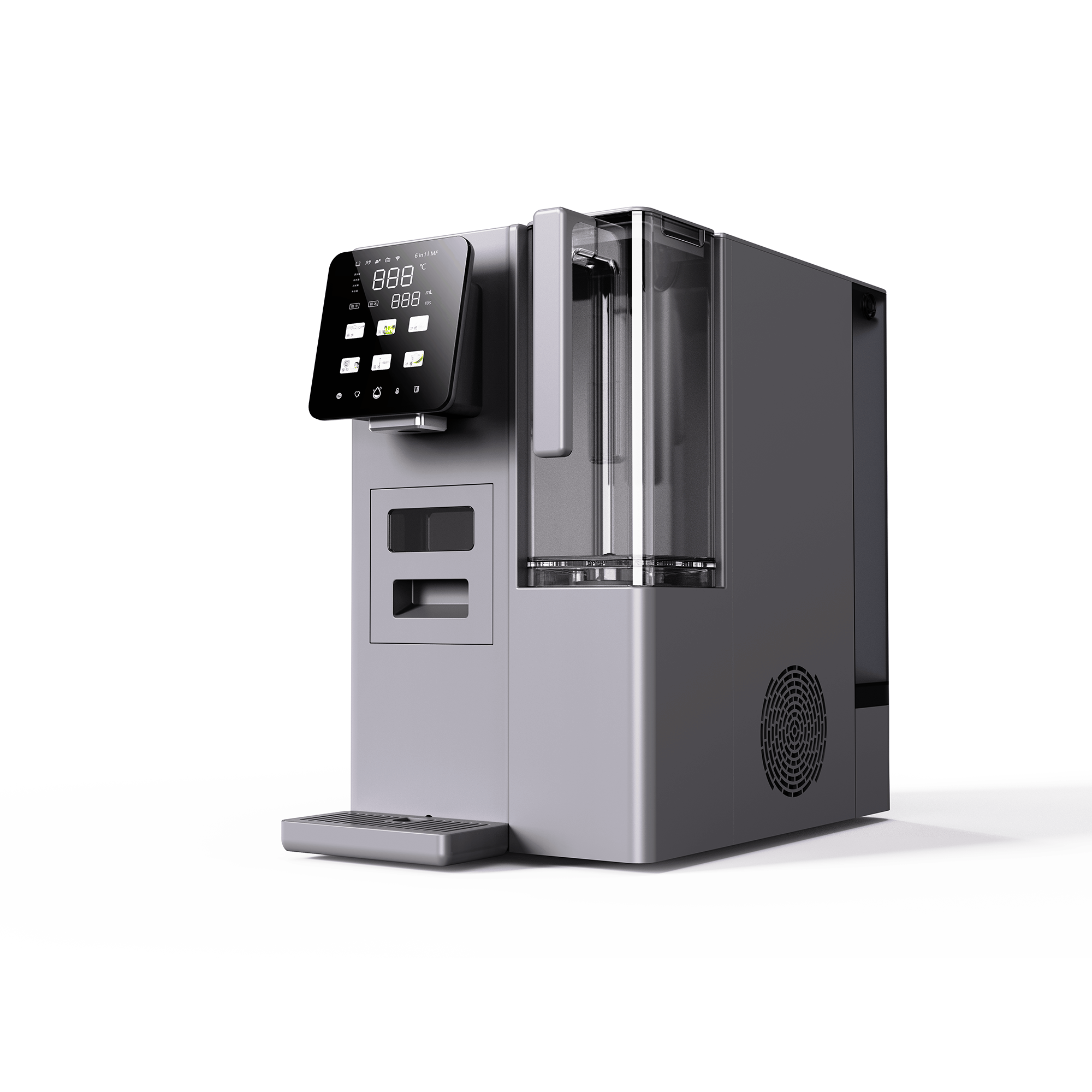
Countertop Water Purifier HW-H01
  • 6-in-1 RO Filter — Pure, Safe Drinking Water
  • Dispensing Options — 150mL, 300mL, 999mL
  • 6 Temps — 25°C to 95°C
  • Energy-Efficient Heating
  • Water-Saving — 3:1 Ratio
  • Compact — Fits Any Counter
Request a Quote
hw h02 serise
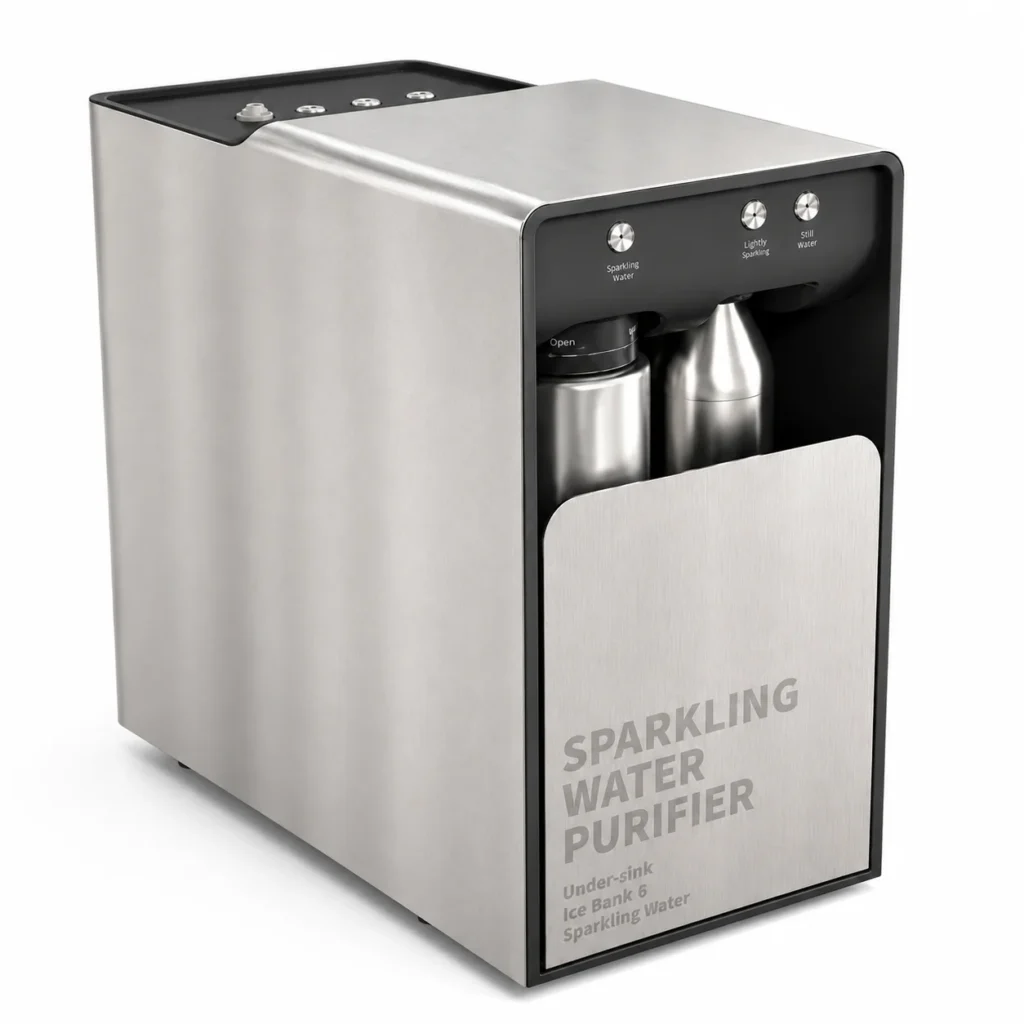
Undersink Water Purifier HW-H02 Serise
  • Advanced Filtration — Dual Filters, PPC + RO
  • High Flow — 400GPD / 600GPD / 800GPD
  • Large Capacity — 4000L Total
  • Grade 1 Water Efficiency — Minimal Waste
  • Multi-Function Output — Dual Outlets, Hot Water
  • Compact Undersink Design — Space-Saving
Request a Quote
hw03 serise 1
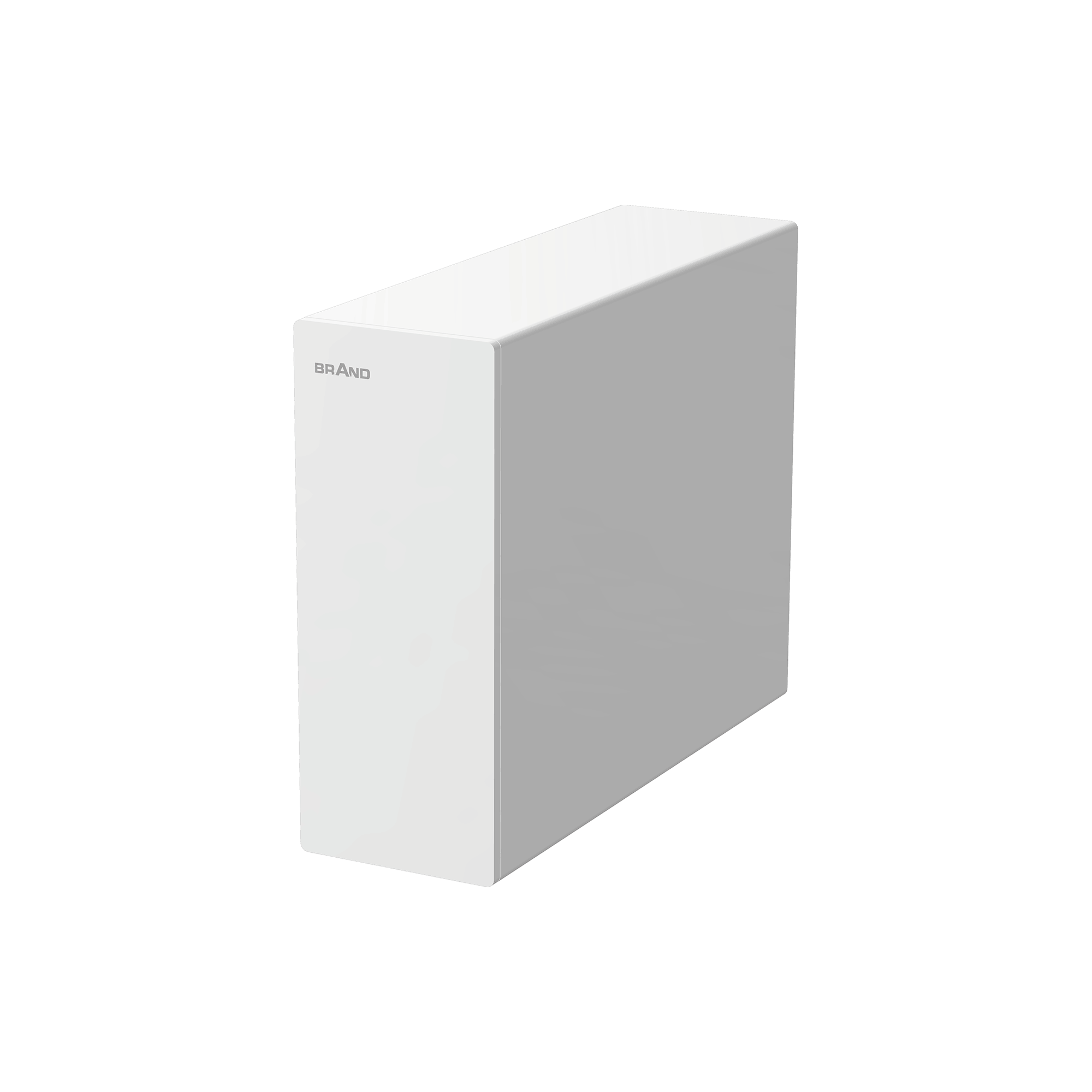
Undersink Water Purifier HW03 Serise
  • Powerful Filtration — 6-Stage, 0.0001μm RO
  • High Flow — 600GPD / 800GPD, 2.1 L/min
  • Smart Efficiency — 2:1 Pure-to-Waste Ratio
  • Quiet Operation — ≤55 dB(A)
  • Intelligent Faucet — Real-Time TDS & Status
  • Space-Saving — Compact Undersink Design
Request a Quote
hw04
Undersink Water Purifier HW04 Serise
  • Ultra-Fast Output — 1200GPD / 1600GPD
  • 6-Stage Filtration — PPC + 0.0001μm RO
  • Smart Management — WiFi & App Monitoring
  • Water-Saving — 3:1 or 2:1 Ratio
  • Quiet, Space-Saving — ≤55 dB(A), Undersink
  • Stylish Faucet — Real-Time TDS & Status
Request a Quote
hw05 serise 1
Undersink Water Purifier HW05 Serise
  • High-Performance Flow — 1200GPD / 1600GPD
  • 6-Stage Filtration — PPC + 0.0001μm RO
  • Water-Saving — 3:1 or 2:1 Ratio
  • Quiet & Reliable — ≤55 dB(A)
  • Smart Faucet — Digital or Heated Options
  • Sleek, Space-Saving
Request a Quote

Global Manufacturing
- China+1 Strategy Ready

China / Vietnam / Thailand / Malaysia
Contact Us

Why Choose Hiso

Pure water. Simple living. A smart solution for every moment, every home.
production line 2
experience skill

20+ Years of Experience

Trusted by global B2B brands with proven manufacturing and design expertise.
product

OEM/ODM Flexibility

Fully customized solutions from ID design to packaging and mass production.
globe v1

Global Certifications

Certified to NSF, CE, ISO, RoHS, SGS, FDA — ready for any global market.

factory (1)

Global Manufacturing

Production in China, Vietnam, Thailand & Malaysia ensures supply chain stability.
services v1

Tech & Engineering Support

CAD, prototyping, and technical consulting included in every project.
supply chain

One-Stop Water Solution

From filters to smart countertop RO systems — all under one roof.

Get Full Product Details & Pricing

No matter your market or specs — we’re ready to customize.
Contact Us

Experience construction done right

We don’t just make filters—we engineer reliability, safety, and performance into every layer. From raw material control to automated assembly, every step is optimized for consistent results.
💰

Competitive Pricing

Factory-direct production, stable raw materials, and MOQ flexibility mean you get better value—without quality trade-offs.

🛡️

Certified Safety

All filters meet global safety standards including NSF, ISO, RoHS & SGS—ready for export and trusted by OEMs worldwide.

🌱

Eco-Friendly Materials

100% coconut shell carbon, recyclable shells, and zero metal contamination—designed for clean water and a cleaner planet.

📏

Precision Manufacturing

Automated production and strict QC ensure stable dimensions and performance across every batch.

What We Serve?

Our top priority is customer satisfaction and we work closely with clients to understand their unique needs and goals.

Distributors & Traders

Whether you're reselling under your own brand or supplying aftermarket filters for existing machines, we help you stay competitive with certified materials, strong packaging, and filter compatibility with major brands like Xiaomi, Midea.

Component Assemblers

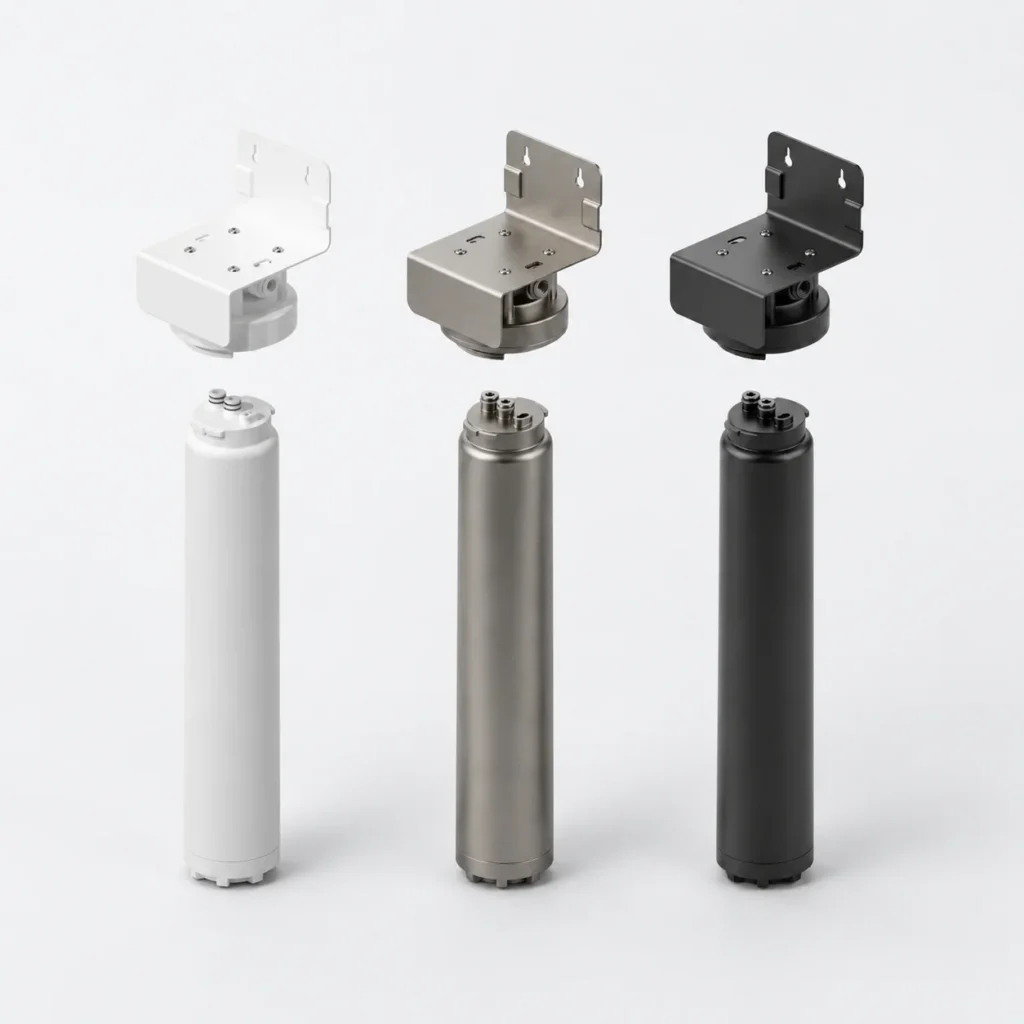
We provide stable, high-quality filter cores that can be easily integrated into your own branded systems. We offer consistent specifications, fast turnaround, and customizable sizes—helping you minimize assembly errors and improve efficiency.

ODM Clients

The brand requires clean documentation, stable quality, and strong visual presentation. We provide full certification (NSF 42, ISO9001, SGS, RoHS, etc.), along with OEM-friendly packaging and branding services.

Our Factory — Our Production Environment

Discover how we’ve transformed ideas into reality through our exceptional construction solutions.
production line

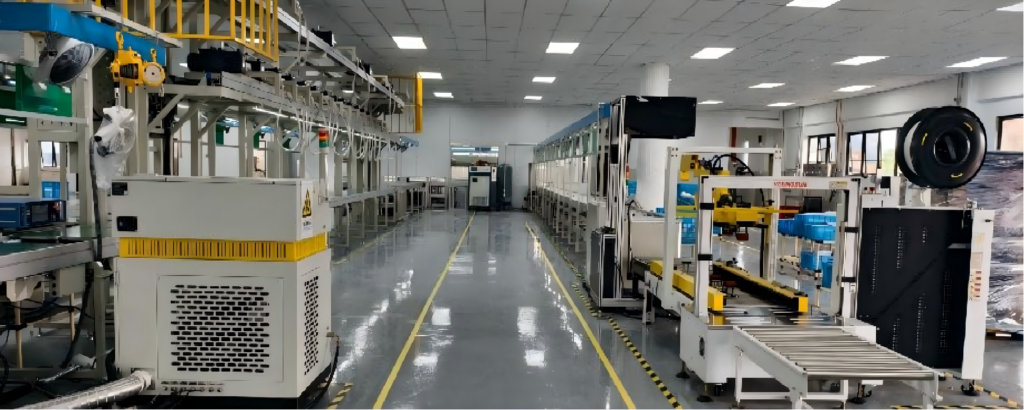
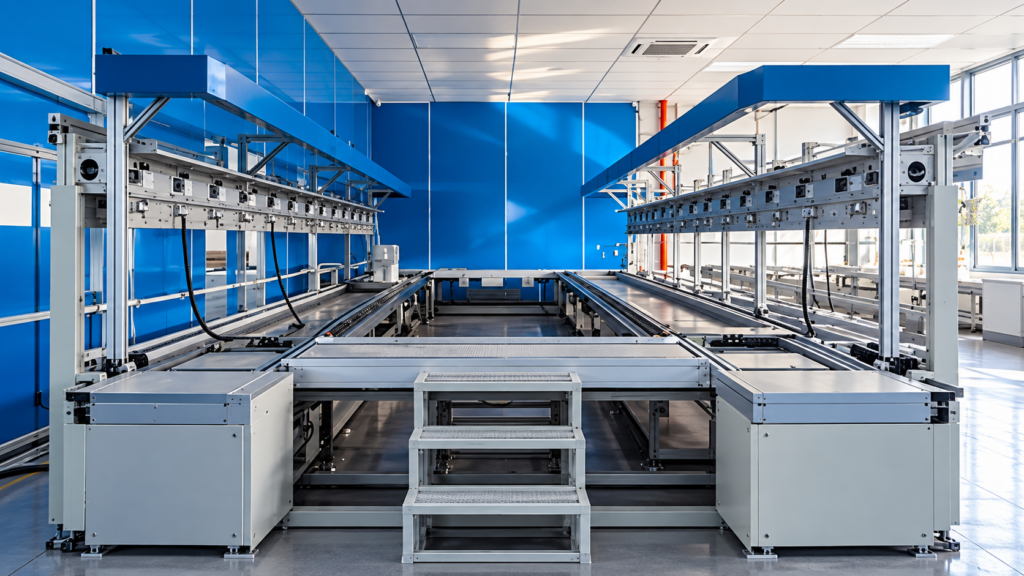
Advanced Manufacturing Line

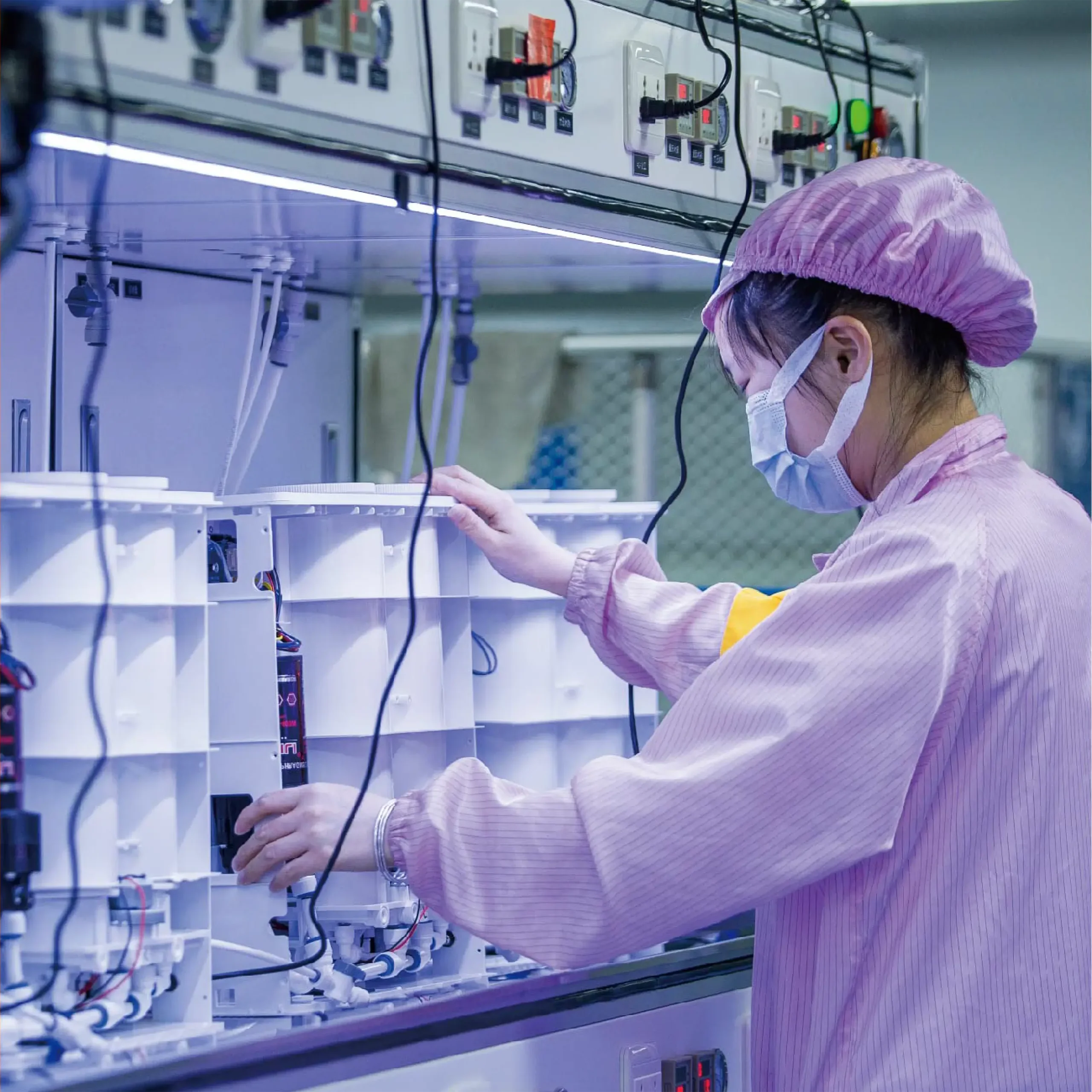
Efficient assembly lines dedicated to RO systems ensure fast, high-volume production with consistent quality.
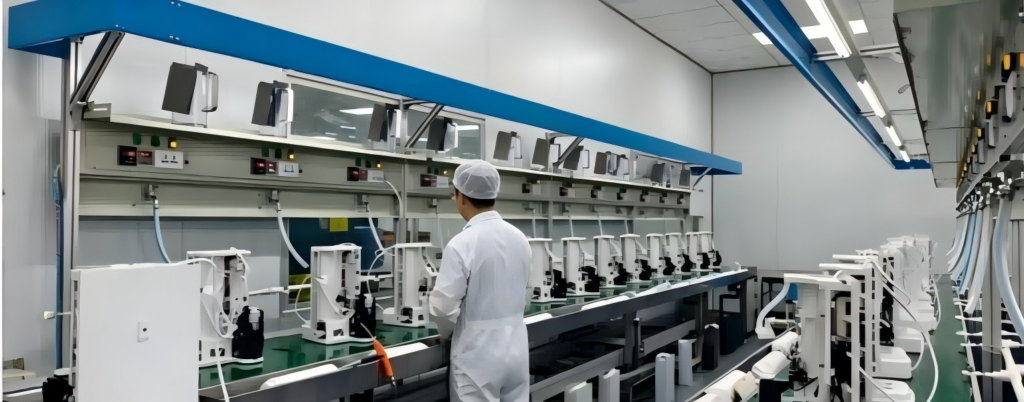
test

Multi-Lab Testing Center

 Each purifier is tested for TDS removal, water pressure, flow rate, and filtration precision.
lab

Core Component Validation

Critical modules like booster pumps and heating elements are stress-tested for daily long-term use.
patent

Certified & Protected Technology

Certified by CE, ROHS, and FCC, with proprietary hydrogen water technology tailored for drinking water applications.
Talk to Our Expert

Our Partners

With over 20 years of experience in water purification, we’ve become a trusted partner for some of the world’s most recognized brands. Let’s work together to deliver high-performance, reliable water purification solutions tailored to your market.
3M company logo in red.
Philips logo
Honeywell Logo - Leader in Air Purification and Filtration Solutions
haier logo
supor
ecowater
kohler
angel
aucma
bluepro
nestle
panasonic

Frequently Asked Questions

Still have concerns? You’re not alone. These are the questions we get most often.
If you’re wondering about quality, lead time, compatibility, or certifications—these answers should help you move forward with confidence.

We use 100% coconut shell activated carbon with an iodine value between 1000–1100—this is the industry benchmark for high adsorption capacity. Each batch is lab-tested and comes with a certificate, so you can confidently verify quality before mass production.

Our carbon blocks are engineered for both adsorption and flow stability. The extruded structure ensures low pressure drop while maintaining high performance, reducing the risk of clogging and extending service life—even in systems with variable water quality.

Most likely, yes. We support a wide range of industry-standard sizes, and we can customize filter dimensions, end caps, or threading to match your system. Just send us drawings or samples—our engineering team will handle the adaptation.

Standard lead time is just 15 days for most orders. For common models, we may ship even faster depending on stock. We understand that timing is critical; our fast turnaround helps you avoid delays in assembly or launch.

Yes. Our carbon block filters are designed to remove over 90% of residuachlorine, unpleasant odors, and VOCs. This dramatically improves tasteand ensures clean, safe water for end users-critical for customersatisfaction in home and commercial use.

Absolutely. All our filters and materials come with internationally recognized certifications, including NSF 42, ISO 9001, SGS, RoHS, CE, and more. We frequently support OEM clients with complete documentation for customs, distributor audits, and retail compliance.

We use fine-mesh, food-grade coconut shell carbon, tightly compressed through extrusion—not loose or powder fill. This results in a longer filter life, better adsorption, no carbon dust, and consistent performance—especially important for premium or export-grade products.

Yes. We actively work with OEM/ODM clients on new concepts, whether you’re building a smart purifier, a countertop system, or a portable filter. From prototypes to mass production, we provide material suggestions, CAD support, testing, and more.

Join the global leaders who rely on our expertise in water purification solutions.

Your query matters to us. We’ll connect shortly, and your details remain secure always.
we have made collaboration with Hiso for 3 years, and we are really grateful for the works that Hiso has provided to us. We are grateful for the collaboration with Cherry and Mr. Lee.
tms 1
Thomas
Government Supplier from Germany
Contaminant Engineering•3 min read

PFAS Water Filtration Technologies Explained: Carbon, Resin & RO

Key Takeaway:

PFAS reduction depends on the specific compounds present, treatment media, contact time, water chemistry, and system design. Activated carbon, ion exchange, and Reverse Osmosis address PFAS through different mechanisms.

PFAS are a large family of persistent fluorinated compounds that can occur in drinking-water supplies. Their treatment behavior varies significantly by molecular structure, chain length, functional group, concentration, and the chemistry of the source water.

Granular Activated Carbon (GAC) removes PFAS primarily through adsorption. It is generally more effective for many longer-chain PFAS, while shorter-chain compounds tend to break through more quickly. Carbon performance depends on media properties, Empty Bed Contact Time (EBCT), competing organic matter, loading, and replacement frequency.

Ion-exchange resins use charged functional sites to capture many PFAS compounds. Properly selected anion-exchange media can provide high capacity and may perform better than conventional activated carbon for some shorter-chain PFAS, although performance still depends on water chemistry and competing ions.

Reverse Osmosis (RO) uses membrane separation rather than adsorption. Properly designed RO systems can provide broad reduction across many PFAS compounds as well as dissolved salts and other contaminants. Unlike carbon or resin, however, RO also produces a concentrate stream that must be managed.

No single technology should be selected from a PFAS label alone. System design should consider which PFAS compounds are present, their concentrations, required reduction targets, flow rate, media life, and the applicable third-party certification or validation requirements.

HisoAir Water Technical Series
Product Discovery•3 min read

How to Choose an Under-Sink Water Purifier for Modern Kitchens

Key Takeaway:

Match the treatment technology to your water quality first, then evaluate cabinet space, faucet configuration, flow rate, drain and power requirements, and filter replacement needs.

Choosing an under-sink water purifier starts with water chemistry. Carbon filtration is well suited to chlorine, taste, odor, and many organic contaminants, while Reverse Osmosis is more appropriate when dissolved salts, fluoride, nitrates, or broader dissolved contaminants need to be reduced.

For compact kitchens, tankless RO systems eliminate the conventional storage tank and can significantly reduce the space required under the sink. However, membrane capacity stated in GPD does not directly equal faucet flow. When comparing systems, check the actual dispensing flow rate, inlet-pressure requirement, recovery ratio, and whether a booster pump is required.

Installation architecture also matters. Many RO systems require a drain connection, electrical power, and either a dedicated drinking-water faucet or a compatible multi-function faucet. High-flow carbon systems can often connect directly to the existing cold-water line with a simpler installation, but pressure drop and available faucet flow should still be verified.

RO also removes much of the naturally occurring dissolved mineral content. Where taste or mineral balance is a priority, a post-RO remineralization stage can be added. Filter life should be evaluated by both rated capacity and local water quality rather than replacement time alone.

The right system is therefore not simply the smallest or highest-GPD model. It is the configuration that matches the target contaminants, available cabinet space, desired faucet setup, peak dispensing demand, and maintenance expectations.

HisoAir Water Technical Series
Water Quality•2 min read

What Does TDS Mean in Drinking Water? Measurement vs Contaminant Reality

Key Takeaway:

A TDS meter estimates the overall concentration of dissolved ionic substances from electrical conductivity. It cannot identify specific contaminants or determine whether water is chemically safe.

Total Dissolved Solids (TDS) refers to the combined concentration of dissolved substances in water. Most handheld TDS meters do not measure TDS directly. Instead, they measure electrical conductivity (EC) and convert that reading into an estimated parts-per-million (ppm) value.

This means a TDS reading can indicate how much dissolved ionic material is present, but not what that material actually is. Calcium, magnesium, sodium, nitrates, and other dissolved ions can all contribute to conductivity, yet a simple TDS meter cannot distinguish between them.

TDS meters are also not suitable for detecting trace contaminants such as PFAS, many VOCs, pesticides, pharmaceuticals, or disinfection byproducts. These substances may be present at concentrations far below the level needed to noticeably change electrical conductivity.

A low TDS reading therefore does not guarantee safe drinking water, and a higher TDS reading does not automatically indicate contamination. Water-treatment decisions should be based on laboratory testing for specific contaminants of concern rather than TDS alone.

HisoAir Water Technical Series
Technology Selection•2 min read

RO vs UF Water Filtration: Understanding Pore Sizes & Dissolved Minerals

Key Takeaway:

Ultrafiltration can reduce bacteria, turbidity, and suspended particles while retaining most naturally occurring dissolved minerals. Reverse Osmosis provides much broader reduction of dissolved salts and smaller contaminants.

Ultrafiltration (UF) typically uses hollow-fiber membranes with pore sizes in the approximate 0.01–0.1 micron range. These membranes physically retain turbidity, suspended solids, colloids, and many microorganisms while allowing dissolved minerals and salts to remain in the water.

Reverse Osmosis (RO) operates at a much finer separation level. Unlike UF, RO can substantially reduce dissolved ions such as sodium, calcium, fluoride, nitrates, and other contributors to total dissolved solids (TDS). This makes RO more suitable when dissolved-salt reduction is a primary treatment objective.

UF generally requires less system pressure and produces little or no continuous concentrate stream in many point-of-use configurations. RO typically requires greater pressure and produces a reject-water stream, but delivers broader contaminant reduction.

For water with acceptable TDS and mineral content, UF can be a simpler mineral-retaining treatment option. Where dissolved salts, fluoride, nitrates, or broader dissolved contaminants are a concern, RO is generally the more appropriate technology.

HisoAir Water Technical Series
Technology Selection•4 min read

Carbon Block vs Reverse Osmosis: Which Fits Your Need?

Key Takeaway:

Choose RO for dissolved inorganic salts and heavy metals; choose Carbon Block for chemical taste/odor, no wastewater, and high line-pressure flow.

Reverse Osmosis (RO) and Carbon Block filtration represent two fundamentally different treatment methods: membrane separation and adsorption. Understanding these differences helps determine which technology is better suited to a specific water-quality requirement.

Reverse Osmosis uses a semi-permeable membrane with pore sizes of approximately 0.0001 microns. It can significantly reduce dissolved inorganic contaminants such as TDS, fluoride, nitrates, and certain heavy metals. Because water must be forced through the membrane, RO systems require sufficient pressure or a booster pump and generate a concentrated wastewater stream.

Carbon Block filtration relies primarily on adsorption through compressed activated carbon, commonly with nominal pore sizes around 0.5–5 microns. It is highly effective for chlorine, chloramines, VOCs, taste, and odor, while allowing substantially higher direct-flow rates without producing wastewater.

From an operating perspective, Carbon Block systems are generally simpler, require less energy, and avoid the water loss associated with RO. RO involves higher system complexity and operating cost, but provides substantially broader reduction of dissolved contaminants that Carbon Block alone cannot address.

HisoAir Water Technical Series

REQUEST A QUOTE