
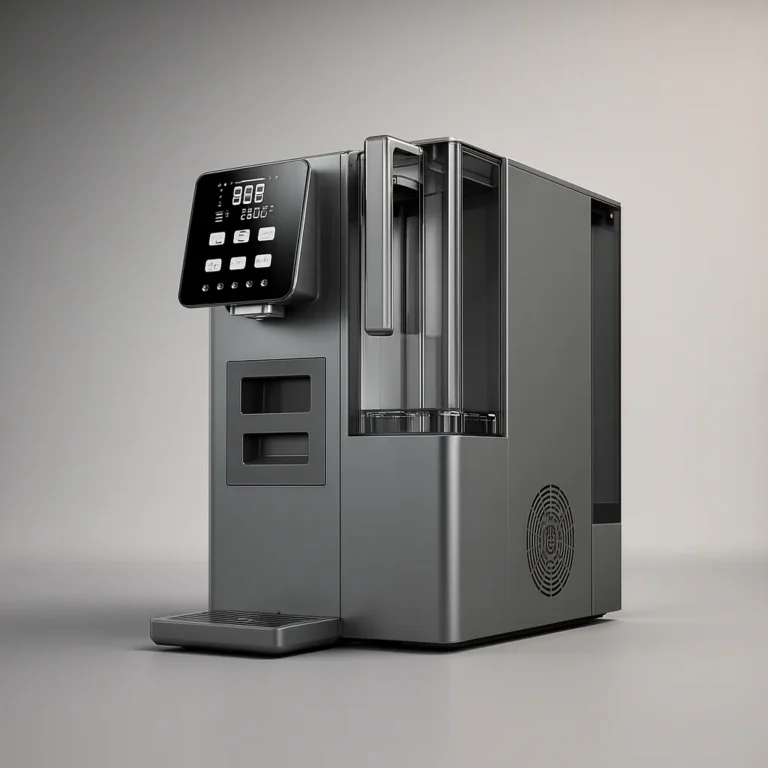
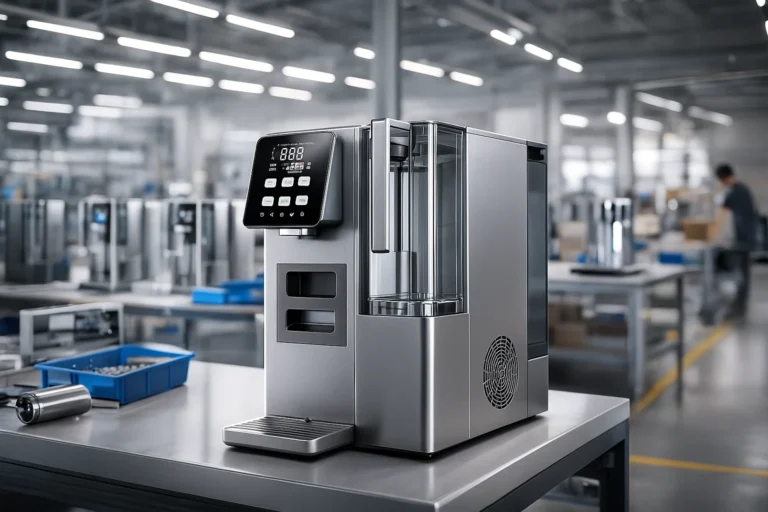
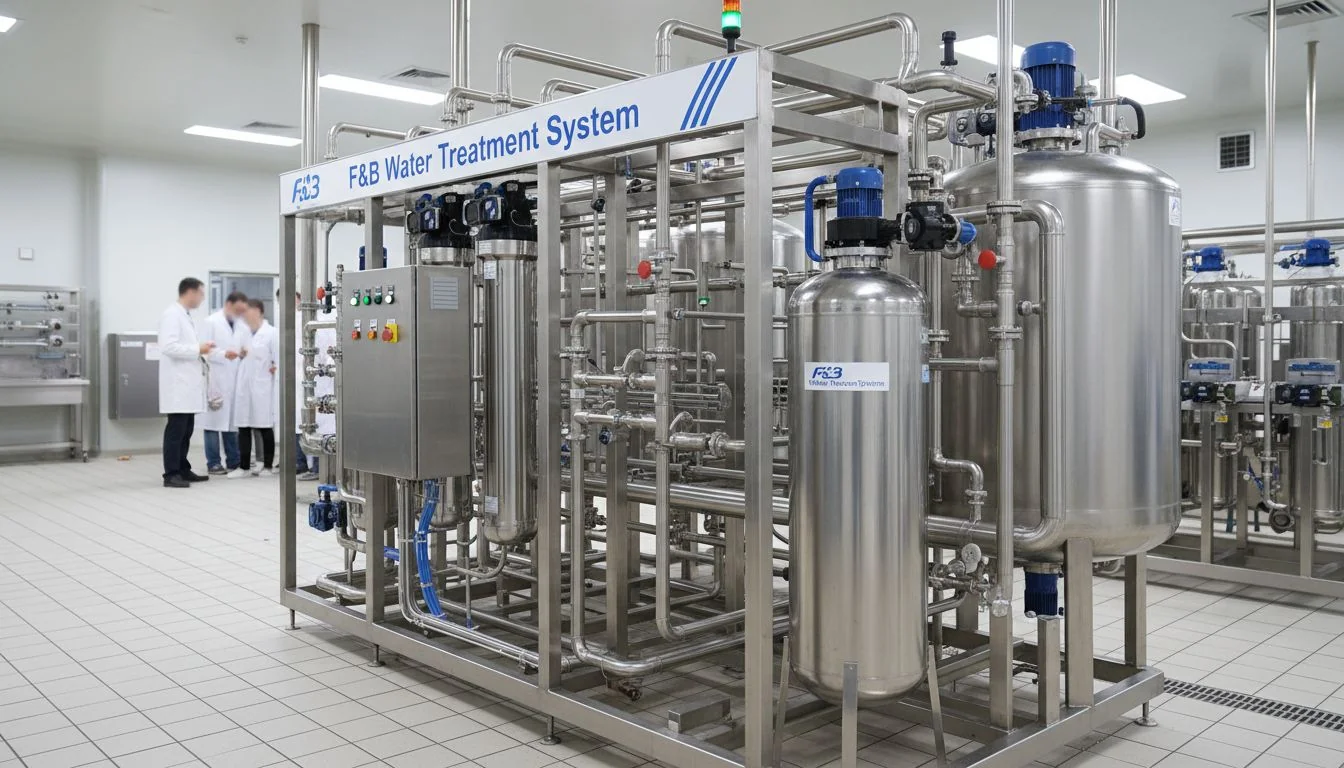
Struggling with failing espresso machines and cloudy ice? Bad water ruins expensive equipment and drives away customers. Let me show you how to engineer the perfect water system.
F&B water treatment1 requires a central pretreatment skid with point-of-use polishing for each equipment type. You cannot use a single generic RO system. Coffee needs specific minerals, ice needs zero TDS, and ovens need soft water. Matching these engineering specs prevents equipment failure and ensures product quality.
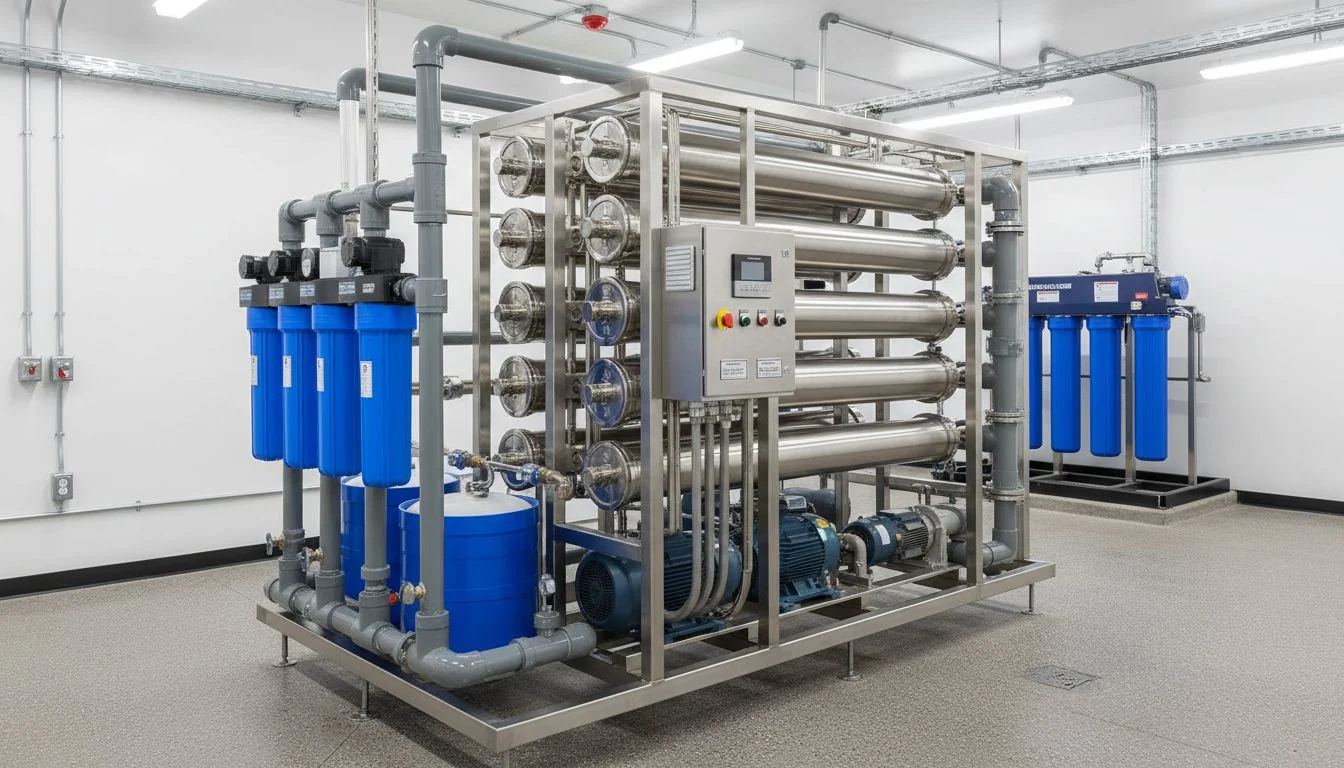
As a designer, you know that ignoring material specs leads to product failure. The same rule applies to commercial kitchens. If you treat water as a simple utility instead of a strict engineering specification, your equipment will break down fast. Let us look at how to get this right.
A single generic RO system is the best choice for all commercial kitchen equipment.False
Different equipment requires different water profiles; pure RO ruins espresso and voids warranties.
F&B water should be treated as an engineering specification.True
Each equipment category has specific mineral, TDS, and hardness requirements published by the manufacturer.
Why Is F&B Water an Engineering Specification and Not a Commodity?
Are your combi ovens scaling up while your espresso tastes flat? Using one water filter for everything causes this. You need specific water profiles for different machines.
A commercial kitchen runs five water-dependent equipment categories. Each needs a different water profile. Coffee needs minerals, ovens need soft water, and ice needs low TDS. The best setup is a Central pretreatment skid2 with specific point-of-use polishing filters for each machine.
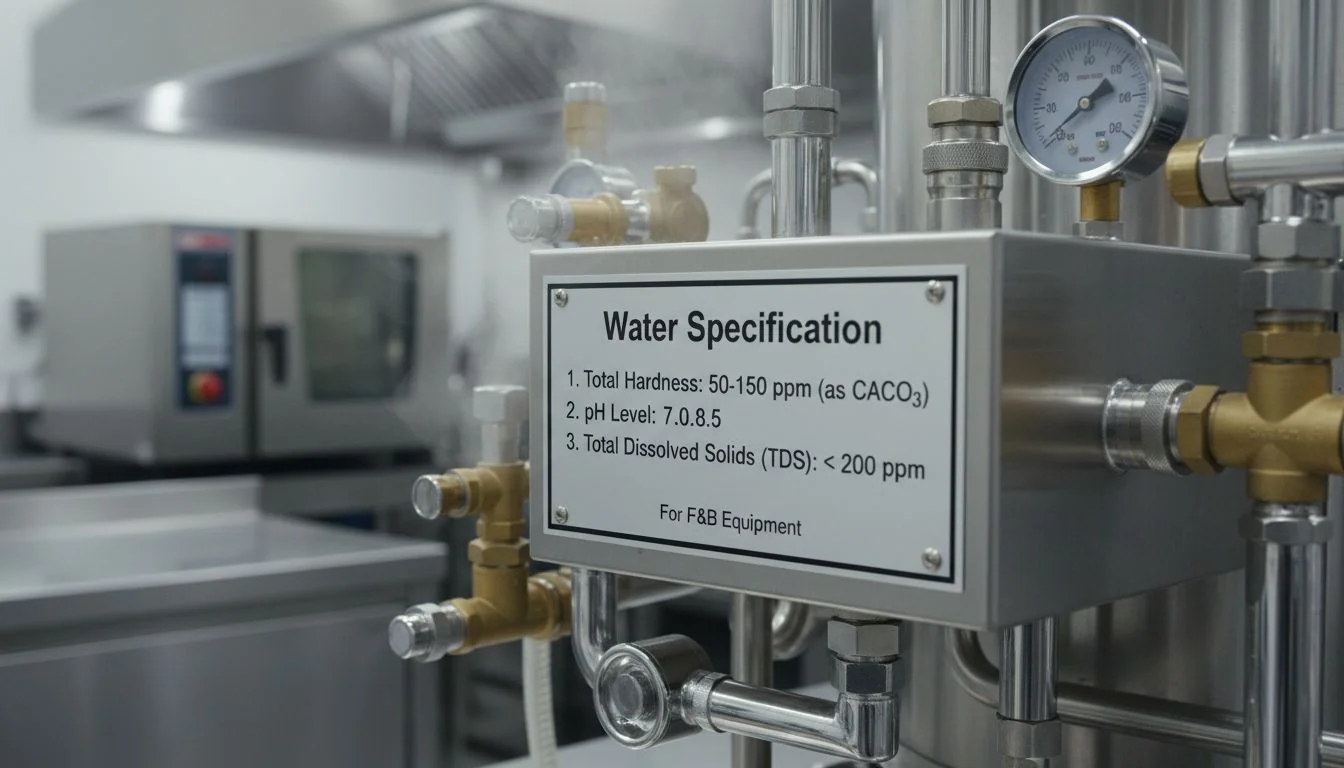
The Five Equipment Categories
When I design a mold, I check the plastic shrinkage rate. Water systems need the same exactness. You cannot guess. You must follow the manufacturer's rules. If you use pure RO water for everything, you will ruin your espresso. If you use hard water, your combi oven boilers will die 40% to 60% faster.
System Architecture
The biggest mistake is buying one universal RO unit. Instead, you must build a smart system. Start with a central pretreatment skid. This handles the baseline water. Then, add point-of-use polishing for each machine.
| Equipment Type | Water Requirement | Risk of Wrong Water |
|---|---|---|
| Espresso Machines | Moderate TDS, specific minerals | Flat taste, voided warranty |
| Combi Ovens | Very low hardness, low chloride | Scale buildup, boiler failure |
| Ice Machines | Very low TDS | Cloudy, fast-melting ice |
| Soda Fountains | Controlled chlorine, sediment-free | Bad syrup-to-water ratio |
| Glasswashers | Softened water | Spots and scale on glass |
This engineered approach saves money and stops cross-contamination.
Pure RO water is ideal for making specialty espresso.False
Pure RO water lacks the minerals needed to extract coffee flavors and can corrode espresso machine boilers.
Using unsoftened water can reduce a combi oven's boiler life by up to 60%.True
Hard water causes scale buildup and corrosion in the boiler chambers.
How Do We Decode the Specialty Coffee Water Standard and Avoid Ruining Espresso?
Does your coffee taste bitter or sour despite using great beans? Bad water chemistry is the culprit. You must hit exact mineral targets to extract flavor correctly.
The Specialty Coffee Association (SCA) requires TDS between 75 and 250 mg/L and hardness between 50 and 175 mg/L. Pure RO water falls below 10 mg/L, which ruins coffee and corrodes machines. The correct method is using RO to strip the water, then remineralizing it.
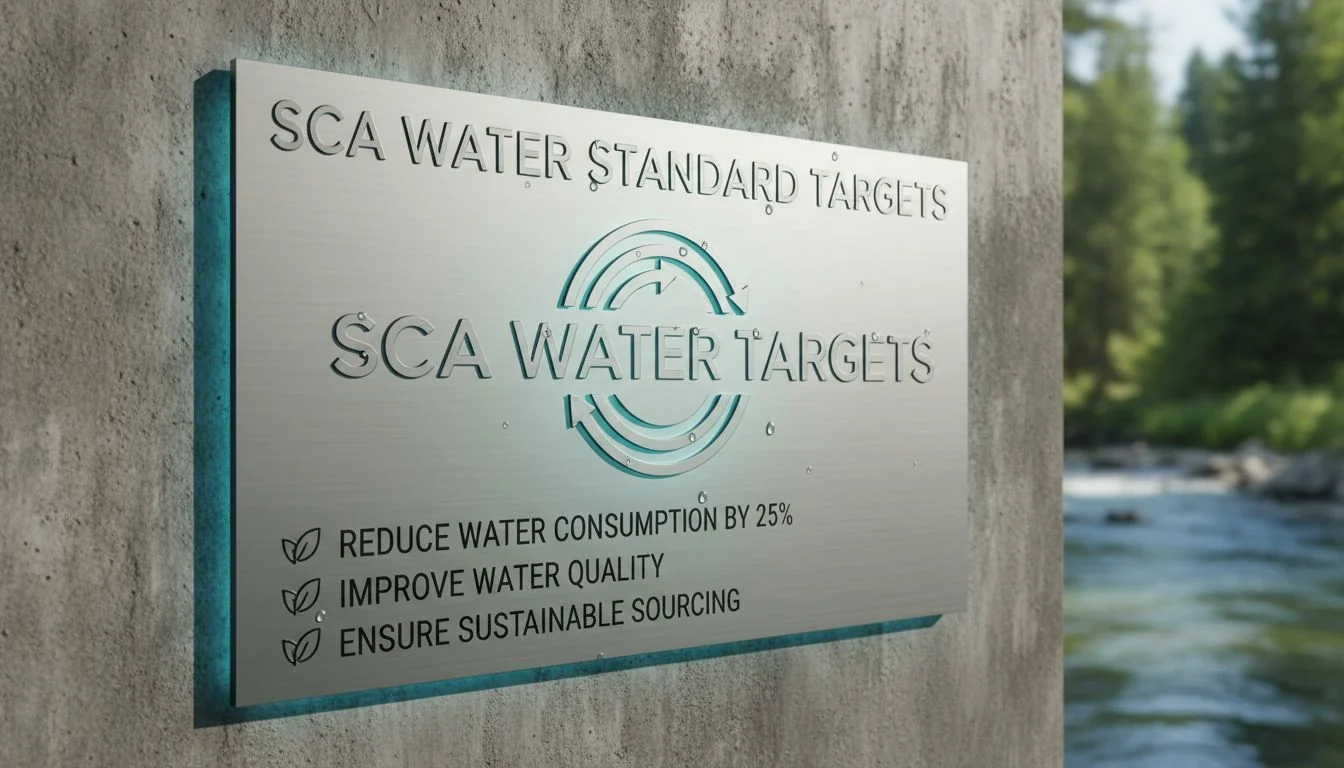
The SCA Water Targets
Just like we follow strict tolerances in CNC machining, coffee experts follow the SCA water standard3. Most city water fails these tests. Northeast water is too soft. Southwest water has too much calcium. You cannot just install a basic filter and hope for the best.
The RO and Remineralization Architecture
You must strip the water down to a baseline using RO. Then, you inject controlled minerals back into the water. This hits the exact SCA targets. Premium brands like La Marzocco and Modbar demand this. If you feed them pure RO water, you void the warranty on day one.
| Parameter | SCA Target Range | Ideal Target |
|---|---|---|
| TDS | 75 - 250 mg/L | 150 mg/L |
| Total Hardness | 50 - 175 mg/L | 50 - 85 mg/L (Calcium) |
| Total Alkalinity | 40 - 75 mg/L | 40 mg/L |
| pH | 6.5 - 7.5 | 7.0 |
Hitting these numbers ensures perfect extraction and protects your expensive equipment.
Most municipal source water in North America naturally meets SCA water standards.False
Most city water misses at least two parameters, being either too hard, too soft, or containing chloramine.
Premium espresso machine warranties can be voided by using pure RO water.True
Brands like La Marzocco explicitly require post-RO remineralization in their warranty conditions.
Why Do Steam Ovens, Ice Machines, and Soda Fountains Have Conflicting Water Specs?
Are your ice cubes cloudy while your dishwasher leaves spots? Different machines fight over water needs. You cannot fix this with one simple filter.
Every kitchen machine has a different water spec. Combi ovens need soft water to stop scale. Ice machines need near-zero TDS for clear ice. Soda fountains need chlorine removed for consistent taste. You must use a central pretreatment skid with dedicated polishing loops.
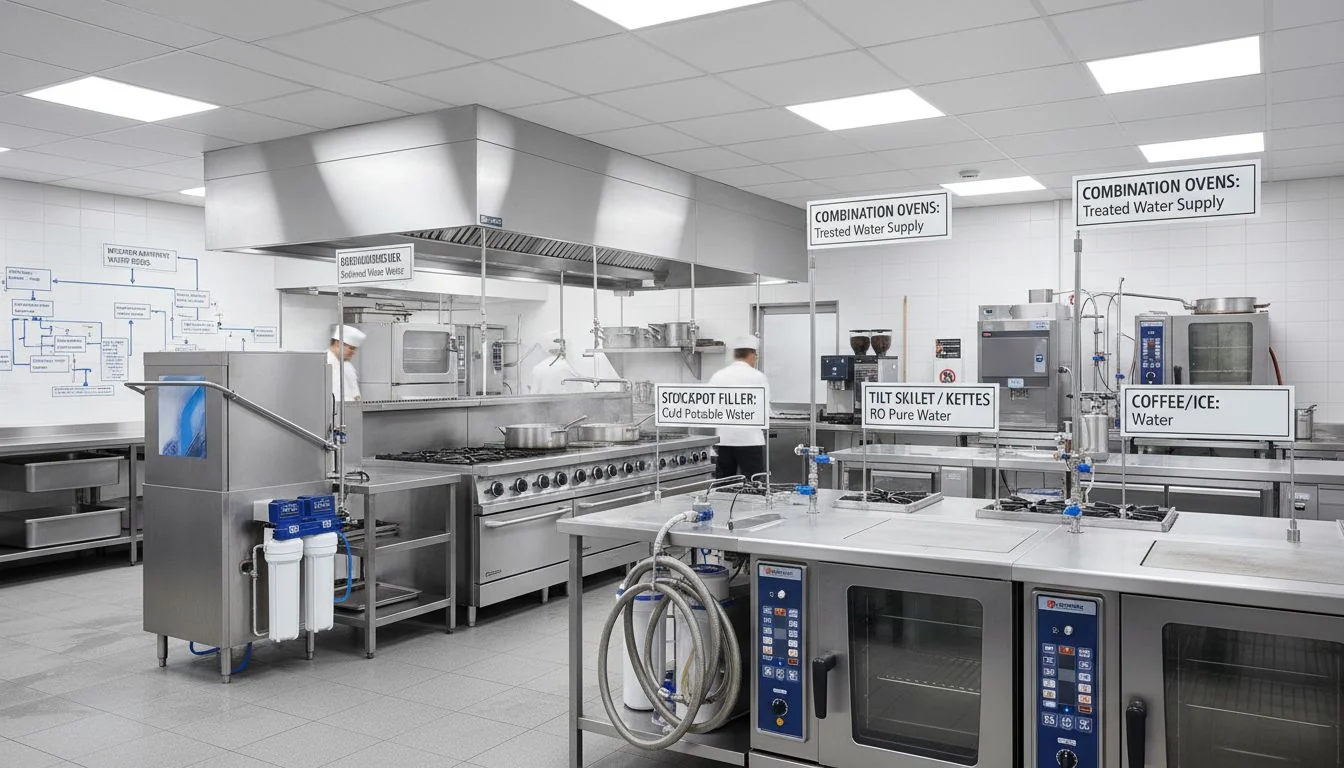
Conflicting Specifications
In mold design, one material does not fit every part. The same is true here. A single commercial RO system cannot serve a whole kitchen. Coffee wants minerals. Ice wants zero TDS. Ovens want soft water. Dishwashers want softened water without RO.
The Central Skid Solution
The right way to build this is a central pretreatment skid. This skid uses a sediment pre-filter, carbon for chloramine, and an RO membrane. From there, you run point-of-use polishing loops to each machine.
| Equipment | Polishing Loop Requirement | Goal |
|---|---|---|
| Coffee | Remineralization | Hit SCA mineral targets |
| Ice Machines | Dedicated UV / Low TDS | Clear, slow-melting ice |
| Combi Ovens | Specific anion control | Prevent boiler scale |
| Dishwashers | Additional softening | Stop glass spotting |
| Soda Fountains | Blend valves | Maintain Brix ratios |
Quoting this as one engineered system lowers costs and stops plumbing headaches.
Ice machines require high TDS water to produce clear ice.False
Ice machines perform best with TDS below 50 mg/L; high TDS produces cloudy, fast-melting ice.
Soda fountain systems require specific pretreatment to maintain syrup-to-water Brix consistency.True
Coca-Cola and Pepsi require chlorine reduction and TDS control to meet distribution standards.
How Do Multi-Location Coffee Chains and Restaurant Groups Procure Water Systems?
Losing bids to supply water systems for big chains? Selling to a 50-location chain is hard. You must understand their complex buying process to win the contract.
Procurement for chains involves multiple layers. Corporate engineering sets the water targets. Facilities teams check OEM compatibility. Coffee dealers manage the installation and warranty. Franchisees want fast service. You must provide documented mineral capabilities and a strong service network to win these deals.
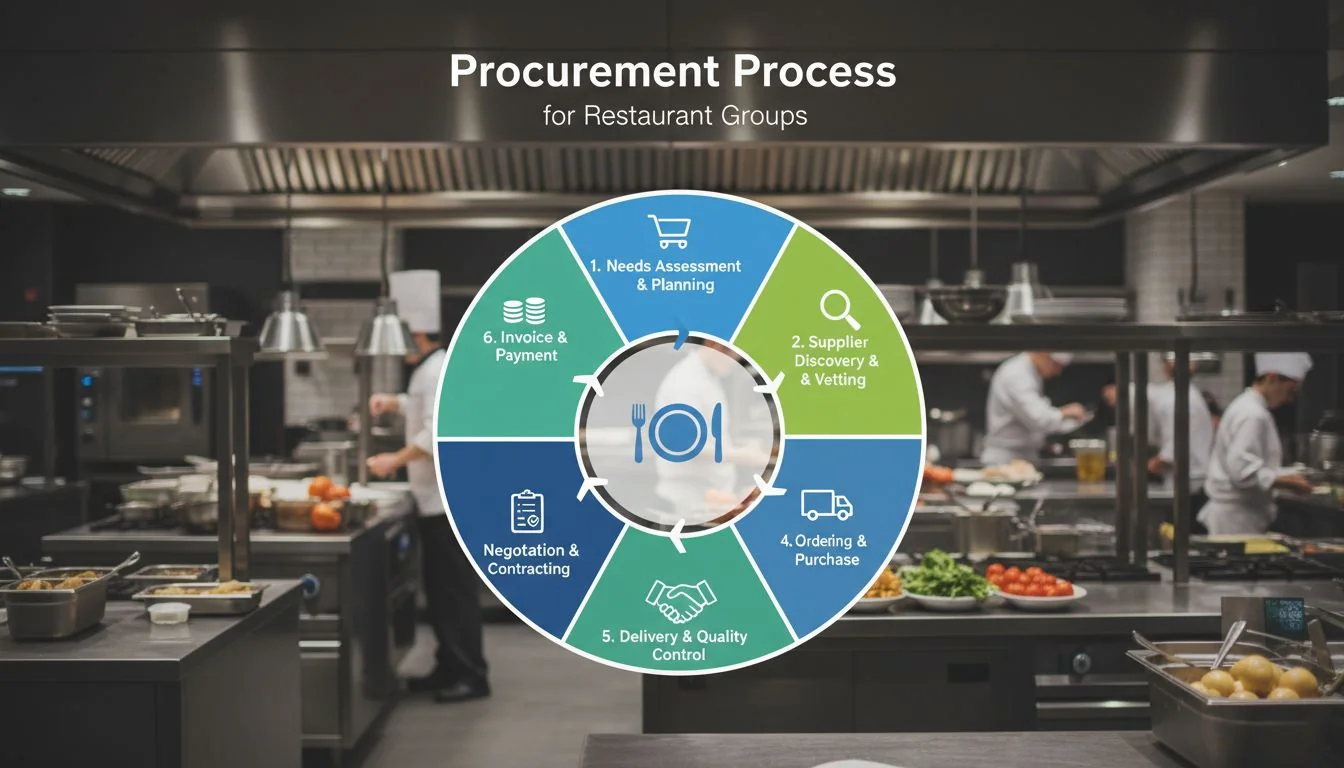
The Multi-Location Buying Motion
Selling to a big chain is not like selling to a single cafe. It is like getting a mold approved by a major electronics brand. You have to please many different people. The head of coffee sets the water profile. The facilities team checks the budget and approved vendor lists.
Pleasing the Gatekeepers
Coffee equipment dealers often act as gatekeepers. They install the espresso machines and hold the warranty risk. If they do not trust your water system, you will not get the job.
| Stakeholder | Primary Concern | Winning Strategy |
|---|---|---|
| Corporate Engineering | Water target accuracy | Documented Mineral blending4 |
| Facilities Procurement | Price and compliance | Approved-vendor status |
| Coffee Dealers | Warranty and install | Technical credibility |
| Franchisees | Uptime and supplies | Fast service and cartridges |
You need engineering depth, good documents, and a wide service footprint to succeed here.
Independent cafes and large coffee chains use the exact same procurement process for water systems.False
Chains use a complex process involving corporate engineering, facilities procurement, and approved vendor lists.
Coffee equipment dealers often act as gatekeepers for water filtration selection.True
Dealers specify water as part of the install and bear warranty exposure if the water spec fails.
How Should You Evaluate Vendors for F&B Water Programs?
Tired of unreliable water filter suppliers? A bad vendor causes downtime and lost sales. You need a partner who offers custom engineering and fast service.
Evaluate vendors on five key traits. They must offer custom mineral blending, hold equipment OEM approvals, ensure stable cartridge supply, provide fast service networks, and offer engineering customization. A serious partner can match your specific water target across all locations for years.
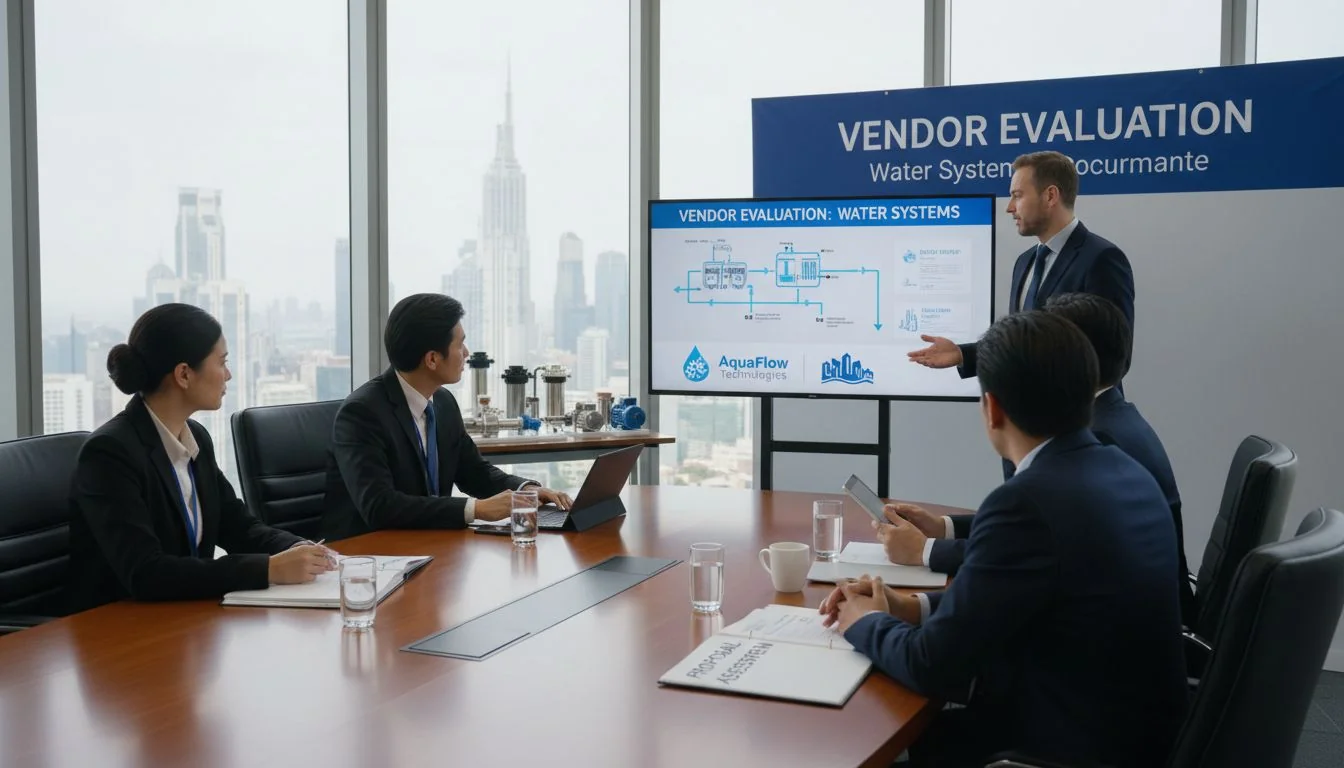
The Five Capability Dimensions
When I pick a CNC supplier, I look at their long-term reliability. You must do the same for water vendors. Do not just buy from a generic RO reseller. You need a partner who can engineer remineralization to your exact TDS and pH targets.
Service and Supply Continuity
A closed espresso bar during the morning rush costs thousands of dollars. Your vendor must offer emergency service within 4 to 24 hours. They also need a strong supply chain. A 50-location chain uses over 150 cartridges a year.
| Evaluation Criteria | Why It Matters |
|---|---|
| Custom Mineral Blending | Hits specific coffee flavor profiles |
| OEM Approval | Unlocks warranties and dealer trust |
| Cartridge Supply | Ensures stable pricing and stock |
| Service Network | Prevents costly downtime |
| Engineering Customization | Allows for proprietary setups |
Vendors who prove these five things with solid documents will win the contract.
Initial system price is the most important factor when choosing a water filtration vendor for a chain.False
Cartridge supply continuity, pricing stability over 3-5 years, and service networks matter much more.
A vendor's emergency service response time is critical for F&B operators.True
Downtime from a failed water system directly impacts revenue, making 4-24 hour response times non-negotiable.
Conclusion
Treat F&B water as a strict engineering spec. Use central pretreatment with dedicated polishing loops. Partner with vendors who offer custom minerals, OEM approvals, and reliable service networks.
References
-
Understanding F&B water treatment is crucial for maintaining equipment and ensuring product quality. ↩
-
A central pretreatment skid is vital for managing diverse water needs in commercial kitchens. ↩
-
The SCA water standard is essential for achieving optimal coffee flavor and equipment longevity. ↩
-
Proper mineral blending is key to enhancing coffee extraction and taste. ↩



 English
  Français
  Español
  Italiano
  Deutsch
  Português
  Русский
  العربية
  日本語
日本語  한국어
한국어  Tiếng Việt

