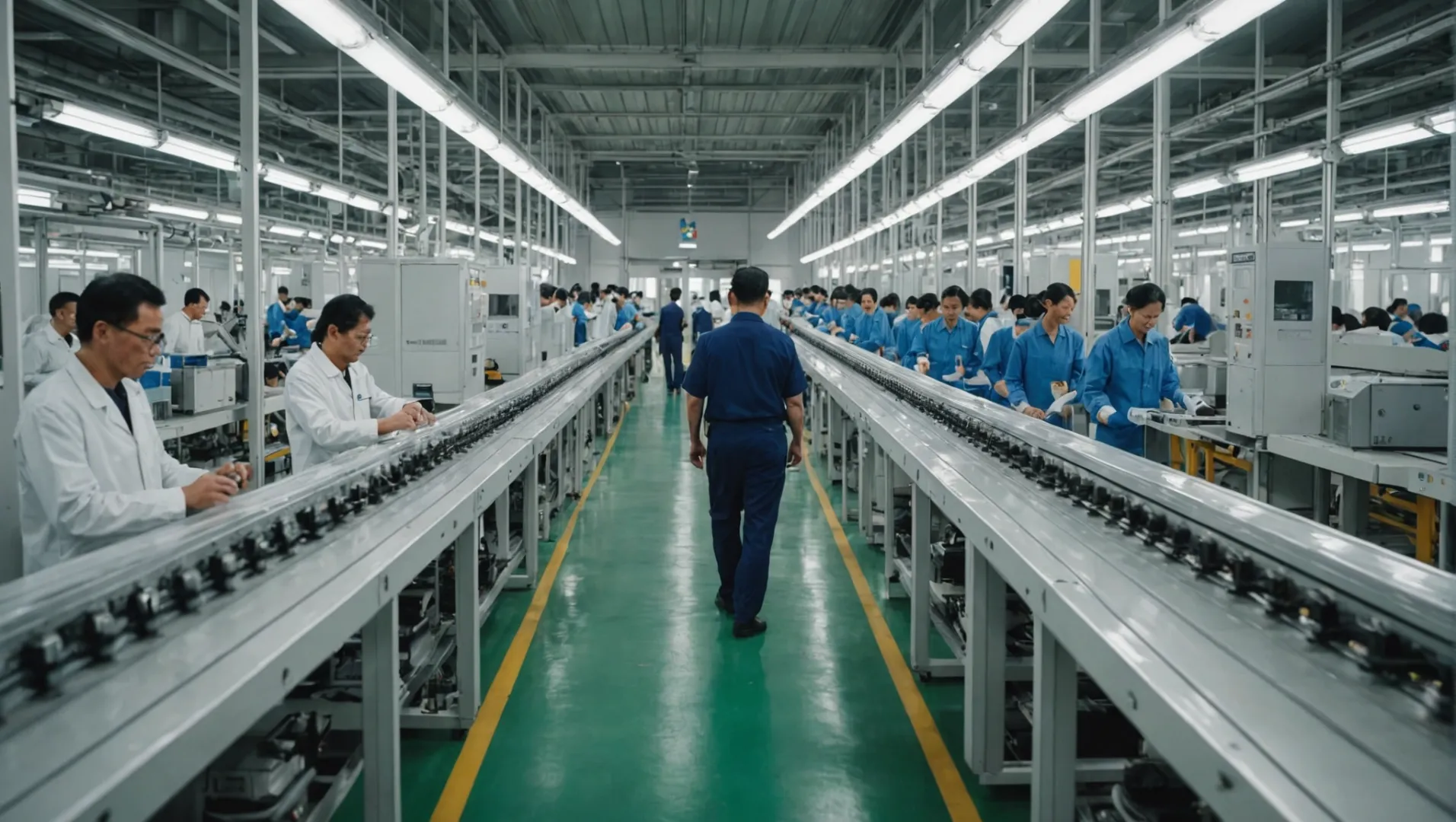
In a world where clean air feels like a luxury, I’ve often wondered—does the country of origin of my air purifier really matter?
China currently leads in air purifier production due to its robust supply chain, manufacturing expertise, and cost efficiency. However, Malaysia is emerging as a significant player with increasing capabilities and notable brands like Dyson contributing to the market.
As I dive deeper into this topic, it becomes clear that while China holds the crown, Malaysia is not far behind. Let's explore how these two countries stack up against each other!
China leads air purifier production over Malaysia.True
China's established infrastructure and cost efficiency make it the leader.
What Makes China a Dominant Player in Air Purifier Production?
China's lead in air purifier production stems from its vast supply chain, manufacturing prowess, and cost efficiency. But what exactly contributes to this dominance?
China dominates air purifier production due to its extensive supply chain networks, historical expertise, and competitive manufacturing costs.
The Power of Supply Chains
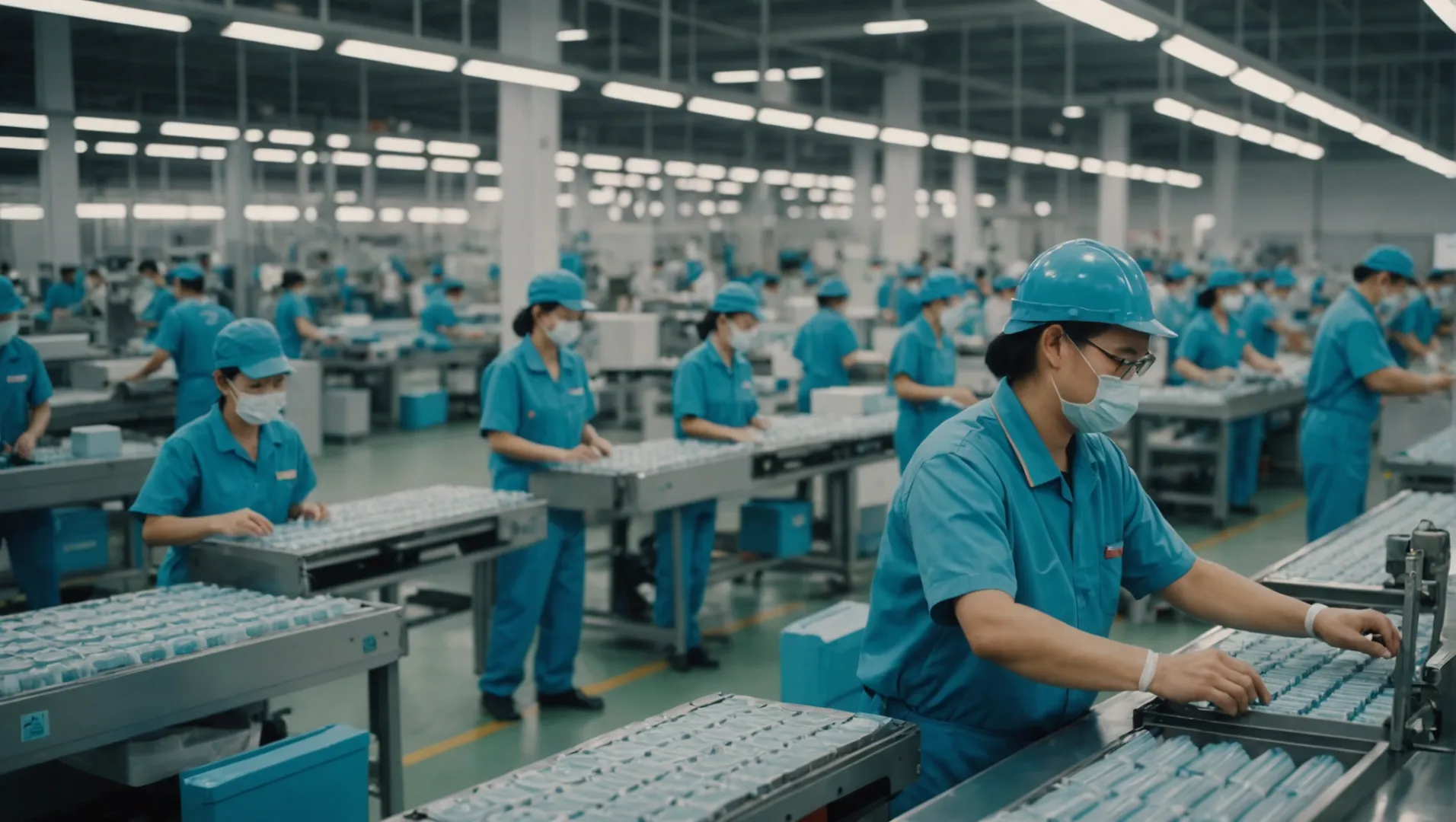
China has meticulously built an extensive network of suppliers and manufacturers over the years, creating a highly efficient supply chain system1 that supports air purifier production. This robust infrastructure ensures that all necessary components, from plastic parts to electronic modules, are readily available, reducing lead times and costs.
Manufacturing Expertise
With decades of experience in electronics and consumer goods manufacturing, China offers unparalleled expertise in producing high-quality air purifiers. This expertise is not just about technical know-how but also about the ability to innovate and adapt quickly to market demands.
Cost Efficiency
One of the critical factors that make China a dominant player is its cost efficiency. Manufacturing in China remains cost-effective due to lower labor costs and economies of scale. Even with potential tariff increases, as mentioned in discussions about relocating production to countries like Malaysia, the cost advantage in China often outweighs these additional expenses.
Innovations and Technological Advancements
China is not just about mass production; it is also at the forefront of innovation. Many Chinese companies invest heavily in R&D to improve air purification technologies, making them more effective and affordable for consumers worldwide. This continuous innovation cycle ensures that China remains a leader in both quantity and quality.
Global Market Influence
China's dominant position in air purifier production also gives it significant influence over global pricing and technology trends. As the largest manufacturer, it can set competitive prices that other countries struggle to match, while also driving technological advancements that shape the future of the industry.
In conclusion, while Malaysia is emerging as a formidable competitor, China's combination of supply chain efficiency, manufacturing expertise, cost advantages, and innovative spirit continues to solidify its position as a leader in the air purifier market.
China's supply chains reduce air purifier production costs.True
China's efficient supply chains ensure component availability, lowering costs.
Malaysia has surpassed China in air purifier innovation.False
China leads in air purifier innovation due to significant R&D investments.
How is Malaysia Emerging in the Air Purifier Market?
As the air purifier market evolves, Malaysia is positioning itself as a noteworthy contender alongside established giants like China.
Malaysia is emerging in the air purifier market by enhancing its manufacturing capabilities and attracting global brands, despite challenges like higher production costs compared to China.
Malaysia's Strategic Position in the Market
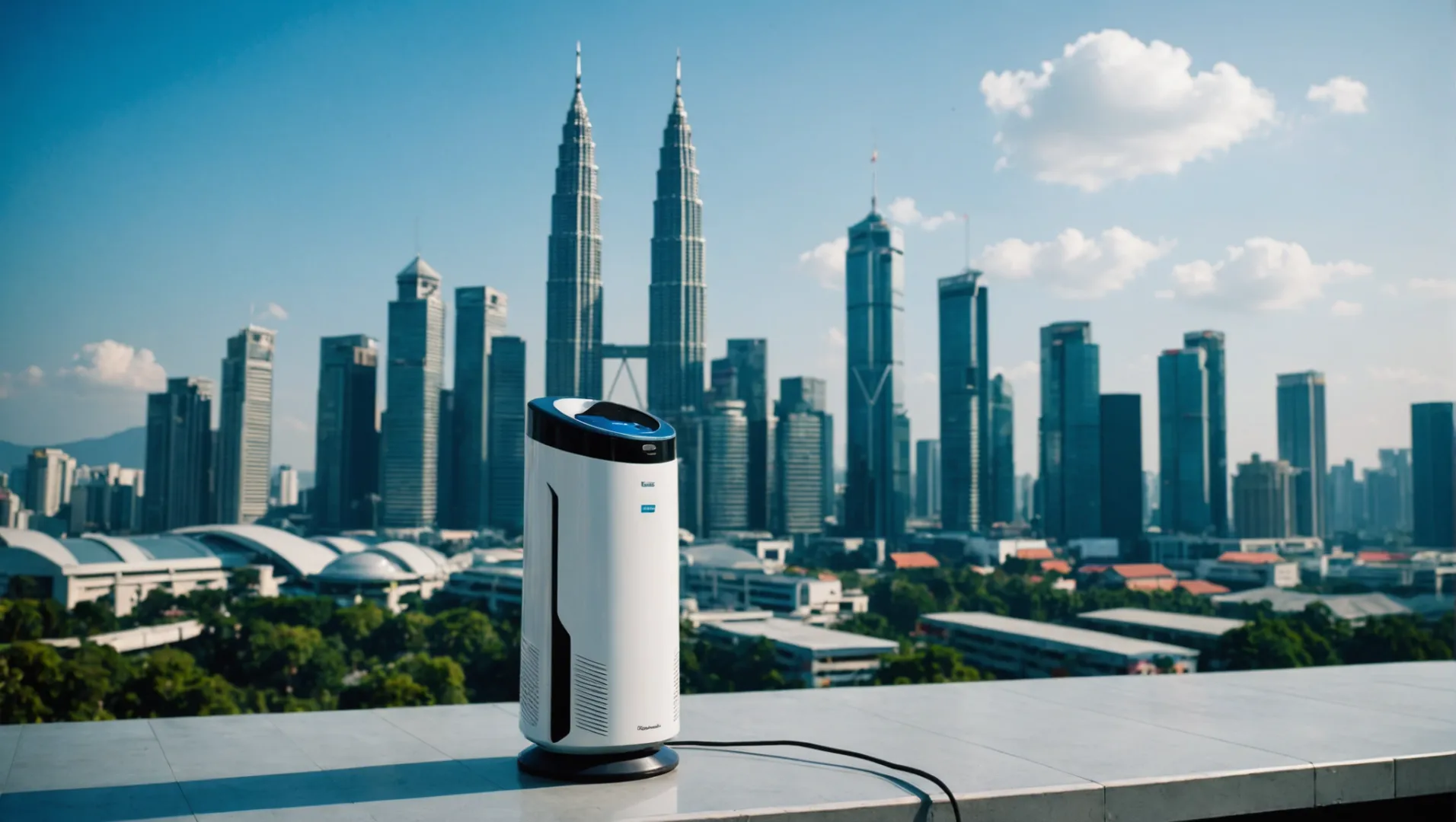
Malaysia's rise in the air purifier market can be attributed to its strategic location and growing industrial base. This Southeast Asian nation offers a conducive environment for manufacturers looking to diversify their production locations. Global brands, such as Dyson, are already establishing a presence in Malaysia, benefiting from the country's burgeoning industrial capabilities.
The Impact of Global Trade Policies
Changes in global trade policies, particularly tariffs, are also influencing production shifts towards Malaysia. With potential tariffs increasing costs for Chinese-manufactured goods, many companies are exploring alternative locations for production. Malaysia offers a viable option due to its relatively stable political environment and improving manufacturing infrastructure.
Challenges and Opportunities
While Malaysia presents many opportunities, it also faces challenges. One major hurdle is the higher production cost compared to China. This increase, estimated to be around 10-15%, is driven by factors such as labor efficiency and the need to import key components from China. However, the potential tariff benefits and the strategic advantages of having a diversified supply chain can offset these costs.
The Role of Local Brands and Innovation
Local Malaysian brands are starting to make their mark in the air purifier industry, driven by innovation and competitive pricing. The presence of these brands not only enhances Malaysia's standing in the global market but also stimulates local economic growth.
Key Components Comparison
| Factor | China | Malaysia |
|---|---|---|
| Labor Efficiency | High | Moderate |
| Production Cost | Lower | Higher by 10-15% |
| Component Import Dependency | Low | High |
By understanding these dynamics, businesses can make informed decisions about where to manufacture their air purifiers. The shift towards Malaysia could potentially reshape the landscape of this essential industry, impacting consumers worldwide. For a deeper insight into global trade policy impacts2 and Malaysia's manufacturing capabilities3, explore further readings and analyses.
Malaysia has lower production costs than China.False
Malaysia's production costs are higher by 10-15% compared to China.
Dyson is establishing a presence in Malaysia.True
Dyson is one of the global brands setting up in Malaysia.
What are the Key Factors Influencing Production Shifts?
Production shifts in the air purifier industry are driven by multiple complex factors, reshaping the global manufacturing landscape.
Key factors influencing production shifts include cost efficiency, supply chain robustness, geopolitical changes, and technological advancements. These elements determine where companies choose to manufacture their products, impacting the air purifier industry significantly.
Cost Efficiency
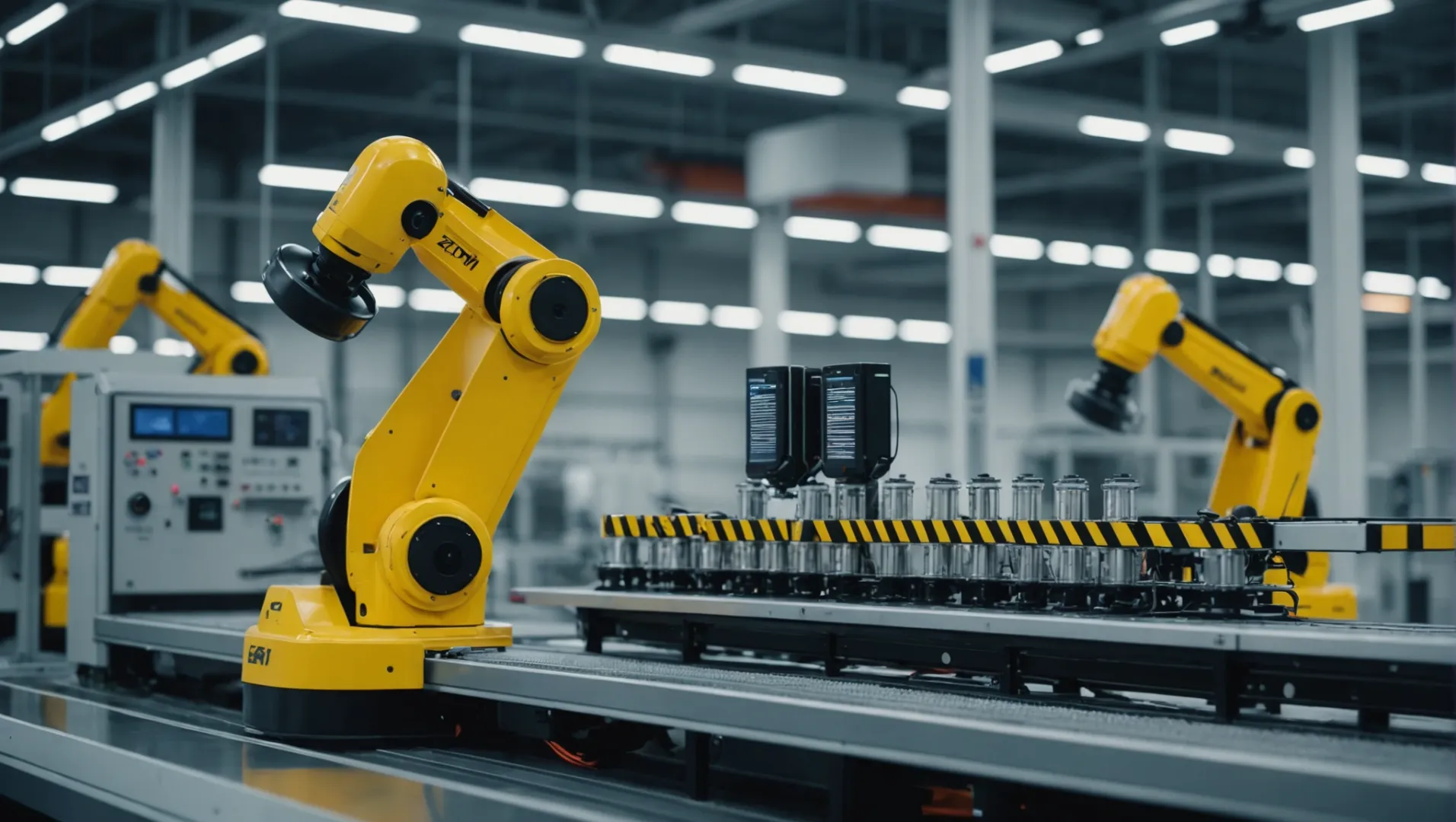
One of the primary factors affecting production shifts is cost efficiency. For instance, China's current lead in air purifier production is largely attributed to its ability to maintain lower costs through labor efficiency and a well-integrated supply chain. However, as tariffs and other economic factors evolve, companies might find it beneficial to relocate to countries like Malaysia, where initial costs might be higher but can offer long-term savings. Understanding these dynamics is crucial for manufacturers seeking to optimize their operational costs.
Supply Chain Robustness
China's historical dominance in manufacturing stems from its robust supply chain network. This infrastructure supports various industries, including air purifier production, by ensuring a steady flow of materials and components. Nevertheless, some key components for air purifiers are imported from China, even by manufacturers in Malaysia like Dyson. As global supply chains face disruptions, the need for diversification becomes apparent, making countries with growing manufacturing capabilities, such as Malaysia, attractive alternatives.
Geopolitical Changes
The geopolitical climate heavily influences manufacturing decisions. For example, changes in U.S. trade policies under different administrations can lead to significant shifts. The potential for increased tariffs on Chinese goods has prompted some manufacturers to consider relocating to other Asian countries. Malaysia stands out as a viable option due to its strategic location and emerging industrial base.
Technological Advancements
Technological advancements also play a role in production shifts. With Malaysia's manufacturing capabilities rapidly growing, the integration of advanced technologies could further enhance its appeal. Companies looking to stay ahead of the curve must weigh the benefits of adopting new technologies against the costs and potential risks involved.
These factors are interconnected and complex, requiring businesses to stay informed and adaptable. The decision to shift production isn't solely based on one element but a combination of influences that can shape the industry's future landscape. To learn more about how these factors interplay, consider exploring geopolitical impacts on manufacturing4 or advancements in manufacturing technologies5.
China leads air purifier production due to cost efficiency.True
China maintains lower costs via labor efficiency and supply chain integration.
Malaysia's manufacturing lacks technological advancements.False
Malaysia's manufacturing capabilities are growing with advanced technologies.
How Do Production Costs Compare Between China and Malaysia?
Understanding production costs in China and Malaysia can guide strategic business decisions in the air purifier industry.
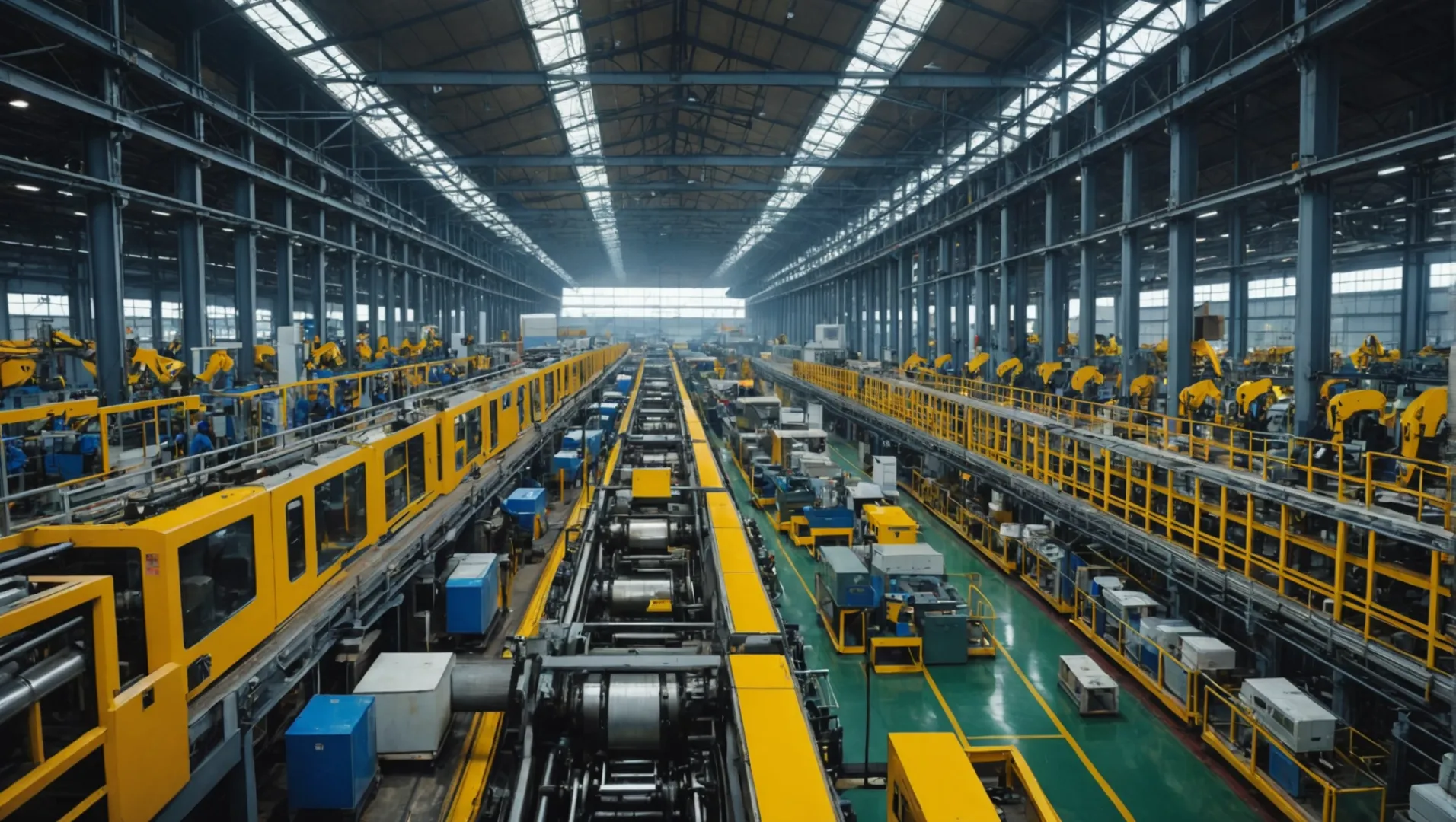
Production costs in China are generally lower due to an established supply chain and manufacturing efficiencies. Malaysia, while slightly costlier, offers potential savings from reduced tariffs and growing local capabilities.
Comparing Labor Costs
One of the most significant factors affecting production costs is labor. In China, labor costs have been rising steadily over the years due to economic growth and increased living standards. However, the country still benefits from a large, skilled workforce that drives production efficiency.
In contrast, Malaysia offers a competitive edge with generally lower labor costs. As the country continues to develop its manufacturing sector, businesses can take advantage of a more affordable workforce without compromising on skill level.
Evaluating Supply Chain Efficiency
China's well-established supply chain provides manufacturers with ready access to essential components, materials, and expertise. This not only reduces the production costs but also ensures faster turnaround times.
Malaysia, while developing its supply chain, still relies on importing key components from China. This dependency can add to the production costs due to import fees and logistical expenses. However, as Malaysia enhances its manufacturing capabilities, these costs are expected to decrease.
Impact of Tariffs and Trade Policies
With shifting global trade policies, tariffs have become a crucial consideration for companies looking to optimize production costs. For instance, if new U.S. tariffs on Chinese goods significantly increase, moving production to Malaysia could mitigate these expenses.
A potential 60% tariff increase on Chinese-made products might incentivize air purifier manufacturers to relocate to Malaysia, where they can enjoy reduced export tariffs to major markets like the U.S.
Summary Table of Production Cost Factors
| Factor | China | Malaysia |
|---|---|---|
| Labor Costs | Rising | Lower |
| Supply Chain Efficiency | Highly efficient | Developing |
| Component Import Dependency | Low | High |
| Tariff Impact | Potentially high with U.S. | Lower tariffs expected |
Malaysia's growing infrastructure and favorable trade policies present an attractive alternative for manufacturers looking to balance cost with market accessibility. However, businesses must weigh these advantages against the well-established efficiencies found in China.
For more insights on how trade policies affect global manufacturing, consider exploring global trade impacts6. This resource provides a broader context of how international regulations can shape production strategies.
China has lower production costs than Malaysia.True
China benefits from an established supply chain and manufacturing efficiencies.
Malaysia's labor costs are higher than China's.False
Malaysia offers lower labor costs compared to China, aiding competitiveness.
Conclusion
While China dominates today, Malaysia's rapid advancements could reshape the future of air purifier production.
-
Discover how China's supply chain advantages impact air purifier production.: China's dominance in air purifier production stems from its cost efficiency and robust supply chain infrastructure. China excels in air purifier ... ↩
-
Discover how global trade policies influence manufacturing decisions globally.: Globalization in manufacturing is experiencing a shift as trade policy, new government agreements, and regulations create the need for renewed strategies. ↩
-
Learn about Malaysia's growing manufacturing capabilities in the air purifier sector.: Malaysia Air Purifier Market has valued at USD 79.56 million in 2023 and is anticipated to project robust growth in the forecast period with a CAGR of 10.32% ... ↩
-
Learn how geopolitical dynamics influence manufacturing locations globally.: And geopolitical tensions could threaten the access of manufacturers of electronic and renewable-energy products to critical minerals that are ... ↩
-
Discover innovations shaping modern manufacturing processes.: 1. Digitalization and Industry 4.0. Digitalization has had a profound impact on the manufacturing sector, enabling businesses to optimize processes, improve ... ↩
-
Gain insights into the influence of trade policies on manufacturing dynamics.: The potential impact on profit margins of trade restrictions is driving most manufacturers to look for options to reduce their input costs by sourcing from ... ↩



 English
 Français
 Español
 Italiano
 Deutsch
 Português
 Русский
 العربية
 日本語
 한국어
 Tiếng Việt

