
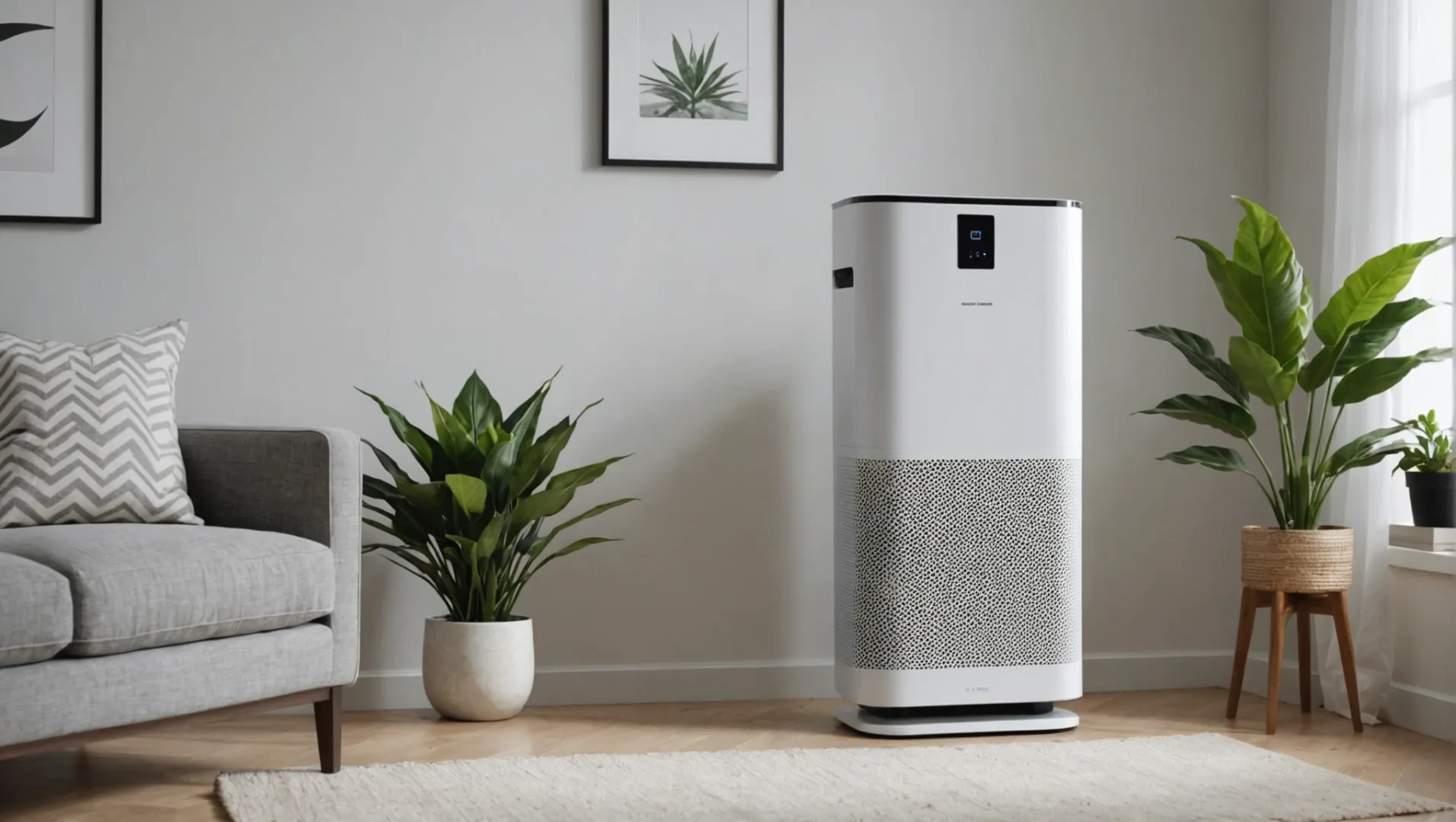
Air purifiers are no longer just another gadget in our homes; they are becoming essential companions in our quest for better health.
Air purifiers have significantly transformed the health and wellness market by providing solutions to poor indoor air quality, which has become a growing concern. They offer benefits like improved respiratory health, enhanced sleep quality, and reduced allergens, making them essential in modern homes.
But there’s more to these devices than meets the eye. The following sections delve into how air purifiers can elevate our lives in ways we might not even realize.
Air purifiers significantly reduce indoor air pollution.True
Air purifiers remove pollutants like dust, pollen, and VOCs, improving air quality.
What Benefits Do Air Purifiers Offer Beyond Cleaner Air?
Air purifiers are evolving beyond mere air-cleaning devices to enhance overall wellbeing.
Beyond cleaner air, air purifiers improve respiratory health, enhance sleep quality, reduce allergens, and support mental wellbeing. By removing pollutants like dust, pet dander, and VOCs, they foster a healthier indoor environment, essential for maintaining physical and mental health in today’s increasingly polluted world.
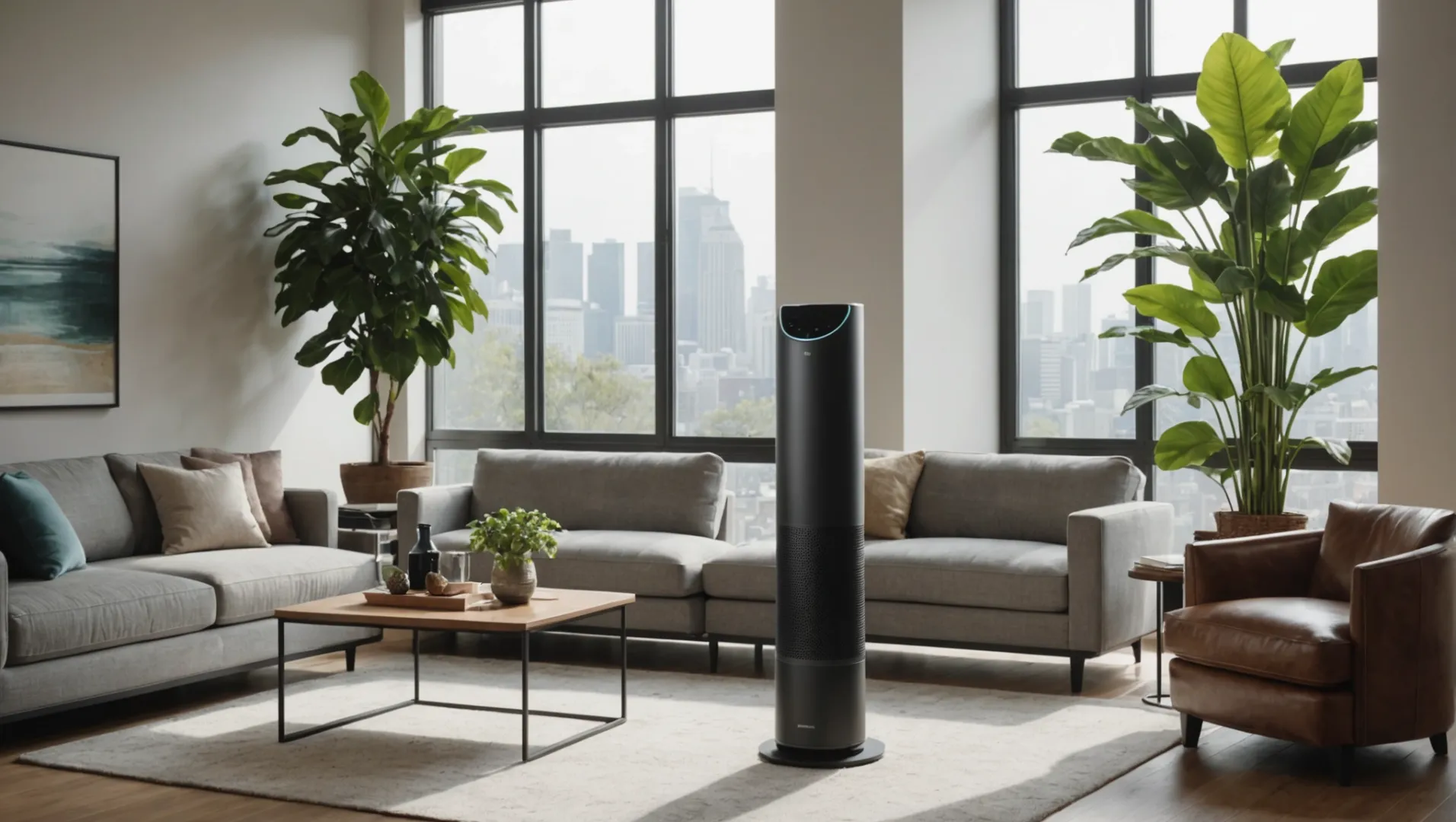
Enhancing Respiratory Health
Air purifiers are instrumental in improving respiratory health by filtering out harmful particles such as dust mites, pollen, and mold spores. For individuals with asthma or allergies, using an air purifier can significantly reduce the severity of symptoms and improve overall breathing quality. This reduction in irritants can lead to fewer asthma attacks and less reliance on medication.
Promoting Better Sleep Quality
Cleaner air contributes to better sleep. By eliminating allergens and maintaining optimal humidity levels, air purifiers can create an ideal sleeping environment. Some innovative products, like the Bedjet1, even integrate climate control features that regulate temperature, further enhancing sleep quality.
Reducing Allergens and Irritants
Air purifiers are particularly beneficial in homes with pets or smokers. They help remove pet dander and smoke particles from the air, which are common irritants for many people. This can lead to fewer allergic reactions and a more comfortable living space for both allergic and non-allergic individuals.
| Allergen | Impact on Health | How Air Purifiers Help |
|---|---|---|
| Pet Dander | Causes allergies and asthma attacks | Removes particles from the air |
| Pollen | Triggers hay fever | Filters airborne pollen grains |
| Volatile Organic Compounds (VOCs) | Irritates eyes, nose, and throat | Absorbs gases and odors |
Supporting Mental Wellbeing
The impact of air quality on mental health is gaining recognition. Poor air quality has been linked to increased stress levels and cognitive decline. By providing cleaner air, air purifiers can play a role in reducing stress and promoting mental clarity.
Technological Integration and Innovations
The integration of AI and sensor technology in air purifiers offers new functionalities such as real-time air quality monitoring and automatic adjustments based on pollution levels. This not only makes them more efficient but also aligns with the growing consumer interest in smart home technologies.
With these diverse benefits, air purifiers are not only essential for cleaner air but also for supporting a holistic approach to health and wellness.
Air purifiers reduce asthma symptoms.True
By filtering out irritants like dust and pollen, air purifiers help lessen asthma symptoms.
AI technology is not used in air purifiers.False
Modern air purifiers integrate AI for real-time monitoring and adjustments.
How Are Technological Innovations Shaping the Future of Air Purifiers?
Technological advancements are revolutionizing air purifiers, turning them into smart, multifunctional devices.
Technological innovations are reshaping air purifiers by integrating AI and sensor technologies, enabling smarter and more efficient purification processes. These advancements not only enhance air quality but also introduce features like climate control and real-time monitoring, transforming air purifiers into holistic health solutions.
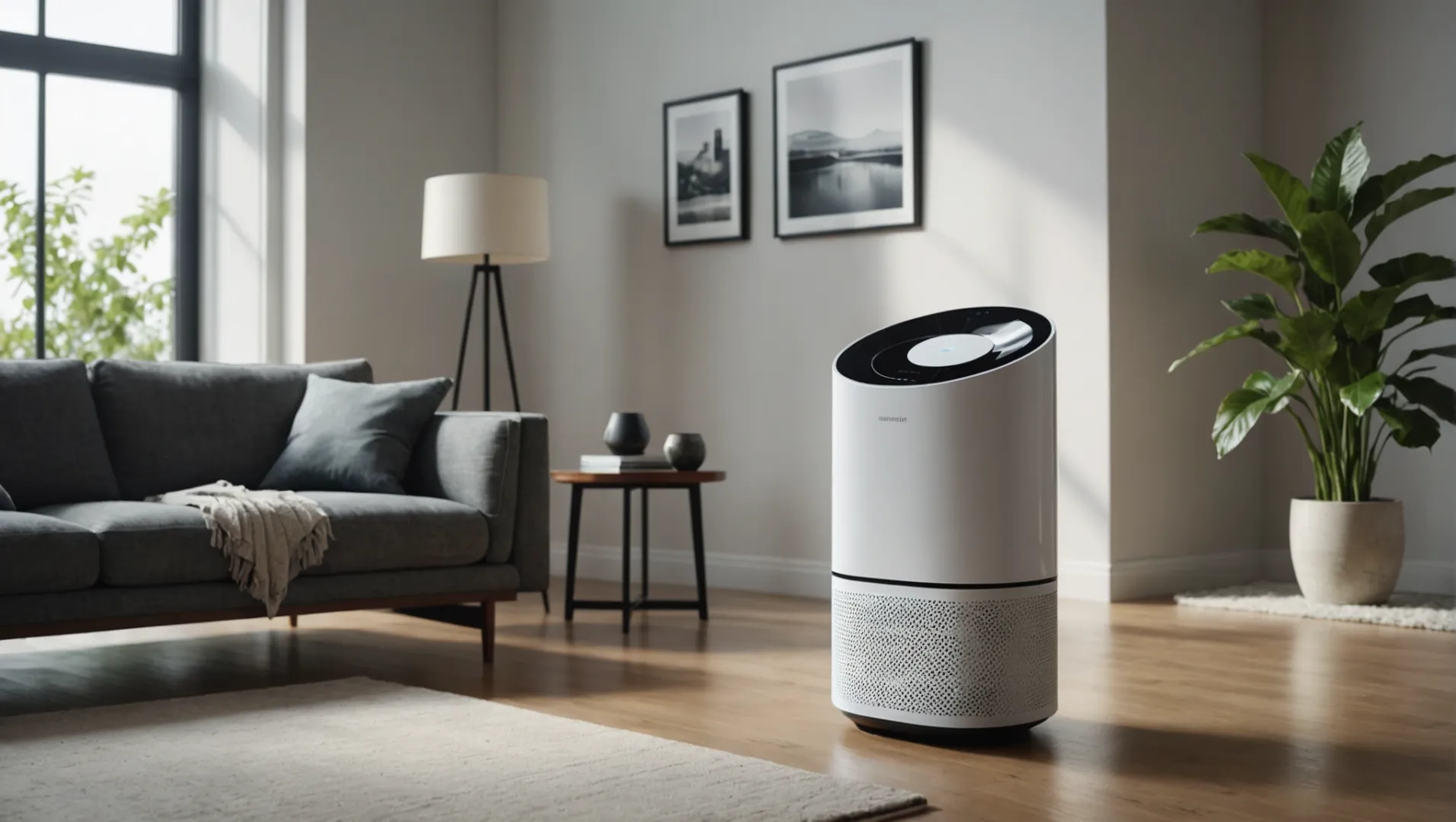
The Rise of AI and Sensor Technology
Artificial intelligence (AI) and advanced sensors are at the forefront of modern air purifier innovations. These technologies enable air purifiers to automatically adjust their settings based on real-time air quality data. For instance, AI algorithms can predict pollution levels and optimize the purifier's performance accordingly, ensuring energy efficiency and enhanced air quality.
Smart sensors2 also provide users with valuable insights into their indoor environment. These sensors can detect a wide range of pollutants, from dust and pollen to volatile organic compounds (VOCs), allowing for a tailored purification approach that addresses specific air quality issues.
Multifunctional Air Purification Systems
Air purifiers are no longer limited to simply cleaning the air. Innovations have led to the development of devices that incorporate additional features such as climate control and even sleep enhancement. The Bedjet system, for example, combines air purification with sleep climate control, offering users an integrated solution for better rest and improved health.
This trend towards multifunctionality indicates a growing consumer demand for devices that cater to various aspects of well-being. As people become more health-conscious and willing to invest in their wellness, the market for advanced air purifiers is poised to expand significantly.
The Future of Air Quality Management
With deteriorating global air quality, the demand for innovative air purification solutions is more critical than ever. Emerging technologies promise to address these challenges by offering scalable solutions that can be tailored to both residential and commercial environments.
Moreover, integration with smart home systems is becoming increasingly common. This allows users to control their air purifiers remotely, receive updates on air quality, and even sync their devices with other smart appliances for a seamless home experience.
Conclusion
As technological innovations continue to shape the future of air purifiers, these devices are set to become indispensable tools in the fight against poor air quality. By embracing these advancements, consumers can enhance their quality of life and contribute to broader public health initiatives.
AI enables air purifiers to predict pollution levels.True
AI algorithms optimize purifier performance based on pollution predictions.
Smart sensors in air purifiers detect only dust and pollen.False
They detect a range of pollutants, including VOCs, not just dust and pollen.
Can Air Purifiers Enhance Sleep and Skin Health?
As concerns about indoor air quality rise, many are turning to air purifiers for sleep and skin benefits.
Yes, air purifiers can enhance sleep by reducing allergens and pollutants, leading to better respiratory health. They also support skin health by filtering out irritants that can exacerbate skin conditions, providing cleaner air that can improve overall skin appearance.
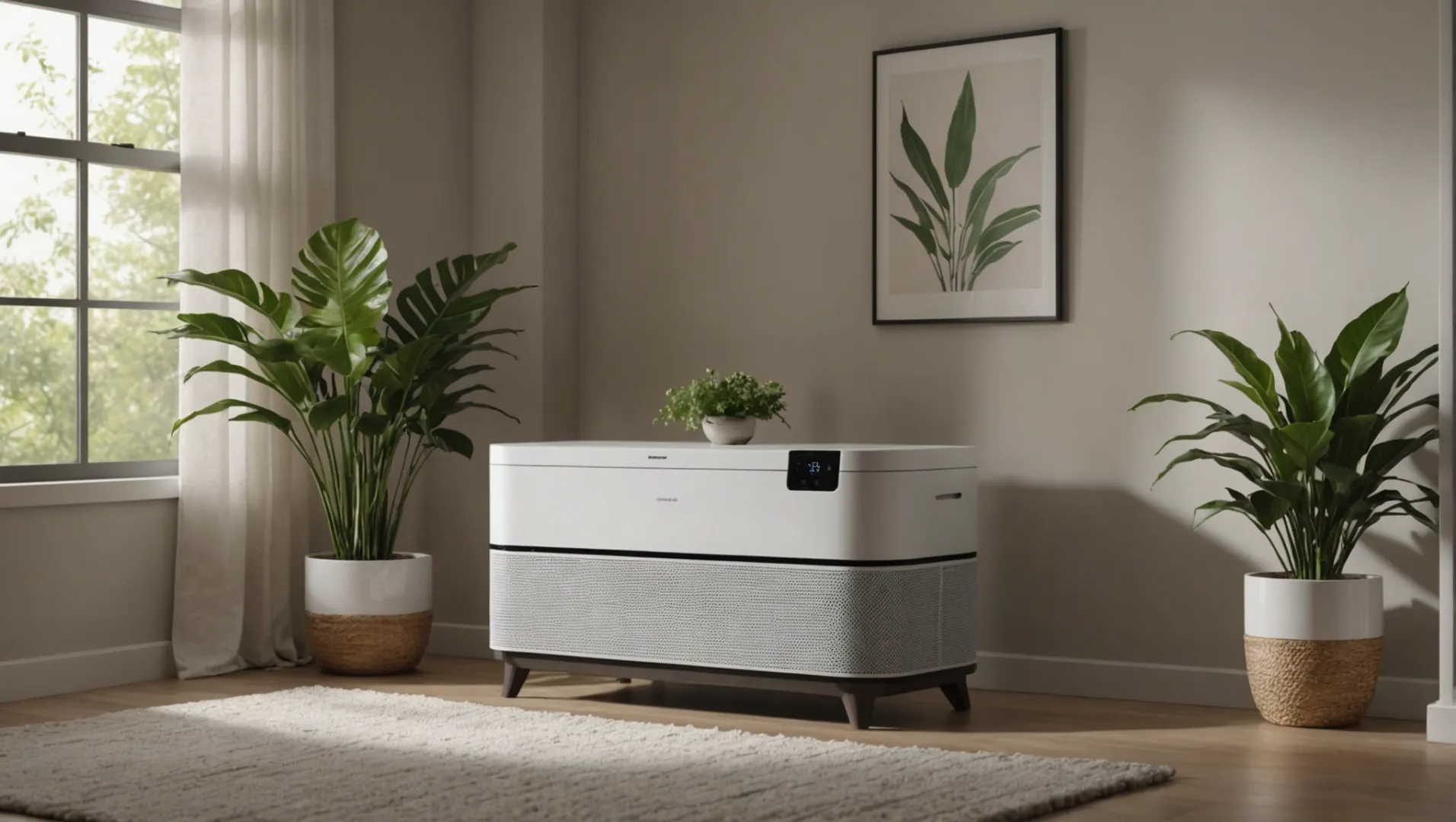
The Link Between Air Quality and Sleep
Air quality significantly impacts sleep quality. Pollutants and allergens in the air can lead to sleep disturbances3 by causing respiratory issues. Air purifiers help by removing these irritants, thus fostering an environment conducive to better sleep. For instance, HEPA filters are particularly effective in trapping dust mites and pollen, reducing nighttime allergies.
How Cleaner Air Promotes Better Skin Health
Our skin acts as a barrier against environmental pollutants. However, prolonged exposure to poor air quality can lead to inflammation, acne, and other skin problems. By using air purifiers, individuals can significantly reduce their exposure to pollutants such as PM2.5 particles and volatile organic compounds (VOCs).
A study on indoor air pollution highlighted that participants reported clearer skin after consistently using air purifiers. This improvement is attributed to the reduced presence of airborne irritants4.
| Benefits | Air Pollutants Reduced | Health Impact |
|---|---|---|
| Improved Sleep | Dust, Pollen, Pet Dander | Better breathing, fewer allergies |
| Enhanced Skin | PM2.5, VOCs, Smoke | Reduced inflammation, clearer skin |
Emerging Technologies in Air Purifiers
The integration of AI and advanced sensors into air purifiers is a promising development. These technologies allow for real-time monitoring and adaptation to indoor air quality changes. For example, some devices automatically adjust settings based on pollutant levels detected, optimizing both sleep and skin health benefits.
In addition, brands like Bedjet are innovating by incorporating air purification with sleep climate control systems. Such innovations not only provide clean air but also maintain an optimal sleeping environment by regulating temperature and humidity.
Overall, the future of air purifiers in enhancing sleep and skin health looks promising with continuous advancements in technology and growing consumer awareness.
Air purifiers reduce allergens for better sleep.True
Air purifiers remove allergens, improving respiratory health and sleep.
Using air purifiers worsens skin conditions.False
Air purifiers filter irritants, potentially improving skin health.
What Are the Long-term Implications for Public Health Initiatives?
Exploring how air purifiers can influence future public health strategies is crucial.
Air purifiers could revolutionize public health initiatives by reducing exposure to indoor pollutants, thus lowering respiratory issues and enhancing overall community health.
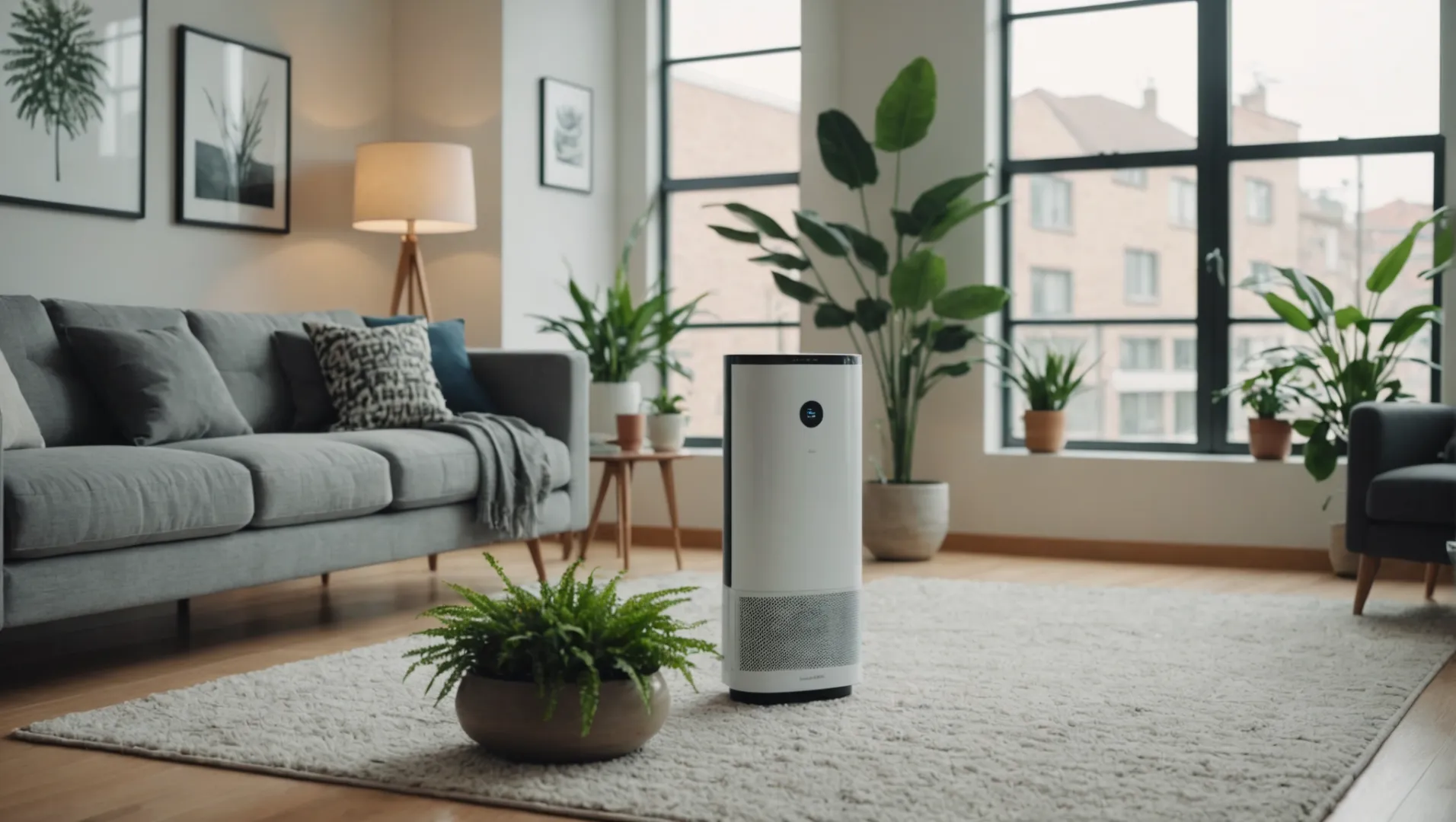
The Growing Importance of Air Quality Management
In recent years, the recognition of poor air quality's impact on health has led to a surge in air purifier usage. With forecasts suggesting that the U.S. market could reach $6.7 billion within the next decade, this trend indicates a significant shift in consumer priorities towards health and wellness. People are increasingly willing to invest in solutions that promise long-term health benefits.
Integration of Advanced Technologies
The future of air purifiers lies in leveraging advanced technologies such as AI and sensors. These innovations can offer real-time monitoring and adaptive purification, providing personalized air quality management. This potential for customization makes air purifiers not just beneficial for individual users but also a critical tool in broader public health strategies.
| Technology | Potential Impact |
|---|---|
| AI | Customizes purification based on user habits and environmental conditions. |
| Sensors | Enables real-time air quality monitoring and data collection for public health analysis. |
Influence on Public Health Policies
Air purifiers have the potential to inform public health policies by providing data-driven insights into air quality trends. As an example, initiatives could focus on integrating these devices into urban planning and public spaces, particularly in areas with high pollution levels.
Moreover, brands like Bedjet5, which have innovated by combining air purification with sleep systems, highlight the role of differentiated products in driving market growth. This innovation underscores the importance of product diversification in enhancing consumer engagement with public health initiatives.
Long-term Community Health Benefits
By effectively addressing indoor air pollution, air purifiers contribute to reducing respiratory issues such as asthma and allergies. This reduction can lead to fewer healthcare visits and a decrease in related medical expenses, benefiting public health systems economically.
Additionally, as awareness grows, public health campaigns could utilize air purifiers as a tangible example of proactive health management, encouraging communities to invest in their well-being through better air quality practices.
Air purifiers reduce respiratory issues significantly.True
Air purifiers lower indoor pollutants, reducing asthma and allergies.
AI in air purifiers offers no real-time monitoring benefits.False
AI enables adaptive purification and real-time air quality monitoring.
Conclusion
Air purifiers are revolutionizing personal health strategies and reshaping market trends. As technology evolves, they promise to further enhance our living environments. Consider integrating these insights into your wellness routine for a healthier lifestyle.
-
Explore how Bedjet enhances sleep quality with its climate control system.: Powered air cooling rapidly wicks away body heat and moisture for fast cooling relief, great solution for hot sleepers, night sweats and hot flashes. Heat mode ... ↩
-
Explore how smart sensors enhance air quality monitoring and efficiency.: A pair of particle sensors across the air filter can support a confident operation with filtration efficiency reported. Or at least a single ... ↩
-
Understand how air quality affects your sleep patterns.: Air pollution, a warm bedroom, and high levels of carbon dioxide and ambient noise may all adversely affect our ability to get a good night's sleep. ↩
-
Explore the connection between clean air and healthier skin.: By incorporating an indoor air filter, you reduce the amount of bacteria that your skin is exposed to, which will help you avoid those unsightly breakouts. Slow ... ↩
-
Discover how Bedjet's innovative product enhances sleep through air purification.: The BedJet was worth every penny, even if I sometimes disturb the covers in the night and wake up realizing the hose has been uselessly blowing air into the ... ↩







 English
  Français
  Español
  Italiano
  Deutsch
  Português
  Русский
  العربية
  日本語
日本語  한국어
한국어  Tiếng Việt

