
Sẽ mở trong thẻ mới
Innovative Air Quality Solutions

What Are the Key Differences Between Air Purifiers and Humidifiers for B2B Buyers and Online Sellers?

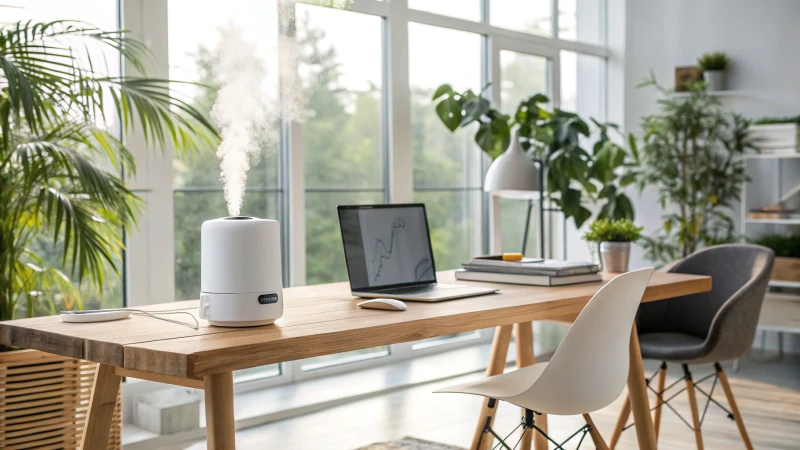
A modern office desk with an air purifier and humidifier
Modern Office with Air Purifier and Humidifier

As I dove into the world of air quality products, I realized how confusing it can be for businesses trying to make smart choices or boost their sales.

Air purifiers and humidifiers each have unique roles: purifiers clean the air of contaminants, while humidifiers add moisture. For B2B buyers and online sellers, understanding these distinctions is crucial for selecting the right products for their audience.

Yet, there's more to these devices than just their basic functions. When I started exploring the market, I quickly learned that understanding the health perks, seasonal trends, and strategic branding can significantly elevate business potential. Delve deeper with me to uncover how these insights can drive your business to new heights.

Air purifiers add moisture to the environment.False

Air purifiers remove contaminants, not add moisture.

Understanding product functions aids B2B sales strategies.True

Knowing product functions helps in making informed sales decisions.

How Do Air Purifiers Improve Indoor Air Quality?

I remember the first time I could truly breathe easy at home, all thanks to an air purifier. It was like opening a window to fresh, clean air inside my living room.

Air purifiers improve indoor air quality by removing pollutants, allergens, and particles from the air. They use HEPA filters, activated carbon, and UV light to capture and eliminate contaminants, ensuring cleaner, breathable air for healthier living.
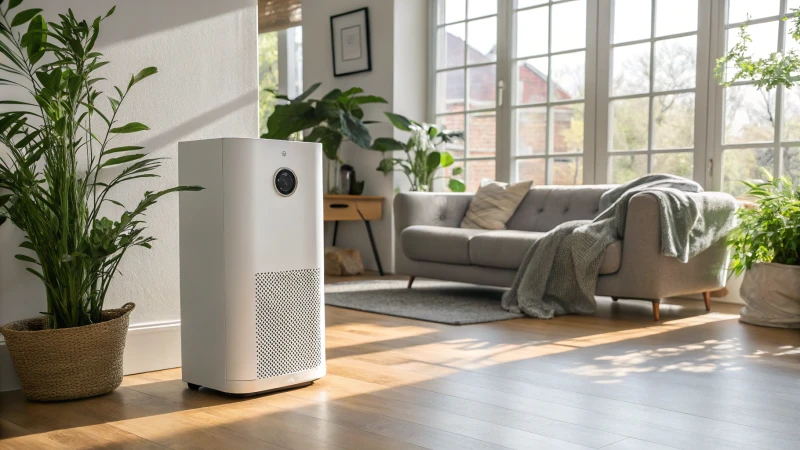
A modern living room with a white air purifier beside a couch
Modern Living Room with Air Purifier

Understanding Air Purifier Technologies

When I first got an air purifier, I was amazed at the difference it made. These devices use a variety of technologies to keep the air fresh. For instance, High-Efficiency Particulate Air (HEPA) filters are like little superheroes in your home, capturing 99.97% of particles as small as 0.3 microns. This includes everything from dust mites to pollen and even pet dander. Trust me, as someone who sneezes at the sight of a cat, HEPA filters are life-changing.

Then there are activated carbon filters. Have you ever cooked something particularly pungent or had a pet that seemed to love rolling in things they shouldn't? Activated carbon is your best friend, absorbing odors and volatile organic compounds (VOCs). It's a game-changer for anyone sensitive to smells or chemicals.

Some advanced purifiers even include UV-C light to tackle bacteria and viruses. This feature adds an extra layer of protection, especially during flu season when you want to avoid any unwanted bugs.

Technology Function
HEPA Filter Captures small particles like pollen and dust mites
Activated Carbon Filter Absorbs odors and VOCs
UV-C Light Kills bacteria and viruses

Health Benefits of Using Air Purifiers

Personally, I've noticed a huge improvement in my allergies since using an air purifier. It helps alleviate symptoms by removing allergens from the air—fewer sneezes and less itchy eyes make for a happier me! For those with asthma or respiratory issues, purifiers can be a breath of fresh air—literally—by reducing lung strain.

There's also something magical about how clean air can improve sleep quality. No more waking up with a stuffy nose or dry throat; better air means better rest. Plus, some studies suggest that clean air1 can boost cognitive function and productivity. I definitely feel more focused when the air is fresh and free of irritants.

Choosing the Right Air Purifier

When picking out an air purifier, I learned it's crucial to consider the size of the room. Larger spaces need purifiers with higher Clean Air Delivery Rate (CADR) values—this tells you how quickly it can clean the air in a particular space.

Noise level was another big factor for me. I wanted peace and quiet in my bedroom, so I looked for models with adjustable fan speeds or quiet modes. Lastly, I considered maintenance needs—I didn't want something that required constant attention or filter changes. Checking customer reviews2 helped me find a model that was both efficient and low-maintenance.

HEPA filters capture 99.97% of particles as small as 0.3 microns.True

HEPA filters are designed to capture tiny particles, improving air quality.

Activated carbon filters are ineffective against VOCs.False

Activated carbon filters are effective at absorbing VOCs and odors.

What Health Benefits Do Humidifiers Offer?

Ever sat in a room, feeling like a raisin in the sun? You might want to consider a humidifier.

Humidifiers are champions for health, offering relief from dry skin, easing respiratory woes, cutting down allergy symptoms, and even boosting sleep quality. They maintain the perfect humidity level, making your indoor air healthier and more comfortable.
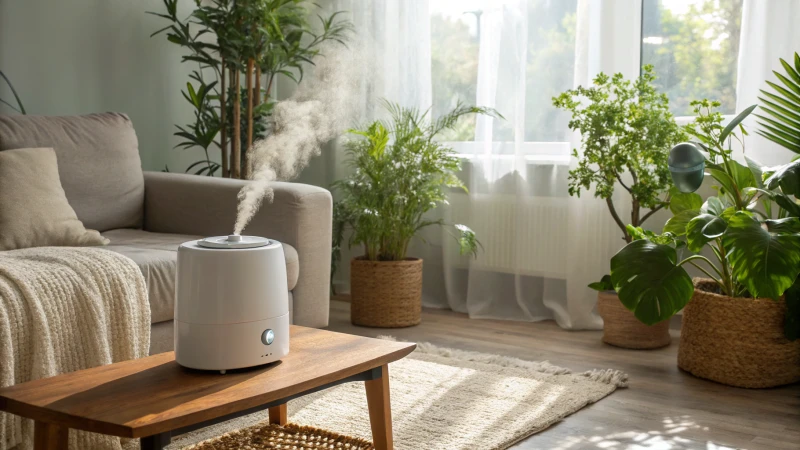
Cozy living room with a modern humidifier and indoor plants
Cozy Living Room with Humidifier

Relief from Dry Skin and Irritation

Have you ever stepped out of the shower only to feel like your skin is thirstier than before? That used to be my daily routine until I discovered the magic of humidifiers. These devices work wonders by adding moisture back into the air, turning my once flaky skin into something more akin to a moisturized paradise.

Easing Respiratory Discomfort

I remember those nights of tossing and turning, trying to catch my breath amidst the dry air. It was like breathing in a desert. Humidifiers changed that for me, especially when dealing with asthma flare-ups. By keeping the air comfortably moist, these gadgets make each breath feel like a breeze on a spring day.

Reducing Allergy Symptoms

Springtime used to mean constant sneezes and itchy eyes for me—courtesy of dust mites and pollen. But since I started using a humidifier, I’ve noticed a significant drop in my allergy symptoms. With less dryness, there’s also less dust and allergens floating around, making my home feel more like a sanctuary.

Benefit Description
Skin Hydration Keeps skin moist and prevents dryness
Respiratory Relief Helps ease breathing by adding moisture
Allergy Reduction Minimizes allergens like dust mites

For those plagued by allergies, understanding allergens3 is crucial.

Enhancing Sleep Quality

A good night's sleep seemed elusive until I added a humidifier to my bedroom. The once dry air often left me with a scratchy throat by morning, but now, with the added moisture, I wake up refreshed and ready to seize the day. It’s amazing how such a small change can lead to so much comfort.

Consider integrating tips on improving sleep environment4 into your routine for better rest.

Promoting Overall Comfort

Beyond these specific benefits, I've found that my home just feels more inviting with a balanced humidity level. It’s as if the air itself is giving you a warm hug each time you walk through the door.

Overall, humidifiers have been a game-changer for me, enhancing not only my health but also making my living space a true haven.

Humidifiers can alleviate dry skin and irritation.True

Humidifiers add moisture to the air, helping keep skin hydrated.

Humidifiers increase the presence of dust mites.False

Humidifiers reduce dust mites by adding moisture, not increasing them.

What Are the Best Strategies for Marketing These Products?

Ever found yourself wondering how to make your product stand out in a crowded market?

To effectively market these products, emphasize their health benefits, highlight 2-in-1 functionality, and partner with reliable suppliers. Align your strategies with seasonal trends and collaborate with well-known brands to boost visibility.

A marketing strategist analyzing trends in a modern office
Marketing Strategist in Office

I remember when I first dove into marketing, standing in the middle of the chaos, trying to figure out what could make my product shine. It's all about understanding what makes your product special and making sure everyone knows it too.

Understanding Health Benefits to Drive Sales

Thinking back, I recall a time when I struggled with allergies every spring. That's when I realized the immense value of air purifiers and humidifiers. By emphasizing health benefits like allergy relief and improved respiratory comfort, I managed to connect with health-conscious consumers. Sharing relatable stories or impactful statistics can really drive home the importance of these products.

Health Benefits Impact on Consumers
Allergy Relief Reduces symptoms
Asthma Management Eases breathing

Leveraging 2-in-1 Product Functionality

Imagine having a compact device that does the job of two. Promoting 2-in-1 devices not only makes life easier but also caters to diverse needs. When I partnered with OEMs to create customizable features5, it felt like giving my brand a unique voice.

Sourcing Reliable Suppliers

Quality is key, and I learned that the hard way. Partnering with trusted suppliers like HisoAir ensured I was offering top-notch products. Sharing success stories6 from existing partnerships helped build trust with potential customers.

Seasonal Considerations in Marketing

I’ve learned that timing can make or break a campaign. Focusing on humidifiers during winter and air purifiers year-round—especially in allergy seasons—allowed me to align marketing efforts with demand. Planning ahead was crucial for maximizing sales during peak times.

Conducting Market Research and Competitive Analysis

Staying ahead means knowing your competition. By analyzing market trends and comparing my products with top brands like Dyson and Levoit, I could identify my unique selling points. Benchmarking successful strategies from these brands helped me refine my own marketing tactics.

Competitive Features Your Product Dyson Levoit
Air Purification Yes Yes Yes
Humidification Yes No Yes

By integrating these strategies, I've crafted a marketing plan that not only boosts product visibility but also drives sales. It's all about finding what works best for your products and not being afraid to try new approaches.

Air purifiers improve indoor air quality.True

Air purifiers filter out pollutants, enhancing air quality indoors.

Dyson offers humidification in their products.False

Dyson does not provide humidification features in their products.

Conclusion

Air purifiers and humidifiers serve distinct purposes: purifiers clean air, while humidifiers add moisture. Understanding these differences aids B2B buyers in making informed product choices for better sales.


  1. Explore research on how cleaner air can enhance cognitive abilities and productivity. ↩

  2. Read customer reviews to find reliable insights into air purifier performance. ↩

  3. Explore how humidifiers minimize common household allergens, improving indoor air quality for allergy sufferers. ↩

  4. Discover how humidifiers contribute to a better sleep environment by alleviating dryness and enhancing comfort. ↩

  5. Learn how offering customizable features can set your products apart in a competitive market. ↩

  6. Discover how partnerships with trusted suppliers like HisoAir can drive business success. ↩

Share:
hisoair founder mr lee
Alwen Lee, an air purification expert with over 10 years of experience, is a devoted father of two and a passionate traveler, having explored more than 30 countries. With a love for public speaking and swimming, he has dedicated his life to the indoor air quality industry. His mission is to ensure that people around the world enjoy the freedom to breathe clean air and lead happy, healthy lives.

Send Us A Message

More to Read

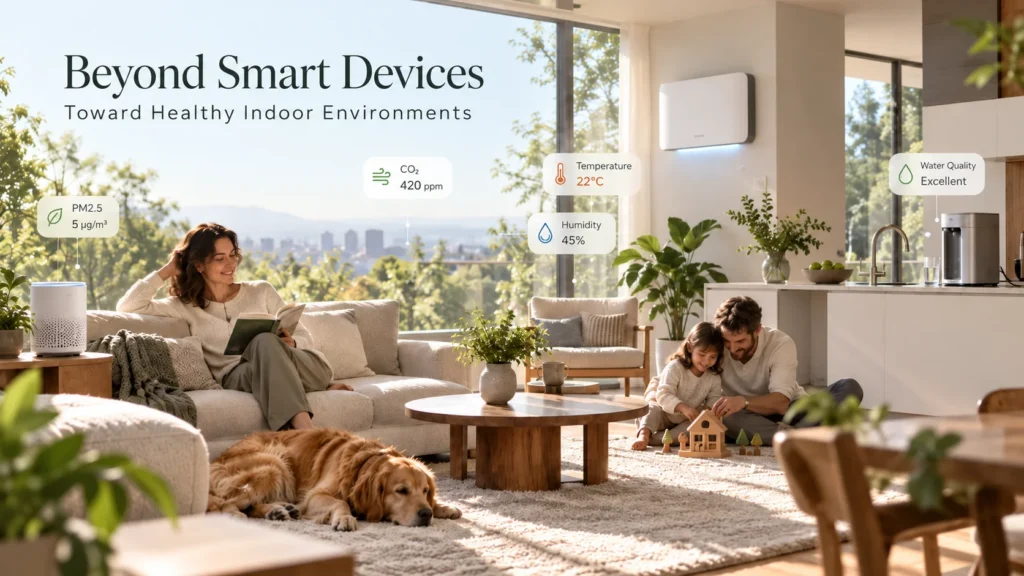
Modern living room with a family enjoying a healthy indoor environment monitored by smart devices, natural lighting, and greenery.

After IFA 2026: The Healthy Home Is Moving Beyond Smart Devices

In our previous IFA 2026 column, Air Purification Is Becoming Part of the Healthy-Home Platform, we argued that the next generation of indoor-health products would ...
News
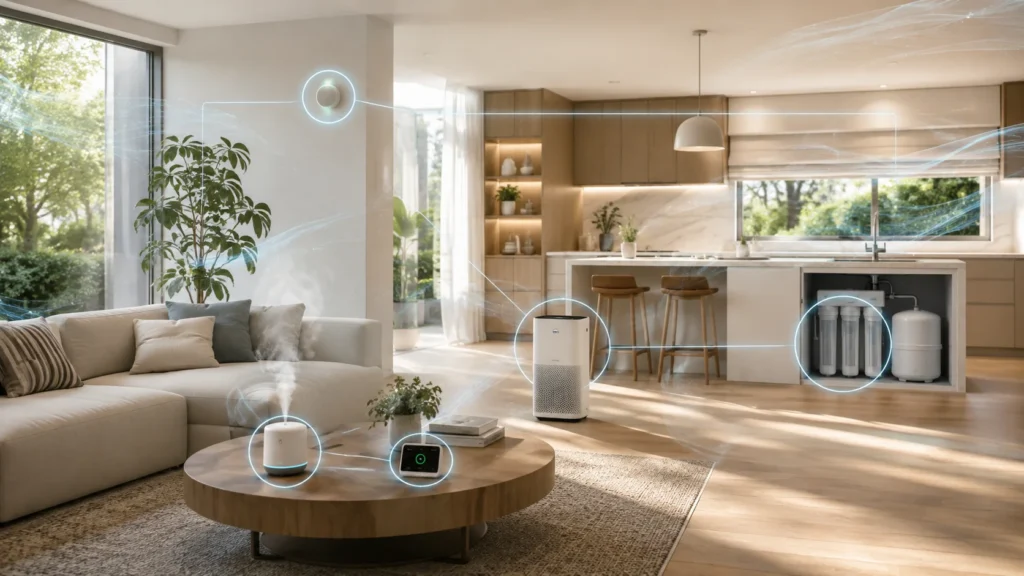
Modern living room and kitchen with smart home air quality devices including an air purifier, humidifier, and water filtration system, connected with visualized blue connectivity lines.

IFA 2026: Air Purification Is Becoming Part of the Healthy-Home Platform

Pre-IFA Industry Perspective | September 4, 2026 This article is based on official announcements and regulatory information available ahead of IFA 2026, which takes place ...
News
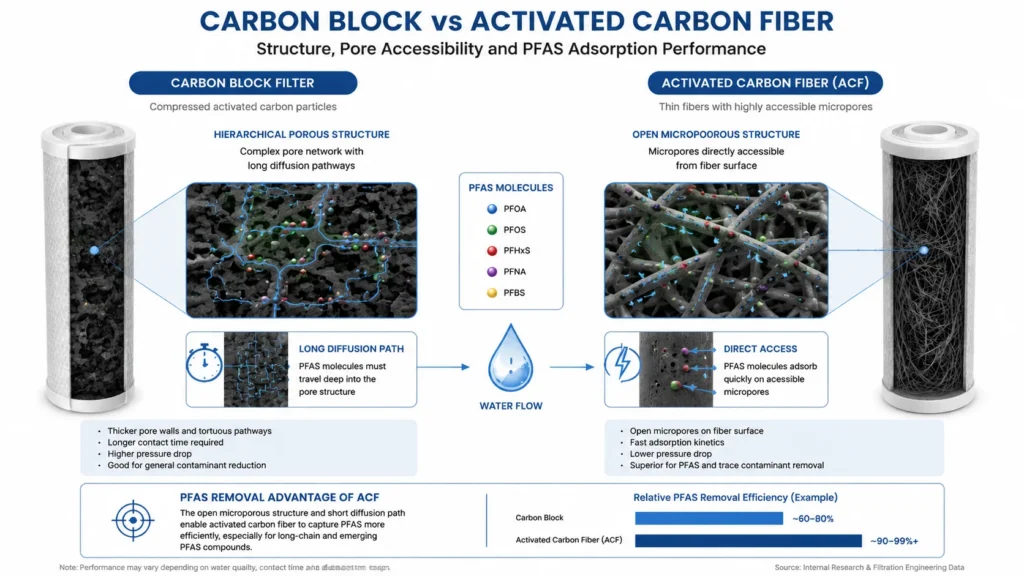
Comparison infographic showcasing the differences between carbon block filter and activated carbon fiber. Detailed diagrams illustrate the hierarchical porous structure of the carbon block with long diffusion paths and the open microporous structure of the activated carbon fiber with direct access for PFAS adsorption.

Carbon Block vs. Activated Carbon Fiber (ACF): Matching Media to Target Contaminants

Two carbon media. Same adsorption chemistry. Very different behaviour in a point-of-use cartridge. If you are specifying a water purifier platform for a PFAS-aware market, ...
News
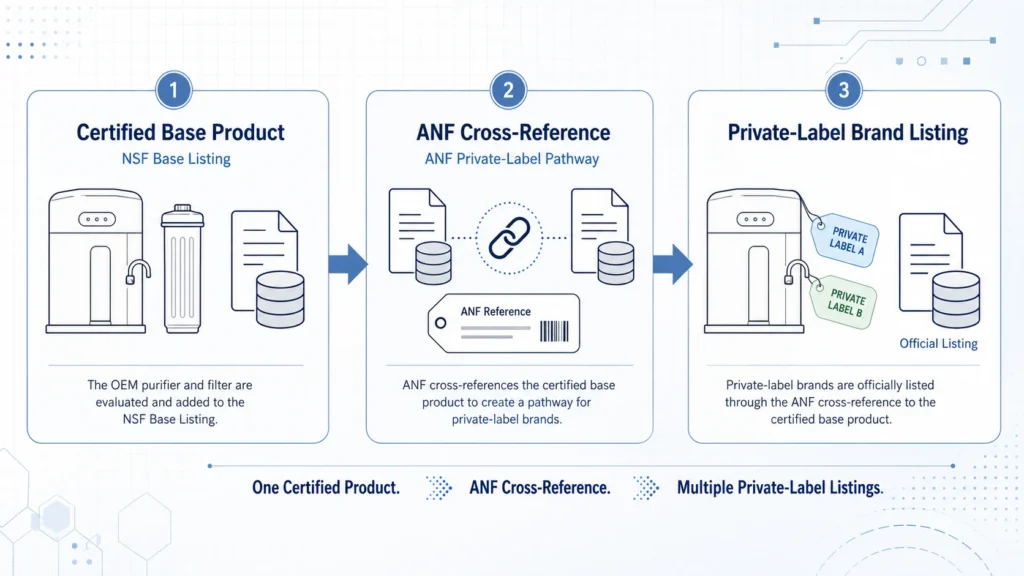
NSF base listing and ANF private-label certification pathway for OEM water filters

What Is an NSF Master Listing? A Guide to Base Listings, ANF Certification and OEM Water Filters

For a brand preparing to launch an OEM water purifier, one of the most common supplier claims is: “We already have an NSF master listing, ...
News, Water Purifiers
Healthy-home brand team reviewing PFAS water filter certification, test data and product engineering

Entering the Water Category Is Easy. Building a Credible PFAS Claim Is Much Harder

For air purification, appliance and healthy-home brands, entering the water category can look surprisingly easy. A company can select an existing undersink system, customize its ...
News
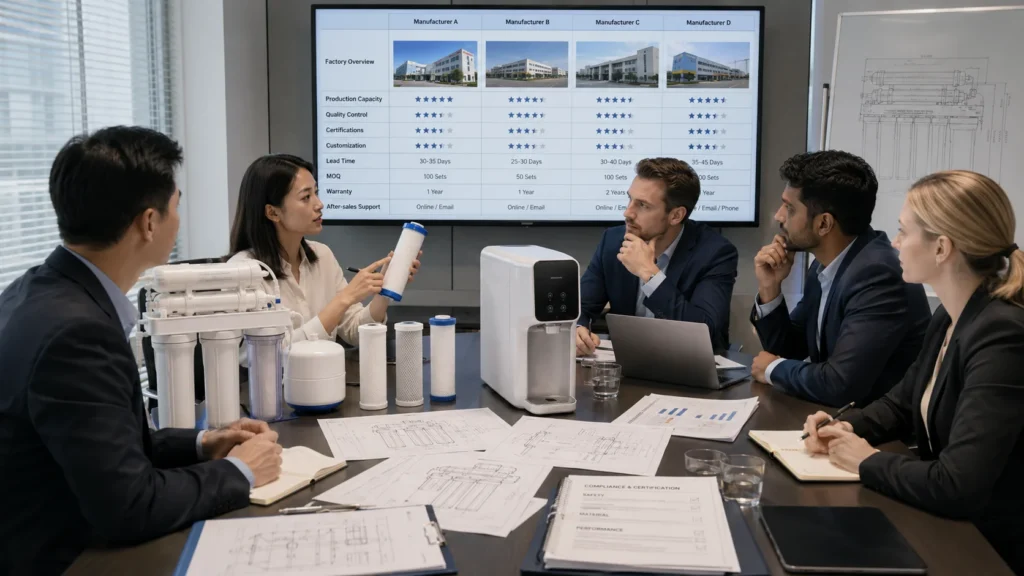
Team in a business meeting discussing a water filtration system with product components and a comparison table displayed on a screen.

5 Leading OEM Water Purifier Manufacturers in China for Private Label Brands

China has thousands of companies selling water filters, reverse osmosis systems and drinking-water appliances. However, only a portion of them are suitable for private-label, OEM ...
News
Contaminant Engineering•3 min read

PFAS Water Filtration Technologies Explained: Carbon, Resin & RO

Key Takeaway:

PFAS reduction depends on the specific compounds present, treatment media, contact time, water chemistry, and system design. Activated carbon, ion exchange, and Reverse Osmosis address PFAS through different mechanisms.

PFAS are a large family of persistent fluorinated compounds that can occur in drinking-water supplies. Their treatment behavior varies significantly by molecular structure, chain length, functional group, concentration, and the chemistry of the source water.

Granular Activated Carbon (GAC) removes PFAS primarily through adsorption. It is generally more effective for many longer-chain PFAS, while shorter-chain compounds tend to break through more quickly. Carbon performance depends on media properties, Empty Bed Contact Time (EBCT), competing organic matter, loading, and replacement frequency.

Ion-exchange resins use charged functional sites to capture many PFAS compounds. Properly selected anion-exchange media can provide high capacity and may perform better than conventional activated carbon for some shorter-chain PFAS, although performance still depends on water chemistry and competing ions.

Reverse Osmosis (RO) uses membrane separation rather than adsorption. Properly designed RO systems can provide broad reduction across many PFAS compounds as well as dissolved salts and other contaminants. Unlike carbon or resin, however, RO also produces a concentrate stream that must be managed.

No single technology should be selected from a PFAS label alone. System design should consider which PFAS compounds are present, their concentrations, required reduction targets, flow rate, media life, and the applicable third-party certification or validation requirements.

HisoAir Water Technical Series
Product Discovery•3 min read

How to Choose an Under-Sink Water Purifier for Modern Kitchens

Key Takeaway:

Match the treatment technology to your water quality first, then evaluate cabinet space, faucet configuration, flow rate, drain and power requirements, and filter replacement needs.

Choosing an under-sink water purifier starts with water chemistry. Carbon filtration is well suited to chlorine, taste, odor, and many organic contaminants, while Reverse Osmosis is more appropriate when dissolved salts, fluoride, nitrates, or broader dissolved contaminants need to be reduced.

For compact kitchens, tankless RO systems eliminate the conventional storage tank and can significantly reduce the space required under the sink. However, membrane capacity stated in GPD does not directly equal faucet flow. When comparing systems, check the actual dispensing flow rate, inlet-pressure requirement, recovery ratio, and whether a booster pump is required.

Installation architecture also matters. Many RO systems require a drain connection, electrical power, and either a dedicated drinking-water faucet or a compatible multi-function faucet. High-flow carbon systems can often connect directly to the existing cold-water line with a simpler installation, but pressure drop and available faucet flow should still be verified.

RO also removes much of the naturally occurring dissolved mineral content. Where taste or mineral balance is a priority, a post-RO remineralization stage can be added. Filter life should be evaluated by both rated capacity and local water quality rather than replacement time alone.

The right system is therefore not simply the smallest or highest-GPD model. It is the configuration that matches the target contaminants, available cabinet space, desired faucet setup, peak dispensing demand, and maintenance expectations.

HisoAir Water Technical Series
Water Quality•2 min read

What Does TDS Mean in Drinking Water? Measurement vs Contaminant Reality

Key Takeaway:

A TDS meter estimates the overall concentration of dissolved ionic substances from electrical conductivity. It cannot identify specific contaminants or determine whether water is chemically safe.

Total Dissolved Solids (TDS) refers to the combined concentration of dissolved substances in water. Most handheld TDS meters do not measure TDS directly. Instead, they measure electrical conductivity (EC) and convert that reading into an estimated parts-per-million (ppm) value.

This means a TDS reading can indicate how much dissolved ionic material is present, but not what that material actually is. Calcium, magnesium, sodium, nitrates, and other dissolved ions can all contribute to conductivity, yet a simple TDS meter cannot distinguish between them.

TDS meters are also not suitable for detecting trace contaminants such as PFAS, many VOCs, pesticides, pharmaceuticals, or disinfection byproducts. These substances may be present at concentrations far below the level needed to noticeably change electrical conductivity.

A low TDS reading therefore does not guarantee safe drinking water, and a higher TDS reading does not automatically indicate contamination. Water-treatment decisions should be based on laboratory testing for specific contaminants of concern rather than TDS alone.

HisoAir Water Technical Series
Technology Selection•2 min read

RO vs UF Water Filtration: Understanding Pore Sizes & Dissolved Minerals

Key Takeaway:

Ultrafiltration can reduce bacteria, turbidity, and suspended particles while retaining most naturally occurring dissolved minerals. Reverse Osmosis provides much broader reduction of dissolved salts and smaller contaminants.

Ultrafiltration (UF) typically uses hollow-fiber membranes with pore sizes in the approximate 0.01–0.1 micron range. These membranes physically retain turbidity, suspended solids, colloids, and many microorganisms while allowing dissolved minerals and salts to remain in the water.

Reverse Osmosis (RO) operates at a much finer separation level. Unlike UF, RO can substantially reduce dissolved ions such as sodium, calcium, fluoride, nitrates, and other contributors to total dissolved solids (TDS). This makes RO more suitable when dissolved-salt reduction is a primary treatment objective.

UF generally requires less system pressure and produces little or no continuous concentrate stream in many point-of-use configurations. RO typically requires greater pressure and produces a reject-water stream, but delivers broader contaminant reduction.

For water with acceptable TDS and mineral content, UF can be a simpler mineral-retaining treatment option. Where dissolved salts, fluoride, nitrates, or broader dissolved contaminants are a concern, RO is generally the more appropriate technology.

HisoAir Water Technical Series
Technology Selection•4 min read

Carbon Block vs Reverse Osmosis: Which Fits Your Need?

Key Takeaway:

Choose RO for dissolved inorganic salts and heavy metals; choose Carbon Block for chemical taste/odor, no wastewater, and high line-pressure flow.

Reverse Osmosis (RO) and Carbon Block filtration represent two fundamentally different treatment methods: membrane separation and adsorption. Understanding these differences helps determine which technology is better suited to a specific water-quality requirement.

Reverse Osmosis uses a semi-permeable membrane with pore sizes of approximately 0.0001 microns. It can significantly reduce dissolved inorganic contaminants such as TDS, fluoride, nitrates, and certain heavy metals. Because water must be forced through the membrane, RO systems require sufficient pressure or a booster pump and generate a concentrated wastewater stream.

Carbon Block filtration relies primarily on adsorption through compressed activated carbon, commonly with nominal pore sizes around 0.5–5 microns. It is highly effective for chlorine, chloramines, VOCs, taste, and odor, while allowing substantially higher direct-flow rates without producing wastewater.

From an operating perspective, Carbon Block systems are generally simpler, require less energy, and avoid the water loss associated with RO. RO involves higher system complexity and operating cost, but provides substantially broader reduction of dissolved contaminants that Carbon Block alone cannot address.

HisoAir Water Technical Series

REQUEST A QUOTE