
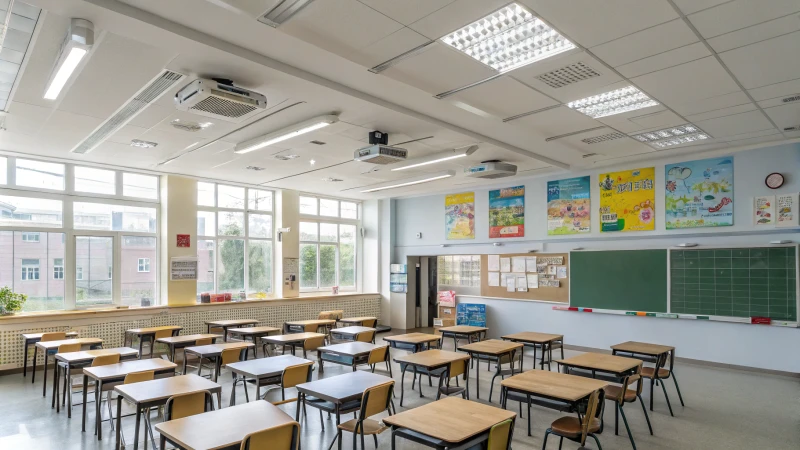
Do you remember entering a classroom for the first time and thinking, "Wow, it feels very fresh inside"?
Ceiling air purifiers are very important for schools. They provide effective air cleaning and do not use up important classroom space. These purifiers fit well with current HVAC systems. They really improve indoor air quality. They also cut down on noise. Additionally, they allow IoT connectivity for real-time tracking. This makes them perfect for schools.
I remember visiting my old school and noticing how much the air quality had improved. Breathing became easier. The room felt more alive and supportive of learning. Ceiling air purifiers offered advanced features. They included IoT integration and noise reduction. These devices provided more than just clean air. They helped create a perfect learning environment. Picture a classroom with air that is not just clean. It is also monitored in real time. Students and teachers probably focus better on education. Let's discover how these innovations change classrooms today.
Ceiling air purifiers reduce classroom noise levels.True
They often include noise reduction features, enhancing learning environments.
Ceiling air purifiers occupy classroom floor space.False
They are installed on ceilings, saving valuable floor space.
How Do Ceiling Air Purifiers Improve Classroom Air Quality?
Have you ever wondered how to keep classroom air fresh without adding clutter? Ceiling air purifiers probably help a lot. These devices really transform learning environments. Rooms become cleaner. Spaces become quieter.
Ceiling air purifiers improve air quality in classrooms by efficiently removing pollutants and allergens. They reduce noise effectively. These purifiers easily fit with current HVAC systems. Their installation in the ceiling promotes good air movement. This setup creates a healthier and better environment for learning.
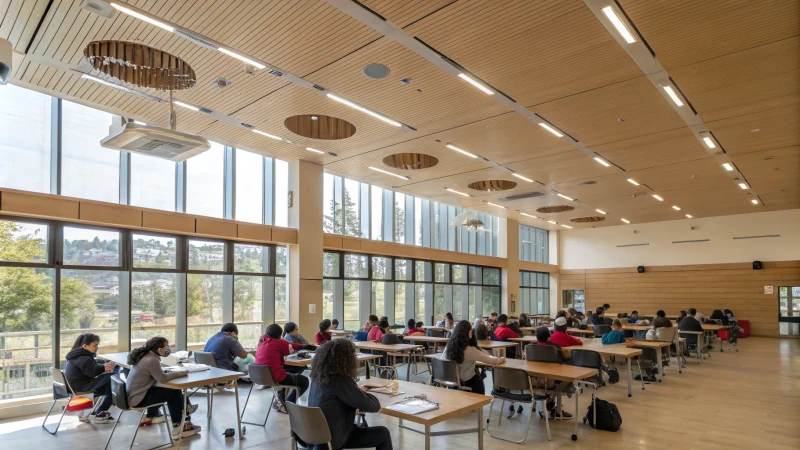
The Mechanics Behind Air Purification
When I first saw ceiling air purifiers, I was very surprised. They fit into the ceiling as if they belonged there all along. This clever placement keeps the floor clear for children to move freely. The air up high becomes just as clean as it should be. Imagine these devices as quiet guardians of our air. They quietly pull in the bad stuff and push out the good air. HEPA filters work like tiny air warriors. They fight pollutants and allergens to give us cleaner air.
Noise Reduction for Better Concentration
I remember entering a classroom with a running purifier. It was very peaceful. Advanced technology like HisoAir's decibel cancellation helps the machines whisper instead of roar. This quiet breaks the distraction of machinery noises, allowing students and teachers to focus on learning and teaching without distractions.
Integration with Existing Systems
Purifiers team up with existing HVAC systems, working together to improve air quality by frequently circulating the air, refreshing it over six times an hour in line with ASHRAE 241 compliance1. It means they are doing their job well, ensuring that the air my kids breathe is consistently clean and fresh.
| Feature | Benefit |
|---|---|
| Ceiling Installation | Saves space, increases safety |
| Noise Cancellation | Reduces distractions |
| HVAC Integration | Enhances air circulation |
Smart Technologies for Improved Control
The intelligence of these purifiers really amazes me. They connect with school management systems through IoT capabilities, offering real-time insights into air quality. Imagine checking pollution levels, humidity, and temperature right from your phone—this information gives school administrators the power to make smart decisions.
These smart features make keeping classrooms fresh and clean a seamless part of daily life by providing a comprehensive view2 of the classroom environment.
Ceiling air purifiers use HEPA filters to clean air.True
HEPA filters are standard in ceiling air purifiers, filtering pollutants.
Ceiling air purifiers increase classroom noise levels.False
Modern ceiling air purifiers have noise reduction technology for quiet operation.
What Are the Noise Reduction Benefits of Ceiling Air Purifiers?
When I first heard about ceiling air purifiers, I found myself curious about how they could keep my space both clean and calm. Here's why they change everything.
Ceiling air purifiers greatly lower noise through new technologies like Decibel Cancellation™. These purifiers fit smoothly into the ceiling. They free up floor space. They improve air quality and keep the space quiet. They are very suitable for peaceful places.
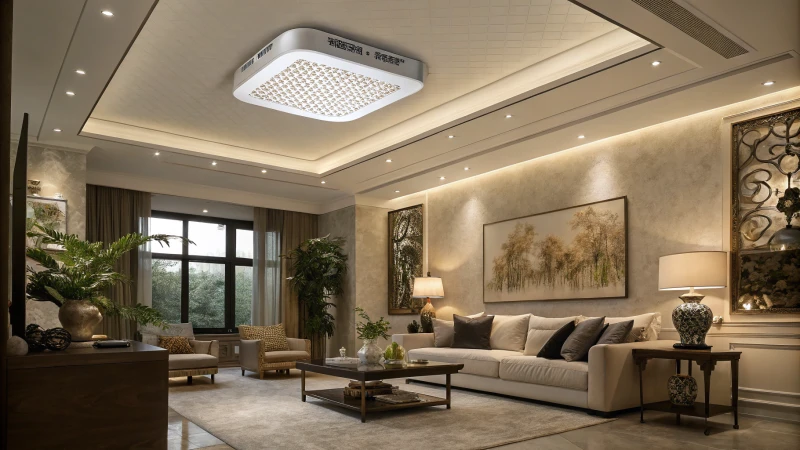
Modern Technology for Less Noise
Ceiling air purifiers, with their advanced Decibel Cancellation™ technology, first caught my attention. Imagine a meeting room where everyone hears each other clearly or a classroom free from constant noise distraction. These purifiers are so quiet, they seem invisible compared to traditional models that were always noisy.
Integration with HVAC Systems
Their seamless connection with HVAC systems won me over. We breathe easier knowing the air is refreshed six times without extra noise. It feels like having a secret helper, keeping everything perfect while maintaining optimal air circulation3.
Saving Space and Staying Quiet
I always value space, especially in crowded rooms. Ceiling installations are ideal as they stay hidden and don't use up floor space. It’s not just about looking good; it’s really about creating a quiet place where focus on important things is possible.
| Feature | Benefit |
|---|---|
| Decibel Cancellation™ | Reduces noise significantly |
| HVAC Integration | Enhances quiet operation |
| Space-Saving Design | Keeps floors clutter-free and quieter |
Improving Indoor Comfort with Smart Tech
For those who love smart tech, these purifiers sync with IoT systems, providing real-time air monitoring. It feels like having an air quality assistant, keeping everything at its best without noise.
Knowing these benefits changed my space into a peaceful, productive place. Maybe an upgrade for you is worth considering. Explore more benefits of ceiling air purifiers4 to see how they fit your life.
Ceiling air purifiers use Decibel Cancellation™ technology.True
Decibel Cancellation™ minimizes sound levels in ceiling air purifiers.
Integrating with HVAC systems increases purifier noise levels.False
Integration with HVAC systems enhances quiet operation, not noise.
Can Ceiling Air Purifiers Integrate with Existing School Systems?
Imagine a classroom where the air feels fresh like a morning breeze. Distractions stay few and far between. Ceiling air purifiers turn this dream into reality.
Ceiling air purifiers easily fit into school systems. They link to HVAC and IoT networks. These purifiers improve air quality. They do this without disturbing the learning environment. The air becomes cleaner.
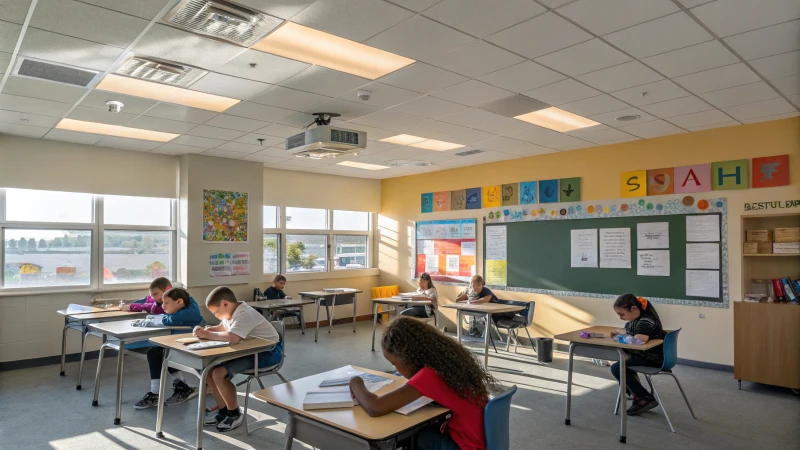
Understanding Integration with HVAC Systems
I remember the first time I saw a ceiling air purifier in a school. It was like a puzzle piece fitting perfectly into the HVAC system. These purifiers are not idle; they actively improve the air exchange rate. They work with systems that follow standards like AHSRAE 241 compliance5. It's like having an invisible helper keeping classrooms filled with fresh air.
| Feature | Benefit |
|---|---|
| Air Exchange | Increases ventilation frequency |
| Energy Efficiency | Works efficiently with existing HVAC systems |
| Quiet Operation | Utilizes Decibel Cancellation™ technology |
Using IoT for Smart Management
IoT has made ceiling air purifiers even smarter. Imagine checking and controlling air quality from your phone or computer. Schools now have the power to track air quality in real-time. They can adjust purifier settings when needed. I spoke with a school principal who was excited about sensors detecting allergens or pollutants. These sensors automatically adjust operations to keep the air clean.
Incorporating IoT also means sensors can detect various pollutants or allergens, automatically adjusting the purifier's operations to maintain air quality standards.
Noise Reduction: A Key Benefit
Noise often gets overlooked in classrooms. Traditional air purifiers are sometimes noisy. I remember sitting through classes where the hum was distracting. Ceiling-mounted units with Decibel Cancellation™6 technology solve this problem. They run quietly, ensuring that improvements in air quality do not come at the cost of a productive learning environment.
-
Noise Level Comparison:
Device Noise Level Standard Purifier 50-60 dB Ceiling Air Purifier 30-40 dB
Space-Saving Solutions
One of my favorite things about ceiling air purifiers is how they save floor space. In crowded classrooms, every inch matters. An overhead unit is like finding hidden space, providing clean air without blocking students or teachers.
All these features make ceiling air purifiers a very good choice for schools wanting to improve their indoor environment without major changes.
Ceiling purifiers disrupt classroom activities.False
Ceiling purifiers use Decibel Cancellation™ technology for quiet operation.
IoT integration allows real-time air monitoring.True
IoT networks enable tracking and adjusting air quality in schools.
Are Ceiling Air Purifiers a Cost-Effective Solution for Schools?
Imagine stepping into a classroom where the air smells as fresh as the morning breeze. Ceiling air purifiers refresh the space. But are these devices worth the price?
Ceiling air purifiers provide an effective solution for schools. These devices improve air quality with high CADR ratings. They integrate smoothly with HVAC systems. This integration reduces costs. In the long run, they represent an economical choice. Air quality really benefits from their use.
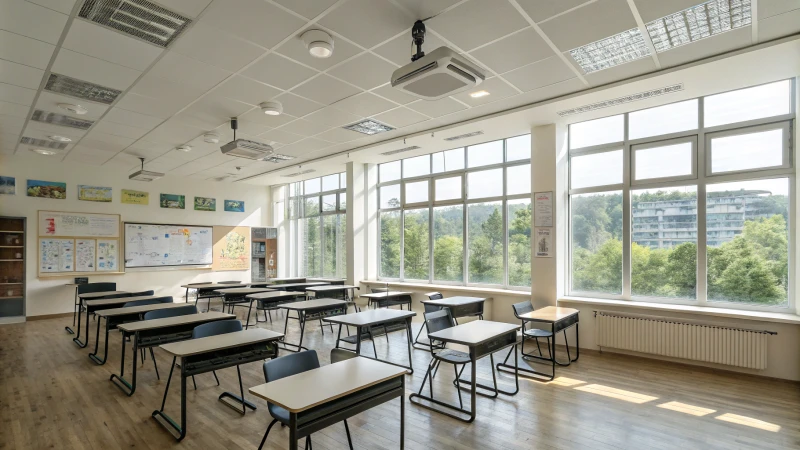
How Ceiling Air Purifiers Work in Schools
Imagine a normal school day. Now, picture the air being fresh and clear, as if you just stepped out after rain. Ceiling air purifiers strive to give this feeling. These devices fit well into the school's existing systems, becoming a key part of the HVAC setup7. They have a high Clean Air Delivery Rate (CADR), ensuring efficient filtration across large spaces like classrooms. Initially, I had doubts, but watching them in action changed my mind.
These purifiers, when connected to HVAC systems, improve how often air is exchanged. They boost air exchange significantly. According to AHSHARE 241 compliance, they increase air exchange six times over. The improvement in air quality is clear. This integration creates a healthy learning space without much noise.
| Feature | Benefit |
|---|---|
| High CADR | Covers large classroom spaces |
| Noise Reduction Technology | Minimizes distractions during lessons |
| Space-Saving | No floor space required |
Evaluating Cost-Effectiveness
At first, I worried about the costs. Yet, the potential savings quickly reassured me. The initial setup may appear expensive; however, these ceiling units require little upkeep, reducing operational expenses over time.
These devices link with IoT systems, providing real-time monitoring and valuable data for school management. This feature is incredibly useful as it helps us decide wisely about our environment.
Another strong reason for using them is energy savings8. Ceiling air purifiers often use less energy, lowering utility bills over time. By cutting down on airborne pollutants, they promote better student health—this might mean fewer sick days and improved attendance.
Additional Benefits for School Environments
Ceiling air purifiers offer more than just cost savings; they bring many benefits to the school environment. They help reduce noise levels, which means fewer distractions in classrooms—key for maintaining focus.
Since these units are on the ceiling, they don't interfere with classroom activities or furniture layout. This keeps them away from students and adds safety—a very appealing feature for our school.
Linking purifiers with school management systems9 offers key insights into indoor air quality. This allows us to act quickly to maintain the best conditions—a proactive approach that could enhance learning and cognitive abilities for our students.
Ceiling air purifiers fit into school HVAC systems.True
They integrate seamlessly with HVAC, enhancing air exchange rates.
Ceiling air purifiers increase classroom noise levels.False
They use noise reduction technology to minimize distractions.
Conclusion
Ceiling air purifiers enhance school environments by improving air quality, reducing noise, saving space, and integrating with HVAC systems for efficient operation and real-time monitoring.
-
Explore how ceiling-mounted purifiers help in maintaining classroom safety and space efficiency. ↩
-
Discover how IoT capabilities in air purifiers provide real-time insights into classroom environments. ↩
-
Learn how seamless integration with HVAC systems ensures quiet and efficient operation, enhancing air quality without added noise. ↩
-
Understand the full range of advantages ceiling air purifiers offer, including enhanced air quality and reduced noise levels. ↩
-
Learn how AHSRAE 241 compliance ensures optimal air exchange rates for healthy indoor environments. ↩
-
Discover the benefits of Decibel Cancellation™ technology in creating a quiet learning environment. ↩
-
Discover how ceiling air purifiers enhance existing HVAC systems for improved air quality. ↩
-
Explore the energy-saving advantages of ceiling air purifiers for schools. ↩
-
Learn about the benefits of integrating IoT in air purification systems for data monitoring. ↩

 English
  Français
  Español
  Italiano
  Deutsch
  Português
  Русский
  العربية
  日本語
日本語  한국어
한국어  Tiếng Việt

