Have you ever thought about the origin of your air purifier? The need for fresh air has increased greatly, creating curiosity about the top locations for production.
China remains the primary hub for air purifier production due to its established supply chain and cost efficiency. However, Vietnam is emerging as a viable alternative, offering potential benefits amid shifting global trade dynamics.
Though China provides excellent skill and experience in producing air purifiers, Vietnam is an interesting choice, especially with recent tariff issues and changes in world politics. Look closely at the details of manufacturing in each nation to reach a wise conclusion.
China has lower labor costs than Vietnam for air purifier production.False
China's labor expenses rise because of economic progress; Vietnam's remain lower.
What Are the Cost Implications of Manufacturing in China vs Vietnam?
Understanding the expense elements of creating goods in China compared to Vietnam is very important for companies trying to improve their production plans.
Manufacturing costs in China are generally lower due to a well-established supply chain, though tariffs can elevate expenses. In Vietnam, initial costs are higher, primarily due to reliance on imported materials, but potential tariff savings and future infrastructure developments could balance expenses.
Evaluating Labor Costs
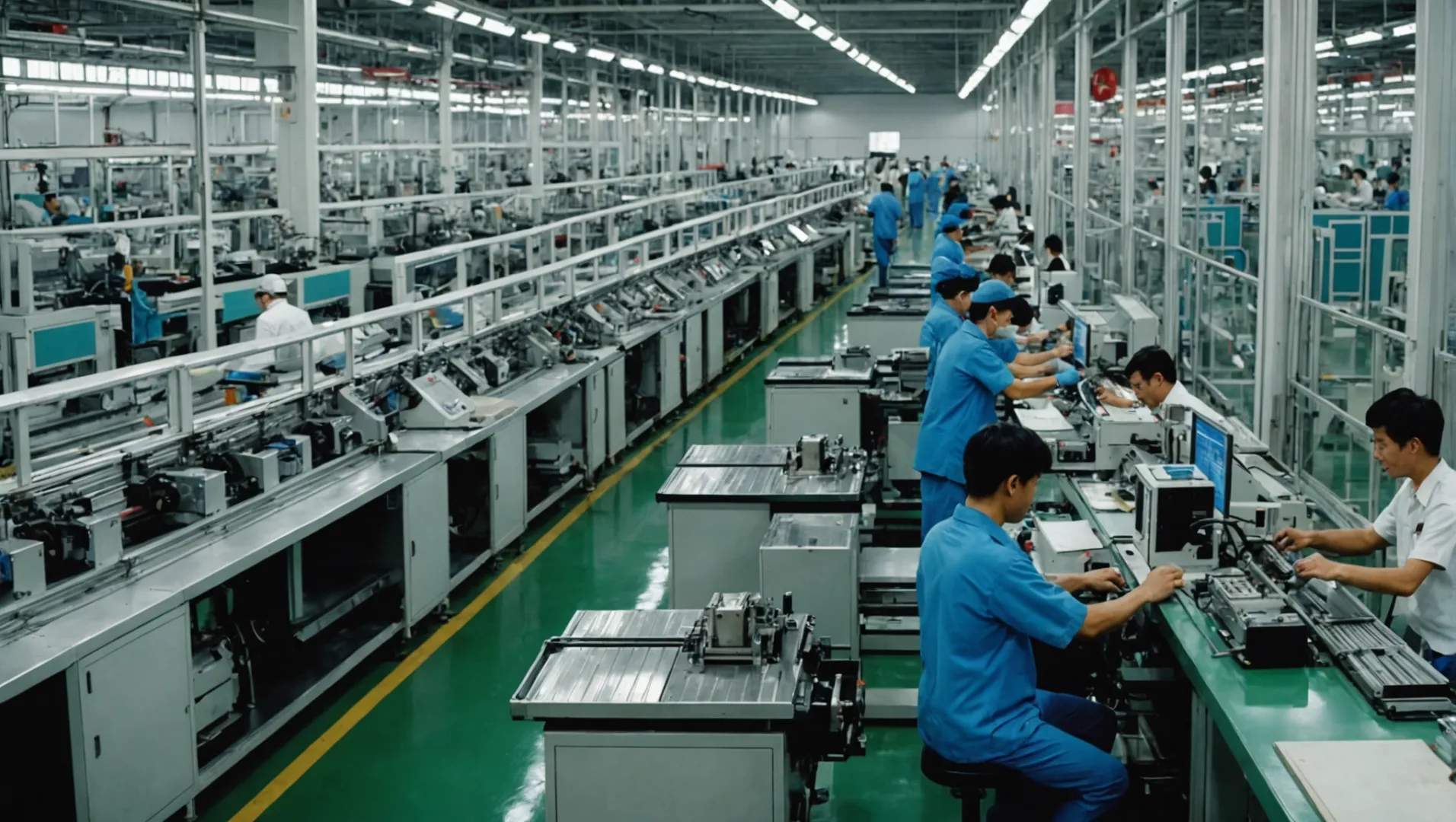
One important factor when looking at manufacturing expenses in China and Vietnam is labor. In China, wages have gone up because of economic growth and better living conditions. Still, China offers workers with skills and lots of manufacturing experience in areas like electronics, textiles, and air cleaners.
Vietnam, in contrast, shows lower wage costs because of its growing economy. This makes it appealing for companies wanting to save money. But the downside is often a workforce with less experience, especially in specialized fields like air cleaner production.
Supply Chain Efficiency
China's solid supply network1 is a key benefit, allowing easy access to raw materials and parts. This setup shortens waiting times and cuts expenses, making China a strong choice for manufacturing.
On the other hand, Vietnam's supply network is still growing. Many materials and parts come from China, causing higher production expenses. However, Vietnam is spending a lot of money to better its infrastructure, which could improve its supply chain in the future.
Tariff and Trade Policy Impact
Tariffs on Chinese goods by nations like the USA have pushed many businesses to look at options like Vietnam. While it might first appear cheaper to produce in China because of established systems, these tariffs can greatly raise costs.
Vietnam offers a way to avoid such tariffs, possibly lowering expenses for companies selling to certain markets. As trade rules change, Vietnam might become a more appealing place for production.
Long-Term Cost Considerations
At first glance, producing goods in Vietnam2 might look expensive due to dependence on imported materials and less developed infrastructure. But as investment increases in industrial areas and supply chains, Vietnam's cost advantage could grow significantly over time.
China's strength comes from its existing efficiencies and expertise; however, as global politics change, firms might see benefits in expanding their production bases to include Vietnam. This "China+1" approach is gaining interest as firms seek to reduce risks tied to depending on one country.
| Cost Factors | China | Vietnam |
|---|---|---|
| Labor Costs | Higher but skilled | Lower but less experienced |
| Supply Chain | Well-structured and effective | Growing and depends on imports |
| Tariff Impact | High due to trade issues | Lower with tariff escape |
| Infrastructure | Advanced | Getting better |
Looking at these points can help companies choose wisely where to set up their factories, balancing short-term costs with long-term strategic gains.
Vietnam's labor costs are higher than China's.False
Vietnam experiences reduced labor expenses due to its growing economy.
China's supply chain is more efficient than Vietnam's.True
China keeps a strong supply system, shortening delivery times and lowering expenses.
How Do Supply Chain Infrastructures Compare Between the Two Countries?
Grasping the supply chain setup is important for choosing a smart place to produce air purifiers.
China boasts a well-established supply chain infrastructure for air purifier production, ensuring cost-effectiveness and efficiency. In contrast, Vietnam's emerging supply chain is still developing, heavily reliant on imports from China, impacting overall production costs and logistics.

Overview of China's Supply Chain Infrastructure
China's system for producing air purifiers stands out due to its wide group of suppliers and factory networks. This setup covers every step of production, from finding raw materials to putting the final pieces together. Chinese factories gain from being close to key suppliers3, which lowers transport expenses and waiting times.
Vietnam's Developing Supply Chain
Vietnam is just beginning to build a supply system similar to China's for air purifiers. At present, most materials need to be brought in from China, causing higher expenses and longer wait times. Yet, efforts exist to grow Vietnam's local production abilities. The government in Vietnam is introducing plans to draw in foreign investments to build a strong industrial base that might eventually become self-sufficient.
Comparative Analysis: China vs. Vietnam
Table: Key Differences in Supply Chain Infrastructure
| Aspect | China | Vietnam |
|---|---|---|
| Supply Network | Wide and well-organized | Growing and scattered |
| Raw Material Sourcing | Acquired locally | Mostly brought in from China |
| Cost Efficiency | High due to large-scale production | Lower but getting better |
| Lead Times | Short | Longer because of imports |
Impact of Geopolitical Factors
Current trade issues between China and the US push many firms to look at places like Vietnam as alternative manufacturing spots. The "China+1" idea is gaining ground, where companies stay in China and also expand to other regions to handle risks related to tariffs and political tensions. This approach could speed up Vietnam's infrastructure growth if more firms choose to invest in local supply chains.
Future Outlook
As rivalry between China and Vietnam grows, each country's infrastructure may change. China will keep improving its existing networks, while Vietnam will focus on building capabilities4 to lessen reliance on imports. Both nations have unique benefits, so companies must consider these according to their strategies.
China's supply chain for air purifiers is unrivaled.True
China possesses an extensive group of providers, reducing expenses and delivery periods.
Vietnam imports most air purifier components from China.True
Vietnam depends on imports because its supply chain system is still growing.
What Are the Quality Standards for Air Purifiers Produced in Each Country?
Air purifiers probably serve as important household items. Knowing quality standards in various countries is really crucial for smart buying choices.
Quality standards for air purifiers vary globally, often influenced by each country's regulatory environment and industry practices. China adheres to GB/T 18801-2015 standards, ensuring efficiency and safety, while Vietnam is aligning its standards to match international expectations as its production capacity grows.

Understanding China's Air Purifier Standards
China has long been the leader in air purifier manufacturing, with its quality standards rooted in the GB/T 18801-2015 guideline. This standard outlines critical parameters such as Clean Air Delivery Rate (CADR), noise levels, and energy consumption. Most Chinese manufacturers comply with these stringent guidelines5 to ensure their products are both effective and safe.
Vietnam's Emerging Quality Framework
As Vietnam seeks to establish itself as a manufacturing hub, the country is working towards developing comprehensive quality standards for air purifiers. Currently, Vietnam does not have its own national standard for air purifiers but follows international benchmarks like ISO 16000 for indoor air quality. This approach helps Vietnamese manufacturers produce devices that meet global expectations, although further development of local standards is anticipated.
Comparing Quality Assurance Measures
While China has established systems for testing and certification, including mandatory labeling and regular compliance checks, Vietnam is in the process of setting up similar infrastructures. The table below illustrates key differences in quality assurance measures between the two countries:
| Aspect | China | Vietnam |
|---|---|---|
| National Standard | GB/T 18801-2015 | Adopts international standards like ISO |
| Testing Facilities | Extensive, with state-of-the-art equipment | Developing, with a focus on modernization |
| Compliance Monitoring | Regular inspections and audits | In progress |
Industry Impacts of Quality Standards
The differing levels of established standards and infrastructures influence the perception of quality between air purifiers produced in China and Vietnam. Global market trends6 suggest that as Vietnam strengthens its quality frameworks, it could become more competitive internationally. However, for now, China's well-entrenched systems provide a reliability that many global brands continue to rely upon.
Consumer Considerations
For consumers, understanding these standards is crucial when choosing an air purifier. Products manufactured in China are often perceived as more reliable due to their compliance with established regulations. Meanwhile, buyers considering Vietnamese products should look for certifications from recognized international bodies to ensure product quality.
China follows GB/T 18801-2015 for air purifiers.True
China's air purifiers follow the GB/T 18801-2015 standard for quality.
Vietnam has its own national standard for air purifiers.False
Vietnam now follows worldwide norms like ISO, not their own.
How Might Future Trade Policies Impact Air Purifier Production?
As global trade rules change, air purifier producers encounter serious obstacles and possibilities. Grasping these effects is important for careful planning.
Future trade policies could reshape air purifier production by influencing supply chains, manufacturing costs, and international partnerships. These changes may lead to shifts in manufacturing locations, such as a transition from China to Vietnam.

The Role of Tariffs and Trade Agreements
Trade rules like tariffs and trade deals decide where and how air purifiers come from. For example, the United States introduced tariffs on Chinese products during Trump's time, causing many businesses to rethink using Chinese factories. This has pushed companies to look at other places like Vietnam.
China+1 Strategy
The "China+1" plan means spreading production outside of China to avoid problems from tariffs and political issues. China still leads in air purifier production because it has a strong supply network. However, many companies are starting to put money into factories in Vietnam.
Even though Vietnam does not have a full supply network for air purifiers yet, future trade rules might encourage the growth of infrastructure, helping Vietnam become more competitive. Still, at the start, it might cost more because of the need for materials from China.
Potential Impact on Costs
| Factor | China | Vietnam |
|---|---|---|
| Tariff Costs | High potential impact | Lower initial impact |
| Supply Chain Efficiency | Established | Developing |
| Manufacturing Costs | Lower | 10-15% higher |
The table above shows the cost differences between producing air purifiers in China and Vietnam. Trade rules could change these numbers, perhaps lowering Vietnam's cost burden over time.
Geopolitical Considerations
Politics around the world shape trade rules, which then change manufacturing choices. The ongoing rivalry between the US and China might bring about further rule changes, affecting global supply lines. Here, Vietnam's location might help companies shield against such changes, tempting them to place manufacturing there.
Long-term Industry Trends
In the future, trade rules might push for more local production to lessen reliance on just one country. This might lead to investment in new technology and improvements in the air purifier industry, building a stronger, more varied global supply chain.
In summary, even if China stays important in making air purifiers, upcoming trade rules might change the industry's picture a lot, potentially making Vietnam a solid option for production.
Tariffs on Chinese goods increase air purifier costs.True
Tariffs increase expenses for firms depending on Chinese factories.
Vietnam's supply chain is more efficient than China's.False
China possesses a strong supply system, whereas Vietnam's is growing.
Conclusion
Picking between China and Vietnam hinges on current demands against future planning. Assess expenses, supply chain preparation and market directions to determine which fits your company targets.
-
Explore how supply chain efficiencies impact manufacturing costs.: “This trade dynamic has widened Vietnam's trade deficit with China to $50 billion in 2023, a nearly 50% increase over the last five years,” ... ↩
-
Learn about the potential long-term cost benefits of Vietnam.: Manufacturing in Vietnam has been at the epicenter of the country's high growth. This sector contributed more than 20 percent to the country's GDP. ↩
-
Explore China's comprehensive supply network for air purifiers.: China Air Purifiers Market was valued at USD 2.54 billion in 2023 and is expected to reach USD 3.78 billion by 2029 with a CAGR of 6.8% during the forecast ... ↩
-
Learn about Vietnam's strategies to enhance local manufacturing capabilities.: Leading companies operating in the Vietnamese Air Purifiers Market include Sharp Electronics (Vietnam) Company Limited, Panasonic Vietnam Co., ... ↩
-
Explore China's established quality guidelines for reliable air purifiers.: This Standard replaces GB/T 18801-2008 “Air Cleaner”. The main technical differences between this Standard and GB/T 18801-2008 are as follows. ↩
-
Discover how Vietnam's market is evolving with emerging quality standards.: The Vietnamese Air Purifiers Market can be segregated based on filter type, price segment and sales channel. In terms of filter type, the market ... ↩


 English
 Français
 Español
 Italiano
 Deutsch
 Português
 Русский
 العربية
 日本語
 한국어
 Tiếng Việt

