
Curious about the origins of your reliable Coway air purifier? You’re not alone.
Coway air purifiers mainly come from Guangzhou, China. This Korean brand chooses to produce them in China. China has efficient supply routes. It also offers cheaper ways to produce goods.
The answer might look simple, but Coway's decisions involve much more. Imagine a busy factory in Guangzhou, filled with the buzz of new ideas, producing highly dependable air purifiers. Choosing China doesn't just mean lower prices - it also means accessing advanced technology and skilled engineers, comparable to any top global competitor. Coway masterfully combines its Korean heritage with China's manufacturing expertise. People breathe cleaner air while saving money. This has a significant impact. These choices change the way we experience clean air and could shape the future of air purification. Very important.
Coway air purifiers are made in Guangzhou, China.True
Coway manufactures its air purifiers in Guangzhou due to cost-effectiveness.
Coway is a Chinese brand of air purifiers.False
Coway is a Korean brand, though it manufactures in China.
Why does Coway manufacture air purifiers in China?
Curious about why Coway, a Korean company, selects China to produce its air purifiers?
Coway produces air purifiers in China. The country has a strong supply chain. Its technology is advanced. Producing there is cheap. This wise decision allows Coway to sell products at low prices around the world. The products are very accessible.
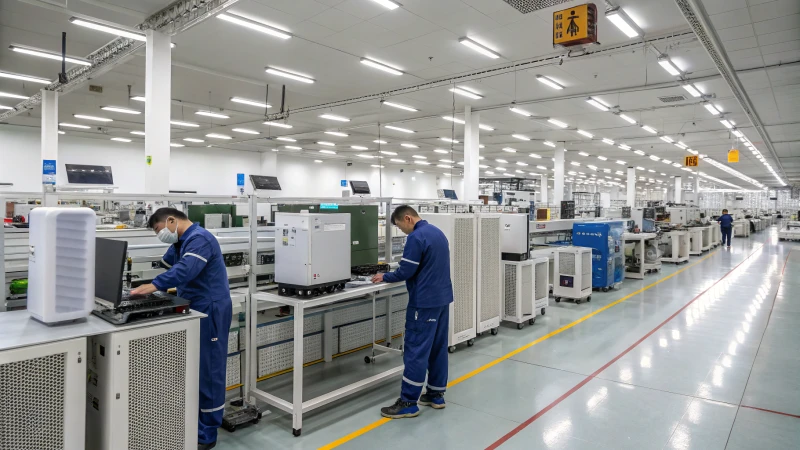
Advantages of Manufacturing in China
Coway's decision to manufacture in China is not solely about cost savings. They leverage the robust supply chain1 that the country offers, akin to a smooth-running machine where all parts work perfectly together. From raw material procurement to final assembly, everything operates seamlessly, reducing costs and ensuring timely delivery.
Advantages Overview:
| Factor | Benefit to Coway |
|---|---|
| Supply Chain | Efficient and cost-effective production |
| Technology | Access to the latest innovations |
| Skilled Workforce | Experienced engineers and technicians |
| Market Proximity | Closer to major Asian markets |
Technological Advancements
Technology evolves rapidly, especially in the air purification industry where Coway has been active for over 20 years. China's leadership in technology2 provides companies like Coway with swift access to new innovations. This enhances their products and helps maintain a competitive edge in the market.

Economic Considerations
Economic factors such as lower wages and efficient production processes make China an attractive option for manufacturing3. This allows Coway to maintain high quality while offering fair prices, benefiting both the company and consumers.

Diversification and Future Strategies
While China remains crucial, Coway is planning for potential changes due to risks like US tariffs. They are exploring diversification by working with suppliers outside China, ensuring supply chain stability4 and mitigating possible disruptions.
These strategic decisions illustrate how companies balance cost-efficiency with product quality, influencing global trends and consumer choices. It's a fascinating blend of planning and execution that sustains industry vitality.
Coway's manufacturing in China reduces production costs.True
China's efficient supply chain and lower labor costs reduce Coway's expenses.
Coway manufactures air purifiers in China for U.S. market proximity.False
The primary reason is proximity to Asian markets, not the U.S.
How Does Coway Ensure Quality Standards in Manufacturing?
Have you ever thought about what helps Coway's air and water purifiers stay the best? This short text reveals some secrets.
Coway checks quality thoroughly with strict tests. They use new technologies to improve things. Skilled suppliers work with Coway, creating strong partnerships. This focus on new ideas helps Coway keep a good name. Their products are excellent.

Rigorous Testing Procedures
I first explored Coway's manufacturing process. The thorough testing impressed me deeply. Every air and water purifier goes through detailed quality checks, including performance assessments5 and durability tests. I saw these tests with my own eyes. It was like seeing a precise dance. These checks bring the products beyond what customers expect before reaching the shelves.
| Testing Stage | Purpose |
|---|---|
| Initial Screening | Detects any immediate defects |
| Performance Evaluation | Assesses efficiency and effectiveness |
| Durability Testing | Ensures long-term reliability and functionality |
Advanced Technology Integration
Coway loves technology. They don't just follow trends; they create them. Their factories are wonders, filled with smart systems that reduce human mistakes. Watching their modern machines, I felt like I was seeing the future. This focus on new technology keeps their products consistently top-notch, utilizing state-of-the-art machinery6.

Strategic Supplier Partnerships
Coway's location in China is strategic. A strong supply chain is their benefit, with experienced engineers providing cost-effective solutions while improving quality. It is fascinating to watch. Coway is also broadening its supplier network beyond China to sidestep tariffs, ensuring they stay competitive in the global market.
Commitment to Innovation
Coway centers innovation in their work. Each new product feels like opening a gift with unique features such as smart controls7 and energy-saving designs that stand out. Their smart controls improve daily life, keeping Coway leading in air and water purification.
Global Quality Assurance
Coway maintains high global quality by matching manufacturing standards with world norms through comprehensive audits and certifications, showing ongoing dedication to excellence worldwide. Choosing Coway means picking a brand dedicated to being the best, anywhere you go.
Coway uses automation to reduce human error.True
Coway integrates automation systems in manufacturing to enhance precision.
Coway only partners with suppliers in China.False
Coway works with suppliers outside China to mitigate tariff risks.
How Do Tariff Risks Impact Coway?
Imagine this꞉ you have a successful business and out of nowhere, tariffs start to shake things up. Running the business feels like steering a ship in stormy seas. The waves are no longer water but shifting economic rules.
Tariff risks for Coway suggest possible increases in production costs. These increases might push them to raise consumer prices or reduce their profits. Coway may look for new suppliers and explore different markets. Staying competitive becomes vital.

Tariff Risks: A Double-Edged Sword
Coway's situation feels like a memory of managing a project reliant on one supplier. With its main factory in China, Coway faces surprises like walking through a maze blindfolded. When big markets like the U.S. add tariffs, production costs rise sharply - imagine your favorite gadget costing much, much more.
Possible Cost Surges:
| Component | Current Cost | Post-Tariff Cost |
|---|---|---|
| Air Purifier | $100 | $120 |
| Water Purifier | $80 | $95 |
Diversifying the Supply Chain
To avoid the grasp of tariffs, Coway builds ties with suppliers outside China. Think of expanding your own network for more stability. It's more than changing production sites; it's about solving a complex puzzle involving logistics and trust8.
Supply Chain Approach:
- Present Focus: Manufacturing mainly in China
- New Approach: Working with global suppliers
Exploring New Markets
"Don't put all your eggs in one basket" fits perfectly here. Coway is branching out to reach markets with better trade terms or growing demand. Imagine entering a new field, feeling both hopeful and cautious. Every market entry needs deep thought and special plans.
Possible Markets for Growth:
| Region | Trade Agreement | Market Size Potential |
|---|---|---|
| Southeast Asia | ASEAN | High |
| Latin America | Mercosur | Moderate |
Strategic flexibility helps Coway strengthen its role in changing trade environments. Grasping these tariff details is key to handling future obstacles and finding global opportunities.
Tariffs could raise Coway's production costs by 20%.True
The post-tariff cost of an air purifier increases from $100 to $120.
Coway is shifting all manufacturing out of China.False
Coway is diversifying, not completely shifting, its supply chain.
What Are Some Noteworthy Alternatives to Coway Air Purifiers?
Air purifiers sometimes confuse people with too many choices. Let me show you some excellent options besides Coway. These will provide fresh air and interesting features.
Yes, several other brands produce air purifiers outside China and South Korea. Dyson, Blueair and Levoit provide reliable options with good technology. Their features are varied and impressive. High-quality air purifiers arrive in many forms.

Exploring Global Alternatives to Coway Air Purifiers
Starting my journey into air purification was thrilling. Many amazing brands exist, each with special strengths. One evening, I sat down with tea, eager to find the best air purifier for my needs. Here are some brands that caught my eye:
Dyson: Dyson always impressed me with its clever designs. Their air purifiers, built in Malaysia, offer strong HEPA filters9 in stylish shapes. They fit nicely in any room. I found their multi-purpose feature fascinating; one device purifies, heats or cools — three in one is very useful.
Blueair: Blueair comes from Sweden and focuses on high airflow and removing particles well. I read about their strong build and liked their effectiveness against many pollutants. Blueair’s performance and durability are great for anyone wanting a long-term choice.
Levoit: This brand from America gives affordable options with smart features like app connectivity and voice control compatibility. Budgets matter, but Levoit keeps quality high.
| Brand | Country of Manufacture | Key Features |
|---|---|---|
| Dyson | Malaysia | Multi-functional, HEPA filtration |
| Blueair | Sweden | High airflow, effective pollutant removal |
| Levoit | USA | Affordable, smart technology integration |
Evaluating Technology and Performance
Choosing an air purifier is about more than the brand; it involves technology and performance as well. Dyson models have sensors that adjust settings based on air quality — that's very smart! Meanwhile, Blueair’s unique HEPASilent technology10 quietly cleans air using both electrostatic and mechanical filters.
Comparing noise levels, energy use, and filter costs helped me see what fit my home best:
| Feature | Dyson | Blueair | Levoit |
|---|---|---|---|
| Noise Levels | Low (Decibel Control) | Moderate | Low |
| Energy Efficiency | High | High | Moderate |
| Filter Replacement | Moderate cost | Moderate to high cost | Low cost |
Additional Considerations
I also thought about warranty and customer service while exploring these options. Solid support matters a lot. Brands like Levoit11, for example, are known for great customer service and easy-to-use apps for monitoring and control.
These features guided me to a smart choice. Sustainability and advanced tech are priorities. The global market offers varied options beyond Coway's products; every brand has charm and power, so something is always available for everyone seeking clean air.
Dyson air purifiers are made in Malaysia.True
Dyson manufactures its air purifiers mainly in Malaysia, offering advanced features.
Levoit air purifiers are the most expensive option.False
Levoit offers cost-effective solutions, making them budget-friendly compared to others.
Conclusion
Coway air purifiers are manufactured in Guangzhou, China, leveraging advanced technology and skilled labor while maintaining cost efficiency and quality standards for global distribution.
-
Learn how China's supply chain benefits manufacturers with efficiency and cost-effectiveness. ↩
-
Explore how technological innovations in China benefit global manufacturers like Coway. ↩
-
Discover why China's economic environment is attractive for manufacturing operations. ↩
-
Understand why companies diversify supply chains to enhance stability and reduce risks. ↩
-
Explore Coway's testing protocols to understand how they maintain high product standards. ↩
-
Discover the advanced technologies used by Coway to ensure consistent manufacturing quality. ↩
-
Learn about the unique features that make Coway's products stand out in the market. ↩
-
Exploring these challenges can help readers comprehend the complexities Coway faces when shifting production away from China. ↩
-
Learn about Dyson's innovative HEPA filtration technology that sets it apart in air purification. ↩
-
Read reviews about Blueair's effectiveness in removing various pollutants. ↩
-
Find out how Levoit's customer service supports their air purifier users. ↩



 English
 Français
 Español
 Italiano
 Deutsch
 Português
 Русский
 العربية
 日本語
 한국어
 Tiếng Việt