Navigating the world of air purifiers can feel like wandering through a maze—especially when it comes to safety and compliance!
To ensure an air purifier manufacturer complies with U.S. standards, verify certifications such as UL, FCC, and CARB registration. Collaborate with experienced suppliers familiar with these requirements to ensure timely and cost-effective compliance.
But understanding the basics is just the start! Let’s dive into specific certifications and discover how you can confidently select air purifiers that truly meet rigorous U.S. standards.
UL certification ensures air purifier safety in the U.S.True
UL certification confirms compliance with safety standards, reducing risks.
What Are the Key Certifications for Air Purifiers in the U.S.?
Understanding air purifier certifications is vital for manufacturers aiming to enter the U.S. market.
Air purifiers in the U.S. must secure certifications like UL safety testing, FCC compliance, and CARB registration to meet federal standards and market requirements.
Understanding Certification Requirements
Air purifier certifications are integral to compliance and market acceptance in the United States. The primary certifications include:
-
UL Safety Testing: This ensures the device meets strict safety standards. Manufacturers can conduct these tests at certified labs like UL, Intertek, TUV, or SGS. Though costs vary, timelines generally span 8-10 weeks.
-
FCC Compliance: Air purifiers must pass Federal Communications Commission (FCC) testing, crucial for devices emitting electromagnetic signals.
-
CARB Registration: The California Air Resources Board (CARB) registration is mandatory for selling air purifiers in California, ensuring low ozone emission levels.
Additional Certifications
Beyond the basics, air purifiers may also require:
-
DOE Testing: The Department of Energy (DOE) evaluates energy efficiency, impacting cost-effectiveness and environmental footprint.
-
AHAM Verification: Certification from the Association of Home Appliance Manufacturers (AHAM) indicates the Clean Air Delivery Rate (CADR), guiding consumers on effectiveness.
-
Energy Star Certification: Recognized by the Environmental Protection Agency (EPA), this signifies superior energy efficiency.
| Certification | Purpose | Testing Body |
|---|---|---|
| UL | Safety | UL, Intertek |
| FCC | Electromagnetic Compliance | FCC |
| CARB | Ozone Emission | CARB |
| DOE | Energy Efficiency | DOE |
| AHAM | Performance | AHAM |
| Energy Star | Energy Efficiency | EPA |
Working with Experienced Suppliers
Collaborating with suppliers who have in-depth knowledge of U.S. standards can streamline the certification process. Experienced suppliers often possess their own CNAS-certified labs for preliminary testing, which expedites third-party certification. Companies like Hisoair1 boast over 20 years of expertise in aligning with U.S. market standards.
To ensure comprehensive compliance, manufacturers should also consider manual and packaging designs that adhere to UL standards. Partnering with seasoned suppliers not only facilitates efficient navigation of certification processes but also guarantees adherence to U.S. safety and quality benchmarks.
UL safety testing is mandatory for air purifiers in the U.S.False
UL safety testing is not mandatory but ensures safety compliance.
CARB registration is required to sell air purifiers in California.True
CARB ensures low ozone emissions for air purifiers sold in California.
How Can Experienced Suppliers Assist in Meeting Compliance?
Leveraging the expertise of seasoned suppliers can streamline compliance with stringent U.S. standards.
Experienced suppliers provide vital expertise in navigating U.S. compliance, offering insights into certifications and efficient testing processes, ultimately saving time and costs.

The Role of Experienced Suppliers in Compliance
Navigating the complex landscape of U.S. compliance standards for air purifiers can be daunting. Experienced suppliers offer invaluable support by guiding you through the intricate processes of obtaining necessary certifications. These experts are well-versed in regulatory requirements2 such as UL safety testing, FCC testing, and CARB registration. Their familiarity with the nuances of each certification process can significantly reduce both time and costs.
Streamlining Testing Processes
One of the major advantages of working with seasoned suppliers is their established relationships with certified testing labs. They often have partnerships with labs such as UL, Intertek, TUV, and SGS, allowing them to expedite the testing process. Some manufacturers even possess their own CNAS-accredited labs, enabling them to conduct preliminary tests before submitting products to third-party labs. This step not only accelerates the certification timeline but also minimizes potential errors, ensuring a smoother pathway to compliance.
Cost-Effective Solutions
Experienced suppliers often provide cost-effective solutions by recommending the most efficient testing strategies. They can offer insights on selecting the right labs based on cost considerations and expected timelines. For instance, while UL might offer a competitive rate for safety testing, other labs might provide quicker turnaround times for FCC testing. These insights allow businesses to allocate resources effectively and avoid unnecessary expenses.
Designing Compliant Products
Beyond testing, experienced suppliers assist in designing products that inherently meet U.S. standards. They guide manufacturers in developing user manuals and packaging that adhere to UL standards, a critical yet often overlooked component of compliance. By addressing these elements early in the design phase, suppliers help prevent delays later in the process.
Building Strategic Partnerships
Choosing to work with a supplier that has extensive OEM/ODM experience, such as Hisoair, can be a game-changer. With over 20 years of experience in manufacturing air purifiers for the U.S. market, they bring a wealth of knowledge and proven strategies to ensure your products meet all necessary standards. Their expertise in regulatory navigation3 and product design can greatly enhance your ability to enter and compete in the U.S. market successfully.
Experienced suppliers reduce compliance costs by 30%.True
Suppliers use efficient strategies and lab partnerships to cut costs.
All experienced suppliers have CNAS-accredited labs.False
Not all suppliers own CNAS labs; some use third-party labs.
Why Is UL Safety Testing Essential for Air Purifiers?
Ensuring your air purifier is UL certified guarantees safety and reliability for U.S. consumers.
UL safety testing for air purifiers is crucial because it confirms the product meets rigorous safety standards, minimizing risks of electrical hazards or malfunctions. This certification assures consumers that the device operates safely and effectively under various conditions.
Understanding UL Certification
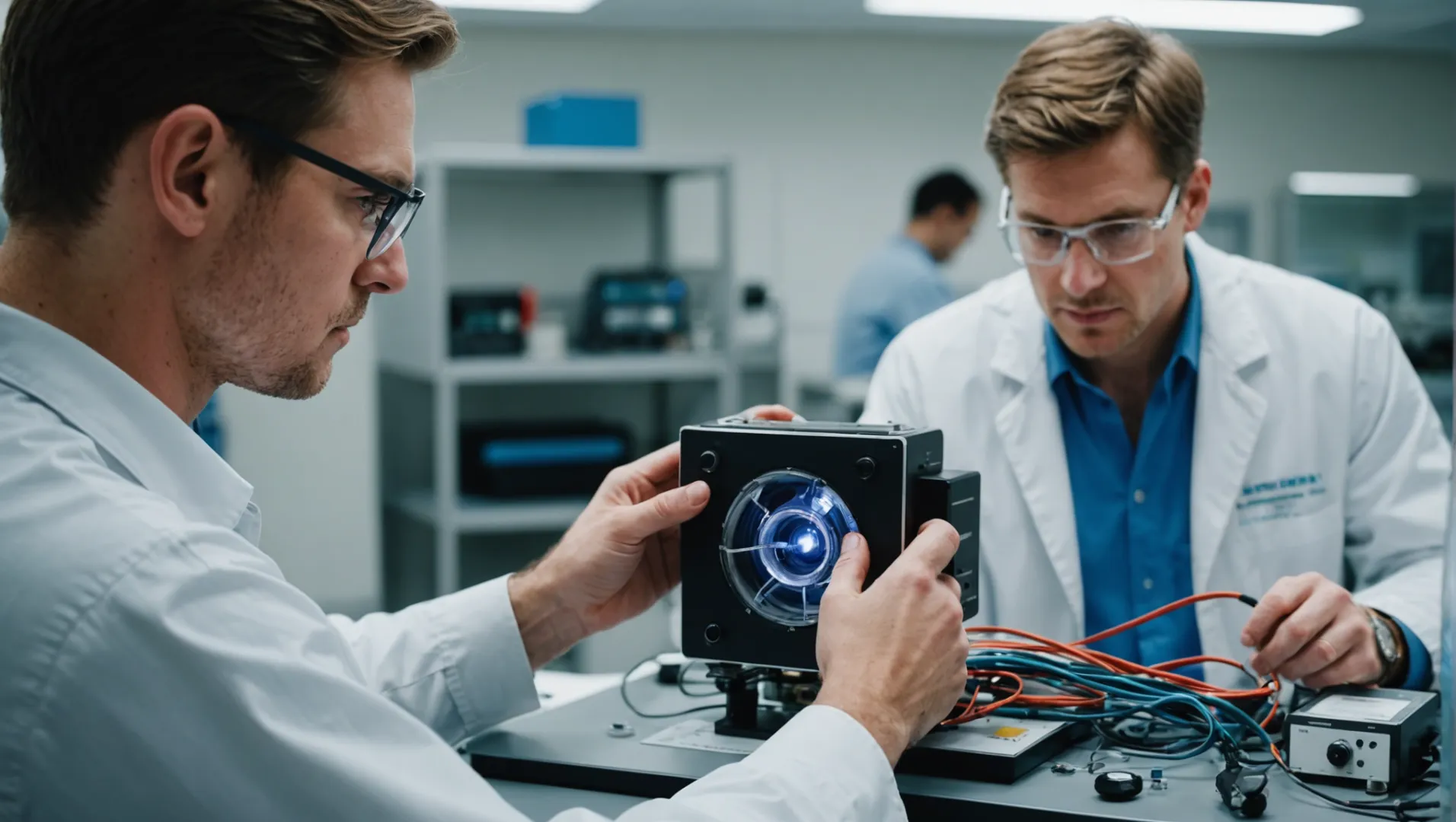
UL, or Underwriters Laboratories, is a globally recognized organization dedicated to promoting safety through stringent testing standards. For air purifiers, UL safety testing4 focuses on evaluating electrical and fire safety, ensuring devices do not pose risks to users. This testing involves a series of checks, including assessments of electrical components, material flammability, and overall construction.
The Testing Process
The UL testing process is thorough and time-consuming, typically spanning 8 to 10 weeks. It involves multiple stages, such as:
- Initial Evaluation: Determining if the product design complies with safety standards.
- Testing: Conducting rigorous tests on prototypes to simulate real-world usage.
- Certification: Issuing a UL mark if the product passes all tests.
These steps are conducted in specialized laboratories like Intertek or TUV, which provide similar timelines and costs.
Importance of UL Certification
Having a UL mark on an air purifier serves as a quality assurance to consumers. It signifies that the product has been independently tested and verified to meet specific safety criteria. This is crucial for consumer trust5, as it ensures the device will function safely and effectively.
Additionally, UL certification can facilitate easier market entry in the U.S., as it is often a prerequisite for other regulatory approvals like FCC or DOE testing.
Working with Experienced Suppliers
Collaborating with suppliers experienced in U.S. standards can streamline the certification process. These suppliers often have in-depth knowledge of compliance requirements and may possess in-house testing facilities like CNAS labs. This capability allows for pre-testing before submitting devices to third-party labs, saving both time and resources.
Suppliers like Hisoair, with over two decades of experience in the U.S. market, can be invaluable partners. They assist in designing products that comply with UL standards from the outset, reducing the need for costly redesigns later.
Ensuring Comprehensive Compliance
Beyond UL testing, an air purifier must also pass other certifications such as FCC and CARB registration. Partnering with an experienced supplier helps navigate these additional requirements efficiently.
In summary, while UL safety testing is fundamental for certifying air purifiers in the U.S., strategic collaborations and comprehensive planning are key to ensuring full compliance with all necessary standards.
UL certification ensures air purifier safety.True
UL certification confirms that air purifiers meet strict safety standards.
UL testing is optional for U.S. air purifiers.False
UL testing is crucial for market entry and consumer trust in the U.S.
How Do You Verify an Air Purifier's Certification Status?
Verifying an air purifier’s certification is key to ensuring its safety and efficiency.
To verify an air purifier's certification status, check for official labels from recognized bodies like UL, FCC, and CARB. These labels signify compliance with stringent safety and performance standards, ensuring the product meets necessary regulations.
Understanding Certification Labels
Certification labels are pivotal indicators of a product's compliance with industry standards. For air purifiers, the most crucial certifications include the UL safety testing, FCC compliance, and CARB registration. Each certification has a specific label that can be found on the device or in its documentation.
- UL Certification: Look for the UL mark, which ensures the product has been tested for electrical and fire safety. This is especially important for products used extensively in homes and offices.
- FCC Compliance: The FCC label indicates that the device complies with electromagnetic interference standards, reducing the risk of interference with other electronic devices.
- CARB Registration: Especially important in California, CARB registration certifies that the air purifier adheres to ozone emission limits.
Using Online Verification Tools
Many certification bodies offer online tools to verify a product’s certification status. For instance, the UL database6 allows you to search for a product by its model number to confirm its UL certification status. This ensures that you are not relying solely on physical labels, which can sometimes be misleading.
Partnering with Experienced Suppliers
Engaging with suppliers who have a strong understanding of U.S. standards is beneficial. Suppliers with experience in navigating the certification landscape can provide documentation and verification upon request. They can also guide you through understanding complex certification processes and ensure compliance with all necessary regulations.
Requesting Documentation from Manufacturers
Manufacturers should provide certification documentation as part of their service. Request detailed reports from the testing labs that performed the certifications. A reputable manufacturer will have no issues providing these documents, offering an additional layer of confidence in their compliance.
Checking Additional Certifications
Aside from the major certifications, look for additional credentials such as AHAM verification or Energy Star rating, which indicate superior air cleaning performance and energy efficiency respectively. This can be essential for users looking to reduce environmental impact while maintaining high indoor air quality.
UL certification ensures electrical safety of air purifiers.True
UL certification tests for electrical and fire safety, ensuring safe use.
CARB registration is not necessary outside California.False
CARB registration is crucial nationwide to ensure low ozone emissions.
Conclusion
By understanding certification processes and partnering with the right suppliers, you can ensure your air purifier is safe and effective.
-
Learn about Hisoair's extensive experience with U.S. air purifier standards.: Choose HisoAir for unparalleled expertise in air purification, where our commitment to “Maximum Purification, Minimum Noise” meets the exacting standards. ↩
-
Discover how expert suppliers simplify certification processes efficiently.: They help meet health and safety regulations and enhance throughput by maintaining consistent product quality. ↩
-
Learn how seasoned suppliers aid in compliance and market entry.: Retailers benefit greatly from pricing transparency offered by air purifier suppliers. It aids in informed decision-making, aligns with ... ↩
-
Learn about UL's rigorous testing process ensuring air purifier safety.: In particular for air purifiers, the UL mark signifies the device is not at risk of catching fire or causing an electrical shock to individuals ... ↩
-
Understand how certification reassures consumers about product safety.: Rely on our comprehensive testing and certification to validate product quality and performance, bringing appliance innovations to new markets. ↩
-
Verify UL certifications using their official online database for authenticity.: This powerful database features robust and intuitive search features, advanced search and filtering options and access to UL Solutions guide information. ↩

 English
 Français
 Español
 Italiano
 Deutsch
 Português
 Русский
 العربية
 日本語
 한국어
 Tiếng Việt

