
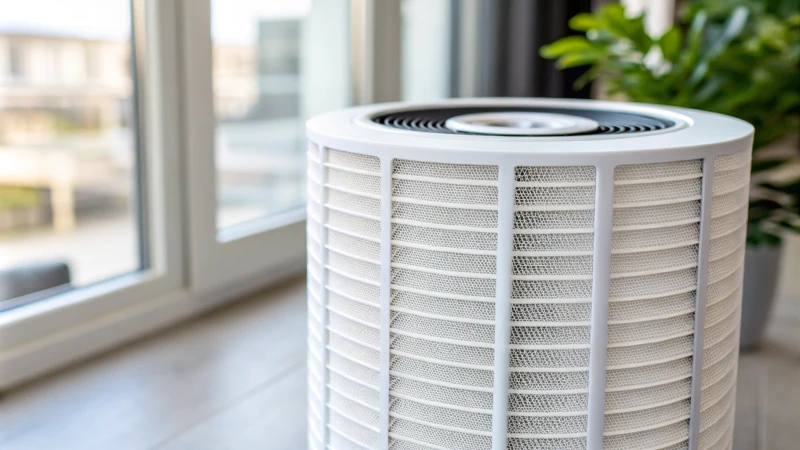
Ever felt dust tickling your nose inside? Air purifiers come to rescue, turning rooms into places with fresh air.
High-efficiency filters, such as HEPA 13 and HEPA 14, are important for modern air purifiers. They catch over 99.997% of particles in the air, including dust and allergens. These filters improve air quality by trapping harmful particles while allowing air to flow freely. Filters like these are essential for a healthier indoor space. Yes, truly essential.
I recall waking up with itchy eyes and a stuffy nose, especially after we got a fluffy cat. Every morning felt the same. An air purifier with a strong filter truly helped me. My mornings changed a lot after that. The technology in these filters amazes me. Filters do more than catch particles. They block possible allergens. This helps people with breathing issues. Now, let's dive deeper to understand how these devices work. They probably bring the fresh air you need at home.
HEPA 14 filters remove 99.997% of airborne particles.True
HEPA 14 filters are designed to capture 99.997% of particles, enhancing air quality.
PuroAir is the first air purifier brand on Amazon.False
PuroAir claims to be the first, but many brands existed before it on Amazon.
Why are HEPA 13 and HEPA 14 Filters Special?
Do you ever think about why HEPA 13 and HEPA 14 filters are so popular in air cleaning?
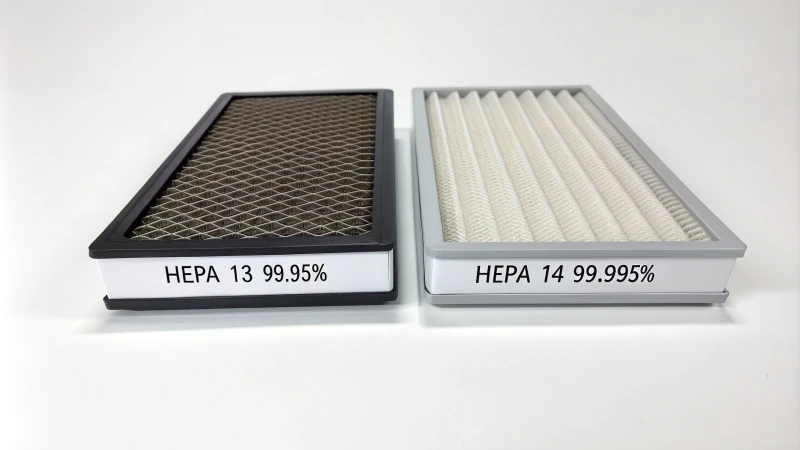
HEPA 13 and HEPA 14 filters are special. They trap more than 99.95% and 99.995% of particles in the air. Their modern technology provides great efficiency and small resistance. These filters are ideal for strong air purifiers.
Understanding HEPA Filtration Standards
As a child, I often faced allergies, always battling unseen enemies in the air. Probably why air purification technology really interested me. It became more than a job. It was personal. HEPA, meaning High-Efficiency Particulate Air, is often mentioned when filtering those tiny particles. These filters are champions at trapping small bits like dust and pollen - things that made me sneeze a lot.
| Filter Type | Efficiency Rate | Particle Removal |
|---|---|---|
| HEPA 13 | 99.95% | Captures particles as small as 0.1 microns |
| HEPA 14 | 99.995% | Captures particles as small as 0.1 microns |
HEPA 13 and HEPA 14 differ in how well they filter. Both do great at catching particles as small as 0.1 microns, but HEPA 14 manages slightly better efficiency. This slight difference makes HEPA 14 a superior choice.
Hospitals and labs rely on these filters where clean air is crucial, not just nice to have.
Technological Advancements
When I first worked to improve filter media technology, it felt like entering a new world of possibilities. New changes have really improved how HEPA 13 and HEPA 14 filters work. Imagine catching more particles while keeping good airflow - old models struggled with this.
Some brands, like PuroAir1, have kept a less than 10% drop in Clean Air Delivery Rate (CADR) using HEPA 14 technology while maintaining exceptional filtration capabilities.
Applications and Market Trends
After the pandemic, air quality became a big topic. Many, including me, saw the need for clean air, especially indoors. Many now buy high-efficiency filters such as HEPA 13 and HEPA 14 for indoor spaces.
"Never-change" filters are a new, exciting idea providing users with long-term cost savings by reducing the frequency of filter replacements - a great help for those watching their budgets! Companies like SharK lead with this tech, while HisoAir also moves forward.
With technology improving, choosing between HEPA 13 and HEPA 14 depends on needs and budget considerations. However, with growing options and technological advancements, consumers have more choices than ever to ensure cleaner air in their environments.
HEPA 14 filters capture over 99.997% of particles.True
HEPA 14 filters are designed to capture at least 99.997% of airborne particles.
PuroAir is the first air purifier brand on Amazon.False
PuroAir claims to be a leading brand but is not the first on Amazon.
How Do High-Efficiency Filters Improve Air Quality?
Have you ever thought about how those high-efficiency filters truly change the air we breathe? I want to tell you about my exploration into the realm of these air-cleaning champions.
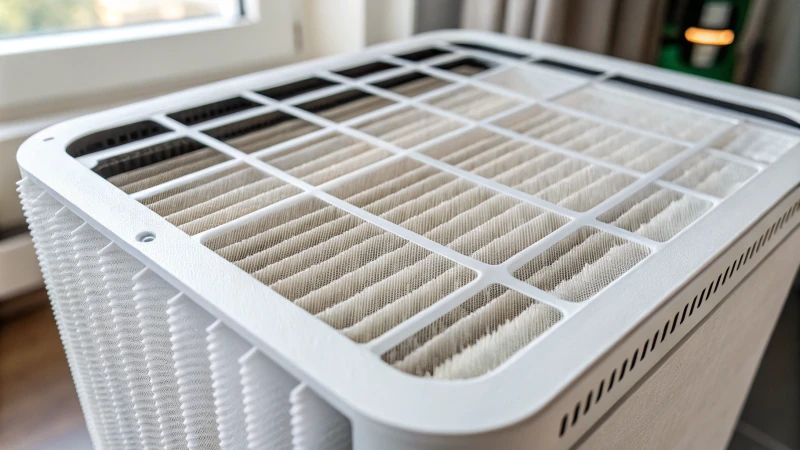
HEPA filters capture almost 99.97% of particles in the air, like dust, pollen and bacteria. Dense layers trap these bits, cleaning the air and truly improving its freshness. They really reduce contaminants.
Getting to Know HEPA Technology
I remember when I first found a HEPA filter - it felt like having a hidden tool against unseen dirt in our homes. These filters, called High-Efficiency Particulate Air (HEPA) filters, trap at least 99.97% of tiny particles in the air as small as 0.3 microns. Imagine walking in a garden where all pollen gets stuck in a net, letting only clean air pass through. This is exactly what these filters achieve with their thick material.
HEPA technology doesn't only clean the air; it gives us comfort, especially to people with breathing issues. Knowing these filters tirelessly clean the air makes each breath feel safer.
Functioning of HEPA Filters
I was really amazed when I discovered how HEPA filters work - like little heroes with three special skills: interception, impaction, and diffusion. Here is how they perform:
- Interception: Air moves through the filter and fibers catch the particles.
- Impaction: Bigger particles hit the fibers and stick there.
- Diffusion: Tiny particles move randomly and get trapped.
These actions merge, creating strong protection against many pollutants. This protection keeps the air we breathe very clean.
Comparing Filter Types
| Filter Type | Efficiency Rate | Particle Size (Microns) | Use Cases |
|---|---|---|---|
| HEPA | 99.97% | 0.3 | Homes, hospitals |
| Carbon | Variable | Gases, odors | Kitchens, offices |
| UV | Varies | Microorganisms | Hospitals, labs |
HEPA filters are truly amazing in clearing most pollution particles from the air. This table highlights why HEPA technology is very special compared to other filter types.
Progress in Filter Material
In my search for purer air, I found some exciting improvements. Brands such as PuroAir2 have improved HEPA filters to stay very effective yet allow more air movement. This improvement allows air purifiers to work more silently and efficiently while keeping up performance - a dream for those who value both peace and health.
Uses in Real Life
High-efficiency filters are not only useful at home; they are vital in hospitals to keep environments clean and very helpful in offices. Better air quality probably results in higher work output and fewer sick days - a win for everyone.
Looking Ahead in Air Cleaning
The future seems promising with new ideas like high-capacity filters that hold more dust. Companies like SharK3 sell filters that never need changing, making upkeep very affordable for buyers. This fits perfectly with the growing want for sustainable and wallet-friendly choices.
In summary, high-efficiency filters play a key role in making indoor spaces healthier. With advancing technology, these filters will only become more powerful and available. Understanding these systems and improvements allows us to decide wisely about bettering our indoor air quality.
HEPA 14 filters remove 99.997% of particles.True
HEPA 14 filters capture over 99.997% of airborne particles, enhancing air quality.
PuroAir is the first air purifier brand on Amazon.False
PuroAir claims to be a leading brand, but not the first on Amazon.
Do Advanced Filters Provide Cost Benefits?
Have you ever thought about how advanced filters could save you money? These modern tools might really help your budget. Advanced filters might truly be your wallet's best friend.
HEPA 14 filters greatly cut costs by cleaning the air better. Buildings need fewer repairs. This probably means spending less on health and running costs. Over time, savings add up.
The Economic Advantage of HEPA Filters
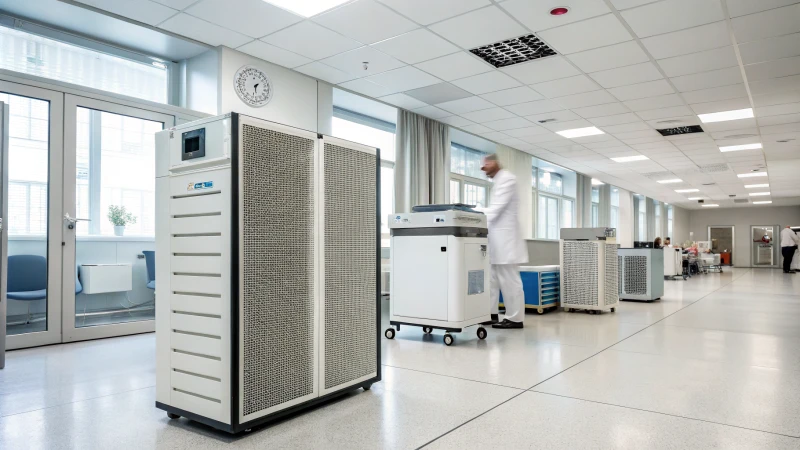
I remember when I put a HEPA filter in my office air purifier. It was like entering a new world of fresh air. HEPA filters, especially HEPA 14, capture nearly all particles in the air. This change meant my team took fewer sick days4, which eased our healthcare costs. Cleaner air meant less worry about allergens and more focus on work. Less worry. More work.
Maintenance Cost Reduction
At first, higher prices for advanced filters worried me, but their lasting quality and good performance soon covered those costs. Brands like SharK and HisoAir5 sell "never-change" filters, cutting down replacement frequency. Knowing that frequent filter changes were unnecessary really made the initial cost worth it. Really worth it.
| Filter Type | Initial Cost | Replacement Frequency | Long-term Savings |
|---|---|---|---|
| Standard | Low | High | Moderate |
| HEPA 13 | Moderate | Moderate | High |
| HEPA 14 | High | Low | Very High |
Energy Efficiency Considerations
Though the starting price is high, HEPA 14 filters are built to lower air resistance. This feature reduces strain on HVAC systems and uses less energy. Lower energy bills followed. If you care about saving both money and the planet, this energy efficiency is a big help. Understanding these energy aspects6 is important for cutting costs and lowering carbon impact.
The Role of Technological Advancements
Advancements in filter materials have brought high-efficiency filters with low resistance, often better than older types. The Clean Air Delivery Rate (CADR)7 stays strong even with these improvements, keeping air very clean. Adopting these tech upgrades proved my filter investment wise. Now, they are a very important part of my business plan.
HEPA 14 filters remove over 99.997% of particles.True
HEPA 14 filters are designed to capture 99.997% of airborne particles.
Using HEPA 13 filters offers higher cost savings than HEPA 14.False
HEPA 14 filters offer better efficiency and long-term cost benefits.
Are HEPA Filters the Answer to Your Allergy Woes?
Sometimes when you enter a room, the air feels clear and fresh, bringing a sense of relief. This feeling often comes from the presence of a HEPA filter, especially important for those with allergies. Allergies can cause discomfort. A HEPA filter helps remove allergens from the air. This small device creates a significant difference in air quality. Clean air is crucial. Allergies become bearable when air is purified.
HEPA filters do a great job by catching allergens such as pollen, dust mites and pet fur. They trap tiny particles as small as 0.3 microns. A huge help for allergy sufferers. They really provide noticeable relief.
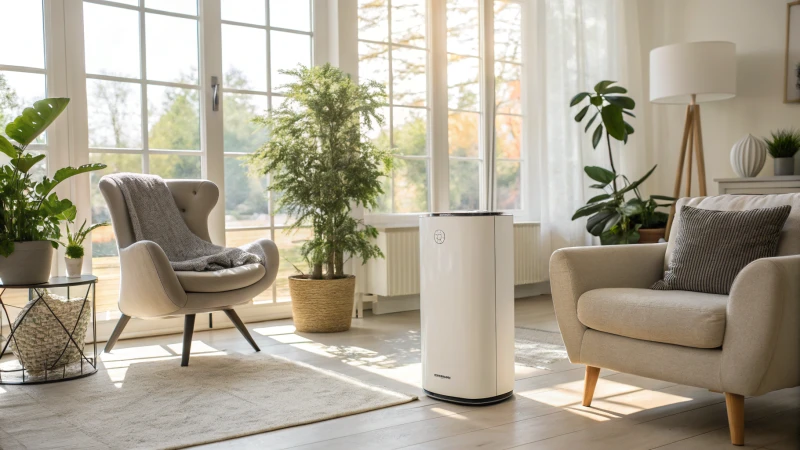
How Do HEPA Filters Work?
Picture a huge net catching every tiny bit of dust in your home. That’s what a HEPA (High Efficiency Particulate Air) filter does. It uses tightly packed fibers to trap particles as tiny as 0.3 microns. I remember putting one in my house for the first time; it felt like I was finally beating the dust mites and pet dander that made me sneeze. Understanding HEPA Technology8 really shows how these powerful filters keep our air clean.
Benefits of Using HEPA Filters
HEPA filters are like a breath of fresh air. After switching, I noticed the air quality got better, and my sneezes happened less often, bringing peace of mind. These filters are essential because they do the following:
- Improved Air Quality: HEPA filters get rid of allergens in the air.
- Reduced Symptoms: Many people, including me, notice fewer allergy symptoms.
- Peace of Mind: Cleaner air brings comfort, important for those with allergies.
Consider how HEPA Filters Improve Living Conditions9. They truly enhance them.
| Feature | HEPA Filters |
|---|---|
| Particle Removal | 99.97% at 0.3 microns |
| Suitable for Allergies | Yes |
| Cost Efficiency | Medium to High |
Choosing the Right HEPA Filter
Choosing the right HEPA filter is important; it should fit just right, like a new family member. Consider size, cost, and allergies. Models like HEPA 14 give better results and maintain good airflow. Curious about the HEPA Models Available10? Exploring choices probably helps you find the best one for your needs and budget.
Combining HEPA Filters with Other Solutions
My HEPA filter works best when combined with other solutions such as regular cleaning and controlling humidity levels. It’s about creating a combination that increases its benefits. Explore how Complementary Strategies Enhance Effectiveness11 show different approaches handle indoor allergens well.
HEPA 14 filters remove 99.997% of particles.True
HEPA 14 filters are designed to capture 99.997% of airborne particles.
PuroAir is the first air purifier brand on Amazon.False
While PuroAir claims success, it is not the first air purifier brand.
Conclusion
High-efficiency HEPA filters, like HEPA 13 and 14, are crucial for air purifiers, capturing over 99.997% of airborne particles to enhance indoor air quality and reduce allergens.
-
Learn more about PuroAir's use of HEPA 14 technology and how it compares to other brands in the market. ↩
-
Explore PuroAir's innovative low-resistance HEPA filters that enhance air purifier performance with cutting-edge technology. ↩
-
Learn about SharK's cost-saving never-change filters for sustainable air purification solutions. ↩
-
Understanding the impact of air quality on productivity can help businesses justify investing in better filtration systems. ↩
-
Exploring this technology can provide insights into innovative ways to reduce maintenance costs. ↩
-
Learning about energy efficiency can assist in evaluating the cost-effectiveness of different filter types. ↩
-
Understanding CADR helps assess the performance efficiency of air purifiers with advanced filters. ↩
-
Gain insights into the mechanism of HEPA filters and their role in improving air quality. ↩
-
Discover how HEPA filters can alleviate allergy symptoms and enhance indoor air quality. ↩
-
Learn about various HEPA filter models to choose the one that suits your needs best. ↩
-
Find ways to maximize air purification by integrating multiple strategies for allergen reduction. ↩


 English
 Français
 Español
 Italiano
 Deutsch
 Português
 Русский
 العربية
 日本語
 한국어
 Tiếng Việt


