
Imagine a world where every breath you take indoors is as fresh as the great outdoors, thanks to innovative HVAC solutions.
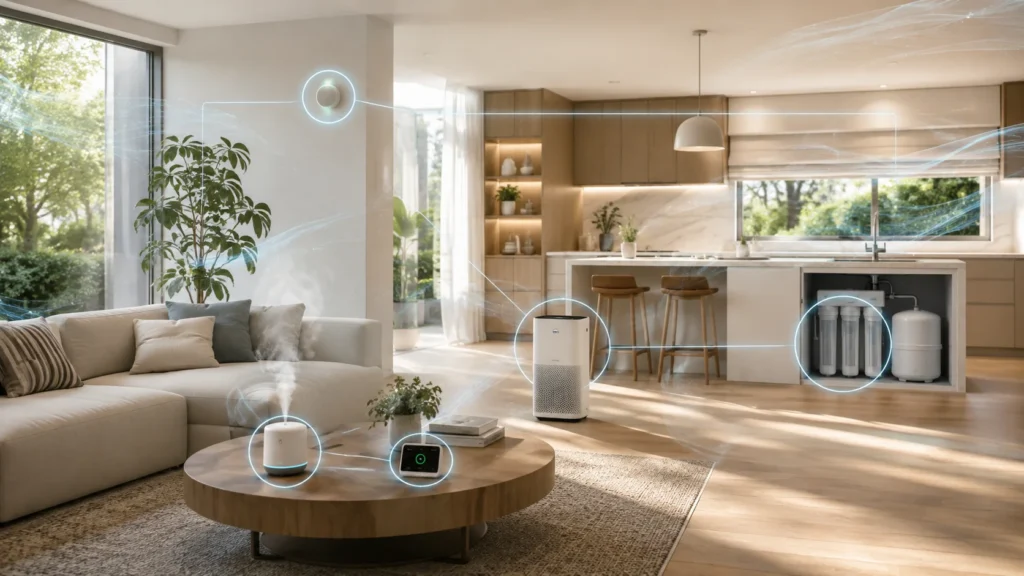
HisoAir ceiling air purifiers transform HVAC sustainability by cutting down energy usage through precise air purification, enhancing indoor air quality, and promoting eco-friendly building practices. They blend effortlessly with existing systems, providing a smart solution for today's environmental challenges.
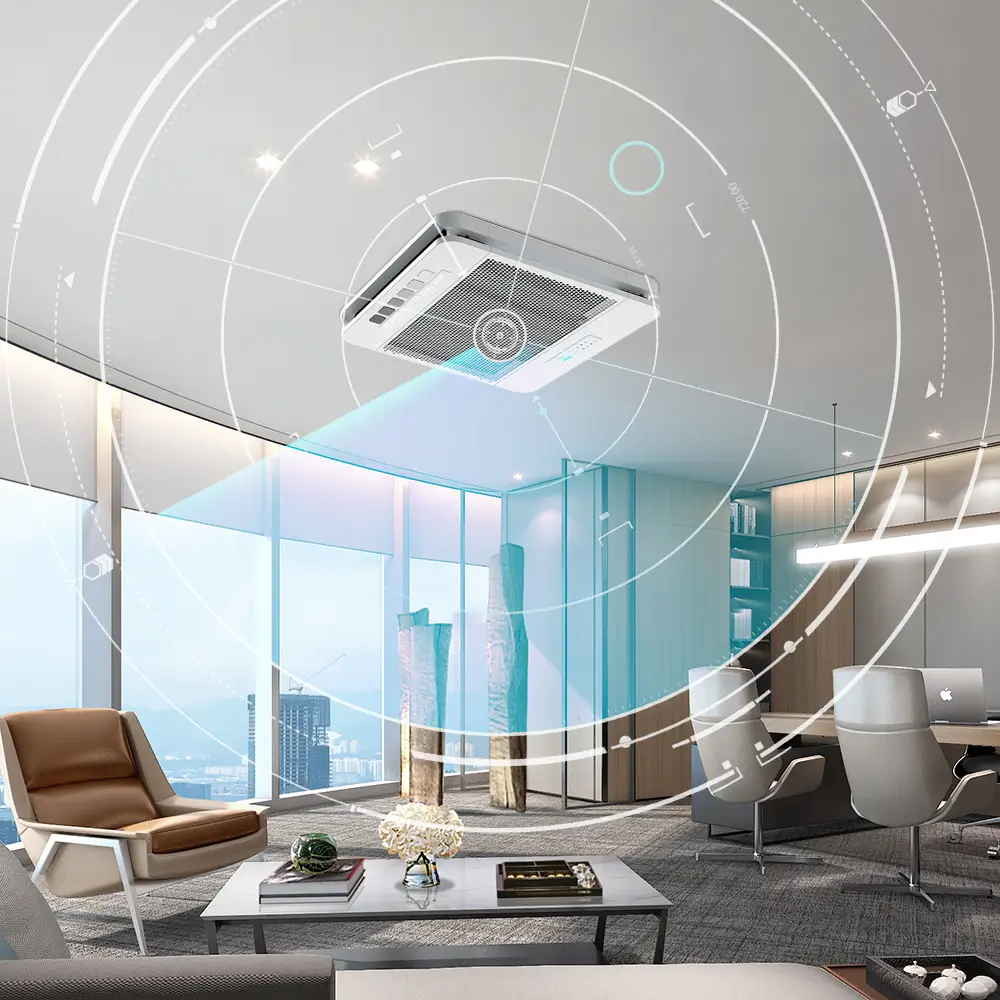
When I first learned about HisoAir ceiling air purifiers, I was intrigued by how they could quietly yet powerfully transform indoor spaces. Picture this: a room filled with colleagues, each breath a testament to cleaner, crisper air without the hefty energy bill. These purifiers not only tackle air quality but also integrate smartly with HVAC systems to minimize energy waste—like having a personal air quality assistant ensuring everything's just right. As I delved deeper, it became clear that these aren't just gadgets; they're pivotal in achieving sustainability goals, whether you're constructing a new space or updating an old favorite. It's not just about meeting standards; it's about surpassing them, making every building not just habitable but truly livable.
HisoAir purifiers reduce HVAC energy consumption.True
They target air purification, lowering overall energy use.
HisoAir purifiers do not integrate with HVAC systems.False
These purifiers are designed to seamlessly integrate with HVAC systems.
What Makes HisoAir Ceiling Air Purifiers Unique in Sustainability?
Have you ever wondered how air purifiers can be both eco-friendly and efficient? HisoAir ceiling models are rewriting the rules on sustainability.
HisoAir ceiling air purifiers excel in sustainability through precise air quality management, energy-efficient designs, real-time data integration, and alignment with green building standards, minimizing environmental impact while enhancing indoor air quality.
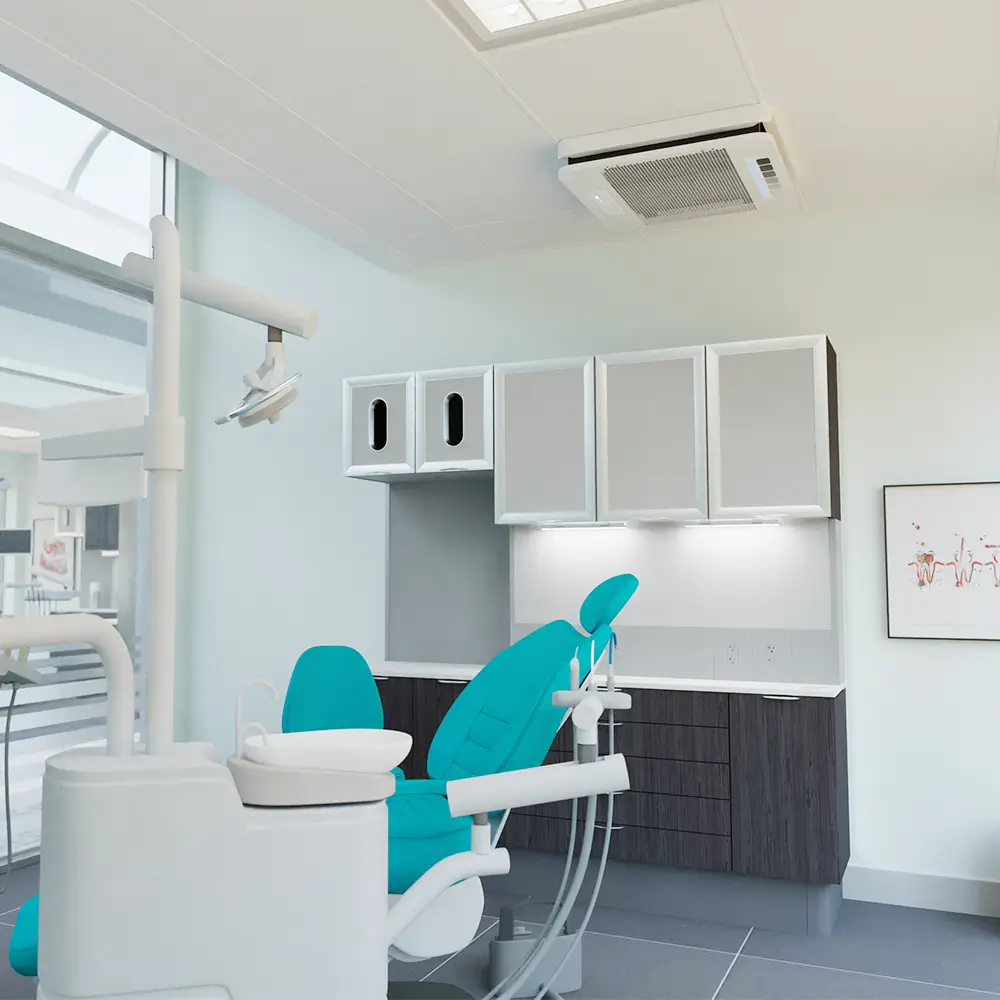
Targeted Air Quality Management
Imagine sitting in a bustling office where the air feels fresh, even during peak hours. That's what HisoAir's targeted air quality management does. These ceiling-mounted purifiers focus on high-occupancy zones like conference rooms1, ensuring effective purification without overworking the HVAC system. It's like giving each room a personalized breath of fresh air, significantly reducing energy consumption.
Energy-Efficient Design
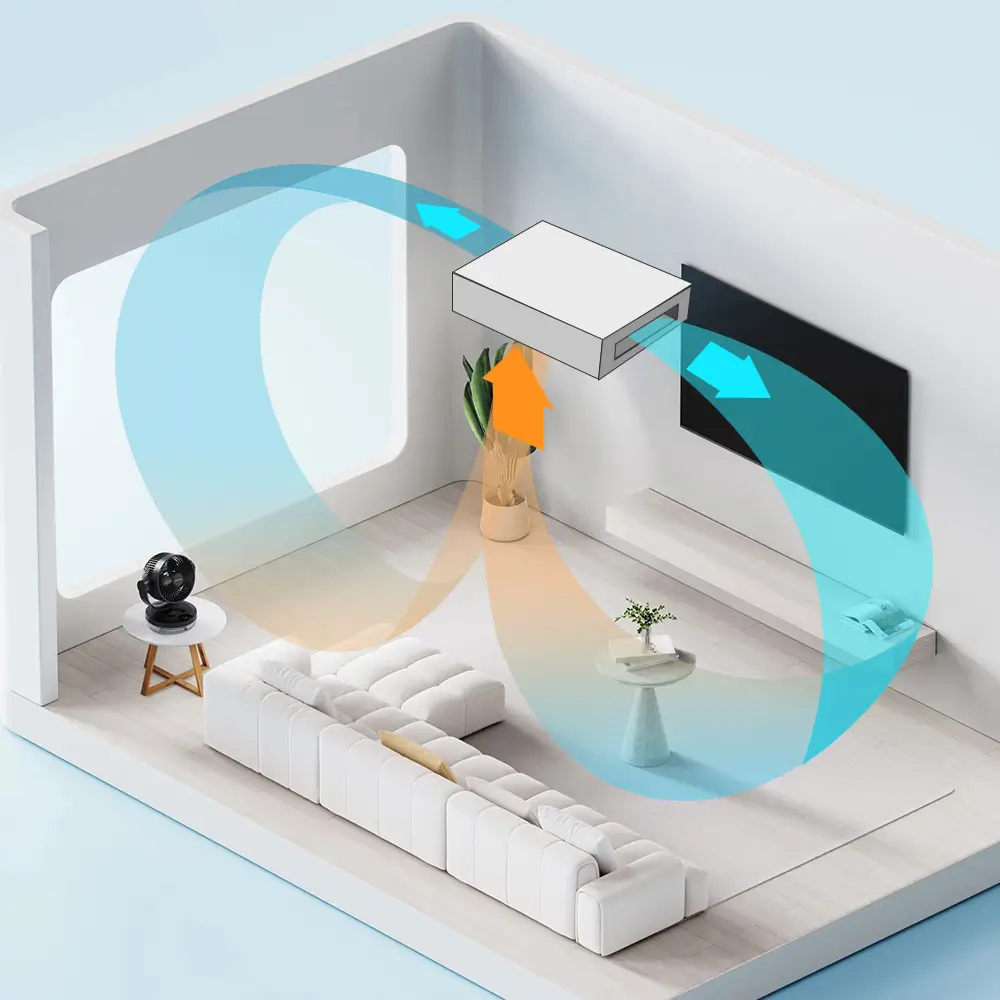
I remember the days when our old HVAC system would groan under the weight of summer heat. But with HisoAir's energy-efficient design, those days are behind us. By deploying localized purification, these units lighten the load on traditional HVAC systems2. This innovation is a game-changer for buildings where maintaining a balance between cooling and purification was always a struggle.
| Feature | Benefit |
|---|---|
| Localized Air Purification | Reduces HVAC workload |
| Smart Sensors | Optimizes energy use |
| Modular Integration | Flexible installation options |
Real-Time Data Integration
Picture this: you're hosting a big event, and thanks to HisoAir's real-time data integration, the air quality adjusts seamlessly. Smart sensors monitor variables like occupancy and pollutant levels, fine-tuning purification levels in real-time. This proactive approach ensures only necessary energy is used, reducing waste while boosting overall system efficiency3.
Compatibility with Green Standards
Achieving green building certifications can feel like climbing a mountain, but HisoAir makes it a smoother journey. These purifiers meet stringent indoor air quality criteria necessary for certifications like LEED and WELL. Integrating them into sustainable practices is not just about responsibility; it's about leading the way in promoting environmental stewardship4.
And the cherry on top? Their modular design allows easy retrofitting into existing systems, minimizing waste and extending the life cycle of buildings. Whether it's new construction or renovation, HisoAir ceiling purifiers are the smart choice for anyone committed to sustainability.
HisoAir purifiers reduce energy use by 50%.False
The context mentions reduced energy consumption but not a specific percentage.
HisoAir supports LEED and WELL certifications.True
The context states that HisoAir helps achieve these green building certifications.
How do ceiling air purifiers improve HVAC efficiency?
Ever wonder how those sleek ceiling air purifiers could make your HVAC system work smarter, not harder? Let's dive into how they can revolutionize your indoor air quality and energy use.
Ceiling air purifiers boost HVAC efficiency by directly tackling air quality issues, thereby reducing the system's workload. This targeted purification leads to significant energy savings and enhanced indoor air management.
Enhancing Air Quality with Ceiling Purifiers
Ceiling-mounted air purifiers are designed to optimize indoor air quality5 by addressing specific areas within a building. I remember walking into a friend's office one day, and the air just felt... different. Fresher. That's when I noticed those clever ceiling air purifiers quietly doing their job. Unlike traditional HVAC systems that handle air filtration for entire spaces, these purifiers focus on high-occupancy zones or poorly ventilated areas, ensuring the air is just right where it's needed most.
Targeted Air Quality Management
By honing in on specific areas, these purifiers lighten the load on HVAC systems, allowing them to run more efficiently. This targeted approach reduces the need for the entire HVAC system to work harder, thus conserving energy. The purifiers work seamlessly with existing systems, ensuring air quality is maintained without overburdening the HVAC.
| Feature | Benefit |
|---|---|
| Localized Purification | Reduces HVAC load |
| Smart Sensors | Adjusts based on occupancy |
Smart Integration with HVAC Systems
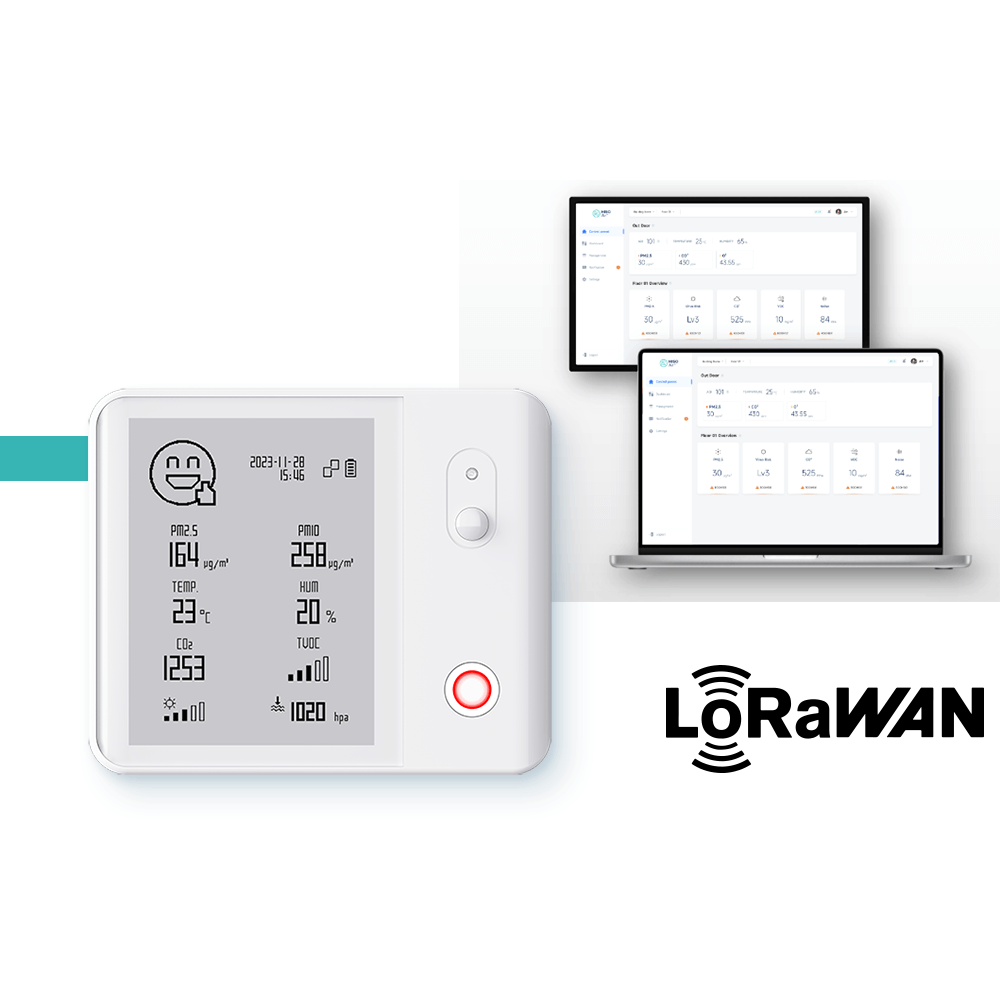
Today's ceiling air purifiers are like the brainiacs of air quality management. They come packed with smart tech that syncs up beautifully with HVAC systems. Modern ceiling air purifiers come equipped with smart technologies that enhance their integration with HVAC systems. Imagine sensors that monitor real-time indoor air quality6, allowing adjustments based on environmental changes such as pollutant levels and room occupancy.
Real-Time Monitoring and Adjustments
I once witnessed how these smart sensors feed data to the HVAC system, making sure it only uses energy when necessary. This dynamic tuning significantly cuts down on wasteful energy use and keeps the system humming efficiently.
Modular and Scalable Solutions
What's even more impressive is how these ceiling purifiers can slot into any setup—new or old—without a fuss. Ceiling air purifiers offer modular and scalable solutions that can be easily integrated into existing HVAC frameworks. For older buildings especially, this modularity means you can give your HVAC a facelift without tearing the place apart.
| Advantage | Description |
|---|---|
| Scalability | Easily expands with building needs |
| Retrofit-Friendly | Minimal construction required |
Supporting Sustainable Building Practices
Adding ceiling air purifiers doesn't just enhance efficiency; it’s a step toward greener buildings. Implementing ceiling air purifiers aids in achieving green building certifications like LEED or WELL by improving indoor air quality standards. By easing the strain on HVAC systems and fine-tuning energy use, they contribute to a building's sustainability goals7 through energy-efficient operation and reduction in material waste due to their modular nature.
By reducing the strain on HVAC systems and optimizing energy use, ceiling air purifiers not only make spaces more efficient but also promote a healthier indoor environment.
Ceiling purifiers reduce HVAC energy consumption.True
By focusing on high-occupancy zones, they reduce HVAC workload.
Ceiling air purifiers cannot be integrated with HVAC systems.False
They are designed for seamless integration, enhancing system efficiency.
How Can HisoAir Systems Help You Achieve Green Building Certifications?
Hey there, are you on a mission to make your building greener? Let me show you how HisoAir Systems can be your secret weapon for snagging those coveted LEED, WELL, or Fitwel certifications!
Yes, HisoAir Systems can significantly aid in achieving green building certifications by boosting indoor air quality and reducing energy usage. Their ceiling-mounted purifiers integrate seamlessly with HVAC systems, supporting LEED, WELL, and Fitwel criteria.
The Role of HisoAir Systems in Sustainable Building Practices
You know, when I first heard about HisoAir’s ceiling-mounted air purifiers, I was skeptical. But after seeing their impact on indoor air quality8 and energy efficiency firsthand, I became a believer. These little guys are packed with smart sensors that keep a real-time check on air quality and make the necessary tweaks to maintain that perfect balance.
| Feature | Benefit |
|---|---|
| Smart Sensors | Real-time air quality adjustments |
| Custom Solutions | Tailored for specific building zones |
| Energy Efficiency | Reduces stress on HVAC systems |
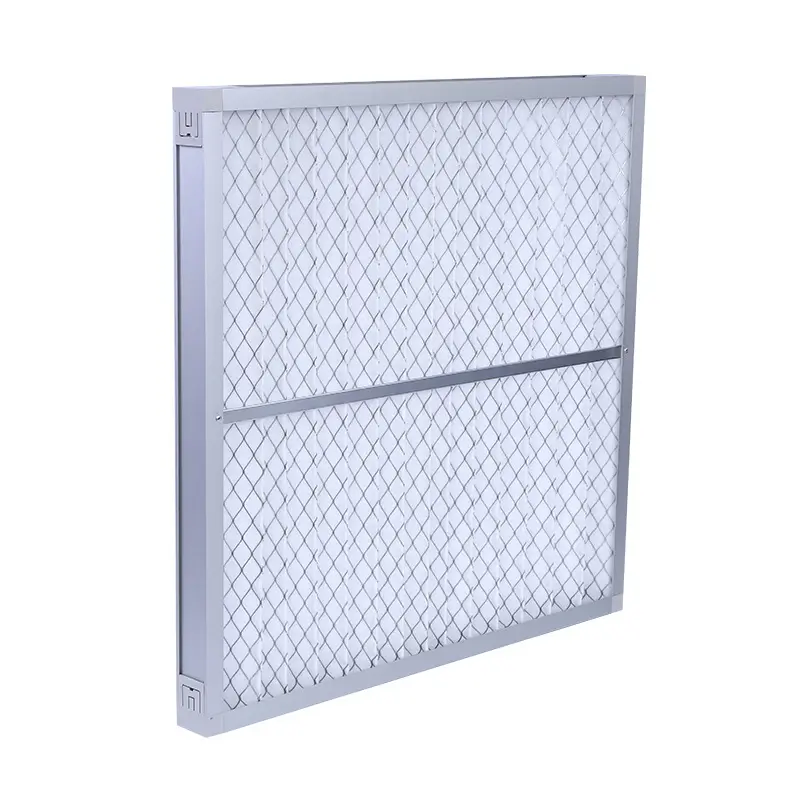
What’s cool is how HisoAir customizes solutions for specific building zones. It's like having a personal air quality manager in every room, ensuring energy is used wisely and reducing stress on HVAC systems.
Supporting LEED, WELL, and Fitwel Certifications
Getting a green building certification is no walk in the park. I’ve been there, trying to meet those tough indoor air quality standards. But with HisoAir’s targeted purification approach, aligning with LEED, WELL, and Fitwel standards9 has never been easier. Their dedication to sustainability shines through in their use of recyclable materials and energy-efficient designs.
| Certification | HisoAir's Contribution |
|---|---|
| LEED | Enhanced IAQ and reduced emissions |
| WELL | Improved occupant comfort and health |
| Fitwel | Sustainable building practices |
Integration and Retrofitting Capabilities
Let me tell you about my friend's renovation project—an old building with outdated HVAC systems. We were scratching our heads until we discovered HisoAir’s modular design. It allowed us to retrofit without a massive overhaul. Plus, using recyclable materials minimized the environmental impact.
For anyone diving into renovations aiming for green certifications, HisoAir is a strategic ally. Integrating their smart technologies optimizes performance and aligns with broader eco-friendly goals.
Explore more about smart technologies in air purification10.
HisoAir Systems reduce energy consumption in buildings.True
Their systems enhance HVAC efficiency, lowering energy use.
HisoAir Systems cannot be retrofitted into older buildings.False
They are modular, ideal for retrofitting without major overhauls.
What Are the Long-term Environmental Benefits of Using HisoAir Products?
Imagine walking into a room where the air feels fresh and clean, knowing you're also helping the planet breathe a little easier. That's the magic of HisoAir.
HisoAir products deliver long-term environmental benefits by boosting energy efficiency, enhancing indoor air quality, and cutting emissions. These ceiling-mounted purifiers work seamlessly with HVAC systems for precise, eco-friendly air management.
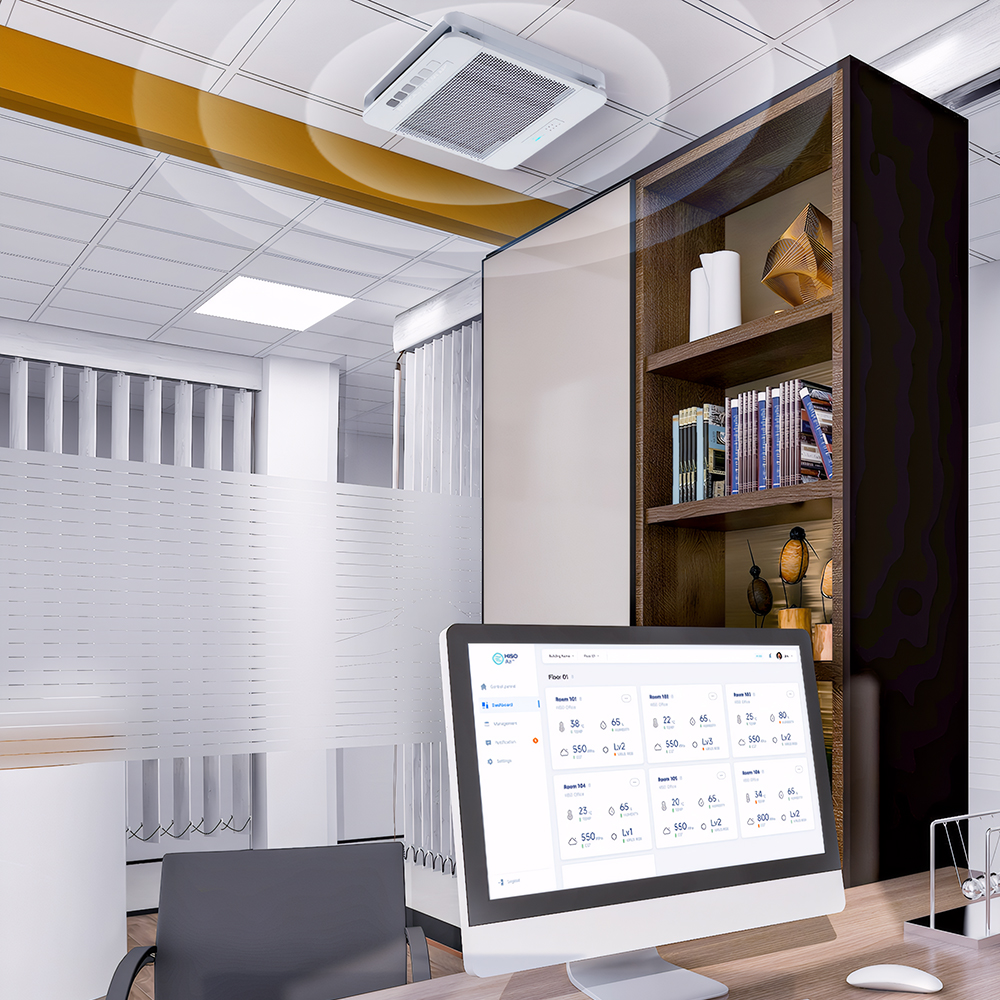
Energy Efficiency and Emission Reduction
I've always been fascinated by the idea of making everyday appliances smarter and more sustainable. With HisoAir products, I've seen how they integrate effortlessly with existing HVAC systems11, utilizing smart sensors and real-time data to tailor purification based on room occupancy and environmental conditions. This approach means less wasted energy and fewer carbon emissions, perfectly in line with my personal commitment to living more sustainably.
| Feature | Benefit |
|---|---|
| Smart Sensors | Adjust purification for optimal energy use |
| Real-Time Data | Fine-tunes performance to reduce emissions |
| Localized Air Cleaning | Minimizes energy load on central HVAC systems |
Targeted Air Quality Management
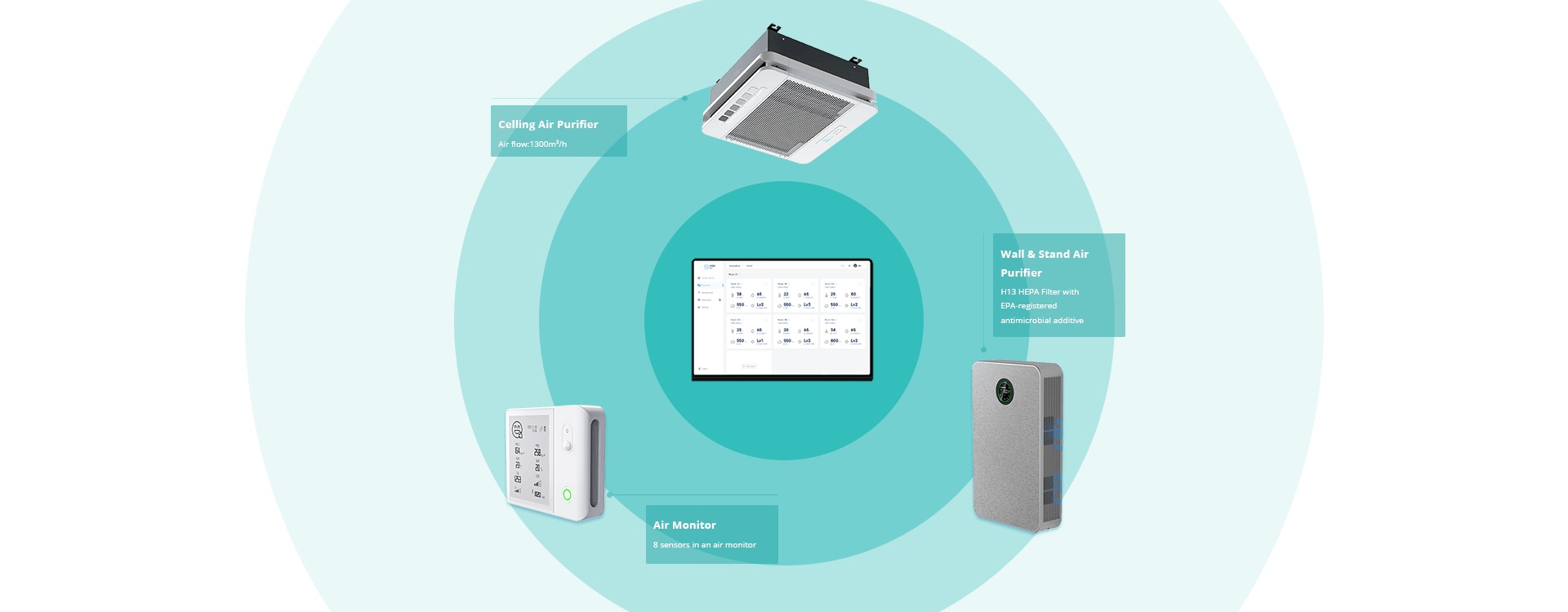
When I think about spaces that need a little extra help with air quality, like crowded offices or poorly ventilated rooms, I know HisoAir's ceiling-mounted purifiers are the heroes we need. They specialize in zoned air purification12, focusing energy precisely where it's most needed. This ensures that we're not just blanket-heating or cooling entire buildings but actually improving air quality efficiently.
- High-Occupancy Areas: Tailors purification to meet elevated demands.
- Localized Approach: Reduces strain on entire HVAC systems.
Contribution to Green Building Certifications
It's satisfying to know that using HisoAir can help buildings achieve significant certifications like LEED and WELL. These products meet strict IAQ requirements and support sustainable building practices13, which is something I'm passionate about as I look to minimize my environmental footprint wherever I can.
| Certification | Contribution of HisoAir |
|---|---|
| LEED | Meets indoor air quality standards |
| WELL | Enhances occupant health and comfort |
Modular and Scalable Solutions
I love how HisoAir's modular design makes it easy to upgrade without overhauling entire systems. This means less waste and more opportunities for older buildings to become modern, efficient spaces. It’s a sustainable retrofit option14 that aligns perfectly with my values of extending the life cycle of existing structures.
- Modular Design: Facilitates seamless upgrades without full overhauls.
- Scalable Solutions: Adapt to various building sizes and needs.
Commitment to Sustainable Manufacturing
One of the aspects I truly admire about HisoAir is their dedication to using recyclable materials and sustainable production methods. This commitment not only reduces waste but ensures a minimal environmental footprint15 throughout the product's life cycle, which is a cause close to my heart.
By embracing advanced technologies and sustainable practices, HisoAir products offer comprehensive solutions for those like me who are keen on improving indoor air quality while taking care of our planet. Their long-term benefits stretch beyond just immediate energy savings, playing a part in global efforts to fight climate change.
HisoAir products reduce HVAC energy consumption.True
Smart sensors adjust purification levels, optimizing energy use.
HisoAir products do not support green certifications.False
They help meet LEED and WELL indoor air quality standards.
Conclusion
HisoAir ceiling air purifiers enhance HVAC sustainability by reducing energy consumption, improving indoor air quality, and supporting green building certifications through smart integration and targeted purification solutions.
-
Explore how targeted purification in high-occupancy areas enhances indoor air quality and energy efficiency. ↩
-
Learn how localized purification reduces the workload on HVAC systems, promoting energy efficiency. ↩
-
Understand how smart sensors adjust purification levels to save energy and improve system performance. ↩
-
Discover how HisoAir contributes to meeting indoor air quality standards necessary for certifications. ↩
-
Understand how targeted purification can enhance specific areas in buildings, improving overall indoor air quality. ↩
-
Explore how advanced sensors adjust purification levels automatically, contributing to energy efficiency. ↩
-
Learn about their role in achieving green certifications by improving energy efficiency and indoor air quality. ↩
-
Understanding the impact of indoor air quality on certifications is crucial for meeting sustainability standards. ↩
-
Learn about the Fitwel criteria for IAQ to align your building practices with its standards. ↩
-
Discover how smart tech optimizes air purification and supports sustainability efforts. ↩
-
Discover how smart HVAC systems optimize energy usage and improve efficiency through intelligent features. ↩
-
Learn about the benefits of targeting air purification efforts where they are most needed. ↩
-
Explore the role of air purifiers in achieving green building certifications. ↩
-
Find out how sustainable retrofitting can enhance existing HVAC systems. ↩
-
Understand the strategies used by companies like HisoAir to reduce their ecological impact. ↩

 English
  Français
  Español
  Italiano
  Deutsch
  Português
  Русский
  العربية
  日本語
日本語  한국어
한국어  Tiếng Việt

