
Are you struggling to design water filtration parts that actually sell? Hotels reject generic systems. I will show you exactly what hospitality buyers demand so your next mold design wins.
hospitality water filtration procurement1 in 2026 requires mapping five distinct use cases, meeting strict F&B water specifications, and understanding multi-tier buying decisions. Buyers look beyond the initial equipment price to evaluate the 5-year total cost of ownership, focusing heavily on eliminating single-use bottled water.
When I first started making molds for water dispensers, I thought one size fit all. I was wrong. If you want to design products that hotel brands actually buy, you need to understand how they evaluate and purchase these systems. Let us look at the real rules of hospitality water procurement.
Most hotel water RFPs accurately capture all water filtration needs in a single line item.False
Most RFPs collapse this into one line item, causing vendor proposals to miss 30-40% of the actual scope.
Every major hotel brand has committed to reducing or eliminating single-use plastics.True
Brands like Marriott, Hyatt, and Hilton have published commitments to eliminate plastic bottles, driving new filtration capex.
How Many Distinct Water Use Cases Exist Under One Hotel Roof?
Designing a single generic water filter? You will lose the hotel contract. Hotels have multiple water needs. Here is how to map them so your product fits perfectly.
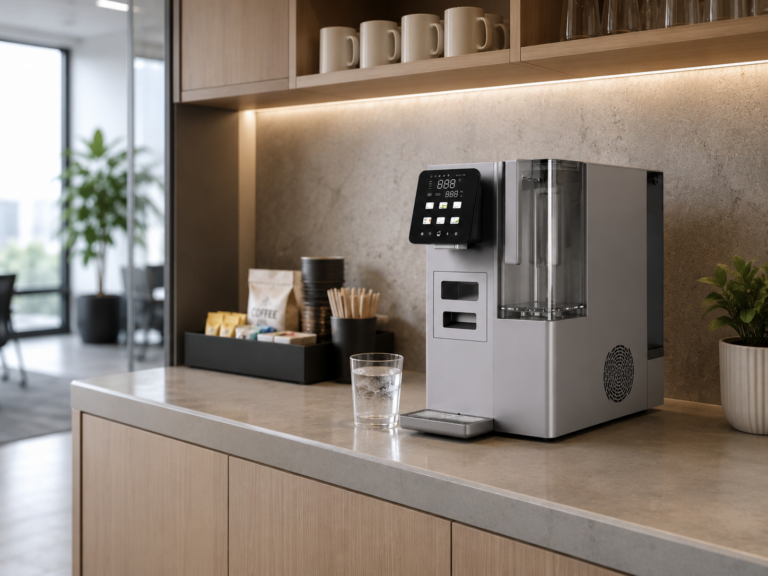
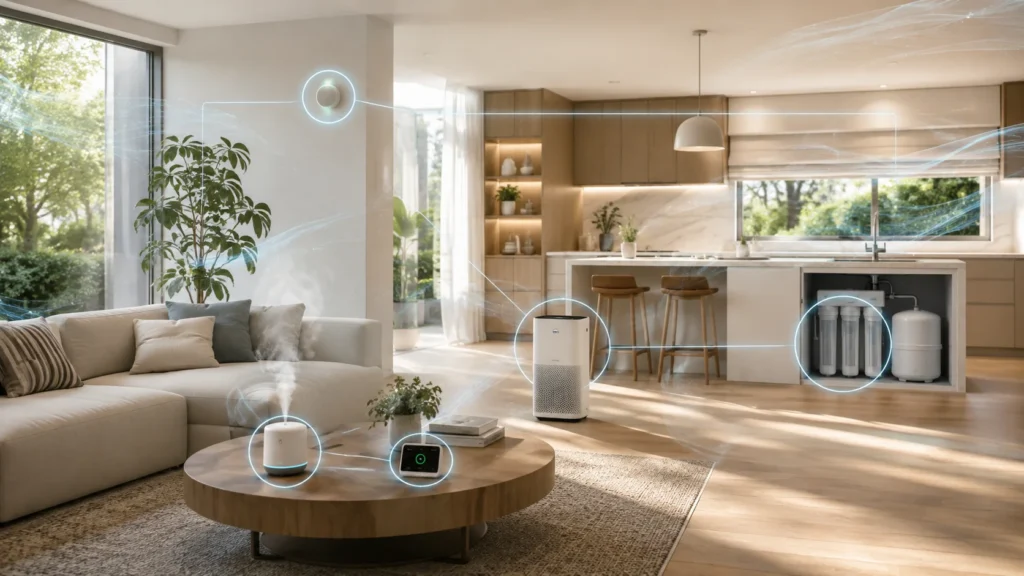
A standard 200-room hotel operates five distinct water systems: guest room drinking water, F&B back-of-house, public space dispensers, spa water, and specialty F&B service. A supplier that covers three or more of these use cases removes major daily problems.
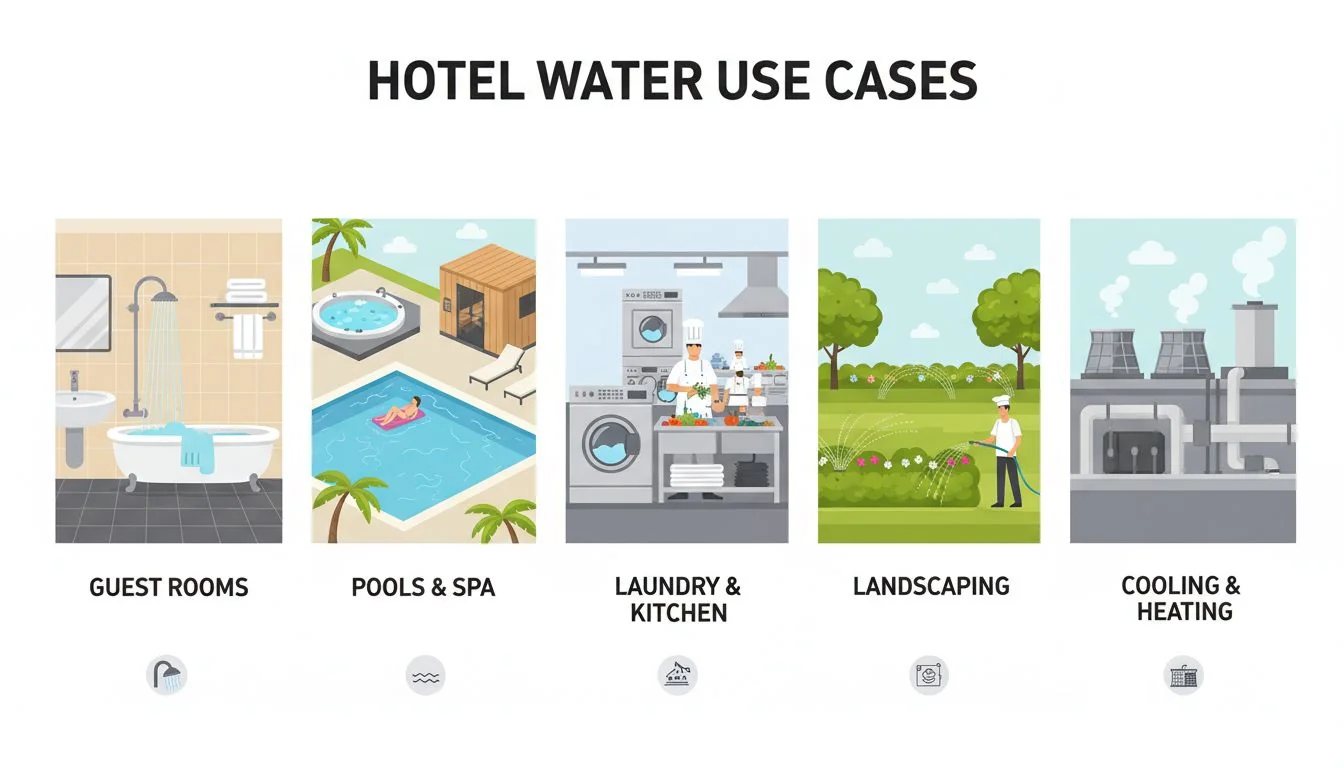
Breaking Down the Five Water Systems
When I review part designs for water systems, I always ask where the part goes. A hotel is not just one environment. It is five different environments. You must design your molds to meet the specific needs of each area. If you understand these five zones, you can design better housings, manifolds, and dispensers.
Here is a breakdown of the five use cases you need to know:
| Use Case | Description | Key Requirement | Volume |
|---|---|---|---|
| Guest Rooms | In-room dispensers or under-sink filters. | NSF/42 + 53 minimum, great taste. | 2-8 gallons per room-day. |
| F&B Back-of-House | Espresso, ice machines, combi ovens. | OEM specific water profiles2. | High daily use. |
| Public Spaces | Lobby stations, meeting rooms. | High peak flow, green image. | High peak, lower daily use. |
| Spa & Wellness | Alkaline, mineral, or hydrogen water. | Premium guest experience. | High price per drink. |
| Specialty F&B | Chilled and sparkling water service. | High initial cost, brand rule. | Very high value. |
Most hotel managers hate dealing with three different suppliers for these systems. If you design a modular product line that can adapt to guest rooms, public spaces, and back-of-house, your clients will win more bids. Think about how your plastic components can share a common core design but adapt to different outer housings for these specific hotel zones.
Guest room drinking water requires a minimum of NSF/42 + 53 certification.True
These certifications ensure basic aesthetic and health-related contaminant removal, which is the minimum standard for guest experience.
A single vendor can rarely cover all five hotel water use cases.False
While rare, a vendor that CAN cover three or more use cases on a single PO is highly preferred by hotel management.
Why is the Bottled Water Elimination Mandate Driving Hospitality Filtration Capex in 2026?
Plastic waste is ruining hotel budgets and reputations. If your designs rely on single-use plastics, you are falling behind. See how the shift to filtration creates massive opportunities.
Hotel brands are forcing the elimination of single-use plastic bottles. Replacing bottled water with filtered water cuts costs from $15 per gallon to $0.20 per gallon. This delivers a hard return on investment in 14 to 30 months while drastically reducing the hotel's carbon footprint.
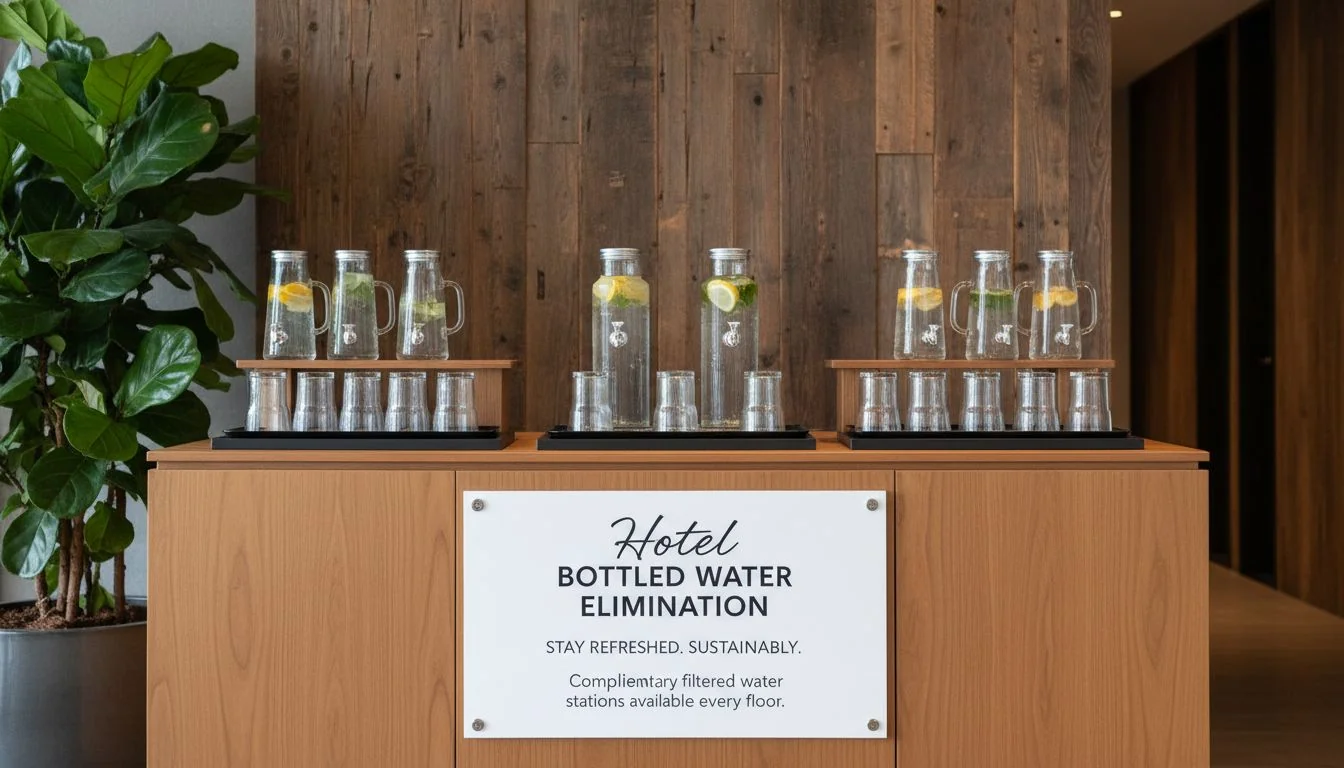
The Math Behind the Plastic Ban
I remember visiting a hotel client who had rooms full of plastic water bottles. It was a big problem. Today, local laws and brand rules force hotels to change. This is great news for us in the mold design industry. We get to design the permanent, high-quality dispensers that replace those cheap bottles.
Let us look at the cost difference for a standard 200-room hotel at 70% occupancy:
| Cost Factor | Bottled Water Program | Filtered Water Program |
|---|---|---|
| Cost per Gallon | $5.00 - $15.00 | $0.05 - $0.20 |
| Annual Room Cost | $150,000 - $400,000 | $8,000 - $25,000 |
| Daily Work | High (storage, recycling) | Very low |
| Green Impact | High emissions | Sharply reduced footprint |
To make this switch, hotels must spend money. They spend $300 to $1,500 per room for under-sink filters and glass carafes. They spend $3,000 to $15,000 for public space bottling stations. As a designer, you must focus on creating strong, premium-looking parts. The brands that win these accounts in 2026 will offer custom-finish equipment that matches the hotel's look. Your mold designs need to support high-volume production while looking like luxury items.
Filtered water programs cost more per gallon than bottled water programs.False
Filtered water costs $0.05-$0.20 per gallon, while bottled water costs $5-$15 per gallon.
The payback period for converting to a filtered room program is typically 14-30 months.True
The massive savings from eliminating bottled water purchases fund the filtration capex very quickly.
Why Do Coffee Quality, Ice Clarity, and Combi Oven Lifespan Depend on Different Water Profiles?
Equipment failure costs hotels thousands. Generic RO systems destroy espresso machines and ovens. Learn how to design pretreatment systems that protect expensive kitchen equipment and keep clients happy.
Food and beverage equipment makers require different water specifications. Pure RO water ruins espresso boilers, while high mineral water ruins combi ovens. A central pretreatment system with point-of-use polishing is the only way to meet all these conflicting demands.
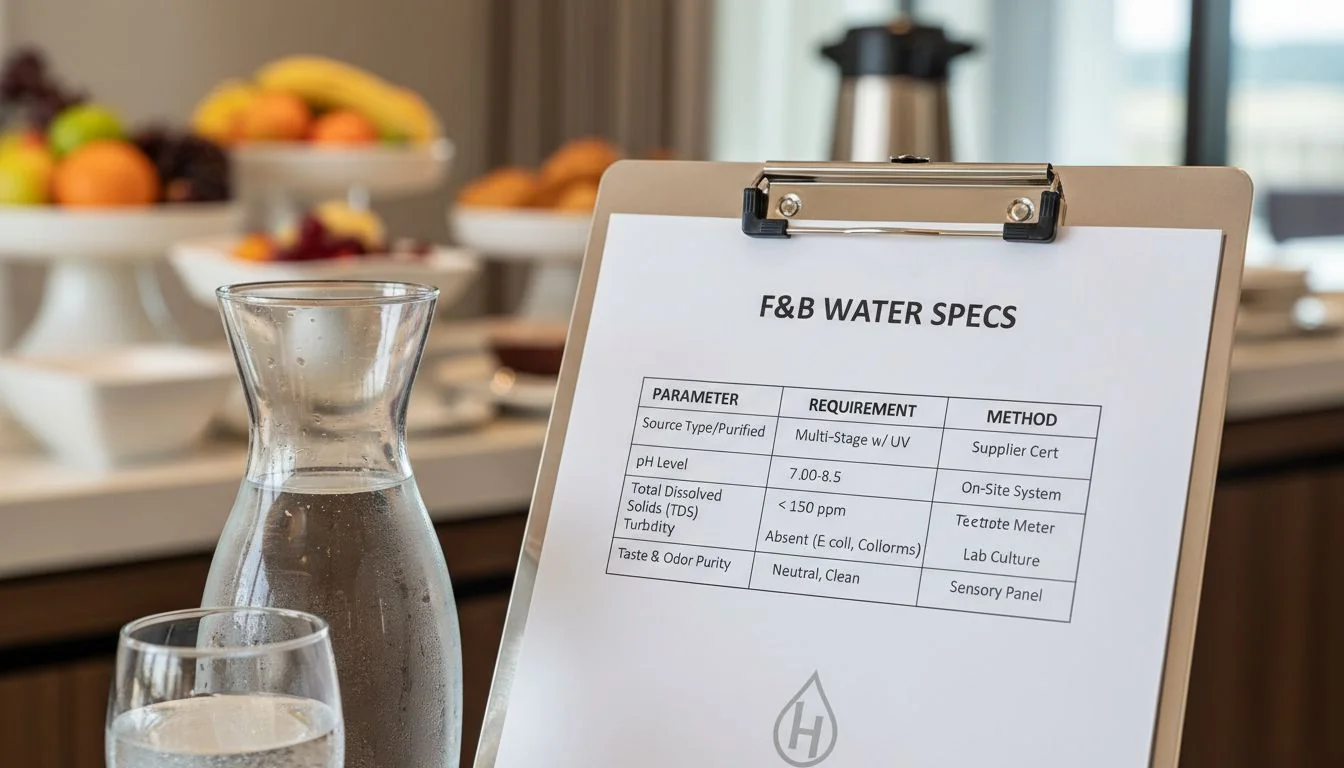
Engineering the Right Water Architecture
In my early days, I saw a client use a standard RO system for a whole kitchen. Within months, their expensive coffee machines leaked. Pure RO water is too strong. It removes flavor from coffee and eats through metal boilers. You cannot just design one simple filter housing and expect it to work for everything in a commercial kitchen.
Different machines need different water. Here is what the equipment actually demands:
| Equipment Type | Water Specification | Risk of Wrong Water |
|---|---|---|
| Espresso Machines | TDS 75-250 mg/L, pH 6.5-7.5 | Broken boilers, bad taste |
| Combi Ovens | Hardness below 17 ppm | Scale buildup, lost warranty |
| Ice Machines | TDS below 50 ppm | Cloudy, fast-melting ice |
| Soda Fountains | Chlorine reduction, stable TDS | Bad drink mix, guest complaints |
| Dishwashers | Hardness below 5 grains | Spots on glass, scale issues |
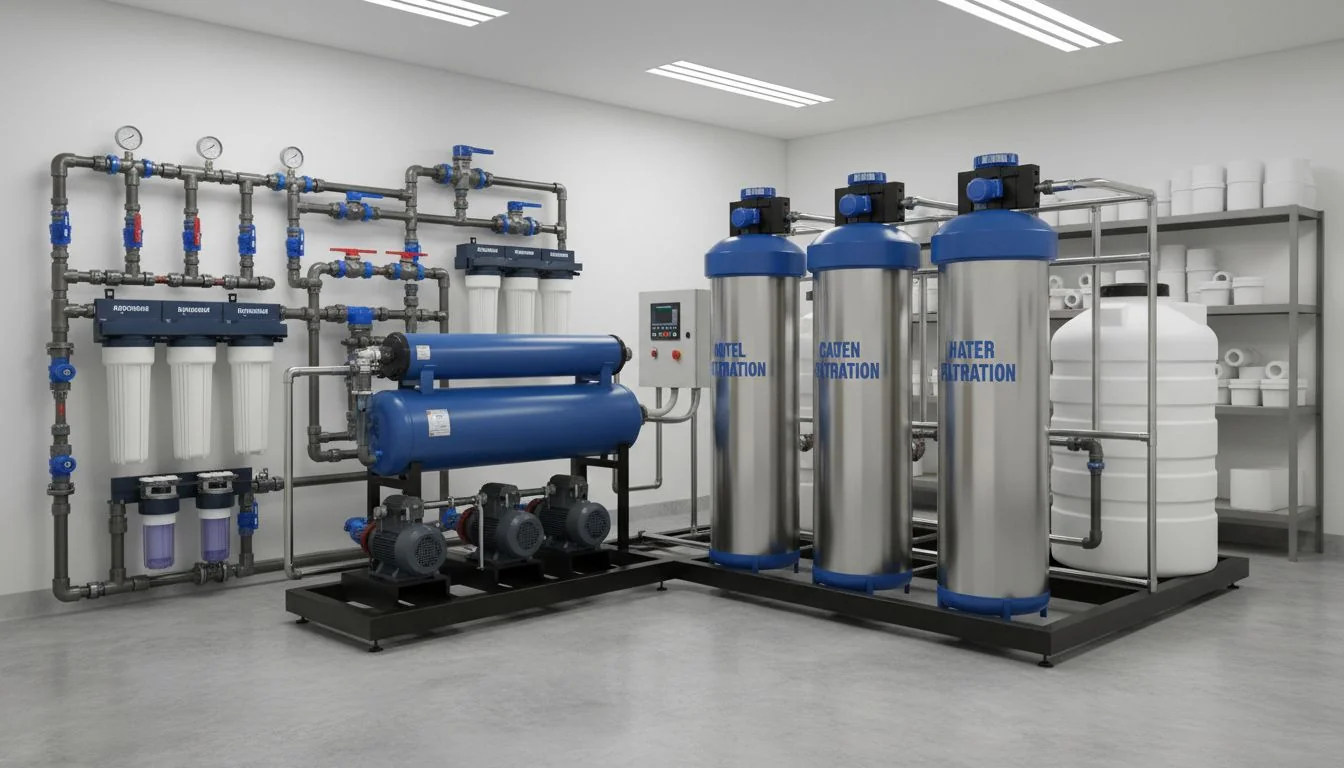
The best solution is a central pretreatment system that splits into different point-of-use filters. For example, you need to add minerals back for coffee and remove more hardness for dishwashers. When you design plastic manifolds and filter heads, think about how they can connect in a modular way. A supplier who quotes one engineered system saves the hotel up to 50% on operating costs.
Pure RO water is the best choice for specialty coffee and espresso machines.False
Pure RO water is too aggressive; it strips flavor compounds and corrodes boilers. It requires remineralization.
Scale failure from hard water can void a combi oven's warranty.True
Manufacturers set strict hardness limits, and scale damage shortens equipment life by 40-60% while voiding warranties.
Who Actually Makes the Decision in Hospitality Procurement Tiers?
Pitching to the wrong person wastes your time. Hotel General Managers rarely make the final call alone. Discover the four layers of hotel procurement to target your designs correctly.
Water filtration purchases flow through four layers: brand corporate sets standards, management companies overlay operating rules, owners set the budget, and property-level staff execute the purchase. Selling to a single hotel requires a completely different approach than selling to a portfolio.
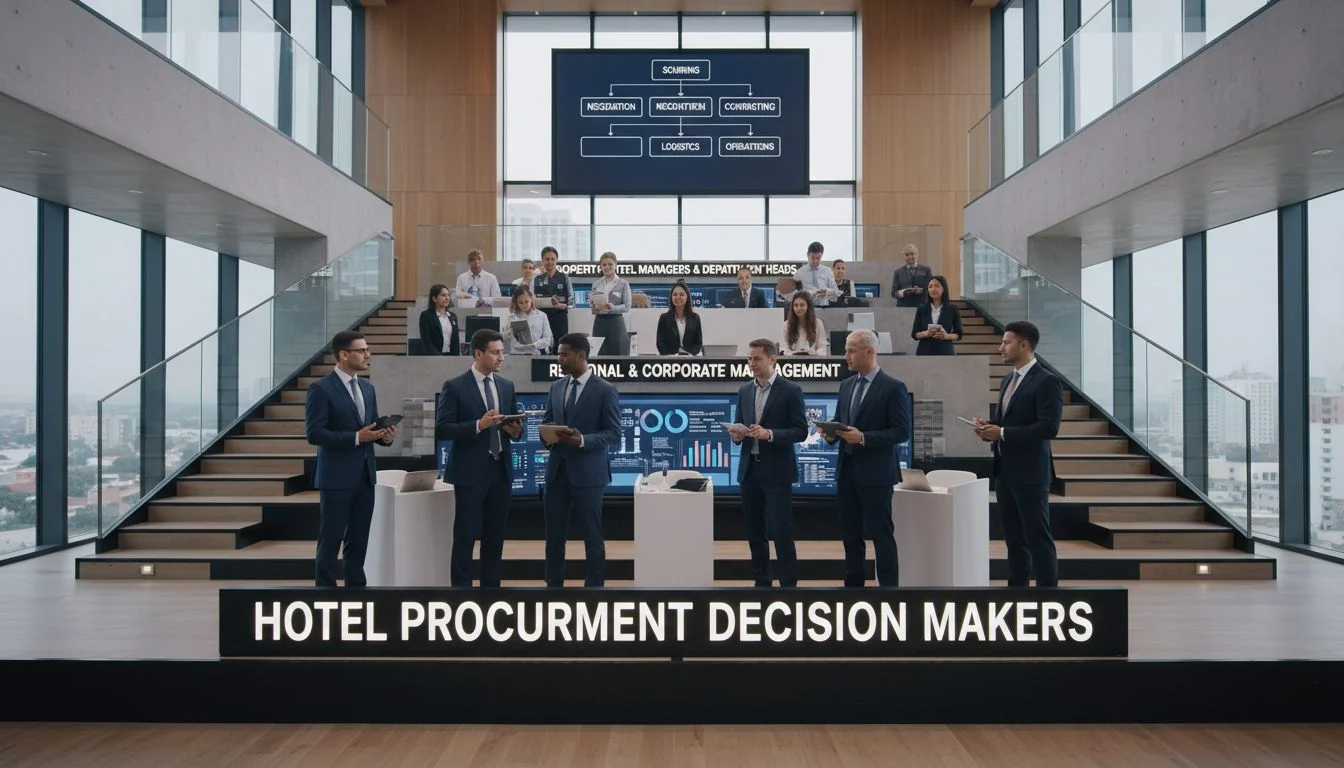
The Four Layers of Hotel Buying
I used to think the person running the factory made all the buying decisions. In the hotel world, it is much more complex. If you are designing a product, you need to know who actually approves it. You might design a beautiful dispenser, but if it does not meet the corporate brand standard, the hotel cannot buy it.
Here are the four layers you must understand:
| Decision Layer | Role in Buying | Impact on Sales Time |
|---|---|---|
| Brand Corporate | Sets approved equipment rules. | 6-18 months to get approved. |
| Management Company | Sets operating rules across brands. | Can unlock 50-500 hotel sales. |
| Owner / Asset Manager | Controls the money budget. | Drives timing for updates. |
| Property Level (GM) | Picks from approved vendors. | High power only on small buys. |
Independent hotels have short sales times because the owner decides. Multi-property groups have the longest sales times but offer massive scale. When you design your molds, keep in mind that corporate buyers want consistency and reliability across hundreds of locations. They want to see that your manufacturing process can scale up quickly when they roll out a new standard.
The hotel General Manager has full authority to buy any water filtration system they want.False
For franchised and managed properties, the GM must select from vendors approved by brand corporate.
Getting onto a brand's approved vendor list can take up to 18 months.True
The approval process is long, but it unlocks portfolio-scale demand once completed.
Why is the FOB Equipment Price the Smallest Line in the 5-Year Total Cost of Ownership?
Buyers ignore cheap equipment if it costs too much to run. Stop focusing only on initial part costs. Learn how to design for long-term savings and win bigger contracts.
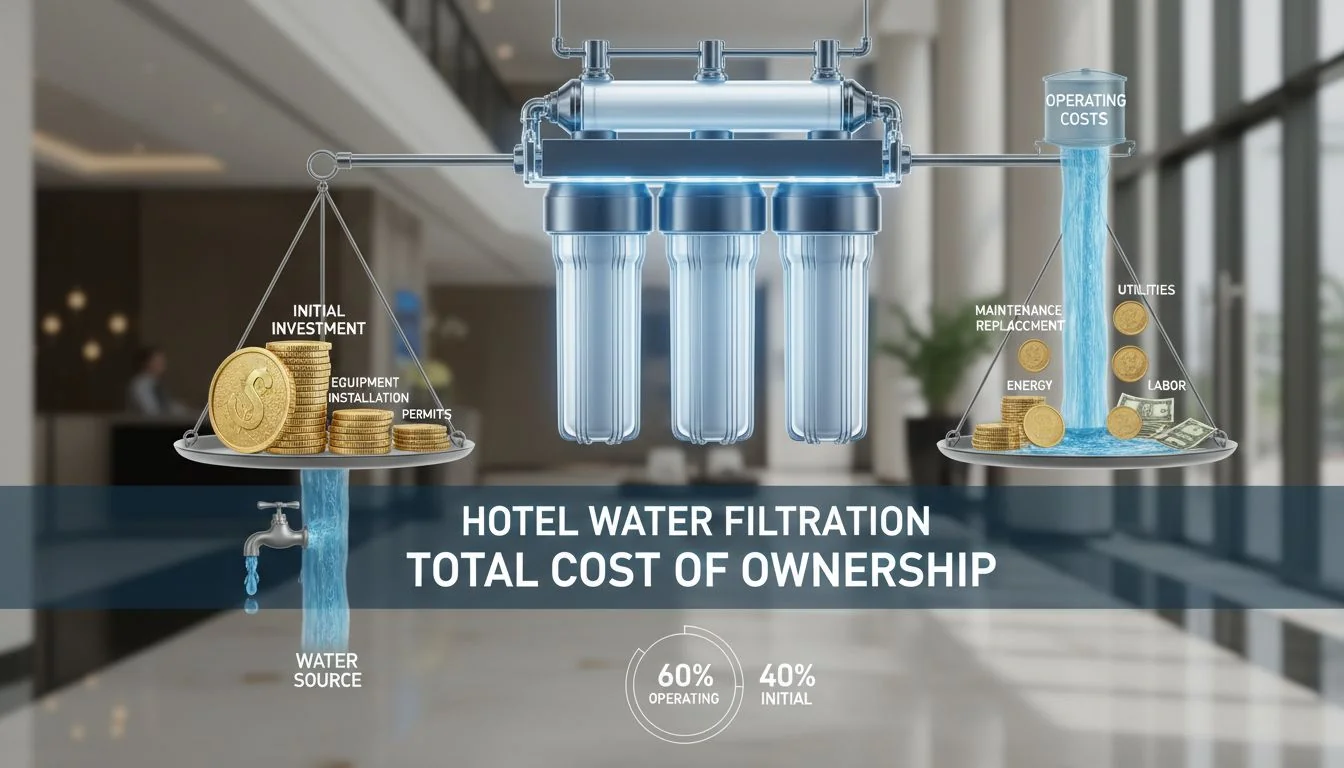
The upfront equipment price is only 15 to 25% of a water system's 5-year cost. The real value comes from bottled water replacement savings, reduced F&B equipment repairs, and lower consumable costs. Buyers want a vendor they can work with for years.
Looking Beyond the Initial Price Tag
When I quote a mold, the tool cost is just the beginning. The piece price and maintenance matter more over time. Hotel water systems work the same way. Buyers do not just look at the initial price of the machine. They look at the total cost over five to seven years.
Here is where the real money goes in a 5-year model:
| Cost Category | Financial Impact | Key Driver |
|---|---|---|
| Bottled Water Savings | $600K - $1.8M saved | Replacing plastic with in-room glass. |
| Equipment Service | $40K - $120K saved | Proper water extends oven and ice machine life. |
| Filter Parts | $4K - $15K spent per year | Vendor lock-in vs. standard cartridges. |
| Service Contracts | $2K - $8K spent per year | Regular checks and emergency fixes. |
As a designer, you can change these numbers. If you design filter housings that use standard cartridges, the hotel saves money. If you design parts that are easy to fix, you lower their maintenance costs. The hidden value also includes green reporting. Hotels need data on how many plastic bottles they avoided. If your product design can hold smart sensors to track water usage, you add massive value to the final system.
The upfront equipment price makes up the majority of a water filtration program's cost.False
Equipment FOB price is rarely more than 15-25% of the actual 5-year cost.
Proper water pretreatment can reduce combi oven descaling intervals from monthly to quarterly.True
Better water quality significantly reduces scale buildup, lowering maintenance costs and extending equipment life.
Conclusion
Understanding these five hospitality water procurement rules helps you design better, more profitable plastic components. Master these insights, and your mold designs will perfectly match what major hotel brands demand.

 English
  Français
  Español
  Italiano
  Deutsch
  Português
  Русский
  العربية
  日本語
日本語  한국어
한국어  Tiếng Việt

