
Ever felt trapped in a house full of smoke and dust? CARB-certified air purifiers solve this problem.
CARB-certified air purifiers are very important for safe indoor air quality. These purifiers follow strict emission rules, especially in California. They reduce ozone emissions, which improves air safety. Emissions decrease significantly.
I remember when I first learned about CARB certification. It was like a lightbulb moment. Understanding these standards showed me how important they are for safe indoor air. Especially if you live in strict places like California. It's not just about following rules. It's about breathing easy. It means knowing the air in your home is safe.
As I explored these certifications more, I realized they set a standard for air purifiers. These rules protect us from devices that release harmful ozone. CARB-certified purifiers offer peace of mind. They help keep the air as clean as possible with today’s technology. Air quality really affects health. This is something I do not want to compromise on.
CARB certification ensures reduced ozone emissions.True
CARB certification mandates low ozone emissions for air purifiers.
All air purifiers are CARB-certified by default.False
Not all air purifiers meet CARB's strict emissions standards.
Why is CARB Certification Important for Air Purifiers?
Picture yourself breathing freely, feeling assured that the air purifier in your house acts as a protector of your well-being. CARB certification plays a very important role here.
CARB certification matters a lot for air purifiers. It follows strict standards for ozone emissions. This helps protect health and really improves air quality. California requires this certification for sales. It increases consumer trust. It also gives the product more credibility.
Understanding CARB Certification
I discovered the importance of CARB certification while struggling with allergies and breathing problems at home. I felt lost among many products and questioned their safety. Then, I stumbled upon the significance of the California Air Resources Board (CARB)1 certification.
CARB is much more than just a government requirement. It shows that an air purifier can keep indoor air safe. It certifies that the device won't release harmful ozone into your home. Really important.
Importance of CARB Certification
- Health Protection: Buying a CARB-certified air purifier was like getting fresh air, quite literally. Knowing my purifier followed strict rules and released little ozone changed everything for my family's well-being.
- Market Access: Brands looking to enter the U.S. market, especially in California, find CARB certification very valuable. Without it, selling products in this state is impossible.
| Benefit | Explanation |
|---|---|
| Health Assurance | Meets safety standards, reducing health risks from emissions |
| Consumer Trust | Enhances brand credibility among consumers |
| Legal Compliance | Required for selling in California and necessary for marketing on platforms |
The Certification Process
Achieving CARB certification might appear challenging, yet it's simpler than it looks. Companies frequently work with certified labs to test products to confirm they follow emission rules. Spending around $1,000 is a smart choice for success in the future—a really wise choice.
Marketing and Trust Building
Seeing the CARB certification label on an air purifier gives me confidence in its safety and dependability. This is about more than just meeting legal rules; it's about trust.
Moreover, combining CARB certification with other accolades like Energy Star2 or UL listings further bolsters a brand's reputation. This strategy not only enhances product reliability but also establishes a competitive edge in the market.
Although certifications might look like just rules, they matter for making sure indoor air stays clean and healthy. That confidence? Totally priceless.
CARB certification is mandatory in California.True
CARB certification is required for air purifiers to be sold legally in California.
CARB-certified products emit high levels of ozone.False
CARB-certified products are tested to ensure they emit minimal ozone.
How Does CARB Certification Affect Air Purifier Performance?
Recall the moment when you wanted an air purifier and got confused by many certifications. Happens to me as well. CARB certification is a bit like a golden ticket. It shows that air purifiers not only perform effectively but also operate safely.
CARB certification shows that air purifiers follow strict safety rules, especially about ozone emissions. This compliance not only meets California rules but also greatly improves the purifier's performance. It makes the air quality safer. Really safer.
Understanding CARB Certification's Role
I remember when I first learned about air purifiers. The technical terms confused me. Then, I found CARB certification3. This certification comes from the California Air Resources Board. They set high standards for purifiers, especially those with UV lights or ozone generators. For me, CARB certification seemed like a trusted seal. It showed that these devices follow important rules, especially about ozone emissions.
Impact on Air Quality
CARB-certified air purifiers do what they promise. They follow strict rules to control harmful byproducts like ozone. When I discovered this, relief washed over me. Choosing a CARB-certified product means investing in better indoor air quality. It's about breathing easy and sleeping better at night.
Building Consumer Trust
I always search for peace of mind, especially related to health and safety. CARB certification provides that feeling. It's like a reliable friend vouching for a product. Seeing this badge on platforms like Amazon reassures me that I'm choosing wisely and safely.
Cost and Process
Sure, getting CARB certification costs money - about $1000. But for me, it's worth it if you want to enter the California market. Manufacturers usually work with CARB officers or third-party labs for the certification process.
| Certification | Cost (Approx.) | Process | Benefits |
|---|---|---|---|
| CARB | $1000 | Email/Third-party lab | Ensures compliance, boosts consumer trust |
Broader Implications
CARB certification is just one step. Other certifications like Energy Star and DOE also help air purifiers in the US market. In my eyes, these certifications together improve a product's reputation and attract eco-friendly consumers who care about more than just clean air.
Marketing Advantages
Brands highlighting CARB certification stand out in a busy market by showing this certification in marketing materials builds credibility and assures potential buyers of the product's adherence to high safety standards. Companies like HisoAir4 can gain credibility and trust through this strategy.
CARB certification is mandatory for all air purifiers.False
Only purifiers with UV lights or ozone generators require CARB certification.
CARB-certified purifiers enhance indoor air quality.True
Certification ensures low ozone emissions, improving air quality effectively.
Are There Other Certifications to Consider Alongside CARB?
Ever felt lost when trying to understand air purifier certifications? Many people share this feeling! CARB certification is important. But other important approvals exist too. These improve a product's reputation and trustworthiness. Let's explore them!
Beyond CARB, look at certifications such as Energy Star, UL, DOE, CA65 and FCC. These certifications give your product more trust from customers. They provide credibility. They also show compliance with important standards. Market appeal grows by focusing on energy efficiency. Safety and emissions are important too. Consumer protection matters.
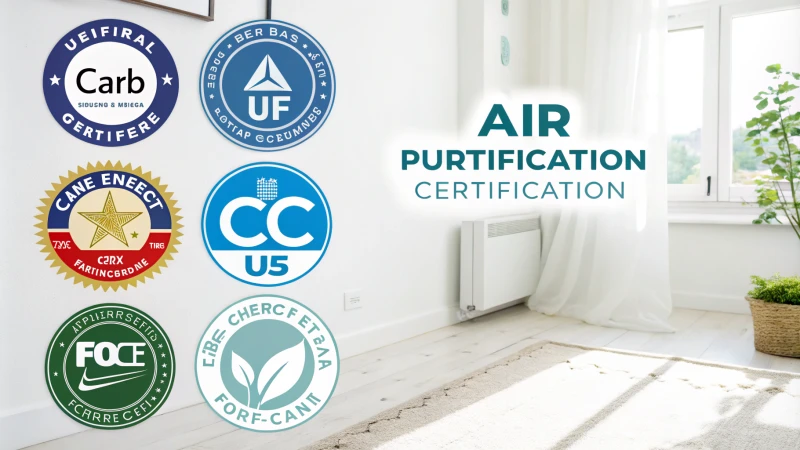
Understanding Additional Certifications
Starting my journey in air purification, CARB certification5 became essential, especially for reaching California consumers. However, I soon discovered that standing out meant adopting more certifications. These not only showed my products met various rules but also appealed to eco-friendly and safety-focused buyers.
Energy Star grabbed my interest quickly. It serves as a badge of honor for those dedicated to energy efficiency. Realizing our products helped reduce carbon footprints was fulfilling.
Energy Star and Its Benefits
Seeing the Energy Star label on our product was thrilling. It felt like a green light saying, "You're doing good for the planet!" For us makers, this certification means our products meet strict energy standards set by the EPA. It's tough but every step is worthwhile when eco-conscious customers choose your goods.
| Certification | Focus |
|---|---|
| Energy Star | Energy Efficiency |
| UL | Safety and Performance |
| DOE | Efficiency Standards |
| CA65 | Consumer Safety |
| FCC | Emissions and Communication |
The Importance of UL Certification
Safety stands as a top priority and UL (Underwriters Laboratories) certification is critical. I remember when our products faced UL’s tough testing. Nerve-wracking, yet rewarding, knowing our air purifiers were safe for use. It covers both electrical and mechanical safety.
Learn more about UL standards6 regarding your products.
Expanding Market Reach with DOE and CA65
Valuable advice: do not underestimate the power of DOE compliance. It's beyond ticking boxes; it's about crafting efficient products that meet today's demands for sustainability. CA65 (California Proposition 65) is crucial too - it limits harmful chemicals, safeguarding consumer safety.
FCC Certification: Keeping Emission Control
FCC certification was a milestone for us. Delving into emission control, we ensured our devices wouldn't interfere with others. Compliance here goes beyond rules and focuses on earning consumer trust.
Explore the FCC certification process7 to grasp its importance in product creation.
Combining these certifications with CARB, I've seen how they boost our air purifiers' credibility and market charm. They symbolize more than just meeting rules - they represent quality and trust that consumers rely on.
Energy Star certification focuses on product safety.False
Energy Star focuses on energy efficiency, not safety.
UL certification verifies product safety and performance.True
UL ensures products meet safety and performance standards.
What Are the Health Benefits of Using CARB-Certified Air Purifiers?
Imagine taking deep breaths, confident that the air purifier tirelessly protects your home from dangerous pollutants. CARB-certified air purifiers promise exactly this. This truly ensures a healthier environment.
CARB-certified air purifiers provide health benefits by lowering ozone emissions, improving breathing health and cutting down on allergens. This certification follows strict standards. Indoor spaces become safer for all. Safer spaces for everyone.
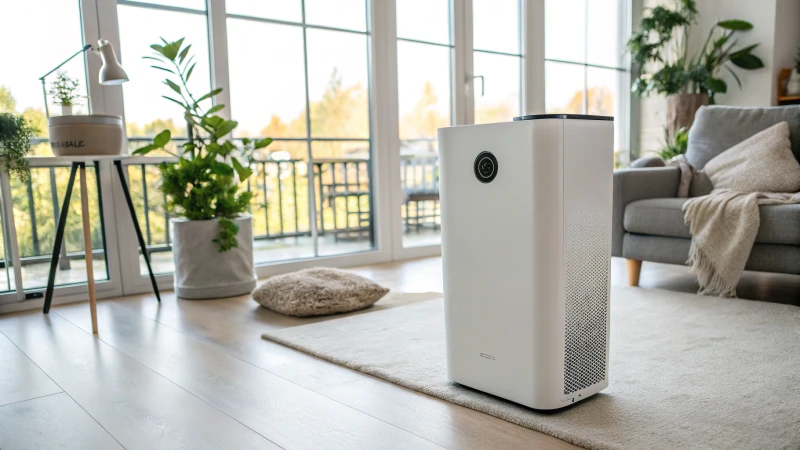
Understanding CARB Certification
At first, I heard about the California Air Resources Board (CARB)8 and felt curious about their focus on keeping the air clean. CARB has strict rules for air purifiers to reduce ozone release. People think ozone in the sky is good, but near the ground, it is harmful. It can hurt people with asthma or breathing problems. Buying a CARB-certified device helps me know my family is breathing cleaner air.
Health Benefits of Low Ozone Emission
My friend's asthma got worse once because of an old air purifier. That showed me why it's important to use machines with low ozone output. High ozone makes breathing problems worse. CARB-certified purifiers control ozone well. They help keep air healthier at home.
Reduction of Allergens and Pollutants
Allergies bother my family, especially in spring. CARB-certified air purifiers have changed that for us. Studies say they can cut allergy-causing things by up to 70%. Imagine suddenly breathing through your nose again without trouble.
| Pollutant | Health Impact | Reduction with CARB |
|---|---|---|
| Dust | Respiratory irritation | Up to 80% |
| Pollen | Allergy relief | Up to 70% |
| Mold Spores | Reduced exposure | Significant reduction |
Respiratory Health Improvement
For people who have breathing issues all the time, clean air is critical. A good air purifier helps reduce attacks and improve lung health. CARB-certified models keep dangerous particles out of the air we breathe.
Trust and Safety Assurance
As I looked for an air purifier, CARB certification gave me peace of mind. It feels like a safety net that shows the product is safe and works well. Seeing that label means I am choosing something tested and reliable.
Understanding these points helps me choose air purifiers that protect my family's health. To learn more about what CARB certification does for air quality, visit here9.
CARB-certified purifiers reduce ozone emissions significantly.True
CARB certification ensures purifiers meet strict standards for low ozone output.
Allergen exposure is reduced by 50% with CARB-certified purifiers.False
Studies show a reduction of up to 70%, not 50%, in allergen exposure.
Conclusion
CARB-certified air purifiers ensure safe indoor air quality by reducing harmful ozone emissions, crucial for health and compliance in California's strict regulatory environment.
-
Discover why CARB certification is vital for ensuring safe air purification products. ↩
-
Learn how CARB-certified products gain consumer trust and market visibility. ↩
-
Learn about CARB's role in regulating emissions and how it ensures air purifier safety. ↩
-
Understand how CARB certification enhances marketability and consumer trust for air purifier brands. ↩
-
Understanding CARB certification helps you grasp its significance in the air purification industry. ↩
-
UL standards ensure safety and reliability, crucial for consumer trust in your products. ↩
-
FCC certification prevents interference with other devices, ensuring safe emissions levels. ↩
-
Learn more about the organization setting strict air quality standards for safer living environments. ↩
-
Gain deeper insights into how CARB certification influences indoor air purity and health. ↩







 English
 Français
 Español
 Italiano
 Deutsch
 Português
 Русский
 العربية
 日本語
 한국어
 Tiếng Việt


