
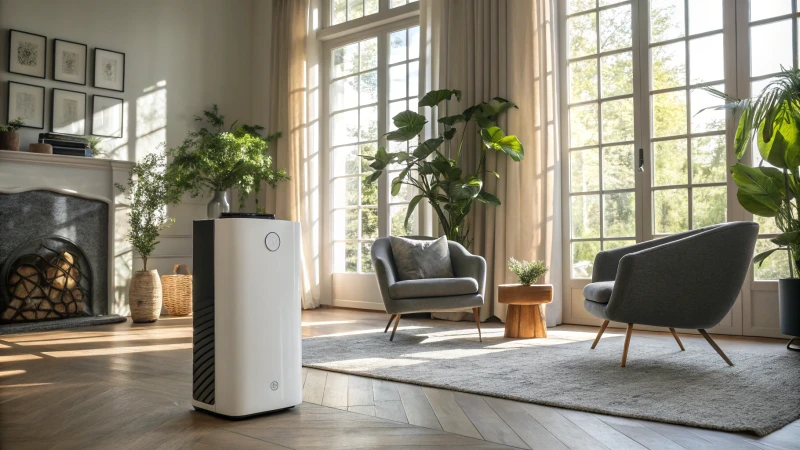
Exploring the air purifier market resembles an exciting adventure with much potential. This journey holds many possibilities.
Starting an air purifier brand in the US requires an investment between $50,000 and $100,000 for the first year. This amount covers product development and inventory. It also includes marketing and B2B sales efforts.
These numbers might confuse you at first. I remember that feeling when I started HisoAir. Understanding these costs can teach you a lot. Spending money on product development helps your air purifiers be unique. Inventory and stock management helps your business run smoothly. Marketing acts as your loudspeaker, especially on sites like Amazon and Shopify, so money for ads is crucial. Expenses for trade shows and travel matter if you look at B2B sales. There is a lot to manage. Yet, with careful planning and a bit of courage, starting your air purifier brand is very rewarding.
Launching an air purifier brand requires 50K-100K USD in Year 1.True
The context specifies this range as the initial investment needed.
HisoAir uses Decibel Cancellation™ technology in its purifiers.True
HisoAir integrates this technology for optimal performance.
What are the key costs involved in product development?
Do you ever ask yourself where your money disappears when creating a product?
Product development expenses cover research and development, design, prototyping, testing, manufacturing, marketing and delivery. A budget spread well across these steps is crucial for a successful launch. Wise spending is key.
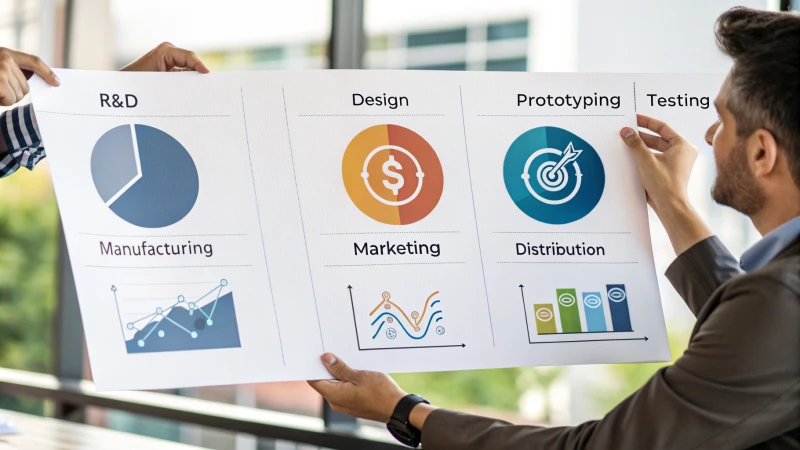
Research and Development (R&D) Costs
R&D is where my journey begins, setting up the groundwork with special features. It feels like drawing a plan for success. Market research seemed like detective work for me, trying to figure out what people really need and how I could offer something unique. Feasibility studies acted as checks, making sure my dream was realistic.
| R&D Activities | Estimated Cost Range |
|---|---|
| Market Research | $5,000 - $20,000 |
| Feasibility Studies | $10,000 - $30,000 |
Design and Prototyping Costs
The design phase is when ideas become visible and real. I found this part exciting but tough. Hiring professional design services1 turns a simple idea into a market-ready product. Prototyping is like breathing life into your designs, vital before full-scale production begins.
| Design Activities | Estimated Cost Range |
|---|---|
| Industrial Design | $5,000 - $25,000 |
| Prototyping | $10,000 - $50,000 |
Testing and Certification Costs
Testing shows that your product meets expectations. This stage is very important - like giving your creation a final exam. Getting certifications sometimes feels like earning badges that prove your hard work is worthwhile.
| Testing Activities | Estimated Cost Range |
|---|---|
| Functional Testing | $5,000 - $15,000 |
| Safety Certification | $5,000 - $20,000 |
Manufacturing Costs
Manufacturing turns your vision into something real. I saw my dream become a reality here. Handling materials and labor wisely really affects costs. Reliable partners decide your timeline and budget success.
| Manufacturing Activities | Estimated Cost Range |
|---|---|
| Tooling | $10,000 - $40,000 |
Marketing and Distribution Costs
Marketing connects your product with its audience. Creating a marketing strategy for the first time was like planning a grand reveal. Good advertising can change success from one extreme to the other.
| Marketing Activities | Estimated Cost Range |
|---|---|
| Digital Advertising | $2,000 - $10,000 |
Balancing quality with cost across these stages is an art I've learned to respect. Knowing these expenses kept me on track and ready for a successful product launch.
Launching an air purifier brand in the US costs 50K-100K USD.True
Initial investment includes stock purchase, product development, and marketing.
HisoAir uses Decibel Cancellation™ technology in its air purifiers.True
HisoAir integrates advanced features like Decibel Cancellation™ for optimal performance.
How Much Should You Budget for Inventory and Stock?
Do you sometimes look at a spreadsheet, trying to understand how much inventory is needed? Business owners know this is a balancing act.
I plan my budget for inventory based on the type of product and how much competition exists in the market. Supplier terms also matter a lot. Sales forecasts help in this process too. Usually, 25-40% of my complete budget goes to inventory. This is really important. It's a significant percentage of the budget.

Understanding Product Type and Market Needs
In the air purification business, I quickly learned that the kind of product I sold deeply affected my budgeting choices. Imagine launching a small air purifier where the market is already packed. Standing out demands more than a fancy design. Unique features call for spending more on product development2. Budgeting for initial stock was crucial because it could make or break the brand. It was really important.
Supplier Terms and Initial Investment
Finding a good supplier is like finding gold. Early on, I realized that getting good terms was necessary. Minimum Order Quantities (MOQs) decided how much I invested in inventory. For instance, 500 units at $60 each mean $30,000 upfront, even before transport costs and tariffs. It's a big amount. However, planning for these expenses probably saves problems later.
Sales Forecasts and Inventory Turnover
Sales forecasts acted like my crystal ball. They helped avoid too much or too little stock. By figuring out the Inventory Turnover Ratio (cost of goods sold divided by average inventory), I judged how well I managed stock.
| Inventory Turnover Ratio | Interpretation |
|---|---|
| Below 2 | Risk of overstock |
| 2 to 4 | Healthy turnover |
| Above 4 | Potential shortages |
This analysis let me adjust my budget so I had enough products to meet demand without locking in too much money. It was essential.
Marketing Costs Impacting Inventory Budget
Marketing was another important part. Platforms like Amazon became my favorite, with ads costing $4-$5 per click. With a 10% conversion rate, I soon saw the need to budget $100-$200 daily to keep traffic flowing. These marketing costs directly affected my inventory3 needs, as selling more meant having enough products ready.
Budgeting for inventory wasn't merely about numbers; it involved understanding each part's impact on my work. By considering everything from product type to marketing plans, funds were set aside to keep operations smooth without overextending.
Leveraging Technology for Budgeting
Introducing budgeting software into my routine changed everything. These tools gave real-time stock monitoring and automated reorder alerts. They kept me ahead in the competitive market.
By merging strategies with technology, I developed a strong budget plan that supported growth and sustainability throughout my business journey.
Launching an air purifier brand requires $50K-$100K in Year 1.True
Initial investment includes stock purchase, product development, and marketing.
Amazon ads cost $4-$5 per click with a 10% conversion rate.True
This is the average cost and conversion rate for Amazon advertising.
What Are the Marketing Expenses for Selling on Amazon and Shopify?
Navigating the maze of marketing expenses on Amazon and Shopify is a bit like piecing together a jigsaw puzzle.
When selling on Amazon, prepare to allocate funds for PPC ads with prices around $4-5 per click. Shopify needs investment in social media ads and SEO instead. Both platforms need careful budgeting. This is crucial for achieving success. Budgeting is essential.
Exploring Amazon's Advertising Costs
Selling on Amazon introduced a new world of PPC (pay-per-click) ads. Each click costs around $4-5, and with only a 10% chance of a sale, I realized I needed $100-200 daily just for ads. Other costs include Amazon's referral fees and Fulfillment by Amazon (FBA) fees, which vary depending on the product category and size. I calculated every fee carefully to avoid just breaking even and truly earn a profit. Every fee mattered because profit was essential.
Shopify's Marketing Approach
Switching to Shopify felt like discovering new opportunities. The platform allows freedom with marketing strategies. I focused on social media ads4, using Instagram and Facebook to bring in visitors. This method felt more personal and less scary cost-wise, with starting campaigns around $2000. Paying attention to search engine optimization (SEO) was very important for natural reach. Unlike Amazon, Shopify has no listing fees, but themes, apps, and credit card fees add up.
Comparing Marketing Expenses: Amazon vs. Shopify
| Expense Type | Amazon | Shopify |
|---|---|---|
| Advertising | PPC ($4-5/click) | Social Media & SEO (varied) |
| Platform Fees | Referral & FBA fees | Subscription & Transaction fees |
| Additional Costs | Listing fees | Apps & Themes |
Understanding these differences helped me allocate budgets wisely and choose the right platform based on my business targets5. Sometimes using both platforms was probably the best choice.
Strategic Budgeting for E-commerce Success
To get the best returns, I learned to plan marketing expenses well on both platforms. I always analyzed things like conversion rates and return on ad spend (ROAS). Trying different ad types and adjusting budgets based on results led to better success. Advice from e-commerce experts6 helped improve my strategies and gain insights for ongoing growth in this competitive market. Knowing platform changes kept my marketing tactics effective and up-to-date.
Launching an air purifier brand requires $50K-$100K in Year 1.True
This is true as initial investment includes stock, product development, and marketing costs.
Amazon ads cost $4-$5 per click with a 10% conversion rate.True
The average cost per click on Amazon is $4-$5 with a 10% conversion rate.
Are Trade Shows a Smart Investment for B2B Sales?
Do you often ask yourself if those busy trade shows are worth the high cost for your B2B sales plan?
Yes, attending trade shows is a very good investment for B2B sales. These events offer significant chances for finding new customers. They also help show your brand to many people. Networking with others in the industry occurs here too. Checking costs and how well the event fits your strategy is important.
Evaluating Costs and Benefits
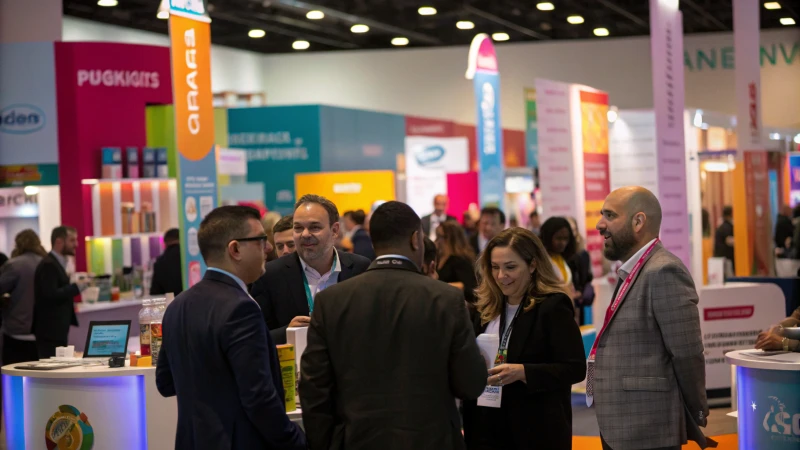
When I started thinking about going to trade shows, the high costs surprised me. Expenses like booth fees and travel were big, more than $50,000. It felt overwhelming. However, the potential7 for return on investment (ROI) through new leads could bring good returns. Suddenly, everything seemed clearer.
Networking Opportunities
Trade shows feel like a giant party for businesses. I felt both nervous and excited at my first one. Meeting others in the industry wasn't just about finding clients; it was about building connections that could lead to future projects and partnerships. The value in growing my professional network was enormous.
| Benefits | Details |
|---|---|
| Lead Generation | Access to a large pool of potential clients |
| Brand Visibility | Opportunity to showcase products and services |
| Market Research | Insights into industry trends and competitors |
Strategic Considerations
Not every trade show is the same. Choosing ones that match my goals has proven important. I target events where my ideal audience will be present. This strategy changes the results greatly, as it's about really choosing the right8 fit.
Using Technology
Adding digital tools changed everything for me. Incorporating elements like virtual booths and live-streaming talks helped me reach more people than before, effectively bringing the event to those who weren't there in person.
For any B2B company thinking about trade shows, very detailed planning probably matters a lot. Comparing possible benefits and costs, trying out new ideas, and using both real and digital spaces can improve how effective an event is. My experience shows that with a smart plan, trade shows turn into more than just spending money; they are truly an investment in future growth.
Launching an air purifier brand in the US costs $50K-$100K.True
The context outlines an estimated investment range for launching the brand.
Amazon ads cost $4-5 per click with a 10% conversion rate.True
The context specifies these average costs and conversion rates for Amazon ads.
Conclusion
Launching an air purifier brand in the US requires an investment of $50,000 to $100,000 for product development, inventory, and marketing efforts in the first year.
-
Learn how professional design services enhance product appeal and functionality. ↩
-
Explore how investing in unique product features enhances competitiveness and justifies budget allocation. ↩
-
Discover how effective marketing strategies can optimize inventory levels and improve sales performance. ↩
-
Explore effective strategies for using social media ads to drive traffic to your Shopify store. ↩
-
Learn methods to identify your target market, crucial for aligning marketing efforts with audience needs. ↩
-
Understand how consulting experts can enhance your e-commerce strategies and improve ROI. ↩
-
Clicking this link provides insights into how trade shows can significantly boost lead generation, an essential aspect of B2B sales. ↩
-
This link offers guidance on choosing trade shows that align with business goals, optimizing your investment. ↩



 English
  Français
  Español
  Italiano
  Deutsch
  Português
  Русский
  العربية
  日本語
日本語  한국어
한국어  Tiếng Việt

