
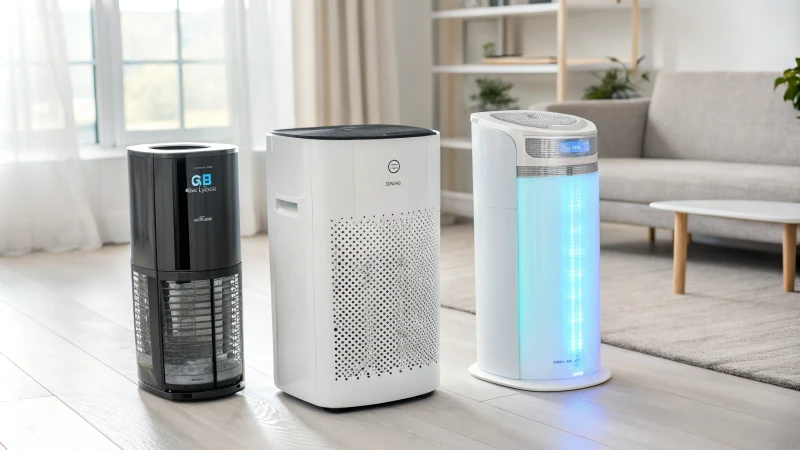
Breathing easily is important. Selecting the correct air purifier seems confusing.
HEPA filters frequently stand as top choice for cleaning air. They trap as much as 99.997% of pollutants, such as dust, allergens, bacteria and viruses. These filters are very effective. Ionizers and UV purifiers, in contrast, have problems. They might release ozone, which could harm health.
I researched air purifiers for many hours because my family has allergies. HEPA filters really help us. Different purifiers have their own features. Ionizers seem advanced, yet they might let particles stay in your house. UV purifiers fight germs very well, but dust and allergens remain a challenge for them. Knowing these differences really helps in choosing the right purifier for you.
HEPA filters remove 99.997% of pollutants.True
HEPA filters are designed to capture particles as small as 0.3 microns.
Ionizers emit ozone, posing health risks.True
Ionizers can generate ozone, which may cause respiratory issues.
How Do HEPA Air Purifiers Work?
Do you ever think about how those smooth HEPA air purifiers keep the air fresh and clean?
HEPA air purifiers use many tightly woven fibers. These fibers trap 99.97% of tiny particles floating in the air. They catch particles as small as 0.3 microns. Dust gets captured. Pollen falls into the trap. Mold spores meet the same fate. Some bacteria and viruses also get caught. This is very effective. It's really reliable.

Understanding HEPA Technology
My interest in air quality started after a terrible allergy season. My sneezes were strong enough to spin a windmill! That's when I found HEPA filters. "HEPA" means High-Efficiency Particulate Air. These filters are the heroes of air cleaning, famous for catching even the smallest particles. They use thick layers of fibers made from fiberglass or polypropylene. These fibers create a tricky path for pollutants, capturing them in three smart ways:
- Interception: Picture walking into a spider web by mistake; particles run into fibers and get stuck.
- Impaction: Bigger particles crash into fibers, just like someone failing to dodge a wall.
- Diffusion: Tiny particles move wildly like bumper cars, hitting fibers eventually.
Comparing Filtration Methods
One time, I was curious about different air purifiers and stumbled upon this interesting comparison:
| Method | Particle Size Captured | Efficiency |
|---|---|---|
| HEPA Filter | Up to 0.3 microns | 99.97% |
| Ionizer | Varies | Moderate |
| UV Light | Microorganisms | Varies |
HEPA filters are amazing as they reliably trap various particles without letting anything harmful escape into your home. This is very important, especially when you look at ionizers1 and UV light purifiers2, which might have some issues.
The Role of HEPA in Modern Air Purification
Using a HEPA filter feels like having a trusty assistant against everyday allergens. It is really helpful for people with asthma or allergies. Better indoor air changes everything. Modern technology keeps improving. Some advanced models3 now combine HEPA filtering with activated carbon filters, which remove gases and smells too. Imagine turning your house into a fresh paradise! I know the joy personally of breathing cleaner air.
HEPA filters capture 99.97% of particles up to 0.3 microns.True
HEPA filters are designed to trap particles as small as 0.3 microns with high efficiency.
Ionizers capture particles more efficiently than HEPA filters.False
Ionizers have moderate efficiency, whereas HEPA filters capture 99.97% of small particles.
What Are the Benefits and Drawbacks of Ionizers?
Ionizers promise cleaner indoor air. Are they truly the best choice? Let's explore their benefits and downsides. Personal thoughts will be shared along the way.
Ionizers charge airborne particles. These particles clump together and fall. Sometimes, surfaces end up with a buildup. Ionizers really help with allergens. But, they might emit ozone, which could be a health risk. Ozone poses health concerns.

How Do Ionizers Work?
Ionizers purify air by emitting negatively charged ions that attach to airborne particles, causing them to clump together and settle on surfaces. This mechanism helps reduce allergens like pollen and dust. However, this process doesn't eliminate particles from the environment, requiring regular cleaning to maintain air quality.
Benefits of Using Ionizers
- Allergen Reduction: Many people have allergies, especially when seasons change. Ionizers cause allergens to stick together, keeping them out of your lungs.
- Minimal Maintenance: Traditional filters need changing often. Ionizers need less upkeep.
| Benefits | Description |
|---|---|
| Allergen Reduction | Helps in clumping particles together, reducing inhalation risk. |
| Minimal Maintenance | No need for filter changes, lowering upkeep costs. |
Drawbacks to Consider
Think about a few issues before buying one:
- Surface Contamination: Hosting a party with dust-covered furniture might be embarrassing. Frequent cleaning is necessary.
- Ozone Emission: Some ionizers release ozone, which is not good for indoor air.
| Drawbacks | Description |
|---|---|
| Surface Contamination | Particles settle on furniture and floors, requiring cleanup. |
| Ozone Emission | Can produce ozone, posing health risks with prolonged exposure. |
Health Implications and Safety Concerns
Reducing particles is nice, but ozone has health risks. The Environmental Protection Agency (EPA4) warns about breathing problems from ozone exposure. It seemed like a choice between easier breathing and safe air in my home.
Alternatives to Ionizers
I looked into other options like HEPA filters and UV purifiers:
- HEPA Filters: Known for capturing almost every airborne particle.
- UV Purifiers: Use UV light to kill bacteria and viruses without creating ozone.
Safety and reliability might be more important than easy maintenance. These alternatives could be worth exploring. Want to know what fits your needs? Check out Comparing Air Purification Technologies5 for more information.
Ionizers require frequent cleaning of surfaces.True
Ionizers cause particles to settle on surfaces, needing regular cleaning.
All ionizers emit harmful levels of ozone.False
Not all ionizers emit ozone; some models are designed to avoid it.
Is UV Light Effective in Air Purification?
Have you ever thought about what the UV light in your air purifier might be doing beyond just shining brightly?
UV light purifies air. It deactivates microorganisms such as bacteria and viruses. Ultraviolet-C (UVC) light disrupts their DNA. It really disrupts DNA. However, it does not remove dust or allergens. Best to use it with HEPA filters. This combination provides a more complete clean. A very complete clean.

How Does UV Light Work in Air Purifiers?
Let's explore how UV light works in air purifiers. Imagine this: ultraviolet-C (UVC) light hits the air and targets the DNA and RNA of tiny germs like bacteria and viruses. It's like a superhero stopping the bad guys from spreading. However, it doesn't affect dust or allergens much. Using a HEPA filter alongside it6 is crucial for better results. Both work together very well.
Table 1: Comparison of Air Purification Technologies
| Technology | Targets | Limitations |
|---|---|---|
| HEPA | Particles, dust | Does not eliminate viruses |
| Ionizers | Particles, allergens | Can produce ozone |
| UV Light | Bacteria, viruses | Doesn't filter particles |
Practical Applications and Considerations
When using UV air purifiers, they form a strong pair with HEPA filters for better air cleaning. Alone, UV light cannot handle dust or gases. Together, they catch large particles and tackle small germs—a perfect team!
Consider this important point: UV light's effectiveness relies on the time and strength of exposure. Long and strong exposure works best, similar to needing the right sunlight for a tan.
Health Concerns and Safety Measures
Now, onto safety. Some UV air purifiers might produce ozone, which is harmful—it's like buying a new device only to find a hidden problem. Keeping safe means picking devices meeting standards like UL 2899. Regular maintenance is very important too.
Health is a priority. People who value health should choose air purifiers with many purification methods7 while ensuring they meet safety standards. This keeps indoor air clean without risking health—very important!
Market Trends and Technological Integration
During the pandemic, UV-C technology became popular in air purifiers for its ability to fight viruses. Afterward, people started trusting HEPA filters again for reliable air cleaning.
We need to think about our needs and choose trustworthy brands8 that offer complete solutions suitable for our spaces—make the right choice!
UV light inactivates bacteria and viruses.True
UV-C light disrupts DNA/RNA of microorganisms, preventing reproduction.
UV air purifiers eliminate dust and allergens.False
UV purifiers target microorganisms but do not filter particles like dust.
Which Air Purifier Is Best for Allergens?
Do you sneeze a lot at home? An air purifier maybe gives you the comfort you need.
A true HEPA air purifier serves as the best option for dealing with allergens. It traps 99.97% of airborne particles like dust, pollen and pet dander. Breathing becomes easier.

Understanding Air Purifier Types
Air purifiers seemed complicated at first. But understanding them is easier than it looks. HEPA filters are really good at catching very tiny particles as small as 0.3 microns. They are a top choice for getting rid of allergens. In contrast, ionizers and UV purifiers work in different ways.
| Air Purifier Type | Main Function | Suitability for Allergens |
|---|---|---|
| HEPA | Physical filtration | Excellent |
| Ionizer | Electrically charges particles | Poor |
| UV | Kills microorganisms | Limited |
The Case for True HEPA Filters
True HEPA filters stand out as champions among air purifiers. They capture nearly all airborne particles, including common allergens like dust mites and pollen, which are a frequent headache. Unlike ionizers that merely clump particles together, HEPA filters actually trap them well.
- Efficiency: Captures 99.97% of tiny particles.
- Safety: Produces no ozone, making it safe for long-term use.
- Versatility: Works well in homes with pets or where dust and pollen are regular problems.
Evaluating Ionizers and UV Purifiers
Ionizers work like hiding clutter under a bed. They charge particles, making them stick to surfaces, which might float back into the air. Over time, ozone from them becomes a worry9.
UV purifiers are good at fighting germs but don't deal much with dust or pollen. Combining them with HEPA filters improves their usefulness.
Consideration of Additional Features
I look for useful features when picking an air purifier to simplify life while cleaning the air:
- CADR Ratings: Higher numbers mean quicker cleaning.
- Smart Sensors: They adjust levels automatically, like having a personal air expert.
- Noise Levels: With Decibel Cancellation™10, talking over your purifier isn't necessary.
These features greatly improve purifier performance and home comfort.
HEPA filters capture 99.97% of particles.True
HEPA filters are designed to capture particles as small as 0.3 microns.
Ionizers are the best for allergen removal.False
Ionizers clump particles but do not effectively trap them like HEPA filters.
Conclusion
HEPA air purifiers effectively trap 99.97% of pollutants, making them superior to ionizers and UV purifiers, which have limitations like ozone emission and inadequate particle removal.
-
Understand why ionizers may not be as effective or safe as HEPA filters for indoor air purification. ↩
-
Explore the effectiveness and limitations of UV light purifiers compared to HEPA filters. ↩
-
Discover the latest advancements in HEPA air purifier technology and their additional features. ↩
-
Explore EPA's guidelines on ozone health risks to understand its impact. ↩
-
Discover detailed comparisons of air purification technologies for informed decisions. ↩
-
Discover how pairing UV light with HEPA filters enhances air purification effectiveness. ↩
-
Learn about air purifiers that safely combine multiple technologies for better air quality. ↩
-
Explore top-rated brands offering reliable UV light air purifiers. ↩
-
Understand the potential long-term health risks associated with using ionizer air purifiers. ↩
-
Discover how Decibel Cancellation™ enhances air purifier performance by reducing noise levels. ↩






 English
 Français
 Español
 Italiano
 Deutsch
 Português
 Русский
 العربية
 日本語
 한국어
 Tiếng Việt


