
Exploring the constantly changing world of global trade is my daily adventure. Tariffs on Chinese imports are climbing higher. This is important.
Facing the challenges of higher tariffs on Chinese goods, I discovered that diversifying my supply chain is crucial. I explore different manufacturing choices in Vietnam, Thailand and Mexico. Protecting intellectual property rights gives me very important flexibility. I can move production when necessary.
These first steps prepare me to handle tariff pressures. I discovered that going deeper into supply chain optimization is really vital. Finding different strategies protected my business’s finances and kept operations running. This matters in these unpredictable times. Each step ahead probably strengthens my resistance to economic changes.
Diversifying supply chains reduces tariff impact.True
Exploring alternative locations like Vietnam can lower dependency on China.
Intellectual property rights are irrelevant to tariff strategy.False
Securing IP rights allows flexibility in relocating production, aiding strategy.
How Can Diversifying Manufacturing Origins Benefit Your Supply Chain?
Do you ever think about why your supply chain seems unstable like a Jenga tower almost falling? Changing the places where you manufacture your products could be the solution you really need. Diversifying origins is probably very important.
Using different countries for manufacturing strengthens your supply chain. This reduces dependence on one source. It very likely helps handle political risks. This strategy improves adaptability to changes in the market.

Mitigating Geopolitical Risks
I remember watching the news and feeling anxious about trade talks. These discussions could affect my whole business. This was when I understood the importance of having factories in different countries. It acts as a safety net and protects against political issues. The China+1 strategy1 is a really good example. This approach helped me feel calmer because I was not relying on only one region.
Increasing Flexibility and Responsiveness
Tariffs can suddenly increase overnight. Many people might panic, but not if they have multiple manufacturing sites. Having options in Mexico proved useful for me. I could quickly produce more there to handle challenges in other places.
Minimizing Dependency on Single Suppliers
Once, a major supplier failed to deliver due to unexpected problems. This difficult situation taught me the value of spreading my risk. Now, I work with manufacturers in different areas by partnering with manufacturers2. If one supplier faces issues, others can keep production going smoothly.
Safeguarding Intellectual Property (IP)
Concerns about losing control over my creations often troubled me. Protecting my IP in all manufacturing locations was essential. This protection allowed me to move production without harming my product’s quality or brand image.
Finding Reliable Partners Globally
Searching for trustworthy partners felt really challenging at times. Local experts or consultants dramatically improved my situation by assisting in finding reliable partners and assuring quality control. Places like Vietnam and Thailand presented new opportunities, while having a local supply chain team3 in China simplified operations and kept high standards.
| Country | Key Benefits |
|---|---|
| Vietnam | Cost-effective labor, stable policies |
| Thailand | Established infrastructure |
| Mexico | Proximity to North American markets |
| Cambodia | Emerging market opportunities |
Diversifying where I manufacture not only protects my business but also opens growth opportunities—it's like having a very full toolkit prepared for any challenge the world presents.
Diversifying origins mitigates geopolitical risks.True
Multiple manufacturing origins reduce impact from political instability.
Single supplier dependency enhances supply chain resilience.False
Relying on one supplier increases risk, not resilience.
Why is Intellectual Property Important When Moving Production?
Have you ever thought about why intellectual property matters a lot when shifting production? Intellectual property involves unique ideas and inventions. These are very important for a company’s success. Without protection, competitors might copy ideas. This reduces the original creator’s benefit. Safeguarding intellectual property keeps creativity and innovation alive. This step is crucial because it helps a business thrive and grow. Remember, the originality comes from protected ideas.
Intellectual property is crucial in relocating production. It protects innovations and keeps ownership of special technologies. Transitions across borders become smoother. Proper IP management helps stay competitive. Compliance is also maintained.

Protecting Innovations and Unique Technologies
When I first thought about moving production, I realized protecting my intellectual property4 was very important. Imagine creating something special and risking it being copied right after moving manufacturing overseas. Patents, trademarks, and trade secrets must stay in place to keep our innovations ours. This exclusivity really matters when entering new markets or working with different partners.
Ownership and Control
Having our intellectual assets allows us to maintain control over production processes, wherever they are. A strong IP portfolio lets me negotiate better deals with partners. Patented technologies like HisoAir's5 protect our unique designs and processes. This protection gives us the freedom to pick production sites without fear of losing our edge.
| Aspect | Benefits |
|---|---|
| Patents | Prevents unauthorized use of innovations |
| Trademarks | Protects brand identity across markets |
| Trade Secrets | Safeguards confidential business information |
Understanding Legal Frameworks
Every country has rules for IP protection. Understanding these legal frameworks6 is important when moving production. It is not just about knowing our rights; we must also enforce them to reduce risks of infringement or data loss.
Supporting Smooth Transitions
Good IP management is like a reliable map for unknown paths. It helps ensure smoother transitions when relocating production. Clearly set ownership and usage rights prevent legal disputes, allowing us to focus on optimizing supply chain strategies. For example, a well-structured IP agreement backs a China+1 strategy7. This enables us to diversify manufacturing while protecting innovations.
Understanding IP and production relocation helps maintain our competitive edge in changing global economies. Strong IP strategies mean companies like HisoAir continue to innovate and offer high-quality solutions globally.
IP protection is crucial for relocating production.True
IP safeguards innovations, ensuring exclusivity when entering new markets.
Trademarks protect only the company's technologies.False
Trademarks protect brand identity, not technologies, across markets.
Why Should Modern Businesses Consider a China+1 Strategy?
Picture waking up to another global supply chain problem. What is your backup plan?
A China+1 strategy diversifies manufacturing outside China. This approach reduces risks from relying too much on one country. Companies spread their operations. This strategy increases supply chain strength. It helps with tariff problems. Businesses also enter new markets. This move is very important in today’s business world.
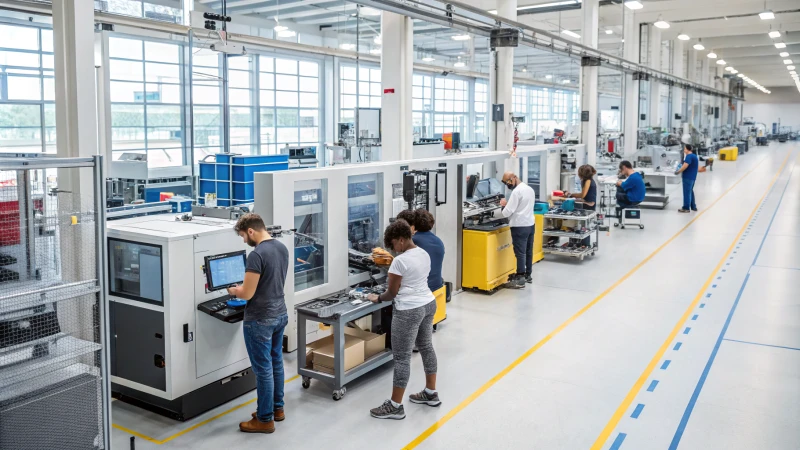
Understanding the China+1 Strategy
The China+1 strategy is essentially about not putting all your eggs in one basket. It involves sourcing and manufacturing products not only in China8, but also in other countries. This helps companies reduce risks associated with their dependency on a single market.
Why Businesses Are Embracing China+1
There are several compelling reasons why businesses are pivoting towards a China+1 strategy:
- Tariff and Trade War Concerns: The ongoing trade tensions between major economies have led to increased tariffs on Chinese goods, prompting businesses to diversify.
- Supply Chain Disruptions: Events like the COVID-19 pandemic highlighted vulnerabilities in relying solely on Chinese manufacturing.
- Rising Labor Costs: As wages in China rise, companies are seeking more cost-effective labor markets.
Popular China+1 Destinations
During my search for alternatives, I discovered several promising places. Many companies now focus on these areas:
| Country | Advantages |
|---|---|
| Vietnam | Proximity to China, lower labor costs |
| Thailand | Established infrastructure, free trade policies |
| Mexico | NAFTA benefits, close to the U.S. market |
Implementing a China+1 Strategy
1. Evaluate Potential Markets: New markets need careful examination. Political stability, labor costs, and infrastructure9 are important factors to consider.
2. Protect Intellectual Property (IP): Protecting IP is absolutely essential when moving production. This can prevent potential infringements in new jurisdictions.
3. Maintain Strong Relationships: Nurturing existing Chinese partnerships remains important while expanding operations elsewhere. Balance between old and new ventures matters.
Bringing this strategy to life takes time and requires careful planning and readiness to adjust. The reward? Greater flexibility and resilience in our uncertain world.
China+1 strategy reduces supply chain risks.True
Diversifying manufacturing locations mitigates reliance on China.
Vietnam is a popular choice for China+1 strategy.True
Vietnam offers lower labor costs and proximity to China.
Do you ever feel like tariffs are a huge puzzle? I definitely feel that way. Local partnerships might be the important piece that really makes everything fit perfectly.
Local partnerships help businesses face tariff problems by providing regional knowledge, finding new suppliers and simplifying transportation. These collaborations often allow companies to share costs and reach wider markets. Trade barriers become easier to overcome.

Regional Expertise
I remember the first time I faced the complex world of international tariffs. It felt like trying to understand an alien language. That experience taught me how valuable local partners are. They have deep knowledge about regional rules and market trends, which clears up even the most confusing tariff structures. My work with a Vietnamese manufacturer was a good example; their insights into ASEAN trade agreements were really eye-opening and saved us from many tricky situations.
Additionally, these partners often have strong connections with local authorities, which really helps when dealing with bureaucratic obstacles. It's like having a friend who knows exactly who to talk to inside the system.
Supply Chain Diversity
I learned that relying on just one supplier in business is risky. Diversifying supply chains through local partnerships10 is vital. Sourcing from regions like Vietnam or Mexico supports a China+1 strategy, preparing you for unexpected tariff changes.
This strategy reduces dependence on a single supplier and offers more competitive pricing options, which is always beneficial.
| Country | Potential Advantage |
|---|---|
| Vietnam | Favorable tariffs in ASEAN markets |
| Mexico | Access to NAFTA/USMCA benefits |
| Thailand | Strong industrial base and infrastructure |
Improving Logistics and Operations
Local partnerships can transform logistics by using a partner's existing infrastructure, making transportation more efficient—crucial for perishable goods or urgent deliveries.
For instance, working with a partner in Thailand gave us access to advanced logistics hubs, making import-export processes very smooth.
Cost-Sharing Benefits
Sharing costs with local partners can open doors to investments previously unreachable. Co-investing in technology or infrastructure can greatly cut expenses. I have seen how co-investing in a shared distribution center11 significantly lowered logistics costs—a real financial relief.
Expanding Market Reach
One of the main advantages of local partnerships is market access. Established networks and customer bases help gain trust and reach in new markets.
For instance, a well-connected partner in Cambodia can introduce your products through their trusted channels—it feels like being given the keys to a kingdom, speeding up market entry and success.
Local partners expedite tariff-related processes.True
Local partners have established relationships with authorities, speeding processes.
Diversifying supply chains increases tariff risk.False
Diversifying reduces dependency and risk by sourcing from multiple regions.
Conclusion
To mitigate the impact of increased tariffs on Chinese imports, businesses should diversify supply chains, protect intellectual property, and establish local partnerships in alternative manufacturing countries.
-
Understanding the China+1 strategy helps businesses mitigate risks by exploring additional manufacturing locations beyond China. ↩
-
Discovering reliable partners ensures consistent quality and can safeguard your supply chain against unexpected disruptions. ↩
-
A local team can bridge cultural and logistical gaps, enhancing efficiency and communication. ↩
-
Understanding the importance of IP helps businesses protect their innovations globally. ↩
-
Discover how HisoAir's patented technologies provide a competitive advantage in air purification. ↩
-
Explore IP laws across different countries to ensure your business complies internationally. ↩
-
Learn how a China+1 strategy can enhance supply chain resilience by diversifying manufacturing locations. ↩
-
This link provides insights into the economic implications of relying solely on Chinese manufacturing. ↩
-
This link explains the infrastructure readiness of emerging markets ideal for the China+1 strategy. ↩
-
Discover how diversifying your supply chain through local partnerships can minimize risks and offer pricing advantages. ↩
-
Learn about the efficiency gains from using your partner's established logistics systems. ↩



 English
 Français
 Español
 Italiano
 Deutsch
 Português
 Русский
 العربية
 日本語
 한국어
 Tiếng Việt

