
Public water projects often fail. You face angry users and broken parts. I will show you how to pick the right OEM supplier1 to stop these costly failures.
Buyers must ask OEM suppliers for proof of project readiness, not just low prices. You need strict compliance documents2, heavy-duty product ranges, custom mold capabilities, and long-term spare parts plans. This ensures your water filtration systems survive harsh public use and meet strict safety rules.
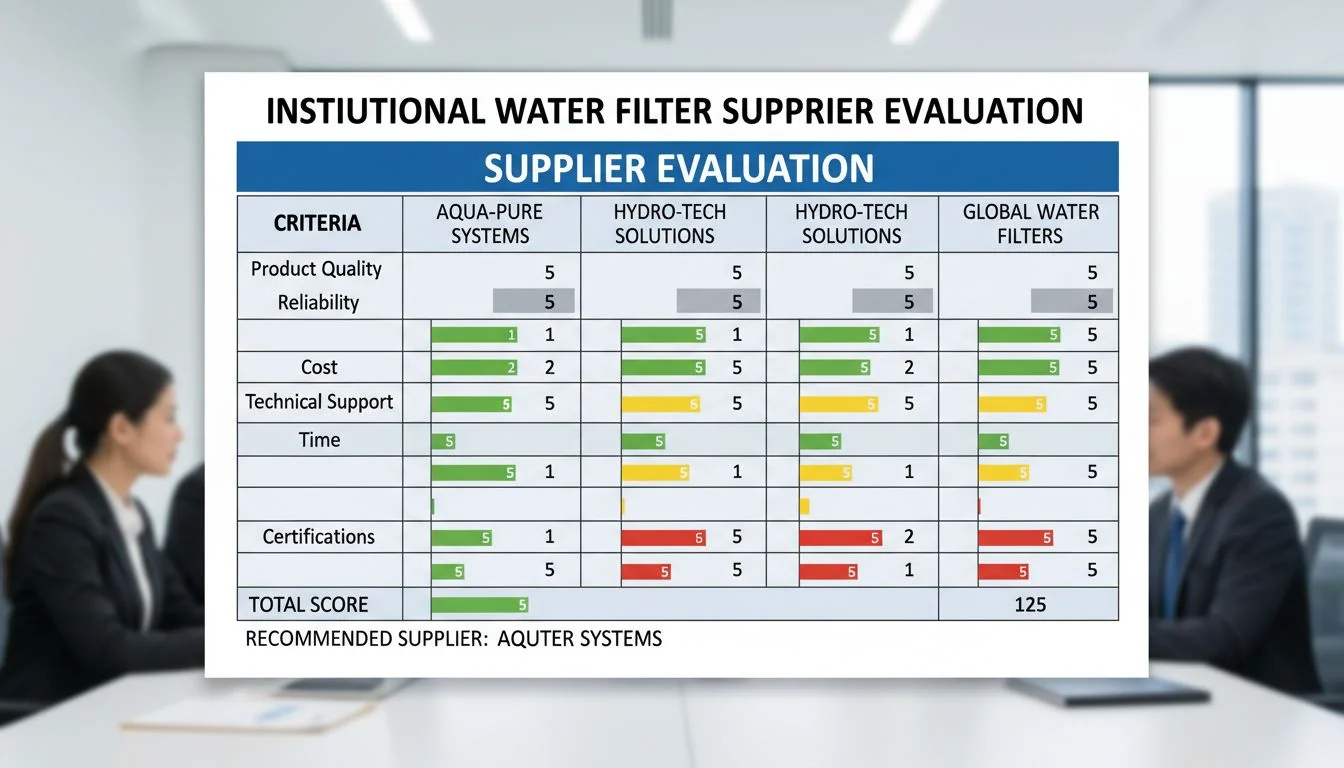
I learned this the hard way during my early days in the mold factory. We made cheap plastic parts for a school water system. They broke in weeks. That disaster taught me that public facilities need a totally different approach. You cannot just buy standard household filters and hope they work. You must dig deep into your supplier's background. Let us look at exactly what you need to ask them.
Standard household water filters are always suitable for high-traffic public schools.False
Public schools have high usage rates that quickly break standard household filters. They require heavy-duty, institutional-grade systems.
OEM suppliers for public projects must provide long-term spare parts support.True
Public facilities need maintenance over many years, making reliable spare parts supply a critical requirement for any OEM partner.
Why Institutional Channels Need a Different Supplier Profile?
Standard suppliers cause delays. Your project stalls because they lack scale. You need a partner who understands heavy-duty public demands.
Institutional channels require suppliers with strong backgrounds, stable quality, and clear service plans. Public facilities serve thousands of people daily. A normal household supplier cannot handle this volume. You must find an OEM partner built for large-scale, project-ready manufacturing.
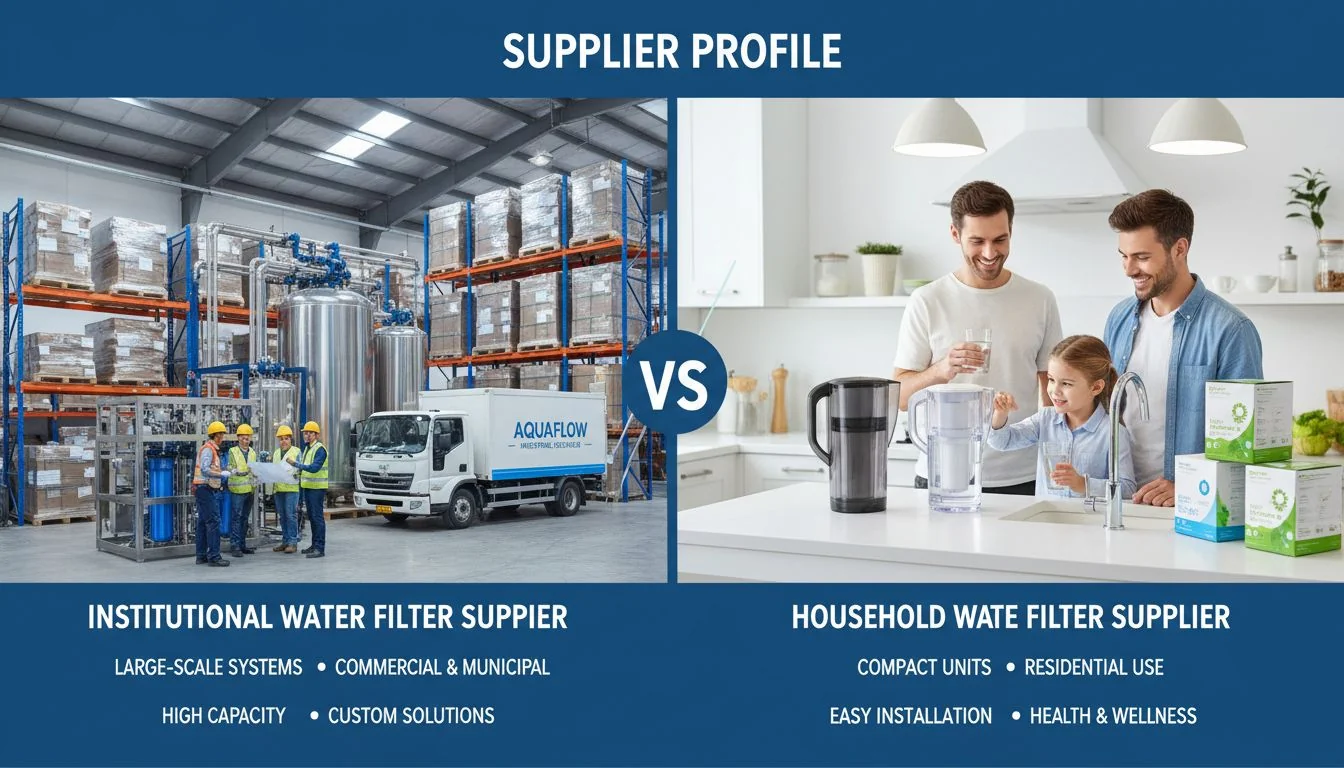
The Gap Between Household and Public Use
I often see designers like you struggle with this. You design a great plastic housing for a filter. It works fine in a kitchen. But it fails in a public housing project. Why does this happen? The usage volume is huge. The water pressure changes constantly. People treat public property poorly.
You need an OEM supplier who understands these harsh conditions. They must have strong mold design skills to make thicker, stronger parts. They must control mold shrinkage perfectly to prevent leaks under high pressure.
Supplier Comparison
Here is how you can see the difference between suppliers:
| Feature | Household Supplier | Institutional Supplier |
|---|---|---|
| Focus | Low unit price | Project readiness |
| Mold Quality | Standard | Heavy-duty, high precision |
| Production Scale | Small batches | Large, stable volume |
| Service | Basic warranty | Long-term service planning |
You must look past the unit price. You must focus on their ability to deliver stable quality over a long time.
Institutional suppliers focus only on offering the lowest unit price.False
Institutional suppliers must focus on project readiness, stable quality, and long-term service, not just the lowest price.
Public water systems face higher usage volumes than household systems.True
Public facilities serve many people daily, leading to much higher wear and tear on water filtration systems.
Certification and Compliance Documentation to Request?
Missing papers stop projects fast. You lose money waiting for approvals. You must ask for the right compliance documents early.
Buyers must request strict certification documents from OEM suppliers. You need proof of material safety3, water quality testing, and local building code compliance. Schools and public housing require these papers by law. Without them, your project cannot legally open.
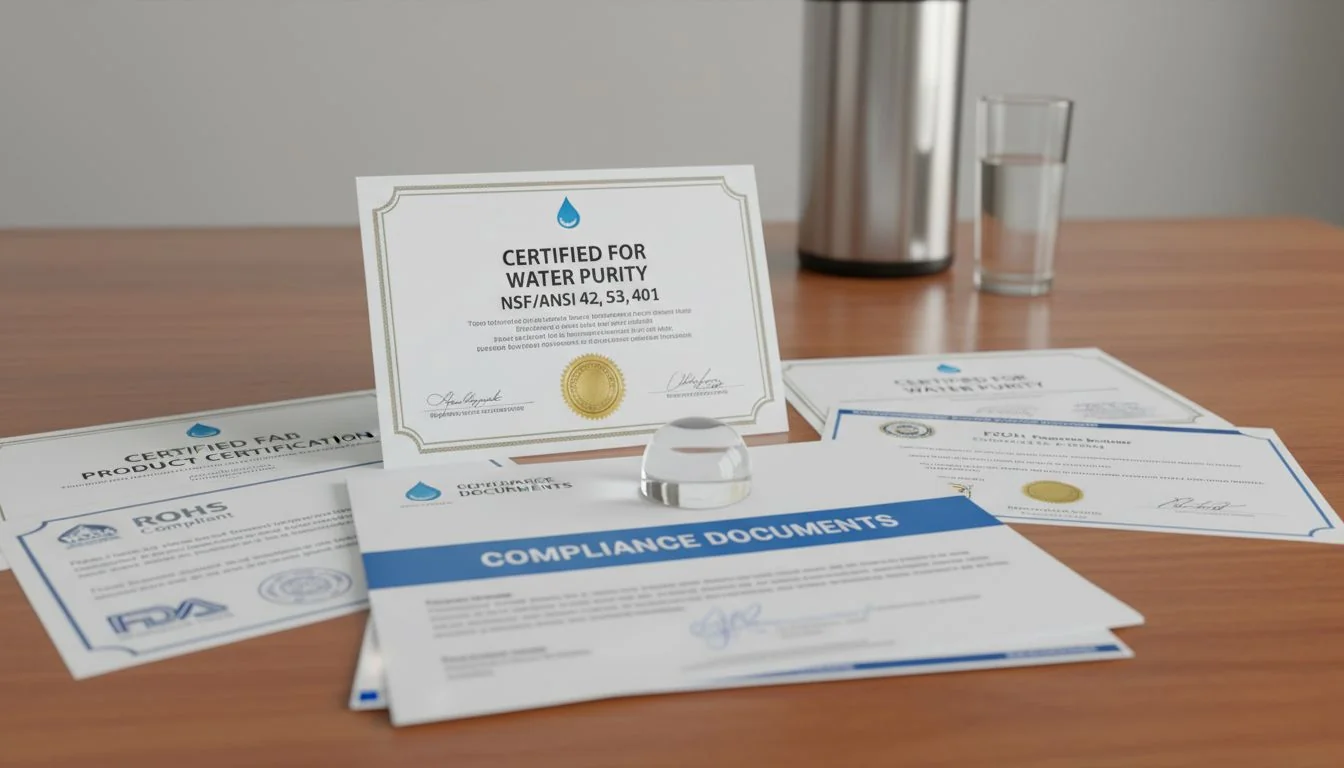
Why Documents Matter More Than Ever
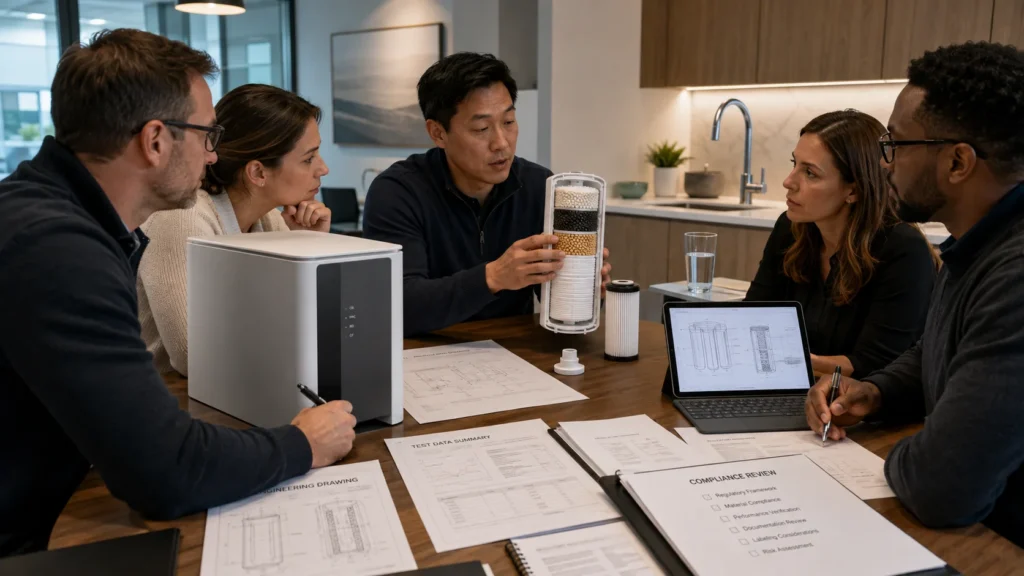
In my CNC trading company, I saw many good products fail at the final step. The product was perfect. The mold design was flawless. But the factory did not have the right safety papers. The city inspector rejected the whole project.
The rules are very strict for schools and public housing. The plastic parts touching the water must be safe. They cannot release bad chemicals. You must ask your supplier for exact test reports.
Key Documents to Ask For
You should track these documents carefully:
| Document Type | Why You Need It | What It Proves |
|---|---|---|
| Material Safety | Health rules | No toxic chemicals in plastics |
| performance test4 | Quality rules | Filter actually cleans the water |
| Factory Audit | Supply rules | Supplier runs a safe, legal shop |
Always ask for these before you sign a contract. This step saves you from huge legal headaches later.
Public housing projects can legally open without water safety certifications.False
Local laws require strict safety and compliance documents before public water systems can be used.
Material safety documents prove that plastic parts do not release toxic chemicals into the water.True
These certifications test and verify that the materials used are safe for drinking water contact.
Product Range Fit for Institutional Applications?
Weak filters break under pressure. Your maintenance team works overtime. You need a product range built for heavy public use.
Institutional applications need heavy-duty product ranges5. You should look for high-capacity filters, strong plastic housings, and vandal-proof designs. The supplier must offer products that handle high water pressure and constant daily use without breaking down.
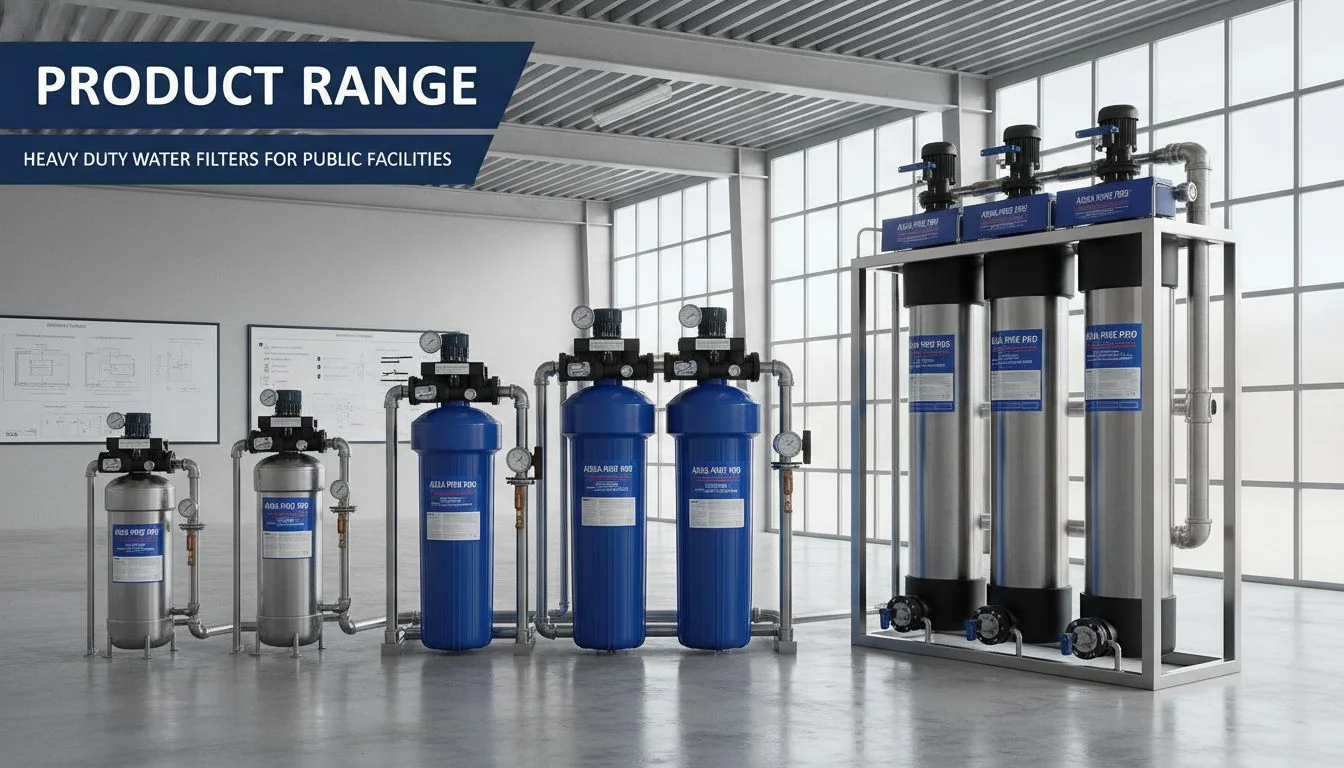
Designing for the Real World
You focus on looks and basic function when you design plastic components for consumer electronics. Public water filters are different. They must survive abuse. I remember a school project where kids kicked the water filters. The standard plastic housings cracked immediately.
You need an OEM partner who offers a tough product range. They must use high-grade plastics. Their mold designs must include thick walls and strong ribs.
Institutional Product Features
Look for these specific features in their product catalog:
| Feature | Benefit for Public Use |
|---|---|
| High Flow Rate | Serves many people quickly |
| Thick Wall Housing | Stops cracks from impacts |
| Secure Locks | Prevents tampering by users |
| Large Filter Capacity | Reduces how often you change filters |
Do not accept a modified home filter. You must demand a true institutional product range from your supplier.
A standard home water filter can easily be used in a busy public school.False
Home filters lack the capacity and durability needed to survive the high traffic and rough use in schools.
Thick wall housings in water filters help prevent cracks from physical impacts.True
Thicker plastic walls provide greater structural strength, making the filter more resistant to damage.
Customization for Project-Specific Requirements?
Standard sizes never fit old buildings. You waste time forcing bad fits. You need a supplier who can customize parts.
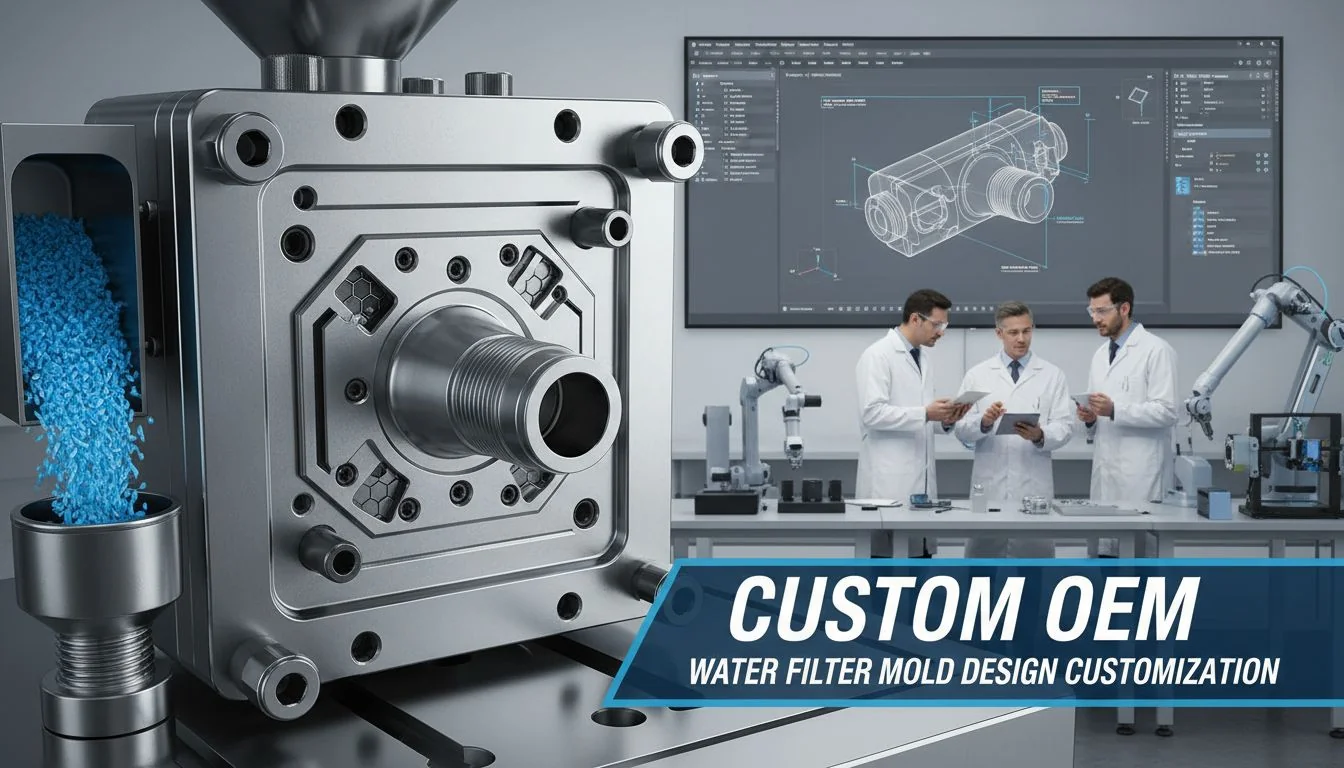
Buyers must ask about OEM customization capabilities. Public projects often have unique space limits or specific water problems. Your supplier must be able to adjust mold designs, change filter media, and alter housing shapes to fit your exact project needs.
The Need for Custom Molds
Every public building is different. An old hospital has different pipes than a new school. You cannot always use off-the-shelf parts. This is where your skills as a mold designer become vital. You need an OEM factory that can work with your CAD files.
I have helped clients modify existing molds to save money. A good supplier will help you calculate mold shrinkage for new materials. They will adjust the design for large-scale production quickly.
Customization Checklist
Ask your supplier if they can do these things:
| Customization Type | Why It Is Important |
|---|---|
| Size Changes | Fits into tight utility rooms |
| Material Changes | Handles specific local water chemicals |
| Connection Types | Matches old plumbing systems |
| Branding | Adds city or school logos to the plastic |
A flexible supplier makes your job much easier. They turn your specific designs into real, working products.
Public buildings always have the exact same plumbing and space requirements.False
Public buildings vary greatly in age and design, requiring custom sizes and connections for water systems.
A good OEM supplier can adjust mold designs to fit specific project needs.True
OEMs with strong manufacturing skills can modify molds to create custom housings and parts for unique projects.
After-Sales, Spare Parts, and Replacement Filter Supply?
Broken filters sit useless for months. You cannot find replacement parts. You must secure a long-term spare parts agreement.
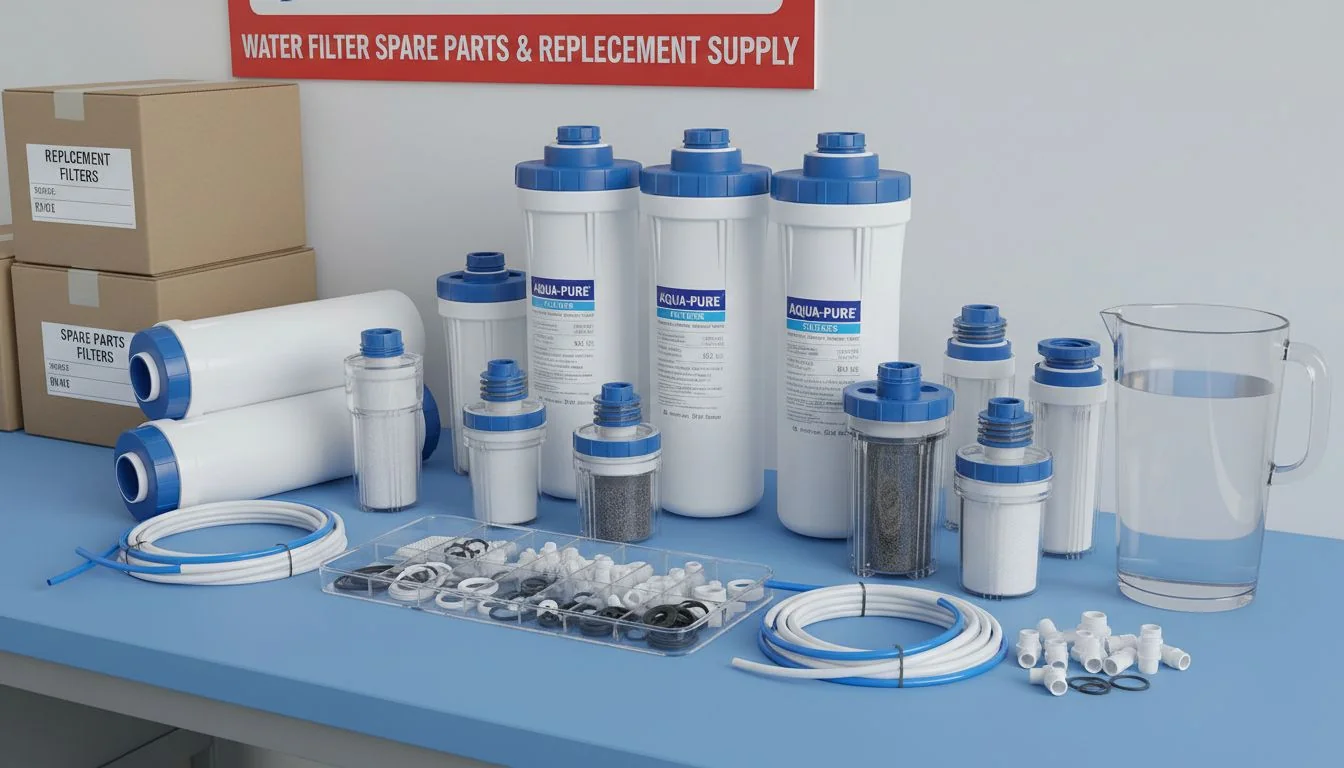
Institutional buyers must demand a clear after-sales plan. You need guaranteed access to spare parts and replacement filters for many years. Public facilities cannot afford long downtimes. Your OEM supplier must prove they will keep making your specific parts long after the first delivery.
Planning for the Long Term
Public projects live for decades. The initial installation is just the start. I once saw a housing project fail because the supplier stopped making the custom O-rings. The whole system leaked. They had to replace everything.
You must treat spare parts as a core part of the contract. The supplier must keep the molds safe and ready for future runs. They must promise to supply replacement filters on a strict schedule.
After-Sales Requirements
Make sure your contract includes these points:
| Requirement | Details to Agree On |
|---|---|
| Mold Ownership | Who owns the custom molds? |
| Part Availability | Guarantee parts for at least 5-10 years |
| Delivery Speed | How fast can they ship emergency parts? |
| Filter Supply | Fixed prices for future replacement filters |
Do not ignore the future. A cheap unit price means nothing if you cannot buy replacement parts next year.
Public water systems only need maintenance during the first year of use.False
Public systems require ongoing maintenance and replacement parts for many years to function properly.
Securing a long-term spare parts agreement prevents costly system replacements later.True
Having guaranteed access to specific spare parts ensures the system can be repaired rather than entirely replaced.
A Supplier Evaluation Question List?
Bad suppliers hide their flaws well. You pick the wrong one and fail. You need a strict list of questions to expose them.
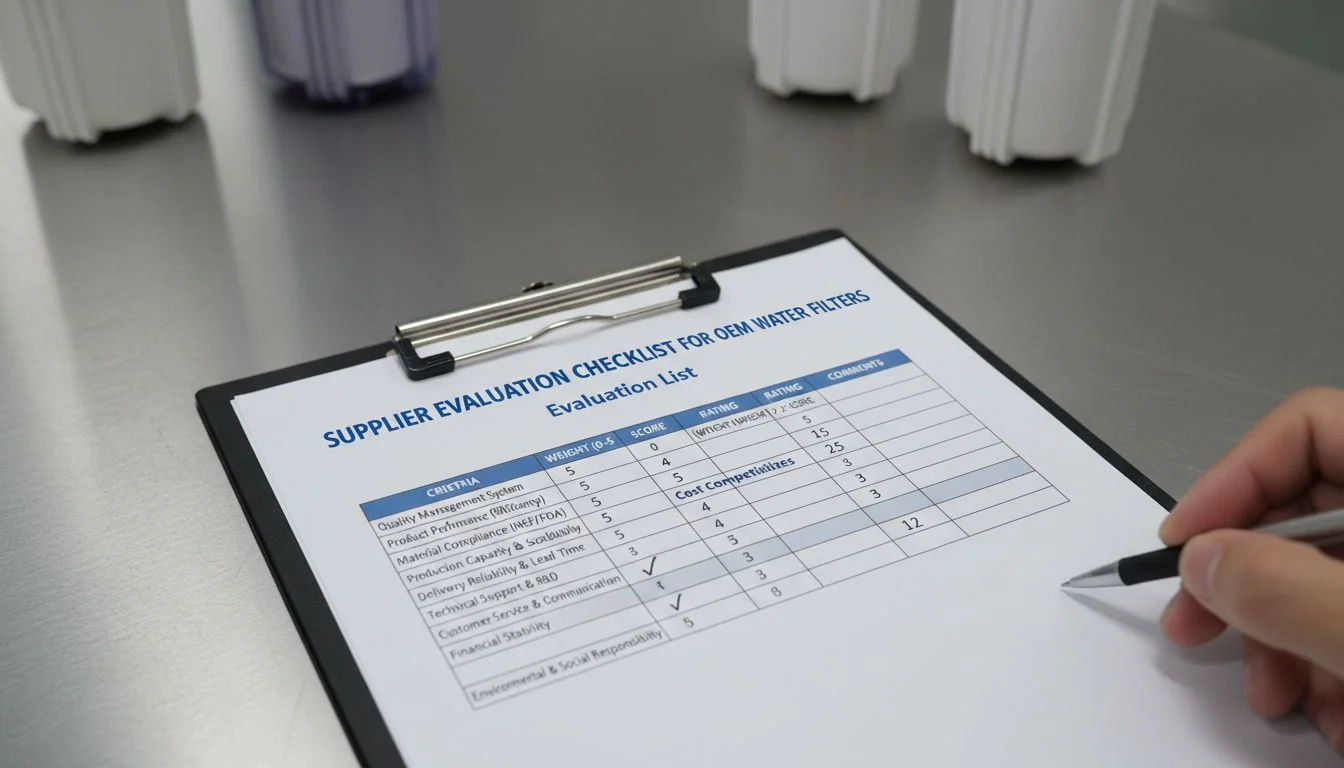
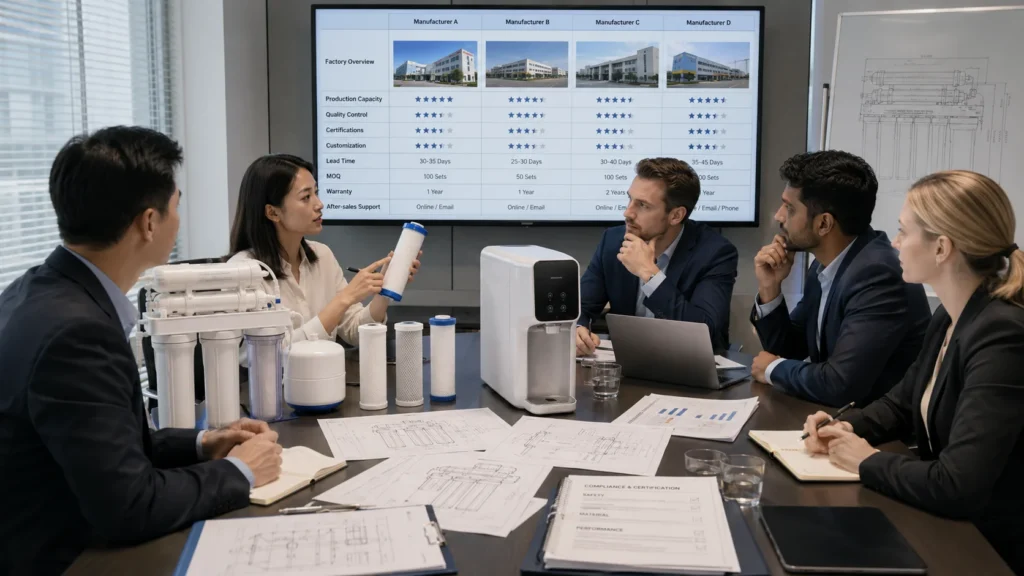
You must ask direct questions to evaluate OEM suppliers. Ask about their experience with public projects, their quality control steps, and their mold maintenance plans. This question list helps you find a true partner who offers real project readiness, not just a low price.
How to Interview a Factory
You are an expert in product design. You know how things should be made. Use that knowledge when you talk to suppliers. Do not just talk to the sales team. Ask to speak with their engineers.
I always ask about their CNC machines and mold steel choices. If they use cheap steel for a high-volume public project, the mold will wear out fast. The plastic parts will have flash and leak.
The Ultimate Question List
Use this table when you interview a new OEM supplier:
| Category | Question to Ask |
|---|---|
| Experience | How many public facility projects have you completed? |
| Quality | Can I see your material safety test reports? |
| Manufacturing | How do you calculate and control mold shrinkage? |
| Support | What is your written guarantee for spare parts supply? |
These questions cut through the sales talk. They show you if the supplier is truly ready for your project.
You should only talk to the sales team when evaluating a new OEM supplier.False
Speaking with engineers provides deeper insights into the supplier's actual manufacturing and technical capabilities.
Using cheap mold steel for high-volume production can cause plastic parts to have defects.True
Cheap steel wears out quickly under high volume, leading to poor tolerances, flash, and defective parts.
Conclusion
Public water projects demand strong OEM partners. You must demand strict compliance, heavy-duty designs, custom mold skills, and long-term parts support to ensure your project succeeds.
References
-
Understanding the key qualities of an OEM supplier can help ensure project success and avoid costly failures. ↩
-
Knowing the required compliance documents is crucial for legal project approval and safety. ↩
-
Material safety is critical to ensure that water filtration systems do not introduce harmful substances. ↩
-
Understanding performance tests can help verify the effectiveness of water filtration systems. ↩
-
Exploring heavy-duty product ranges can reveal how they enhance durability and performance in public facilities. ↩


 English
  Français
  Español
  Italiano
  Deutsch
  Português
  Русский
  العربية
  日本語
日本語  한국어
한국어  Tiếng Việt

