
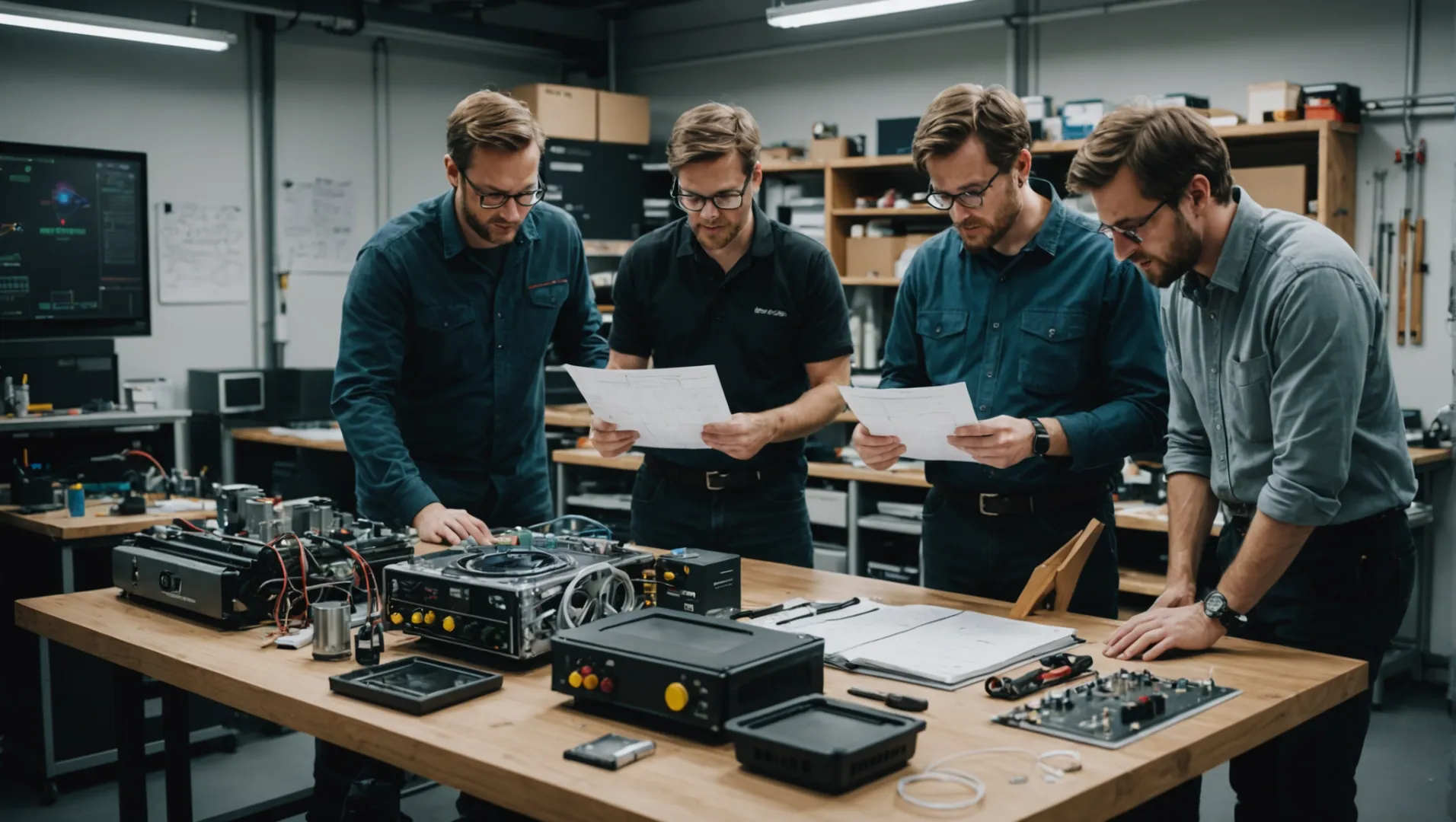
In the competitive world of air purifier development, creating a successful product involves more than just a great idea.
Prototypes are crucial in air purifier development as they help in testing performance metrics such as CADR, airflow, size, and noise levels. They also provide valuable market feedback, assist in cost management, and help evaluate supplier capabilities.
While prototypes offer immediate insights into performance and design, their influence extends beyond the technical realm. Understanding the broader implications of prototype testing can significantly enhance product innovation and market readiness. Let's delve deeper into how prototypes shape every facet of air purifier development.
Prototypes help reduce air purifier development costs.True
Prototypes identify cost-saving opportunities by refining designs early, reducing production expenses.
What Are the Key Performance Metrics Evaluated in Air Purifier Prototyping?
Prototype testing is crucial in ensuring air purifiers meet high performance standards.
Key performance metrics in air purifier prototyping include CADR, airflow, size, and noise levels. Evaluating these ensures the device's efficiency, effectiveness, and market readiness.
Clean Air Delivery Rate (CADR)
CADR is an essential metric that indicates the volume of clean air an air purifier can deliver per minute. It measures the device's ability to filter out smoke, pollen, and dust, providing a comprehensive assessment of its performance. A higher CADR means better air purification efficiency, making it a critical factor in prototyping.
Airflow
Airflow refers to the amount of air the purifier can circulate in a room within a specific time frame. It's vital to ensure that the airflow matches the room size for optimal performance. In prototyping, adjusting the airflow parameters helps balance purification speed and energy efficiency, contributing to overall device effectiveness.
Size and Portability
The physical dimensions of an air purifier affect its usability and market appeal. During prototyping, evaluating whether the size aligns with consumer expectations is important. A compact design may suit personal spaces, while larger units might be ideal for industrial use. Balancing size with performance is key to meeting diverse consumer needs.
Noise Levels
Noise level assessment is critical in ensuring user comfort, especially for home and office environments. Prototyping allows developers to test different fan speeds and design modifications to minimize noise without sacrificing performance. Lower noise levels can enhance user satisfaction and broaden market appeal.
Cost Efficiency through Prototyping
Prototypes not only test technical metrics but also help refine cost strategies. By understanding the Bill of Materials1, manufacturers can optimize production costs without compromising quality. This stage ensures that both performance metrics and cost-effectiveness are integrated into the final product design.
Higher CADR indicates better air purification efficiency.True
CADR measures clean air volume delivered per minute, higher is better.
Noise levels are not considered in air purifier prototyping.False
Noise levels are crucial for user comfort, tested during prototyping.
How Can Prototypes Influence Cost Management in Air Purifier Development?
Prototypes play a pivotal role in managing costs during air purifier development.
By facilitating early testing of design and function, prototypes help identify potential cost-saving opportunities, optimize resource allocation, and reduce the financial risks associated with mass production.
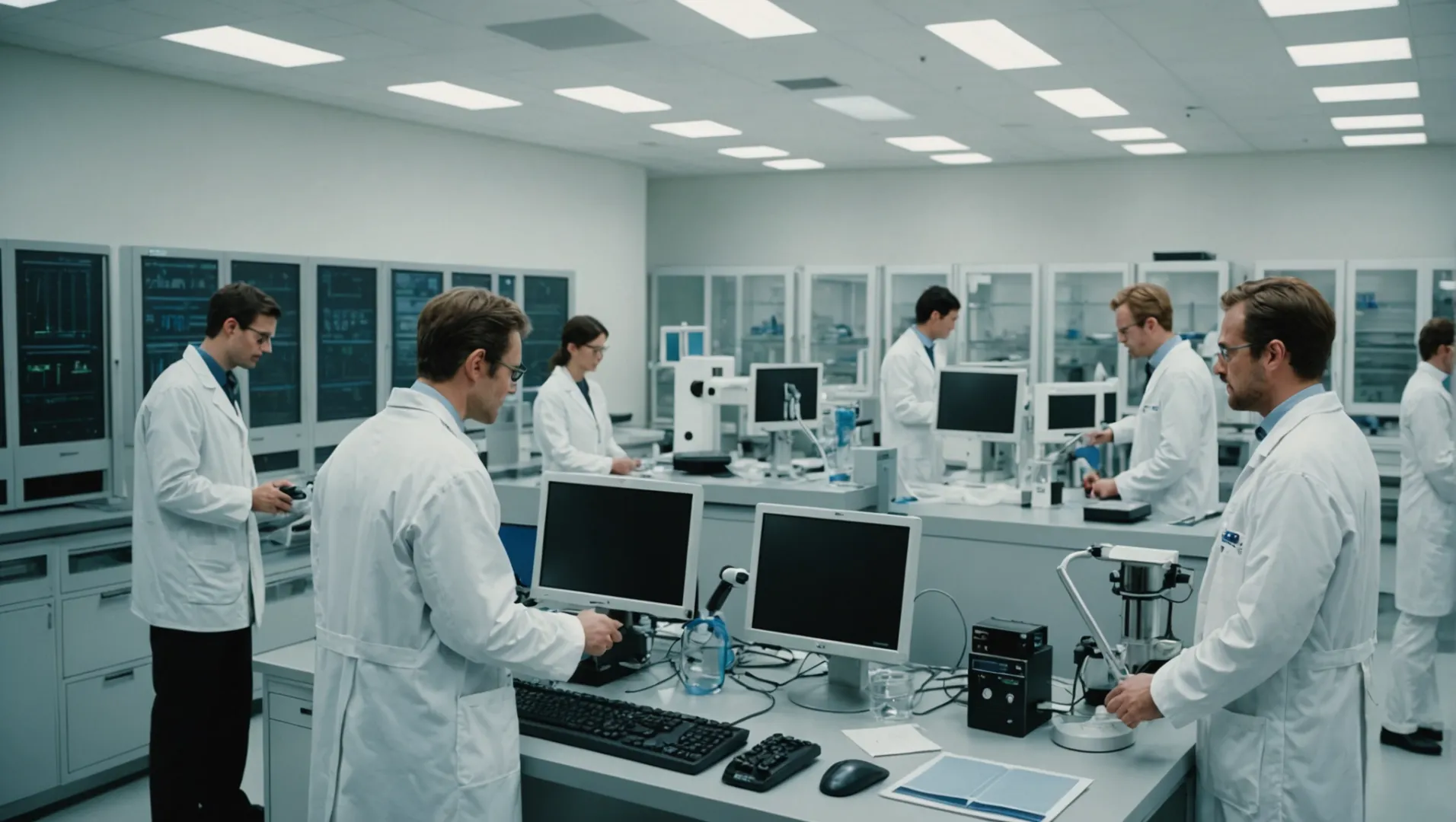
Prototypes as a Tool for Cost Analysis
Developing an air purifier is an expensive endeavor, where each decision can significantly impact the overall budget. By using prototypes, developers can test and refine key performance metrics2 like CADR (Clean Air Delivery Rate), airflow, and noise levels before committing to costly production tools. Early testing helps in pinpointing areas where costs can be reduced without compromising on quality.
For example, if a prototype reveals that a particular design element leads to excessive noise, engineers can experiment with alternative materials or structural modifications to achieve the desired performance at a lower cost. Such insights are invaluable for creating a more cost-effective final product.
Market Feedback and Cost Management
Functional prototypes also play a crucial role in the initial marketing phase by attracting seed customers. Early market feedback helps developers make informed decisions about which features to prioritize or eliminate, thereby streamlining the product design and development process. This feedback loop can lower the subsequent rounds of tooling investment, which are notoriously expensive in air purifier manufacturing.
Consider a scenario where customer feedback suggests that a certain feature is less critical. Developers can then decide to allocate resources elsewhere, optimizing the cost management strategy.
| Prototype Benefits | Cost Implications |
|---|---|
| Early performance testing | Reduce unforeseen expenses in production |
| Market feedback | Optimize feature prioritization |
| Supplier evaluation | Ensure long-term cost efficiency |
Supplier Evaluation through Prototyping
Prototyping serves as a benchmark for evaluating supplier reliability and development capability. If a supplier struggles to deliver a prototype that meets design specifications, it may indicate potential issues with future production runs. Choosing the right supplier is crucial since switching suppliers post-tooling can incur significant opportunity costs.
By assessing a supplier's ability to produce a functional prototype, developers can gauge their long-term viability as partners. This evaluation helps mitigate risks and ensures that the chosen supplier can manage costs effectively while maintaining quality.
Accelerating Development Timelines
A lesser-known benefit of prototyping is its ability to expedite the overall development timeline, which inherently influences cost management. Suppliers often use functional prototypes for testing processes like CNC machining or UL/ETL certification, potentially saving several weeks in product launch timelines.
By shortening these timelines, companies can bring products to market faster, minimizing holding costs and maximizing revenue potential from early sales. For example, reducing development time by 4-8 weeks can lead to substantial savings in overhead costs and provide a competitive edge in the marketplace.
Prototypes reduce air purifier production costs.True
Prototypes identify cost-saving opportunities, minimizing financial risks.
Skipping prototypes speeds up air purifier development.False
Prototyping accelerates timelines by refining designs early.
Why Is Supplier Evaluation Critical During Prototype Testing?
Evaluating suppliers during prototype testing can make or break your product's success.
Supplier evaluation during prototype testing ensures reliability, capability, and cost management, safeguarding project success.
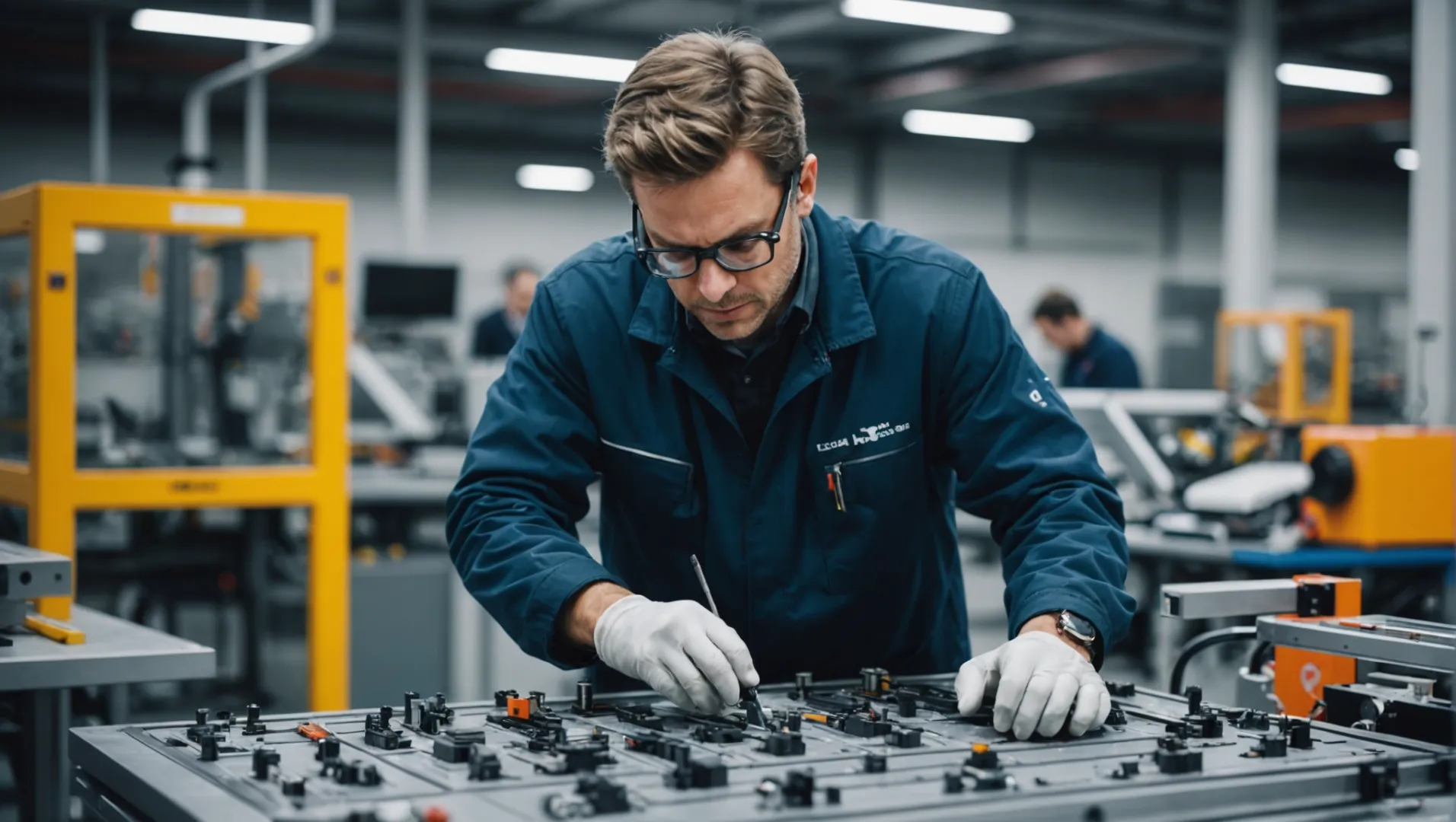
Evaluating Supplier Reliability and Capability
When developing a prototype, the reliability and capability of a supplier are put to the test. A supplier's ability3 to handle complex and intricate designs is critical. If a supplier struggles with a challenging prototype, it indicates potential issues with their ability to support full-scale production. Switching suppliers after tooling can lead to significant opportunity costs and project delays.
Importance of Cost Analysis
Cost management is an essential aspect of any new project. During prototype testing, suppliers provide a Bill of Materials (BOM) which is crucial for determining the unit price. This early cost analysis allows companies to manage supplier costs effectively, ensuring the product meets retail pricing goals and remains competitive in the market.
| Aspect | Considerations |
|---|---|
| BOM Accuracy | Ensure the supplier provides detailed BOMs |
| Retail Price Target | Align BOM costs with retail pricing strategies |
Accelerating Development Timelines
A competent supplier can expedite the development process by conducting functional tests and providing CNC prototypes for certifications like UL or ETL. This can potentially reduce the timeline by 4-8 weeks, giving a competitive edge in fast-paced markets. Thus, selecting a supplier who can support these processes efficiently is crucial for quick market entry.
Long-term Partnership Potential
Prototype testing is not only about immediate project needs but also about evaluating whether a supplier can be a long-term partner. Consistent performance, flexibility in handling unforeseen challenges, and transparent communication during prototype phases reflect a supplier's potential for long-term collaboration.
In summary, supplier evaluation during prototype testing is pivotal in ensuring that the product development process is smooth, cost-effective, and timely, setting the stage for future partnerships and market success.
Switching suppliers post-tooling increases opportunity costs.True
Changing suppliers after tooling can delay projects and incur extra costs.
BOM accuracy is irrelevant to retail pricing strategies.False
Accurate BOMs are essential for aligning costs with retail pricing.
How Does Prototype Testing Accelerate Air Purifier Market Launch?
Prototype testing is pivotal in shortening the time to market for air purifiers by optimizing design and function early.
Prototype testing speeds up air purifier market launch by refining design, validating performance, and gathering early market feedback, which reduces time-consuming revisions.
Refining Design and Functionality
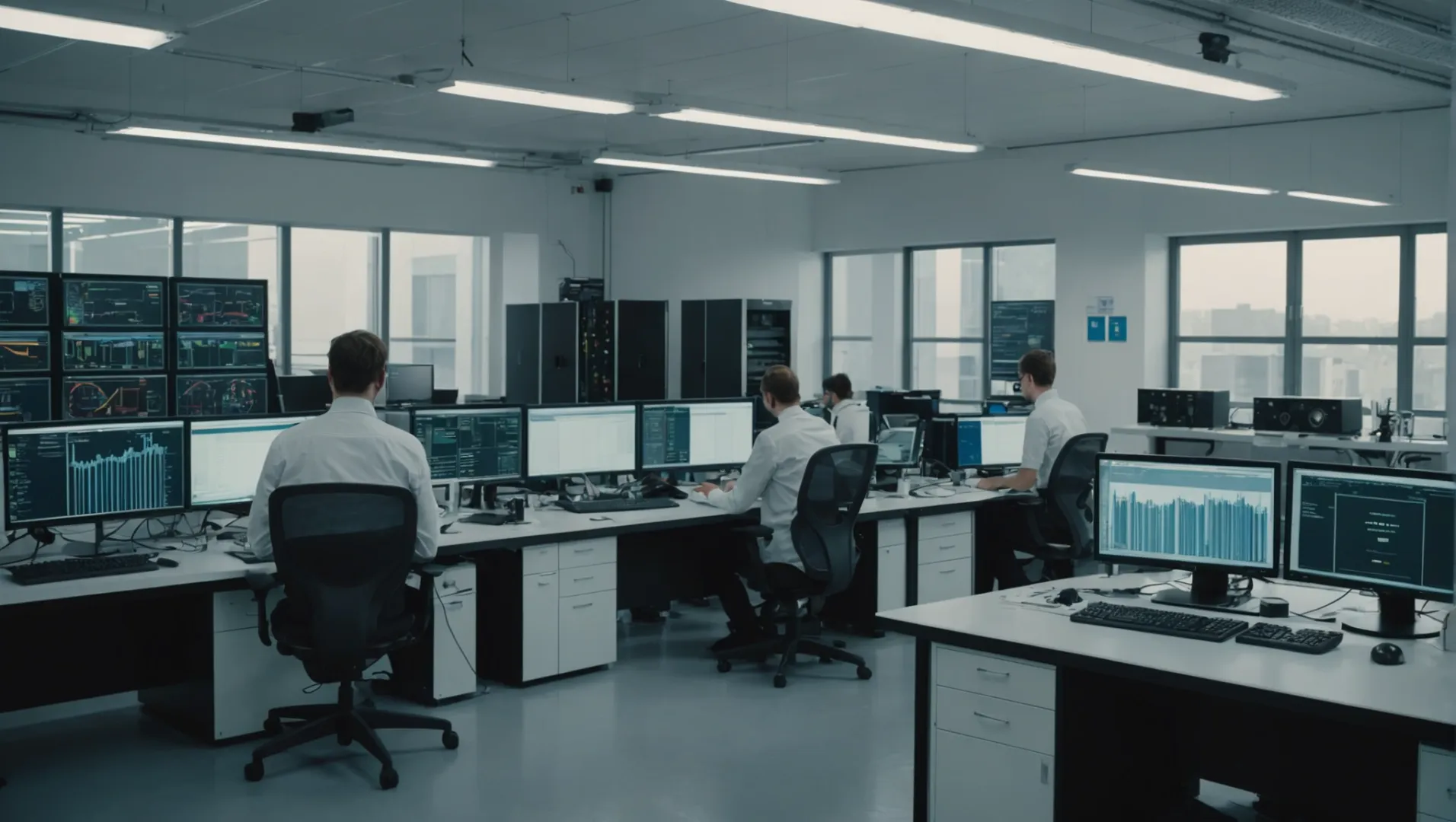
One of the primary ways prototype testing accelerates market launch is by enabling teams to identify and resolve design flaws before full-scale production. By examining crucial performance metrics4 such as Clean Air Delivery Rate (CADR), airflow, and noise levels, developers can make necessary adjustments early in the process. This proactive approach prevents costly redesigns later on.
Gaining Early Market Feedback
Functional prototypes serve as a valuable tool for gathering initial market feedback. Companies can introduce these prototypes to seed customers to assess their reactions. This strategy not only helps in understanding consumer needs but also provides insights that are essential for refining marketing strategies.
Streamlining Cost Management
Creating a prototype allows manufacturers to develop a Bill of Materials (BOM) that is critical for cost analysis. This step helps in setting a realistic retail price that aligns with competitor pricing while ensuring profitability. Additionally, by utilizing a functional prototype5, companies can make informed decisions about tooling investments, which are typically high for air purifiers.
Evaluating Supplier Reliability
Prototype testing can be instrumental in assessing the capabilities of potential suppliers. If a supplier struggles to deliver a high-quality prototype, it may indicate potential issues in mass production, prompting companies to reconsider their supplier choices. This evaluation process mitigates risks associated with supplier reliability.
Accelerating Certification Processes
Prototypes can be used for preliminary certification testing, such as UL or ETL testing, which helps in identifying compliance issues early. This practice can save weeks in the overall development timeline, ensuring a quicker market launch.
By leveraging these strategies, prototype testing effectively shortens the path from concept to product launch, enhancing the competitiveness of air purifiers in the market.
Prototype testing reduces redesign costs for air purifiers.True
Early identification of design flaws prevents costly revisions later.
Air purifier prototypes can't be used for certification tests.False
Prototypes are used for preliminary certification testing to save time.
Conclusion
Prototypes are indispensable in ensuring air purifier success by refining design and functionality, aiding market entry, and optimizing costs. Embrace prototyping to elevate your product development strategy and secure a competitive edge.
-
Understand how BOM impacts cost efficiency in product design.: A bill of materials is an extensive list of raw materials, components, and instructions required to construct, manufacture, or repair a product or service. ↩
-
Learn about crucial metrics that guide air purifier design decisions.: Our prototype makes it possible to display the air quality as well as the relevant key performance indicators (KPIs) in a processed form. With the right KPIs ... ↩
-
Learn how to assess your supplier's capabilities effectively.: Pay close attention to quality, capacity, risks, costs, and pricing, AKA the five key factors to consider in a supplier evaluation for a new or existing vendor. ↩
-
Discover which metrics are crucial for prototype evaluation.: The effectiveness of an air purifier depends on three key performance indicators: filter efficiency, air flow rate and air flow pattern. ↩
-
Learn why functional prototypes are vital for cost-effective production.: Functional prototypes can help identify and mitigate risks early in the development process, reducing the likelihood of costly mistakes or ... ↩


 English
 Français
 Español
 Italiano
 Deutsch
 Português
 Русский
 العربية
 日本語
 한국어
 Tiếng Việt


