
Sẽ mở trong thẻ mới
Innovative Air Quality Solutions

Stainless Steel vs. Plastic Humidifiers: 5 Reasons Stainless Wins Every Time

As a product development partner in the Indoor Air Quality (IAQ) industry, we’ve observed a consistent challenge across humidifier programs: customers expect stable humidity performance, durable materials, and low-maintenance ownership — without increasing return rates or post-sale support workload. One of the most underestimated decisions influencing these outcomes is tank material selection.

For years, plastic tanks have dominated due to tooling speed and cost efficiency. However, premium and long-lifecycle product strategies are increasingly shifting toward food-grade stainless steel architectures. This movement is driven by durability expectations, cleanability-by-design requirements, and stronger premium positioning in North American and EU retail channels. Material choice now represents a strategic platform decision impacting TCO (Total Cost of Ownership), warranty exposure, and long-term brand perception.

This guide compares plastic and stainless steel humidifier tank approaches from a commercial engineering perspective. While plastic can offer advantages in BOM cost and manufacturing agility, stainless steel often delivers stronger performance across five evaluation dimensions: cleanability, material stability, lifecycle economics, environmental positioning, and user experience consistency. For product teams developing new SKUs or refining roadmap platforms, these criteria provide a practical decision framework.

For OEM/ODM buyers evaluating tank material strategy, HisoAir can provide engineering samples, cost modeling, and manufacturability consultation aligned with your target segment. Contact our team to request technical specifications or platform development support.

Reason 1: Hygiene-by-Design — Cleanability and Surface Performance

Can a humidifier tank be easier to maintain over time?

Humidifier tanks operate in warm, moisture-rich environments where mineral buildup and residue accumulation are unavoidable. From a product engineering perspective, the meaningful question is not whether buildup occurs, but how easily users can perform effective cleaning.

Maintenance friction strongly influences ownership satisfaction, review ratings, and product return triggers. Material selection and structural geometry therefore play a critical role in lifecycle performance.

Stainless Steel Advantage — Surface Durability and Cleaning Tolerance

Stainless steel provides a smooth, mechanically robust surface resistant to visible wear during routine cleaning. When combined with open-access tank geometry and reduced seam complexity, it enables efficient maintenance workflows and long-term cosmetic stability.

Depending on product configuration, stainless components may tolerate broader cleaning approaches including hot-water rinsing, mechanical scrubbing, or dishwasher cycles. This flexibility reduces ownership friction and supports consistent user maintenance behavior.

Plastic Considerations — Resin and Geometry Dependent

Plastic tank performance varies based on resin specification, wall thickness, and industrial design. Repeated cleaning cycles or mineral exposure may result in surface wear or visual aging over time. These outcomes can be mitigated through disciplined material selection and geometry optimization.

Well-engineered plastic tanks remain viable for cost-sensitive segments when lifecycle expectations are aligned with target positioning.

Strategic Takeaway for Product Teams

Stainless steel architectures typically support premium positioning through easier maintenance and appearance retention. Plastic remains effective for entry-level SKUs when engineering discipline ensures durability targets are met.
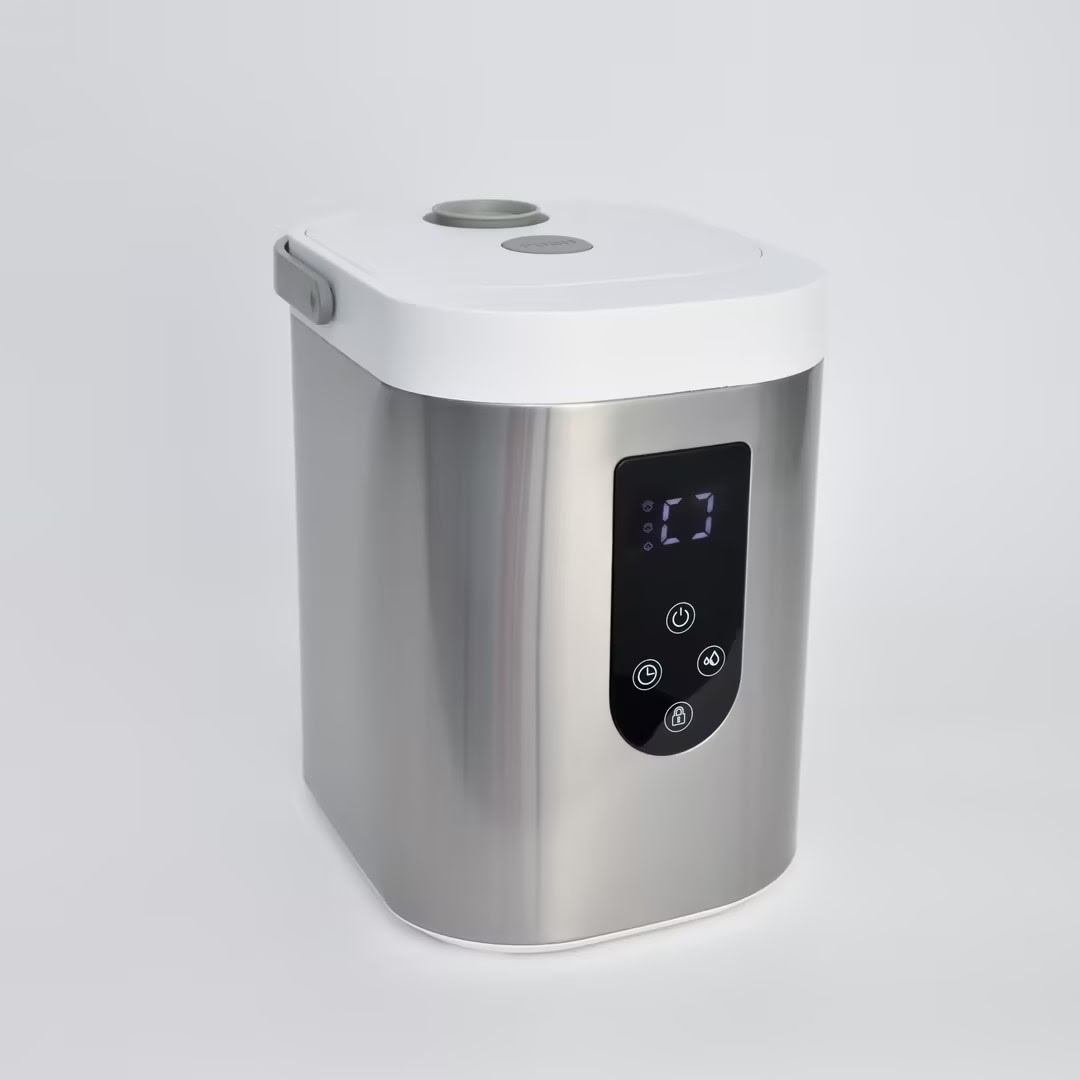
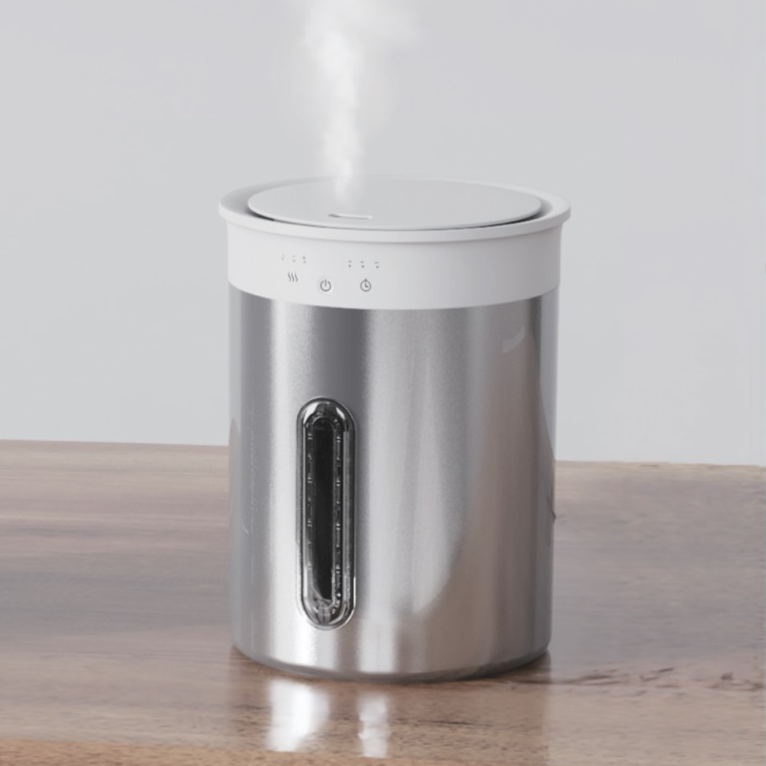
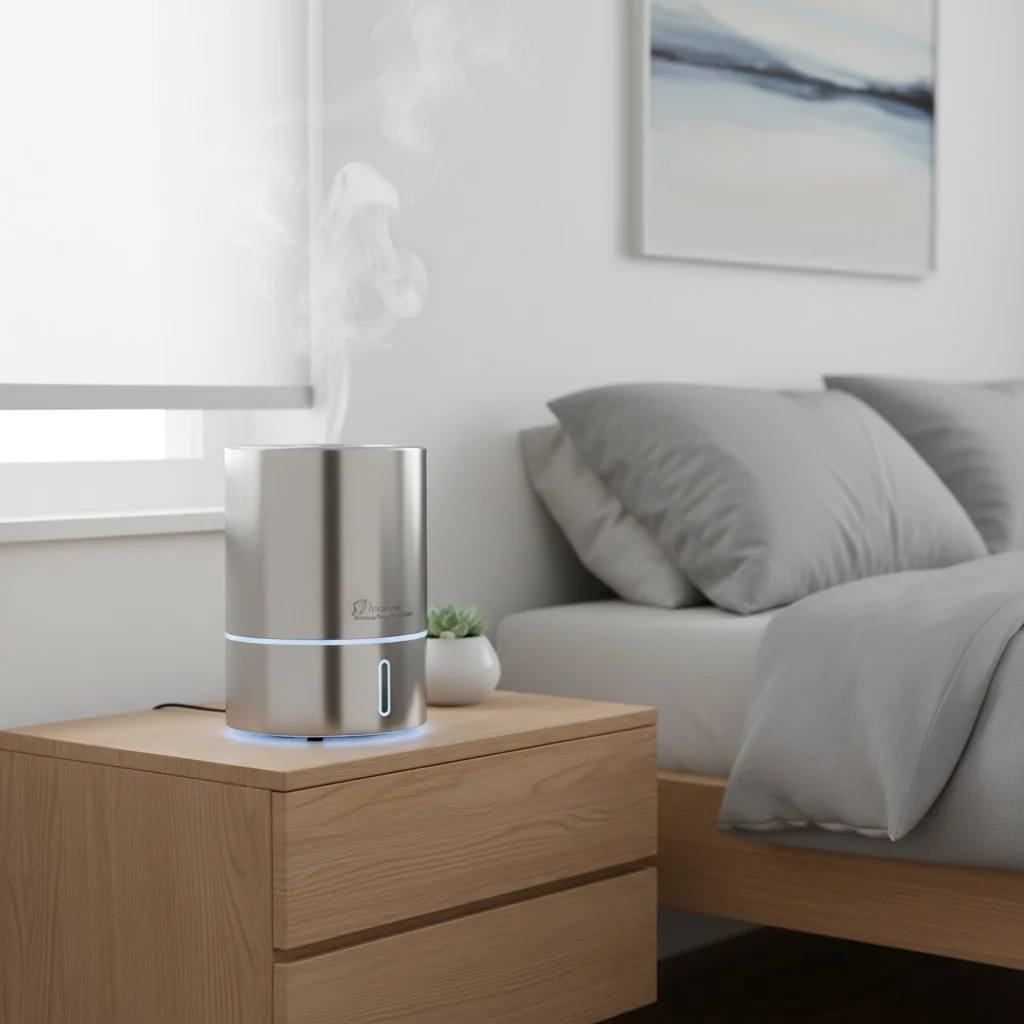
stainless steel humidifier

Reason 2: Material Stability — Lifecycle Performance in the Water Path

Why material behavior over time matters

Tank materials influence performance consistency through temperature tolerance, structural stability, and compatibility with maintenance practices. Lifecycle predictability is often more important than theoretical material comparison.

Plastic — Flexible but Specification Sensitive

Plastic enables lightweight construction and complex geometries. However, performance consistency depends heavily on resin selection and manufacturing quality control. Supplier documentation and validation testing are critical to ensure long-term reliability.

Stainless Steel — Structural Predictability

Food-grade stainless steel is widely adopted in water-contact applications due to dimensional stability and resistance to structural fatigue. These characteristics contribute to consistent performance perception across extended ownership periods.

Strategic Takeaway

Plastic offers cost and flexibility advantages, while stainless steel simplifies lifecycle predictability and premium positioning narratives.

Reason 3: Lifecycle Value — Evaluating Total Cost of Ownership

Looking beyond initial unit cost

Product success is often determined by downstream costs including returns, customer support demand, and replacement cycles. Tank material directly affects these variables.

Plastic Systems — Competitive Entry Pricing

Plastic architectures support aggressive pricing targets and fast tooling iteration. However, lifecycle perception factors such as cosmetic aging or maintenance complexity may influence channel feedback depending on segment expectations.

Stainless Steel — Durability-Oriented Economics

Stainless steel supports longer lifecycle positioning and reduced ownership friction. Durable materials and simplified cleaning workflows often translate into lower support burden and stable brand perception within higher-value channels.

Strategic Takeaway

When assessed through TCO rather than BOM cost alone, stainless steel frequently strengthens commercial outcomes in mass-premium and premium segments.
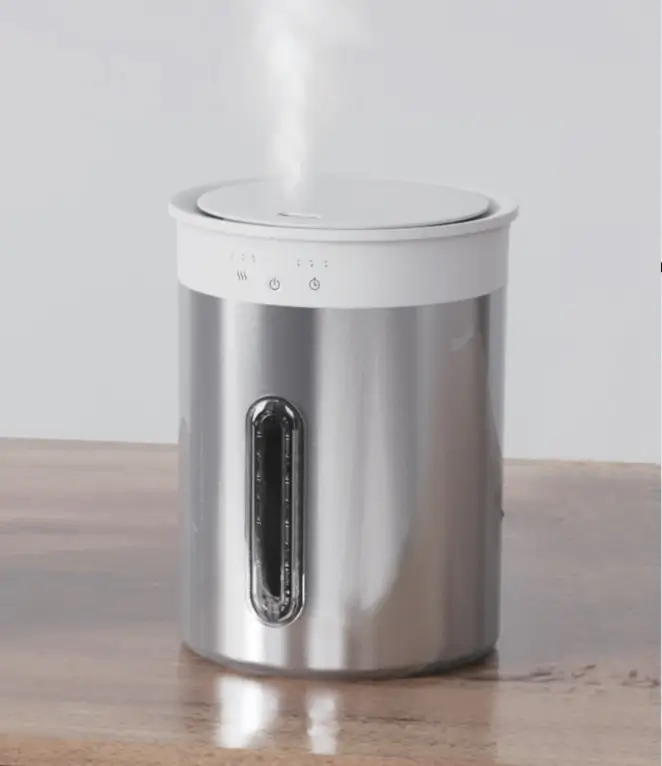
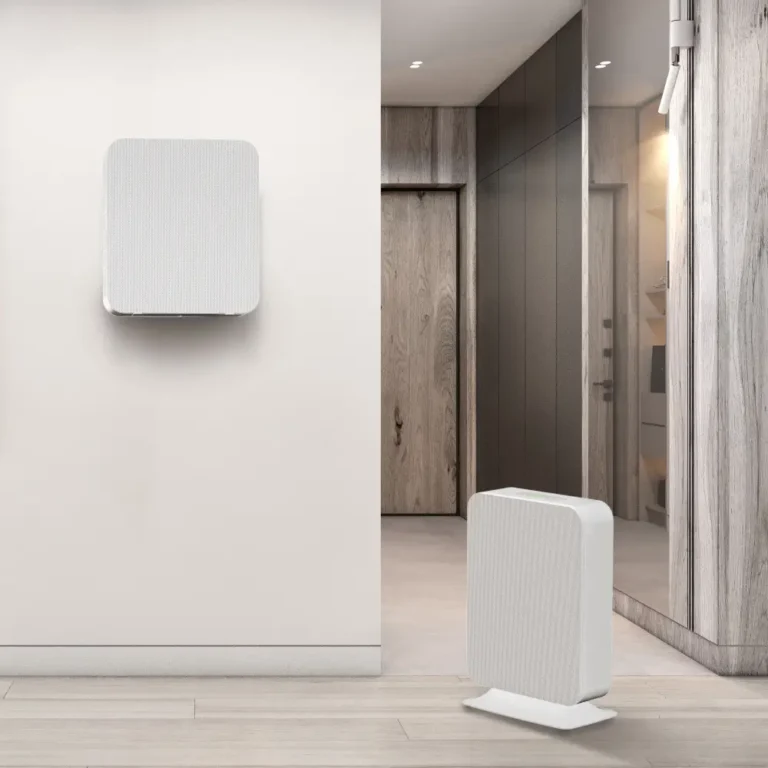
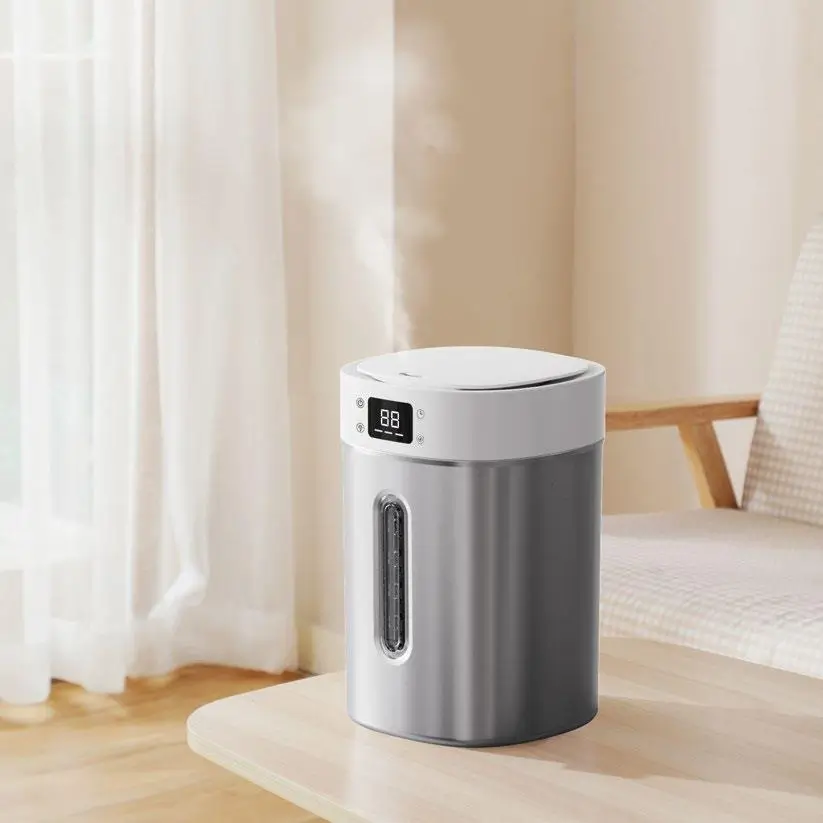
hm618
HisoAir - HM618

Reason 4: Environmental Positioning — Lifecycle Narrative and Material Strategy

Sustainability messaging as a market differentiator

Material selection shapes environmental storytelling and retailer acceptance across many markets.

Plastic — Efficiency with Responsibility Requirements

Plastic offers transportation efficiency and manufacturing flexibility. Sustainability positioning requires clear resin strategy, durability targets, and transparency in material sourcing.

Stainless Steel — Longevity-Based Narrative

Stainless steel aligns naturally with long-lifecycle messaging due to durability and recyclability characteristics. Extended product lifespan reduces replacement frequency, supporting environmentally conscious positioning.

Strategic Takeaway

Both materials can support responsible narratives, but stainless steel simplifies alignment with longevity-driven sustainability positioning.

Reason 5: User Experience — Maintenance Friction and Premium Perception

Ownership experience drives brand perception

Customer experience in humidifier categories is heavily influenced by maintenance effort and perceived product quality retention.

Plastic — Geometry-Sensitive Usability

Complex structural details may increase cleaning effort in some designs. Visual aging can affect perceived quality despite functional operation. Careful industrial design mitigates these risks.

Stainless Steel — Consistent Premium Interaction

Stainless steel pairs effectively with simplified design language and visual durability. Accessible cleaning surfaces and stable aesthetics support premium ownership perception and channel differentiation.

Strategic Takeaway

Reduced maintenance friction and sustained visual quality strengthen product positioning in competitive retail environments.
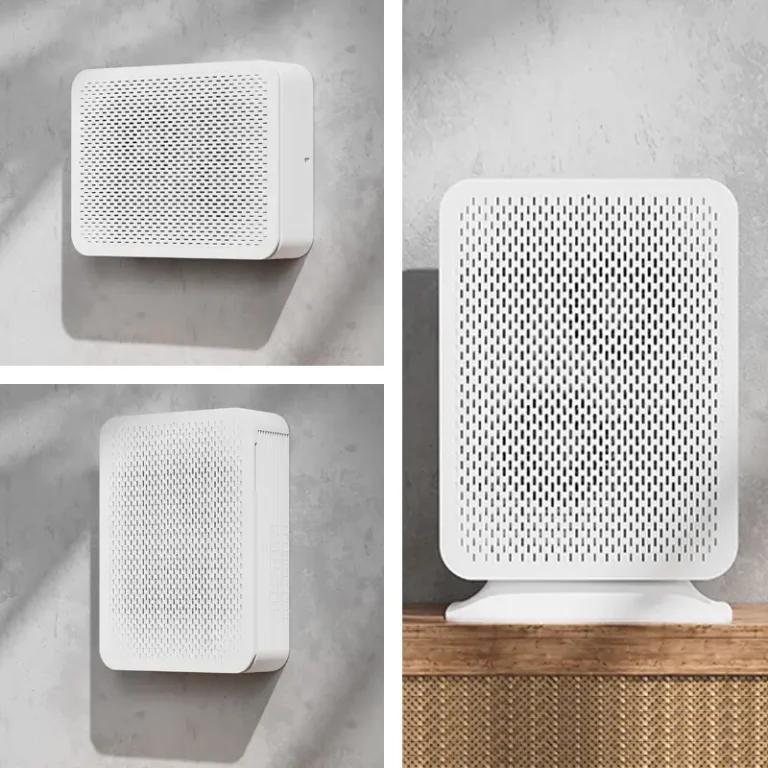
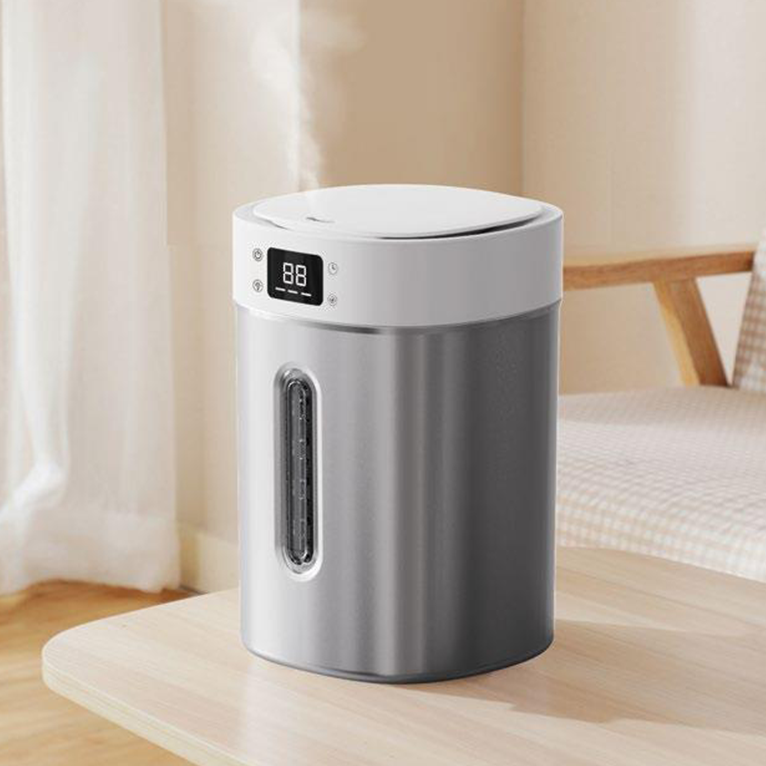
hm2206
HisoAir - HM2206

Conclusion: Strategic Alignment for Product Roadmap Decisions

Positioning material choice within product strategy

Having explored the practical differences between plastic and stainless steel humidifier architectures, the conclusion from a product development and commercial perspective becomes clear. Material selection should align with lifecycle objectives, channel positioning, and ownership experience — not merely initial unit cost.

Stainless steel consistently supports stronger outcomes across several strategic dimensions:

  • Maintenance Simplicity — Non-porous surfaces and durable construction enable easier cleaning workflows and improved long-term cosmetic stability

  • Material Stability — Chemically stable structures maintain consistency across extended usage cycles

  • Lifecycle Economics — Durable construction and filter-independent architectures can improve total cost of ownership

  • Environmental Positioning — Longevity and recyclability align with sustainability-driven product narratives

  • User Experience Consistency — Premium visual retention and accessible maintenance support positive ownership perception

At HisoAir., we approach humidifier development as an engineering and platform discipline rather than a commodity manufacturing exercise. Our stainless steel programs reflect a commitment to durability, manufacturability, and market differentiation. We collaborate with appliance brands, IAQ companies, distributors, and commercial buyers seeking products that perform reliably while supporting premium positioning.

Guidance for platform selection

When evaluating tank material for upcoming SKUs or roadmap upgrades, consider prioritizing:

  • Verified material grade (such as 304 stainless steel for durability-focused applications)

  • Maintenance accessibility within industrial design

  • Filter architecture impact on lifecycle economics

  • Alignment with target segment expectations

Organizations planning next-generation humidifier platforms or exploring stainless migration are encouraged to engage with HisoAir engineering teams for feasibility review and prototyping support.

Choose strategically. Build for lifecycle performance. Position for market differentiation. Choose HisoAir.

Share:
hisoair founder mr lee
Alwen Lee, an air purification expert with over 10 years of experience, is a devoted father of two and a passionate traveler, having explored more than 30 countries. With a love for public speaking and swimming, he has dedicated his life to the indoor air quality industry. His mission is to ensure that people around the world enjoy the freedom to breathe clean air and lead happy, healthy lives.

Send Us A Message

More to Read

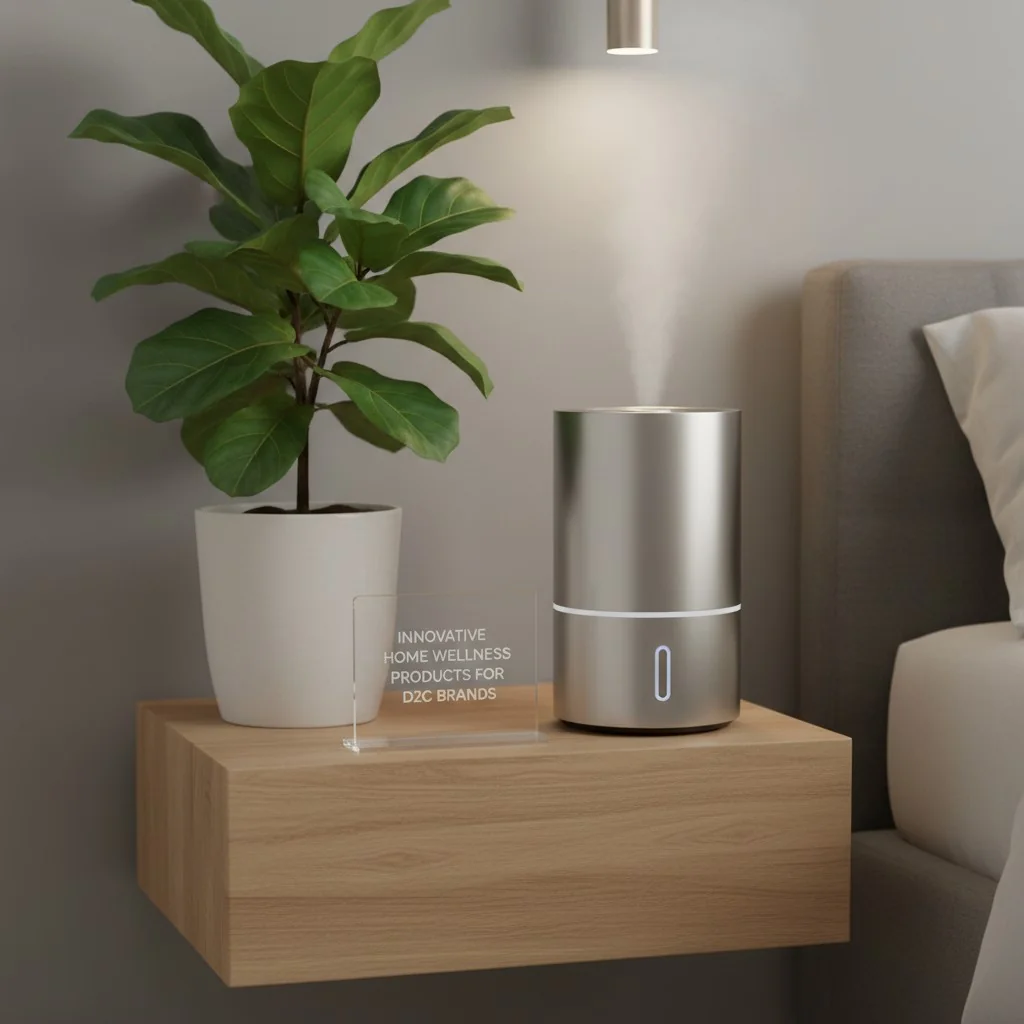
Featured image for What are innovative home wellness products for D2C brands?

What are innovative home wellness products for D2C brands?

Discover AIoT-driven home wellness products. Stand out & boost profit with unique, smart solutions for D2C brands.
Humidifier, News
Featured image for Why Stainless Steel Humidifier Tanks Are Becoming the Gold Standard in Premium Wellness Hardware?

Why Stainless Steel Humidifier Tanks Are Becoming the Gold Standard in Premium Wellness Hardware?

Choose stainless steel for your humidifier. Enjoy luxury, hygiene, and safety over plastic. Discover why it's the premium wellness choice today.
AI Trends, Humidifier, News
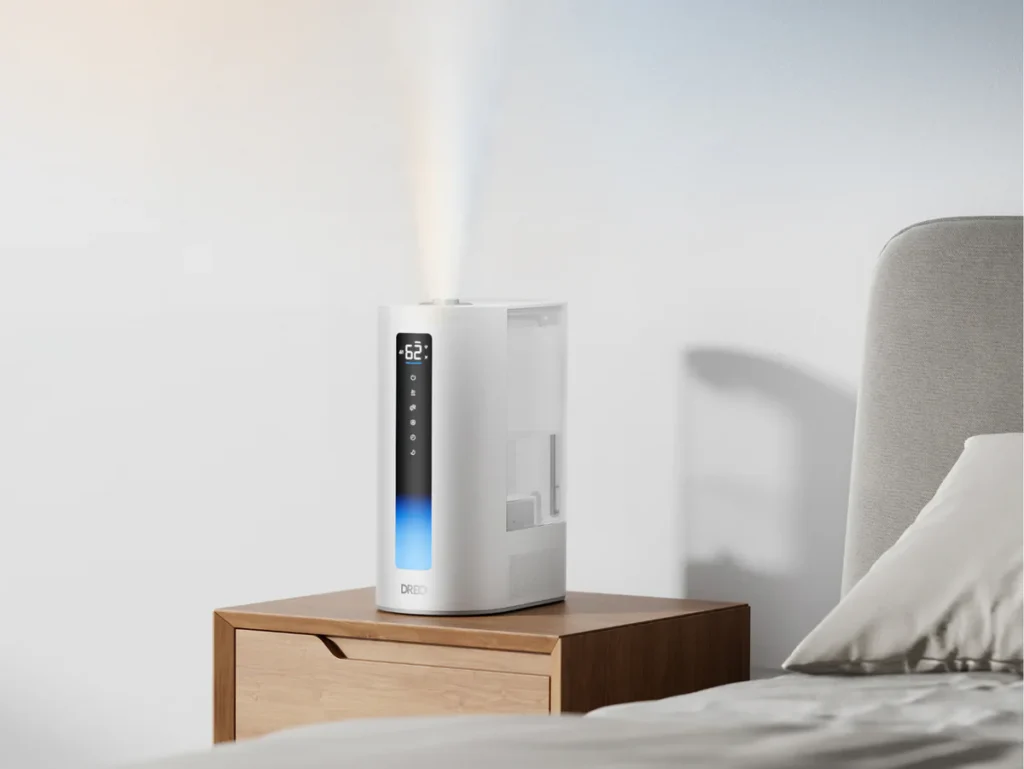
dreo humidifier 6

Why Foshan, China Has Become the Global Hub for Humidifier Manufacturing

Discover why top brands choose Foshan for cost-effective, innovative humidifiers. Boost quality and speed up your product launch today!
Humidifier, News
Featured image for Why Zhongshan, China Is the Rising Hub for Global Humidifier Manufacturing

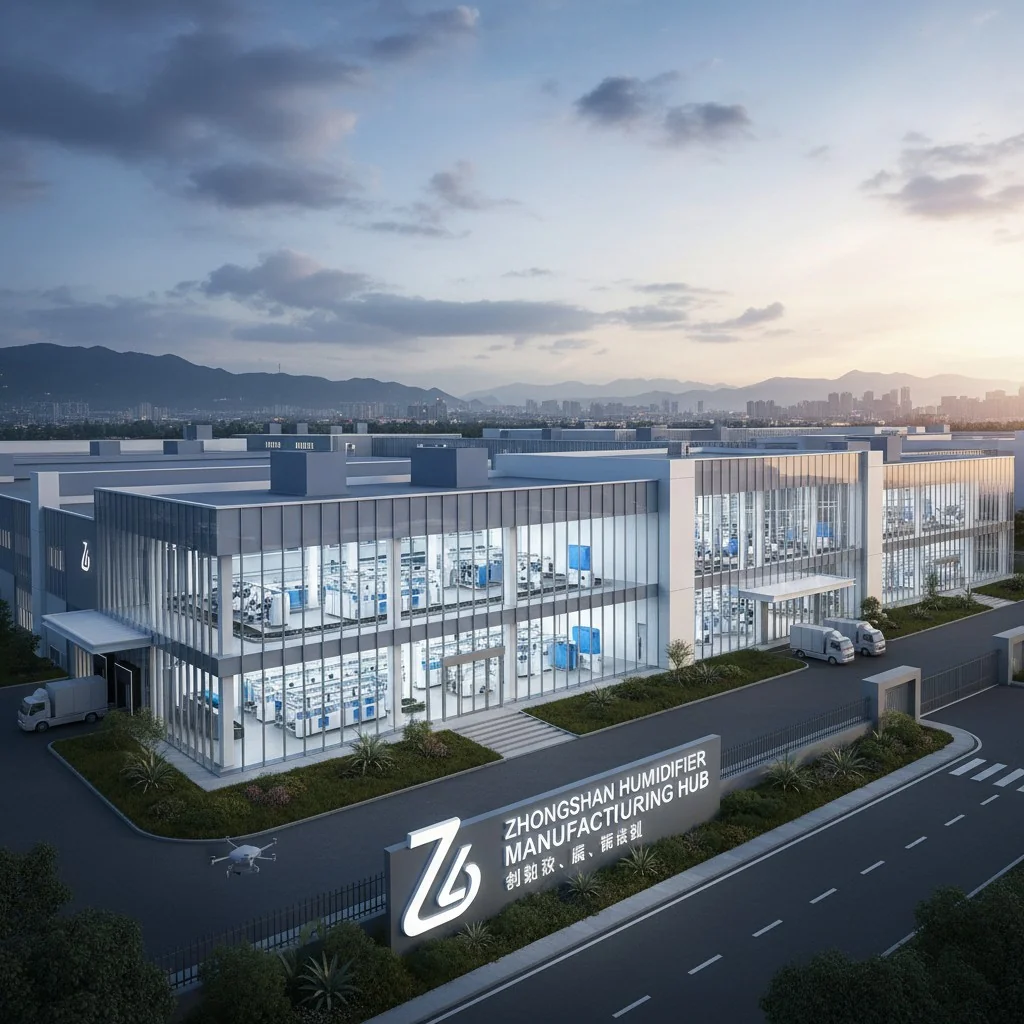
Why Zhongshan, China Is the Rising Hub for Global Humidifier Manufacturing

Discover Zhongshan's supply chain edge, expert talent, and gov incentives for your humidifier production. Act now to cut costs and boost efficiency!
Humidifier, News
hybrid cool & warm mist humidifer hm d0328

Top 5 Humidifier Manufacturers  in UK

In today's world, Indoor Air Quality (IAQ) has become a critical factor for health and well-being. With increasing concerns about air pollution and allergens, the ...
Humidifier
humidifier

Top 5 Humidifier Manufacturers in France

Winter heating can leave the air in our homes feeling dry and uncomfortable, leading to everything from scratchy throats and dry skin to aggravated allergies. ...
Humidifier, News
Contaminant Engineering•3 min read

PFAS Water Filtration Technologies Explained: Carbon, Resin & RO

Key Takeaway:

PFAS reduction depends on the specific compounds present, treatment media, contact time, water chemistry, and system design. Activated carbon, ion exchange, and Reverse Osmosis address PFAS through different mechanisms.

PFAS are a large family of persistent fluorinated compounds that can occur in drinking-water supplies. Their treatment behavior varies significantly by molecular structure, chain length, functional group, concentration, and the chemistry of the source water.

Granular Activated Carbon (GAC) removes PFAS primarily through adsorption. It is generally more effective for many longer-chain PFAS, while shorter-chain compounds tend to break through more quickly. Carbon performance depends on media properties, Empty Bed Contact Time (EBCT), competing organic matter, loading, and replacement frequency.

Ion-exchange resins use charged functional sites to capture many PFAS compounds. Properly selected anion-exchange media can provide high capacity and may perform better than conventional activated carbon for some shorter-chain PFAS, although performance still depends on water chemistry and competing ions.

Reverse Osmosis (RO) uses membrane separation rather than adsorption. Properly designed RO systems can provide broad reduction across many PFAS compounds as well as dissolved salts and other contaminants. Unlike carbon or resin, however, RO also produces a concentrate stream that must be managed.

No single technology should be selected from a PFAS label alone. System design should consider which PFAS compounds are present, their concentrations, required reduction targets, flow rate, media life, and the applicable third-party certification or validation requirements.

HisoAir Water Technical Series
Product Discovery•3 min read

How to Choose an Under-Sink Water Purifier for Modern Kitchens

Key Takeaway:

Match the treatment technology to your water quality first, then evaluate cabinet space, faucet configuration, flow rate, drain and power requirements, and filter replacement needs.

Choosing an under-sink water purifier starts with water chemistry. Carbon filtration is well suited to chlorine, taste, odor, and many organic contaminants, while Reverse Osmosis is more appropriate when dissolved salts, fluoride, nitrates, or broader dissolved contaminants need to be reduced.

For compact kitchens, tankless RO systems eliminate the conventional storage tank and can significantly reduce the space required under the sink. However, membrane capacity stated in GPD does not directly equal faucet flow. When comparing systems, check the actual dispensing flow rate, inlet-pressure requirement, recovery ratio, and whether a booster pump is required.

Installation architecture also matters. Many RO systems require a drain connection, electrical power, and either a dedicated drinking-water faucet or a compatible multi-function faucet. High-flow carbon systems can often connect directly to the existing cold-water line with a simpler installation, but pressure drop and available faucet flow should still be verified.

RO also removes much of the naturally occurring dissolved mineral content. Where taste or mineral balance is a priority, a post-RO remineralization stage can be added. Filter life should be evaluated by both rated capacity and local water quality rather than replacement time alone.

The right system is therefore not simply the smallest or highest-GPD model. It is the configuration that matches the target contaminants, available cabinet space, desired faucet setup, peak dispensing demand, and maintenance expectations.

HisoAir Water Technical Series
Water Quality•2 min read

What Does TDS Mean in Drinking Water? Measurement vs Contaminant Reality

Key Takeaway:

A TDS meter estimates the overall concentration of dissolved ionic substances from electrical conductivity. It cannot identify specific contaminants or determine whether water is chemically safe.

Total Dissolved Solids (TDS) refers to the combined concentration of dissolved substances in water. Most handheld TDS meters do not measure TDS directly. Instead, they measure electrical conductivity (EC) and convert that reading into an estimated parts-per-million (ppm) value.

This means a TDS reading can indicate how much dissolved ionic material is present, but not what that material actually is. Calcium, magnesium, sodium, nitrates, and other dissolved ions can all contribute to conductivity, yet a simple TDS meter cannot distinguish between them.

TDS meters are also not suitable for detecting trace contaminants such as PFAS, many VOCs, pesticides, pharmaceuticals, or disinfection byproducts. These substances may be present at concentrations far below the level needed to noticeably change electrical conductivity.

A low TDS reading therefore does not guarantee safe drinking water, and a higher TDS reading does not automatically indicate contamination. Water-treatment decisions should be based on laboratory testing for specific contaminants of concern rather than TDS alone.

HisoAir Water Technical Series
Technology Selection•2 min read

RO vs UF Water Filtration: Understanding Pore Sizes & Dissolved Minerals

Key Takeaway:

Ultrafiltration can reduce bacteria, turbidity, and suspended particles while retaining most naturally occurring dissolved minerals. Reverse Osmosis provides much broader reduction of dissolved salts and smaller contaminants.

Ultrafiltration (UF) typically uses hollow-fiber membranes with pore sizes in the approximate 0.01–0.1 micron range. These membranes physically retain turbidity, suspended solids, colloids, and many microorganisms while allowing dissolved minerals and salts to remain in the water.

Reverse Osmosis (RO) operates at a much finer separation level. Unlike UF, RO can substantially reduce dissolved ions such as sodium, calcium, fluoride, nitrates, and other contributors to total dissolved solids (TDS). This makes RO more suitable when dissolved-salt reduction is a primary treatment objective.

UF generally requires less system pressure and produces little or no continuous concentrate stream in many point-of-use configurations. RO typically requires greater pressure and produces a reject-water stream, but delivers broader contaminant reduction.

For water with acceptable TDS and mineral content, UF can be a simpler mineral-retaining treatment option. Where dissolved salts, fluoride, nitrates, or broader dissolved contaminants are a concern, RO is generally the more appropriate technology.

HisoAir Water Technical Series
Technology Selection•4 min read

Carbon Block vs Reverse Osmosis: Which Fits Your Need?

Key Takeaway:

Choose RO for dissolved inorganic salts and heavy metals; choose Carbon Block for chemical taste/odor, no wastewater, and high line-pressure flow.

Reverse Osmosis (RO) and Carbon Block filtration represent two fundamentally different treatment methods: membrane separation and adsorption. Understanding these differences helps determine which technology is better suited to a specific water-quality requirement.

Reverse Osmosis uses a semi-permeable membrane with pore sizes of approximately 0.0001 microns. It can significantly reduce dissolved inorganic contaminants such as TDS, fluoride, nitrates, and certain heavy metals. Because water must be forced through the membrane, RO systems require sufficient pressure or a booster pump and generate a concentrated wastewater stream.

Carbon Block filtration relies primarily on adsorption through compressed activated carbon, commonly with nominal pore sizes around 0.5–5 microns. It is highly effective for chlorine, chloramines, VOCs, taste, and odor, while allowing substantially higher direct-flow rates without producing wastewater.

From an operating perspective, Carbon Block systems are generally simpler, require less energy, and avoid the water loss associated with RO. RO involves higher system complexity and operating cost, but provides substantially broader reduction of dissolved contaminants that Carbon Block alone cannot address.

HisoAir Water Technical Series

REQUEST A QUOTE