
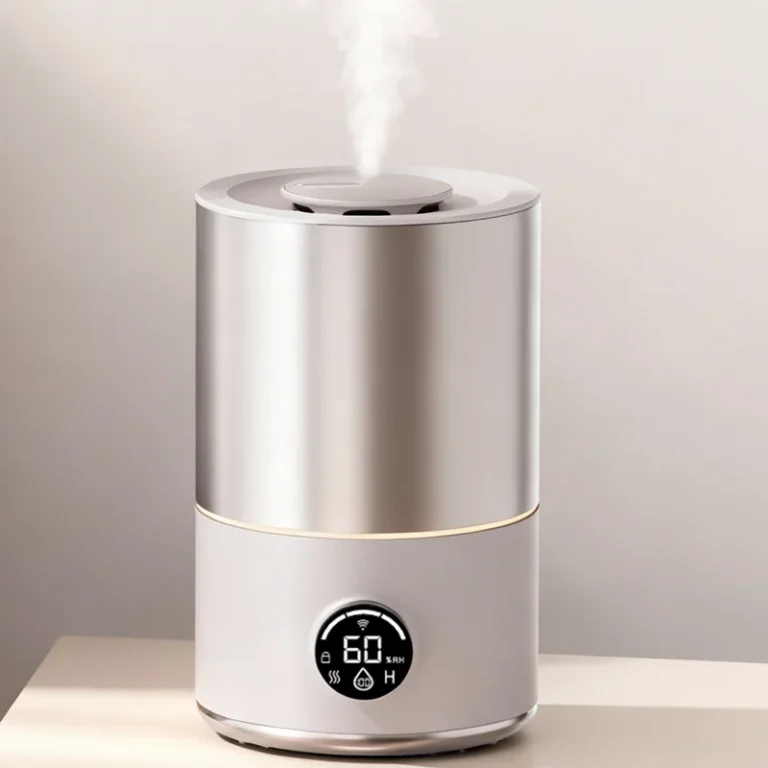
Sourcing reliable humidifiers is tough. You face high costs and slow production. This delays your product launch and hurts your brand. Discover why top brands choose Foshan for manufacturing.
Foshan is the world's humidifier hub because of its complete appliance supply chain1, deep manufacturing experience, and skilled, affordable engineers. This powerful combination allows brands to develop high-quality products faster and at a lower cost, giving them a significant edge in the global market.
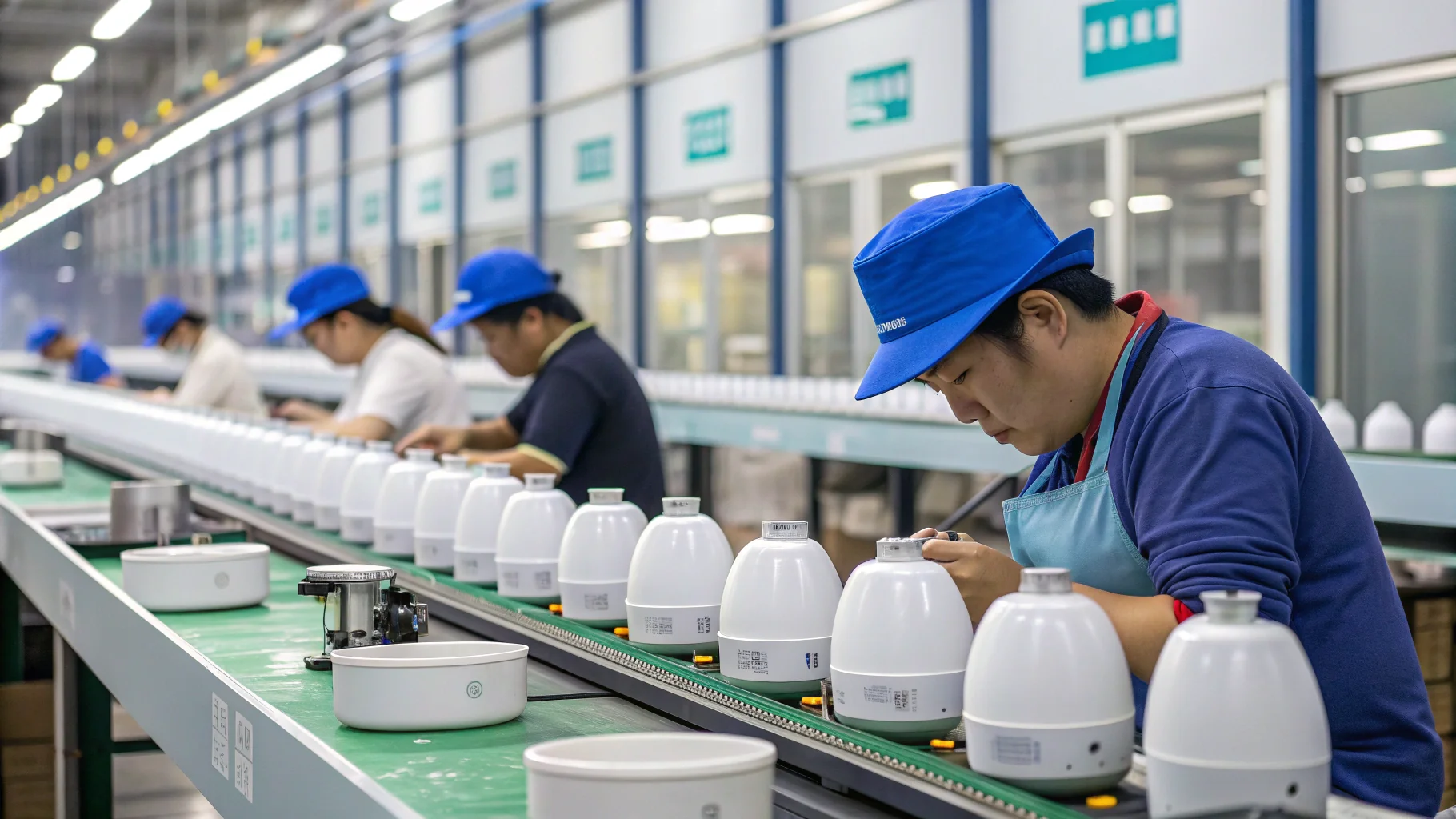
I have spent years working with factories in China. I've seen many manufacturing cities. But there is something special about Foshan. It has an energy and efficiency that is hard to find anywhere else. Many of the world's biggest humidifier brands, like Vornado and BlueAir, agree. They build their products here for very specific reasons. Let's break down exactly what makes Foshan the go-to city for humidifier manufacturing2.
How Does a Complete Appliance Supply Chain Ecosystem Benefit You?
Finding all the right parts for your product is slow. It is also expensive. These delays add up, and your costs can get out of control. Foshan's ecosystem solves this.
Foshan's power comes from its location in the Pearl River Delta3. It has a dense network of suppliers for plastics, motors, circuit boards, and molds. This proximity lets brands build humidifiers faster and cheaper.
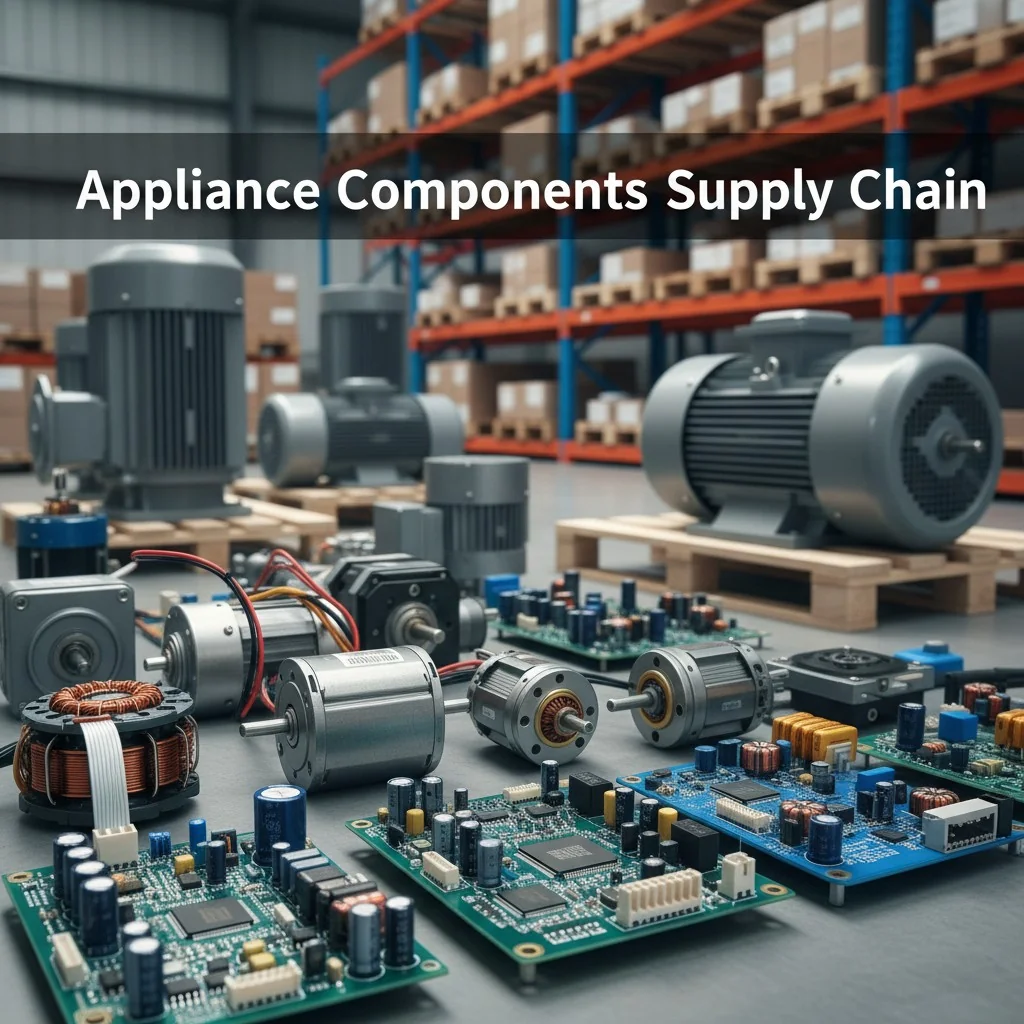
When I first visited a factory in Foshan, I was amazed. We needed a custom plastic housing for a new model. The factory manager made a call. The next day, we were at a local mold-making shop just ten minutes away. We had a prototype in our hands within a week. In other regions, this process could take a month or more, with parts being shipped from all over. This speed is possible because every part of the supply chain is physically close. It cuts down on shipping time and costs between suppliers. This integration is the foundation of Foshan's manufacturing strength.
Key Components at Your Fingertips
| Component | Availability in Foshan | Impact on Production |
|---|---|---|
| Plastic Injection Molds | Extremely High | Fast tooling and prototyping |
| Electric Motors | Extremely High | Easy sourcing for fan units |
| PCBA (Circuit Boards) | Very High | Quick development of smart features |
| Metal Stamping | High | Readily available for internal parts |
What Does Decades of ODM/OEM Manufacturing Expertise Really Mean for Your Brand?
You have a great product idea but no factory. Building your own production team is a huge risk. You can partner with experienced ODM/OEM factories4 in Foshan instead.
Local factories here have over 20 years of experience making small appliances. They offer complete turnkey services, from design to mass production. This helps brands launch products quickly without a big in-house team.
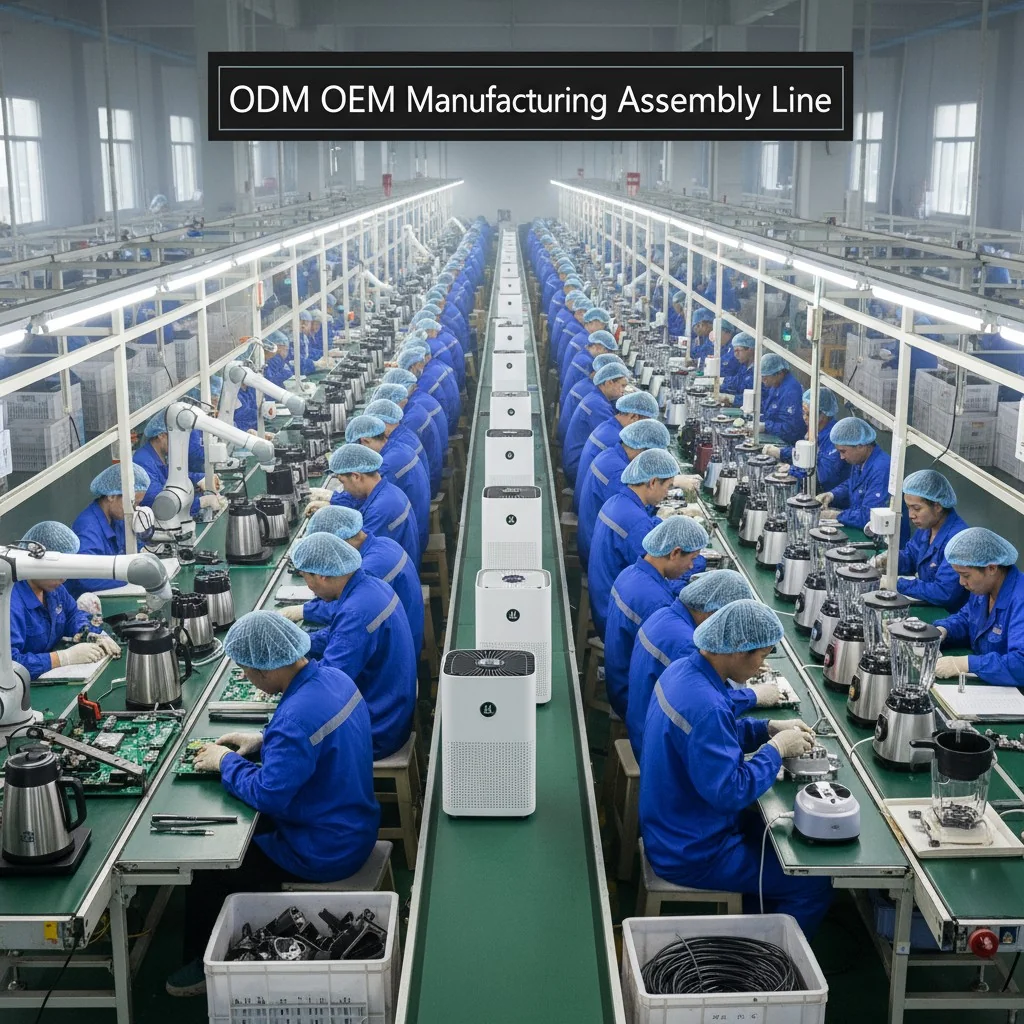
Many brands I talk to are worried about the complexity of manufacturing. They don't have a team of engineers or supply chain experts. This is where Foshan's ODM/OEM model shines. ODM means Original Design Manufacturer. The factory has existing product designs you can brand as your own. OEM means Original Equipment Manufacturer. The factory builds your custom design for you. In Foshan, factories do both. They can take your simple sketch and turn it into a mass-produced product ready for shipping. This turnkey service is why brands like SEB Group (Tefal/Rowenta) produce so many models here. It lowers risk and gets products on shelves faster.
From Idea to Assembly Line
| ODM/OEM Stage | Description | Benefit for Brands |
|---|---|---|
| Industrial Design (ID) | The factory's team helps create the look and feel. | Access to design talent without hiring. |
| Tooling & Molds | They create the custom molds for production. | Reduces huge upfront investment. |
| Prototyping | They build working samples for testing. | Fast iteration and product validation. |
| Mass Production | They manage the entire assembly and QC process. | Speed to market and reliable quality. |
Why is Skilled and Cost-Effective Engineering Talent a Game-Changer?
Hiring good engineers is very expensive. High research and development costs can kill your project. Foshan offers a large pool of skilled engineers5 who are more affordable.
Foshan has a steady supply of technicians from Guangdong’s many vocational colleges. This keeps R&D teams full of talent. It also keeps wages more competitive compared to big tech hubs like Shanghai or Shenzhen.
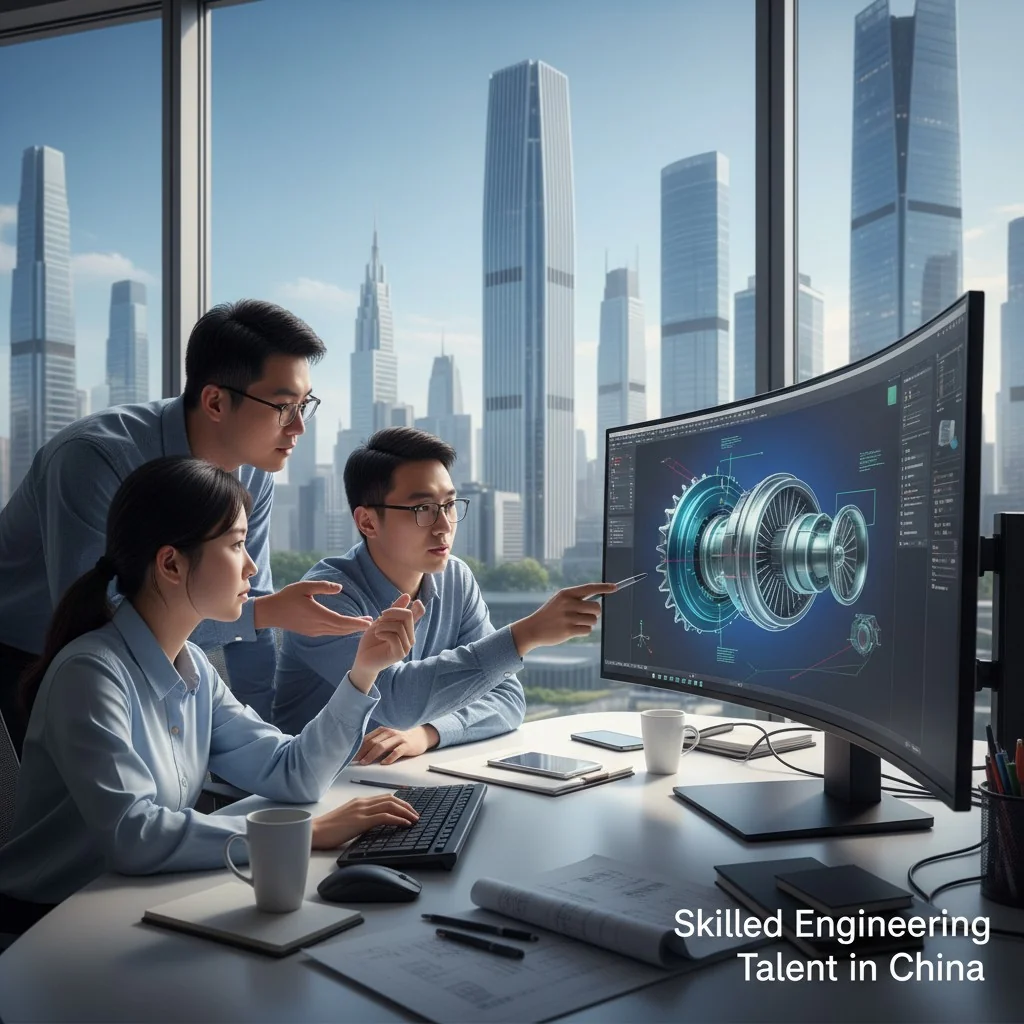
I've worked with engineering teams in both Shenzhen and Foshan. In Shenzhen, the focus is often on cutting-edge software and consumer electronics. The salaries are very high. In Foshan, the engineers have a different kind of expertise. They are masters of hardware, manufacturing processes, and cost optimization. The local vocational schools train them for the real world of appliance manufacturing. They know how to design a product that is not only innovative but also easy to build and affordable. This practical skill set is incredibly valuable. It means your R&D budget goes further, allowing for more innovation without breaking the bank.
The R&D Advantage
| Factor | Foshan | Shanghai / Shenzhen |
|---|---|---|
| Talent Focus | Hardware, Manufacturing, Appliances | Software, Consumer Electronics |
| Average Salary | More Competitive | Higher |
| Talent Source | Strong Vocational College System | Top National Universities |
| Benefit | Practical, cost-effective R&D | Cutting-edge, high-cost R&D |
How Do Multi-Function Appliance Capabilities Give You a Competitive Edge?
Today's customers want more from a single device. But developing a 2-in-1 or 3-in-1 product is very complex. Foshan factories already have the expertise you need to do it.
Many factories in Foshan are already masters of products like fans, heaters, and air purifiers. Integrating these features into a humidifier is much easier when all the know-how is under one roof.

A perfect example is the BlueAir HealthProtect series, which combines a purifier, fan, and heater. This product was developed with partners in this region. Why? Because the factories here already knew how to make each of those things separately. They have deep experience with heating elements, fan motors, and filtration systems. Combining them is a natural next step, not a giant leap into the unknown. When a factory already has the expertise and the supply chain for all the components, innovation happens faster. You are not trying to coordinate three different factories with three different areas of knowledge. It all happens in one place.
Building the All-in-One Appliance
| Function | Core Technology | Foshan Expertise |
|---|---|---|
| Humidify | Ultrasonic / Evaporative Systems | Core competency |
| Purify | HEPA Filters, Carbon Filters | Strong, due to air purifier production |
| Fan / Cooling | Brushless DC Motors, Airflow Design | Strong, due to fan production |
| Heating | PTC Ceramic Heating Elements | Strong, due to heater production |
Is Your Supply Chain Held Back by Poor Logistics and Global Access?
Getting your products to global markets is often slow and expensive. Long lead times mean lost sales. Foshan's location offers world-class logistics that solve this problem.
Foshan is very close to the major international ports of Guangzhou and Shenzhen. This, plus a mature network of freight forwarders, keeps lead times short and shipping rates low for North American and European shipments.
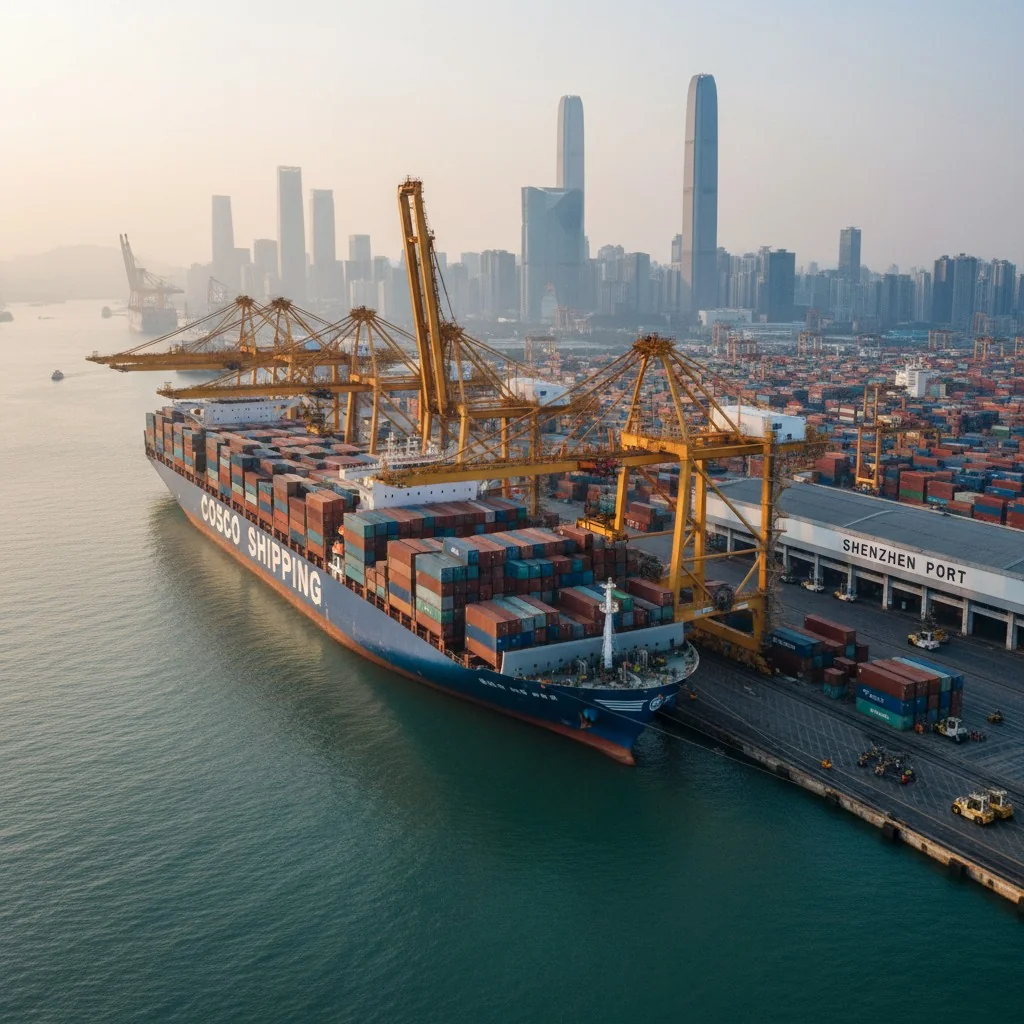
Geography is a huge advantage. A factory in an inland city might add a week or more to your lead time just to get products to the port. In Foshan, the ports are just a few hours away by truck. This is a big deal. It means goods move from the factory floor to a container ship incredibly fast. The area also has many experienced freight forwarders. These are the companies that handle all the complex paperwork and logistics of international shipping. Their expertise means fewer delays at customs and more reliable delivery schedules. For any brand selling to the US or EU, this efficient logistics network6 is critical for keeping inventory in stock and customers happy.
From Factory Floor to Customer's Door
| Logistics Factor | Foshan's Advantage | Impact on Business |
|---|---|---|
| Port Proximity | Close to Shenzhen & Guangzhou ports | Shorter lead times, lower inland freight costs. |
| Freight Forwarders | Large, experienced network | Smooth customs clearance, reliable shipping. |
| Global Routes | Direct shipping lanes to EU/NA | Faster ocean transit times. |
| Cost | High volume leads to competitive rates | Lower cost per unit shipped. |
How Do Government Incentives and Cost Advantages Lower Your Risk?
Starting a new product line is expensive. High initial costs are a major barrier. Foshan's local government offers incentives that reduce these costs and lower your risk.
Districts within Foshan, like Shunde and Nanhai, give tax breaks, rent subsidies, and faster certifications to appliance makers. This lowers the financial barriers for brands starting new manufacturing programs.
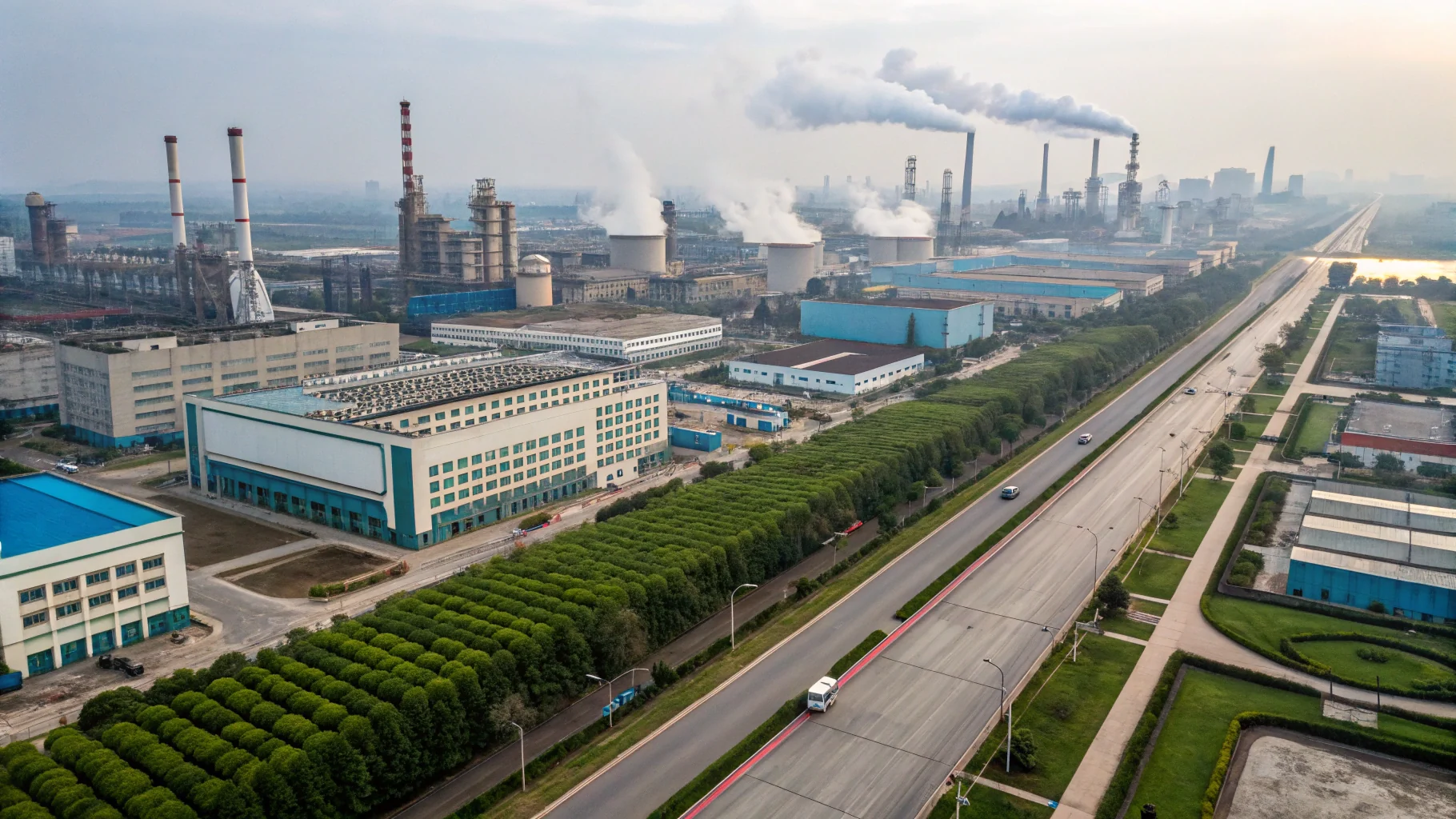
Government support is a factor that many people overlook. In districts like Shunde, which is called the "capital of home appliances," the government actively helps businesses succeed. They might offer a rent subsidy for a new factory or R&D center. They can also provide "green-channel" certification, which speeds up the approval process for new products. This support is combined with an incredible cost-to-quality ratio7. Even with recent US tariffs, many brands I know, including Vornado, have kept their core production in Foshan. They've explored "China + 1" options in Vietnam or Thailand, but they find the quality, speed, and total cost in Foshan is still better.
The Financial Edge: Incentives and Cost-Effectiveness
| Incentive / Advantage | Description | How It Helps Your Brand |
|---|---|---|
| Tax Breaks | Reduced corporate tax rates for qualified companies. | Increases profitability and cash flow. |
| Rent Subsidies | Government help to pay for factory or office space. | Lowers fixed operational costs. |
| Green-Channel | Faster process for product certifications and customs. | Speeds up time to market. |
| Cost-to-Quality Ratio | Superior balance of cost and quality vs. other regions. | Ensures a competitive final product. |
Conclusion
Foshan's unique mix of supply chain, talent, and support makes it the unmatched global leader for innovative and cost-effective humidifier manufacturing.
References
-
Understanding the components of an appliance supply chain can enhance production strategies and efficiency. ↩
-
Explore the advantages of humidifier manufacturing in Foshan, a global hub known for its efficiency and quality. ↩
-
The Pearl River Delta is a key manufacturing region; learn about its impact on production efficiency. ↩
-
Learn how ODM/OEM factories streamline product development and reduce risks for brands. ↩
-
Discover the significance of skilled engineers in enhancing product quality and reducing costs. ↩
-
A robust logistics network is crucial for timely delivery and cost-effective shipping in manufacturing. ↩
-
A favorable cost-to-quality ratio is essential for competitive pricing and product success in the market. ↩


 English
  Français
  Español
  Italiano
  Deutsch
  Português
  Русский
  العربية
  日本語
日本語  한국어
한국어  Tiếng Việt

