
Remember the first time you felt the need for fresh, clean air? That’s why I started importing air purifiers.
Currently, importing air purifiers from China to the US is tariff-free until May 30, 2025. Post this period, tariffs could rise to 25% or higher, influenced by future US trade policies. Importers are advised to explore alternative supply strategies.
While this current exemption provides a temporary relief, understanding potential future tariffs is crucial for long-term planning. I remember sitting at my desk, calculator in hand, crunching numbers to figure out how changes in tariffs could impact my business. It's all about being prepared. Discover how to navigate these changes and optimize your import strategy in the face of evolving international trade dynamics. Whether it’s working with suppliers from Vietnam or diversifying sourcing options, there are ways to stay ahead.
Tariffs on air purifiers from China to US are currently zero.True
Air purifiers from China have a tariff exemption until May 30, 2025.
Importing air purifiers from Vietnam avoids future US tariffs.True
Sourcing from countries like Vietnam can mitigate future tariff risks.
How Might Future Tariffs Affect Air Purifier Costs?
Remember the last time tariffs shook up the market? Well, air purifiers might be next, and it could hit closer to home than you think.
If future tariffs on air purifiers rise, costs could skyrocket by up to 60%. This would likely drive consumer prices higher unless manufacturers adapt their supply chains.
Understanding Current Tariff Exemptions
Right now, buying an air purifier feels like a breath of fresh air for my wallet—thanks to the U.S. exempting imports from China from tariffs until May 30, 2025. I remember when I got my first purifier, marveling at how affordable it was. But like all good things, this might not last forever. Political winds can change direction quicker than I change my mind about weekend plans.
Potential Tariff Increases and Their Impact
I'm already bracing myself for the sticker shock if tariffs climb to 60% post-exemption. It's like waiting for a storm after a sunny day—a reality check for consumers like me who love clean air but hate paying more for it. If this happens, my dream of upgrading to a new model might need to wait.
Manufacturers' Strategies to Mitigate Costs
I've read that manufacturers are considering shifting production to places like Vietnam or Mexico. It reminds me of how I once switched gyms to save money without compromising on quality. This strategic supply chain shift1 could keep prices stable, and I'm all for it if it means not breaking the bank.
Alternatives to Chinese Imports
Exploring imports from India or Germany sounds intriguing, though I worry about cost efficiency and tech advancements. Buying locally in the U.S. is another option, but it reminds me of when I tried to bake bread at home—possible but pricier and not quite as good.
Preparing for Economic Changes
In this ever-shifting landscape, staying informed feels like preparing for a winter storm—essential and wise. Whether it’s keeping an eye on policy changes or considering flexible options, I’m ready to adapt and ensure my air stays as pure as my intentions. Being proactive is my game plan to navigate whatever challenges come my way.
Air purifiers from China face zero tariffs until May 2025.True
Currently, air purifiers are exempt from tariffs until May 2025.
Post-May 2025, tariffs on air purifiers will be 60%.False
Tariffs may rise to 25% or even 60%, depending on policies.
What Are Alternative Supply Chain Strategies?
Ever found yourself wondering how businesses keep their supply chains running smoothly despite global hiccups like trade wars and tariffs? Here's how they do it.
Alternative supply chain strategies, like diversifying suppliers, nearshoring, and using technology for better forecasting, help businesses manage risks from geopolitical tensions and supply disruptions. These approaches ensure operations run smoother, even in challenging times.
Diversification of Suppliers
I remember the first time I had to rethink my supply chain strategy. It was a nerve-wracking moment. What if a sudden tariff hike threw everything off balance? That's when I realized the importance of diversifying suppliers. By sourcing from various countries, I could reduce my dependency on a single nation. For example, if my main supplier was in China, exploring manufacturing options in Vietnam or Thailand2 seemed like a smart move to safeguard against tariff changes or trade disputes.
Nearshoring and Onshoring
The concept of nearshoring resonated with me during one of those long nights staring at logistics spreadsheets. Bringing operations closer to home could slash logistical costs and boost efficiency. Onshoring takes this a step further by relocating production back home entirely. For instance, American companies might consider setting up manufacturing in Mexico or even within the U.S. itself, which can significantly cut down lead times and bolster supply chain resilience3.
Strategic Partnerships and Alliances
In my journey, forming strategic partnerships became a game-changer. By collaborating with key suppliers and stakeholders, I gained the flexibility to respond swiftly to market shifts. These alliances not only offered shared resources and insights but also opened doors to new markets and technologies. It's inspiring to see how international collaborations4 have thrived across various sectors.
Leveraging Technology
Embracing technology in supply chain management felt like stepping into the future. Tools like AI-driven analytics and blockchain provide unparalleled visibility and forecasting accuracy. These innovations allowed me to anticipate disruptions and adapt my strategies proactively. For example, blockchain technology5 offers transparent tracking of goods across the supply chain, giving real-time insights into inventory levels and shipment statuses.
Inventory Management Adjustments
Adjusting inventory management practices became another crucial strategy. I had to decide whether to maintain higher inventory levels as a buffer against disruptions or adopt just-in-time systems that relied on more precise demand forecasting. Balancing holding costs with service levels was key to consistently meeting customer demand without excessive stockpiling.
Conclusion
While each strategy comes with its own set of pros and cons, it's crucial for businesses to assess their unique situations and market conditions to determine the most fitting approach. The ultimate goal is to build a resilient supply chain capable of withstanding disruptions while continuing to deliver value to customers effectively.
Current tariff on Chinese air purifiers is 0%.True
Air purifiers from China are exempt from tariffs until May 2025.
Importing air purifiers from India is cheaper than China.False
China has a more robust supply chain, making costs lower.
Should You Consider Importing from Countries Other Than China?
Ever wonder if it's time to spread your wings beyond China for imports?
With the world shifting like it is, exploring options beyond China for imports is wise. Countries like Vietnam, India, and Mexico offer alternatives that can help diversify supply chains and mitigate risks, though balancing costs and tech access remains a challenge.
Evaluating Tariff Implications
Picture this: you're sitting at your desk, sipping your morning coffee, when you stumble upon the news—tariffs on air purifiers from China could skyrocket after 2025. Right now, it's smooth sailing with zero tariffs until May 2025, but who knows what the future holds? It's like planning a picnic and hoping it doesn't rain. I realized that staying ahead of these changes is as crucial as checking the weather before heading out. Exploring tariff6 scenarios might be the umbrella we need.
Diversifying Supply Chains
I've always believed in not putting all my eggs in one basket. When I heard about companies moving production to places like Vietnam or Thailand, I thought, "That's a smart move!" Imagine Apple setting up shop7 in Vietnam—it's like finding a hidden gem in a treasure hunt. This shift provides a safety net against potential trade wars, offering a more adaptable supply chain. It's like having a backup plan that actually works!
Balancing Cost and Technology
Venturing into countries like India or Mexico for imports feels like walking a tightrope. On one side, there's the potential for cost savings; on the other, the risk of missing out on China's cutting-edge tech. It's a classic balancing act. And let's face it, China's innovation, especially in electronics, is like the latest smartphone everyone wants to get their hands on.
The Local Sourcing Dilemma
Then there's the idea of sourcing locally within the U.S. It sounds appealing—no more import hassles! But as I dug deeper, I found it comes with its own set of challenges, like higher costs. It's like choosing between convenience and budget when buying groceries. Understanding local production impacts8 can help me decide if it aligns with my business goals.
In this ever-changing global landscape, weighing these factors helps me make informed decisions about my supply chain strategy. Who knew importing could be such an adventure?
Tariff on Chinese air purifiers is 0% until May 2025.True
Currently, air purifiers from China are exempt from US tariffs until May 2025.
Importing air purifiers from Vietnam avoids future tariffs.True
Sourcing from Vietnam can circumvent potential US-China tariff increases.
Why should I buy air purifiers locally in the US?
Remember that time you needed an air purifier fast? Buying locally could save the day.
When I buy air purifiers locally in the US, I enjoy perks like boosting our local economy, getting my hands on products immediately, and receiving stellar customer service. Plus, I sidestep the unpredictability of international imports, ensuring consistent prices and cutting-edge tech without the wait.
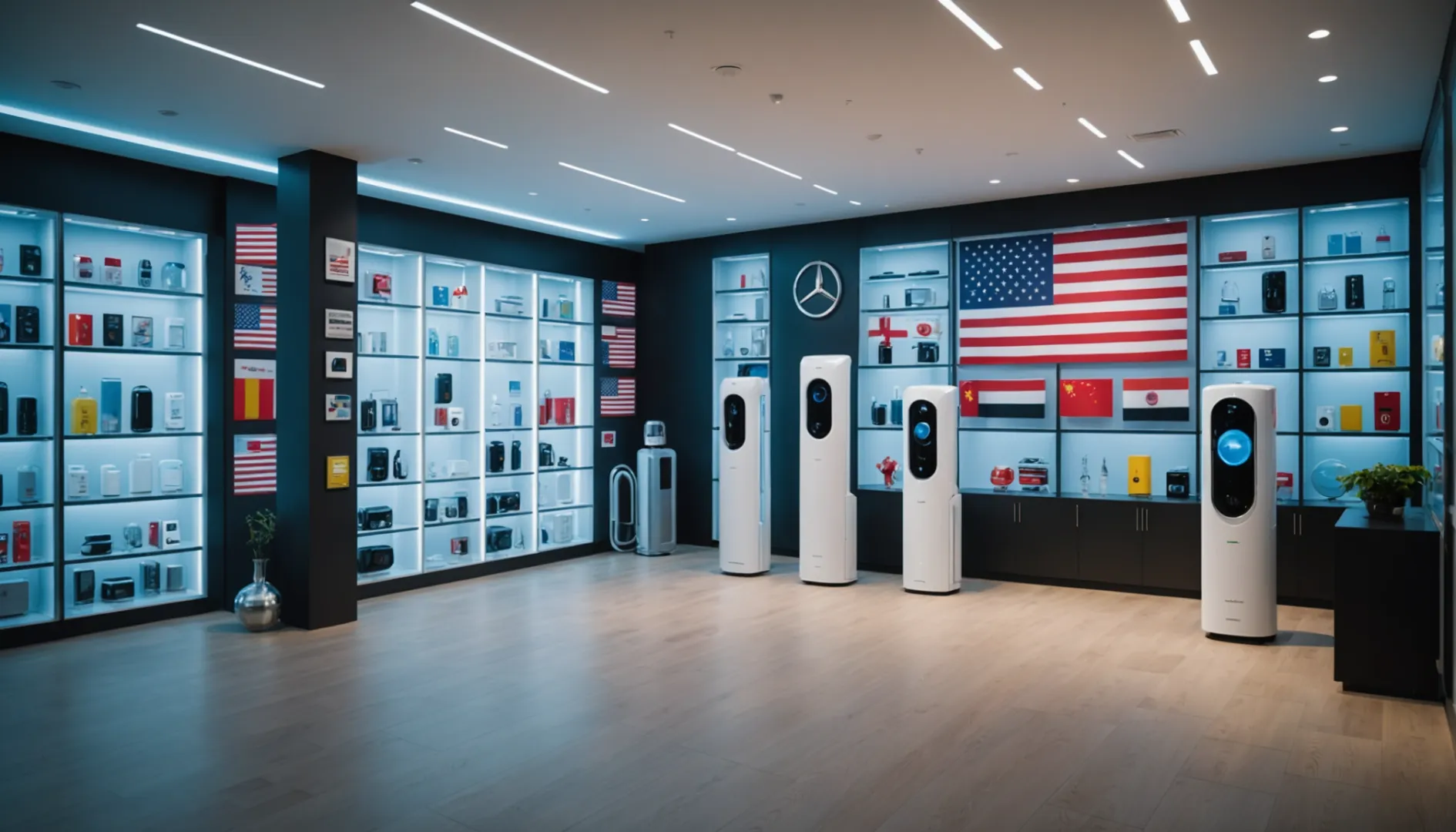
Supporting Local Businesses
I remember strolling into my neighborhood store, and the feeling of supporting a local business is unbeatable. Every purchase helps sustain someone’s dream and keeps our community vibrant. It’s like being part of a big family where everyone looks out for each other. Plus, some local shops offer unique or even customizable options9 that large chains don’t.
Immediate Availability
Once, during wildfire season, the air quality plummeted overnight. Luckily, I knew I could count on a local store to have air purifiers in stock. No waiting for deliveries or dealing with delays—I grabbed what I needed right away and felt prepared for anything.
Better Customer Support
There’s nothing like chatting with knowledgeable store staff who truly understand the products they sell. When I needed advice on which model was best for my home, they were right there with insights and recommendations. It's a comfort knowing I can pop back in with any questions about filter replacements10 or maintenance.
Stability Amid Trade Uncertainties
With trade tensions looming, buying locally offers peace of mind. You don’t have to worry about sudden price hikes due to tariffs. Supporting US-based companies means enjoying stable pricing and sidestepping international unpredictability.
Access to Advanced Technology
It’s exciting to see how US manufacturers are stepping up their game in air purifier tech. By purchasing domestically, I'm not just getting a great product; I'm backing innovative solutions that push for sustainability and advanced filtration systems.
Building Sustainable Practices
Choosing to buy locally also aligns with my values of reducing carbon footprints. Less transportation means fewer emissions. Plus, when local manufacturers focus on sustainable practices11, it feels good knowing my choices help the environment. It's about making conscious decisions that align with what matters most to me.
Tariffs on air purifiers from China to the US are currently zero.True
Until May 30, 2025, importing air purifiers from China is tariff-free.
US-made air purifiers are cheaper than imported ones.False
Local production often incurs higher costs compared to imports due to tariffs.
Conclusion
Importing air purifiers from China to the US is tariff-free until May 30, 2025. Future tariffs may rise significantly, prompting importers to consider alternative sourcing strategies.
-
Learn how companies adapt to avoid rising tariff costs. ↩
-
Learn why Vietnam or Thailand are strategic for diversifying supply chains. ↩
-
Discover how nearshoring can enhance supply chain resilience. ↩
-
Explore successful international collaborations that enhanced business growth. ↩
-
Understand how blockchain technology enhances transparency in supply chains. ↩
-
Stay updated on tariff changes affecting import costs from China. ↩
-
Understand why major companies are shifting production locations. ↩
-
Explore the advantages and drawbacks of sourcing locally. ↩
-
Explore customizable options that local stores might offer. ↩
-
Get guidance on maintaining your air purifier effectively. ↩
-
Learn about eco-friendly manufacturing processes. ↩



 English
 Français
 Español
 Italiano
 Deutsch
 Português
 Русский
 العربية
 日本語
 한국어
 Tiếng Việt


