
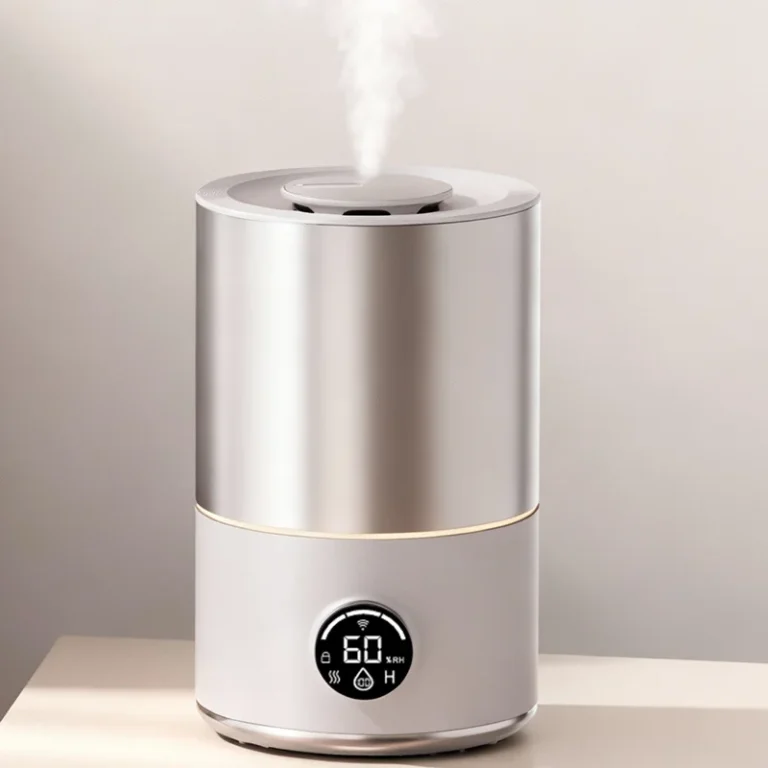
In today's dynamic market, selecting a reliable humidifier manufacturer is paramount for businesses aiming to deliver high-quality products to their B2B and D2C customers. The right partner not only ensures product excellence but also offers innovation, customization, and robust supply chain solutions. This comprehensive guide delves into the top humidifier manufacturers in the USA, highlighting their strengths and specialties, and introducing a key player, Hisoair, that is revolutionizing the industry with its advanced manufacturing capabilities and global reach.
What Qualities Define a Top Humidifier Manufacturer?
When evaluating humidifier manufacturers, several key qualities stand out. These include a commitment to innovation, demonstrated through advanced technologies like ultrasonic, mist, and evaporative systems. Furthermore, a top manufacturer offers robust customization options, catering to diverse market needs from residential to industrial applications. Quality control, evidenced by rigorous testing and certifications, is also crucial. Finally, a strong supply chain and global reach ensure timely delivery and market responsiveness. These attributes collectively contribute to a manufacturer's ability to provide superior products and services.
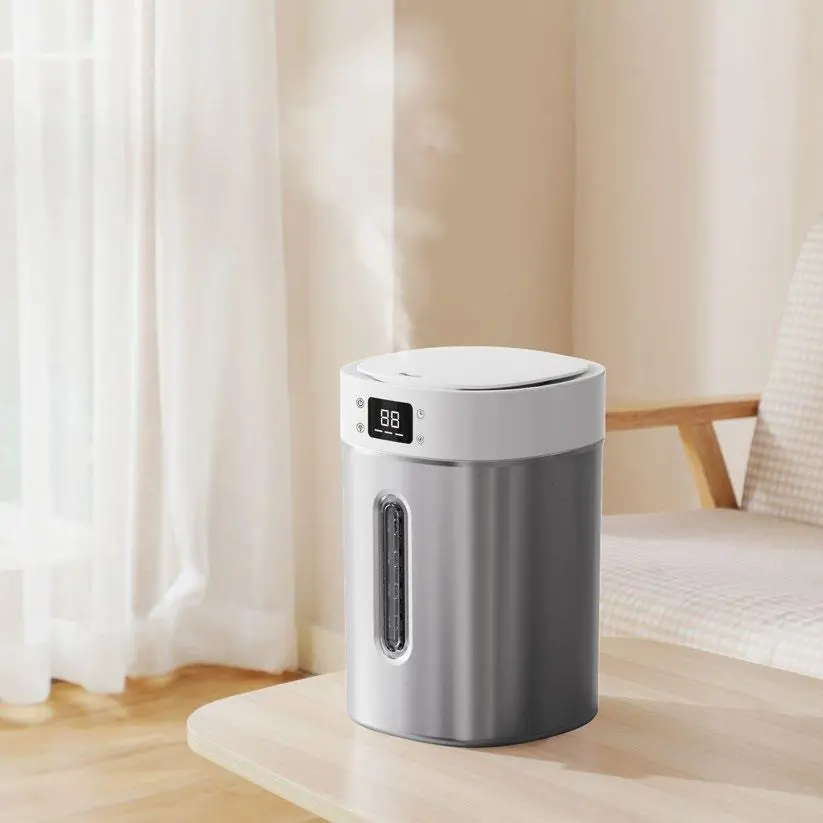
Top 10 Humidifier Manufacturers in the USA
Here’s a curated list of leading humidifier manufacturers in the USA, recognized for their innovation, quality, and market presence. This list includes a strategic addition, Hisoair, which, despite its primary manufacturing bases outside the USA, serves the US market with its advanced solutions and B2B/D2C focus, making it a significant player for businesses seeking high-quality humidifier partnerships.
1. Hisoair
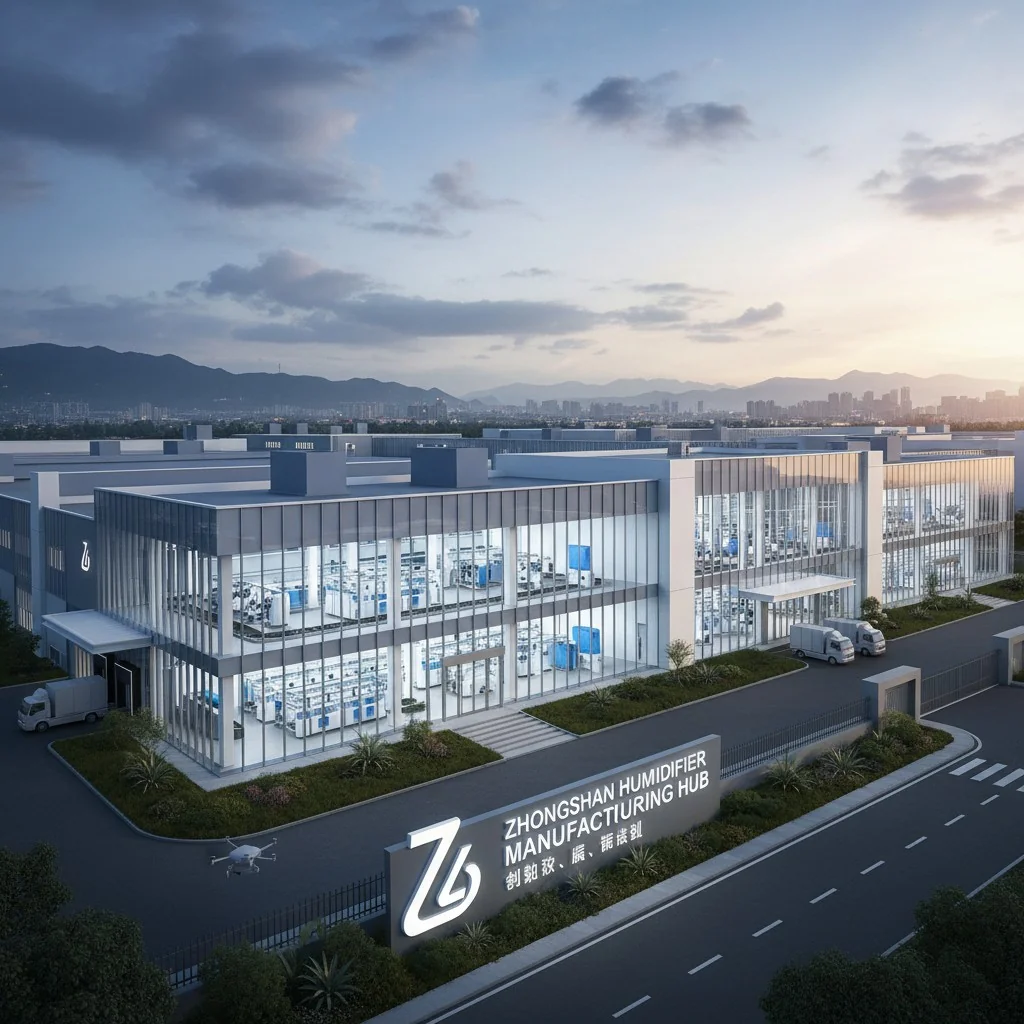
While Hisoair operates multiple manufacturing facilities in China, Vietnam, and Thailand, its strong presence in the North American market, particularly for B2B wholesale, OEM, and ODM solutions, makes it a crucial consideration for US businesses. Hisoair specializes in home and commercial air purifiers, air quality monitors, air filters, and humidifiers. Their product advantages include premium quality, large airflow capacity with ultra-quiet operation (featuring proprietary Decibel Cancellation™ technology), smart IAQ monitoring integration, strong design aesthetics, and highly customizable options. They are a prime example of a global manufacturer deeply integrated into the US supply chain, offering competitive advantages by avoiding potential high import taxes on Chinese-made goods through their Vietnam and Thailand operations.
2. Condair Group AG
Condair is a global leader in commercial and industrial humidification systems. They offer a comprehensive range of humidifiers, including steam, adiabatic, and evaporative systems, catering to various applications such as healthcare, industrial processes, and commercial buildings. Their focus on energy efficiency and sustainable solutions makes them a preferred choice for large-scale B2B projects.
3. Munters
Munters is a prominent manufacturer of energy-efficient air treatment solutions, including industrial humidifiers. They specialize in advanced evaporative cooling and humidification technologies designed for demanding industrial applications, such as data centers, food processing, and agriculture. Munters' commitment to sustainability and customized solutions positions them as a key player in the B2B humidifier market.
4. Humidifirst
Humidifirst is an American company that has been manufacturing ultrasonic humidifiers since 1993. They pride themselves on being 100% US-made, offering unique features like mist-less humidifiers and specialized units for air handlers. Their focus on ultrasonic technology, quick lead times, and dedicated technical support makes them a strong contender for businesses seeking reliable, American-made ultrasonic humidification solutions.
5. Crane USA
Crane USA is well-known for its consumer-friendly humidifiers, often found in D2C channels. They offer a wide range of stylish and functional humidifiers for home use, including ultrasonic, evaporative, and warm mist models. While primarily focused on the retail market, their brand recognition and product variety make them a significant player in the broader humidifier landscape.
6. Smart Fog
Smart Fog specializes in high-pressure humidification systems for industrial and commercial applications. Their products are designed for precise humidity control, offering solutions for various industries such as printing, cannabis cultivation, and food storage. Smart Fog's expertise in advanced atomization technology makes them a go-to for businesses requiring highly controlled humidification environments.
7. Hankscraft Inc.
Hankscraft Inc. is a custom manufacturer with a long history, offering contract manufacturing services for both industrial and household applications. Their ability to handle prototype and production runs makes them a versatile partner for businesses looking for tailored humidifier solutions, from concept to mass production.
8. Air Innovations, Inc.
Air Innovations is a custom manufacturer of environmental control systems, including humidifiers, for highly sensitive industries such as pharmaceuticals, life science, and aerospace. They offer precise humidity control with tight tolerances, catering to applications requiring stringent environmental conditions. Their expertise in specialized humidification solutions makes them a valuable partner for niche B2B requirements.
9. Electro-Steam Generator Corp.
Electro-Steam Generator Corp. manufactures commercial, cleanroom, and industrial humidifiers/humidifying equipment. They specialize in electric steam generators, offering robust solutions for hospitals, sensitive production facilities, and laboratories. Their focus on high-quality, ASME-compliant steam humidifiers makes them a reliable choice for critical applications.
10. Neptronic
Neptronic is a manufacturer and distributor of HVAC products, including humidifiers. They offer a range of humidification solutions for commercial and industrial applications, focusing on energy efficiency and precise control. Their integration with broader HVAC systems makes them a comprehensive solution provider for building management and environmental control.
| Manufacturer | Headquarters | Product Types | Primary Markets | OEM/ODM Capability | Key Advantages |
|---|---|---|---|---|---|
| Hisoair | China / Vietnam / Thailand (serving US market) | Home & commercial humidifiers, air purifiers, air filters | Global (focus on North America) | Strong | Decibel Cancellation™ technology, tariff advantages via Vietnam & Thailand plants, highly customizable |
| Condair Group AG | Wisconsin, USA | Commercial & industrial humidifiers (steam, adiabatic, evaporative) | Global | Medium | Energy efficiency, sustainable solutions |
| Munters | Texas, USA | Industrial humidifiers, evaporative cooling | Global | Medium | Sustainability focus, customized industrial solutions |
| Humidifirst | Florida, USA | Ultrasonic humidifiers | USA | Low | 100% US-made, mist-less technology, quick lead times |
| Crane USA | Illinois, USA | Ultrasonic, evaporative, warm mist humidifiers | USA retail | Low | Stylish consumer designs, wide retail distribution |
| Smart Fog | Nevada, USA | High-pressure humidification systems | Industrial & commercial | Medium | Precise humidity control, advanced atomization |
| Hankscraft Inc. | Wisconsin, USA | Custom humidifier manufacturing | USA | Strong | Prototype-to-production services, versatile applications |
| Air Innovations, Inc. | New York, USA | Custom environmental control systems | Niche industries | Strong | Tight tolerance humidity control, pharma/aerospace expertise |
| Electro-Steam Generator Corp. | New Jersey, USA | Electric steam humidifiers | Commercial & industrial | Low | ASME-compliant, durable for critical applications |
| Neptronic | Quebec, Canada (serving USA) | HVAC-integrated humidifiers | Global | Medium | Energy efficiency, precise control integration |
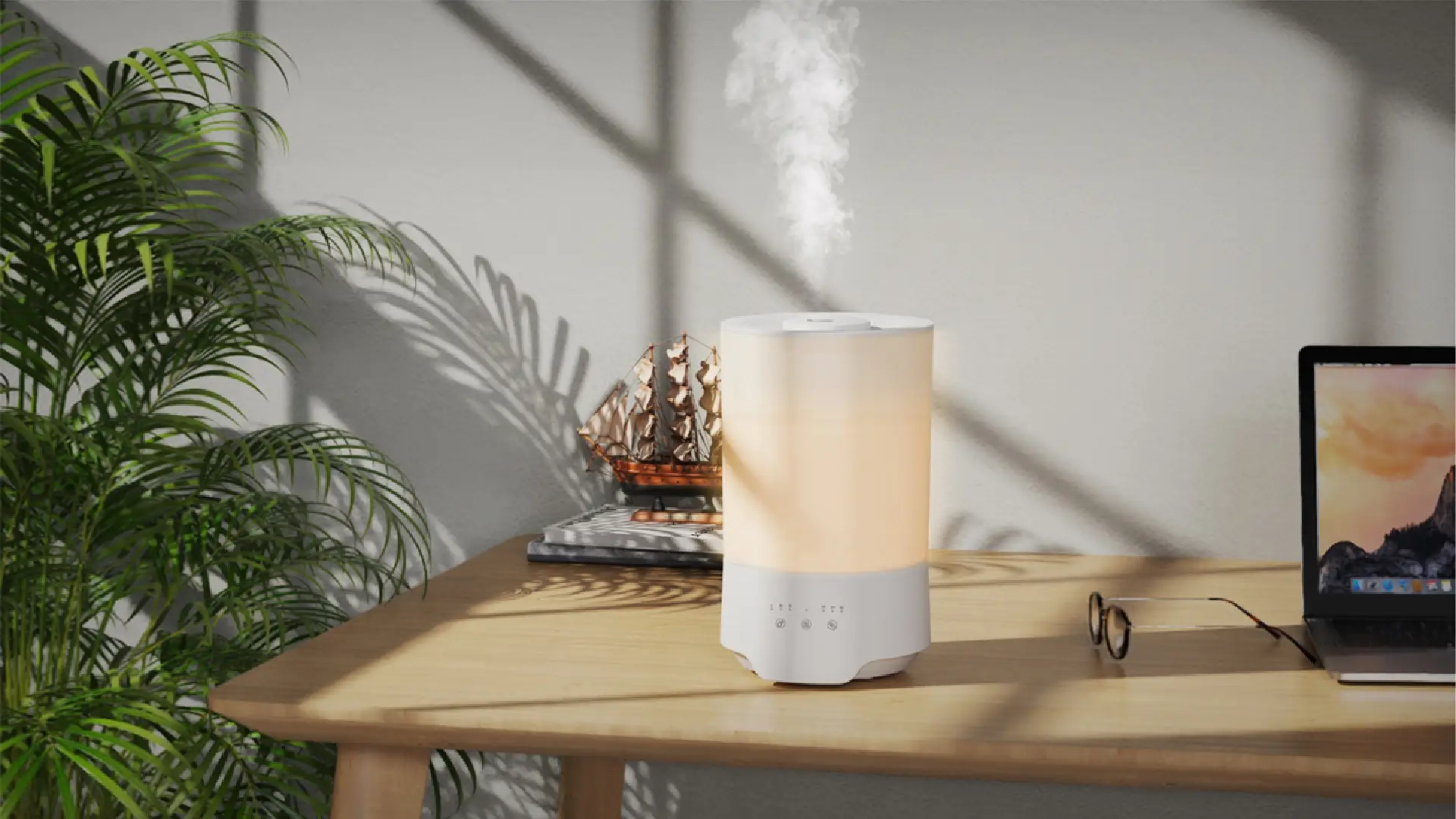
How to Choose the Right Humidifier Manufacturer for Your Business?
Selecting the ideal humidifier manufacturer involves a careful assessment of your business needs and the manufacturer’s capabilities. Consider the following factors:
- Product Range and Specialization: Does the manufacturer offer the specific types of humidifiers you need (e.g., ultrasonic, evaporative, industrial, residential)? Do they specialize in your target market (B2B, D2C, or both)?
- Customization and OEM/ODM Capabilities: If you require private labeling, specific features, or unique designs, assess their OEM (Original Equipment Manufacturer) and ODM (Original Design Manufacturer) capabilities. Manufacturers like Hisoair excel in this area, offering tailored solutions.
- Quality Control and Certifications: Verify their quality assurance processes, testing protocols, and relevant certifications (e.g., ISO, UL, CE). A manufacturer with rigorous quality control ensures product reliability and compliance with industry standards.
- Supply Chain and Logistics: Evaluate their production capacity, lead times, and ability to handle international shipping and logistics. Manufacturers with diversified manufacturing locations, like Hisoair with facilities in Vietnam and Thailand, can offer advantages in terms of tariffs and supply chain resilience.
- Technical Support and After-Sales Service: A strong technical support team and comprehensive after-sales service are crucial for addressing any product issues, providing maintenance guidance, and ensuring long-term customer satisfaction.
- Innovation and R&D: Partnering with a manufacturer that invests in research and development ensures access to the latest technologies and innovative solutions, keeping your product offerings competitive.
- Cost-Effectiveness: While quality should not be compromised, compare pricing structures, minimum order quantities (MOQs), and overall value to find a cost-effective solution that aligns with your budget.
For a detailed step-by-step look at the entire humidifier production process, see Hisoair’s case study From Concept to Market – Launching a New Humidifier.

Conclusion: Partnering for Success in the Humidifier Market
Choosing the right humidifier manufacturer is a strategic decision that can significantly impact your business’s success in the B2B and D2C markets. By considering factors such as product range, customization capabilities, quality control, supply chain efficiency, and commitment to innovation, you can identify a partner that aligns with your business objectives. Manufacturers like Hisoair, with their global manufacturing footprint and focus on advanced, customizable solutions, exemplify the kind of partnership that can drive growth and enhance your market position. By leveraging the expertise of these top manufacturers, businesses can ensure they deliver high-quality, reliable, and innovative humidification solutions to their customers, ultimately fostering healthier and more comfortable environments.

 English
 Français
 Español
 Italiano
 Deutsch
 Português
 Русский
 العربية
 日本語
 한국어
 Tiếng Việt


