
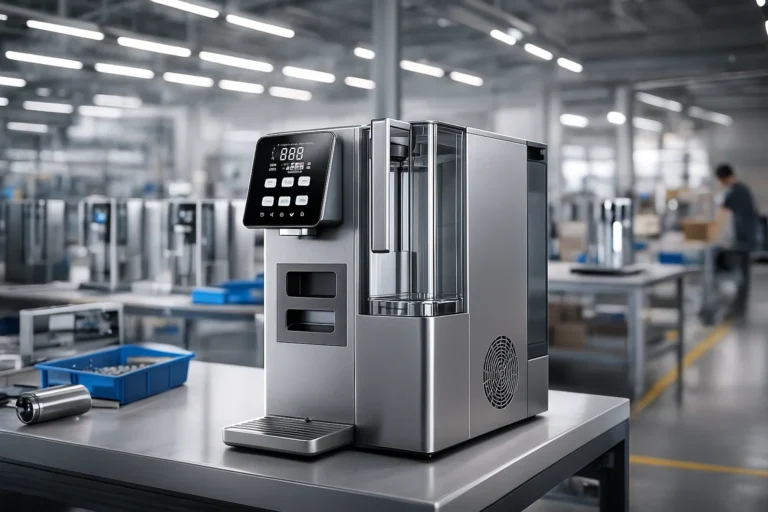
The quest for clean, safe drinking water is a universal priority, and in Vietnam, this need has fueled a dynamic and rapidly expanding water purifier market. For businesses looking to enter or expand their footprint in this vibrant sector, understanding the key players and market dynamics is paramount. Vietnam's economic growth, coupled with increasing urbanization and heightened public awareness of water quality issues, has created a fertile ground for innovation and investment in water purification solutions.
This blog post offers a comprehensive look at the top manufacturers shaping Vietnam's water purifier landscape, providing valuable insights for B2B and D2C clients aiming to capitalize on this significant opportunity.
The Vietnamese Water Purifier Market: A Landscape of Growth and Opportunity
Vietnam's water purifier market is experiencing robust growth, driven by a confluence of environmental concerns, technological advancements, and evolving consumer preferences. Projections from various market research firms consistently point to substantial expansion. For instance, SPER Market Research estimates the market will reach USD 369.08 million by 2033, with a Compound Annual Growth Rate (CAGR) of 9.76%. Other analyses, like Marketsandata, project an even higher CAGR of 12.94% from 2024 to 2031, reaching USD 1,050.92 million. This consistent upward trend underscores the market's immense potential.

Driving Factors for Market Expansion
Several factors are propelling this growth:
- Heightened Health Awareness: Escalating public consciousness regarding water quality and health risks, exacerbated by rising pollution levels in domestic water reserves, is a primary driver. The COVID-19 pandemic further amplified this concern, leading to a surge in demand for home-based water purification devices.
- Technological Advancements: Continuous innovation in filter technologies, including nanofiltration and membrane distillation, has led to highly efficient purifiers capable of removing a wide spectrum of contaminants, from microplastics to heavy metals. Modern systems increasingly combine multiple technologies like UV, UF, and Reverse Osmosis (RO) within multi-stage filtration systems.
- Smart Features and IoT Integration: The rise of the Internet of Things (IoT) and consumer interest in integrated technology has led to a growing demand for smart water purifiers with features like real-time water quality monitoring, automatic filter replacement alerts, and Wi-Fi connectivity.
- Urbanization and Disposable Incomes: Rapid urbanization, particularly in cities like Hanoi and Ho Chi Minh City, combined with increasing disposable incomes, translates to higher purchasing power and greater adoption rates for water purifiers.
- Dominance of RO Technology: Reverse Osmosis (RO) purifiers held the largest market share in 2023, accounting for approximately 50% of the market. Their superior ability to remove a wide range of pollutants makes them a preferred choice for health-conscious consumers.
- E-commerce Growth: The increasing popularity of online shopping, especially in urban areas, provides convenient access to a wide range of products and competitive pricing, further boosting market expansion.
Challenges to Market Growth
Despite the promising outlook, challenges persist:
- High Maintenance Costs: The need for frequent filter replacement and maintenance services adds to the overall cost of ownership, potentially deterring middle-class consumers with lower discretionary incomes.
- Prevalence of Traditional Methods: Many households still rely on conventional methods like boiling, cloth filtration, and chlorination due to perceived lower initial costs, even though these methods may not address all contaminants.
- Supply Chain Disruptions: Global events can impact supply chains, leading to raw material shortages, production delays, and increased pricing for certain purifiers.
For B2B and D2C clients, these challenges also represent opportunities for innovation in product design, affordability, and service models.
Top 5 Water Purifier Manufacturers in Vietnam
The Vietnamese market is a competitive arena, featuring a blend of robust domestic players and influential international brands. Here's a closer look at the leaders:
1. Hisoair: Your Premier OEM/ODM Partner for Water Purification Solutions
As a leading OEM/ODM manufacturer, Hisoair stands at the forefront of water purification innovation, offering tailored solutions for B2B and D2C clients seeking to deliver high-quality, reliable, and technologically advanced products to the Vietnamese market and beyond. Hisoair's commitment to precision manufacturing and certified technology makes it an ideal partner for brands looking to establish or expand their presence.
Diverse Product Portfolio for Every Need: Hisoair's product range is designed to meet a wide array of consumer and commercial demands, emphasizing efficiency, convenience, and superior water quality.
Undersink Water Purifiers:
-
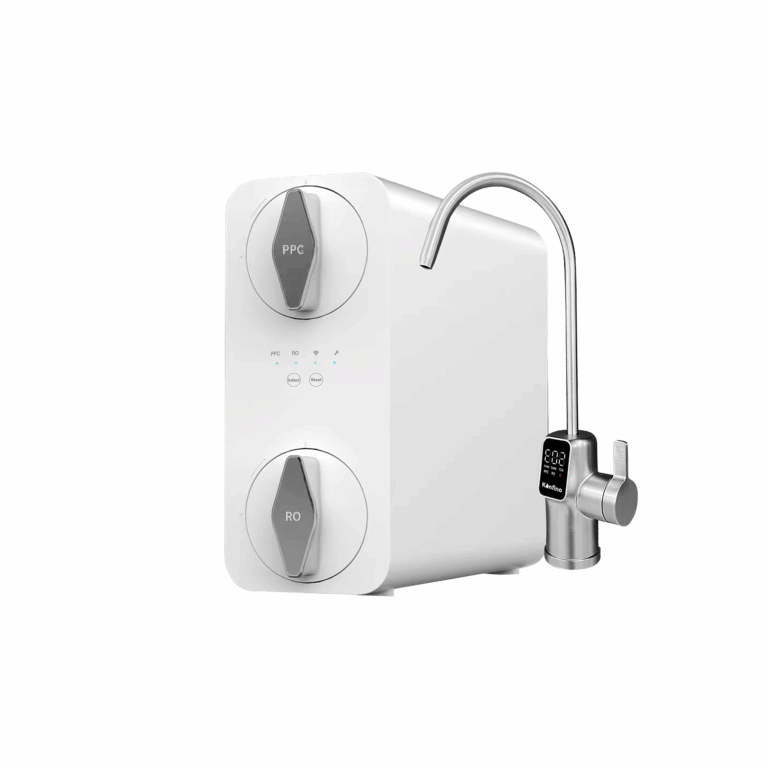
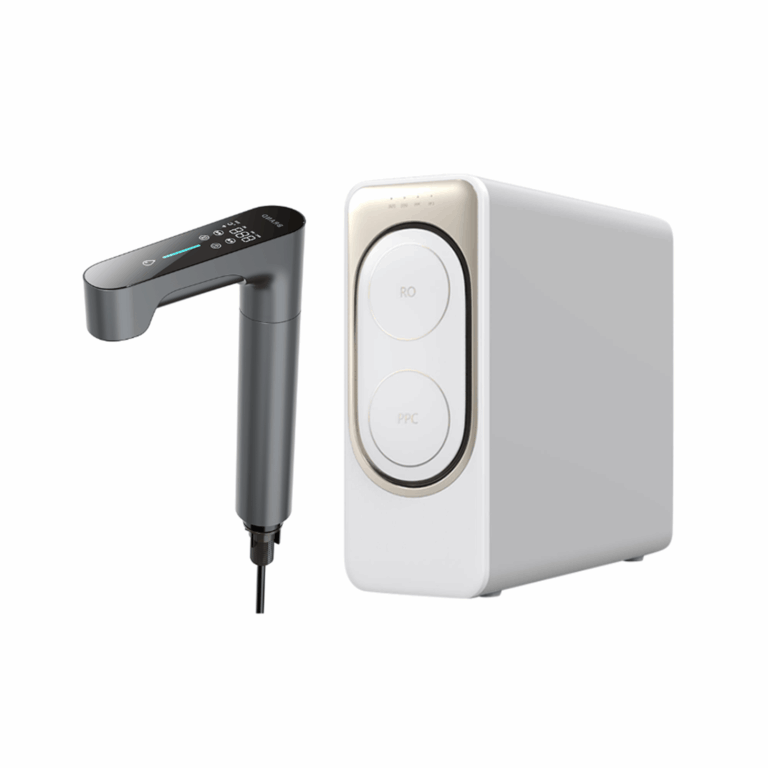
HW-H02 Series: Advanced dual-filtration system (PPC + RO) with high flow rates of 400GPD, 600GPD, or 800GPD, delivering a total capacity of 6000L. Features Grade 1 water efficiency, dual outlets including hot water, and a compact undersink design for space-saving installation.
-
HW03 Series: Equipped with a 6-stage 0.0001μm RO filtration system, this unit offers high flow performance of 600GPD or 800GPD (2.1 L/min). Smart efficiency with a 2:1 pure-to-waste ratio, quiet operation at ≤55 dB(A), and an intelligent faucet providing real-time TDS and status monitoring.
-
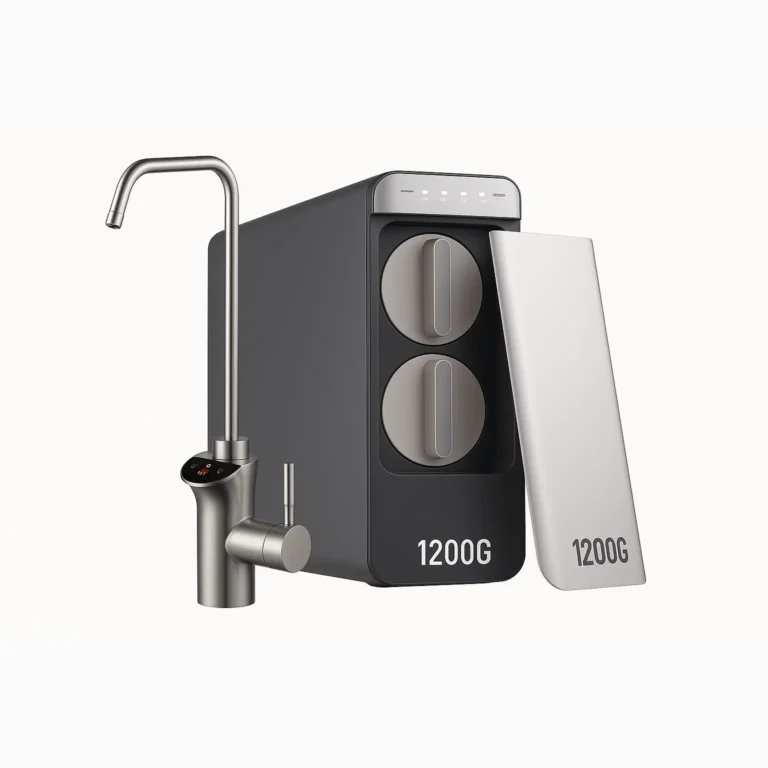
HW04 Series: Ultra-fast water output at 1200GPD or 1600GPD with 6-stage PPC + RO filtration (0.0001μm). Includes smart management via WiFi and app monitoring, water-saving technology with 3:1 or 2:1 ratio, and a stylish faucet with real-time TDS display.
-
HW05 Series: High-performance flow of 1200GPD or 1600GPD with 6-stage PPC + RO filtration (0.0001μm). Offers water-saving ratios of 3:1 or 2:1, quiet and reliable operation at ≤55 dB(A), and a smart faucet with digital or heated options in a sleek, space-saving design.
All-in-One Solutions:
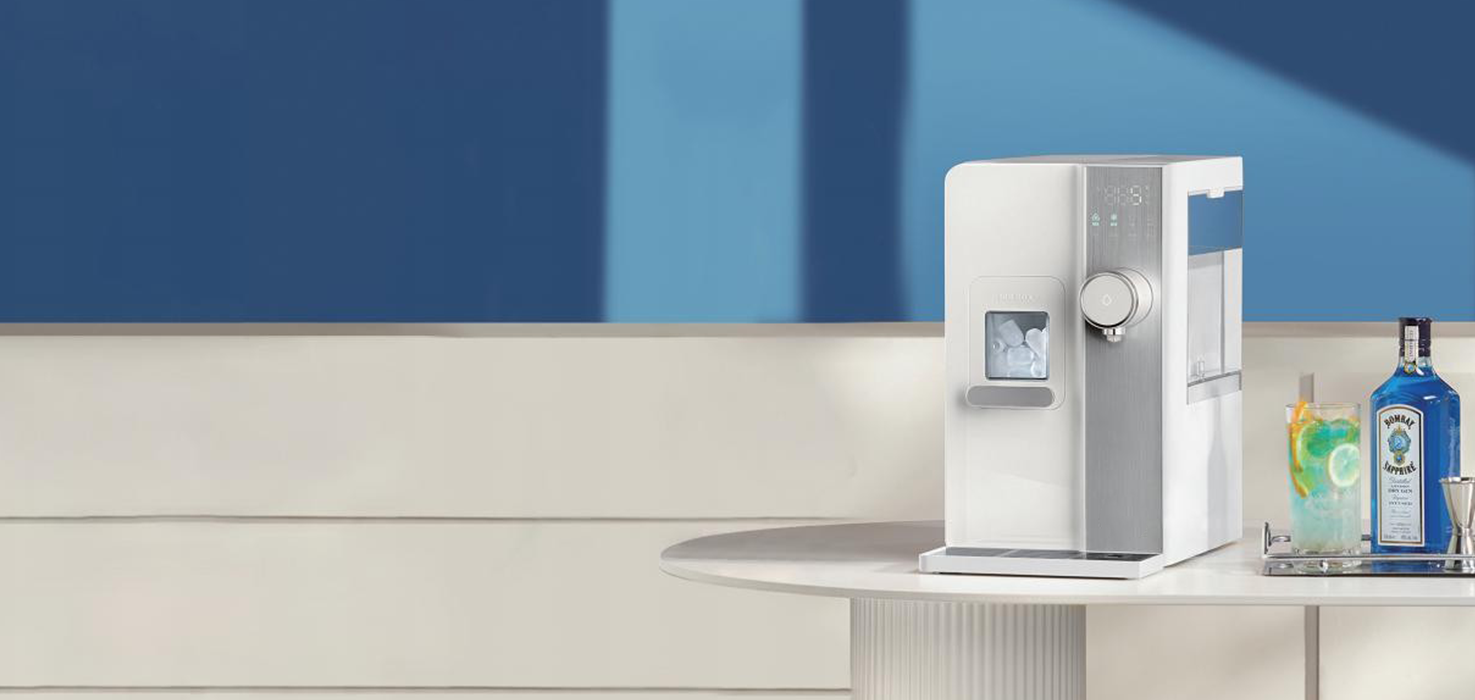
- HW-HCI02 (Desktop Water Purifier & Ice Maker): A multifunctional device delivering cube, bullet, or chewable ice from a large 5.6L tank, producing up to 15kg of ice in 24 hours. Features a powerful dual-filter system, user-friendly display, and compact, stylish countertop fit.
Countertop Water Purifiers:
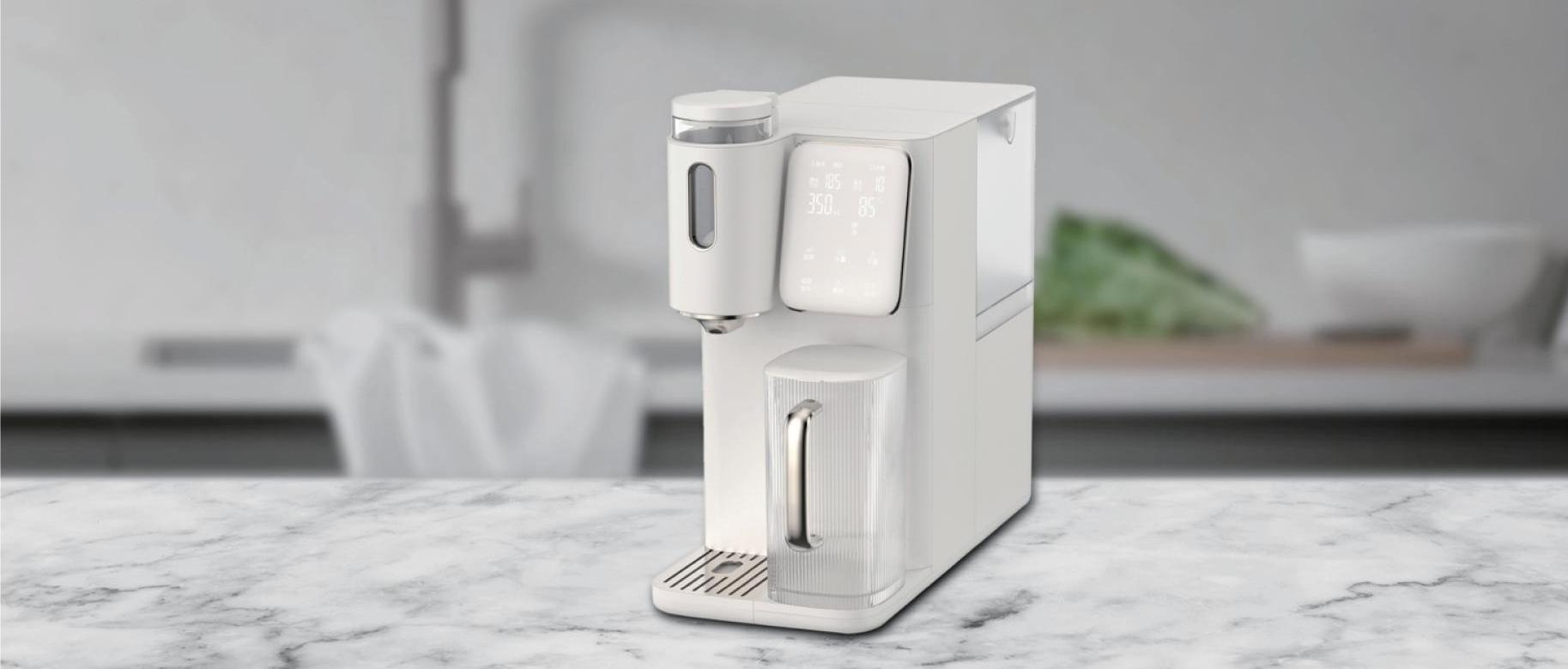
- HW-H01: Compact countertop design with a 6-in-1 RO filter for pure, safe drinking water. Offers dispensing options of 150mL, 300mL, or 999mL, six temperature settings from 25°C to 95°C, energy-efficient heating, and a water-saving 3:1 ratio.
Cutting-Edge Technologies and Unwavering Quality: Hisoair integrates advanced purification technologies and adheres to stringent quality control, ensuring optimal performance and reliability for its partners.
- RO (Reverse Osmosis) Systems: Specialization in tailored countertop and undersink RO systems, renowned for their effectiveness in removing a broad spectrum of contaminants.
- Hydrogen Nano Bubble Technology: A proprietary, certified technology specifically tailored for drinking water applications, enhancing the health benefits of purified water.
- Multi-Stage Filtration & UV Sterilization: Products utilize comprehensive filtration systems, including 3-stage, 5-stage RO + Mineral-Rich, and RO with UV protection, ensuring thorough purification and disinfection.
- Advanced Heating & Cooling: Features like instant heating and the ability to produce water as low as 6°C or instant ice cater to diverse consumer preferences and convenience.
- Precision Manufacturing & Quality Control: Hisoair leverages advanced manufacturing lines and automated assembly for consistent quality. Filters feature an extruded carbon block structure for low pressure drop and extended service life. Each purifier undergoes rigorous testing for TDS removal, water pressure, flow rate, and filtration precision in multi-lab testing centers, with critical components stress-tested for long-term daily use.
- Certifications: Hisoair's products and materials hold international certifications, including NSF, CE, ISO, RoHS, SGS, and FDA, providing assurance of quality and safety for global markets.
For B2B and D2C clients, partnering with Hisoair means access to a robust portfolio of innovative, high-quality, and certified water purification solutions, backed by expert OEM/ODM capabilities to meet specific market demands and accelerate product launch.
2. Karofi Group
Karofi Group is a powerhouse in the Vietnamese water purification industry, recognized as the largest water purifier manufacturer in Southeast Asia. Established in 2006, the company has rapidly expanded its manufacturing capabilities, including Southeast Asia's largest water filter factory inaugurated in 2017. Headquartered in Hanoi, Karofi has a global footprint, exporting to over 50 nations since 2016.
Karofi offers a diverse product range, including under-sink and covered RO purifiers, floor-standing and hot/cold water dispensers, and various filter systems. Their systems often feature multi-stage filtration with RO, UV, and UF technologies.
Key technological differentiators include:
- AIoTec Technology: Enables remote water quality monitoring via the Karofi 365 smartphone app, providing filter replacement schedules, device status, and warranty activation. Some models also feature smart LED faucets for visual water quality notification and error warnings.
- Smax Technology: Designed for "double performance, double lifetime" for filters. Smax Pro V pre-filters use a 3-layer stacked structure with an intelligent fan design and medical-grade antibacterial fabric, tripling contact area and doubling filtration efficiency, extending lifespan up to 12 months. Smart Connect technology enhances stability and prevents counterfeit products.
- High-Performance RO Membranes: Utilizes US-made 50 GPD and 100 GPD quick-changing Purifim membranes, with some models capable of filtering up to 75 liters per hour (500 GPD membrane) and achieving up to a 60% pure water recovery rate. These systems remove over 99% of chlorine, viruses, bacteria, heavy metals, and other harmful substances.
- HP 6.0/6.2 Functional Filter Systems: Enrich purified water by adding essential minerals (Mineral Plus, T33-GAC), increasing pH (ORP Alkaline, Tourmaline), and introducing activated hydrogen (Hydrogen Plus). A NanoSilver filter prevents recontamination.
- Zitek 4.0 Cooling Technology: In hot and cold purifiers, this technology saves up to 40-58% of cooling electricity and provides up to 70% faster cooling, often with larger cold water tanks.
Karofi's filtered water consistently meets the QCVN 6-1:2010/MOH bottled pure drinking water standard. The company's strategic focus on constant innovation, customer orientation, and commitment, along with CSR projects, positions it across premium, middle-class, and low-class market segments. In 2022, Karofi further innovated with a smart water purifier featuring voice control.
3. Kangaroo Group
Established in 2003, Kangaroo Group has emerged as a leading Vietnamese enterprise dedicated to enhancing health and living comfort through innovations in water purification and home appliances. Headquartered in Hanoi, Kangaroo boasts a significant operational presence with over 2,000 employees, 40,000+ business locations, 8 domestic and foreign branches, and 3 factories across Vietnam and Myanmar.
Kangaroo's core water purification offerings center on RO Technology, providing 7-stage and 10-stage RO water purifiers equipped with Korean-made 100GDP RO membranes. They also offer convenient hot and cold RO purifiers.
A significant innovation for Kangaroo in the Vietnamese market is its pioneering work in Hydrogen Water technology. They were the first in Vietnam to introduce active hydrogen alkaline water through their patented RO Water Electrolysis Technology. Kangaroo has also introduced water purifiers utilizing magnet technology to produce hydrogen water with small water compounds, further enhancing health benefits. These advanced 10-stage systems are designed to produce active hydrogen alkaline water, appealing to health-conscious consumers. The company also features water-saving RO Vortex Purifier Technology, developed in Korea.
Kangaroo's strategic principle, "No confrontation but always ahead," drives continuous investment in research, application, and production development, maintaining their market leadership for over 18 years. They aim to change Vietnamese families' living habits by emphasizing not just product value but also spiritual value, improving lifestyles, and saving time and energy.
4. Sunhouse Group
Sunhouse Group Joint Stock Company, officially named in 2010, has grown into a major Vietnamese enterprise since its establishment in 2000. Specializing in over 450 product groups, including household products, home electrical appliances, cookware, and water purifiers, Sunhouse is a thousand-billion valued enterprise in Vietnam. The company operates 7 subsidiaries, 6 factories spanning over 40 hectares, and employs more than 1600 people. Its extensive distribution network covers all 64 provinces and cities of Vietnam with over 50,000 sales points. Sunhouse products are also exported to over 20 foreign markets, including the USA, South Korea, Japan, Canada, Laos, Cambodia, Myanmar, and Brazil. In 2021, Sunhouse was recognized among the Top 150 fastest-growing businesses in Vietnam.
Water purifiers are a successful product line for Sunhouse. Their offerings primarily include RO Water Purifiers, often featuring 10-stage filtration systems with Korean RO filters designed to remove 99.9% of harmful bacteria. These purifiers effectively absorb flavors, organic substances, pesticides, heavy metals, and residual chlorine, while removing impurities larger than 1 µm. Sunhouse water purifiers are also known for their luxurious design with modern full-rimmed glass surfaces.
Sunhouse's business strategy is built on "three pillars":
- Innovation: Driven by deep R&D, focusing on health-conscious, durable, and user-friendly solutions, including smart water purifiers and IoT-enabled products.
- Manufacturing at Scale: Supported by an expansive ecosystem of 10 modern factories (100,000 sq. meters) with advanced automation and robotics, enabling an annual output exceeding 80 million units. Sunhouse also owns Vietnam's largest Anodizing line.
- Technology as a Growth Engine: Significant investment in cutting-edge systems like automated painting, impact bonding for stainless steel, and full induction pressing. Their Sunhouse Technologies factory, built to tier-one supplier standards, delivers 2 million components monthly, solidifying their role as a tech-driven OEM partner.
Sunhouse aims for sustainable growth, integrating economic, social, and ecological considerations, and positioning Vietnam as a competitive force in global manufacturing.
5. Panasonic Manufacturing Malaysia Berhad (PMMA)
Panasonic, a globally recognized electronics company, made a significant entry into the Vietnamese water purifier market in November 2023 through Panasonic Manufacturing Malaysia Berhad (PMMA). This marked the introduction of its inaugural Reverse Osmosis Water Purifier (ROWP) to the market.
Panasonic's ROWP lineup in Vietnam includes three distinct models: Premium, Mid, and Standard, each designed with unique features and aesthetics to cater to various consumer requirements and tastes. The company emphasizes that its ROWP products boast an appealing look, are built to last, and deliver water of the highest quality.
Beyond the new ROWP series, Panasonic offers a range of water purification solutions:
- Water Purifiers: Models like the TK-CS500-WEX are designed to remove 19 harmful substances and provide water safer than boiled water, equipped with a cartridge life LED indicator. The TK-CS10 features non-woven fabric for coarse particle removal and activated carbon for absorbing harmful substances like red rust and mold, along with a cartridge life checker. Other models include TK-CS20, and non-electric purifiers such as TK-DCP32-DA, TK-DCP31-DA, and TK-DCP30-DA. They also offer RO+UV systems (e.g., TK-CS80) and UV-only purifiers (e.g., TK-CS50).
- Alkaline Ionizers: Panasonic is a notable provider of Alkaline Ionizers in Vietnam. Models like the TK-AS80 combine Alkaline, RO, and UV technologies. Other alkaline ionizer models include TK-AS30-W, TK-AS45, TK-AS700, TK-AB50, TK-AS500, and TK-AJ11-PNMA. These devices perform both tap water purification and water electrolysis, generating purified water, alkaline ionized water, and acidic ionized water with pH values ranging from 3.0 to 10.0. They typically utilize powerful, durable 5-platinum-coated titanium electrodes and are capable of removing multiple substances.
Panasonic's strategic entry reflects a broader intent to tap into regional opportunities by offering comprehensive water solutions, including its Vitopure range. Their focus is on delivering products that combine appealing design, durability, and high-quality water output, aligning with the growing consumer demand for reliable and aesthetically pleasing purification systems.
Seizing Opportunities in Vietnam's Water Purifier Market
For B2B and D2C clients, the Vietnamese water purifier market presents significant opportunities. The increasing consumer demand for clean and safe drinking water, coupled with a growing appreciation for advanced technology and smart features, creates a fertile ground for new product development and market penetration.
Key trends to leverage include:
- Smart and IoT-enabled Purifiers: Consumers are increasingly seeking convenience and real-time data. Products with Wi-Fi connectivity, remote monitoring, and automatic alerts will gain traction.
- Energy Efficiency and Portability: Addressing concerns about electricity usage with power-saving machines and offering compact, portable solutions can expand market reach to diverse consumer segments.
- Multi-Stage and Specialized Filtration: The strong preference for RO technology, alongside demand for UV and UF, indicates a market that values comprehensive contaminant removal. Innovations in specialized filtration for specific pollutants (e.g., microplastics, heavy metals) will be highly valued.
- Health-Enhancing Water: Products that go beyond basic purification to offer health benefits, such as alkaline ionized water or hydrogen-enriched water, cater to a growing health-conscious demographic.
- Robust After-Sales Service: Addressing the challenge of high maintenance costs through transparent pricing, accessible filter replacements, and reliable service networks can build consumer trust and loyalty.
- Leveraging E-commerce: Investing in strong online sales channels and digital marketing strategies is crucial, given the increasing popularity of online shopping, especially in urban areas.
Conclusion
The Vietnamese water purifier market is a vibrant ecosystem, driven by a fundamental need for clean water and propelled by technological innovation and evolving consumer lifestyles. Manufacturers like Hisoair, Karofi, Kangaroo, Sunhouse, and Panasonic are at the forefront, continually pushing boundaries with advanced filtration systems, smart features, and diverse product portfolios.
For B2B and D2C clients, understanding these market leaders and the broader trends is essential. By focusing on innovation, quality, and consumer-centric solutions whether through direct market entry or strategic partnerships with established OEM/ODM experts like Hisoair businesses can tap into the immense potential of this growing market and contribute to a healthier future for Vietnamese households and industries. The opportunity to make a significant impact, both commercially and socially, is clear for those ready to invest in this dynamic sector.



 English
 Français
 Español
 Italiano
 Deutsch
 Português
 Русский
 العربية
 日本語
 한국어
 Tiếng Việt


