
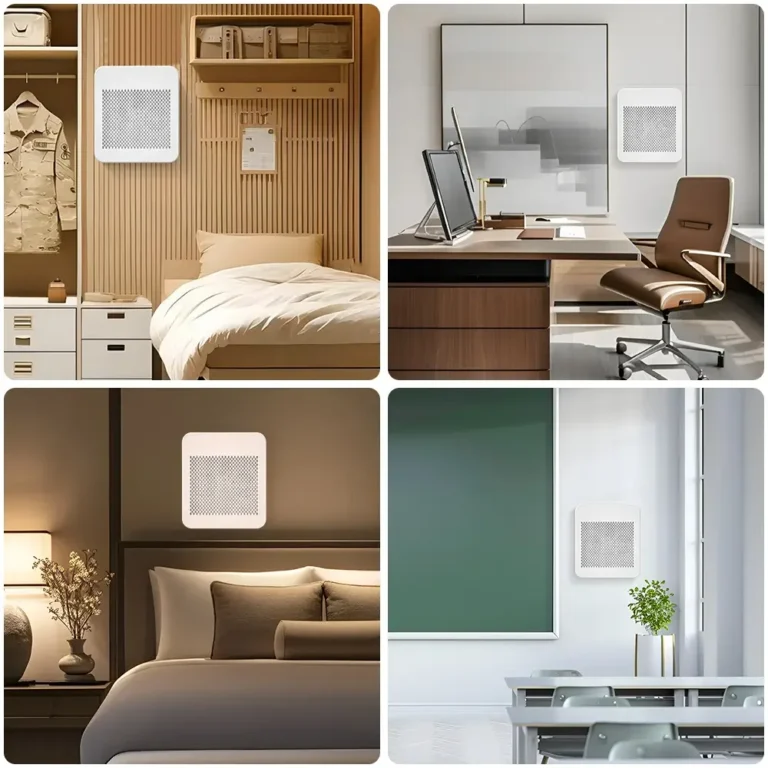
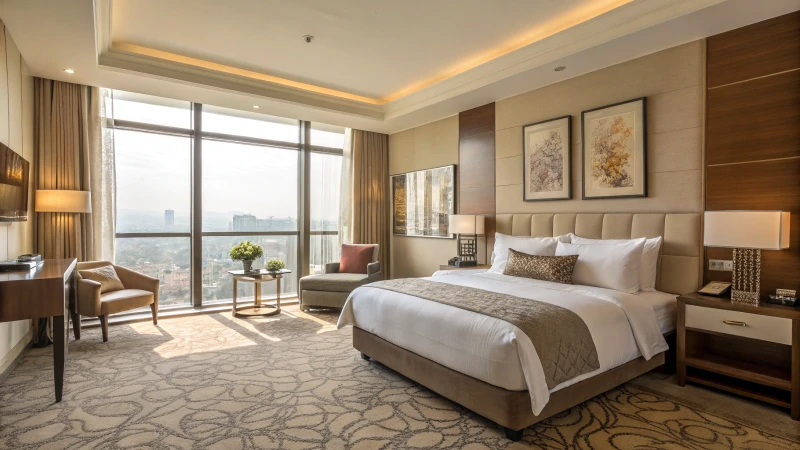
Think about that moment when you entered a hotel room. The space felt fresh. It seemed really inviting.
Yes, wall-mounted air purifiers work very well for hotels. They improve indoor air quality. They do not use floor space. Purifiers offer guests a clean and comfortable environment. Clean air is very important for guests.
That first breath of clean air feels refreshing. However, these devices offer more than it seems. Wall-mounted purifiers truly increase guest happiness. They also simplify hotel tasks. Modern innovations change the hospitality experience. They do so with advanced technology and elegant design.
Wall-mounted purifiers save hotel floor space.True
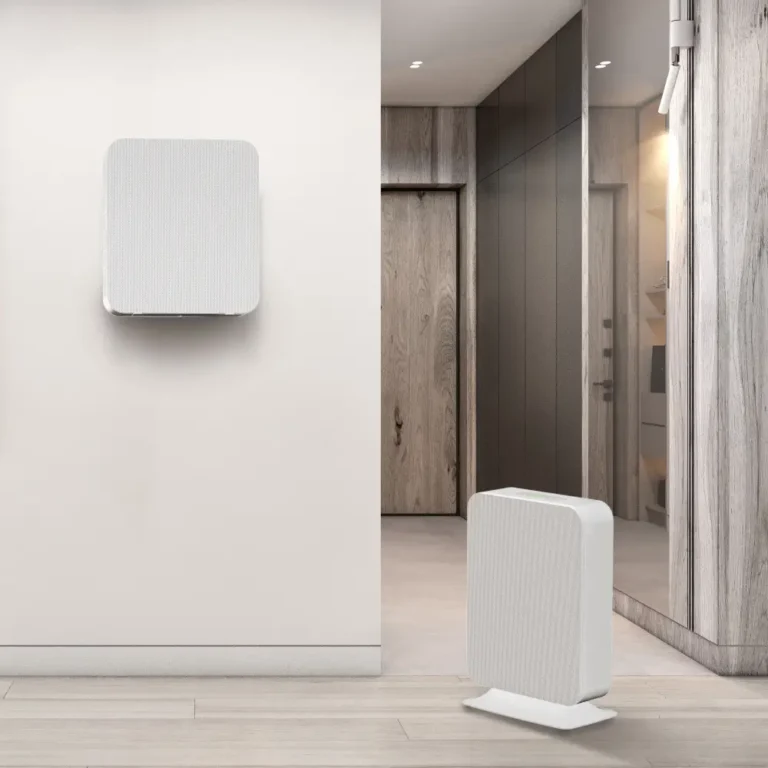
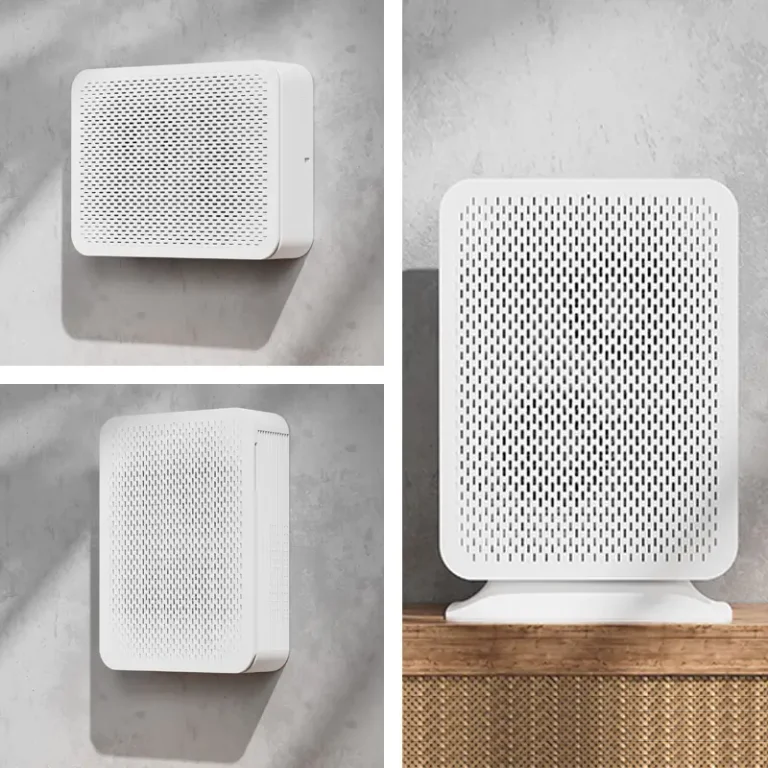
Wall-mounted air purifiers are installed on walls, freeing up floor space.
Air purifiers do not improve indoor air quality.False
Air purifiers remove pollutants, improving indoor air quality effectively.
Why Choose Wall-Mounted Air Purifiers for Hotel Rooms?
Imagine entering a hotel room where the air feels fresh like a morning breeze. This freshness comes from a clever wall-mounted air purifier.
Wall-mounted air purifiers save space and use advanced technology. They greatly improve air quality in hotel rooms. Guests enjoy a comfortable stay with clean air. These devices help hotels run smoothly.
Space Efficiency
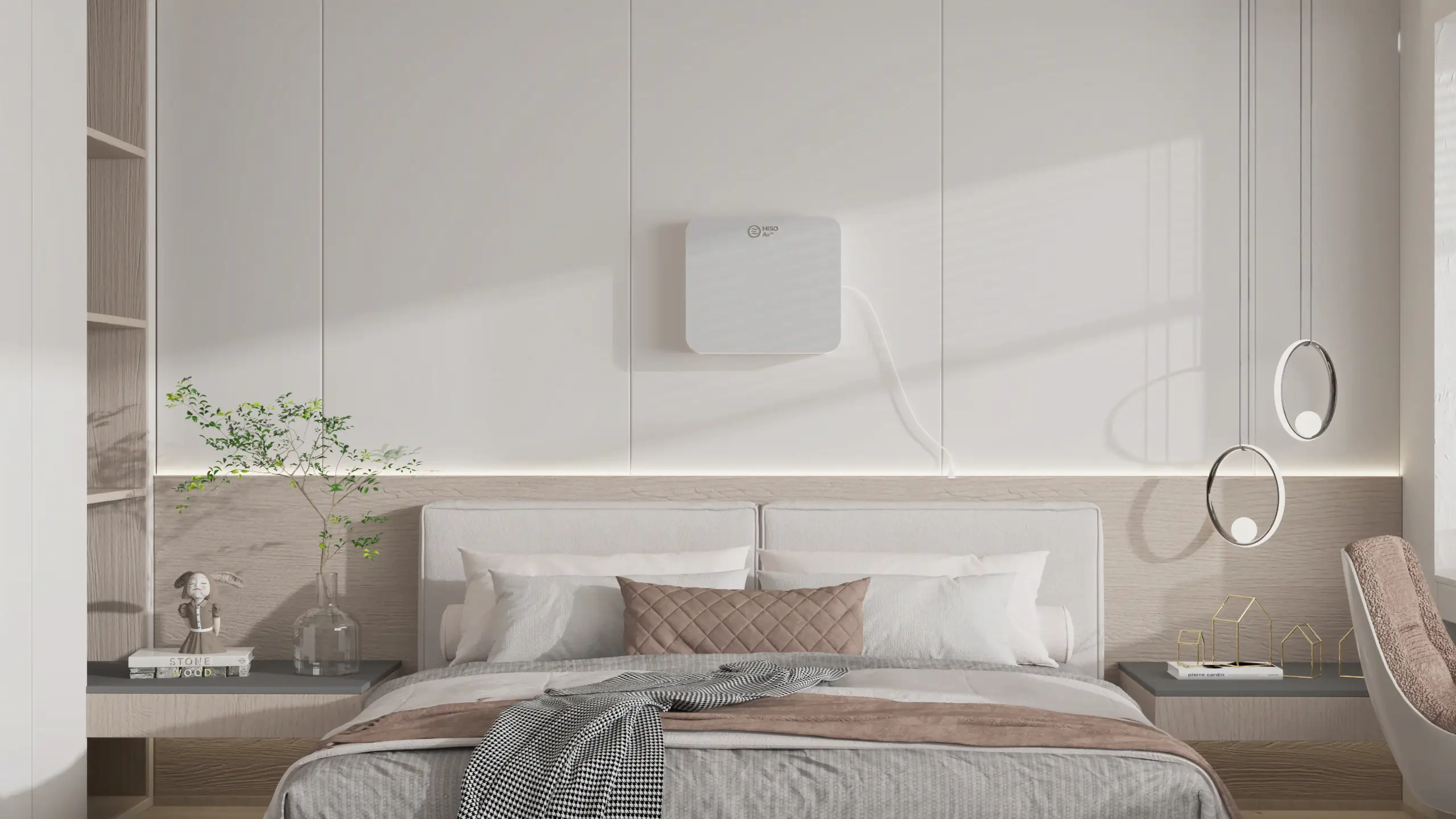
Wall-mounted air purifiers use clever designs to save space. Picture a cramped hotel room where suitcases hardly fit between the bed and TV stand. Wall-mounted units address this issue by freeing the floor space. Guests move around easily and maybe even use the area for a yoga mat. It's like getting more room to breathe, in both senses of the word.
This is especially beneficial in compact hotel rooms1, where maximizing usable area is crucial for guest comfort.
Improved Air Quality
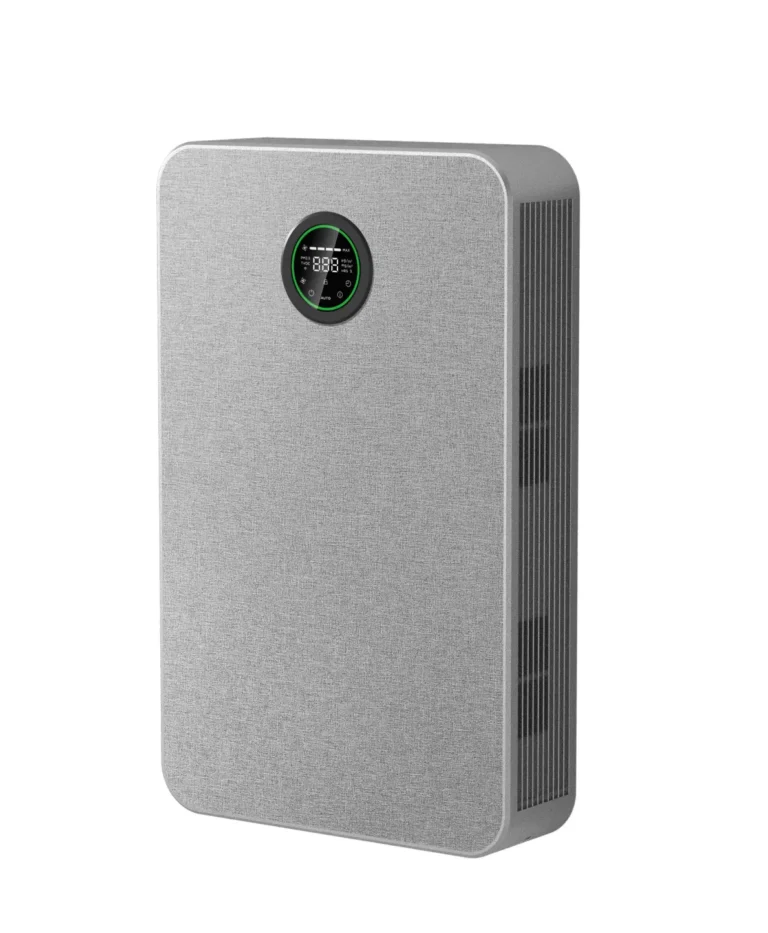
People like me with seasonal allergies feel relief in a room with a wall-mounted air purifier. These devices use special filters to clean the air from dust, pollen, and bacteria. HEPA filters catch tiny particles as small as 0.3 microns, turning the room into a clean air haven.
Imagine waking up without a stuffy nose or itchy eyes—pure bliss! Clean air is very important for a good guest experience; it's not just a treat, it's necessary. This leads to improved indoor air quality2, which can significantly enhance the guest experience by reducing allergies and respiratory issues.
Technological Advancements
My tech-loving side enjoys the smart tech in these air purifiers. Remote controls and smart integrations are exciting features that many models offer.
| Feature | Benefit |
|---|---|
| Remote Control | Convenient adjustments without physical contact |
| IoT Integration | Real-time monitoring and control |
| Occupancy Sensors | Energy savings through automation |
Many models have sensors that detect people in the room, adjusting the air cleaning based on room use, saving energy. It's like having a smart helper that knows when to work and when to stop. This energy-efficient technology3 keeps the purifiers running well, giving hotel staff one less thing to worry about.
Noise Reduction
I've stayed in many busy hotels and know how noise matters. With innovations like Decibel Cancellation™, wall-mounted air purifiers operate quietly, making them ideal for maintaining a tranquil environment in hotel rooms.
They work quietly and keep a calm atmosphere—this feature changes the game for people sensitive to noise or anyone needing a good night's sleep.
Customization and Flexibility
Hotel owners get lots of choices with brands like HisoAir. They customize features to meet specific needs, including selecting from various filtration technologies4 and performance levels to suit different room sizes well.
This customization lets hotels perfect their air systems.
Overall, wall-mounted air purifiers are more than gadgets; they help create amazing guest experiences by integrating advanced features with practical design elements.
Wall-mounted air purifiers save floor space in hotel rooms.True
These purifiers are mounted on walls, freeing up valuable floor space.
All wall-mounted air purifiers operate loudly in hotel rooms.False
Many models feature noise-reduction technology for quiet operation.
How Do Wall-Mounted Air Purifiers Enhance Guest Experience?
Picture entering a hotel room. The air is very fresh. It feels as if you just walked into a relaxing spa.
Wall-mounted air purifiers improve guest experiences. They provide cleaner air and help reduce allergens. They work quietly and do not occupy floor space. These devices increase comfort and satisfaction in hotels and similar places. Clean air is really important for guests.
Benefits of Wall-Mounted Air Purifiers
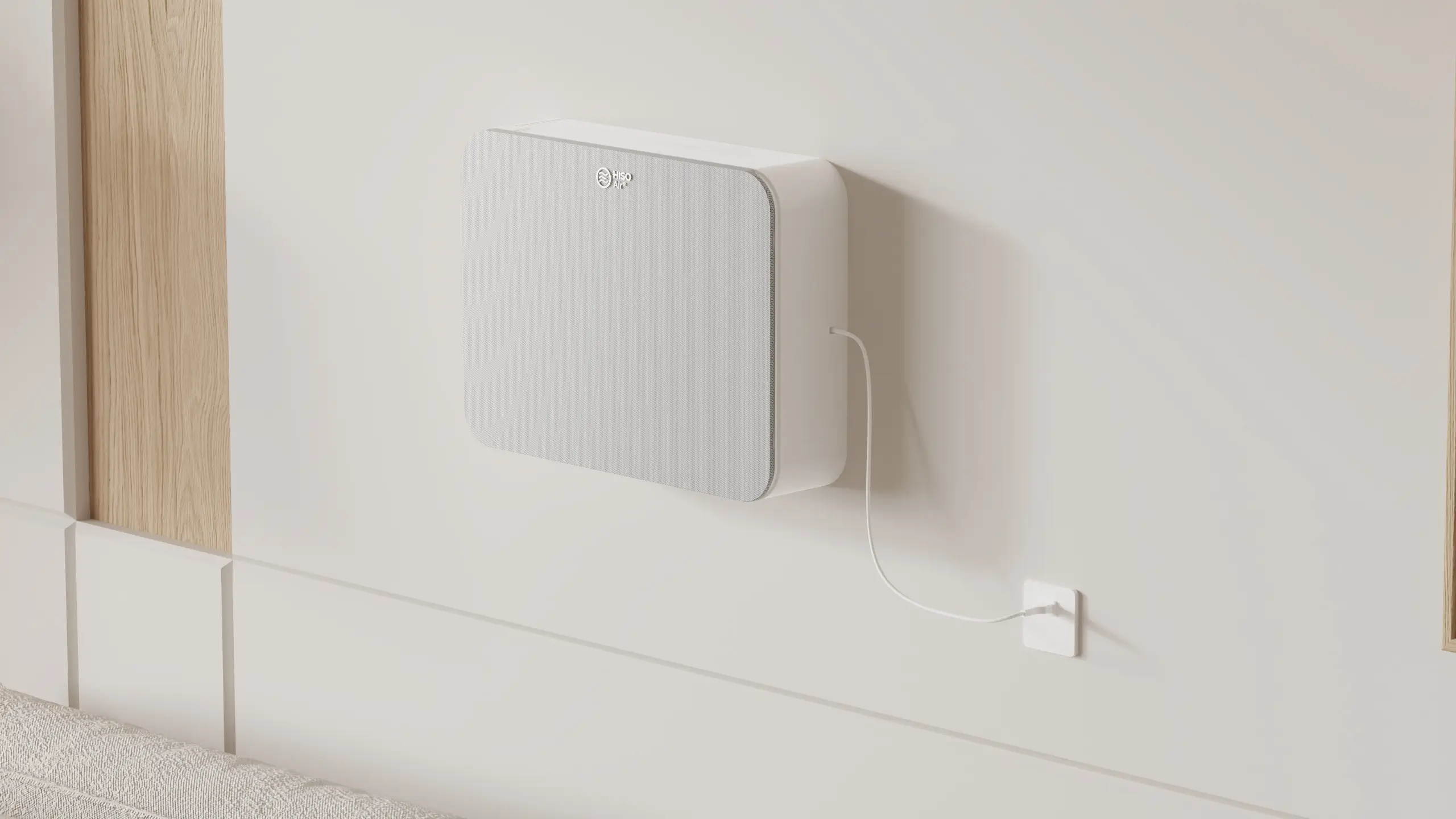
Wall-mounted air purifiers offer an elegant solution for saving space. These sleek devices easily fit into any room design, freeing up valuable floor space. Imagine spreading out luggage or even practicing yoga on the floor without tripping over a clunky device.
| Feature | Benefit to Guests |
|---|---|
| Space Efficiency | More room for guests |
| Quiet Operation | Uninterrupted rest and comfort |
These units operate silently; you might forget they are even there. One evening, I was reading in bed and barely noticed a soft hum. Cutting-edge technology makes them so quiet, providing peace for those who love tranquility.
Technological Advancements
These purifiers prioritize much more than appearance and quietness. Their advanced tech features impress many hotel managers. Some devices detect when someone enters the room and start automatically, keeping the air clean—like an invisible butler that knows when fresh air is needed.
Advanced features like occupancy sensors allow these devices to adjust performance based on room usage, optimizing energy efficiency and ensuring air quality when needed. For example, a wall-mounted purifier can automatically activate when it detects guests entering a room. This not only saves energy but also provides real-time data5 on air quality and occupancy.
The integration of Internet of Things (IoT) capabilities means hotel managers can monitor and control these purifiers remotely, providing consistent air quality across all rooms.
High Guest Satisfaction
Many health-conscious travelers today choose their accommodations carefully. Clean air becomes a necessity, not just a luxury. By utilizing high-performance CADR systems, hotels can reduce airborne pollutants and allergens, thus enhancing the overall guest experience.
Wall-mounted purifiers change the room's feel by creating a modern and hygienic atmosphere. Personalizing settings adds to comfort; each guest experiences satisfaction. These purifiers help create cherished memories long after checkout.
Wall-mounted air purifiers reduce room clutter.True
They are installed on walls, freeing up floor space for guests.
Decibel Cancellation™ increases noise in rooms.False
Decibel Cancellation™ is designed to minimize noise, enhancing tranquility.
Why Are Wall-Mounted Air Purifiers So Unique?
Do you wonder why wall-mounted air purifiers are essential for homes or businesses? These devices offer features that are truly remarkable.
Wall-mounted air purifiers are popular because of their design that saves space. They often have advanced filtration systems. Smart technologies like sensors and remote controls are also included. These features increase their usefulness. Very useful in modern homes and businesses. Air purifiers like these are a perfect choice.
Space-Saving Design
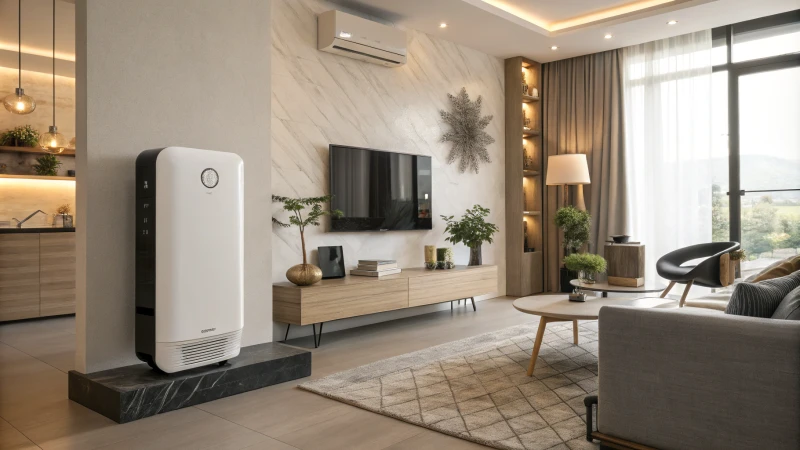
Wall-mounted air purifiers are like clever design tricks. They fit into any room without using floor space, enhancing the aesthetic appeal and allowing for better air circulation6 throughout the area. Walk into a room with fresh, clean air, and you hardly even notice the device working. This setup adds beauty to the space and promotes healthier environments.
Advanced Filtration Systems
The magic continues with their design. These purifiers have many layers of filters, including HEPA filters, activated carbon, and UV-C light to fight bacteria. It's like having a team working hard to remove pollutants, allergens, and smells from your air.
| Filter Type | Functionality |
|---|---|
| HEPA | Captures tiny particles like dust and pollen |
| Activated Carbon | Absorbs odors and chemical vapors |
| UV-C Light | Neutralizes bacteria and viruses |
Smart Technologies
The tech lover in me enjoys the sensors that check air quality and change operations accordingly. Some models offer remote control7 features, allowing you to switch modes or set schedules from your phone. Occupancy sensors notice when no one's around and turn off, saving energy and money.
Quiet Operation
The best part? They whisper quietly. With advanced features like decibel cancellation technology, these purifiers operate quietly, ensuring they do not disturb the peace of your home or office. This is crucial for environments like hotels where guest comfort is paramount.
Incorporating all these technologies makes wall-mounted air purifiers not just cleaners of air but smart solutions fitting into modern lives. At home or work, they offer great benefits for anyone wanting better indoor air quality.
| Feature | Benefit |
|---|---|
| Smart Sensors | Real-time air quality monitoring |
| Remote Controls | Convenient operation via apps |
| Occupancy Detection | Energy savings through smart automation |
These advancements show how wall-mounted purifiers provide a total solution to indoor air issues. They improve health and comfort in many places. Consider integrating these innovations to simply transform8 your indoor environment's air quality effortlessly.
Wall-mounted air purifiers save floor space.True
These purifiers are designed to be mounted on walls, freeing up floor space.
All wall-mounted purifiers use UV-C light.False
Not all models include UV-C light; it's an optional feature in some.
Are Wall-Mounted Air Purifiers Cost-Effective for Hotel Use?
Hotel managers, breathe easily! Have you ever thought that wall-mounted air purifiers could secretly save your guest rooms?
Wall-mounted air purifiers do not cost much. Hotels like them because of their small size and energy-saving features. They really help improve air quality in rooms. They also increase guest satisfaction. They reduce hotel expenses too.
Key Advantages of Wall-Mounted Air Purifiers
I remember when I first entered a hotel room and noticed the very fresh air. It seemed like a small detail but brought great comfort. Wall-mounted air purifiers offer this freshness without taking up space. Their elegant design means they fit into any hotel style, almost vanishing from sight, pleasing guests who love aesthetics.
Technological Innovations
I have always loved technology, and using it to improve air is really exciting. Models like HisoAir9 offer the latest tech with features like Storm Motor and noise reduction, ensuring the purifier works quietly. Peaceful environments are valuable to guests.
Energy Efficiency
Hotels often face high energy bills. Some purifiers include occupancy sensors that help cut electricity costs by switching off automatically when rooms are empty. It's like having a smart helper managing expenses. This clever use also provides insights into occupancy and air quality10.
| Feature | Benefit |
|---|---|
| Elegant Design | Fits seamlessly into any hotel style |
| Noise Reduction | Ensures a quiet environment |
| Occupancy Sensors | Energy savings and data insights |
Guest Satisfaction and Business Impact
Knowing your guests breathe clean air is very satisfying as it shows you care about their well-being. Improving guest comfort can raise a hotel's reputation, often bringing great reviews and more visits. Adding wall-mounted purifiers may lead to recognition as an eco-friendly hotel, which is vital.
Cost-Benefit Analysis
Wise financial choices are essential in hotels. The initial cost of wall-mounted purifiers might seem high, but over time they save on energy bills while increasing guest happiness—an invaluable asset. Additionally, you get valuable data from IoT reporting tech offering insights into air quality trends11, helping optimize operations for definite benefits.
Wall-mounted purifiers save hotel space.True
Their compact design ensures they don't interfere with room layout.
Occupancy sensors increase energy costs.False
They help reduce energy consumption by shutting down when rooms are empty.
Conclusion
Wall-mounted air purifiers enhance hotel guest experiences by improving air quality, saving space, and utilizing advanced technology for energy efficiency and quiet operation.
-
Discover how space-saving designs enhance guest comfort and room usability. ↩
-
Learn about the impact of air quality on guest health and satisfaction. ↩
-
Explore how energy-efficient solutions can reduce costs and improve sustainability. ↩
-
Find out how customizable purifiers can be tailored to specific hotel needs. ↩
-
Explore how IoT capabilities help hotels maintain superior air quality effortlessly. ↩
-
Improved air circulation enhances indoor comfort by distributing fresh air evenly, reducing hotspots or cold areas. ↩
-
Remote-controlled purifiers offer convenience by allowing you to manage air quality settings from anywhere. ↩
-
Understanding the transformation wall-mounted purifiers bring can help you choose the right model for your needs. ↩
-
Learn about innovative technologies in HisoAir purifiers that enhance performance and guest comfort. ↩
-
Understand how smart sensors help save energy and lower expenses by adjusting operation based on room occupancy. ↩
-
Explore how data analytics from IOT technology improve air quality monitoring and decision-making. ↩






 English
 Français
 Español
 Italiano
 Deutsch
 Português
 Русский
 العربية
 日本語
 한국어
 Tiếng Việt


