
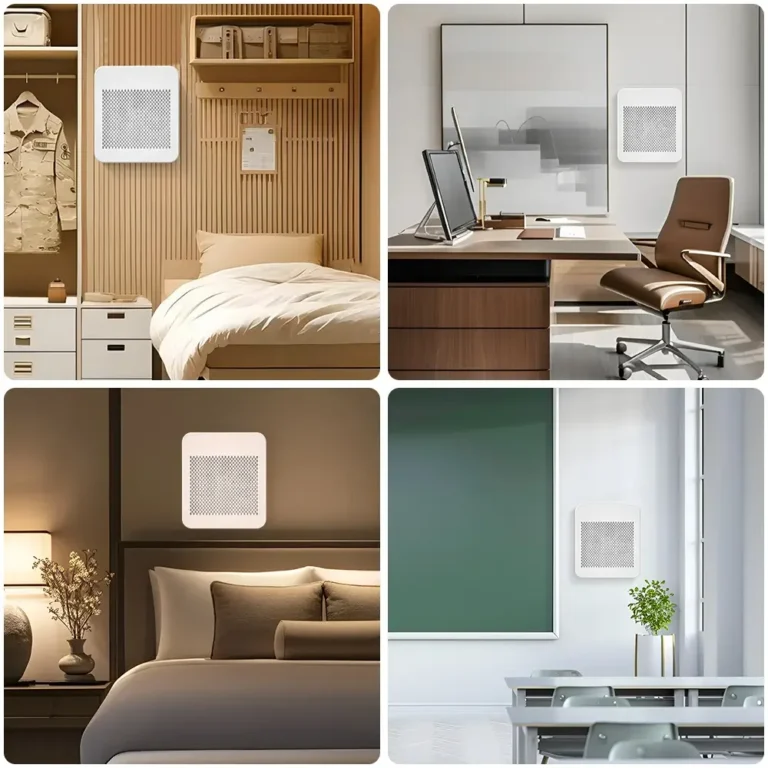
When most of us embark on the journey to buy an air purifier, our focus often narrows down to technical specifications: the efficiency of the HEPA filter, the Clean Air Delivery Rate (CADR), or perhaps the brand reputation. We meticulously compare models, pore over reviews, and debate the merits of various filtration systems. Yet, one crucial aspect often gets overlooked: where and how to place the device. This seemingly minor detail—the physical placement of your air purifier—can profoundly impact its purification effectiveness, your overall user experience, and even safety within your home.
In this comprehensive guide, we’ll delve into the practical implications of air purifier placement. Moving beyond just performance metrics, we’ll explore the distinct advantages and disadvantages of both wall-mounted air purifiers and traditional floor-standing air purifiers. Our aim is to help you understand which type is best suited for your specific living environment, ensuring that your investment in cleaner air truly pays off.
An Air Purifier Isn't Just About "Purifying"; It's About "Correct Placement"
At its core, an air purifier functions by drawing in ambient air, filtering out pollutants, and then releasing clean air back into the room. This process relies heavily on efficient air circulation. If an air purifier is placed incorrectly—whether it's obstructed by furniture, positioned in a dead air zone, or simply not optimized for the room's airflow—its effectiveness can be significantly compromised. The most powerful HEPA filter or highest CADR rating can be rendered less effective if the device isn't allowed to operate optimally.
Therefore, the question of "where to place an air purifier" is almost as critical as "what air purifier to buy." Proper placement ensures that the device can efficiently capture airborne particles, circulate purified air throughout the space, and ultimately deliver the clean indoor air quality you expect. Ignoring placement can lead to diminished performance, wasted energy, and a less healthy home environment.

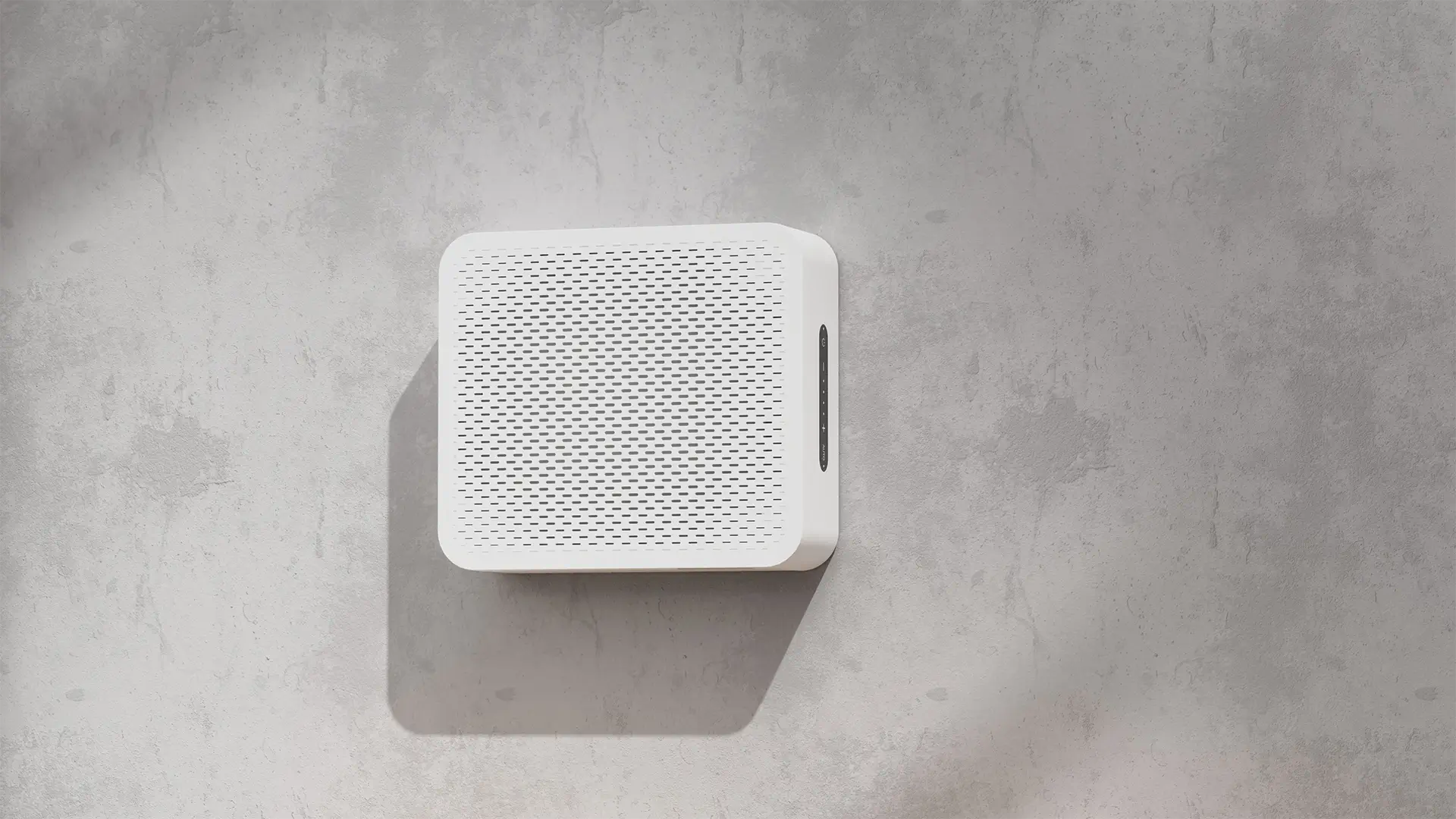
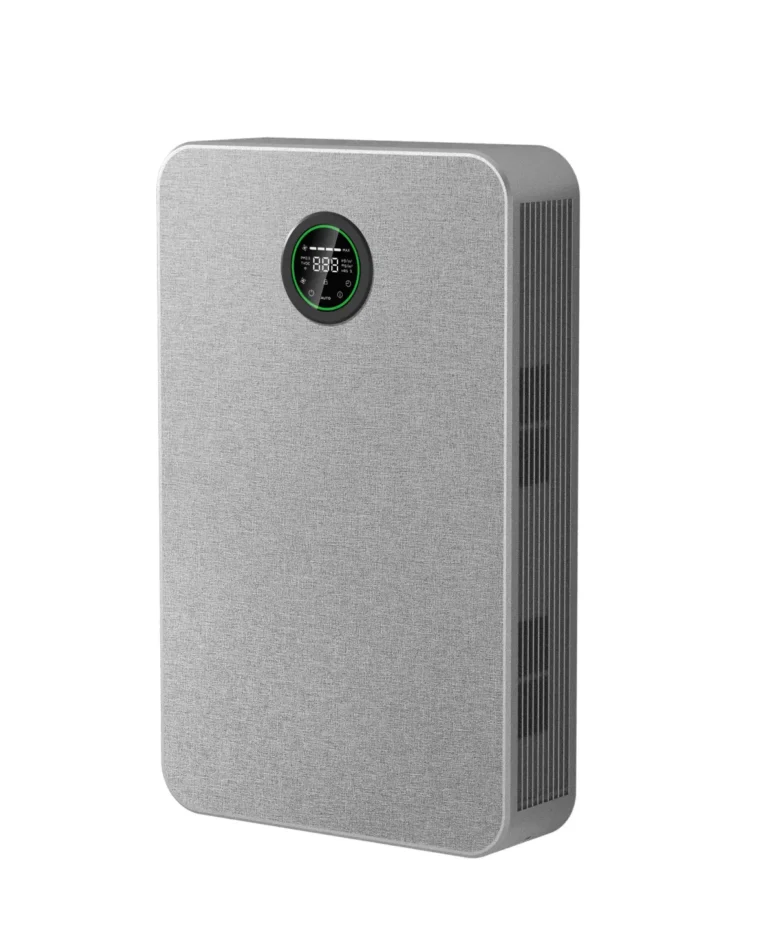
Wall-mounted-air-purifier-HA380
Five Key Advantages of Wall-Mounted Air Purifiers: Are They Smarter Than Floor Models?
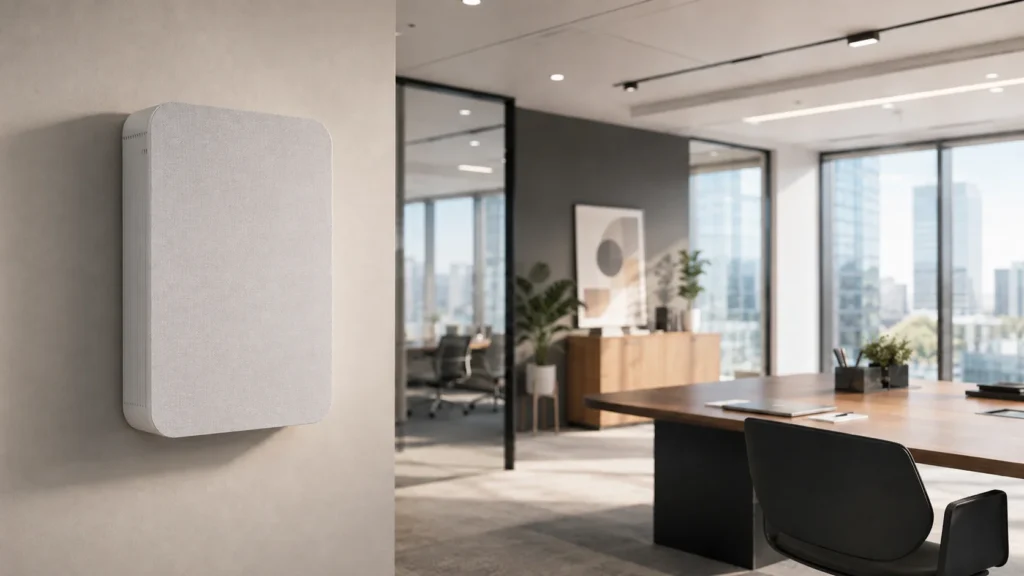
For those who prioritize spatial aesthetics, safety, and a modern, minimalist living environment, wall-mounted air purifiers present a compelling case. They are designed to integrate seamlessly into your home, often becoming an almost invisible appliance while delivering powerful air purification. Let's explore their key advantages:
1. Closer to the Breathing Zone for Efficient Purification
Most human respiration occurs within a height range of 1.2 to 1.5 meters (approximately 4 to 5 feet). Traditional floor-standing air purifiers often sit below this primary breathing zone, meaning the purified air has to travel further to reach you. Wall-mounted air purifiers, by design, can be installed at an optimal height, directly aligning with the human breathing zone. This strategic placement ensures that clean air is delivered more directly and efficiently to where it matters most, enhancing the real-world effectiveness of the purification process. This is particularly beneficial for capturing airborne particles and allergens that are most likely to be inhaled.
2. Smoother Air Circulation, Reduced Obstruction
One of the biggest challenges with floor-standing air purifiers is the potential for obstruction. Furniture, rugs, and other household items can block the air intake and outflow, creating dead zones and reducing the purifier's efficiency. Wall-mounted air purifiers circumvent this issue entirely. By being elevated, they are typically free from ground-level clutter, allowing for unobstructed airflow. This ensures that air can be drawn in and expelled more freely, leading to superior air circulation and a more effective distribution of purified air throughout the room. This optimized airflow translates directly into better overall indoor air quality.
3. Space-Saving Design, Ideal for Smaller Homes or Minimalist Styles
In urban living, where every square foot counts, maximizing space is a priority. Wall-mounted air purifiers are a game-changer in this regard. They free up valuable floor space, making them an excellent choice for apartments, small bedrooms, entryways, or home offices where floor area is at a premium. Their sleek, often slim profiles mean they don't intrude on your living space, contributing to a cleaner, more uncluttered aesthetic. This design philosophy aligns perfectly with modern minimalist interior trends, where functionality meets understated elegance.
4. Enhanced Safety: A Blessing for Homes with Children and Pets
Safety is a paramount concern for families. Floor-standing air purifiers, especially larger models, can pose tripping hazards or be easily knocked over by active children or curious pets. There's also the risk of little fingers tampering with controls or accessing internal components. Wall-mounted air purifiers eliminate these risks. Installed out of reach, they prevent accidental bumps, falls, and unauthorized access, offering peace of mind for parents and pet owners. This makes them a significantly safer option for dynamic households.
5. Aesthetic Integration as an "Invisible Appliance"
Beyond their functional benefits, many contemporary wall-mounted air purifiers are designed with a strong emphasis on aesthetics. They often feature minimalist designs, fabric panels, or
or even no-light modes, allowing them to blend seamlessly into modern interior design schemes. For instance, a recent ultra-thin wall-mounted air purifier from HISO, measuring just 14cm (5.5 inches) thick, exemplifies this modern minimalist aesthetic. They become less of a bulky appliance and more of an integrated part of your home's decor, enhancing the overall visual appeal while silently working to improve your indoor air quality.
Wall-mounted-air-purifier-HA200
Advantages of Floor-Standing Air Purifiers: Don't Be So Quick to Call Them "Outdated"
While wall-mounted air purifiers offer distinct advantages, floor-standing air purifiers remain a popular and highly effective choice, particularly for certain lifestyles and living situations. They are far from outdated and continue to serve a vital role in improving indoor air quality. Let's explore their key strengths:
1. Portability and Flexibility: One Purifier, Multiple Rooms
Perhaps the most significant advantage of a floor-standing air purifier is its inherent portability. Unlike their wall-mounted counterparts, these units can be easily moved from one room to another. This makes them incredibly versatile for individuals or families who might want to purify the living room during the day and then move the unit to a bedroom at night. For renters, or those who frequently rearrange their living spaces, this flexibility is invaluable. A single, high-performance air purifier can effectively serve multiple areas, maximizing your investment.
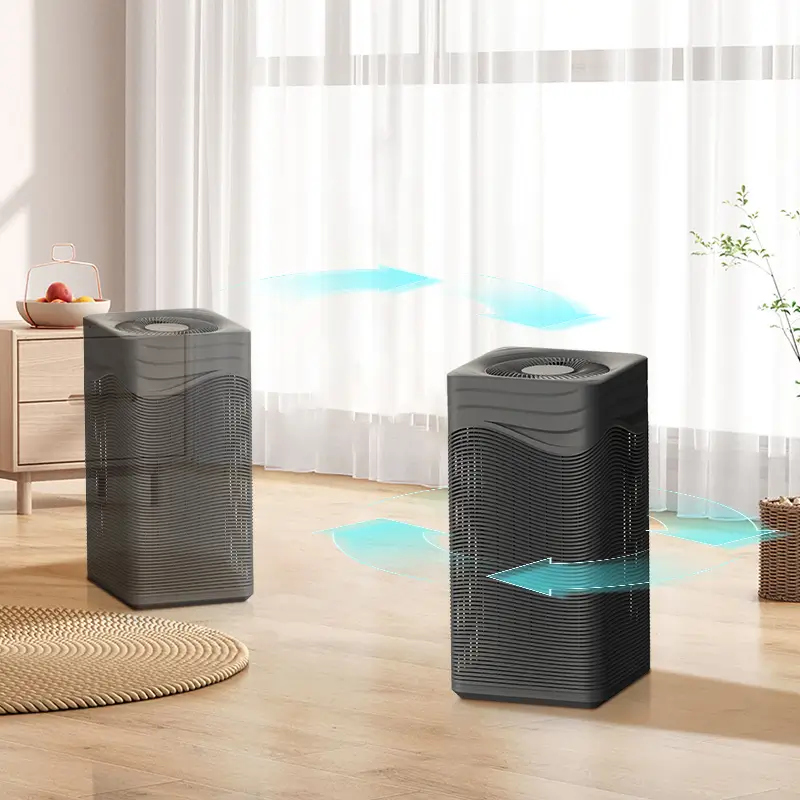
Floor-Standing Air-purifier HA-588 with wheels
2. Plug-and-Play Convenience: No Installation Required
One of the immediate benefits of floor-standing air purifiers is their ease of setup. Most models are ready to use right out of the box—simply unpackage, plug in, and turn on. There's no need for drilling holes, damaging walls, or hiring professional installers. This makes them an ideal solution for renters who cannot make permanent alterations to their living space, or for anyone who prefers a hassle-free setup. Their "take-it-and-go" nature also makes them perfect for those who move frequently.
3. Higher CADR in Certain High-End Models
While both types of purifiers can be powerful, some of the most robust and high-capacity air purifiers on the market are floor-standing models. These often feature larger HEPA filters, dual fan systems, and more powerful motors, allowing them to achieve significantly higher Clean Air Delivery Rates (CADR). This makes them exceptionally well-suited for purifying very large open-plan spaces, such as expansive living rooms, commercial offices, or entire apartment units up to 100 square meters (approximately 1076 sq ft). If your primary concern is purifying a vast area with a single unit, a high-end floor-standing air purifier might be the most efficient choice.
4. Freedom to Choose Placement (with Caveats)
Floor-standing air purifiers offer the freedom to be placed in various corners or against walls, allowing you to integrate them into your existing furniture layout. However, it's crucial to remember the earlier point about correct placement: avoid tucking them away where furniture can obstruct airflow, as this can lead to "air short-circuiting" and reduced effectiveness. When positioned thoughtfully, they can still contribute significantly to indoor air quality.
5. Aesthetic Versatility: A "Tech Appliance" Statement
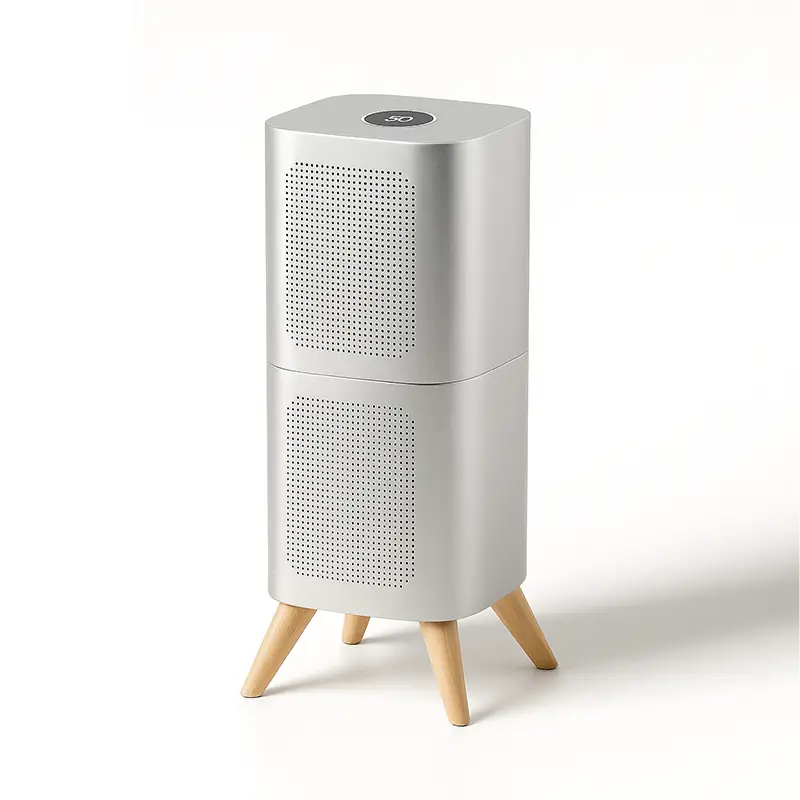
While some may view them as less integrated, floor-standing air purifiers can complement certain interior design styles. In modern industrial, Scandinavian, or even minimalist settings, a well-designed floor-standing air purifier can look like a deliberate "air technology device," adding to the contemporary feel of a space. Many models boast sleek designs, premium finishes, and intuitive interfaces that make them an attractive addition rather than an eyesore.
Efficiency vs. Aesthetics vs. Flexibility: How to Choose the Right Type for You?
Deciding between a wall-mounted air purifier and a floor-standing air purifier ultimately comes down to balancing your priorities: purification efficiency, aesthetic integration, and operational flexibility. There's no one-size-fits-all answer; the best choice depends on your specific living situation, design preferences, and lifestyle needs. To help you make an informed decision, consider the following factors:
| Consideration Factor | Recommended Installation Type | Brief Reason |
|---|---|---|
| Limited Space / Small Apartments | Wall-Mounted Air Purifier | Frees up floor space, aesthetically pleasing against walls |
| Large Spaces / Renters | Floor-Standing Air Purifier | Flexible mobility, no installation required |
| Homes with Children or Pets | Wall-Mounted Air Purifier | Higher safety, less prone to accidental bumps |
| Sharing One Unit Across Multiple Rooms | Floor-Standing Air Purifier | Highly portable and movable |
| Seeking High Aesthetics and Quiet Operation | Wall-Mounted Air Purifier (High-End Models) | Sleek design, quiet operation, often with screen-off modes |
| No Drilling / Unwilling to Install | Floor-Standing Air Purifier | Ready to use out of the box |
This table provides a quick reference, but let's delve deeper into the nuances of each scenario.
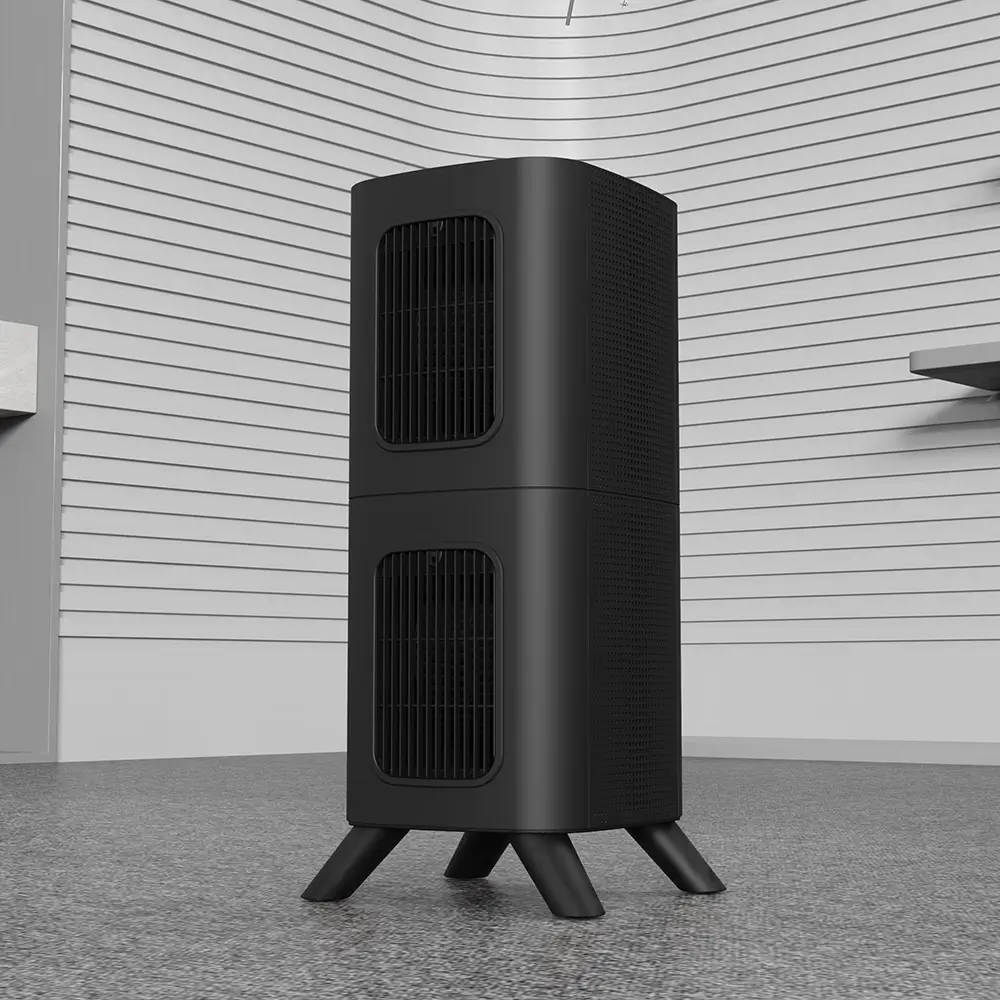
High Performance Air Purifier HA-B800
The "Paradox" in User Real-World Experience: Which Method Truly Aligns with Our Lives?
It’s fascinating to observe the real-world usage of air purifiers, where user intentions sometimes clash with practical outcomes. There’s a common paradox: some users assume that a floor-standing air purifier is inherently "more convenient" due to its portability. However, in practice, they often end up tucking it into a corner, behind furniture, or against a wall, severely compromising its effectiveness. This leads to a situation where the perceived convenience of mobility is negated by suboptimal placement, resulting in significantly reduced purification efficiency. The air purifier might be running, but it’s not truly cleaning the air as effectively as it could be.
Conversely, some individuals express concerns about the installation complexity of wall-mounted air purifiers, fearing drilling and permanent fixtures. Yet, the market has evolved. Many contemporary brands now offer wall-mounted air purifiers with user-friendly installation options, including tool-free mounting kits or even hybrid designs that can function as both wall-mounted and floor-standing units with a detachable base. This innovation addresses the installation barrier, making wall-mounted options more accessible than ever before.
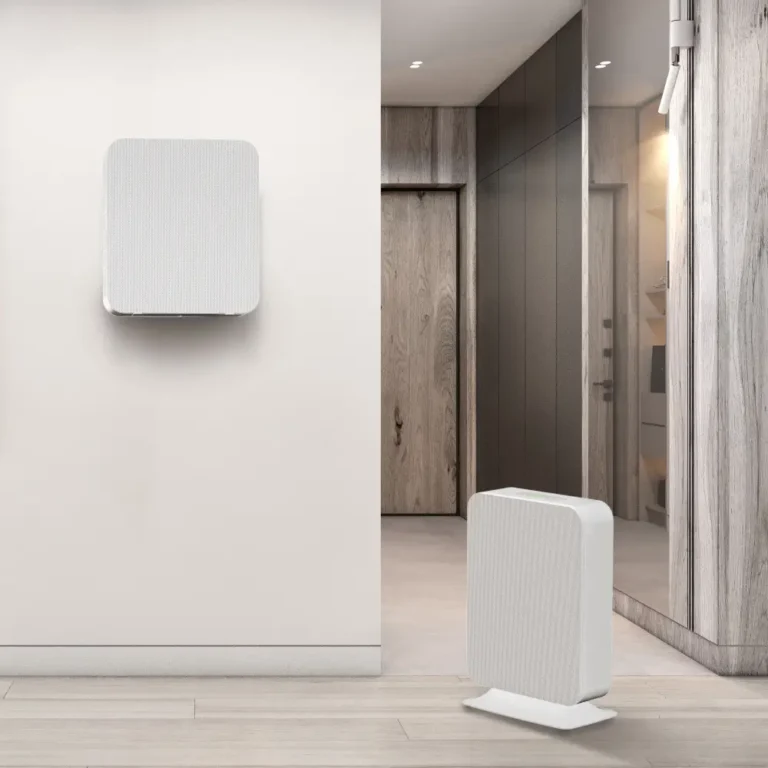
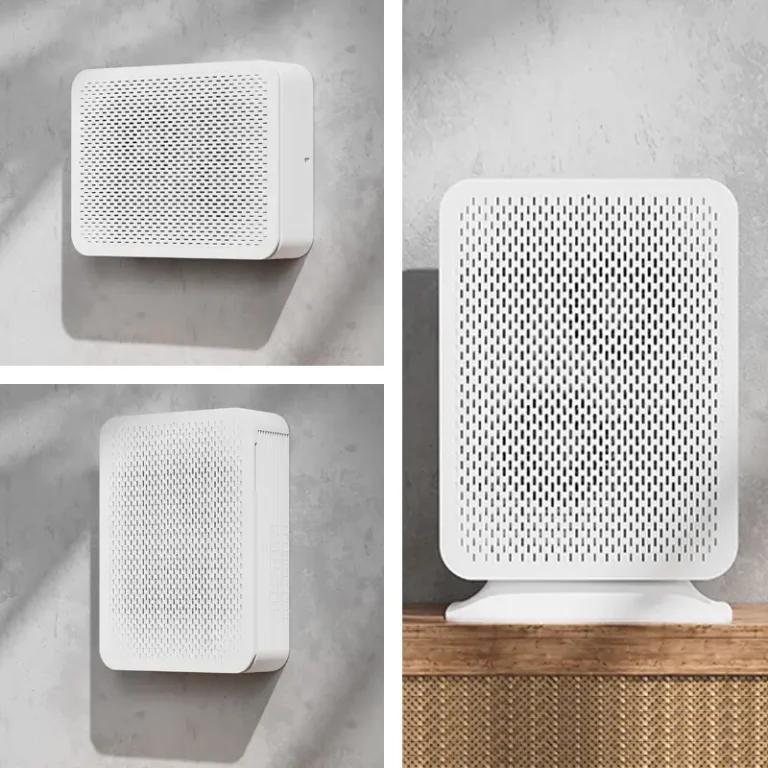
The smarter approach, perhaps, isn't about rigidly choosing one type over the other, but rather embracing solutions that offer adaptability. Products like the HISO air purifier, which provides both wall-mounted and floor-standing functionality through a dual-use design, exemplify this forward-thinking approach. Such versatility allows the air purifier to adapt to different household stages, room layouts, and evolving needs, ensuring optimal performance regardless of the specific scenario. This kind of flexible design truly aligns with the dynamic nature of modern living, offering the best of both worlds: the space-saving efficiency and safety of a wall-mounted unit, combined with the potential for repositioning if needed.
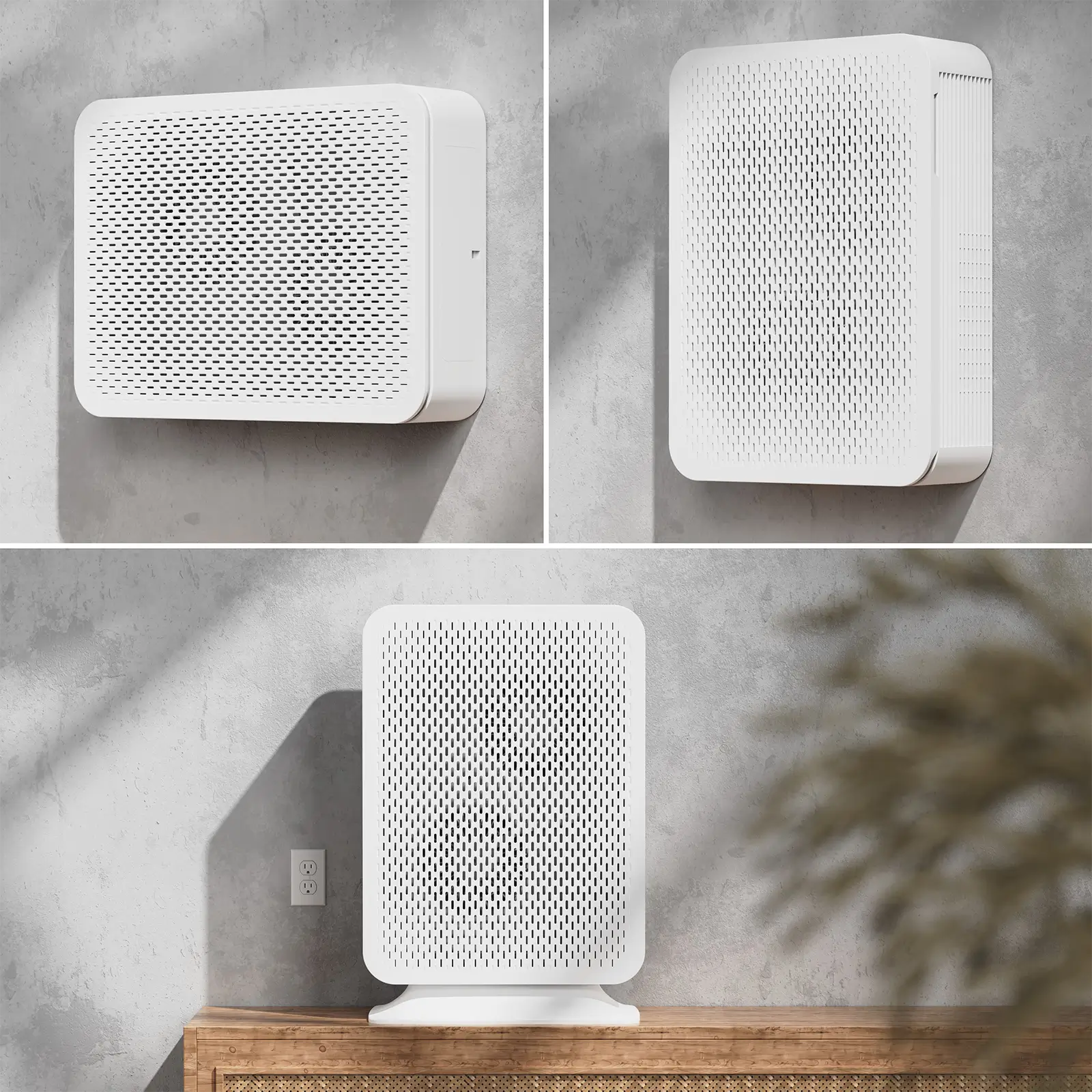
Wall-mounted & Floor-standing Air-purifiers
Conclusion: Not "Either/Or," But "Right Place, Right Way"
In the realm of air purification, it’s clear that performance metrics like CADR and HEPA filter efficiency are only part of the equation. The placement and installation method of your air purifier are equally, if not more, critical to its overall effectiveness. It’s not about a rigid "either/or" choice between wall-mounted air purifiers and floor-standing air purifiers, but rather about understanding your specific needs and selecting the method that best optimizes the device for your environment.
Whether you prioritize sleek aesthetics, maximum space-saving, enhanced safety for children and pets, or the flexibility to move your unit between rooms, the correct installation and placement will unlock the full potential of your air purifier. A well-placed unit ensures efficient air circulation, direct delivery of clean air to your breathing zone, and an overall healthier indoor environment.
So, the next time you consider purchasing an air purifier, or even if you already own one, take a moment to ask yourself: Should it stand, or should it hang? The answer might just be the key to truly breathing easier in your modern home.



 English
  Français
  Español
  Italiano
  Deutsch
  Português
  Русский
  العربية
  日本語
日本語  한국어
한국어  Tiếng Việt

