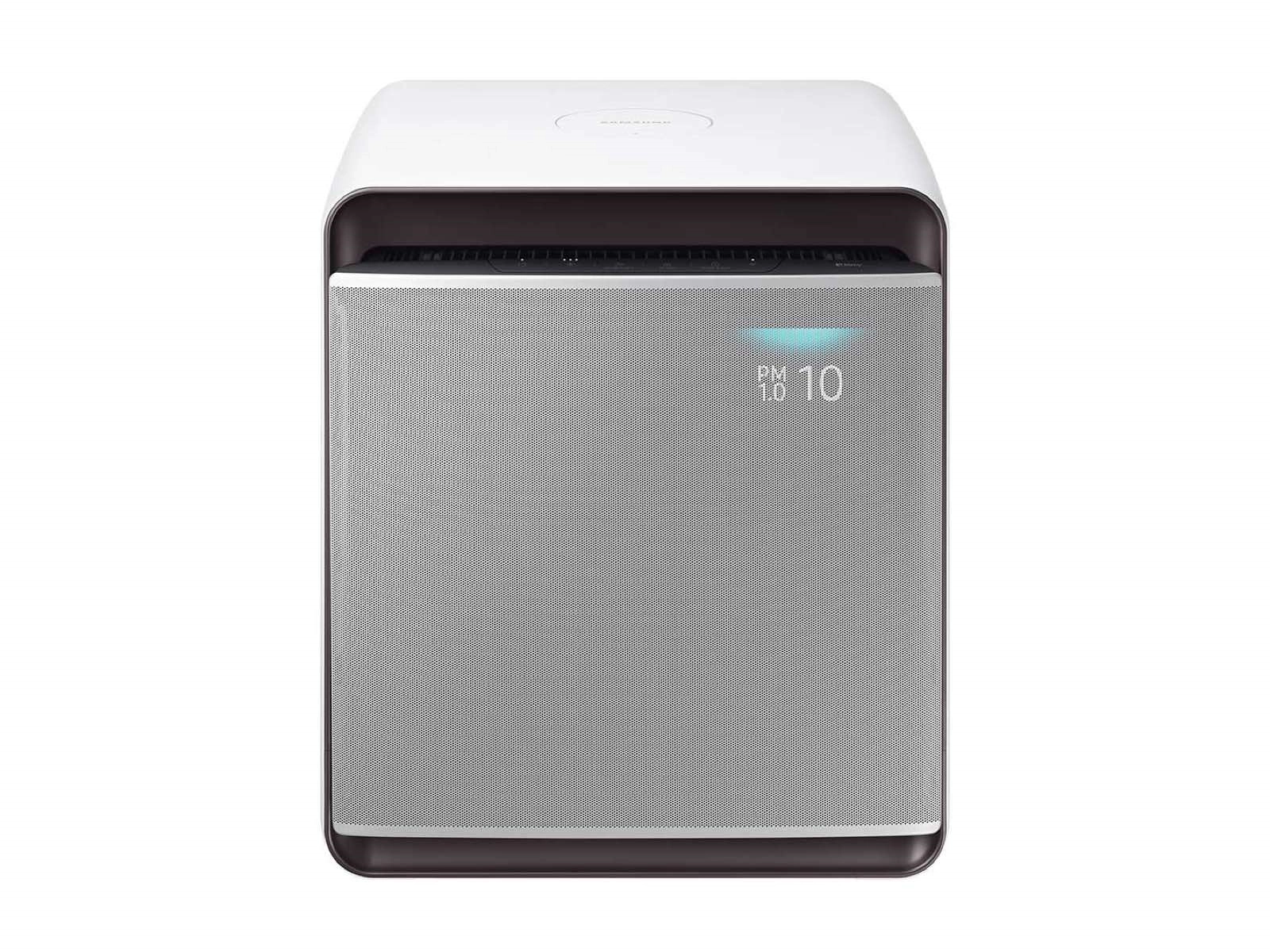
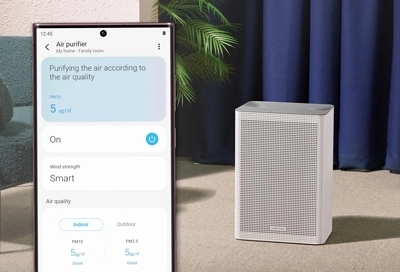
Do you ever think about where your Samsung air purifier is produced?
Samsung air purifiers come mainly from China, with many produced in Foshan City, Guangdong Province. Some of the more luxurious models come from South Korea.
Knowing where these devices come from is important. I recall the moment I first became interested in air purifiers. I wondered about who built them and how. It fascinates me. Location of production impacts both quality and price. Let us explore how these sites get chosen and what this tells us as buyers.
Samsung air purifiers are made in Foshan, China.True
Foshan City, Guangdong Province, is a key manufacturing site for Samsung.
All Samsung air purifiers are manufactured in South Korea.False
Only some premium models are made in South Korea.
Why Does Samsung Manufacture Air Purifiers in China?
Samsung’s air purifiers often come from China. This happens because smart strategies meet worldwide needs.
Samsung builds air purifiers in China. This choice is due to lower costs and access to a strong supply chain. Skilled workers in China contribute their top knowledge in manufacturing. Samsung's decision strengthens its place in the global market.
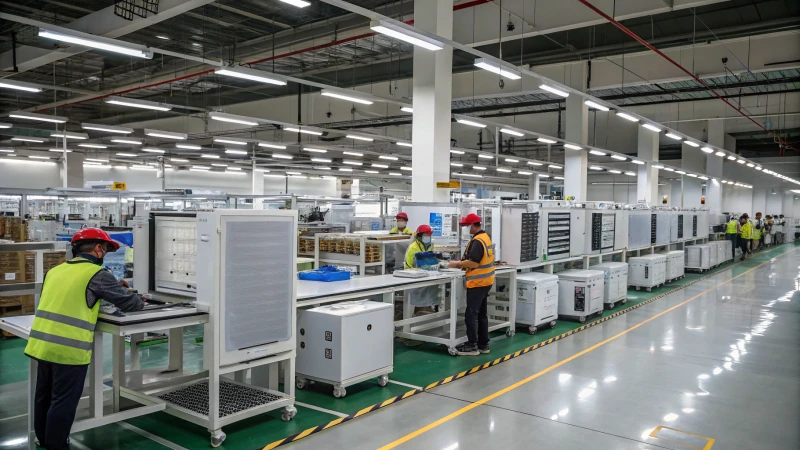
Cost Efficiency and Manufacturing Expertise
In air purifier production, China's factories shine with skill and low costs. They let Samsung create devices that work well and cost less. This keeps prices competitive. Clever factory techniques in China ensure high quality, especially in gadgets and home items. Factories matter.
One of the primary reasons for Samsung's choice is China's cost-effective1 production capabilities. Manufacturing in China allows Samsung to reduce labor and material costs, which is critical in maintaining competitive pricing. Chinese factories are renowned for their advanced manufacturing expertise, particularly in electronics and home appliances.
Strategic Supply Chain Advantage
I once saw busy factories in China and noticed how smooth everything runs. China offers a big network that helps companies like Samsung greatly. Being close to suppliers shortens delivery times and cuts transport costs, speeding up production.
Notably, Samsung collaborates with Guangdong Xinbao, a key partner in Foshan City2, ensuring seamless integration and efficient operations.
| Factor | Impact on Production |
|---|---|
| Cost Efficiency | Lower production costs |
| Manufacturing Expertise | High-quality output |
| Supply Chain Proximity | Reduced lead times |
Market Strategy and Global Reach
Samsung's choice to produce in China isn't just for saving money. It's a smart plan. China's ability to make large quantities quickly helps Samsung meet demand worldwide. This keeps their reputation solid in reliability and new ideas.
By manufacturing in China, Samsung capitalizes on the country's ability to produce at scale. This scalability is essential for meeting global demand quickly and efficiently. Moreover, China's manufacturing prowess helps Samsung maintain its reputation for reliability and innovation.
Samsung's global marketing and distribution networks are robust, ensuring that its air purifiers reach a wide audience. The ability to produce efficiently at scale supports these networks, reinforcing Samsung's position in the global market3.
Balancing Production Locations
While most of Samsung's air purifiers are made in China, the company strategically places some high-end models in South Korea. This decision allows Samsung to maintain a balance between cost-effective mass production and premium product lines with tighter quality control.
This mix of low-cost production and high-end items appeals to me. It shows a smart way to mix cost and quality. Higher costs in South Korea are balanced by charging more for fancy models, giving buyers various price choices.
This dual-location strategy reflects a nuanced approach to manufacturing, optimizing both cost and quality.
Future Implications for Global Manufacturing
In the air purification sector, I see how Samsung's tactics mirror wider trends. Businesses try to mix low costs with good quality.
Samsung's strategy highlights broader trends in global manufacturing where companies balance efficiency with quality.
With competition growing everywhere, knowing these tactics is vital as global competition4 intensifies.
Samsung manufactures air purifiers mainly in South Korea.False
Most of Samsung's air purifiers are manufactured in China, not South Korea.
China offers cost-effective production for Samsung's air purifiers.True
Manufacturing in China reduces labor and material costs for Samsung.
How Does South Korea Influence Samsung's Production?
Have you ever asked yourself how a location influences a brand's future? South Korea serves as the center of Samsung's worldwide manufacturing. It plays a crucial role. Important developments often occur there, impacting the company's journey globally.
South Korea plays an important role for Samsung. It acts as the center for advanced research and development. Premium manufacturing also happens here. Skilled workers and top-notch technology keep quality high. The country contributes to creating innovative products. Samsung carefully plans where to produce its goods around the world.
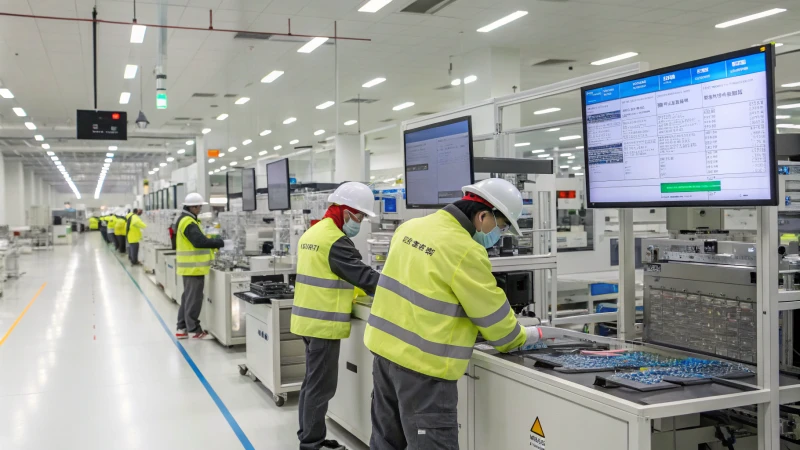
High-Tech Research and Innovation Hub
Innovation brings to mind South Korea's essential part in Samsung's research. This place seems perfect for tech lovers. Imagine modern labs full of ideas that might change technology. South Korea hosts the Samsung Advanced Institute of Technology5, where dreams in AI, robotics, and telecommunications become real. Witnessing this small country's big steps in technology is exciting.
Focus on Premium Manufacturing
Even with cheaper manufacturing options abroad, Samsung chooses South Korea for making high-quality devices. Flagship smartphones and the best home appliances are produced here to keep the highest standards. This choice balances excellent quality and smooth global delivery. It's like having the best of both worlds.
Economic Impact and Employment
Samsung acts as an economic giant in South Korea, greatly lifting the country's GDP and creating many jobs. Busy Samsung campuses filled with creative people show its huge role in the economy. Seeing one company impact a whole nation's economy is amazing.
Table: Samsung's Production Distribution
| Region | Focus | Key Products |
|---|---|---|
| South Korea | R&D and Premium Manufacturing | Flagship smartphones, high-end TVs |
| China | Mass Manufacturing and Cost Efficiency | Mid-range smartphones, air purifiers |
| Vietnam | Large-scale Manufacturing | Consumer electronics |
Strategic Partnerships
Partnerships resemble marriages - some thrive and grow strong. In South Korea, Samsung works with local suppliers to build a strong production network. These partnerships spark new ideas, especially in semiconductors. Watching Samsung succeed thanks to these collaborations is delightful.
Government Policies and Support
The South Korean government plays a crucial part in helping tech giants like Samsung. With beneficial policies and incentives, it feels like the country welcomes tech companies warmly. This company-government teamwork shows how important supportive environments are for innovation.
Conclusion
South Korea means more than just Samsung's origin; it's a key piece of its journey. From leading research projects to making top-notch products, South Korea hugely influences Samsung's achievements. As technology changes, this dynamic bond will likely continue to lead Samsung to greater success.
Samsung's R&D is centered in South Korea.True
South Korea houses the Samsung Advanced Institute of Technology, leading R&D.
All Samsung smartphones are made in South Korea.False
Only premium devices are assembled in South Korea; others are made globally.
How Do OEM Partnerships Enhance Samsung's Air Purifier Quality?
Have you ever thought about how Samsung air purifiers always offer high quality? Let's explore the secrets of their OEM partnerships.
OEM partnerships improve the quality of Samsung's air purifiers by using the special skills and tools of trusted manufacturers. These collaborations bring better innovation and cost-efficiency. Trusted manufacturers bring better innovation and cost-efficiency.

The Role of OEMs in Improving Product Quality
I have always been amazed by how teamwork turns good ideas into great ones, especially in technology. Samsung and Original Equipment Manufacturers (OEMs) show this teamwork perfectly. By working with industry experts, Samsung transforms their air purifiers from simple products into carefully designed experiences.
For example, take Guangdong Xinbao. This partner excels in small home appliances, enabling Samsung to add advanced features effectively. It's like having an expert chef guiding you; your dish becomes more than just food, turning into a culinary art piece.
| OEM Partner | Specialization | Contribution to Samsung |
|---|---|---|
| Guangdong Xinbao | Small home appliances | Expertise in efficient production |
| Foshan City Manufacturer | Large-scale air purifier production | Enhanced supply chain management |
Innovation Through Collaboration
Cooperating with OEMs is not only about sharing tasks; it's mixing creativity with practicality. These partnerships light up innovation, creating features that once felt like distant dreams for many engineers. Energy-efficient models that align with global standards are born from shared ideas and a bold wish to dream. Really.
By sharing research and development insights6, Samsung can lead the air purifier market. This is just like those late brainstorming nights where every innovation felt like winning a big prize.
Cost-Efficiency and Market Reach
These partnerships also have a smart side - cost efficiency. Producing in places such as China lowers production expenses without losing quality. It finds the right mix between luxury and affordability. These collaborations allow Samsung to keep prices reasonable, spreading their high-tech solutions to even more homes globally.
This synergy lets Samsung concentrate on market strategies7, while OEMs handle production details. This is beneficial for all, making sure Samsung's air purifiers are both cutting-edge and available to anyone who treasures clean air.
Samsung partners with OEMs for air purifier innovation.True
Collaborating with OEMs allows Samsung to integrate novel technologies.
OEM partnerships increase Samsung's production costs.False
OEMs help reduce costs by manufacturing in regions with lower expenses.
Are There Differences Between Models Made in China and South Korea?
Each time I grasp an Epiphone guitar, my thoughts drift to where it was built. Was it in the busy factories of China or the careful workshops of South Korea? Let's explore why these two places are so different.
Models produced in China often stand out for their low-cost production. South Korean models frequently show off high quality and detailed craftsmanship. This contrast comes from the distinct manufacturing methods and economic goals of each country.
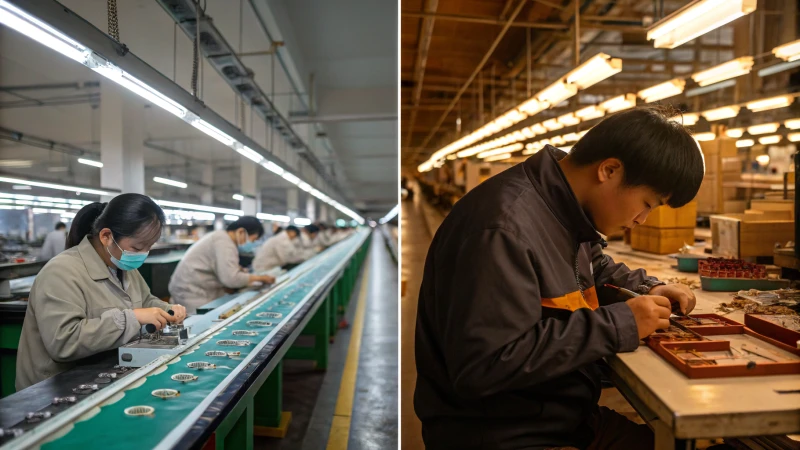
Manufacturing Practices
Manufacturing in China really means working hard for efficiency. Big production lines there probably create many products quickly and accurately. This huge scale keeps Chinese products at low prices. Big brands like Samsung often team up with Chinese factories, like those in Foshan City, for this reason.
South Korea, however, values craftsmanship deeply. Making products here is almost a labor of love. Electronics and musical instruments from South Korea often show dedication to quality. It’s like comparing a busy highway with a beautiful mountain road. Both take you to the same place, but the journey is different.
Materials and Design
Materials tell a lot about where products originate. In China, materials often focus on being available and cheap, which keeps costs down for buyers. It's like picking between a strong bike and a fancy car. Both do their job, but they offer different experiences.
South Korea prefers high-quality materials. It's not just about creating a product; it’s about crafting something lasting. Holding a Korean-made guitar feels special and rich in design.
Consider this comparison:
| Aspect | China | South Korea |
|---|---|---|
| Focus | Cost-efficiency | Quality and craftsmanship |
| Labor | High-volume production | Skilled labor |
| Materials | Economical options | Premium selections |
Impact on Consumer Perception
A product’s story often shapes what I think of it. Price matters, but story and reputation influence more. Chinese products attract with low prices while multinational companies8 partner with them due to efficiency advantages as seen with brands like Samsung.
South Korean items might appeal to those valuing quality. Reviews and market studies9 often support these impressions.
Cultural details matter too. South Korean brands often innovate and create global brand images that catch attention everywhere.
Industry-Specific Examples
Looking at musical instruments like guitars, an Epiphone from China might suit beginners - it’s affordable and features a lot without sacrificing essential features. But those wanting more might find South Korean versions offer superb build quality and rich tone.
In electronics, Samsung’s dual approach intrigues me: using Chinese factories for cheaper production while reserving some high-end models for South Korean factories to keep their premium feel.
Future Trends
Manufacturing keeps changing as technology advances; differences between cost and quality might blend even more due to the rise of automation technologies10.
Recognizing these differences helps in making smart choices between products from China or South Korea—it’s not just about money; it's about appreciating craftsmanship and performance.
Chinese manufacturing focuses on high-volume production.True
China is known for its cost-efficient, high-volume manufacturing practices.
South Korean products prioritize cost over quality.False
South Korea emphasizes quality and craftsmanship over cost-efficiency.
Conclusion
Samsung air purifiers are primarily manufactured in China, particularly in Foshan City, with some premium models produced in South Korea, balancing cost efficiency and quality.
-
Explore the factors that make China an attractive option for cost-effective manufacturing. ↩
-
Learn about Foshan City's role as a key player in global manufacturing. ↩
-
Understand the intricacies of Samsung's market strategy on a global scale. ↩
-
Discover current trends shaping the future of global manufacturing. ↩
-
Discover how the institute drives technological innovations pivotal to Samsung's success. ↩
-
Learn about the innovation potential unlocked through strategic OEM collaborations in manufacturing. ↩
-
Understand how leveraging OEM partnerships can broaden market access and enhance brand presence globally. ↩
-
Discover how global brands optimize costs by partnering with Chinese manufacturers. ↩
-
Learn how consumer reviews shape perceptions of product origins. ↩
-
Explore how automation might influence future production trends. ↩


 English
 Français
 Español
 Italiano
 Deutsch
 Português
 Русский
 العربية
 日本語
 한국어
 Tiếng Việt