In the dynamic landscape of home appliances, understanding the manufacturing origins of products is crucial for businesses, suppliers, and distributors alike. This is particularly true for a global giant like Samsung, whose extensive product portfolio spans everything from smartphones to sophisticated air care solutions. While Samsung is a household name, pinpointing the exact manufacturing locations for specific product lines, such as humidifiers, can be surprisingly complex. This article delves into Samsung's manufacturing strategy, leveraging insights from their broader 'Air Care' product ecosystem to shed light on where their humidifiers, both past and present, are likely produced.
Executive Conclusion: A Two-Track Global Strategy
Based on a comprehensive analysis of Samsung's overarching 'Air Care' product strategy, particularly drawing parallels from their air purifier manufacturing, a clear two-track global production approach emerges. This strategy allows Samsung to balance cost-efficiency with innovation and premium quality across its diverse product range.
A. Primary Determination: Balancing Cost and Innovation
Samsung's manufacturing footprint for air care products, and by extension, humidifiers, is strategically divided to optimize for different market segments. This dual approach ensures both widespread accessibility and the delivery of cutting-edge technology.
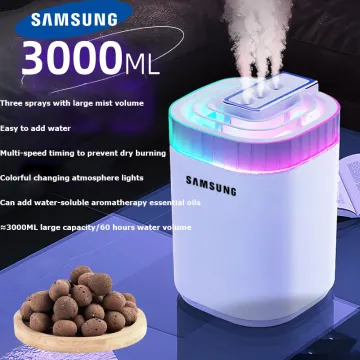
Where are Mass-Market Samsung Humidifiers Manufactured?
Standard Samsung humidifiers, designed for broad consumer appeal and mass distribution, are primarily manufactured in Foshan, China. This strategic choice leverages the region's well-established manufacturing infrastructure, cost-effective labor, and robust supply chains. The ability to produce at a massive scale in Foshan allows Samsung to meet high demand while maintaining competitive pricing. By centralizing mass-market production in Foshan, Samsung capitalizes on economies of scale and efficient resource allocation.
Where are Premium & High-Tech Samsung Humidifiers Produced?
For any advanced or 'Bespoke' branded humidifiers, which embody Samsung's commitment to innovation and premium design, production would be centered in South Korea. This is the heart of Samsung's global research, development, and high-end manufacturing. South Korean facilities are equipped to handle complex production processes, integrate cutting-edge technologies, and ensure the meticulous craftsmanship associated with premium appliances. South Korea serves as the nexus for Samsung's most sophisticated and design-forward air care products, reflecting a focus on quality and technological leadership.
B. Current Product Status: A Regionalized or Discontinued Presence
It is noteworthy that a thorough review of Samsung's official product listings and major retail channels in key Western markets, such as the US, Canada, and Australia, reveals a conspicuous absence of a current, mainstream Samsung humidifier line. This suggests that Samsung humidifiers are either highly regionalized products, primarily available in specific markets, or that their production for these major Western markets has been discontinued. The limited availability of Samsung humidifiers in major Western markets indicates a strategic shift towards regional focus or product discontinuation in these areas.
The Analytical Approach: Using Air Purifiers as a Proxy
Given the scarcity of direct information regarding Samsung humidifier manufacturing, a strategic analytical approach is required. By examining Samsung's manufacturing strategies for closely related 'Air Care' products, specifically air purifiers, we can infer their likely approach to humidifier production. This method provides valuable insights into Samsung's broader operational philosophy.
Why is Direct Information on Samsung Humidifiers Scarce?
A comprehensive search across Samsung's official global websites and major product listings reveals a notable absence of current, widely available humidifier models. This information gap necessitates an indirect analytical method to determine manufacturing origins. The lack of readily available information on Samsung humidifiers highlights the need for an inferential approach, using related product lines as a guide.
What is Samsung's Historical Precedent in Humidification?
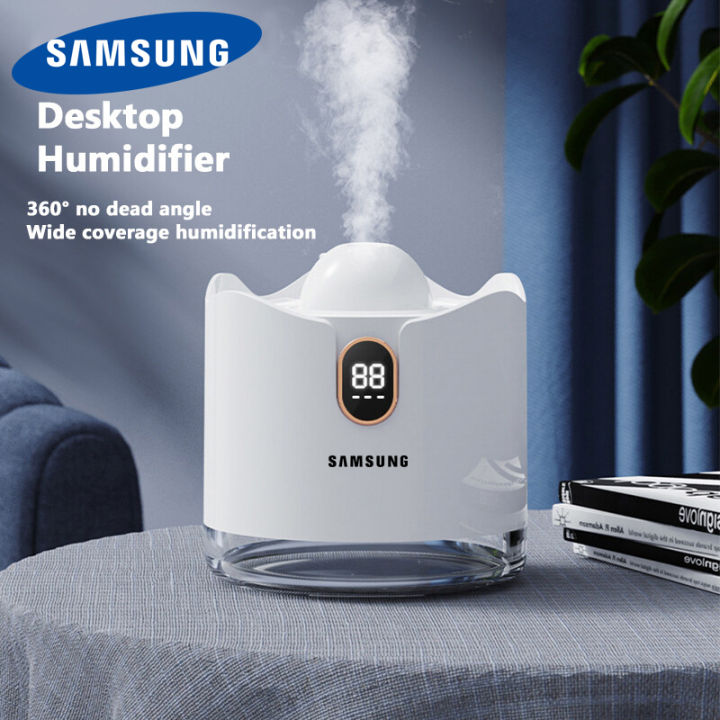
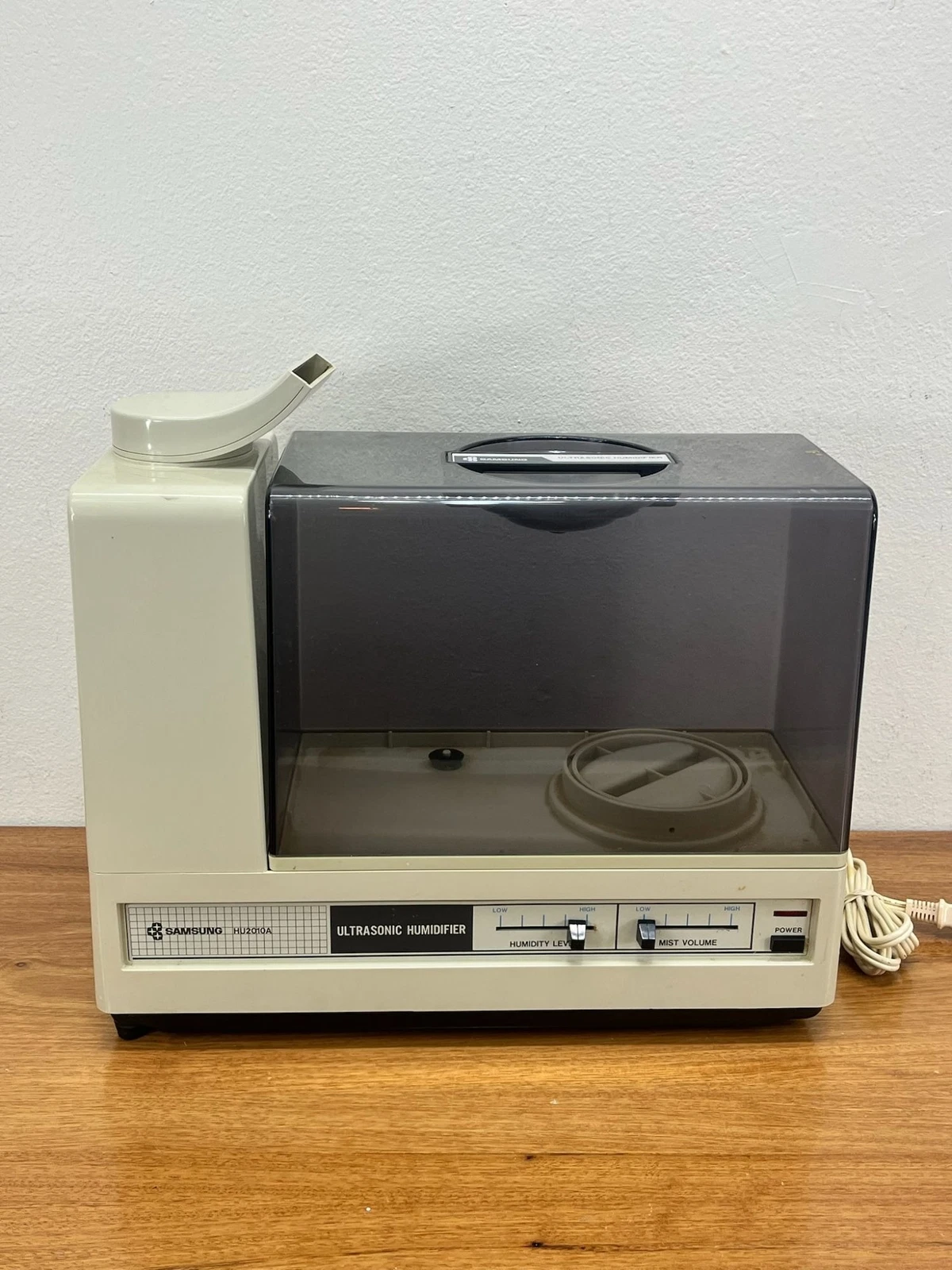
Despite their current low profile in Western humidifier markets, Samsung does possess a history in the humidifier sector. Vintage models, some dating back to 1987, confirm Samsung's past engagement in this product category. For instance, a model number like HU5200A can still be found listed by appliance parts distributors, indicating a legacy of production. Samsung's historical presence in the humidifier market, evidenced by vintage models and parts listings, confirms their prior manufacturing capabilities in this domain.
How Does the Air Purifier Proxy Indicate Humidifier Manufacturing?
Air purifiers, which fall under the identical 'Air Care' product category as humidifiers, serve as an exceptionally reliable proxy for understanding Samsung's manufacturing strategy. The production and distribution of air purifiers demonstrate a clear, dual-pronged approach that effectively balances cost-efficiency with technological innovation. This parallel allows for a well-reasoned inference regarding humidifier manufacturing. Samsung's air purifier manufacturing strategy, characterized by a dual approach balancing cost and innovation, provides a robust framework for understanding their humidifier production.
The Two Core Manufacturing Hubs for Air Care Products
Samsung's manufacturing strategy for its 'Air Care' products, including air purifiers and by extension, humidifiers, is anchored by two primary global hubs. These locations are chosen for their distinct strategic advantages, allowing Samsung to optimize for both mass production and high-end innovation.
Why is China a Key Manufacturing Hub for Samsung Air Care Products?
China remains a cornerstone of Samsung's global manufacturing operations, particularly for products requiring high volume and cost efficiency. This strategic choice is driven by a combination of factors that make it an ideal location for mass-market production.
Where is Foshan City Located and Why is it Strategic?
The primary manufacturing site for the majority of Samsung's air purifiers, and likely for any mass-market humidifiers, is Foshan City, Guangdong Province. This region is renowned for its extensive industrial infrastructure and manufacturing prowess. Foshan City serves as Samsung's key manufacturing hub in China, facilitating high-volume production of air care products.
What is the Strategic Rationale for Manufacturing in Foshan?
Samsung's decision to manufacture in Foshan is rooted in its ability to leverage cost-effective labor and materials, access to a highly mature and efficient supply chain, and the capacity for massive-scale production for the global market. This allows Samsung to produce competitive products at a lower cost, making them accessible to a wider consumer base. Manufacturing in Foshan enables Samsung to achieve significant cost efficiencies and economies of scale, crucial for mass-market product lines.
Why is South Korea the Nexus of R&D and Premium Quality for Samsung?
While China handles mass production, South Korea is reserved for Samsung's most advanced and premium offerings, serving as a global center for innovation and high-quality manufacturing.
What is South Korea's Role in Samsung's Global Manufacturing?
South Korea is the global hub for Samsung's research and development (R&D) and the manufacturing site for its most advanced, high-end products. This includes premium air purifiers and, hypothetically, any 'Bespoke' or technologically sophisticated humidifiers. South Korea is Samsung's strategic center for R&D and the production of its most innovative and high-quality air care appliances.
What is the Strategic Rationale for South Korean Production?
Production in South Korea emphasizes uncompromising quality, meticulous craftsmanship, and the seamless integration of cutting-edge technology. The highly skilled workforce and advanced manufacturing facilities in South Korea enable Samsung to produce flagship products that embody superior performance and design. Samsung's South Korean facilities are dedicated to producing premium air care products, prioritizing advanced technology, superior quality, and sophisticated design.
Context: Samsung's Broader Global Manufacturing Footprint
Samsung's manufacturing strategy for humidifiers and air purifiers is part of a much larger, highly diversified global manufacturing footprint. This extensive network allows Samsung to optimize production based on regional market demands, logistical efficiencies, and specialized manufacturing capabilities. Understanding this broader context provides a clearer picture of how specific product lines fit into Samsung's overall operational strategy.
How Does Samsung Diversify its Global Manufacturing Network?
Samsung's approach to small appliances, and indeed all its product categories, is characterized by a diversified global network. Different regions and facilities are assigned specialized roles, enabling the company to respond flexibly to market dynamics, reduce costs, and enhance supply chain resilience. Samsung's global manufacturing network is designed for diversification, allowing specialized regional hubs to optimize production for specific markets and product types.
What are Samsung's Key Regional Manufacturing Hubs?
Beyond China and South Korea, Samsung operates numerous other significant manufacturing hubs, each contributing to its global production ecosystem:
What is the Role of the United States (South Carolina) in Samsung Manufacturing?
In the United States, particularly in South Carolina, Samsung focuses on the production of large, bulky appliances such as washing machines. This strategic localization for the North American market helps to significantly reduce shipping costs and delivery times, enhancing market responsiveness. Samsung's South Carolina facility specializes in large appliance manufacturing, optimizing logistics and delivery for the North American market.
Why is Vietnam a Critical Diversification Hub for Samsung?
Vietnam has emerged as a critical production hub for Samsung, particularly for mobile phones and other consumer electronics. It serves as a key 'China+1' diversification location, reducing reliance on a single manufacturing base and mitigating geopolitical risks. Vietnam is a crucial manufacturing hub for Samsung, especially for mobile devices, serving as a strategic diversification point to enhance supply chain resilience.
What are Samsung's Other Specialized Manufacturing Nodes?
Samsung also maintains specialized factories in various other countries to efficiently serve regional markets. For instance, Thailand is a significant site for air conditioners, India for microwaves, and Hungary for televisions. These localized production facilities ensure that products are tailored to regional preferences and delivered with optimal efficiency. Samsung utilizes specialized manufacturing facilities in countries like Thailand, India, and Hungary to efficiently produce and distribute products tailored to specific regional markets.
Strategic Takeaways
Understanding Samsung's manufacturing strategy for humidifiers and related air care products offers several key strategic takeaways for businesses, particularly those operating in the B2B space, seeking to navigate the complexities of global supply chains and market opportunities.
What are the Opportunities in the Competitive Landscape for Humidifiers?
The observed absence of a mainstream Samsung humidifier line in key Western markets, such as the US, Canada, and Australia, presents a significant market opportunity for competitors. This vacuum suggests that while Samsung focuses its air care efforts on air purifiers and other appliances in these regions, there is an unmet demand for high-quality humidification solutions. Businesses specializing in humidifiers or looking to expand their product portfolios could capitalize on this gap. The limited presence of Samsung humidifiers in major Western markets creates a clear opportunity for other manufacturers to capture market share.
How to Navigate Geopolitical & Trade Risks in Supply Chains?
The reliance on China for mass-market goods, as exemplified by Samsung's Foshan operations, inherently creates exposure to geopolitical and trade risks. Businesses sourcing from or manufacturing in China must remain vigilant about evolving trade policies, tariffs, and supply chain disruptions. A pertinent example is the potential expiration of US tariff exemptions on Chinese-made air purifiers, which could impact pricing and competitiveness. Dependence on Chinese manufacturing for mass-market products exposes businesses to significant geopolitical and trade-related supply chain risks.
What is the Dual-Track Approach for Sourcing & Partnership?
Samsung's dual-track manufacturing system provides a clear roadmap for potential suppliers and partners. For businesses looking to supply components or collaborate on mass-produced air care products, targeting manufacturers and suppliers in China (specifically Foshan) would be the most strategic approach. This region offers the infrastructure and expertise for high-volume, cost-efficient production. Conversely, for those focused on innovative, high-value technologies, premium components, or advanced design, South Korea represents the ideal target for partnership. This dual approach allows suppliers to align their offerings with Samsung's specific production needs, whether for scale or innovation. Suppliers should align with Samsung's dual-track strategy, targeting China for high-volume components and South Korea for innovative, high-value technologies.

Conclusion: Strategic Insights for the B2B Air Care Market
Samsung's manufacturing strategy for its air care products, including humidifiers and air purifiers, is a sophisticated blend of global optimization and regional specialization. By leveraging the cost efficiencies of mass production in China and the innovation capabilities of South Korea, Samsung maintains a competitive edge in diverse markets. For B2B stakeholders—whether suppliers, distributors, or entrepreneurs—understanding this dual-track approach is paramount. It not only clarifies the origins of Samsung's products but also illuminates broader trends in global manufacturing and supply chain management. The absence of a prominent Samsung humidifier line in certain Western markets, for instance, signals potential opportunities for other brands to fill the void, while the inherent geopolitical risks associated with concentrated manufacturing hubs underscore the importance of diversified sourcing strategies. Ultimately, navigating the complexities of the air care market requires a keen awareness of these strategic nuances, enabling businesses to make informed decisions, forge effective partnerships, and capitalize on emerging opportunities.


 English
 Français
 Español
 Italiano
 Deutsch
 Português
 Русский
 العربية
 日本語
 한국어
 Tiếng Việt

