
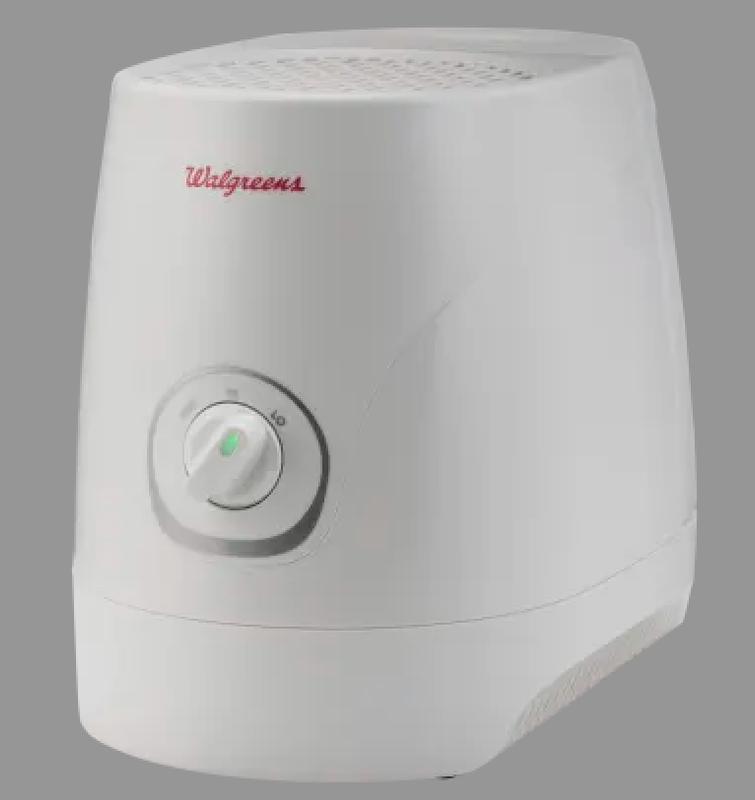
Have you ever wondered where those reliable Walgreen humidifiers originate? Let's explore their manufacturing journey and uncover the global supply chain behind these popular devices!
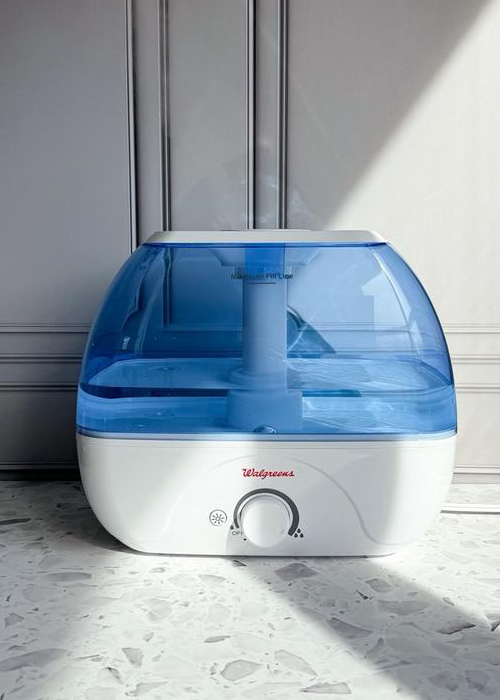
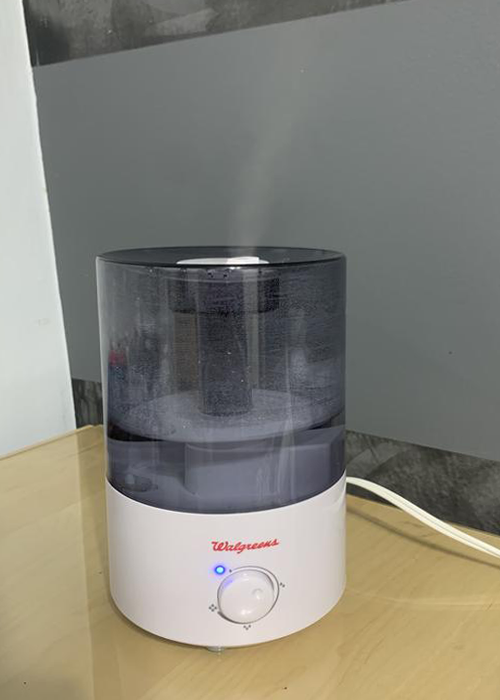
Walgreen humidifiers are primarily manufactured in China. This strategic choice helps reduce production costs and maintain competitive pricing due to high volume capabilities and abundant supplier options. While facing tariff challenges, Walgreen is exploring alternative manufacturing locations in Vietnam, Thailand, and Malaysia, though these efforts face significant hurdles due to supply chain complexities and seasonal production demands.
I've spent years analyzing the manufacturing strategies of major retailers in the Indoor Air Quality (IAQ) industry, and Walgreen's approach reveals fascinating insights about global supply chains and market adaptability. Their humidifier sourcing story involves more than just location—it reflects broader industry trends and economic realities that impact product availability and pricing for consumers worldwide.
How Has Walgreen's Humidifier Manufacturing Strategy Evolved?
Come with me on a journey through Walgreen's evolving humidifier manufacturing strategy, a story that reflects broader shifts in global retail supply chains and consumer preferences.
Walgreen's humidifier manufacturing approach has transformed significantly over the years. Initially relying on domestic suppliers, they gradually shifted to Chinese manufacturing partners to achieve cost efficiencies. This transition has enabled them to offer competitive pricing while maintaining adequate profit margins in an increasingly crowded market landscape.
Historical Context and Strategic Shifts
In the early days, Walgreen sourced humidifiers from a mix of domestic and international suppliers. However, as consumer demand for affordable home health devices grew, the company recognized the need to optimize their supply chain. The shift to Chinese manufacturing partners began in earnest during the early 2000s, coinciding with China's emergence as the world's manufacturing powerhouse.
As someone deeply involved in the IAQ industry, I've observed this transition firsthand. At HisoAir, we've witnessed similar patterns across major retailers seeking to balance quality and affordability in their product offerings. Walgreen's strategy reflects a broader industry trend toward centralized manufacturing in regions with established expertise and infrastructure.
Impact of Market Competition
The humidifier market has become increasingly competitive, especially following the COVID-19 pandemic, which dramatically increased consumer awareness about indoor air quality. This competitive pressure has reinforced Walgreen's reliance on Chinese manufacturing to maintain price points that appeal to cost-conscious consumers shopping both in-store and online.
| Time Period | Primary Manufacturing Location | Strategic Focus | Market Impact |
|---|---|---|---|
| Pre-2000s | Mixed (Domestic/International) | Quality and brand reputation | Higher retail prices |
| 2000-2015 | Primarily China | Cost efficiency and volume | Competitive pricing |
| 2016-Present | China with diversification efforts | Balance of cost, tariff mitigation, and supply security | Stable pricing despite trade tensions |
Seasonal Production Challenges
One fascinating aspect of Walgreen's manufacturing strategy involves managing seasonal demand fluctuations. Humidifier sales typically spike during fall and winter months in North America, creating production challenges that Chinese manufacturers have proven particularly adept at handling.
In my experience working with manufacturers across Asia, I've found that Chinese factories often demonstrate remarkable flexibility in scaling production up and down to meet seasonal demands. This capability has been crucial for Walgreen's ability to maintain consistent inventory levels during peak seasons without excessive carrying costs during slower periods.
Why Does Walgreen Choose China as Its Primary Manufacturing Location?
Have you considered what makes China so attractive for humidifier production despite increasing global trade tensions? The answer involves multiple interconnected factors.
Walgreen selects China as its primary manufacturing base due to an unmatched combination of cost advantages, manufacturing expertise, supply chain integration, and production scalability. These factors collectively enable the consistent delivery of affordable humidifiers to meet consumer demand across their extensive retail network.
Economic Advantages
The economic benefits of Chinese manufacturing remain compelling despite rising labor costs in recent years. When analyzing production costs, we must consider the total manufacturing ecosystem rather than isolated factors like wages. China offers an integrated supply chain where components, assembly, packaging, and shipping are seamlessly coordinated, creating efficiencies that are difficult to replicate elsewhere.
At HisoAir, we maintain production facilities in multiple countries, giving us unique insight into comparative manufacturing costs. While labor rates in Vietnam or Thailand might appear lower on paper, the total production cost often ends up higher due to less developed component supply networks and infrastructure limitations.
Manufacturing Expertise and Quality Control
China's decades of experience in humidifier production has created a deep pool of specialized expertise. Manufacturers have refined their processes, invested in appropriate equipment, and developed quality control systems specifically tailored to humidifier production. This specialization allows Walgreen to source reliable products without the quality inconsistencies that often plague manufacturing transitions to new regions.
Volume Capabilities and Supplier Diversity
The sheer scale of Chinese manufacturing capacity allows Walgreen to place large orders with confidence that suppliers can deliver. Additionally, the presence of multiple qualified suppliers creates healthy competition and provides backup options if one manufacturer faces production challenges.
| Factor | China Advantage | Southeast Asia Challenge |
|---|---|---|
| Component Supply | Extensive local networks | Often imported (adding cost/time) |
| Skilled Labor | Abundant specialized workforce | Limited experience with humidifiers |
| Infrastructure | Well-developed logistics | Developing transportation networks |
| Production Scale | High-volume capability | Limited capacity for peak seasons |
| Quality Control | Established systems | Developing expertise |
Competitive Landscape Considerations
The competitive nature of the Chinese manufacturing sector creates pricing advantages that benefit retailers like Walgreen. With numerous factories competing for large contracts, Walgreen can negotiate favorable terms while maintaining quality standards. This competitive dynamic is less developed in alternative manufacturing locations, resulting in fewer options and less favorable pricing.
What Challenges Is Walgreen Facing with Its Current Manufacturing Strategy?
Is Walgreen's heavy reliance on Chinese manufacturing becoming increasingly problematic in today's geopolitical climate? Let's examine the key challenges they're navigating.
Walgreen faces several significant challenges with its China-centric manufacturing approach, including tariff impacts, geopolitical uncertainties, rising labor costs, and seasonal production pressures. These factors are prompting exploration of manufacturing alternatives while highlighting the difficulties of diversifying an established supply chain.
Tariff Impacts and Trade Tensions
The ongoing trade tensions between the United States and China have created significant headwinds for Walgreen's humidifier business. Tariffs directly impact profit margins, forcing difficult decisions about whether to absorb these costs or pass them on to consumers through price increases.
In my discussions with industry partners, I've found that many retailers are reluctant to raise prices in such a competitive market, especially for seasonal products like humidifiers where price sensitivity is high. This creates a profit squeeze that's difficult to resolve without fundamental changes to the supply chain.
Alternative Sourcing Challenges
While Walgreen has explored manufacturing options in countries like Vietnam, Thailand, and Malaysia, these efforts have encountered substantial obstacles. Based on my experience establishing production facilities across Asia, I can attest to the complexity of these transitions.
The primary challenges include:
-
Supply Chain Integration: Alternative locations lack the comprehensive component supply networks found in China, often requiring imports of key parts that add cost and complexity.
-
Workforce Expertise: Developing specialized manufacturing expertise takes time, with initial production runs often facing quality inconsistencies and efficiency challenges.
-
Seasonal Capacity: Meeting high-volume seasonal demands requires significant infrastructure investment that many factories outside China are reluctant to make for relatively low-margin products like humidifiers.
-
Cultural and Communication Factors: While often overlooked in planning, differences in work culture and communication practices can significantly impact production efficiency and quality control.
Quality Control Considerations
Maintaining consistent quality across different manufacturing locations presents another significant challenge. Walgreen's reputation depends on reliable products, making quality control a critical consideration in any manufacturing transition.
| Challenge | Impact on Walgreen | Potential Solutions |
|---|---|---|
| Tariffs | Reduced profit margins | Diversified manufacturing, premium product development |
| Seasonal Production | Inventory management complexity | Improved forecasting, staggered production |
| Quality Consistency | Brand reputation risks | Enhanced quality control systems, gradual transitions |
| Supply Chain Disruption | Inventory shortages | Multiple sourcing locations, increased safety stock |
Environmental and Sustainability Pressures
Increasingly, retailers face pressure to consider the environmental impact of their supply chains. While not yet a primary driver of manufacturing decisions for humidifiers, sustainability considerations are gaining importance in consumer purchasing decisions and regulatory frameworks.
How Is Walgreen Adapting Its Manufacturing Strategy for the Future?
What steps is Walgreen taking to address these manufacturing challenges while maintaining competitive pricing and product availability? Their approach offers valuable insights for the entire industry.
Walgreen is implementing a multi-faceted strategy to adapt its manufacturing approach, including gradual supply chain diversification, exploration of premium product categories, and investment in technological innovations. These efforts aim to balance cost considerations with risk mitigation while potentially opening new market opportunities.
China+1 Strategy Implementation
Rather than abandoning Chinese manufacturing entirely, Walgreen is pursuing what industry insiders call a "China+1" strategy—maintaining their primary Chinese supply base while gradually developing alternative manufacturing partners. This measured approach recognizes both the continued advantages of Chinese production and the need for risk diversification.
At HisoAir, we've successfully implemented a similar strategy, maintaining our core Chinese manufacturing while establishing complementary facilities in Vietnam and Thailand. This approach allows for gradual transition without disrupting existing supply chains, though it requires significant investment and management attention.
Premium Product Development Opportunities
One particularly promising direction involves expanding into premium humidifier categories where higher margins can offset increased manufacturing costs. Medical-grade humidifiers with advanced features like bacteria-killing boiling technology represent a growing market segment where consumers demonstrate less price sensitivity.
From my perspective, this approach aligns perfectly with post-pandemic consumer trends. We've observed significantly increased interest in premium air quality products that offer enhanced health benefits beyond basic functionality. Walgreen's extensive retail network provides an excellent platform for introducing these higher-margin products to a broad consumer base.
Technological Innovation Focus
Investing in technological innovations offers another pathway for addressing manufacturing challenges. Advanced production techniques can improve efficiency and reduce labor dependencies, potentially making manufacturing viable in locations with higher labor costs.
Additionally, product innovations can create differentiation that supports premium pricing. For example, HisoAir's development of new boiling technology that eliminates bacteria and prevents respiratory problems addresses growing consumer health concerns while commanding higher price points.
| Strategy Element | Implementation Timeline | Expected Benefits |
|---|---|---|
| China+1 Diversification | Gradual (3-5 years) | Risk mitigation, tariff avoidance |
| Premium Product Development | Near-term (1-2 years) | Higher margins, market differentiation |
| Technological Innovation | Ongoing | Efficiency improvements, product differentiation |
| Supplier Relationship Enhancement | Immediate | Better terms, improved flexibility |
Supplier Relationship Management
Beyond geographic diversification, Walgreen is likely strengthening relationships with key Chinese suppliers to improve terms, enhance flexibility, and secure priority production capacity. These partnerships remain valuable even as alternative sourcing options develop.
What Can Other Brands Learn from Walgreen's Manufacturing Approach?
How can other retailers and brands apply lessons from Walgreen's experience to their own manufacturing strategies? Their journey offers valuable insights for navigating today's complex global supply chains.
Walgreen's manufacturing experience demonstrates the importance of balancing cost efficiency with supply chain resilience, the value of gradual diversification rather than abrupt transitions, and the potential of premium product development to offset manufacturing challenges. These lessons apply broadly across consumer product categories facing similar global pressures.
Balanced Approach to Diversification
The most important lesson from Walgreen's experience is the value of measured, strategic diversification rather than reactive shifts. Abrupt changes to manufacturing locations typically create quality inconsistencies, supply disruptions, and unexpected costs that can damage both profitability and brand reputation.
In my work advising brands on manufacturing strategies, I consistently emphasize the importance of overlapping transitions—maintaining existing supply chains while gradually developing and scaling alternative sources. This approach requires patience and investment but ultimately creates more sustainable outcomes.
Seasonal Planning Sophistication
Walgreen's experience highlights the critical importance of sophisticated seasonal planning for products like humidifiers. The ability to accurately forecast demand, coordinate production schedules across multiple facilities, and manage inventory through seasonal fluctuations represents a significant competitive advantage.
Innovation in Mature Product Categories
Perhaps most interestingly, Walgreen's situation demonstrates how innovation can revitalize seemingly mature product categories. By exploring advanced features like bacteria-killing technology and smart connectivity, brands can create new value propositions that support premium pricing and improved margins.
At HisoAir, we've seen remarkable success with this approach, developing next-generation air quality products that address emerging consumer concerns about health and wellness. These innovations have allowed us to establish premium positioning that reduces dependency on lowest-cost manufacturing.
Long-term Partnership Development
Finally, Walgreen's approach underscores the value of developing deep, collaborative relationships with manufacturing partners rather than treating them as interchangeable vendors. These partnerships enable greater flexibility, priority treatment during capacity constraints, and collaborative problem-solving when challenges arise.
Conclusion
Walgreen humidifiers remain primarily manufactured in China, leveraging the country's unmatched combination of cost advantages, manufacturing expertise, and supply chain integration. While tariff pressures and supply chain security concerns are driving exploration of alternative manufacturing locations in Southeast Asia, these diversification efforts face significant challenges related to component availability, workforce expertise, and seasonal production capabilities.
Looking ahead, Walgreen's most promising strategies likely involve a balanced approach: maintaining their Chinese manufacturing base while gradually developing alternative sources, exploring premium product categories with higher margins, and investing in technological innovations that create meaningful differentiation.
For consumers, this manufacturing reality translates to continued availability of affordable humidifiers through Walgreen's extensive retail network, with potential future options in premium categories offering enhanced features and health benefits.
From my perspective as an industry insider at HisoAir, Walgreen would benefit significantly from developing medical-grade and premium humidifiers with advanced technologies like bacteria-killing boiling systems. The growing health awareness among consumers, particularly in the US market, creates excellent opportunities for products that combine essential functionality with enhanced health protection features.
The humidifier manufacturing landscape continues to evolve, shaped by economic realities, technological innovations, and changing consumer preferences. By understanding these dynamics, both retailers and consumers can make more informed decisions about product development, sourcing, and purchasing in this essential product category.


 English
  Français
  Español
  Italiano
  Deutsch
  Português
  Русский
  العربية
  日本語
日本語  한국어
한국어  Tiếng Việt

