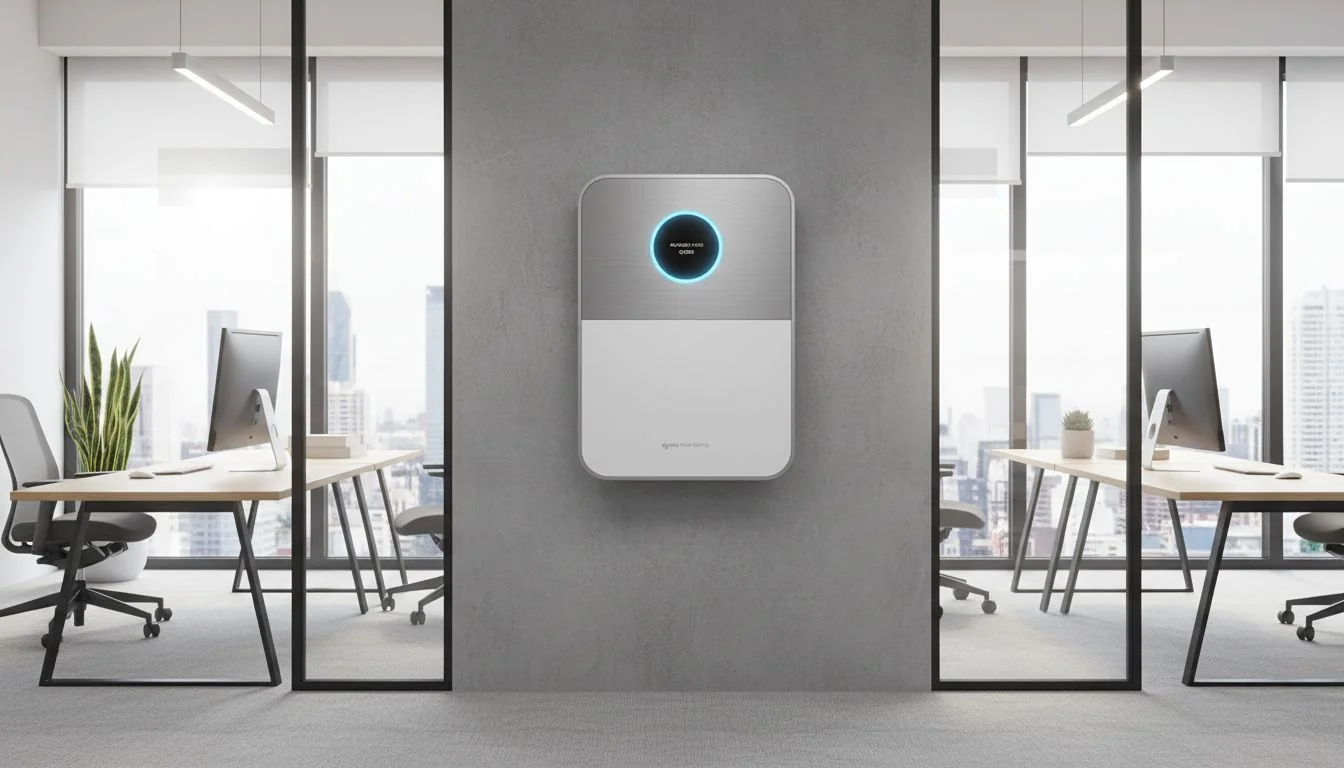
Floor space is expensive, and loose cables are dangerous. Facility managers are tired of portable air purifiers cluttering their hallways. We need a better design solution for commercial environments.
Wall-mounted air purifiers1 are becoming the standard because they eliminate trip hazards, free up valuable floor space, and offer a permanent, tamper-proof solution. They provide commercial-grade air filtration without the massive cost of upgrading central HVAC systems, making them the preferred choice for schools and offices.
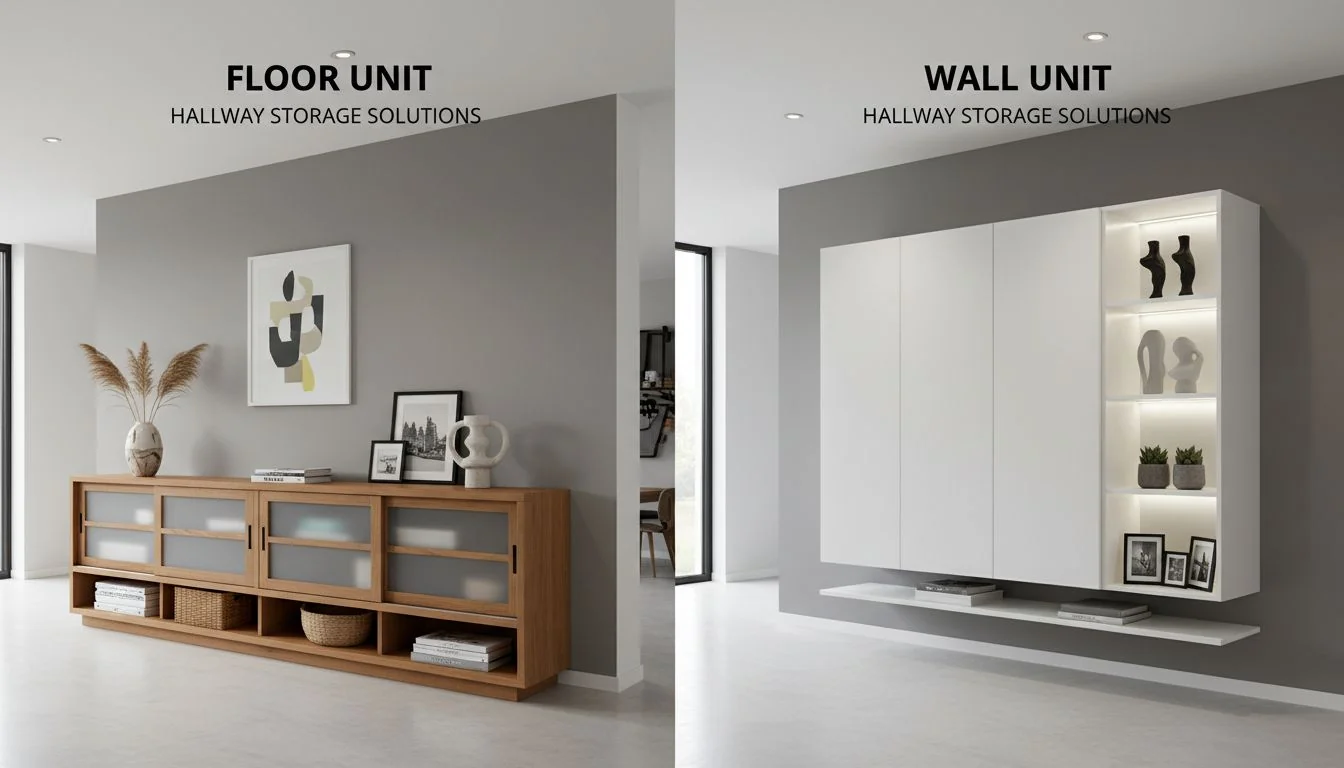
I used to think portable units were enough. But after seeing the molding requirements for new commercial projects, I realized the market has changed. Portable units are fine for bedrooms, but they fail in public spaces. Let me explain why the industry is shifting to wall-mounted designs.
Portable air purifiers are the safest option for elementary schools.False
Portable units create trip hazards with loose cords and can be tipped over by active children.
Wall-mounted units save floor space compared to portable models.True
By utilizing vertical wall space, these units keep the floor clear for traffic and furniture.
From "Temporary Fix" to "Permanent Infrastructure"?
We all bought portable filters during the pandemic. Now, those plastic boxes look cheap and temporary in professional offices. Clients want solutions that look like they belong there.
Commercial buildings are moving to permanent infrastructure2. Wall-mounted units signal a long-term commitment to health, unlike portable units that look like a temporary reaction. This shift drives demand for robust, mounted enclosure designs that integrate seamlessly with the building's interior.
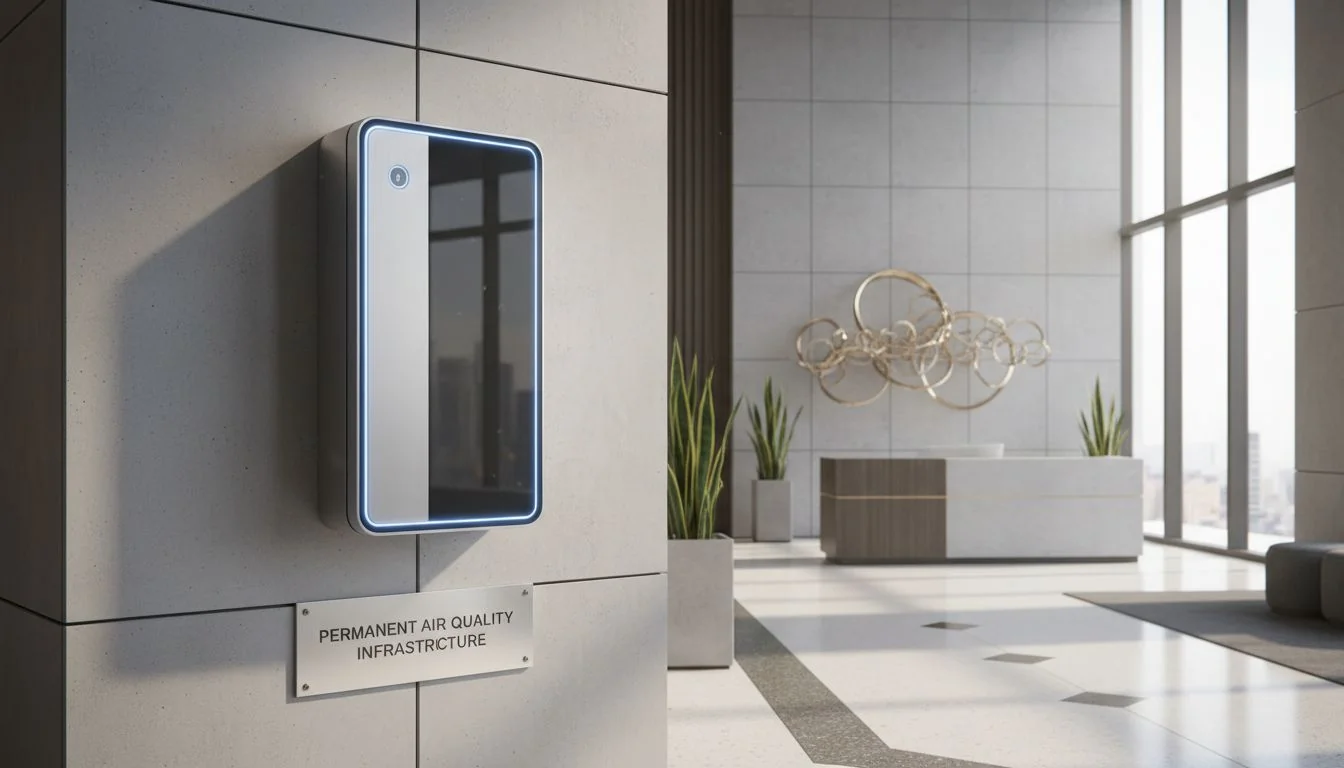
When we design molds for consumer electronics, we often focus on aesthetics. But for commercial infrastructure, the psychology of the design is different. In the "Return to Office" era, employees are anxious about health. A hidden HVAC filter does nothing to calm that anxiety because nobody can see it. A visible, sleek wall-mounted purifier sends a clear signal: "We are actively cleaning the air."
This is what we call "visible hygiene3." It is an employee perk that boosts retention and comfort. However, the design cannot look like a cheap home appliance. It must look like a permanent fixture, similar to a high-end lighting sconce or a thermostat. This changes how we approach the mold design. We move away from high-gloss, scratch-prone plastics found in residential brands. Instead, we use matte finishes and thicker wall sections to convey durability. The goal is to make the unit feel like part of the building's architecture, not an afterthought.
| Feature | Residential Portable Unit | Commercial Wall-Mount |
|---|---|---|
| Perception | Temporary, Reactive | Permanent, Proactive |
| Material | Standard ABS/PP | Impact-Resistant PC/ABS |
| Visibility | Clutter | Infrastructure |
| Employee Trust | Low (often ignored) | High (visible action) |
Hidden HVAC filters are the best way to reassure employees about air quality.False
Visible wall-mounted units provide psychological reassurance that the air is being actively cleaned.
Commercial wall units use different design languages than residential units.True
Commercial units prioritize architectural integration and durability over the appliance aesthetic of residential models.
How Do We Solve the "Trip Hazard" Liability Problem?
A loose power cord in a school hallway is a lawsuit waiting to happen. Safety officers hate portable units for this exact reason. We must design for safety first.
Wall-mounted purifiers eliminate liability risks by removing cords from the floor. For schools and busy offices, this "trip hazard" removal is the primary safety driver for choosing fixed installation over portable options.
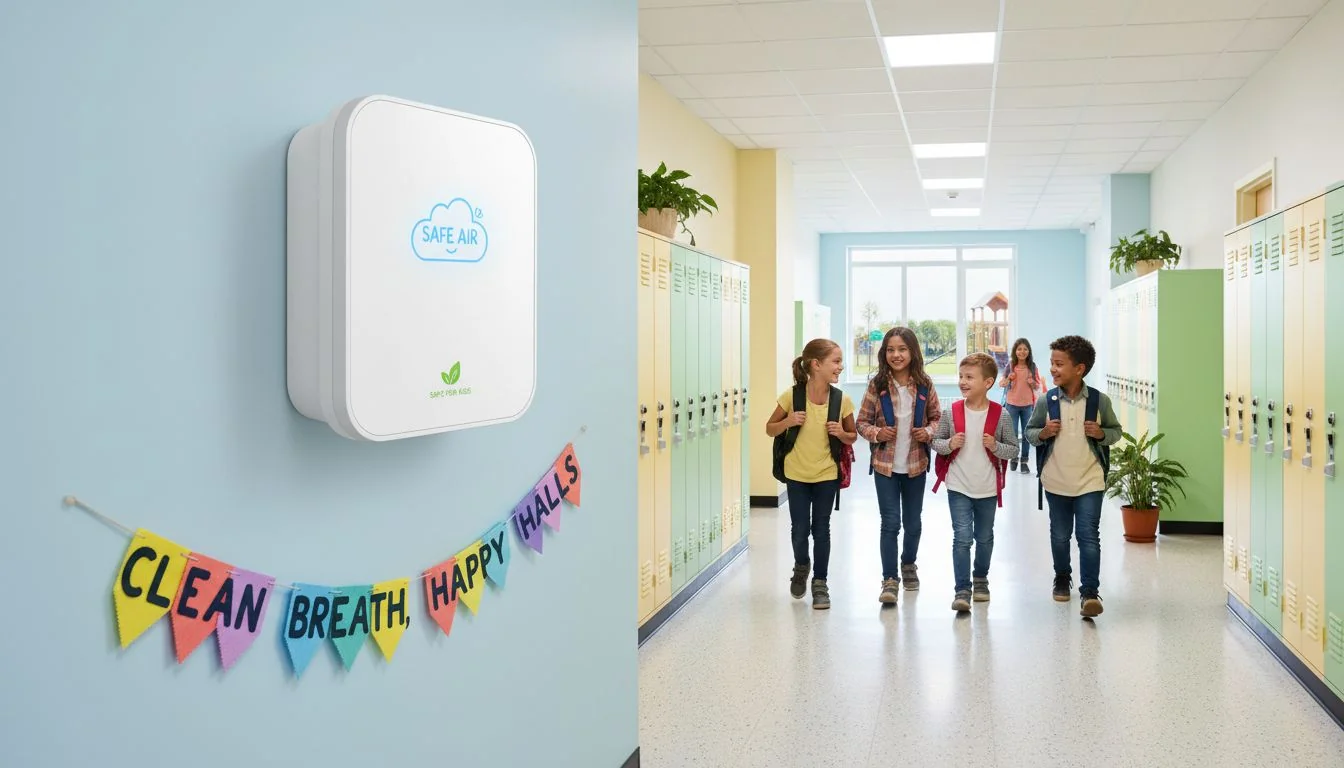
Liability is a massive driver in the commercial sector, especially in education. Schools are currently the number one buyers of wall-mounted units. Why? Because classrooms are tight spaces filled with active kids. A portable unit on the floor is an obstacle. It gets kicked, the cord gets pulled, and worst of all, a student trips and gets hurt. That is a facility manager's nightmare.
From a design and manufacturing perspective, this dictates specific features. We cannot just slap a bracket on a portable unit. The mold must be designed for "hardwiring4." This means the back plate needs specific knockouts for electrical conduit connections, allowing the power to run directly into the wall. There are no plugs and no loose wires. We also have to consider impact resistance. In a school, these units might get hit by backpacks or balls. The plastic housing needs to be engineered with internal ribs for structural integrity. We are not just making a box; we are making a "Classroom-Safe" fixture.
Trip hazards are a minor concern for facility managers.False
Trip hazards are a major liability concern, particularly in schools and high-traffic public buildings.
Hardwiring eliminates the need for external power cords.True
Hardwired units connect directly to the building's electrical system behind the unit, removing exposed wires.
Can We Maximize Revenue by Clearing the Floor?
Every square foot of a commercial building costs money. Placing a bulky filter on the floor wastes rentable or usable space. We need to think vertically.
Wall-mounted units utilize "dead space" vertically, freeing up floor area for desks, merchandise, or foot traffic. This maximizes revenue per square foot5, making the installation cost negligible compared to the gained space.
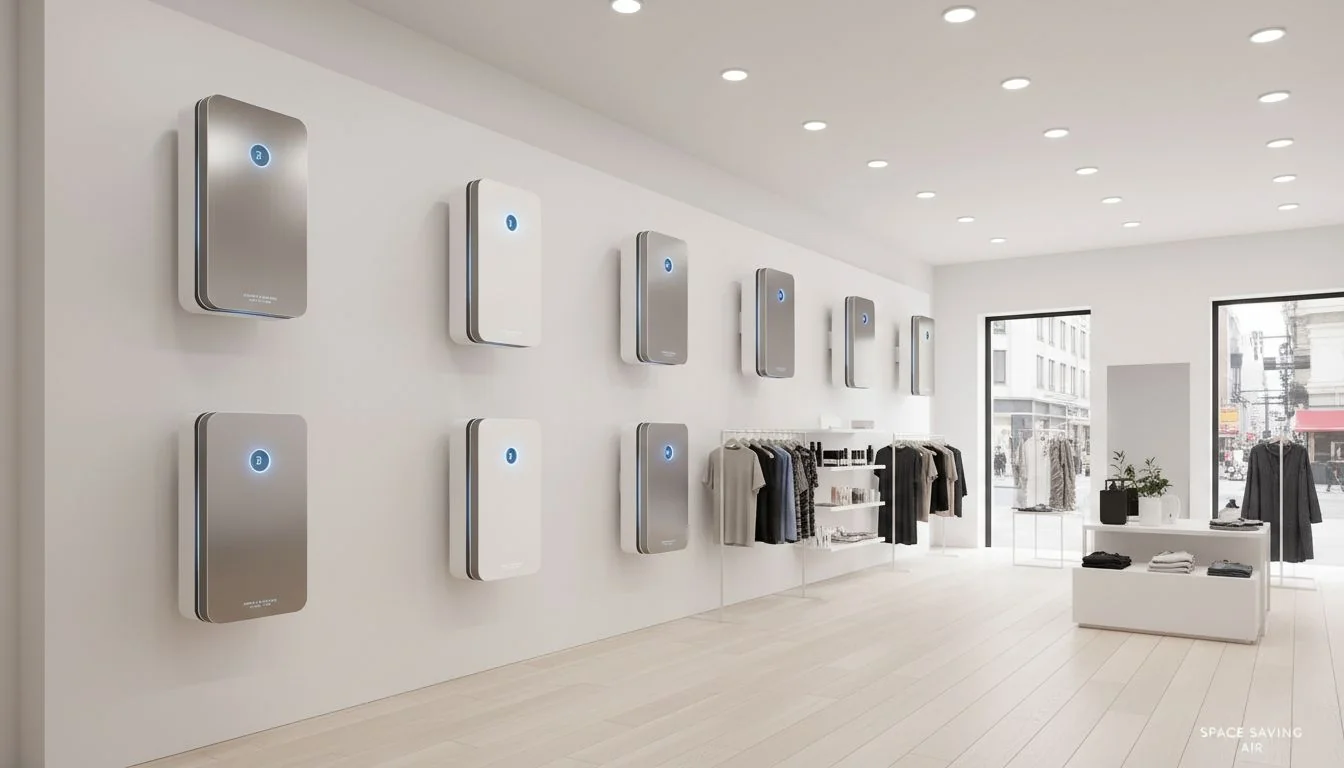
In my years of trading molds, I have learned that commercial clients calculate value differently than consumers. A homeowner buys a filter based on price. A commercial landlord calculates "Revenue per Square Foot." If a restaurant has to remove a table to fit a large air purifier, they lose revenue every single night. If a retail store loses shelf space, they lose sales.
This economic reality drives the "Slim Profile" design requirement. As designers, we face a challenge here. We need to fit a powerful motor and a large HEPA filter into a housing that does not stick out too far from the wall. If it protrudes too much, it violates ADA (Americans with Disabilities Act) guidelines for hallway obstructions. This requires creative mold design. We often use centrifugal fans that are flatter than axial fans. We design the air intake to draw from the sides or bottom rather than the back. This allows the unit to sit flush against the wall. It is a difficult balance of airflow dynamics and compact molding, but it is essential for the commercial market.
Floor space in commercial buildings has no direct financial value.False
Floor space is directly tied to revenue in retail, dining, and office leasing.
ADA guidelines influence the depth of wall-mounted units.True
Units in walkways must not protrude excessively to ensure safety for visually impaired individuals.
Why Is Security and Tamper-Proofing Essential?
Public spaces are tough on equipment. If a filter can be unplugged, moved, or opened by unauthorized people, it is useless. We need to lock it down.
Commercial buyers demand tamper-proof designs6. Wall-mounted units feature locking mechanisms and hidden controls to prevent theft, vandalism, or accidental shut-offs, ensuring the system runs 24/7 without interference.
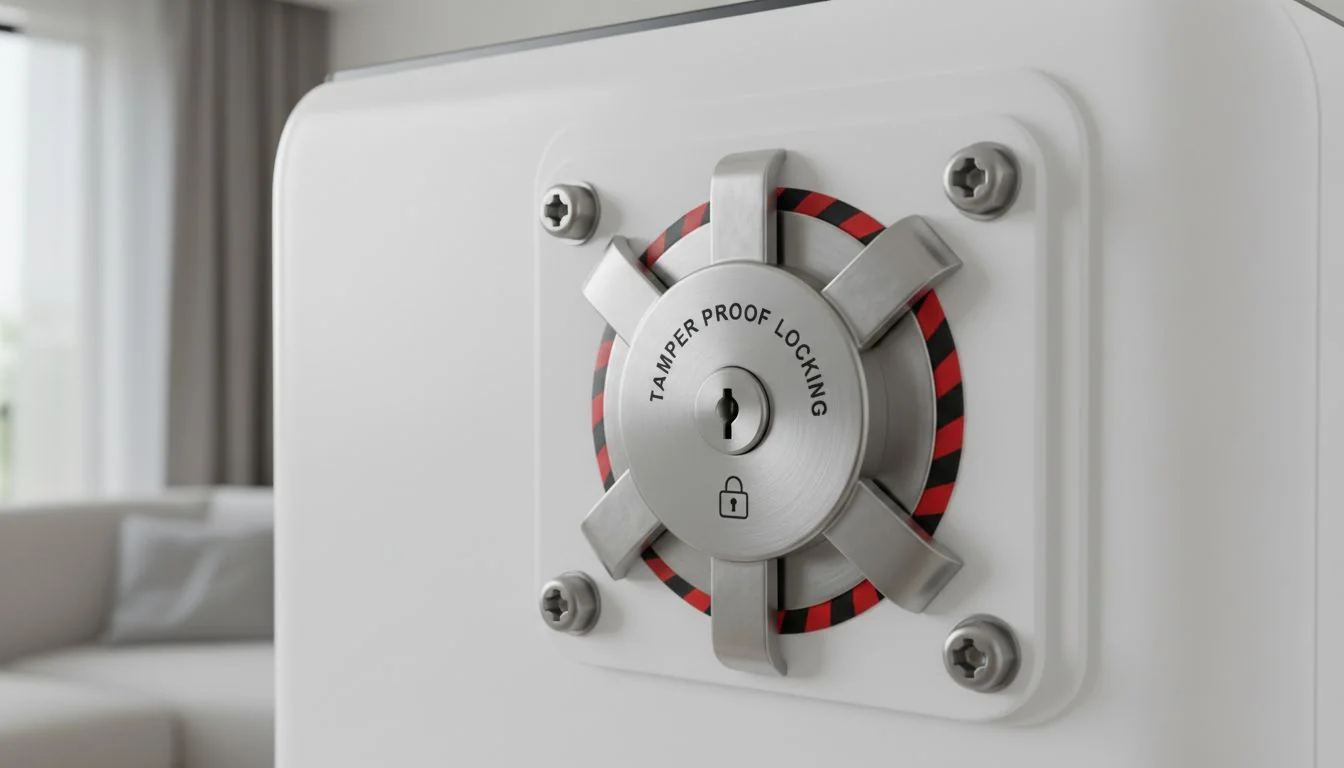
When you design for the home, you make buttons easy to press. When you design for a school or a public restroom, you make buttons impossible to press. This is the "Tamper-Proof" requirement. Commercial buyers do not buy one unit; they buy 100. They cannot have students opening the front cover to steal the filter or employees turning the unit off because they think it is too loud.
This leads to two major design features. First, the physical hardware. We design the molds with integrated key-lock latches. The front panel cannot be removed without a tool. Second, the control system. We are seeing a massive shift toward IoT Fleet Management7. The physical buttons are often removed entirely or hidden behind a locked panel. Everything is controlled via a central dashboard. A facility manager can schedule maintenance for 100 units at once. Even if the tech inside is simple, the access to that tech must be restricted. This distinguishes a brand like Hisoair, which acts as a Commercial OEM, from standard residential brands. They build for control and durability, not just convenience.
Commercial units should have easily accessible buttons for everyone.False
Public units need hidden or locked controls to prevent unauthorized tampering.
IoT allows managers to control multiple units remotely.True
Centralized dashboards enable fleet management of hundreds of devices without manual intervention.
Is This the Best "HVAC Retrofit" Alternative?
Upgrading a central HVAC system costs a fortune. Most facility managers do not have the budget for a full building renovation. We need a cheaper way.
Wall-mounted purifiers act as a budget-friendly retrofit8. They deliver equivalent air exchange rates for a fraction of the capital expenditure (CAPEX) required to overhaul central ventilation systems.
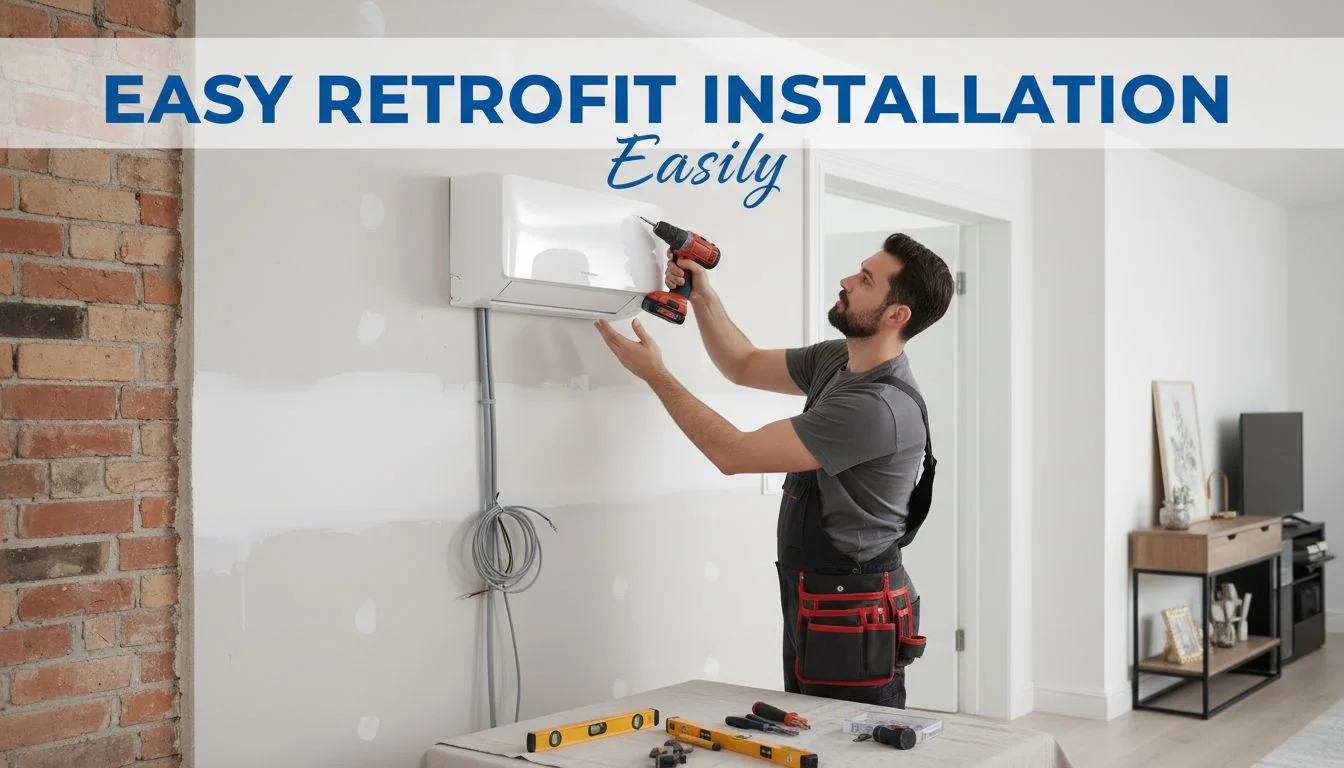
This is the strongest financial argument for wall-mounted units: "HVAC Avoidance." I have spoken with many building owners who are terrified of the cost to upgrade their central air handling units. Increasing air changes per hour (ACH) in an old building requires bigger ducts, bigger fans, and massive construction work. It is a logistical nightmare.
Positioning wall-mounted units as a "Budget-Friendly Retrofit" is a winning strategy. You can achieve the same air quality result—cleaning the air in the room—for about 1/10th the CAPEX (Capital Expenditure). From a manufacturing standpoint, this means the units must be easy to install. The mounting brackets I see being designed now are ingenious. They allow a single technician to hang a unit in 20 minutes. There is no ductwork to cut, no ceiling to tear open. It is a "Plug-and-Play" infrastructure upgrade. For a designer like Jacky, understanding this cost-benefit ratio helps in justifying the development of specialized commercial molds over generic portable ones.
| Comparison | Central HVAC Upgrade | Wall-Mount Retrofit |
|---|---|---|
| Cost (CAPEX) | Very High (10x) | Low (1x) |
| Installation Time | Months | Days |
| Disruption | Building Shutdown | Minimal |
| Maintenance | Complex Duct Cleaning | Simple Filter Swap |
Wall-mounted purifiers cost more than upgrading central HVAC.False
Wall-mounted units cost significantly less, often 1/10th the price of a full HVAC overhaul.
Retrofitting with wall units avoids major construction work.True
Installation requires only mounting and power connection, avoiding ductwork renovation.
Conclusion
Treat air quality like lighting. It needs to be permanent, safe, and managed centrally. Wall-mounted purifiers are the logical evolution for commercial spaces, solving safety, space, and budget problems simultaneously.
References
-
Explore how wall-mounted air purifiers enhance safety and efficiency in commercial spaces. ↩
-
Learn about the advantages of investing in permanent solutions for air quality. ↩
-
Discover how visible hygiene can boost employee confidence and comfort. ↩
-
Find out how hardwiring eliminates safety risks associated with loose cords. ↩
-
Explore the financial implications of maximizing usable space in commercial properties. ↩
-
Learn how tamper-proof designs enhance security and reliability in public spaces. ↩
-
Explore how IoT technology enhances the management of air purification systems. ↩
-
Understand the cost benefits of wall-mounted purifiers compared to traditional HVAC upgrades. ↩

 English
  Français
  Español
  Italiano
  Deutsch
  Português
  Русский
  العربية
  日本語
日本語  한국어
한국어  Tiếng Việt
