
يفتح في علامة تبويب جديدة
Air & Water Purification OEM/ODM Manufacturer | HisoAir
هيسو إير
استفسر الآن

رؤى الصناعة

أحدث المنشورات
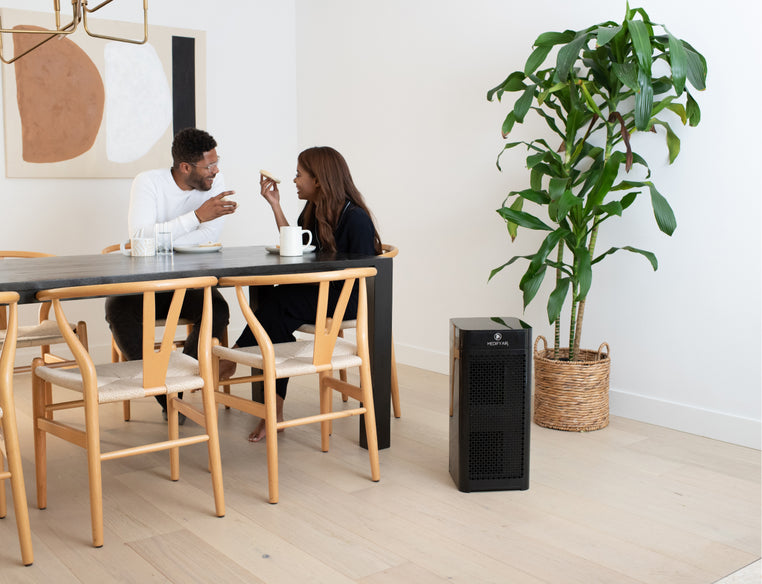
أجهزة تنقية الهواء ميديفاي 4

أين يتم تصنيع أجهزة تنقية الهواء Medify؟

يتم إنتاج أجهزة تنقية الهواء Medify Air Purifier بشكل أساسي في مدينة تشيكسي ومدينة تشانغتشو في الصين، والمعروفتان بكفاءة سلاسل التوريد والقوى العاملة الماهرة. هذا التصنيع الاستراتيجي ...
الأخبار
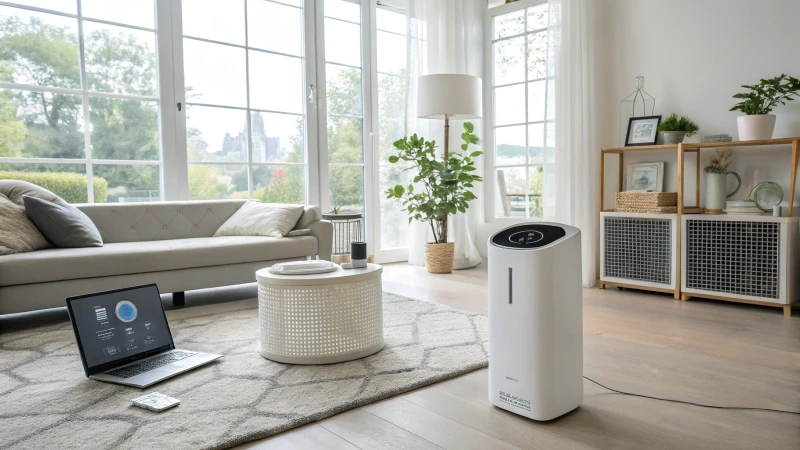
غرفة معيشة عصرية مزودة بأجهزة ذكية لجودة الهواء

ما هي الاتجاهات المستقبلية في منتجات جودة الهواء الداخلي؟

تتطور منتجات جودة الهواء الداخلي (IAQ) نحو حلول أكثر ذكاءً وتكاملًا تجمع بين وظائف متعددة في جهاز واحد. ويتيح تكامل منصات إنترنت الأشياء ...
جهاز تنقية الهواء
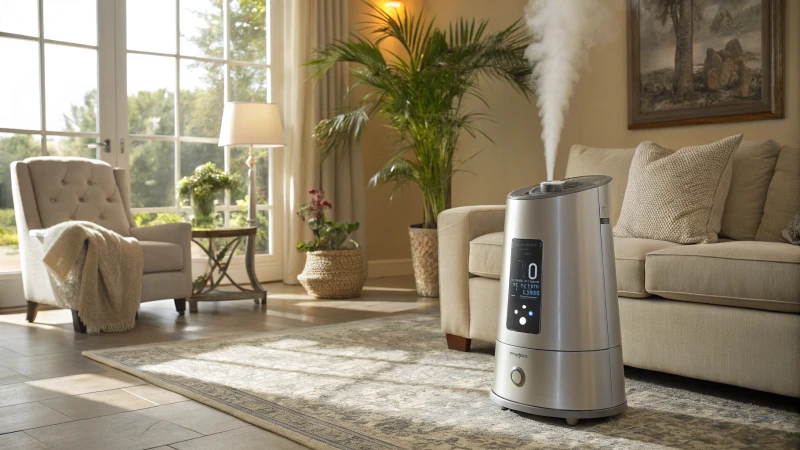
جهاز ترطيب عصري في غرفة معيشة أنيقة

ما هي الاتجاهات المستقبلية في منتجات أجهزة الترطيب؟

يتطور مستقبل أجهزة الترطيب مع اتجاهات مثل تقنية التبخير، التي تقلل من نمو البكتيريا وتعزز جودة الهواء. أصبحت خزانات الفولاذ المقاوم للصدأ شائعة ...
جهاز ترطيب الهواء
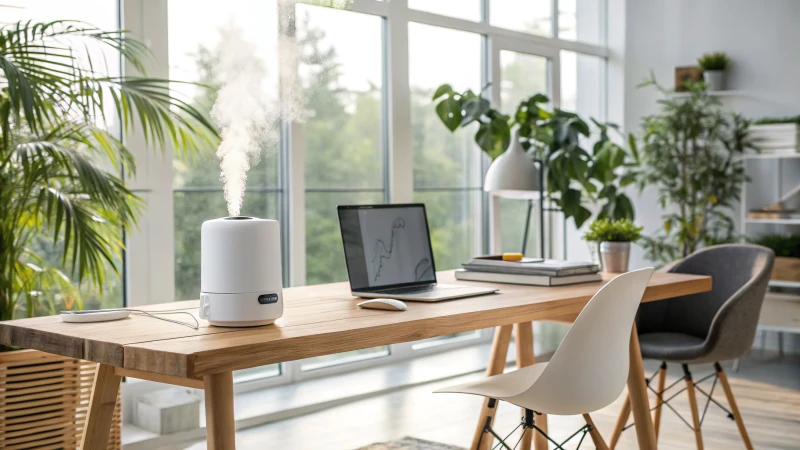
مكتب مكتب عصري مزود بجهاز تنقية هواء ومرطب هواء

ما هي الاختلافات الرئيسية بين أجهزة تنقية الهواء وأجهزة ترطيب الهواء للمشترين من الشركات والبائعين عبر الإنترنت؟

يستكشف منشور المدونة هذا الاختلافات الرئيسية بين أجهزة تنقية الهواء وأجهزة ترطيب الهواء، مع التركيز على وظائفها الفريدة وفوائدها الصحية. بالنسبة للمشترين بين الشركات والبائعين عبر الإنترنت، ...
الأخبار
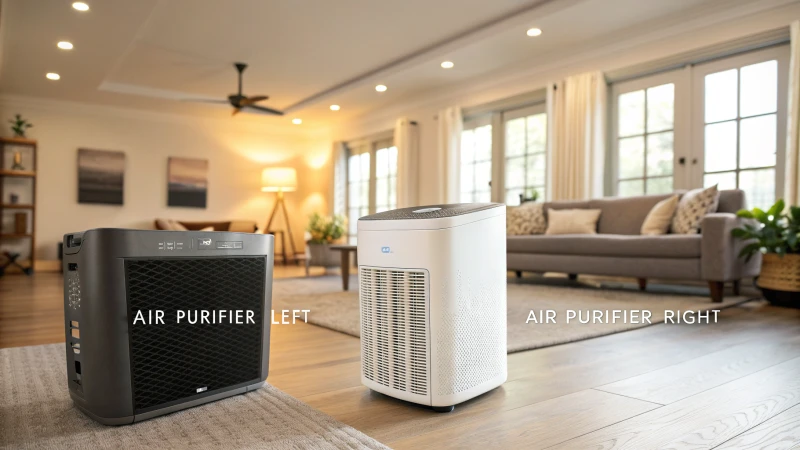
مقارنة بين أجهزة تنقية الهواء السكنية والتجارية في بيئات مختلفة

ما هي الاختلافات بين أجهزة تنقية الهواء السكنية والتجارية؟

تستكشف هذه المقالة الاختلافات الرئيسية بين أجهزة تنقية الهواء السكنية والتجارية. فالنماذج السكنية محمولة ومثالية للمساحات الصغيرة، وتقلل بشكل فعال من مسببات الحساسية مثل ...
الأخبار
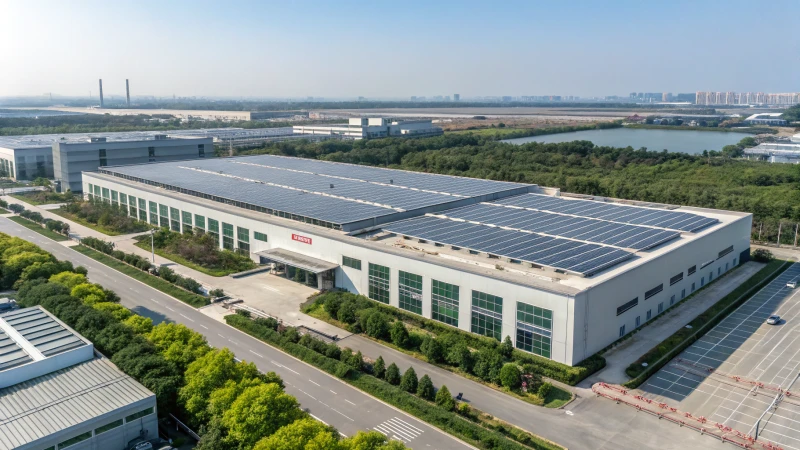
منظر جوي لمنشأة تصنيع حديثة مع ألواح شمسية ومساحات خضراء.

أين يتم تصنيع أجهزة تنقية الهواء من 3M و Filtrete؟

يستكشف هذا المنشور على المدونة أصول تصنيع أجهزة تنقية الهواء من 3M وFiltrete، ويسلط الضوء على منشآت الإنتاج الأساسية في الصين. ويتعمق هذا المقال في استراتيجية ...
الأخبار

فيليبس لتنقية الهواء أبيض ل

أين يتم تصنيع أجهزة تنقية الهواء من Philips؟

يتم إنتاج أجهزة تنقية الهواء من Philips في الغالب في الصين، وتحديدًا في مدن مثل دونغقوان ونينغبو وشيامن. وتتيح استراتيجية التصنيع هذه لشركة Philips الاستفادة من الإنتاج المتقدم ...
الأخبار

دار رعاية مشرقة من الداخل مع جهاز لتنقية الهواء

كيف تعمل أنظمة تنقية الهواء من هيسو إير على تحسين جودة الهواء الداخلي في دور التمريض ومرافق المساعدة على المعيشة؟

تعمل أنظمة تنقية الهواء من هيسو إير على تحسين جودة الهواء الداخلي بشكل كبير في دور رعاية المسنين ومرافق المعيشة المساعدة. وباستخدام تقنية الترشيح H13 True HEPA، تعمل هذه الأنظمة بفعالية ...
الأخبار
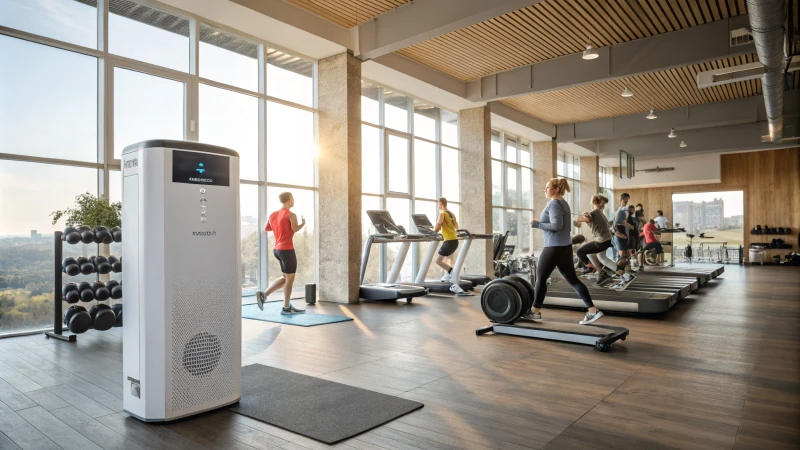
التصميم الداخلي لصالة رياضية حديثة مع معدات لياقة بدنية ونظام تنقية هواء

كيف تعمل أنظمة تنقية الهواء من هيسو إير على تحسين جودة الهواء الداخلي في الصالات الرياضية؟

تُعد جودة الهواء الداخلي في الصالات الرياضية أمرًا بالغ الأهمية للصحة والأداء، ومع ذلك فإن العديد من المنشآت تعاني من الملوثات المحمولة في الهواء مثل PM2.5 وثاني أكسيد الكربون والمركبات العضوية المتطايرة. هواء هيسو إير ...
الأخبار

غرفة معيشة عصرية مع جهاز تنقية الهواء HisoAir وديكور مريح

كيف تكافح أجهزة تنقية الهواء من هيسو إير بفعالية دخان حرائق الغابات وتحسن جودة الهواء الداخلي؟

يشكل دخان حرائق الغابات مخاطر صحية خطيرة، حيث يتسلل إلى المنازل ويؤدي إلى تدهور جودة الهواء الداخلي. تستخدم أجهزة تنقية الهواء من HisoAir تنقية هواء متطورة H13 True HEPA لالتقاط 99.95% ...
الأخبار

فصل دراسي حديث مزود بأجهزة تنقية هواء ونوافذ كبيرة

كيف تعمل أنظمة تنقية الهواء من هيسو إير على تحسين جودة الهواء الداخلي في المدارس الأمريكية؟

تعمل أنظمة تنقية الهواء من هيسو إير على تحسين جودة الهواء الداخلي في المدارس الأمريكية بشكل كبير من خلال استخدام تقنية الترشيح المتقدمة للقضاء على الملوثات ومسببات الحساسية والفيروسات المحمولة جواً. هذا التحسين ...
الأخبار
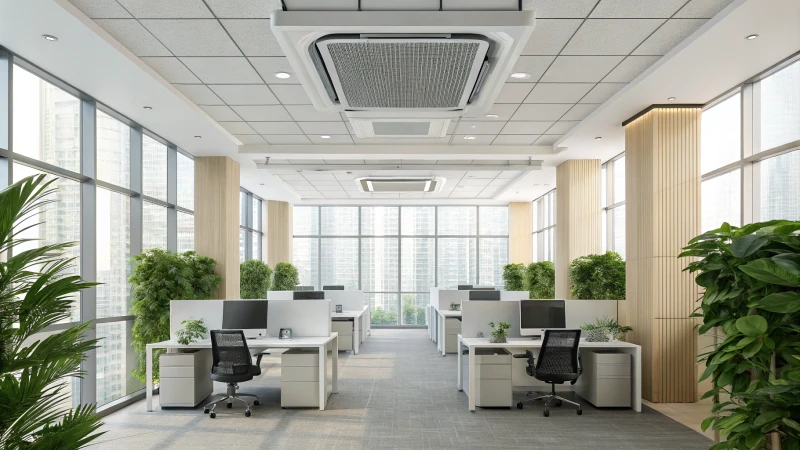
تصميم داخلي عصري للمكتب مع جهاز تنقية هواء ونوافذ كبيرة

كيف تعمل أنظمة تنقية الهواء من هيسو إير على تحسين جودة الهواء الداخلي في المكاتب؟

تستخدم أنظمة تنقية الهواء من هيسو إير تقنية ترشيح متقدمة للتخلص من 99.951 تيرابايت 3 تيرابايت من الجسيمات المحمولة في الهواء، بما في ذلك المواد المسببة للحساسية والملوثات. ومن خلال الاندماج بسلاسة مع أنظمة التدفئة والتهوية وتكييف الهواء الموجودة ...
الأخبار
Contaminant Engineering•3 min read

PFAS Water Filtration Technologies Explained: Carbon, Resin & RO

Key Takeaway:

PFAS reduction depends on the specific compounds present, treatment media, contact time, water chemistry, and system design. Activated carbon, ion exchange, and Reverse Osmosis address PFAS through different mechanisms.

PFAS are a large family of persistent fluorinated compounds that can occur in drinking-water supplies. Their treatment behavior varies significantly by molecular structure, chain length, functional group, concentration, and the chemistry of the source water.

Granular Activated Carbon (GAC) removes PFAS primarily through adsorption. It is generally more effective for many longer-chain PFAS, while shorter-chain compounds tend to break through more quickly. Carbon performance depends on media properties, Empty Bed Contact Time (EBCT), competing organic matter, loading, and replacement frequency.

Ion-exchange resins use charged functional sites to capture many PFAS compounds. Properly selected anion-exchange media can provide high capacity and may perform better than conventional activated carbon for some shorter-chain PFAS, although performance still depends on water chemistry and competing ions.

Reverse Osmosis (RO) uses membrane separation rather than adsorption. Properly designed RO systems can provide broad reduction across many PFAS compounds as well as dissolved salts and other contaminants. Unlike carbon or resin, however, RO also produces a concentrate stream that must be managed.

No single technology should be selected from a PFAS label alone. System design should consider which PFAS compounds are present, their concentrations, required reduction targets, flow rate, media life, and the applicable third-party certification or validation requirements.

HisoAir Water Technical Series
Product Discovery•3 min read

How to Choose an Under-Sink Water Purifier for Modern Kitchens

Key Takeaway:

Match the treatment technology to your water quality first, then evaluate cabinet space, faucet configuration, flow rate, drain and power requirements, and filter replacement needs.

Choosing an under-sink water purifier starts with water chemistry. Carbon filtration is well suited to chlorine, taste, odor, and many organic contaminants, while Reverse Osmosis is more appropriate when dissolved salts, fluoride, nitrates, or broader dissolved contaminants need to be reduced.

For compact kitchens, tankless RO systems eliminate the conventional storage tank and can significantly reduce the space required under the sink. However, membrane capacity stated in GPD does not directly equal faucet flow. When comparing systems, check the actual dispensing flow rate, inlet-pressure requirement, recovery ratio, and whether a booster pump is required.

Installation architecture also matters. Many RO systems require a drain connection, electrical power, and either a dedicated drinking-water faucet or a compatible multi-function faucet. High-flow carbon systems can often connect directly to the existing cold-water line with a simpler installation, but pressure drop and available faucet flow should still be verified.

RO also removes much of the naturally occurring dissolved mineral content. Where taste or mineral balance is a priority, a post-RO remineralization stage can be added. Filter life should be evaluated by both rated capacity and local water quality rather than replacement time alone.

The right system is therefore not simply the smallest or highest-GPD model. It is the configuration that matches the target contaminants, available cabinet space, desired faucet setup, peak dispensing demand, and maintenance expectations.

HisoAir Water Technical Series
Water Quality•2 min read

What Does TDS Mean in Drinking Water? Measurement vs Contaminant Reality

Key Takeaway:

A TDS meter estimates the overall concentration of dissolved ionic substances from electrical conductivity. It cannot identify specific contaminants or determine whether water is chemically safe.

Total Dissolved Solids (TDS) refers to the combined concentration of dissolved substances in water. Most handheld TDS meters do not measure TDS directly. Instead, they measure electrical conductivity (EC) and convert that reading into an estimated parts-per-million (ppm) value.

This means a TDS reading can indicate how much dissolved ionic material is present, but not what that material actually is. Calcium, magnesium, sodium, nitrates, and other dissolved ions can all contribute to conductivity, yet a simple TDS meter cannot distinguish between them.

TDS meters are also not suitable for detecting trace contaminants such as PFAS, many VOCs, pesticides, pharmaceuticals, or disinfection byproducts. These substances may be present at concentrations far below the level needed to noticeably change electrical conductivity.

A low TDS reading therefore does not guarantee safe drinking water, and a higher TDS reading does not automatically indicate contamination. Water-treatment decisions should be based on laboratory testing for specific contaminants of concern rather than TDS alone.

HisoAir Water Technical Series
Technology Selection•2 min read

RO vs UF Water Filtration: Understanding Pore Sizes & Dissolved Minerals

Key Takeaway:

Ultrafiltration can reduce bacteria, turbidity, and suspended particles while retaining most naturally occurring dissolved minerals. Reverse Osmosis provides much broader reduction of dissolved salts and smaller contaminants.

Ultrafiltration (UF) typically uses hollow-fiber membranes with pore sizes in the approximate 0.01–0.1 micron range. These membranes physically retain turbidity, suspended solids, colloids, and many microorganisms while allowing dissolved minerals and salts to remain in the water.

Reverse Osmosis (RO) operates at a much finer separation level. Unlike UF, RO can substantially reduce dissolved ions such as sodium, calcium, fluoride, nitrates, and other contributors to total dissolved solids (TDS). This makes RO more suitable when dissolved-salt reduction is a primary treatment objective.

UF generally requires less system pressure and produces little or no continuous concentrate stream in many point-of-use configurations. RO typically requires greater pressure and produces a reject-water stream, but delivers broader contaminant reduction.

For water with acceptable TDS and mineral content, UF can be a simpler mineral-retaining treatment option. Where dissolved salts, fluoride, nitrates, or broader dissolved contaminants are a concern, RO is generally the more appropriate technology.

HisoAir Water Technical Series
Technology Selection•4 min read

Carbon Block vs Reverse Osmosis: Which Fits Your Need?

Key Takeaway:

Choose RO for dissolved inorganic salts and heavy metals; choose Carbon Block for chemical taste/odor, no wastewater, and high line-pressure flow.

Reverse Osmosis (RO) and Carbon Block filtration represent two fundamentally different treatment methods: membrane separation and adsorption. Understanding these differences helps determine which technology is better suited to a specific water-quality requirement.

Reverse Osmosis uses a semi-permeable membrane with pore sizes of approximately 0.0001 microns. It can significantly reduce dissolved inorganic contaminants such as TDS, fluoride, nitrates, and certain heavy metals. Because water must be forced through the membrane, RO systems require sufficient pressure or a booster pump and generate a concentrated wastewater stream.

Carbon Block filtration relies primarily on adsorption through compressed activated carbon, commonly with nominal pore sizes around 0.5–5 microns. It is highly effective for chlorine, chloramines, VOCs, taste, and odor, while allowing substantially higher direct-flow rates without producing wastewater.

From an operating perspective, Carbon Block systems are generally simpler, require less energy, and avoid the water loss associated with RO. RO involves higher system complexity and operating cost, but provides substantially broader reduction of dissolved contaminants that Carbon Block alone cannot address.

HisoAir Water Technical Series

طلب عرض أسعار