يفتح في علامة تبويب جديدة
حلول مبتكرة لجودة الهواء
شعار هيسو-أير-لوجو
استفسر الآن

مرحباً بك في هيسو إير

حلول مبتكرة لجودة الهواء

حلول ODM الشاملة لأجهزة تنقية الهواء المتطورة من المفهوم إلى الإنتاج الضخم: عملية تطوير مبسطة لتكنولوجيا أجهزة تنقية الهواء المبتكرة.
طلب عرض أسعار

حلول تنقية الهواء المصممة حسب الطلب

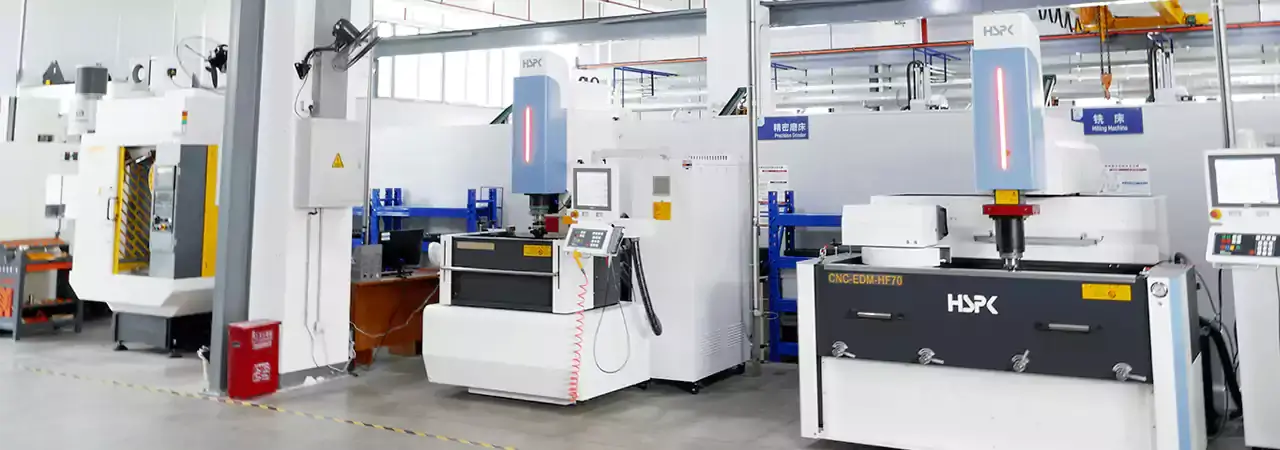
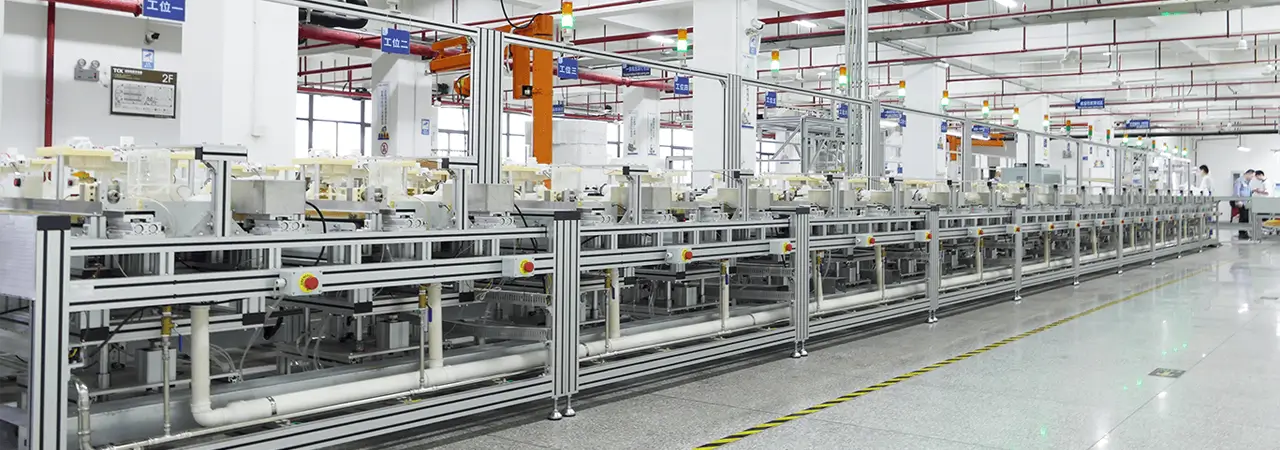
من المفهوم إلى الإنتاج الضخم بدقة متناهية
تعريف المنتج و. انطلاق المشروع
التصميم الصناعي
هندسة الهياكل
نموذج (نموذج CVP)
الأدوات (عينة FOT)
الإنشاءات الهندسية
الإنتاج التجريبي
الإنتاج القياسي
الإنتاج الضخم

أجهزة تنقية الهواء المتطورة

استمتع بأنقى هواء مع أحدث أجهزة تنقية الهواء لدينا. تنفّس أنقى، وعِش حياة أفضل.

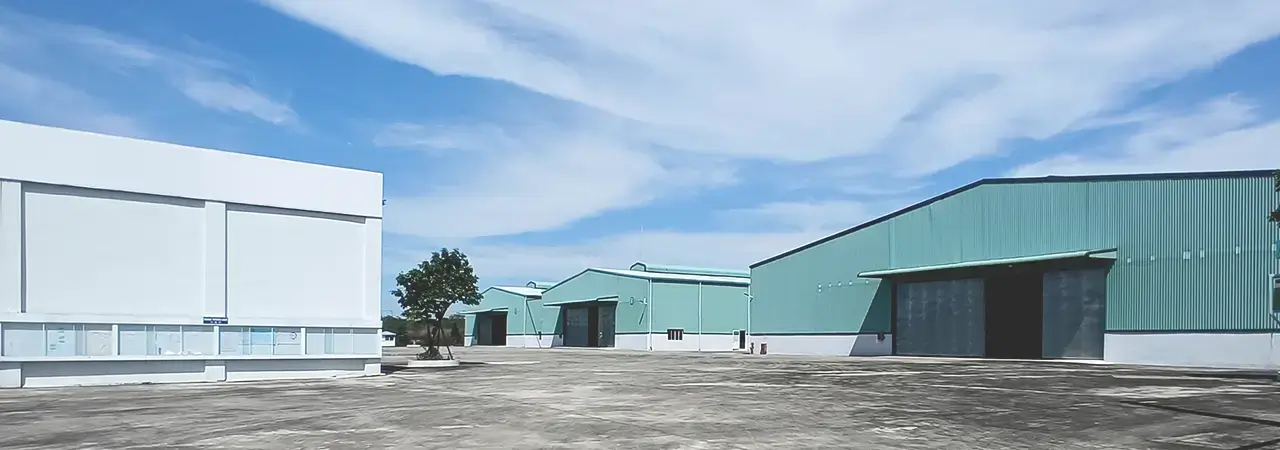
مصنع فيتنام الاستراتيجي

تبسيط التجارة الأمريكية مع كفاءة التكلفة والتسليم السريع.
فيتنام1
فيتنام
فيتنام 2
فيتنام 7
فيتنام 4
فيتنام1
فيتنام
فيتنام 2
فيتنام 7
فيتنام 4
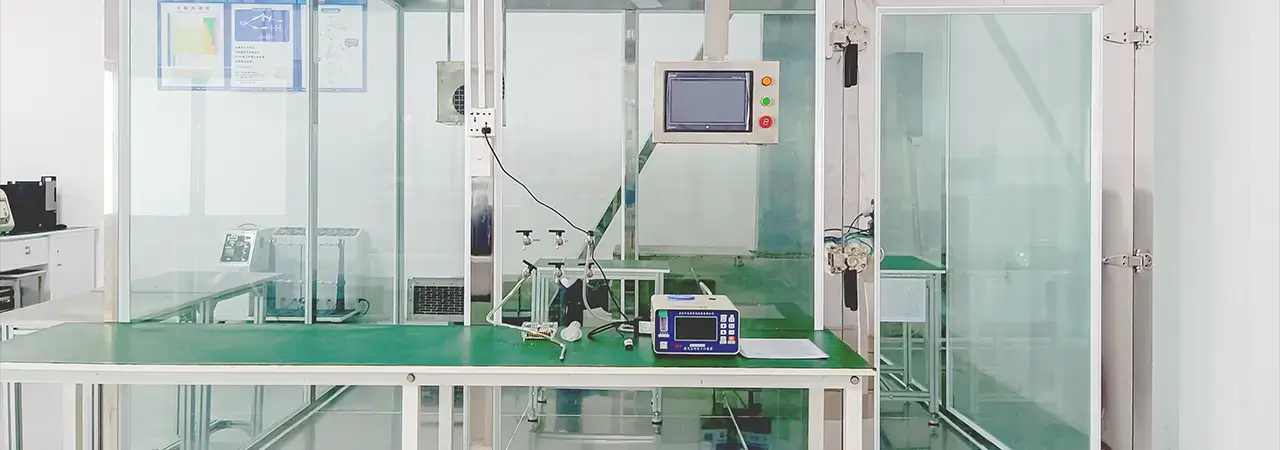
فني يجري اختبار جودة فلتر الهواء في المختبر.

جهاز تنقية هواء عالي الجودة يمكنك الاعتماد عليه

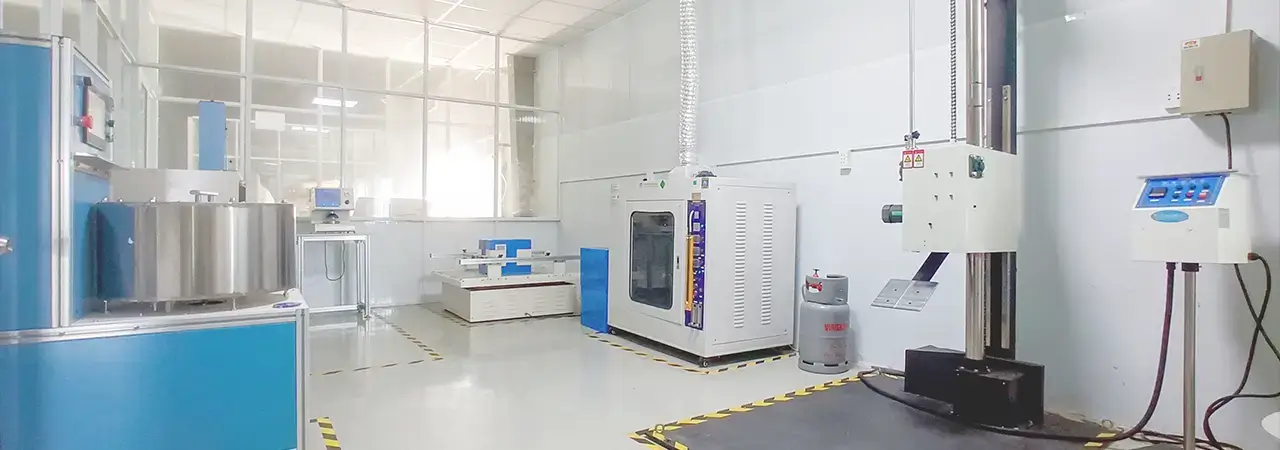
نضمن في هيسو إير أداءً فائقاً لأجهزة تنقية الهواء من خلال إجراء اختبارات صارمة في مختبراتنا الحديثة.

قدرات الاختبار الرئيسية لدينا:

  • اختبار CADR: يقيس كفاءة إزالة الملوثات.
  • اختبار الضوضاء: يضمن التشغيل بهدوء فائق، منخفضة تصل إلى 26 ديسيبل.
  • اختبار متانة الفلتر: التحقق من فلاتر HEPA طويلة الأمد.
  • معايرة مستشعر الهواء: يضمن الحصول على قراءات دقيقة لجودة الهواء.
  • اختبار السلامة والموثوقية: التحقق من القدرة على التكيف البيئي والسلامة الكهربائية.

كما نقدم حلولاً مخصصة لتعزيز كفاءة الترشيح وعمره الافتراضي، مصممة خصيصاً لتلبية احتياجاتك.

تحدث إلى خبيرنا
غرفة اختبار الضوضاء

رقابة صارمة على الجودة

تضمن الاختبارات الصارمة على معدل الضوضاء الكهروضوئية المركزية، ومستويات الضوضاء والمتانة أن يقدم كل منتج أداءً متميزاً.
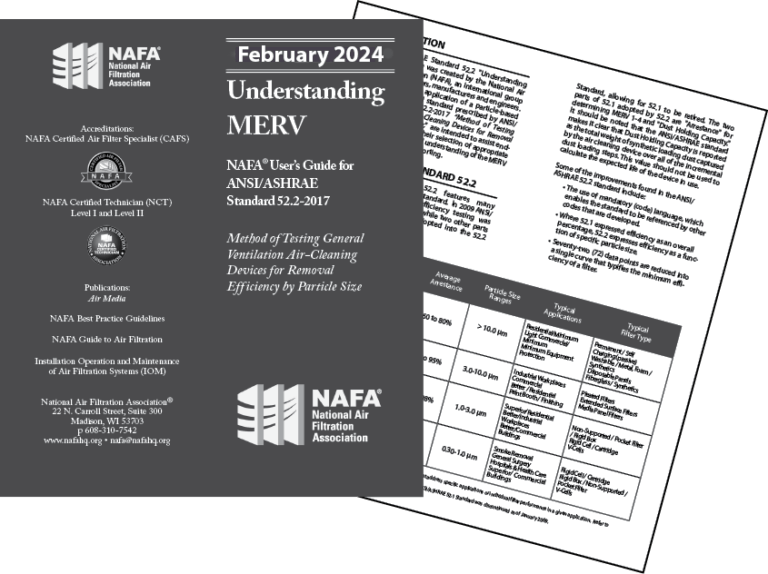
فهم ميرف

المساهم المعياري الوطني لمرشح الهواء الوطني
كمساهم في تطوير المعايير الوطنية لتنقية الهواء، فقد وضعنا معياراً للجودة.
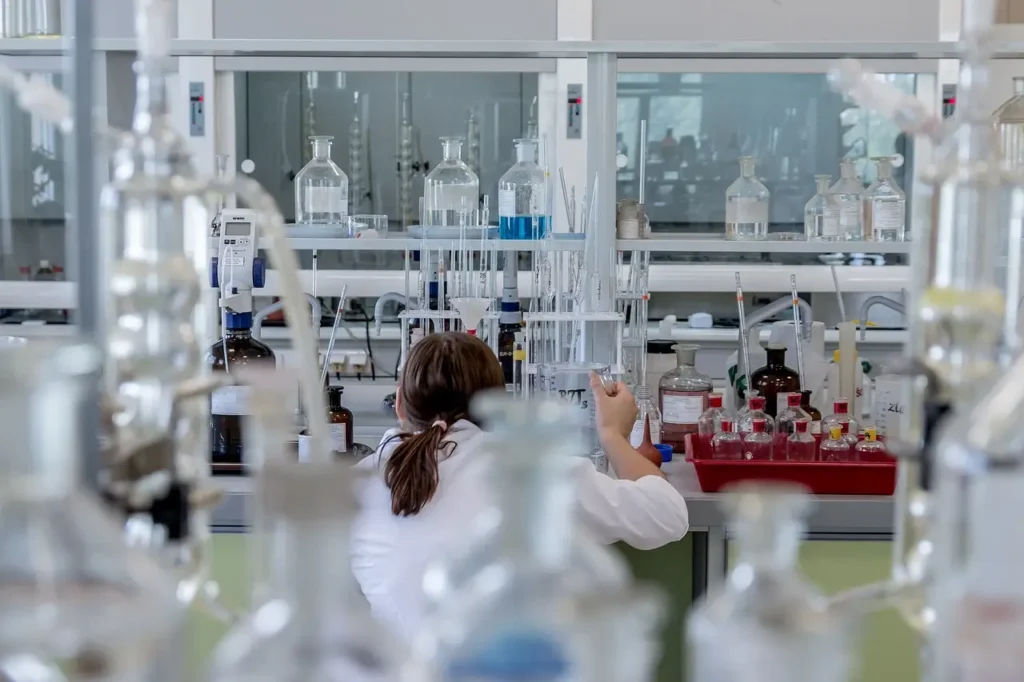
عالم يعمل في المختبر مع أواني زجاجية ومعدات مختلفة على مقاعد المختبر

المختبر المعتمد من CNAS

تضمن مرافق الاختبار الداخلية لدينا، المعتمدة من قبل CNAS، أن كل مرشح يتوافق مع المعايير الوطنية والدولية.

ابحث عن استشاري جودة الهواء

تواصل مع الخبراء لتحسين جودة الهواء الداخلي والحفاظ عليه.

لماذا تختارنا

اختر HisoAir لخبرة لا مثيل لها في مجال تنقية الهواء، حيث التزامنا بـ "أقصى قدر من التنقية بأقل قدر من الضوضاء" يفي بالمعايير الصارمة للعلامات التجارية الرائدة في العالم وشركات Fortune 500.

الشراكات المرموقة: تحظى شركة HisoAir بثقة رواد الصناعة مثل هنري سينغ، وجي بي مورغان، وأفلاك، وبلو إير وهي مزود من الدرجة الأولى لحلول تنقية الهواء، وتلبي المتطلبات العالية للعلامات التجارية العالمية.

تقنية إلغاء الديسيبل™ إلغاء الديسيبل: توفر تقنيتنا الفريدة من نوعها تنقية هواء هادئة وعالية الأداء، مما يجعل أجهزة تنقية الهواء لدينا مثالية للبيئات الحساسة للضوضاء.

حلول مصممة خصيصًا وعالية الأداء: نحن نقدم أجهزة تنقية هواء ممتازة مصممة خصيصاً لتلبية احتياجات كل عميل، مما يضمن جودة هواء فائقة وتتجاوز توقعات العملاء.
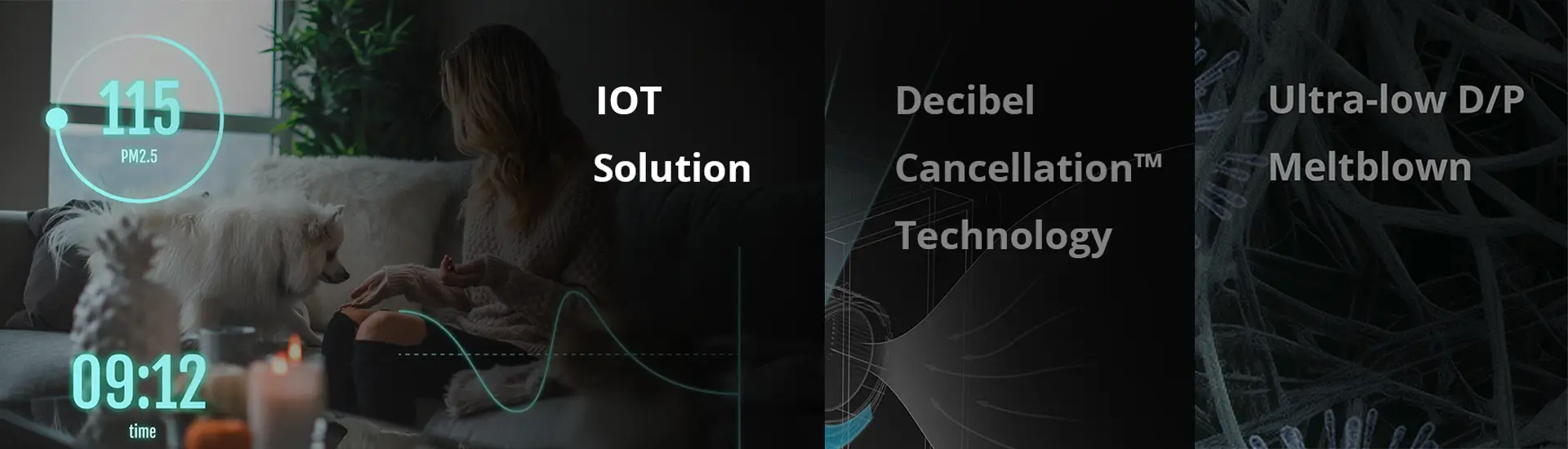
مواجهة تحديات جودة الهواء الحديثة

المراقبة المتقدمة، والتكامل الذكي لإنترنت الأشياء، والتنقية الفعالة

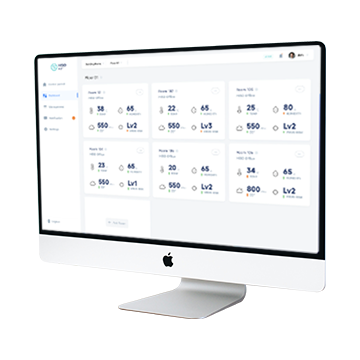
مراقب الهواء

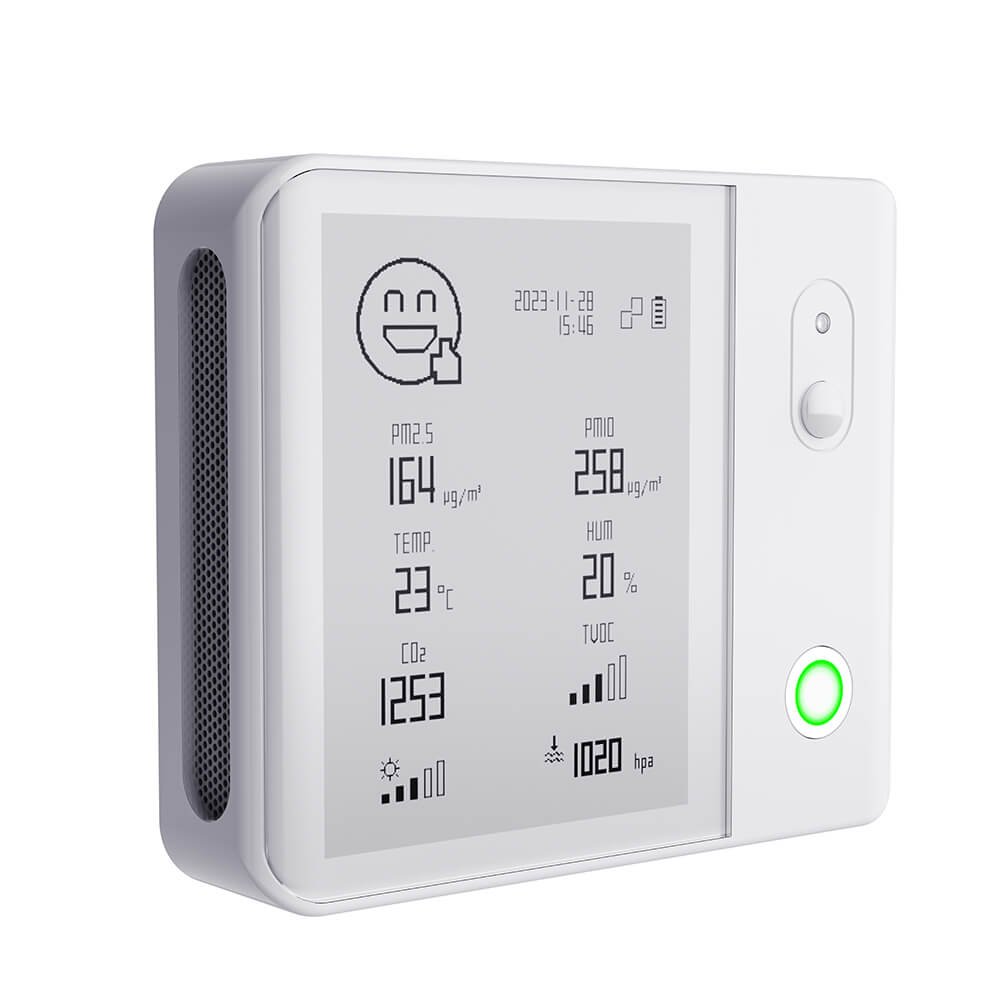
الدقة في جودة الهواء. توفر أنظمتنا المتطورة بيانات ورؤى في الوقت الفعلي، مما يضمن بيئة داخلية أكثر صحة من خلال أجهزة الاستشعار المتطورة وتكامل إنترنت الأشياء. مثالية لاحتياجات عملك.

إنترنت الأشياء بالنسبة لنا

إحداث ثورة في مجال تنقية الهواء باستخدام التكنولوجيا الذكية. توفر أجهزة تنقية الهواء وأجهزة المراقبة المتطورة التي تدعم إنترنت الأشياء لدينا بيانات في الوقت الفعلي واتصالاً سلساً وأداءً محسَّناً. اختبر تحكماً وكفاءة لا مثيل لهما، مما يضمن بيئة أكثر صحة ونظافة لأعمالك.
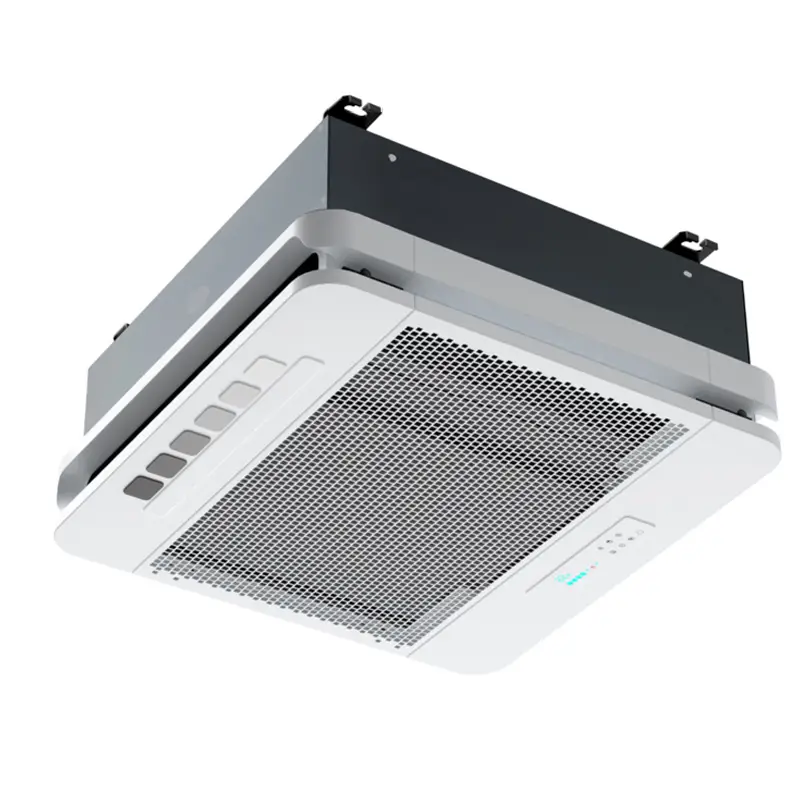
وحدة تكييف هواء عصرية مثبتة في السقف بتصميم أنيق وعناصر تحكم رقمية.

أجهزة تنقية الهواء والتهوية

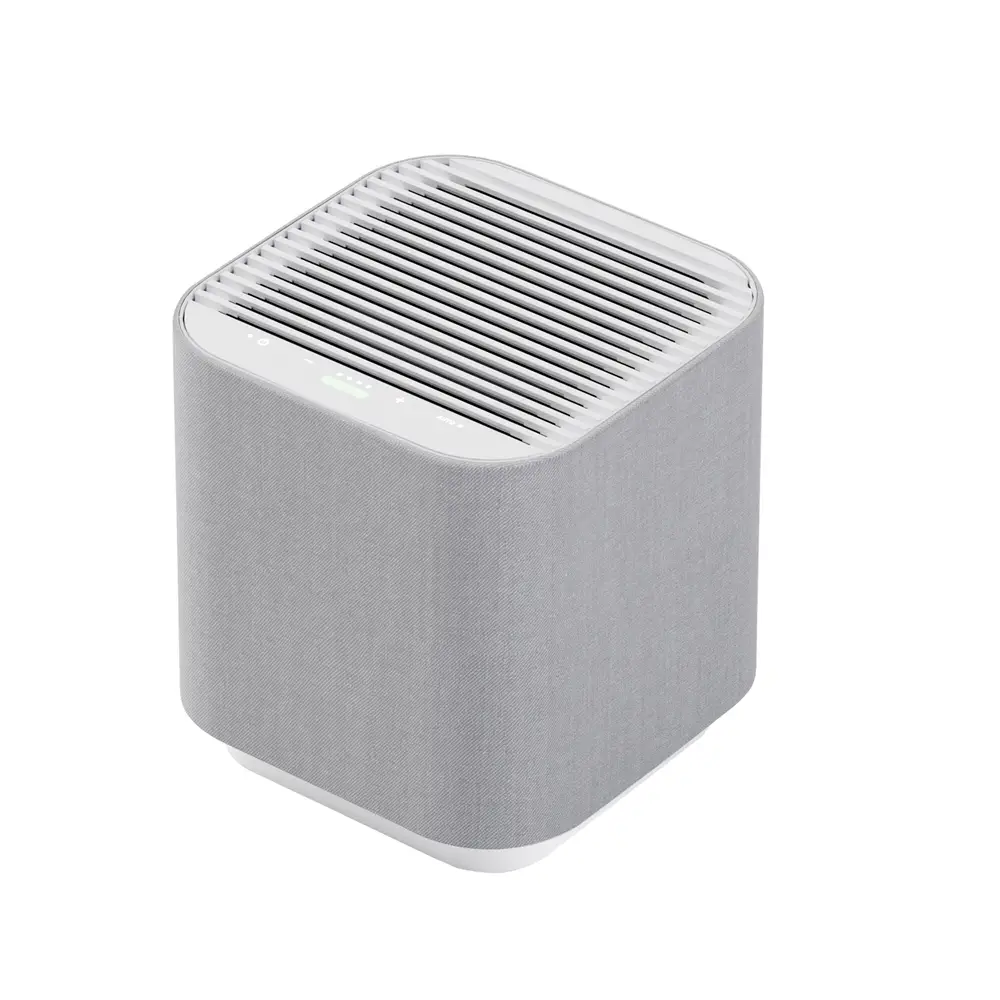
تفي أجهزة تنقية الهواء السقفية وأجهزة تنقية الهواء المكتبية بفرصة أكثر ذكاءً للارتباط بالوضع البيئي وتحقيق التعديلات التلقائية.

طلب عرض أسعار

ابق على اتصال دائم

معلومات الاتصال

استفسارك مهم بالنسبة لنا.
سنتصل بك قريباً، وستظل بياناتك آمنة دائماً.
sales@hisoair.com
+86 138 0961 9940

المكتب: Room 712 ~ 713, Building 1, No. 4, Second Road, Songshan Lake Park, Dongguan City, Guangdong Province, 523429.

المصنع:: 2/ف المبنى #F، مجمع جينشيونغدا الصناعي، شنتشن، الصين.

مصنع فيتنام:: قطعة الأرض3022، رقم الخريطة77، شارع د.هـ 619، بونغ ثوك هاملت، حي لونغ نغوين، منطقة باو بانغ، مقاطعة بينه دوونغ، فيتنام

اترك رسالة أدناه

سنعاود الاتصال بك في أسرع وقت ممكن!

Contaminant Engineering•3 min read

PFAS Water Filtration Technologies Explained: Carbon, Resin & RO

Key Takeaway:

PFAS reduction depends on the specific compounds present, treatment media, contact time, water chemistry, and system design. Activated carbon, ion exchange, and Reverse Osmosis address PFAS through different mechanisms.

PFAS are a large family of persistent fluorinated compounds that can occur in drinking-water supplies. Their treatment behavior varies significantly by molecular structure, chain length, functional group, concentration, and the chemistry of the source water.

Granular Activated Carbon (GAC) removes PFAS primarily through adsorption. It is generally more effective for many longer-chain PFAS, while shorter-chain compounds tend to break through more quickly. Carbon performance depends on media properties, Empty Bed Contact Time (EBCT), competing organic matter, loading, and replacement frequency.

Ion-exchange resins use charged functional sites to capture many PFAS compounds. Properly selected anion-exchange media can provide high capacity and may perform better than conventional activated carbon for some shorter-chain PFAS, although performance still depends on water chemistry and competing ions.

Reverse Osmosis (RO) uses membrane separation rather than adsorption. Properly designed RO systems can provide broad reduction across many PFAS compounds as well as dissolved salts and other contaminants. Unlike carbon or resin, however, RO also produces a concentrate stream that must be managed.

No single technology should be selected from a PFAS label alone. System design should consider which PFAS compounds are present, their concentrations, required reduction targets, flow rate, media life, and the applicable third-party certification or validation requirements.

HisoAir Water Technical Series
Product Discovery•3 min read

How to Choose an Under-Sink Water Purifier for Modern Kitchens

Key Takeaway:

Match the treatment technology to your water quality first, then evaluate cabinet space, faucet configuration, flow rate, drain and power requirements, and filter replacement needs.

Choosing an under-sink water purifier starts with water chemistry. Carbon filtration is well suited to chlorine, taste, odor, and many organic contaminants, while Reverse Osmosis is more appropriate when dissolved salts, fluoride, nitrates, or broader dissolved contaminants need to be reduced.

For compact kitchens, tankless RO systems eliminate the conventional storage tank and can significantly reduce the space required under the sink. However, membrane capacity stated in GPD does not directly equal faucet flow. When comparing systems, check the actual dispensing flow rate, inlet-pressure requirement, recovery ratio, and whether a booster pump is required.

Installation architecture also matters. Many RO systems require a drain connection, electrical power, and either a dedicated drinking-water faucet or a compatible multi-function faucet. High-flow carbon systems can often connect directly to the existing cold-water line with a simpler installation, but pressure drop and available faucet flow should still be verified.

RO also removes much of the naturally occurring dissolved mineral content. Where taste or mineral balance is a priority, a post-RO remineralization stage can be added. Filter life should be evaluated by both rated capacity and local water quality rather than replacement time alone.

The right system is therefore not simply the smallest or highest-GPD model. It is the configuration that matches the target contaminants, available cabinet space, desired faucet setup, peak dispensing demand, and maintenance expectations.

HisoAir Water Technical Series
Water Quality•2 min read

What Does TDS Mean in Drinking Water? Measurement vs Contaminant Reality

Key Takeaway:

A TDS meter estimates the overall concentration of dissolved ionic substances from electrical conductivity. It cannot identify specific contaminants or determine whether water is chemically safe.

Total Dissolved Solids (TDS) refers to the combined concentration of dissolved substances in water. Most handheld TDS meters do not measure TDS directly. Instead, they measure electrical conductivity (EC) and convert that reading into an estimated parts-per-million (ppm) value.

This means a TDS reading can indicate how much dissolved ionic material is present, but not what that material actually is. Calcium, magnesium, sodium, nitrates, and other dissolved ions can all contribute to conductivity, yet a simple TDS meter cannot distinguish between them.

TDS meters are also not suitable for detecting trace contaminants such as PFAS, many VOCs, pesticides, pharmaceuticals, or disinfection byproducts. These substances may be present at concentrations far below the level needed to noticeably change electrical conductivity.

A low TDS reading therefore does not guarantee safe drinking water, and a higher TDS reading does not automatically indicate contamination. Water-treatment decisions should be based on laboratory testing for specific contaminants of concern rather than TDS alone.

HisoAir Water Technical Series
Technology Selection•2 min read

RO vs UF Water Filtration: Understanding Pore Sizes & Dissolved Minerals

Key Takeaway:

Ultrafiltration can reduce bacteria, turbidity, and suspended particles while retaining most naturally occurring dissolved minerals. Reverse Osmosis provides much broader reduction of dissolved salts and smaller contaminants.

Ultrafiltration (UF) typically uses hollow-fiber membranes with pore sizes in the approximate 0.01–0.1 micron range. These membranes physically retain turbidity, suspended solids, colloids, and many microorganisms while allowing dissolved minerals and salts to remain in the water.

Reverse Osmosis (RO) operates at a much finer separation level. Unlike UF, RO can substantially reduce dissolved ions such as sodium, calcium, fluoride, nitrates, and other contributors to total dissolved solids (TDS). This makes RO more suitable when dissolved-salt reduction is a primary treatment objective.

UF generally requires less system pressure and produces little or no continuous concentrate stream in many point-of-use configurations. RO typically requires greater pressure and produces a reject-water stream, but delivers broader contaminant reduction.

For water with acceptable TDS and mineral content, UF can be a simpler mineral-retaining treatment option. Where dissolved salts, fluoride, nitrates, or broader dissolved contaminants are a concern, RO is generally the more appropriate technology.

HisoAir Water Technical Series
Technology Selection•4 min read

Carbon Block vs Reverse Osmosis: Which Fits Your Need?

Key Takeaway:

Choose RO for dissolved inorganic salts and heavy metals; choose Carbon Block for chemical taste/odor, no wastewater, and high line-pressure flow.

Reverse Osmosis (RO) and Carbon Block filtration represent two fundamentally different treatment methods: membrane separation and adsorption. Understanding these differences helps determine which technology is better suited to a specific water-quality requirement.

Reverse Osmosis uses a semi-permeable membrane with pore sizes of approximately 0.0001 microns. It can significantly reduce dissolved inorganic contaminants such as TDS, fluoride, nitrates, and certain heavy metals. Because water must be forced through the membrane, RO systems require sufficient pressure or a booster pump and generate a concentrated wastewater stream.

Carbon Block filtration relies primarily on adsorption through compressed activated carbon, commonly with nominal pore sizes around 0.5–5 microns. It is highly effective for chlorine, chloramines, VOCs, taste, and odor, while allowing substantially higher direct-flow rates without producing wastewater.

From an operating perspective, Carbon Block systems are generally simpler, require less energy, and avoid the water loss associated with RO. RO involves higher system complexity and operating cost, but provides substantially broader reduction of dissolved contaminants that Carbon Block alone cannot address.

HisoAir Water Technical Series

طلب عرض أسعار