يفتح في علامة تبويب جديدة
حلول مبتكرة لجودة الهواء
هيسو إير
استفسر الآن

ما هو جهاز تنقية الهواء بفلتر HEPA؟

Related Products

تُعد فلاتر HEPA خيارًا شائعًا في مجال تنقية الهواء، حيث تُستخدم لالتقاط الجسيمات المحمولة في الهواء بفعالية وتحسين جودة الهواء في مختلف البيئات. في السنوات الأخيرة، جعلتها كفاءتها العالية في إزالة الغبار والمواد المسببة للحساسية والبكتيريا وحتى الفيروسات ضرورية في أجهزة تنقية الهواء للمنازل والمدارس والمستشفيات والمكاتب.

ما هو فلتر HEPA؟

HEPA (هواء جسيمات عالي الكفاءة) تزيل الفلاتر الملوثات من الهواء عن طريق احتجاز 99.97% من الجسيمات الصغيرة التي لا تتجاوز 0.3 ميكرون1بما في ذلك الغبار وحبوب اللقاح ووبر الحيوانات الأليفة وبعض البكتيريا والفيروسات. كفاءتها تجعلها مثالية للبيئات التي يكون فيها الهواء النظيف ضرورياً. على سبيل المثال، تُعد فلاتر HEPA فعالة بشكل خاص في الحد من مسببات الحساسية، مما قد يخفف من مشاكل الجهاز التنفسي لدى الأفراد الحساسين (المصدر).

يساعد فهم كيفية عمل مرشحات HEPA وفوائدها وحدودها المستخدمين على اختيار جهاز تنقية الهواء المناسب. تابع القراءة لاستكشاف المزيد حول فلاتر HEPA وتقنيات الترشيح الأخرى وكيفية المقارنة بينها.

نعم، فلاتر HEPA مناسبة للمرافق الطبية.صحيح

نظرًا لكفاءتها العالية، غالبًا ما تُستخدم مرشحات HEPA في الأماكن الطبية لضمان خلو الهواء من الملوثات.

لماذا تعتبر فلاتر HEPA فعالة في أجهزة تنقية الهواء؟

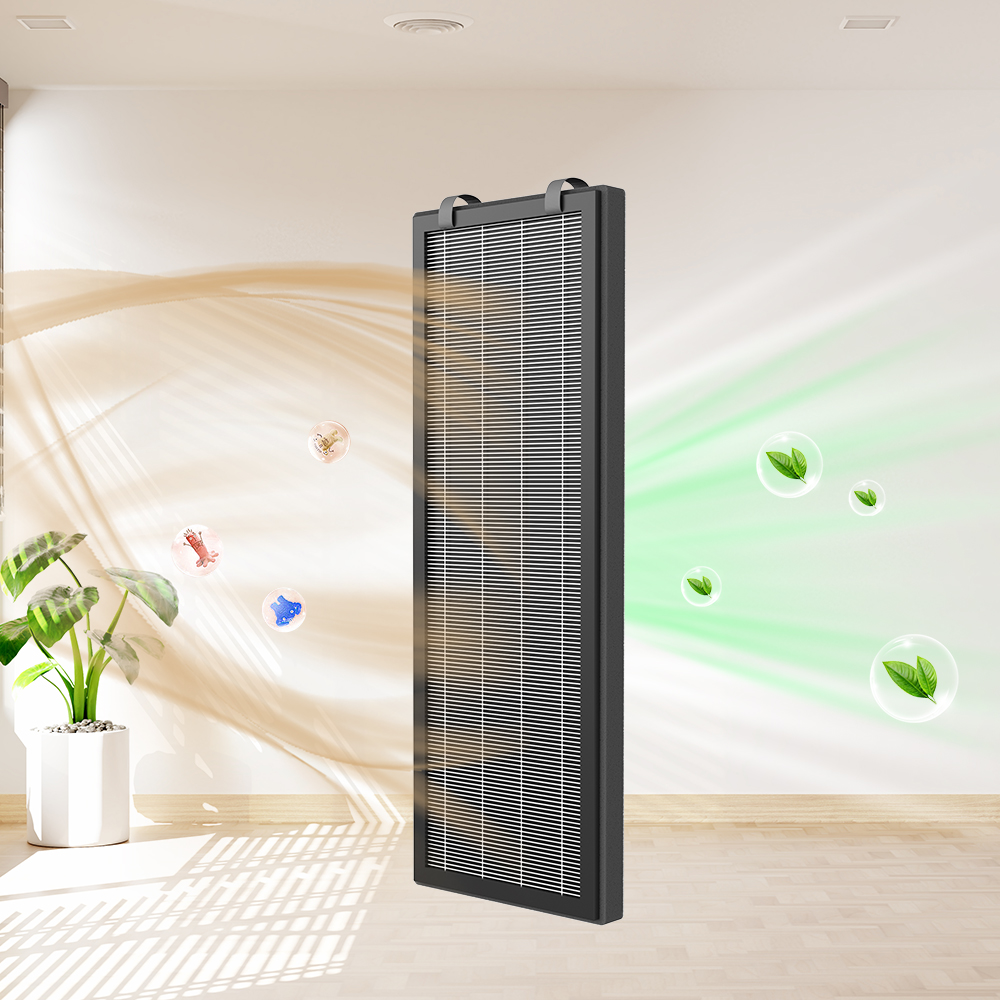
تتميز فلاتر HEPA بكفاءة عالية في تنقية الهواء، خاصةً في البيئات التي تكون فيها النظافة أمرًا بالغ الأهمية، مثل المرافق الطبية2. يحبس هيكل الألياف الكثيفة في مرشحات HEPA مجموعة كبيرة من الجسيمات، مما يوفر هواءً نقيًا يقلل من المواد المسببة للحساسية والغبار والملوثات الأخرى.
فانڊ فانڊو

كيفية عمل فلاتر HEPA

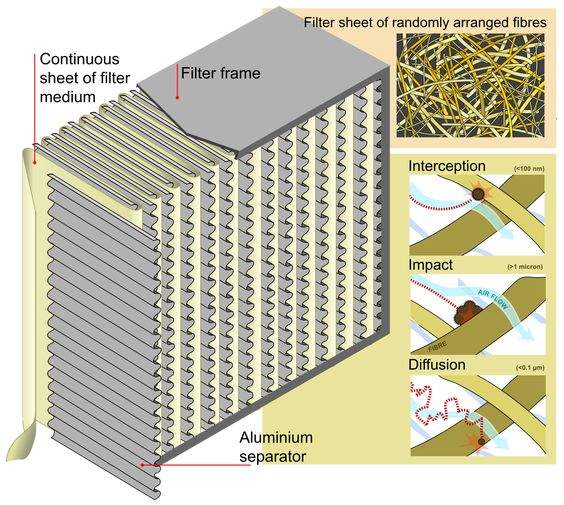
تعمل فلاتر HEPA عن طريق دفع الهواء عبر شبكة دقيقة تحبس الجسيمات الضارة، على عكس الفلاتر التقليدية التي قد لا تلتقط الملوثات الأصغر (المصدر). يتميز هذا الفلتر بفعالية عالية في إزالة 99.97% من الجسيمات المحمولة في الهواء، والتقاط المواد المسببة للحساسية والمهيجات لتوفير هواء نظيف وقابل للتنفس. في أجهزة تنقية الهواء، تعمل فلاتر HEPA بشكل مستمر، للحفاظ على جودة هواء عالية طوال اليوم.

فلاتر HEPA مقابل تقنيات الترشيح الأخرى

بالمقارنة مع طرق تنقية الهواء الأخرى، مثل مولدات الأيونات، أو مرشحات البلازما، أو الأشعة فوق البنفسجية، توفر فلاتر HEPA خيارًا أكثر أمانًا وموثوقية لصحة الإنسان. التأين و تقنيات البلازما تنتج أيونات أو جسيمات تفاعلية يمكن أن تؤدي إلى تكوين الأوزون3-مهيج تنفسي (المصدر). ومع ذلك، فإن مرشحات HEPA تلتقط الجسيمات فعليًا دون إطلاق أي منتجات ثانوية، مما يجعلها الخيار المفضل للحفاظ على جودة الهواء الداخلي.

يمكن لمرشحات HEPA احتجاز الغازات مثل المركبات العضوية المتطايرة.خطأ

تم تصميم فلاتر HEPA لالتقاط الجسيمات وليس الغازات أو الروائح؛ وهناك حاجة إلى فلتر كربون منشط لالتقاط المركبات العضوية المتطايرة.

مقارنة تقنيات الترشيح

للمساعدة في فهم الاختلافات، إليك مخطط مقارنة بين تقنيات الترشيح المختلفة وخصائصها:

تقنية الترشيح الكفاءة المنتجات الثانوية التطبيقات الشائعة المزايا الرئيسية القيود
فلتر HEPA عالية لا يوجد المنازل والمستشفيات يزيل 99.97% من الجسيمات لا يزيل الغازات مثل المركبات العضوية المتطايرة4
المكاتب حتى 0.3 ميكرون
الكربون المنشط معتدل لا يوجد أجهزة تنقية الهواء، التدفئة والتهوية وتكييف الهواء يمتص المركبات العضوية المتطايرة والروائح الكريهة أقل فعالية للجسيمات
مولد الأيونات معتدل الأوزون صناعي, يقلل من مسببات الحساسية والجسيمات قد يؤدي الأوزون إلى تهيج الجهاز التنفسي
أجهزة تنقية الهواء
الأشعة فوق البنفسجية - ج متغير لا يوجد المستشفيات والمختبرات, يقضي على البكتيريا والفيروسات فعالية محدودة للجسيمات
أجهزة تنقية الهواء
تقنية البلازما عالية الأوزون صناعي فعالة للتعقيم تنتج جسيمات تفاعلية

الاستخدامات المثالية لمرشحات HEPA

تُستخدم فلاتر HEPA بشكل شائع في المنازل والمستشفيات والمكاتب وأي مكان يكون فيه الهواء النظيف أولوية. وهي مفيدة بشكل خاص في تخفيف الحساسية ومشاكل الجهاز التنفسي5. من خلال التقاط الجسيمات الدقيقة والمواد المسببة للحساسية، تخلق مرشحات HEPA بيئة داخلية أكثر صحة. في الأماكن الطبية، تضمن مرشحات HEPA خلو الهواء من مسببات الأمراض، مما يقلل من مخاطر التلوث.

ما الذي يرمز إليه HEPA؟

HEPA، أو هواء الجسيمات عالي الكفاءةهو معيار لفعالية تنقية الهواء. يجب أن تزيل فلاتر HEPA 99.97% من الجسيمات حتى 0.3 ميكرون، وهو حجم العديد من الملوثات المحمولة في الهواء. تساعد هذه الكفاءة العالية على تقليل مسببات الحساسية والبكتيريا والملوثات، مما يساهم في توفير بيئة صحية أكثر (المصدر).
فانڊ فانڊو

موحد للجودة

يضمن معيار HEPA، الذي وضعته الوكالات التنظيمية، أن تفي المرشحات بالكفاءة اللازمة لتنقية الهواء. هذا المعيار يجعل مرشحات HEPA خيارًا موثوقًا به للإعدادات التي تتطلب تنقية هواء متسقة وعالية الجودة.

فوائد استخدام فلاتر HEPA

توفر فلاتر HEPA العديد من الفوائد التي تتجاوز إزالة مسببات الحساسية. فمرشحاتها الدقيقة تقلل من مشاكل الجهاز التنفسي وتخلق بيئة أنظف وأكثر أماناً، خاصة في الأماكن التي يوجد بها فئات سكانية ضعيفة مثل الأطفال أو كبار السن أو الأفراد الذين يعانون من مشاكل صحية6.

تعمل فلاتر HEPA على تحسين جودة الهواء بشكل كبير.صحيح

تحبس فلاتر HEPA الجسيمات المجهرية، مما يجعلها فعالة للغاية في تحسين جودة الهواء الداخلي.

نشأة تقنية HEPA والتطورات التي طرأت عليها

تم تطوير تقنية HEPA في البداية بواسطة الجيش الأمريكي أثناء الحرب العالمية الثانية لحماية الجنود من الجسيمات المشعة المحمولة جواً7. ومنذ ذلك الحين، تطورت فلاتر HEPA لتخدم مختلف الصناعات، بما في ذلك الرعاية الصحية والأماكن التجارية والتطبيقات السكنية.

التطورات في تكنولوجيا وسائط HEPA

تتميز فلاتر HEPA الحديثة الآن بما يلي تكنولوجيا الوسائط المتقدمة تسمح بتدفق هواء أعلى مع مقاومة منخفضة8. ويعني هذا التقدم أن أجهزة تنقية الهواء المزودة بمرشحات HEPA يمكنها تنظيف كميات أكبر من الهواء بكفاءة دون الحاجة إلى سرعات عالية للمروحة، مما يقلل من الضوضاء واستخدام الطاقة. وقد أدت هذه التحسينات إلى جعل مرشحات HEPA أكثر فعالية، مما يوفر هواءً أنظف لعدد أكبر من الأشخاص.

لماذا تحتاج فلاتر HEPA إلى فلاتر الكربون؟

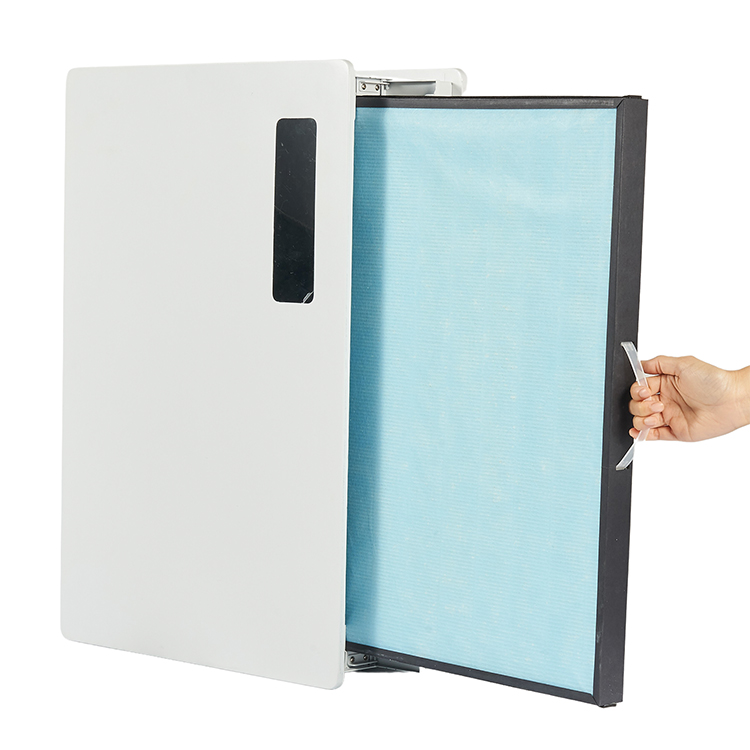
على الرغم من أن مرشحات HEPA ممتازة في التقاط الجسيمات، إلا أنها لا تستطيع إزالة الروائح أو الغازات، مثل المركبات العضوية المتطايرة (VOCs)9. ولمعالجة ذلك، تقترن العديد من أجهزة تنقية الهواء بمرشحات HEPA مع مرشحات الكربون المنشطالتي تمتص المركبات العضوية المتطايرة والروائح الكريهة، مما يجعلها مزيجًا مثاليًا للإدارة الشاملة لجودة الهواء.
فانڊ فانڊو

متى يجب استخدام كل من فلاتر HEPA وفلاتر الكربون

في البيئات التي يشتمل فيها تلوث الهواء على ملوثات غازية (على سبيل المثال، من الدهانات أو منتجات التنظيف أو التدخين)، يمكن أن يوفر الجمع بين مرشحات HEPA ومرشحات الكربون تنقية هواء أكثر شمولاً. ويضمن هذا المزيج إزالة كل من الجسيمات والغازات الضارة على حد سواء، مما يخلق بيئة أكثر انتعاشاً.

مزايا الترشيح المزدوج

إن استخدام HEPA مع ترشيح الكربون يمكن أن يقلل بشكل فعال من مسببات الحساسية والروائح الشائعة، مما يخلق بيئة منعشة ونظيفة. هذا النهج المزدوج مفيد بشكل خاص في أماكن مثل المدارس والمكاتب والمنازل التي قد تتواجد فيها المركبات العضوية المتطايرة.

توفر فلاتر HEPA وفلاتر الكربون تنظيفاً شاملاً للهواء.صحيح

تلتقط هذه الفلاتر معاً الجسيمات وتمتص المركبات العضوية المتطايرة والروائح الكريهة، مما يضمن هواءً أنقى.

فوائد فلاتر HEPA في أجهزة تنقية الهواء

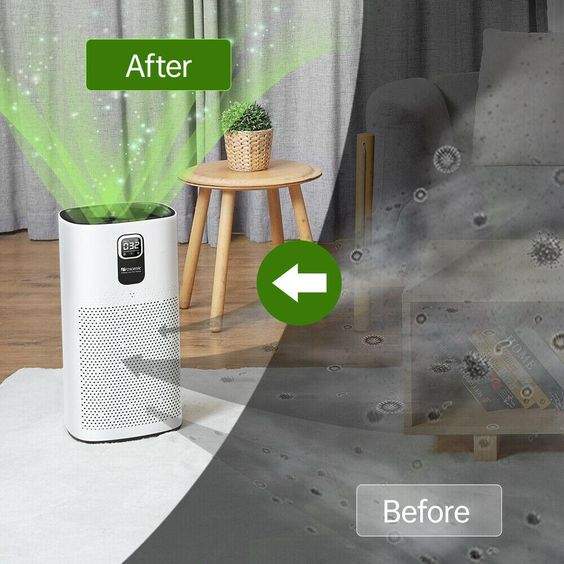
تُعد فلاتر HEPA ضرورية لتنقية الهواء بجودة عالية، وتقليل الملوثات وتحسين جودة الهواء في أي بيئة.
فانڊ فانڊو

تحسين جودة الهواء باستخدام فلاتر HEPA

تقوم فلاتر HEPA بالتقاط الجسيمات التي تسبب مشاكل في الجهاز التنفسي، مما يفيد الأسر التي لديها حيوانات أليفة أو التي تقع في المناطق الحضرية ذات مستويات التلوث العالية. تعمل الفلاتر على تقليل مسببات الحساسية والغبار والوبر، مما يوفر جواً أكثر صحة.

صيانة منخفضة وكفاءة عالية

فلاتر HEPA متينة وتتطلب عادةً استبدالها كل 6-12 شهرًا فقط، حسب الاستخدام. إن عمرها الطويل ومتطلبات الصيانة المنخفضة تجعلها حلاً فعالاً من حيث التكلفة لإدارة جودة الهواء على المدى الطويل10.

فلاتر HEPA منخفضة الصيانة.صحيح

تتطلب فلاتر HEPA استبدالاً غير متكرر، مما يوفر الراحة والموثوقية.

الخاتمة

تُعد فلاتر HEPA حلاً مثبتاً وفعالاً للغاية لتحسين جودة الهواء الداخلي من خلال التقاط الجسيمات الدقيقة، وبالتالي ضمان بيئات أنظف وأكثر صحة. تم تطوير مرشحات HEPA في الأصل من قبل الجيش، ولا تزال مرشحات HEPA خياراً مفضلاً لتنقية الهواء في المنازل وأماكن العمل والمرافق الطبية نظراً لسلامتها وموثوقيتها وتطورها المستمر.


  1. كفاءة الترشيح HEPA: تزيل فلاتر HEPA 99.97% من الجسيمات عند 0.3 ميكرون، مما يجعلها مثالية لإزالة الجسيمات الدقيقة والمواد المسببة للحساسية. ↩

  2. الاستخدام الطبي لمرشحات HEPA: يشيع استخدام مرشحات HEPA في المرافق الطبية لضمان خلو الهواء من مسببات الأمراض وتقليل التلوث. ↩

  3. مخاطر الترشيح بالتأين: قد ينبعث من تقنيات التأين والبلازما الأوزون الذي يمكن أن يهيج الجهاز التنفسي. ↩

  4. ترشيح HEPA والمركبات العضوية المتطايرة: في حين أن HEPA فعالة للجسيمات، تتطلب المركبات العضوية المتطايرة فلتر كربون منشط للامتصاص. ↩

  5. HEPA للتخفيف من الحساسية: فلاتر HEPA فعالة في تقليل مسببات الحساسية في الهواء، مما يحسن صحة الأفراد الحساسين. ↩

  6. الفوائد الصحية لمرشحات HEPA: تساعد تقنية HEPA على تقليل مسببات الحساسية ومشاكل الجهاز التنفسي وتلوث الهواء الداخلي بشكل عام. ↩

  7. الأصول العسكرية لـ HEPA: تم استخدام تقنية HEPA، التي طورها الجيش الأمريكي، في البداية لتصفية الجسيمات المشعة. ↩

  8. تقنية وسائط HEPA المتقدمة: تسمح الابتكارات في وسائط فلتر HEPA الآن بتدفق هواء أعلى ومقاومة أقل في أجهزة تنقية الهواء. ↩

  9. استخدام HEPA مع فلاتر الكربون: يعمل إقران HEPA مع الكربون المنشط على تحسين جودة الهواء عن طريق إزالة الجسيمات والمركبات العضوية المتطايرة. ↩

  10. صيانة فلتر HEPA: تتمتع فلاتر HEPA بعمر افتراضي طويل ولا تحتاج إلى الاستبدال إلا من حين لآخر، مما يجعلها فعالة من حيث التكلفة للاستخدام طويل الأجل. ↩

شارك:
Alwen Lee of HisoAir
Alwen Lee, an air purification expert with over 10 years of experience, is a devoted father of two and a passionate traveler, having explored more than 30 countries. With a love for public speaking and swimming, he has dedicated his life to the indoor air quality industry. His mission is to ensure that people around the world enjoy the freedom to breathe clean air and lead happy, healthy lives.

أرسل لنا رسالة

Related Products

المزيد للقراءة

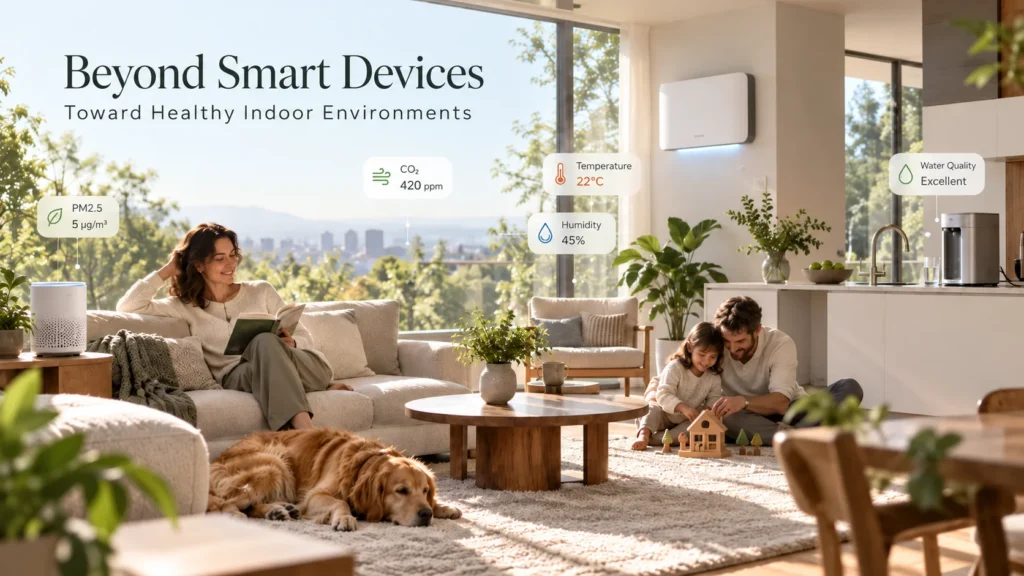
Modern living room with a family enjoying a healthy indoor environment monitored by smart devices, natural lighting, and greenery.

After IFA 2026: The Healthy Home Is Moving Beyond Smart Devices

In our previous IFA 2026 column, Air Purification Is Becoming Part of the Healthy-Home Platform, we argued that the next generation of indoor-health products would ...
الأخبار
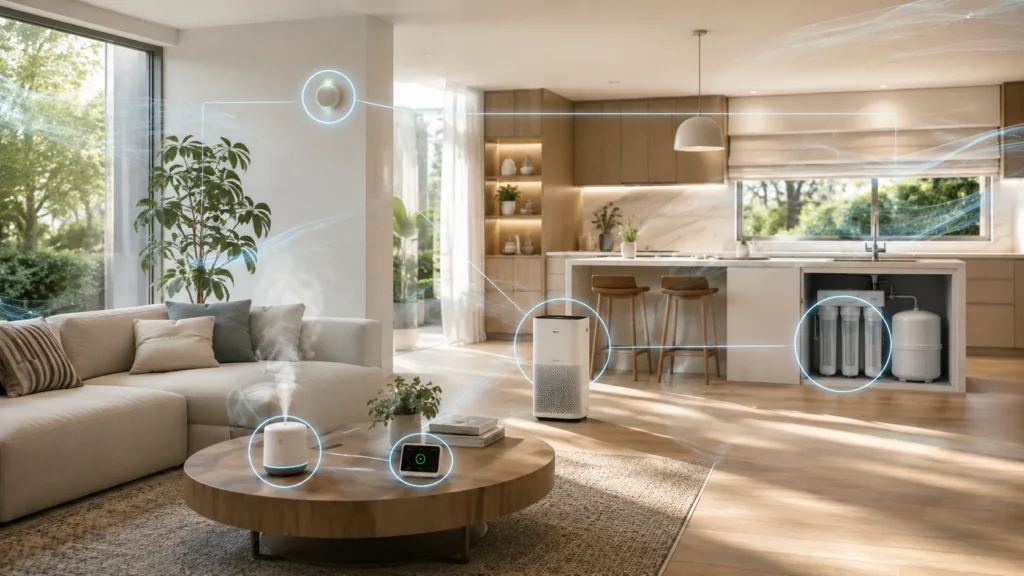
Modern living room and kitchen with smart home air quality devices including an air purifier, humidifier, and water filtration system, connected with visualized blue connectivity lines.

IFA 2026: Air Purification Is Becoming Part of the Healthy-Home Platform

Pre-IFA Industry Perspective | September 4, 2026 This article is based on official announcements and regulatory information available ahead of IFA 2026, which takes place ...
الأخبار
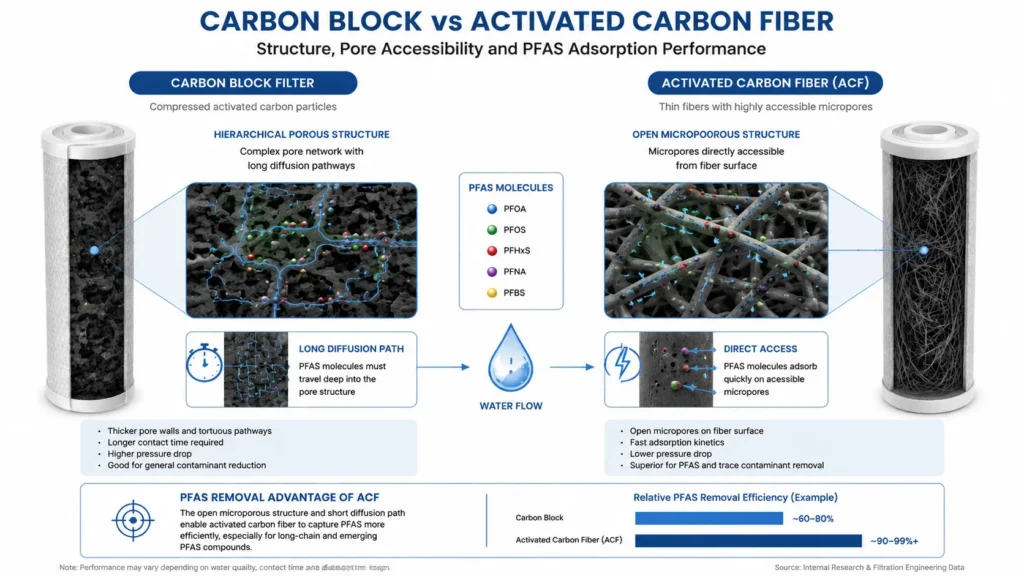
Comparison infographic showcasing the differences between carbon block filter and activated carbon fiber. Detailed diagrams illustrate the hierarchical porous structure of the carbon block with long diffusion paths and the open microporous structure of the activated carbon fiber with direct access for PFAS adsorption.

Carbon Block vs. Activated Carbon Fiber (ACF): Matching Media to Target Contaminants

Two carbon media. Same adsorption chemistry. Very different behaviour in a point-of-use cartridge. If you are specifying a water purifier platform for a PFAS-aware market, ...
الأخبار
NSF base listing and ANF private-label certification pathway for OEM water filters

What Is an NSF Master Listing? A Guide to Base Listings, ANF Certification and OEM Water Filters

For a brand preparing to launch an OEM water purifier, one of the most common supplier claims is: “We already have an NSF master listing, ...
News, Water Purifiers
Healthy-home brand team reviewing PFAS water filter certification, test data and product engineering

Entering the Water Category Is Easy. Building a Credible PFAS Claim Is Much Harder

For air purification, appliance and healthy-home brands, entering the water category can look surprisingly easy. A company can select an existing undersink system, customize its ...
الأخبار
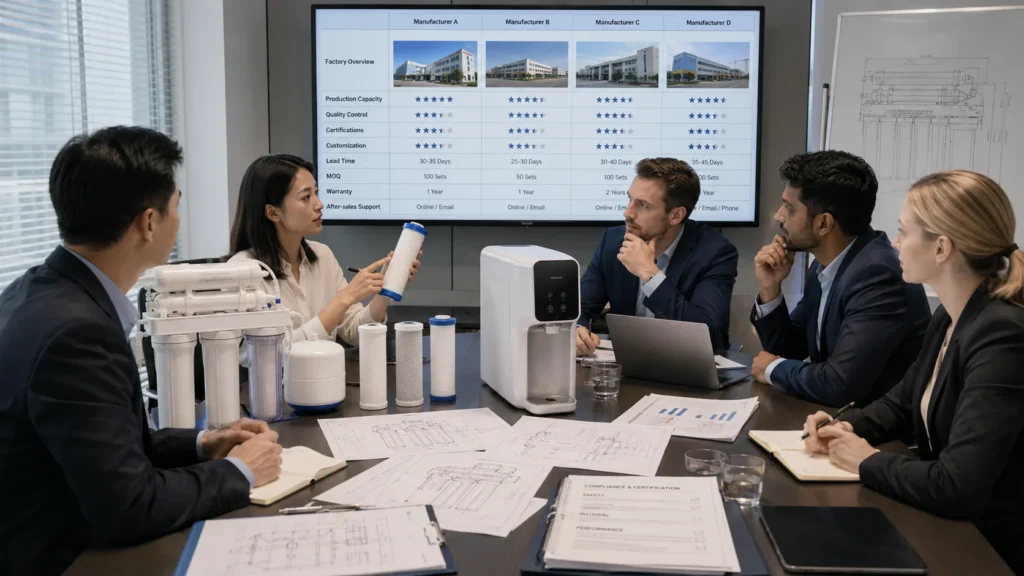
Team in a business meeting discussing a water filtration system with product components and a comparison table displayed on a screen.

5 Leading OEM Water Purifier Manufacturers in China for Private Label Brands

China has thousands of companies selling water filters, reverse osmosis systems and drinking-water appliances. However, only a portion of them are suitable for private-label, OEM ...
الأخبار
Contaminant Engineering•3 min read

PFAS Water Filtration Technologies Explained: Carbon, Resin & RO

Key Takeaway:

PFAS reduction depends on the specific compounds present, treatment media, contact time, water chemistry, and system design. Activated carbon, ion exchange, and Reverse Osmosis address PFAS through different mechanisms.

PFAS are a large family of persistent fluorinated compounds that can occur in drinking-water supplies. Their treatment behavior varies significantly by molecular structure, chain length, functional group, concentration, and the chemistry of the source water.

Granular Activated Carbon (GAC) removes PFAS primarily through adsorption. It is generally more effective for many longer-chain PFAS, while shorter-chain compounds tend to break through more quickly. Carbon performance depends on media properties, Empty Bed Contact Time (EBCT), competing organic matter, loading, and replacement frequency.

Ion-exchange resins use charged functional sites to capture many PFAS compounds. Properly selected anion-exchange media can provide high capacity and may perform better than conventional activated carbon for some shorter-chain PFAS, although performance still depends on water chemistry and competing ions.

Reverse Osmosis (RO) uses membrane separation rather than adsorption. Properly designed RO systems can provide broad reduction across many PFAS compounds as well as dissolved salts and other contaminants. Unlike carbon or resin, however, RO also produces a concentrate stream that must be managed.

No single technology should be selected from a PFAS label alone. System design should consider which PFAS compounds are present, their concentrations, required reduction targets, flow rate, media life, and the applicable third-party certification or validation requirements.

HisoAir Water Technical Series
Product Discovery•3 min read

How to Choose an Under-Sink Water Purifier for Modern Kitchens

Key Takeaway:

Match the treatment technology to your water quality first, then evaluate cabinet space, faucet configuration, flow rate, drain and power requirements, and filter replacement needs.

Choosing an under-sink water purifier starts with water chemistry. Carbon filtration is well suited to chlorine, taste, odor, and many organic contaminants, while Reverse Osmosis is more appropriate when dissolved salts, fluoride, nitrates, or broader dissolved contaminants need to be reduced.

For compact kitchens, tankless RO systems eliminate the conventional storage tank and can significantly reduce the space required under the sink. However, membrane capacity stated in GPD does not directly equal faucet flow. When comparing systems, check the actual dispensing flow rate, inlet-pressure requirement, recovery ratio, and whether a booster pump is required.

Installation architecture also matters. Many RO systems require a drain connection, electrical power, and either a dedicated drinking-water faucet or a compatible multi-function faucet. High-flow carbon systems can often connect directly to the existing cold-water line with a simpler installation, but pressure drop and available faucet flow should still be verified.

RO also removes much of the naturally occurring dissolved mineral content. Where taste or mineral balance is a priority, a post-RO remineralization stage can be added. Filter life should be evaluated by both rated capacity and local water quality rather than replacement time alone.

The right system is therefore not simply the smallest or highest-GPD model. It is the configuration that matches the target contaminants, available cabinet space, desired faucet setup, peak dispensing demand, and maintenance expectations.

HisoAir Water Technical Series
Water Quality•2 min read

What Does TDS Mean in Drinking Water? Measurement vs Contaminant Reality

Key Takeaway:

A TDS meter estimates the overall concentration of dissolved ionic substances from electrical conductivity. It cannot identify specific contaminants or determine whether water is chemically safe.

Total Dissolved Solids (TDS) refers to the combined concentration of dissolved substances in water. Most handheld TDS meters do not measure TDS directly. Instead, they measure electrical conductivity (EC) and convert that reading into an estimated parts-per-million (ppm) value.

This means a TDS reading can indicate how much dissolved ionic material is present, but not what that material actually is. Calcium, magnesium, sodium, nitrates, and other dissolved ions can all contribute to conductivity, yet a simple TDS meter cannot distinguish between them.

TDS meters are also not suitable for detecting trace contaminants such as PFAS, many VOCs, pesticides, pharmaceuticals, or disinfection byproducts. These substances may be present at concentrations far below the level needed to noticeably change electrical conductivity.

A low TDS reading therefore does not guarantee safe drinking water, and a higher TDS reading does not automatically indicate contamination. Water-treatment decisions should be based on laboratory testing for specific contaminants of concern rather than TDS alone.

HisoAir Water Technical Series
Technology Selection•2 min read

RO vs UF Water Filtration: Understanding Pore Sizes & Dissolved Minerals

Key Takeaway:

Ultrafiltration can reduce bacteria, turbidity, and suspended particles while retaining most naturally occurring dissolved minerals. Reverse Osmosis provides much broader reduction of dissolved salts and smaller contaminants.

Ultrafiltration (UF) typically uses hollow-fiber membranes with pore sizes in the approximate 0.01–0.1 micron range. These membranes physically retain turbidity, suspended solids, colloids, and many microorganisms while allowing dissolved minerals and salts to remain in the water.

Reverse Osmosis (RO) operates at a much finer separation level. Unlike UF, RO can substantially reduce dissolved ions such as sodium, calcium, fluoride, nitrates, and other contributors to total dissolved solids (TDS). This makes RO more suitable when dissolved-salt reduction is a primary treatment objective.

UF generally requires less system pressure and produces little or no continuous concentrate stream in many point-of-use configurations. RO typically requires greater pressure and produces a reject-water stream, but delivers broader contaminant reduction.

For water with acceptable TDS and mineral content, UF can be a simpler mineral-retaining treatment option. Where dissolved salts, fluoride, nitrates, or broader dissolved contaminants are a concern, RO is generally the more appropriate technology.

HisoAir Water Technical Series
Technology Selection•4 min read

Carbon Block vs Reverse Osmosis: Which Fits Your Need?

Key Takeaway:

Choose RO for dissolved inorganic salts and heavy metals; choose Carbon Block for chemical taste/odor, no wastewater, and high line-pressure flow.

Reverse Osmosis (RO) and Carbon Block filtration represent two fundamentally different treatment methods: membrane separation and adsorption. Understanding these differences helps determine which technology is better suited to a specific water-quality requirement.

Reverse Osmosis uses a semi-permeable membrane with pore sizes of approximately 0.0001 microns. It can significantly reduce dissolved inorganic contaminants such as TDS, fluoride, nitrates, and certain heavy metals. Because water must be forced through the membrane, RO systems require sufficient pressure or a booster pump and generate a concentrated wastewater stream.

Carbon Block filtration relies primarily on adsorption through compressed activated carbon, commonly with nominal pore sizes around 0.5–5 microns. It is highly effective for chlorine, chloramines, VOCs, taste, and odor, while allowing substantially higher direct-flow rates without producing wastewater.

From an operating perspective, Carbon Block systems are generally simpler, require less energy, and avoid the water loss associated with RO. RO involves higher system complexity and operating cost, but provides substantially broader reduction of dissolved contaminants that Carbon Block alone cannot address.

HisoAir Water Technical Series

طلب عرض أسعار