
يفتح في علامة تبويب جديدة
حلول مبتكرة لجودة الهواء
شعار هيسو-أير-لوجو
استفسر الآن

How to Improve the Lifespan of Air Purifier Filters

When people shop for air purifiers, they often look at specifications like CADR (Clean Air Delivery Rate), coverage area, or noise levels. But there’s one element that quietly determines how effective — and how cost-efficient — your air purifier will be: the filter lifespan.

Filters are the heart of every air purifier. They trap dust, allergens, smoke, and bacteria, ensuring that the air you breathe is safe. Yet they’re also consumables. The longer your filters last, the lower your maintenance costs, the less downtime you face, and the more consistently you enjoy fresh, clean air.

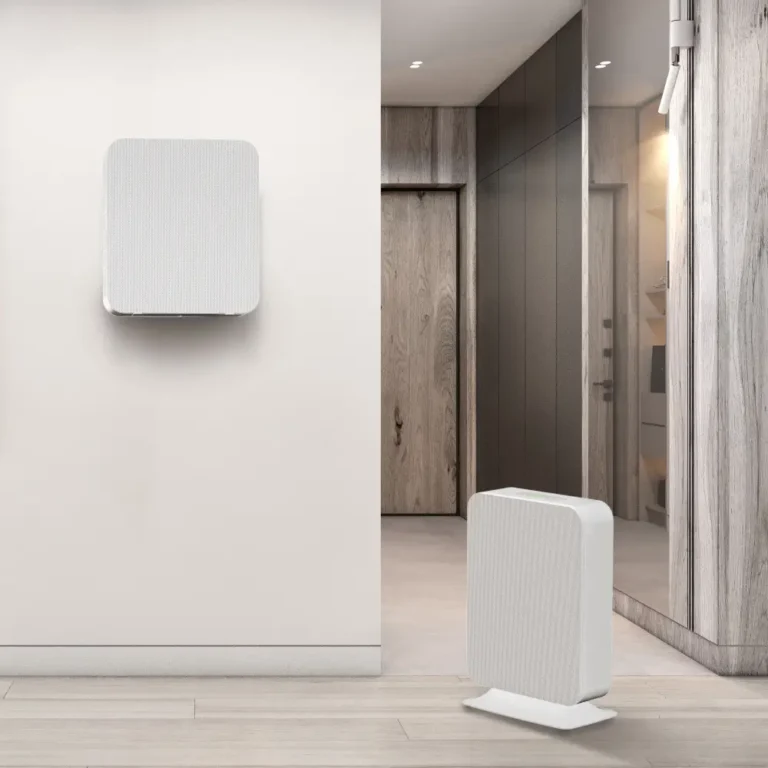
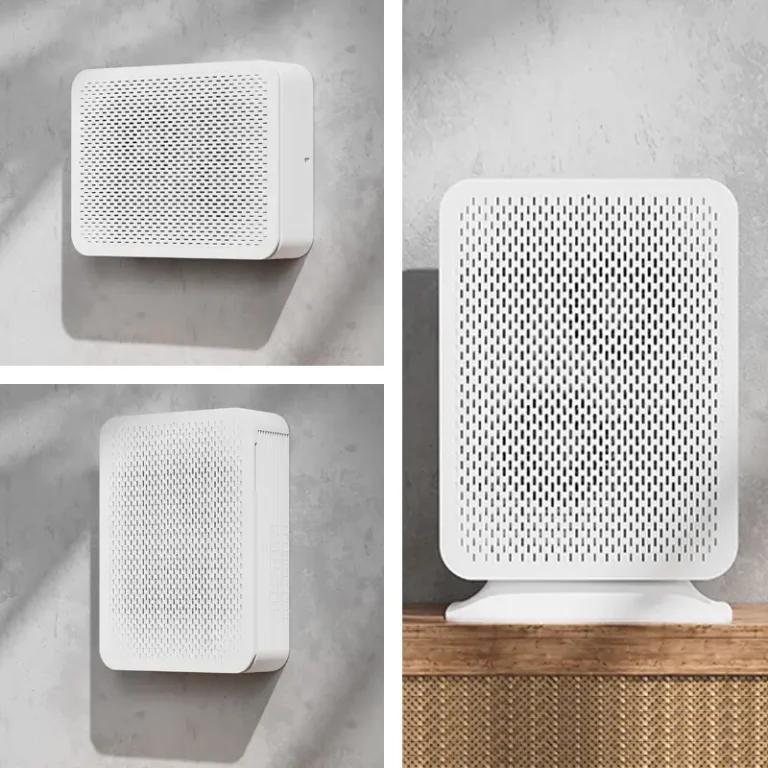
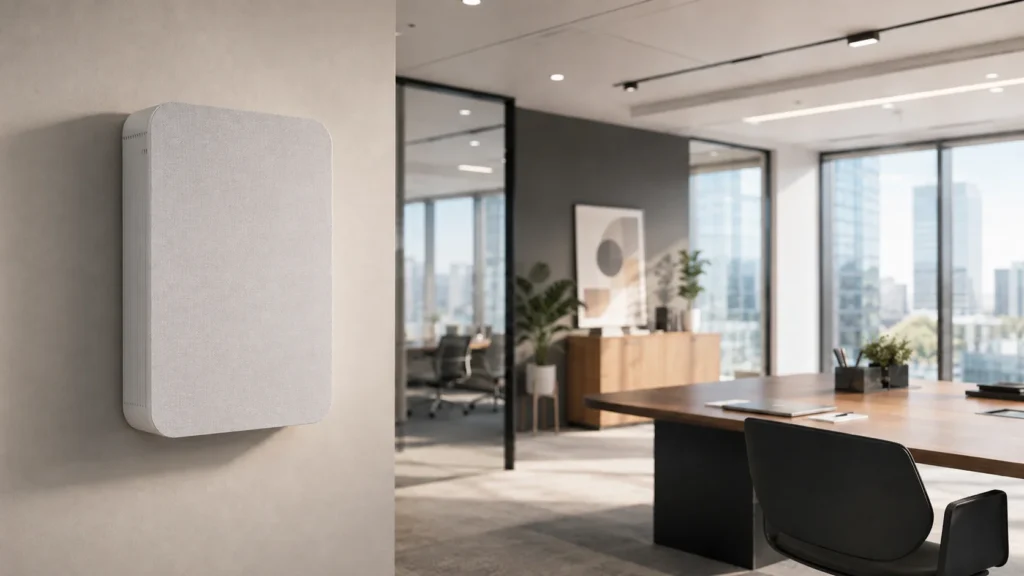
That’s why HisoAir has invested heavily in designing smart filtration systems. For example, the HA200 and HA400 wall-mounted purifiers feature high-dust-capacity HEPA filters that last up to 12 months before needing replacement — twice as long as many conventional purifiers. Meanwhile, the HA180 and HA380 models offer replaceable fabric front panels and multi-layer filtration, balancing high efficiency with easier upkeep at home.

So whether you’re a hotel manager overseeing dozens of units, an office administrator trying to reduce maintenance costs, or a parent looking for hassle-free clean air at home, filter lifespan matters. In this article, we’ll explore why it’s so important, what factors affect it, and most importantly — how you can extend the life of your air purifier filters.

Why Filter Lifespan Matters More Than You Think

1. Lower Ownership Costs

For businesses, filter replacement isn’t just a purchase — it’s an ongoing operational cost. A hotel with 50 purifiers can face thousands of dollars annually if filters need to be changed too frequently. For families, cutting replacement cycles in half means keeping more money in your pocket. Longer-lasting filters translate directly into cost efficiency.

2. Consistent Performance

A clogged filter doesn’t just stop cleaning the air — it actively reduces airflow, forcing the machine to work harder. This leads to lower purification performance, uneven air quality, and sometimes even strain on the motor. Extending filter life through proper care ensures steady, reliable performance.
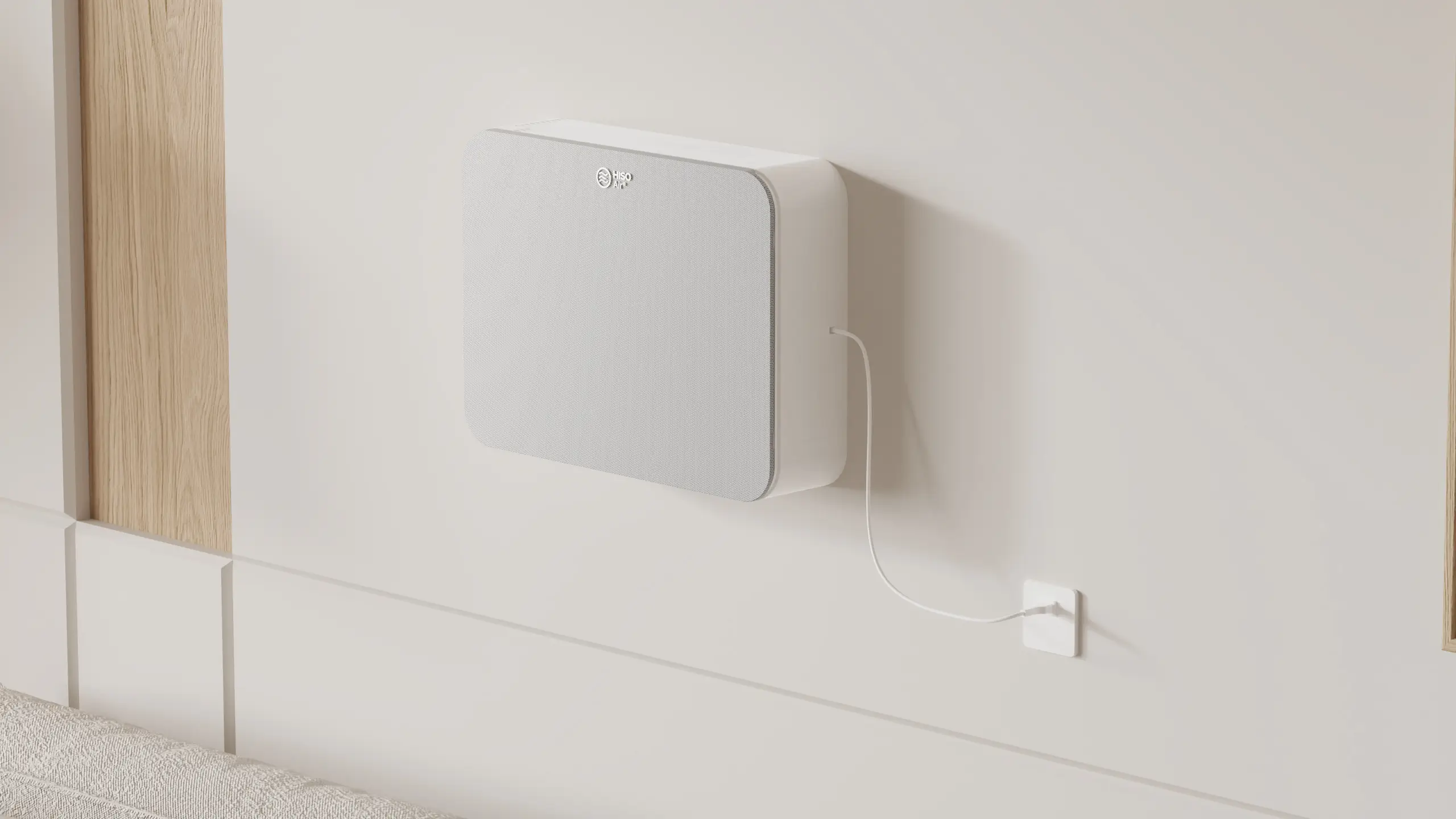
wall mounted air purifier ha180 & ha380

3. Hygiene and Safety

Filters capture not only dust but also bacteria, allergens, and sometimes even viruses. Letting a filter sit past its lifespan risks secondary pollution, where trapped particles are released back into the air. Keeping filters effective means keeping your environment truly healthy.

4. Environmental Responsibility

Each filter replaced contributes to waste. By extending lifespan, businesses and households reduce environmental impact, supporting sustainable air quality solutions.

What Shortens a Filter’s Life? Key Factors to Know

Understanding what affects filter lifespan helps you take smarter steps to protect it.

1. Air Quality in the Environment

  • High-dust environments like construction zones, workshops, or busy streets accelerate clogging.
  • Smoke-prone areas (restaurants, kitchens, smoking rooms) overwhelm carbon filters more quickly.
  • Pet households see faster build-up of hair and dander.

2. Usage Intensity

  • Running your purifier on maximum speed 24/7 may feel “safer,” but it wears out filters prematurely.
  • Conversely, auto mode, guided by smart sensors, ensures efficient use without unnecessary strain.

3. Filter Structure and Technology

  • High-dust-capacity HEPA (HA200/HA400) lasts longer due to its deep pleated structure and antimicrobial treatment.
  • Standard HEPA + Activated Carbon (HA180/HA380) offers strong filtration but typically shorter cycles (6 months).

4. Pre-Filters and Protection Layers

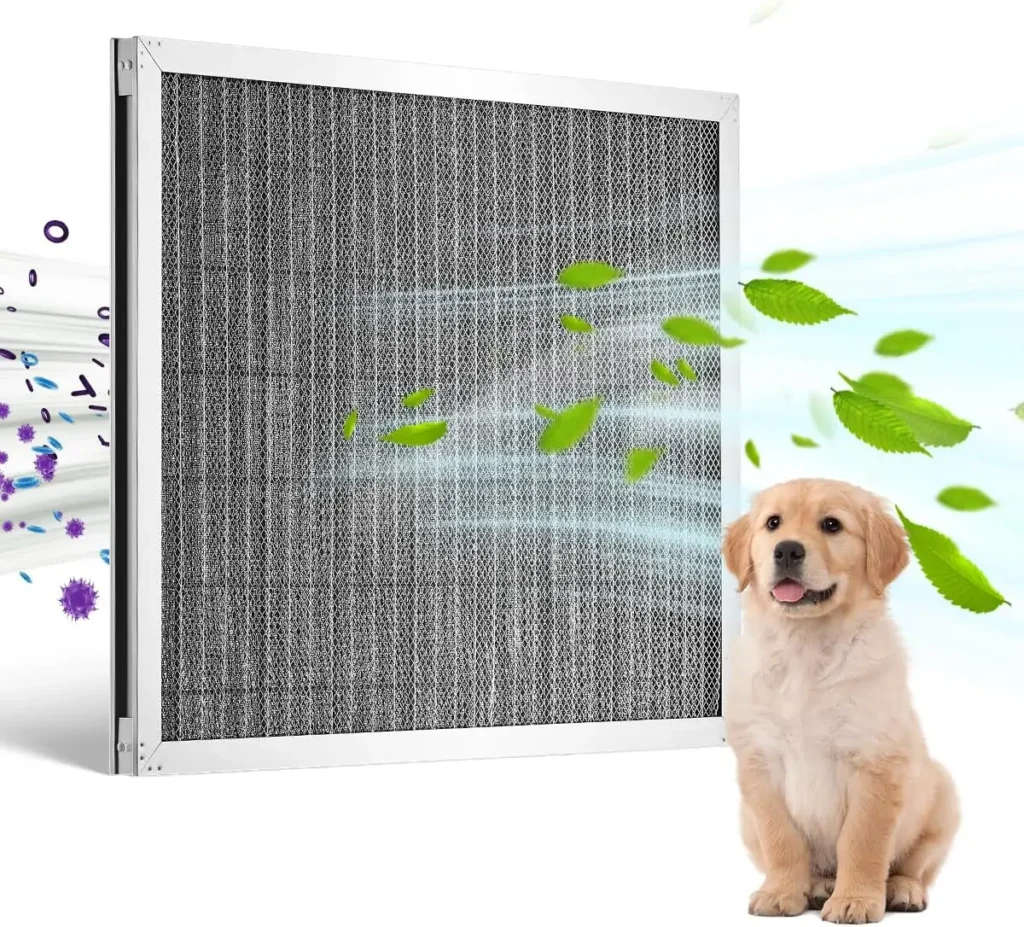
  • Washable PET pre-filters act as the first line of defense, catching large dust, hair, and lint. Without them, HEPA layers clog far faster.
  • Fabric covers, as in HA180 and HA380, also extend filter performance while doubling as stylish design elements.

How to Extend the Lifespan of Your Filters: Practical Tips

Here’s the part everyone asks: How do I make my filter last longer without compromising clean air?

1. Clean the Pre-Filter Regularly

The PET pre-filter is washable and reusable. By vacuuming or rinsing it every few weeks, you prevent large particles from reaching the HEPA. This one simple habit can add months of life to your main filter.

2. Use Auto Mode and Trust the Sensors

Instead of blasting your purifier on high at all times, rely on the built-in مستشعرات PM2.5. Auto mode adjusts fan speed intelligently based on real-time air quality. This not only saves energy but also prevents unnecessary filter wear.

3. Keep Your Space Clean

  • Vacuum carpets, rugs, and sofas regularly.
  • Control pet dander with grooming.
  • Avoid smoking indoors.
    By tackling pollutants at the source, your purifier doesn’t have to fight as hard — extending filter life.

4. Leverage Fabric Covers (HA180/HA380)

In households, the fabric front panels add a protective, replaceable layer. They catch dust early, are easy to wash or swap, and protect the more expensive HEPA filter inside.
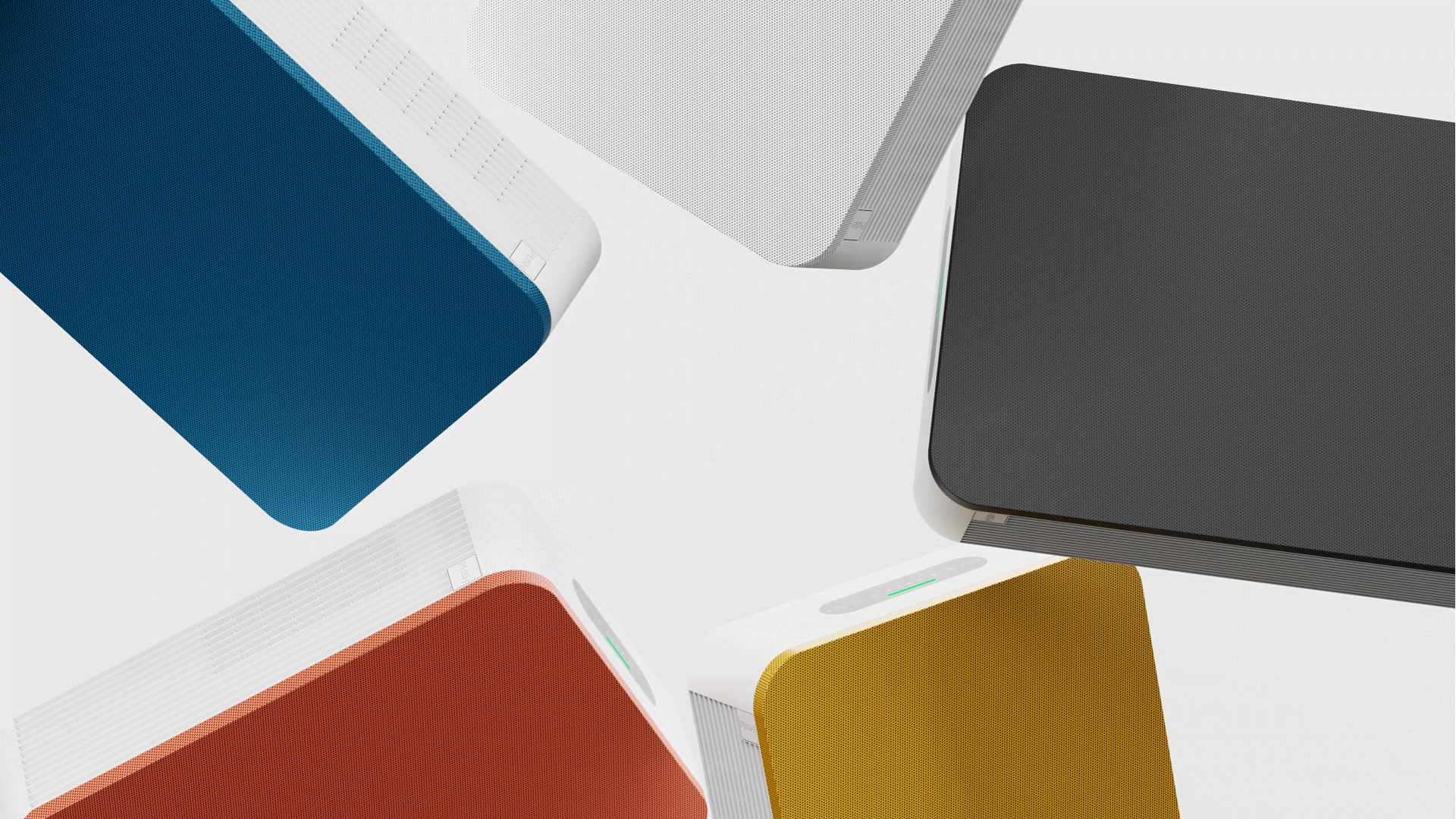
ha380 fabric

5. Respond to Replacement Alerts Promptly

Modern purifiers like HA180/HA380 include filter replacement reminders. Don’t ignore them. Replacing on time prevents filters from becoming a source of pollution.

6. Position the Purifier Strategically

Avoid placing your purifier directly next to kitchens, entryways, or areas with heavy dust flow. A well-placed unit works more efficiently and keeps filters cleaner for longer.

B2B vs. D2C: How Filter Lifespan Plays Out

For Businesses (B2B)

Hotels, offices, clinics, and schools face a unique challenge: scale.

  • A hotel managing 100 units with 12-month filters saves 50% more on labor and parts compared to 6-month cycles.
  • Offices benefit from less downtime and fewer interruptions.
  • Clinics and healthcare spaces gain consistency in hygiene compliance.

That’s why units like HA200 and HA400, with their high-dust-capacity HEPA filters, are a strong choice for commercial buyers. They minimize replacement frequency, cut costs, and ensure peace of mind for staff and guests.

For Households (D2C)

Families want convenience and simplicity. Nobody wants to worry about complicated filter swaps.

  • إن HA180 and HA380 strike a perfect balance: stylish fabric covers that can be cleaned or replaced, plus filters that last 6 months (HEPA) and 3 months (carbon).
  • Parents appreciate the child-lock features and quiet operation, while style-conscious buyers enjoy the customizable fabric panel options.

Here, longevity isn’t just about cost — it’s about ease of care and fitting seamlessly into daily life.

Smart Habits That Multiply Filter Lifespan

To make this actionable, here’s a quick checklist you can share with your staff (for businesses) or keep on your fridge (for homes):

✅ Clean the pre-filter every 2–4 weeks
✅ Run in Auto mode instead of max speed
✅ Keep pets groomed and floors vacuumed
✅ Place purifiers away from kitchens or open windows
✅ Respond to replacement reminders without delay

By adopting these simple habits, you can often stretch a filter’s effective life by 20–30%.
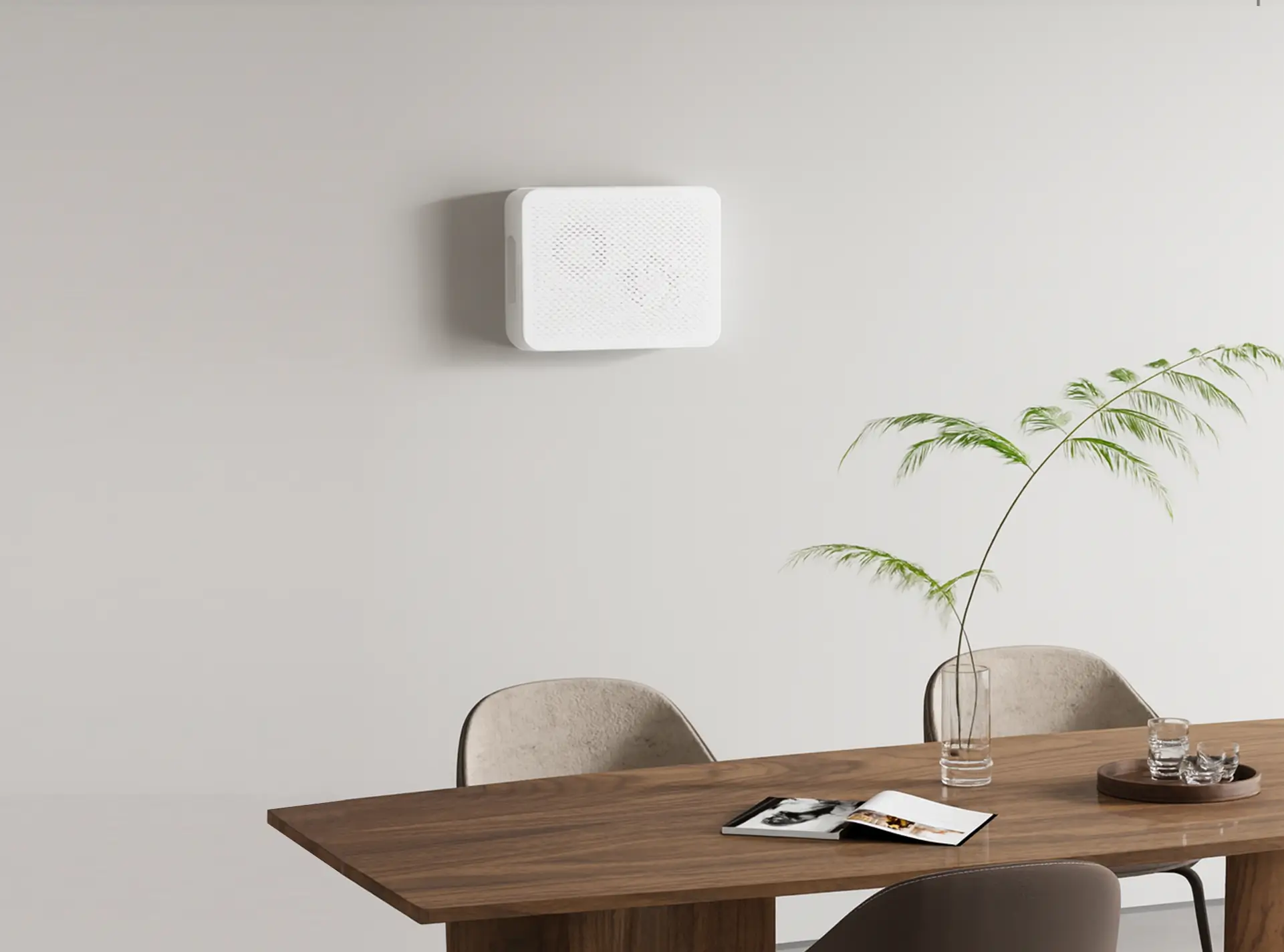
wall mounted air purifier ha200 ha400 office

Looking Ahead: Filters Designed for the Future

Air purification isn’t just about today — it’s about building sustainable, efficient solutions for the future. That’s why HisoAir integrates:

  • High-dust-capacity HEPA media that doubles holding capacity.
  • Antimicrobial treatments to keep filters fresher, longer.
  • Fabric panel options for homes that care about both design and practicality.
  • Smart sensors and auto-adjustment to optimize filter use.

The result? Filters that don’t just last longer, but also work smarter.

Conclusion: Maximize Your Investment in Clean Air

Filters may be hidden inside your air purifier, but they are the true workhorses that determine air quality, cost efficiency, and user satisfaction. By understanding the factors that affect lifespan and adopting smart maintenance habits, both businesses and households can enjoy longer-lasting filters, lower costs, and healthier spaces.

Whether you manage hundreds of purifiers in a commercial facility or just one at home, the principle is the same: treat your filters well, and they’ll serve you longer.

And with innovative models like the HA200/HA400 (high-dust-capacity HEPA) و HA180/HA380 (replaceable fabric covers), you’ll have filtration systems already engineered for extended life.

So breathe easy — smarter filters mean fresher air and a cleaner future.

شارك:
السيد لي مؤسس شركة هيسواير
Alwen Lee, an air purification expert with over 10 years of experience, is a devoted father of two and a passionate traveler, having explored more than 30 countries. With a love for public speaking and swimming, he has dedicated his life to the indoor air quality industry. His mission is to ensure that people around the world enjoy the freedom to breathe clean air and lead happy, healthy lives.

أرسل لنا رسالة

المزيد للقراءة

A modern office room with a gray wall-mounted air purifier, large wooden desk, office chairs, indoor plants, and glass windows offering a city view.

Luftreiniger gegen Staub: HEPA-Luftreinigung für Büro, Gewerbe und Industrie

Kurz gesagt: Ein Luftreiniger entfernt Staub aus der Luft – nicht vom Schreibtisch. Er reduziert die Konzentration schwebender Partikel und damit auch die Menge an ...
Air purifier, Filter
air purifier ha2553

Why You Need a Manufacturer with Expertise in Advanced Air Purification Technologies

In an increasingly health-conscious world, the quality of the air we breathe indoors has moved from a niche concern to a global priority. Regulatory bodies ...
Air purifier, Filter, News
electrostatic air filter 3

Electrostatic vs HEPA Air Filters: Which One Is Right for Your Home or Office?

Air filters, such as electrostatic and HEPA types, are crucial for combating common air pollutants like pollen, pet dander, and dust. Understanding the key differences ...
Air purifier, Filter
امرأة تعطس بسبب الحساسية

Navigating Seasonal Allergies: A Comprehensive Guide for IAQ Professionals

Seasonal allergies pose a significant challenge for individuals and a growing opportunity for businesses focused on Indoor Air Quality (IAQ). Their pervasive impact extends beyond ...
Air purifier, Dehumidifier, Filter, Humidifier
مجموعة من مواد التصفية المتنوعة بألوان وأنسجة مختلفة.

Top Players in Air Filtration: Who Leads the Industry in Manufacturing Air Filters?

In today’s world, the quality of indoor air is more important than ever. With rising pollution levels and increased awareness of health-related issues, air filtration ...
التصفية
الكل فلتر500 320

Collapsible or Irregular-shaped Air Purifier Filters: Cutting Shipping Costs for B2B Buyers

In the global air-purifier market, shipping often costs more than the filters themselves. The units are light but bulky, and carriers bill for space, not ...
Filter, News
Contaminant Engineering•3 min read

PFAS Water Filtration Technologies Explained: Carbon, Resin & RO

Key Takeaway:

PFAS reduction depends on the specific compounds present, treatment media, contact time, water chemistry, and system design. Activated carbon, ion exchange, and Reverse Osmosis address PFAS through different mechanisms.

PFAS are a large family of persistent fluorinated compounds that can occur in drinking-water supplies. Their treatment behavior varies significantly by molecular structure, chain length, functional group, concentration, and the chemistry of the source water.

Granular Activated Carbon (GAC) removes PFAS primarily through adsorption. It is generally more effective for many longer-chain PFAS, while shorter-chain compounds tend to break through more quickly. Carbon performance depends on media properties, Empty Bed Contact Time (EBCT), competing organic matter, loading, and replacement frequency.

Ion-exchange resins use charged functional sites to capture many PFAS compounds. Properly selected anion-exchange media can provide high capacity and may perform better than conventional activated carbon for some shorter-chain PFAS, although performance still depends on water chemistry and competing ions.

Reverse Osmosis (RO) uses membrane separation rather than adsorption. Properly designed RO systems can provide broad reduction across many PFAS compounds as well as dissolved salts and other contaminants. Unlike carbon or resin, however, RO also produces a concentrate stream that must be managed.

No single technology should be selected from a PFAS label alone. System design should consider which PFAS compounds are present, their concentrations, required reduction targets, flow rate, media life, and the applicable third-party certification or validation requirements.

HisoAir Water Technical Series
Product Discovery•3 min read

How to Choose an Under-Sink Water Purifier for Modern Kitchens

Key Takeaway:

Match the treatment technology to your water quality first, then evaluate cabinet space, faucet configuration, flow rate, drain and power requirements, and filter replacement needs.

Choosing an under-sink water purifier starts with water chemistry. Carbon filtration is well suited to chlorine, taste, odor, and many organic contaminants, while Reverse Osmosis is more appropriate when dissolved salts, fluoride, nitrates, or broader dissolved contaminants need to be reduced.

For compact kitchens, tankless RO systems eliminate the conventional storage tank and can significantly reduce the space required under the sink. However, membrane capacity stated in GPD does not directly equal faucet flow. When comparing systems, check the actual dispensing flow rate, inlet-pressure requirement, recovery ratio, and whether a booster pump is required.

Installation architecture also matters. Many RO systems require a drain connection, electrical power, and either a dedicated drinking-water faucet or a compatible multi-function faucet. High-flow carbon systems can often connect directly to the existing cold-water line with a simpler installation, but pressure drop and available faucet flow should still be verified.

RO also removes much of the naturally occurring dissolved mineral content. Where taste or mineral balance is a priority, a post-RO remineralization stage can be added. Filter life should be evaluated by both rated capacity and local water quality rather than replacement time alone.

The right system is therefore not simply the smallest or highest-GPD model. It is the configuration that matches the target contaminants, available cabinet space, desired faucet setup, peak dispensing demand, and maintenance expectations.

HisoAir Water Technical Series
Water Quality•2 min read

What Does TDS Mean in Drinking Water? Measurement vs Contaminant Reality

Key Takeaway:

A TDS meter estimates the overall concentration of dissolved ionic substances from electrical conductivity. It cannot identify specific contaminants or determine whether water is chemically safe.

Total Dissolved Solids (TDS) refers to the combined concentration of dissolved substances in water. Most handheld TDS meters do not measure TDS directly. Instead, they measure electrical conductivity (EC) and convert that reading into an estimated parts-per-million (ppm) value.

This means a TDS reading can indicate how much dissolved ionic material is present, but not what that material actually is. Calcium, magnesium, sodium, nitrates, and other dissolved ions can all contribute to conductivity, yet a simple TDS meter cannot distinguish between them.

TDS meters are also not suitable for detecting trace contaminants such as PFAS, many VOCs, pesticides, pharmaceuticals, or disinfection byproducts. These substances may be present at concentrations far below the level needed to noticeably change electrical conductivity.

A low TDS reading therefore does not guarantee safe drinking water, and a higher TDS reading does not automatically indicate contamination. Water-treatment decisions should be based on laboratory testing for specific contaminants of concern rather than TDS alone.

HisoAir Water Technical Series
Technology Selection•2 min read

RO vs UF Water Filtration: Understanding Pore Sizes & Dissolved Minerals

Key Takeaway:

Ultrafiltration can reduce bacteria, turbidity, and suspended particles while retaining most naturally occurring dissolved minerals. Reverse Osmosis provides much broader reduction of dissolved salts and smaller contaminants.

Ultrafiltration (UF) typically uses hollow-fiber membranes with pore sizes in the approximate 0.01–0.1 micron range. These membranes physically retain turbidity, suspended solids, colloids, and many microorganisms while allowing dissolved minerals and salts to remain in the water.

Reverse Osmosis (RO) operates at a much finer separation level. Unlike UF, RO can substantially reduce dissolved ions such as sodium, calcium, fluoride, nitrates, and other contributors to total dissolved solids (TDS). This makes RO more suitable when dissolved-salt reduction is a primary treatment objective.

UF generally requires less system pressure and produces little or no continuous concentrate stream in many point-of-use configurations. RO typically requires greater pressure and produces a reject-water stream, but delivers broader contaminant reduction.

For water with acceptable TDS and mineral content, UF can be a simpler mineral-retaining treatment option. Where dissolved salts, fluoride, nitrates, or broader dissolved contaminants are a concern, RO is generally the more appropriate technology.

HisoAir Water Technical Series
Technology Selection•4 min read

Carbon Block vs Reverse Osmosis: Which Fits Your Need?

Key Takeaway:

Choose RO for dissolved inorganic salts and heavy metals; choose Carbon Block for chemical taste/odor, no wastewater, and high line-pressure flow.

Reverse Osmosis (RO) and Carbon Block filtration represent two fundamentally different treatment methods: membrane separation and adsorption. Understanding these differences helps determine which technology is better suited to a specific water-quality requirement.

Reverse Osmosis uses a semi-permeable membrane with pore sizes of approximately 0.0001 microns. It can significantly reduce dissolved inorganic contaminants such as TDS, fluoride, nitrates, and certain heavy metals. Because water must be forced through the membrane, RO systems require sufficient pressure or a booster pump and generate a concentrated wastewater stream.

Carbon Block filtration relies primarily on adsorption through compressed activated carbon, commonly with nominal pore sizes around 0.5–5 microns. It is highly effective for chlorine, chloramines, VOCs, taste, and odor, while allowing substantially higher direct-flow rates without producing wastewater.

From an operating perspective, Carbon Block systems are generally simpler, require less energy, and avoid the water loss associated with RO. RO involves higher system complexity and operating cost, but provides substantially broader reduction of dissolved contaminants that Carbon Block alone cannot address.

HisoAir Water Technical Series

طلب عرض أسعار