يفتح في علامة تبويب جديدة
حلول مبتكرة لجودة الهواء
شعار هيسو-أير-لوجو
استفسر الآن

Why Stainless Steel Water Purifiers Are Becoming the Premium Choice for Wellness Brands

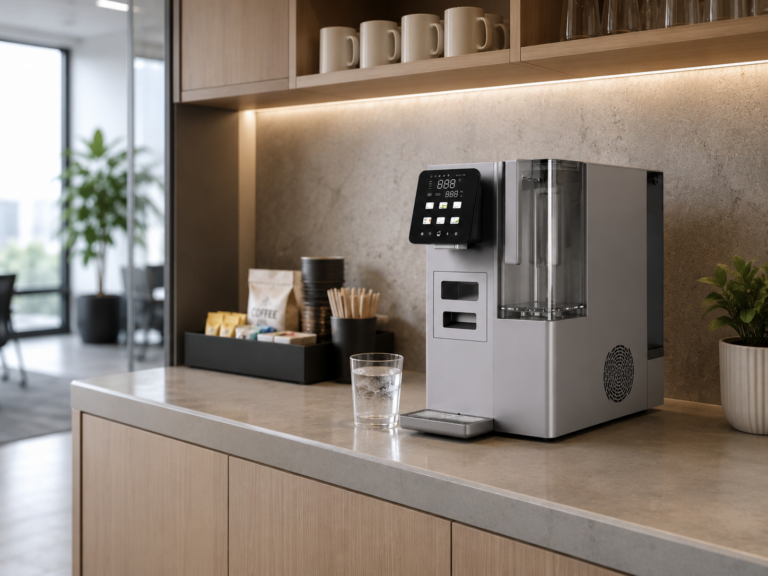
stainless steel water purifier on modern kitchen counter

You see wellness brands promising pure, clean lifestyles every day. But then, they sell you a plastic pitcher. It feels like a contradiction, doesn't it?

Stainless steel1 is becoming the standard for premium water purifiers because it is an "inert" material. Unlike plastic, it does not leach chemicals or affect the taste of water. This material shift allows brands to move from low-margin commodities to high-end appliances, aligning hardware quality with their health promises.
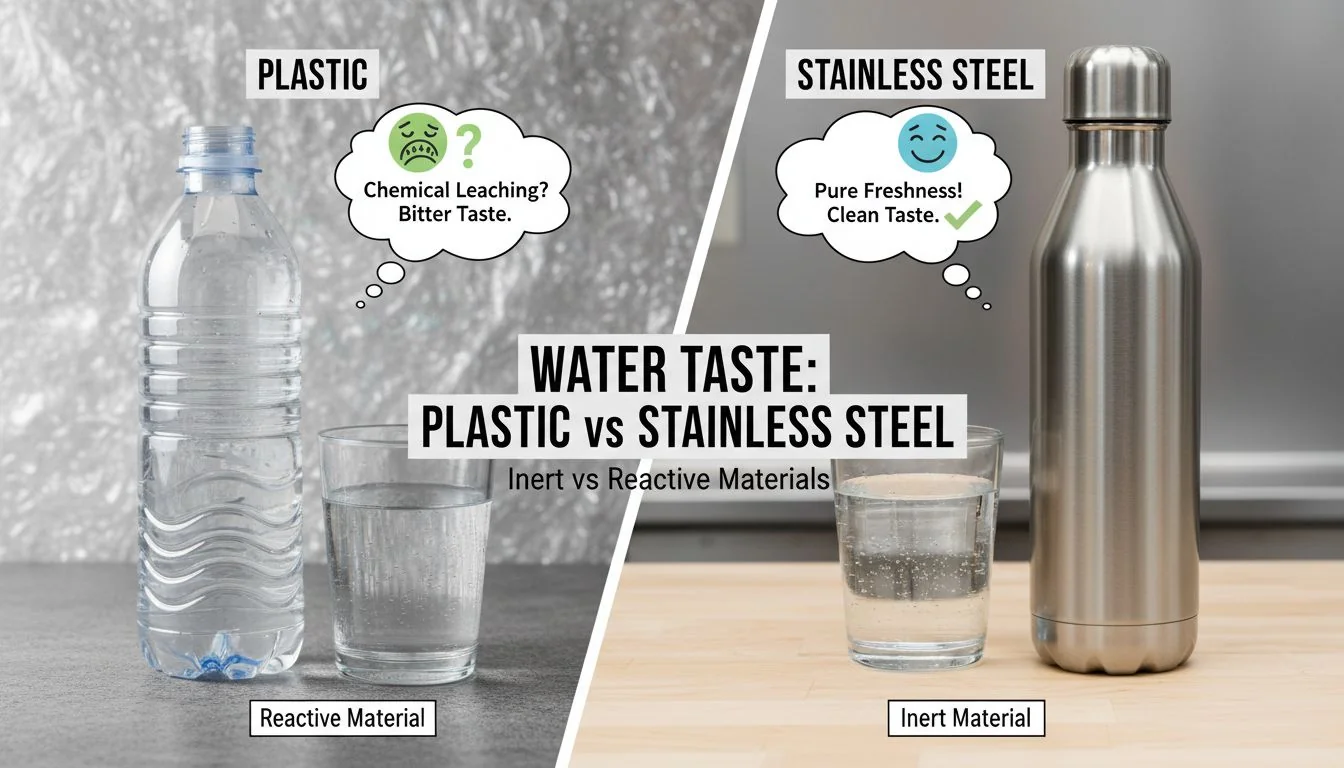
comparison of plastic vs stainless steel water taste

I have watched the manufacturing trends shift for years. We used to focus only on cost. Now, we focus on value. If you want to understand why the market is moving this way, you need to look at the materials.

Stainless steel is an inert material that does not react with water.صحيح

Inert materials do not chemically react with the substances they hold, preventing leaching.

Plastic water pitchers improve the taste of water over time.خطأ

Plastic is reactive and can cause off-gassing, leading to a stale or plasticky taste, especially in warm environments.

Is "Inert" the New "Organic" for Health Consumers?

In the food industry, people pay extra for "Organic." In the hardware world, the new buzzword is "Inert." It is the strongest selling point right now.

Consumers are anxious about microplastics and Chemical leaching2. Stainless steel is "inert," meaning it does not react with the water it holds. By marketing this scientific distinction, brands can position their purifiers as the hardware equivalent of organic food, offering a safer and purer experience.
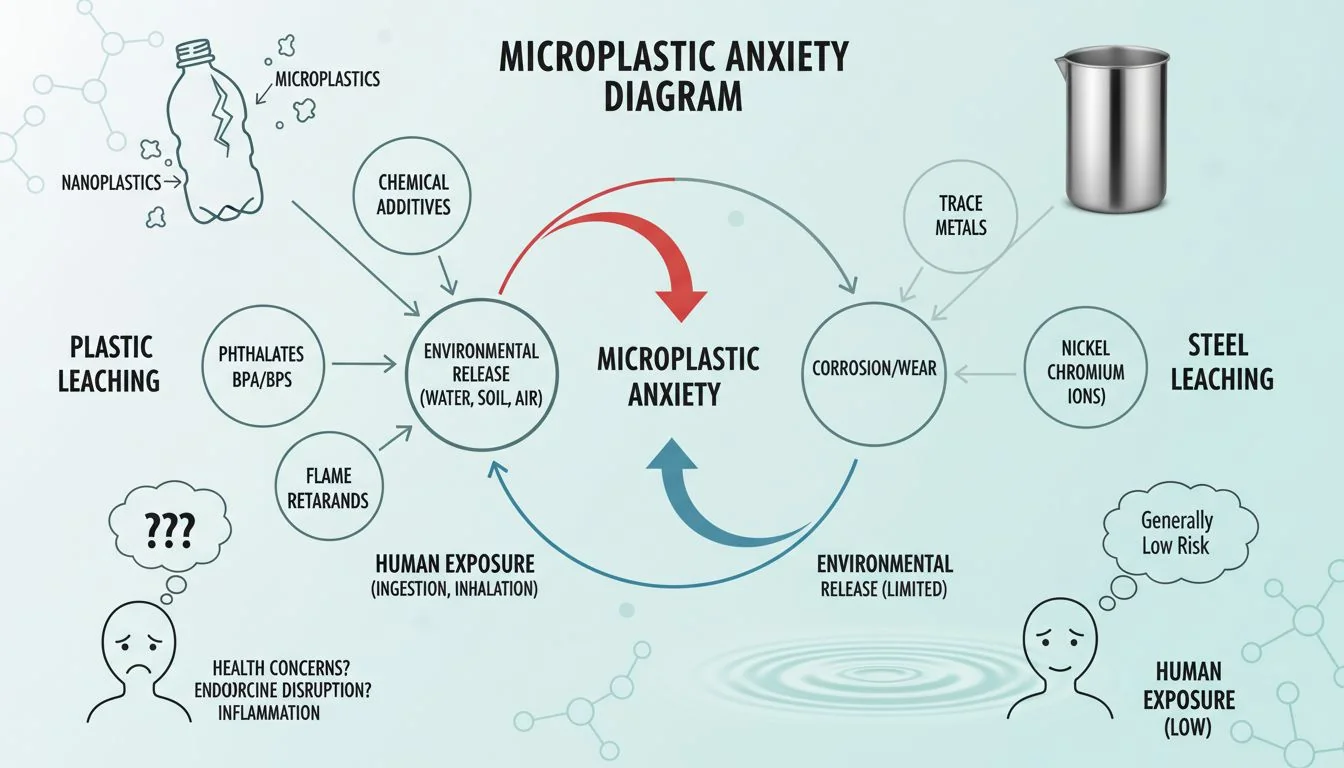
diagram showing chemical leaching in plastic vs steel

I want to talk about a concept called the "Purity Paradox." Wellness brands spend millions marketing clean living. But if they put their water in a plastic tank, they break that promise. As a mold expert, I know that plastic is reactive. It interacts with its environment.

This is where the word "Inert" becomes powerful. In my experience, technical terms can become marketing gold. "Inert" means the material does nothing. It just holds the water. It adds nothing. It takes nothing away. This is exactly what health-conscious buyers want.

There is also the issue of taste. We call this the "Taste Differentiator3." Have you ever drunk water from a plastic bottle left in a warm car? It tastes like plastic. That is off-gassing. Water stored in steel tastes crisp and neutral. For tea and coffee lovers, this "Superior Flavor Integrity" is essential. If you are designing a product for high-end users, you cannot ignore this.

Material Comparison for Wellness Brands

الميزة Plastic (Reactive) Stainless Steel (Inert)
Chemical Interaction High (Leaching risk) None (Stable)
Taste Profile Can become "stale" Remains crisp/neutral
Consumer perception4 Cheap, Temporary Premium, Permanent
Marketing Keyword "BPA-Free" (Defensive) "Inert" (Proactive)

Inert materials actively remove bacteria from water.خطأ

Inert means the material does not react; it does not actively filter or clean, but it prevents contamination from the container itself.

Off-gassing in plastics can alter the flavor profile of water.صحيح

Volatile organic compounds can release from plastics, especially under heat, changing the taste of the water.

How Does Steel Win the Battle Against Biofilm?

We all know the struggle of cleaning a slimy plastic water tank. That slime is Biofilm5. It is a hygiene nightmare for any water product.

Biofilm adheres easily to the microscopic pores and scratches found in plastic containers. Stainless steel offers a smooth, non-porous surface that resists bacterial buildup. This makes the purifier much easier to clean and maintain, solving a major pain point for users concerned about hygiene.
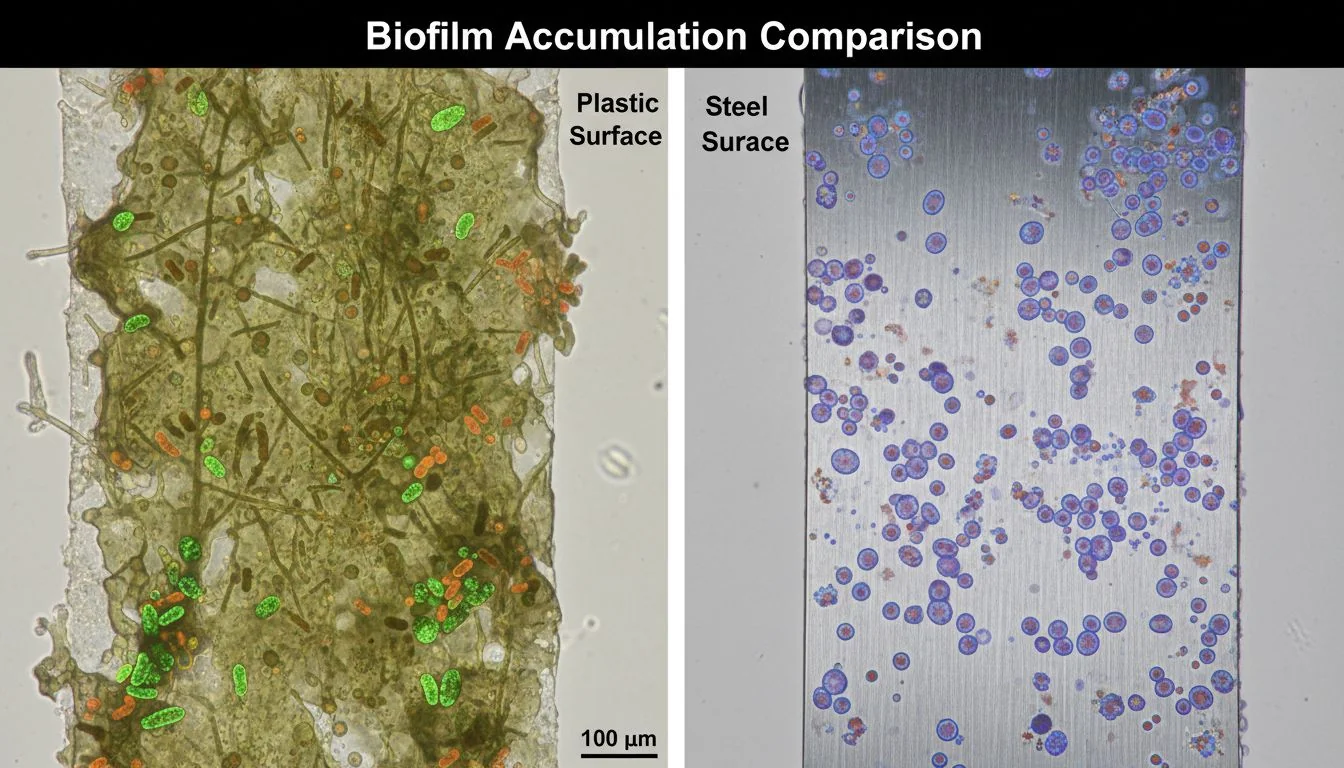
microscopic view of biofilm on plastic vs steel

Let's look at this from a manufacturing perspective. When we injection mold a plastic part, the surface finish is determined by the mold cavity. Over time, however, plastic degrades. It gets micro-scratches from cleaning sponges. These scratches become breeding grounds for bacteria.

Stainless steel is different. It is hard. It can be polished to a mirror finish. This leaves bacteria with nowhere to hide. I call this the "Hygiene Advantage." For a user, the difference is obvious. They wipe the steel, and it is clean. They scrub the plastic, and it still feels slippery.

This is why brands like Hisoair are gaining traction. They position themselves as the "Metal Artisan." Working with steel is hard. You cannot just inject it. You have to deep draw it, weld it, and polish it. It takes real Craftsmanship6. But the result is a product that fights biofilm naturally. If you are designing for longevity and health, steel is the only logical choice.

Hygiene Factors in Design

  1. Surface Hardness: Steel resists scratching; plastic scratches easily.
  2. Porosity: Plastic can be porous; steel is dense.
  3. Cleaning Agents: Steel withstands hot water and harsh cleaners; plastic can warp or degrade.

Micro-scratches in plastic containers promote bacterial growth.صحيح

Scratches provide surface area and shelter for bacteria to colonize and form biofilm.

Stainless steel is easier to injection mold than plastic.خطأ

Stainless steel cannot be injection molded; it requires complex processes like deep drawing and welding.

Can a Water Purifier Be a "Countertop Worthy" Status Symbol?

Think about the last time you saw a plastic pitcher. It was probably hidden inside a fridge. Premium brands want their products to be seen.

Consumers have already accepted stainless steel as a premium material through brands like Yeti and HydroFlask. By using the same material for home purifiers, brands can piggyback on this trend. This transforms the device from a hidden utility into a "countertop worthy" appliance that signals status.

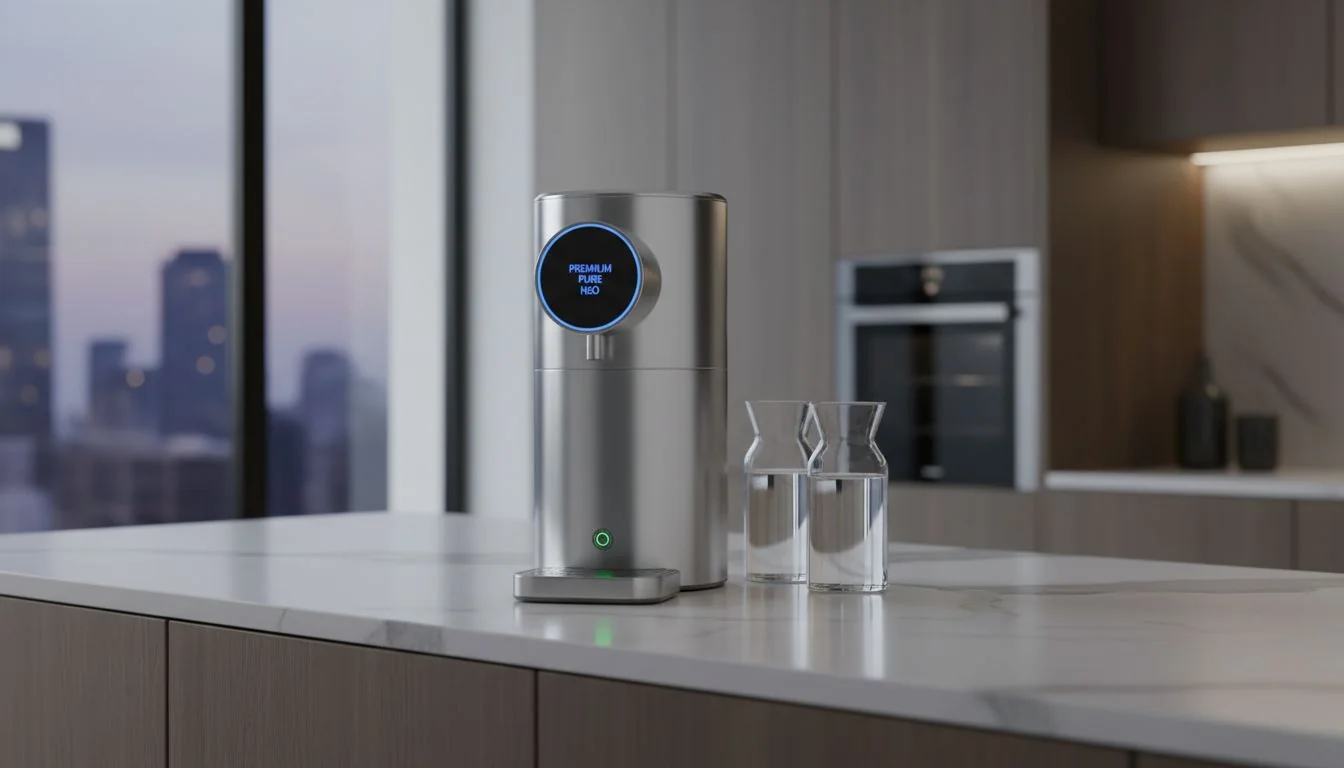
modern kitchen with stainless steel appliances

Designers like us, Jacky, often think about function first. But in the consumer market, aesthetics drive the price. A plastic pitcher sells for $30. It is a commodity. You buy it, use it, and hide it.

A stainless steel system sells for $150 to $400. Why? Because it looks like a high-end appliance. It matches the espresso machine and the sub-zero fridge. By switching materials, you move your client out of the "commodity aisle" and into the "Premium appliance7" category. The margins there are significantly higher.

You do not even need to educate the customer. They already own a $50 water bottle. They believe steel is cleaner and better. You just need to say: "The same premium material as your favorite water bottle, now for your entire home." It is an easy mental bridge for them to cross.

The Value Ladder

  • Level 1: Plastic Pitcher ($30) - Hidden, functional, cheap.
  • Level 2: Glass Pitcher ($60) - Visible, fragile, heavy.
  • Level 3: Stainless Steel System ($300+) - Displayed, durable, premium.

Switching to stainless steel can move a product into a higher price category.صحيح

Premium materials allow brands to position products as appliances rather than disposable commodities, justifying higher margins.

Consumers prefer to hide stainless steel appliances.خطأ

Stainless steel is generally considered aesthetically pleasing and modern, meant to be displayed on countertops.

Is Sustainability the Ultimate Luxury Feature?

We used to design things to break so people would buy them again. That era is ending. Today, المتانة8 is the ultimate form of luxury.

الاستدامة9 is becoming a status symbol. A stainless steel purifier is a "buy it for life" investment, whereas plastic units often crack or degrade within a few years. This durability appeals to eco-conscious consumers who view long-lasting products as a responsible and luxurious choice.
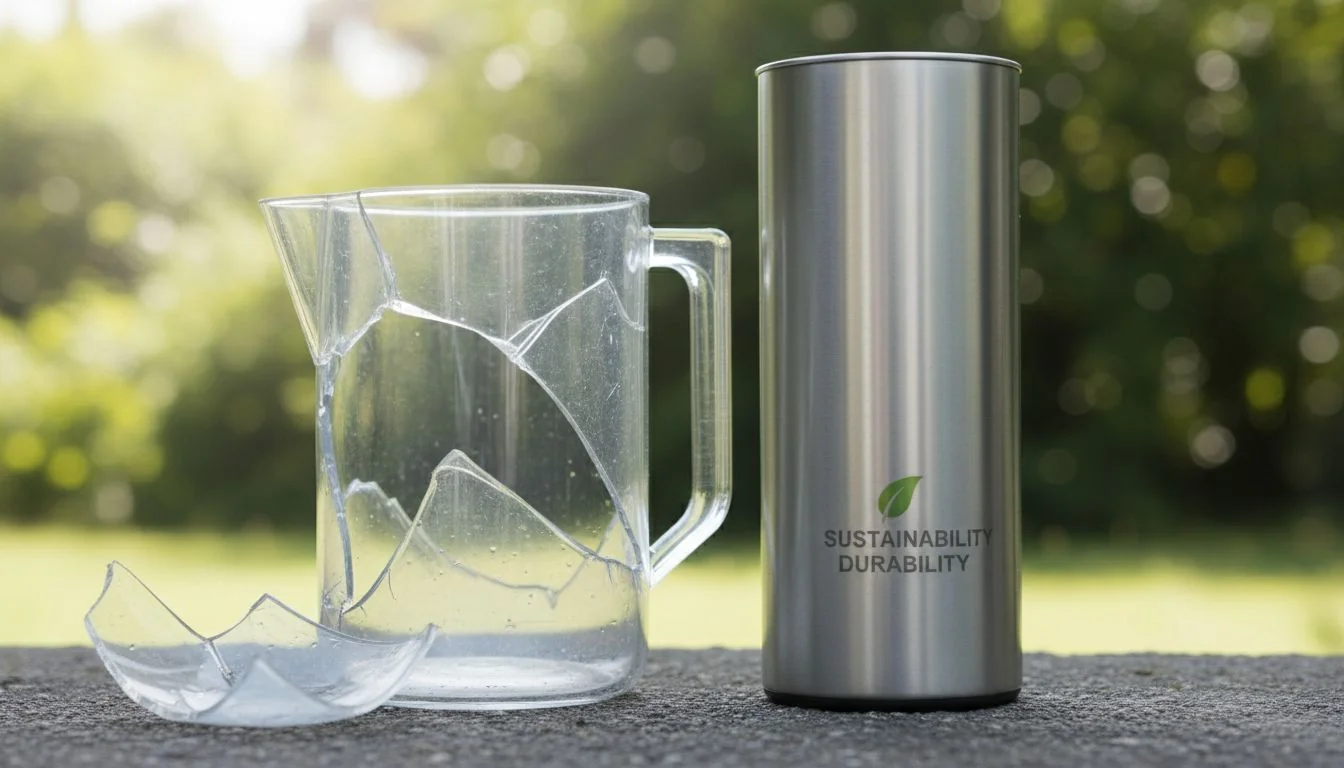
broken plastic pitcher next to durable steel unit

I have seen thousands of molds in my life. I know that plastic has a fatigue limit. It gets brittle with UV exposure and temperature changes. It eventually cracks. When a customer buys a plastic purifier, they know they will replace it.

Stainless steel is different. It is a "forever material." When a brand uses steel, they are making a promise of quality. This is where the manufacturing difficulty becomes a selling point. As I mentioned, Hisoair positions itself as a "Craftsman Manufacturer." Deep drawing steel is an art form. It is much harder than the injection molding we are used to.

But this difficulty is valuable. It creates a barrier to entry. Not every factory can do it. If you partner with a manufacturer who has mastered this, you have a unique story. You are not just selling a filter; you are selling a piece of industrial art that will last for decades. That is true sustainability.

Lifecycle Analysis

  • Plastic: 2-3 years lifespan -> Landfill -> Microplastics.
  • Steel: 20+ years lifespan -> 100% Recyclable -> Circular Economy.

Deep drawing stainless steel is a simple manufacturing process.خطأ

Deep drawing requires precise tooling and high forces, making it significantly more complex than plastic injection molding.

Stainless steel products support a 'buy it for life' philosophy.صحيح

The durability and resistance to degradation of steel allow products to last for decades, reducing waste.

الخاتمة

To win in the wellness market, you must align your hardware with your promise. Stainless steel offers purity, taste, and premium status. It is the clear choice for the future.


References


  1. Explore how stainless steel enhances water purity and taste, making it a preferred choice for health-conscious consumers. ↩

  2. Understand the risks of chemical leaching from plastic and the benefits of using inert materials. ↩

  3. Find out how different materials influence the flavor of water and why stainless steel is superior. ↩

  4. Investigate how branding and material choice shape consumer attitudes towards water purification products. ↩

  5. Understand the hygiene issues related to biofilm in water storage and how stainless steel can mitigate these problems. ↩

  6. Discover how skilled manufacturing processes enhance the quality and appeal of stainless steel products. ↩

  7. Explore the characteristics that elevate kitchen appliances to premium status and the role of materials. ↩

  8. Learn about the long-lasting nature of stainless steel and its advantages over plastic alternatives. ↩

  9. Discover how stainless steel contributes to a sustainable lifestyle by reducing waste and promoting durability. ↩

شارك:
السيد لي مؤسس شركة هيسواير
Alwen Lee, an air purification expert with over 10 years of experience, is a devoted father of two and a passionate traveler, having explored more than 30 countries. With a love for public speaking and swimming, he has dedicated his life to the indoor air quality industry. His mission is to ensure that people around the world enjoy the freedom to breathe clean air and lead happy, healthy lives.

أرسل لنا رسالة

المزيد للقراءة

Modern living room with a family enjoying a healthy indoor environment monitored by smart devices, natural lighting, and greenery.

After IFA 2026: The Healthy Home Is Moving Beyond Smart Devices

In our previous IFA 2026 column, Air Purification Is Becoming Part of the Healthy-Home Platform, we argued that the next generation of indoor-health products would ...
الأخبار
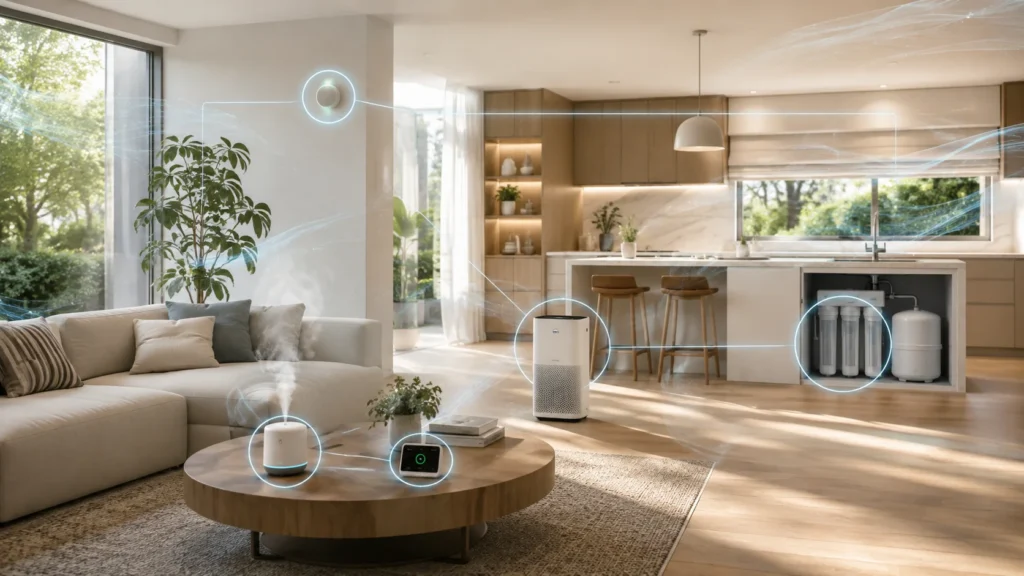
Modern living room and kitchen with smart home air quality devices including an air purifier, humidifier, and water filtration system, connected with visualized blue connectivity lines.

IFA 2026: Air Purification Is Becoming Part of the Healthy-Home Platform

Pre-IFA Industry Perspective | September 4, 2026 This article is based on official announcements and regulatory information available ahead of IFA 2026, which takes place ...
الأخبار
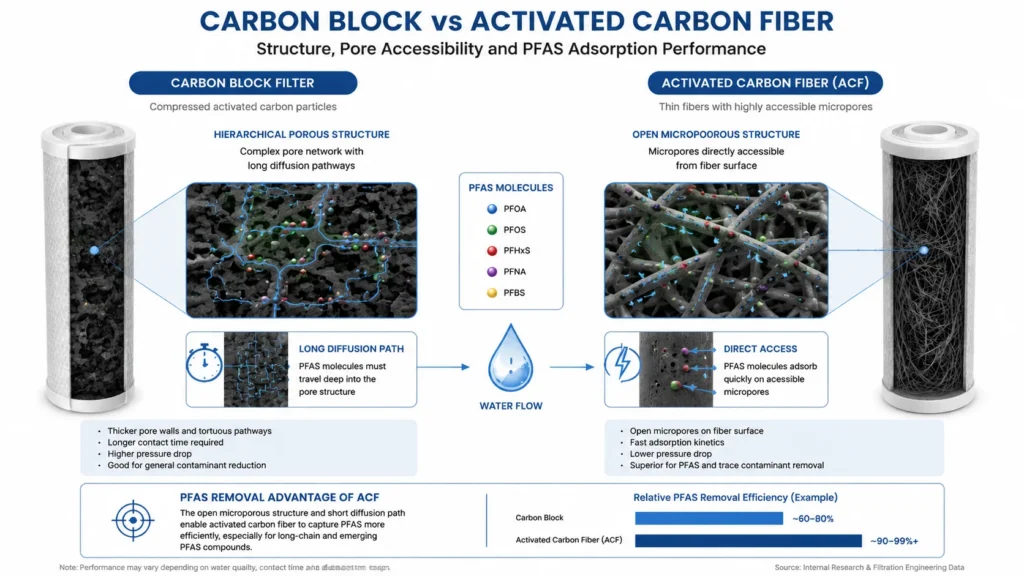
Comparison infographic showcasing the differences between carbon block filter and activated carbon fiber. Detailed diagrams illustrate the hierarchical porous structure of the carbon block with long diffusion paths and the open microporous structure of the activated carbon fiber with direct access for PFAS adsorption.

Carbon Block vs. Activated Carbon Fiber (ACF): Matching Media to Target Contaminants

Two carbon media. Same adsorption chemistry. Very different behaviour in a point-of-use cartridge. If you are specifying a water purifier platform for a PFAS-aware market, ...
الأخبار
Comparison between PFAS-ready and PFAS-certified water filters, showing internal filter components and certification steps.

PFAS-Ready vs. PFAS-Certified Water Filters: Engineering Differences for OEM Brands

For an appliance, wellness or healthy-home brand preparing to launch a water purifier, the phrase “PFAS-ready” can sound reassuring. The proposed system may use activated ...
Water Purifiers
NSF base listing and ANF private-label certification pathway for OEM water filters

What Is an NSF Master Listing? A Guide to Base Listings, ANF Certification and OEM Water Filters

For a brand preparing to launch an OEM water purifier, one of the most common supplier claims is: “We already have an NSF master listing, ...
News, Water Purifiers
Healthy-home brand team reviewing PFAS water filter certification, test data and product engineering

Entering the Water Category Is Easy. Building a Credible PFAS Claim Is Much Harder

For air purification, appliance and healthy-home brands, entering the water category can look surprisingly easy. A company can select an existing undersink system, customize its ...
الأخبار
Contaminant Engineering•3 min read

PFAS Water Filtration Technologies Explained: Carbon, Resin & RO

Key Takeaway:

PFAS reduction depends on the specific compounds present, treatment media, contact time, water chemistry, and system design. Activated carbon, ion exchange, and Reverse Osmosis address PFAS through different mechanisms.

PFAS are a large family of persistent fluorinated compounds that can occur in drinking-water supplies. Their treatment behavior varies significantly by molecular structure, chain length, functional group, concentration, and the chemistry of the source water.

Granular Activated Carbon (GAC) removes PFAS primarily through adsorption. It is generally more effective for many longer-chain PFAS, while shorter-chain compounds tend to break through more quickly. Carbon performance depends on media properties, Empty Bed Contact Time (EBCT), competing organic matter, loading, and replacement frequency.

Ion-exchange resins use charged functional sites to capture many PFAS compounds. Properly selected anion-exchange media can provide high capacity and may perform better than conventional activated carbon for some shorter-chain PFAS, although performance still depends on water chemistry and competing ions.

Reverse Osmosis (RO) uses membrane separation rather than adsorption. Properly designed RO systems can provide broad reduction across many PFAS compounds as well as dissolved salts and other contaminants. Unlike carbon or resin, however, RO also produces a concentrate stream that must be managed.

No single technology should be selected from a PFAS label alone. System design should consider which PFAS compounds are present, their concentrations, required reduction targets, flow rate, media life, and the applicable third-party certification or validation requirements.

HisoAir Water Technical Series
Product Discovery•3 min read

How to Choose an Under-Sink Water Purifier for Modern Kitchens

Key Takeaway:

Match the treatment technology to your water quality first, then evaluate cabinet space, faucet configuration, flow rate, drain and power requirements, and filter replacement needs.

Choosing an under-sink water purifier starts with water chemistry. Carbon filtration is well suited to chlorine, taste, odor, and many organic contaminants, while Reverse Osmosis is more appropriate when dissolved salts, fluoride, nitrates, or broader dissolved contaminants need to be reduced.

For compact kitchens, tankless RO systems eliminate the conventional storage tank and can significantly reduce the space required under the sink. However, membrane capacity stated in GPD does not directly equal faucet flow. When comparing systems, check the actual dispensing flow rate, inlet-pressure requirement, recovery ratio, and whether a booster pump is required.

Installation architecture also matters. Many RO systems require a drain connection, electrical power, and either a dedicated drinking-water faucet or a compatible multi-function faucet. High-flow carbon systems can often connect directly to the existing cold-water line with a simpler installation, but pressure drop and available faucet flow should still be verified.

RO also removes much of the naturally occurring dissolved mineral content. Where taste or mineral balance is a priority, a post-RO remineralization stage can be added. Filter life should be evaluated by both rated capacity and local water quality rather than replacement time alone.

The right system is therefore not simply the smallest or highest-GPD model. It is the configuration that matches the target contaminants, available cabinet space, desired faucet setup, peak dispensing demand, and maintenance expectations.

HisoAir Water Technical Series
Water Quality•2 min read

What Does TDS Mean in Drinking Water? Measurement vs Contaminant Reality

Key Takeaway:

A TDS meter estimates the overall concentration of dissolved ionic substances from electrical conductivity. It cannot identify specific contaminants or determine whether water is chemically safe.

Total Dissolved Solids (TDS) refers to the combined concentration of dissolved substances in water. Most handheld TDS meters do not measure TDS directly. Instead, they measure electrical conductivity (EC) and convert that reading into an estimated parts-per-million (ppm) value.

This means a TDS reading can indicate how much dissolved ionic material is present, but not what that material actually is. Calcium, magnesium, sodium, nitrates, and other dissolved ions can all contribute to conductivity, yet a simple TDS meter cannot distinguish between them.

TDS meters are also not suitable for detecting trace contaminants such as PFAS, many VOCs, pesticides, pharmaceuticals, or disinfection byproducts. These substances may be present at concentrations far below the level needed to noticeably change electrical conductivity.

A low TDS reading therefore does not guarantee safe drinking water, and a higher TDS reading does not automatically indicate contamination. Water-treatment decisions should be based on laboratory testing for specific contaminants of concern rather than TDS alone.

HisoAir Water Technical Series
Technology Selection•2 min read

RO vs UF Water Filtration: Understanding Pore Sizes & Dissolved Minerals

Key Takeaway:

Ultrafiltration can reduce bacteria, turbidity, and suspended particles while retaining most naturally occurring dissolved minerals. Reverse Osmosis provides much broader reduction of dissolved salts and smaller contaminants.

Ultrafiltration (UF) typically uses hollow-fiber membranes with pore sizes in the approximate 0.01–0.1 micron range. These membranes physically retain turbidity, suspended solids, colloids, and many microorganisms while allowing dissolved minerals and salts to remain in the water.

Reverse Osmosis (RO) operates at a much finer separation level. Unlike UF, RO can substantially reduce dissolved ions such as sodium, calcium, fluoride, nitrates, and other contributors to total dissolved solids (TDS). This makes RO more suitable when dissolved-salt reduction is a primary treatment objective.

UF generally requires less system pressure and produces little or no continuous concentrate stream in many point-of-use configurations. RO typically requires greater pressure and produces a reject-water stream, but delivers broader contaminant reduction.

For water with acceptable TDS and mineral content, UF can be a simpler mineral-retaining treatment option. Where dissolved salts, fluoride, nitrates, or broader dissolved contaminants are a concern, RO is generally the more appropriate technology.

HisoAir Water Technical Series
Technology Selection•4 min read

Carbon Block vs Reverse Osmosis: Which Fits Your Need?

Key Takeaway:

Choose RO for dissolved inorganic salts and heavy metals; choose Carbon Block for chemical taste/odor, no wastewater, and high line-pressure flow.

Reverse Osmosis (RO) and Carbon Block filtration represent two fundamentally different treatment methods: membrane separation and adsorption. Understanding these differences helps determine which technology is better suited to a specific water-quality requirement.

Reverse Osmosis uses a semi-permeable membrane with pore sizes of approximately 0.0001 microns. It can significantly reduce dissolved inorganic contaminants such as TDS, fluoride, nitrates, and certain heavy metals. Because water must be forced through the membrane, RO systems require sufficient pressure or a booster pump and generate a concentrated wastewater stream.

Carbon Block filtration relies primarily on adsorption through compressed activated carbon, commonly with nominal pore sizes around 0.5–5 microns. It is highly effective for chlorine, chloramines, VOCs, taste, and odor, while allowing substantially higher direct-flow rates without producing wastewater.

From an operating perspective, Carbon Block systems are generally simpler, require less energy, and avoid the water loss associated with RO. RO involves higher system complexity and operating cost, but provides substantially broader reduction of dissolved contaminants that Carbon Block alone cannot address.

HisoAir Water Technical Series

طلب عرض أسعار