يفتح في علامة تبويب جديدة
حلول مبتكرة لجودة الهواء
شعار هيسو-أير-لوجو
استفسر الآن

أفضل 10 شركات مصنعة لأجهزة تنقية الهواء تقدم خدمات تصنيع المعدات الأصلية/التصنيع حسب الطلب على مستوى العالم

Related Products

مقدمة:مع استمرار الطلب على أجهزة تنقية الهواء في الارتفاع بسبب زيادة تلوث الهواء وتزايد الوعي بجودة الهواء الداخلي، تبحث العديد من الشركات عن مُصنِّعين موثوقين لخدمات مصنعي المعدات الأصلية (OEM) و ODM (الشركة المصنعة للتصميم الأصلي). سواءً كنت علامة تجارية راسخة تتطلع إلى توسيع خط إنتاجك أو شركة جديدة تدخل السوق، فإن الشراكة مع الشركة المصنعة المناسبة أمر بالغ الأهمية.

تلوث الهواء
تلوث الهواء

في هذا الدليل، قمنا بتجميع قائمة بأفضل الشركات المصنعة لأجهزة تنقية الهواء على مستوى العالم التي تقدم خدمات تصنيع المعدات الأصلية/التصنيع حسب الطلب. يتمتع هؤلاء المصنعون بخبرة مثبتة ومرافق حديثة وسجل حافل في تقديم حلول مخصصة لتنقية الهواء مصممة خصيصًا لتلبية احتياجات العلامة التجارية المحددة.

هيسو إير ODM
هيسو إير ODM


1. هيسو إير

لمحة عامة: مع أكثر من 20 عامًا من الخبرة، تُعد شركة HisoAir شركة رائدة في مجال تصنيع أجهزة تنقية الهواء متخصصة في خدمات تصنيع المعدات الأصلية وتصنيع التصميم الأصلي. هيسو إير أصبحت شريكاً موثوقاً للعلامات التجارية العالمية مثل BlueAir و 3M، حيث تقدم حلولاً مخصصة لتنقية الهواء لمختلف القطاعات، بما في ذلك القطاعات الطبية والتجارية والسكنية.

هواء HISO
هواء HISO

نقاط القوة الرئيسية:

  • تقنية إلغاء الديسيبل™ إلغاء الديسيبل: تعمل تقنية HisoAir المملوكة لشركة HisoAir على تقليل الضوضاء بشكل كبير مع الحفاظ على معدل توصيل هواء نظيف مرتفع (CADR). تجعل هذه التقنية أجهزة تنقية الهواء الخاصة بهم مثالية للبيئات الحساسة للضوضاء مثل المدارس والمكاتب.
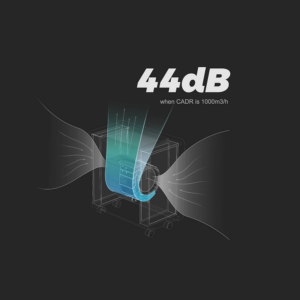
  • خدمة كاملة لتصنيع المعدات الأصلية/التصنيع حسب الطلب: من التصميم الصناعي إلى الإنتاج الضخم، تدعم HisoAir كل مرحلة من مراحل تطوير المنتج.
  • دراسة حالة: نجحت شركة HisoAir في تصنيع أجهزة تنقية هواء متميزة لشركة BlueAir، حيث قدمت حلولاً مصممة خصيصًا تلبي المعايير الدولية الصارمة .

لماذا تختار هيسو إير؟: بالنسبة للعلامات التجارية التي تبحث عن شريك شامل ومبتكر وموثوق به، تقدم شركة HisoAir حلاً شاملاً مع خبرة لا مثيل لها في الحد من الضوضاء وتنقية الهواء عالية الأداء.
العمال
العمال

2. بلو إير (السويد/الصين)

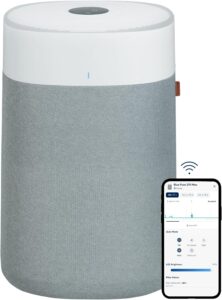
لمحة عامة: تتعاون شركة BlueAir، وهي علامة تجارية معترف بها عالمياً، مع الشركات المصنعة مثل HisoAir لإنتاج أجهزة تنقية هواء عالية الجودة وموفرة للطاقة. تشتهر منتجات BlueAir بأنظمة التنقية المتقدمة، وهي منتجات موثوق بها في جميع أنحاء العالم لتحسين جودة الهواء الداخلي.
نقاط القوة الرئيسية:

  • فلتر HEPA المتقدم: تم تجهيز أجهزة تنقية الهواء BlueAir بفلاتر عالية الأداء تلتقط 99.97% من الملوثات المحمولة في الهواء.
  • التركيز على الاستدامة: تركز عمليات التصنيع الخاصة بهم على كفاءة الطاقة والمواد الصديقة للبيئة.

لماذا تختار BlueAir؟: بصفتها علامة تجارية متميزة، تقدم BlueAir منتجات من الدرجة الأولى وتتعاون مع شركات تصنيع موثوقة مثل HisoAir لضمان جودة ثابتة.

3. هانيويل (الولايات المتحدة/الصين)

لمحة عامة: شركة Honeywell هي شركة رائدة راسخة في مجال تنقية الهواء، ولديها منشآت إنتاج في الصين وحول العالم. وتشتهر أجهزة تنقية الهواء التي تنتجها الشركة بجمعها بين التكنولوجيا المتطورة والبناء المتين.
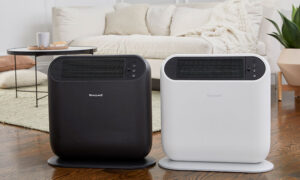
عسل النحل
عسل النحل

نقاط القوة الرئيسية:

  • الوصول العالمي: تسمح سلسلة التوريد العالمية الواسعة لشركة هانيويل بإنتاج وتسليم حلول مخصصة بكفاءة.
  • الترشيح المتقدم: تفي منتجاتها بمعايير السلامة والجودة الصارمة، مما يجعلها خياراً شائعاً للمنازل والشركات على حد سواء.

لماذا تختار هانيويل؟: إذا كنت تبحث عن شريك يتمتع بحضور عالمي قوي وسمعة طيبة فيما يتعلق بالموثوقية، فإن قدرات هانيويل التصنيعية وخبراتها تجعلها الخيار الأمثل.

4. كواي (كوريا الجنوبية)

لمحة عامة: كواي هي شركة رائدة في مجال تكنولوجيا تنقية الهواء، ومعروفة بتركيزها على التصاميم التي تركز على الصحة. وهي تقدم خدمات شاملة لتصنيع المعدات الأصلية، وتزود العلامات التجارية بأجهزة تنقية هواء مبتكرة وعالية الجودة مصممة خصيصاً لتلبية احتياجات محددة.

كواي
كواي

نقاط القوة الرئيسية:

  • التكنولوجيا التي تركز على الصحة: تم تصميم منتجات كواي مع مراعاة الصحة والعافية، مما يجعلها مثالية للمستهلكين الذين يعانون من الحساسية أو الربو.
  • عملية تصنيع مثبتة: تشتهر خدمات تصنيع المعدات الأصلية التي تقدمها الشركة بإنتاج منتجات خالية من العيوب تلبي معايير الجودة العالمية.

لماذا تختار كواي؟: بفضل خبرتها في التصاميم التي تركز على الصحة ومعايير الإنتاج العالية، تُعد كواي شريكًا قويًا للعلامات التجارية التي تعطي الأولوية للصحة.

5. IQAir (سويسرا/الصين)

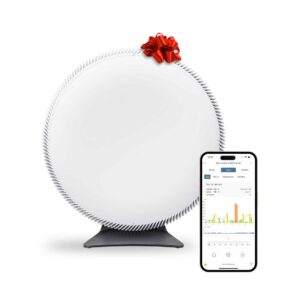
لمحة عامة: تشتهر شركة IQAir بإنتاج أجهزة تنقية هواء فائقة الكفاءة مزودة بتقنية ترشيح متقدمة. تلبي خدمات تصنيع المعدات الأصلية/التصنيع حسب الطلب الخاصة بها احتياجات العلامات التجارية التي تتطلب أنظمة تنقية هواء من الدرجة الطبية.عقير
نقاط القوة الرئيسية:

  • ترشيح من الدرجة الطبية: صُممت أجهزة تنقية الهواء من IQAir لإزالة الجسيمات متناهية الصغر، مما يجعلها مناسبة لبيئات الرعاية الصحية.
  • التصنيع الدقيق: يضمن التزامهم بالجودة أن كل منتج يفي بالمعايير الصارمة لصناعة الرعاية الصحية.

لماذا تختار IQAir؟: إذا كانت علامتك التجارية تحتاج إلى أعلى مستويات تنقية الهواء، خاصةً في البيئات الطبية أو الصناعية، فإن خبرة IQAir في هذا المجال تجعلها شريكًا لا يقدر بثمن.

6. ليفويت (الولايات المتحدة/الصين)

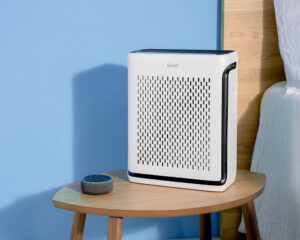
لمحة عامة: Levoit هي علامة تجارية سريعة النمو تقدم أجهزة تنقية هواء صديقة للمستهلك وبأسعار معقولة. تجمع Levoit، التي يقع مركز تصنيعها في الصين، بين القدرة على تحمل التكاليف والأداء الجيد، مما يجعلها خيارًا مفضلاً للعلامات التجارية التي تهتم بالتكلفة.
ليفويت
ليفويت

نقاط القوة الرئيسية:

  • حلول مخصصة بأسعار معقولة: تقدم Levoit خدمات تصنيع المعدات الأصلية بأسعار تنافسية دون التضحية بجودة المنتج.
  • جاذبية السوق الواسعة: تلبي أجهزة تنقية الهواء الخاصة بهم احتياجات مجموعة واسعة من المستهلكين، بدءاً من المشترين المهتمين بالميزانية إلى أولئك الذين يسعون إلى التكامل مع المنزل الذكي.

لماذا تختار ليفويت؟: بالنسبة للعلامات التجارية التي تتطلع إلى تحقيق التوازن بين القدرة على تحمل التكاليف والجودة، توفر قدرات Levoit التصنيعية حلولاً فعالة من حيث التكلفة وعالية الأداء في الوقت نفسه.

7. فيليبس (هولندا/الصين)

لمحة عامة: تقوم شركة Philips، الرائدة عالميًا في مجال التكنولوجيا الصحية، بتصنيع أجهزة تنقية الهواء من خلال شراكات مع أفضل منشآت تصنيع المعدات الأصلية في الصين. تشتهر فيليبس بابتكاراتها وتصميمها، وتوفر مجموعة واسعة من أنظمة تنقية الهواء للاستخدام السكني والتجاري.
نقاط القوة الرئيسية:

  • أحدث التقنيات المتطورة: غالبًا ما تتميز أجهزة تنقية الهواء من Philips بتقنية ذكية لتحسين سهولة الاستخدام.
  • معايير اختبار صارمة: تفي منتجاتها بشهادات الجودة والسلامة الدولية الصارمة.

لماذا تختار Philips؟: إذا كان الابتكار والاعتراف بالعلامة التجارية أمرًا بالغ الأهمية لأعمالك، فإن Philips تقدم شراكة تصنيع قوية مع التركيز على التقنيات المتقدمة.

8. ألين (الولايات المتحدة/الصين)

لمحة عامة: تتخصص شركة Alen في أجهزة تنقية الهواء المتميزة مع ضمانات مدى الحياة. ومع تركيزها على التصميم ورضا العملاء، تلبي منتجاتها احتياجات شريحة السوق الفاخرة.

نقاط القوة الرئيسية:

  • ضمانات مدى الحياة: تقدم ألين ضمانات ممتدة، مما يوفر للمستهلكين راحة البال على المدى الطويل.
  • خيارات التخصيص: تسمح خدمات تصنيع المعدات الأصلية الخاصة بهم بتصميمات وألوان وعلامات تجارية مخصصة.

لماذا تختار ألين؟: بالنسبة للعلامات التجارية التي تتطلع إلى استهداف السوق الراقية، فإن خيارات التخصيص التي تقدمها شركة Alen وتركيزها على المنتجات طويلة الأمد تجعلها شريكًا قويًا.

9. دايكن (اليابان)

لمحة عامة: دايكن هي شركة عالمية رائدة في مجال تكنولوجيا تكييف الهواء وتنقية الهواء. وتشتهر الشركة بإنتاج أجهزة تنقية هواء عالية الجودة وفعالة مع أنظمة تنقية فريدة من نوعها.

نقاط القوة الرئيسية:

  • تصاميم موفرة للطاقة: تشتهر أجهزة تنقية الهواء من دايكن باستهلاكها المنخفض للطاقة، مما يجعلها صديقة للبيئة وفعالة من حيث التكلفة.
  • أداء عالٍ: تفي منتجاتها بالمعايير الدولية لجودة الهواء وهي موثوق بها في كل من الأماكن السكنية والتجارية.

لماذا تختار دايكن؟: بالنسبة للعلامات التجارية التي تركز على كفاءة الطاقة والاستدامة، تقدم دايكن حلولاً متطورة ذات نتائج مثبتة.

10. شاومي (الصين)

لمحة عامة: تشتهر Xiaomi بمجموعتها الواسعة من الأجهزة الإلكترونية الاستهلاكية، كما أنها تقدم أيضًا تصنيع أجهزة تنقية الهواء من OEM. أجهزتها متوافقة مع المنزل الذكي وتلبي احتياجات المستهلكين البارعين في مجال التكنولوجيا.

نقاط القوة الرئيسية:

  • التكنولوجيا الذكية: تندمج أجهزة تنقية الهواء من Xiaomi بسلاسة مع نظامها الأوسع للأجهزة الذكية.
  • الإنتاج الضخم الميسور التكلفة: تتيح قدرات الإنتاج واسعة النطاق التي تتمتع بها شاومي أسعارًا معقولة، مما يجعلها خيارًا تنافسيًا للعلامات التجارية التي تدخل السوق.

لماذا تختار Xiaomi؟: بالنسبة للعلامات التجارية التي تسعى إلى إنتاج كميات كبيرة بتكلفة معقولة مع أحدث التقنيات الذكية، تعتبر شاومي شريكًا مثاليًا.

الخلاصة:

يعد اختيار الشريك المناسب من مصنعي المعدات الأصلية/مصنعي المعدات الأصلية أمرًا بالغ الأهمية لنجاح علامتك التجارية الخاصة بتنقية الهواء. تقدم كل من الشركات المصنعة المدرجة هنا نقاط قوة فريدة من نوعها يمكنها تلبية احتياجات السوق المختلفة. سواءً كنت تبحث عن الابتكار أو القدرة على تحمل التكاليف أو الميزات المتميزة، فإن العمل مع مصنع موثوق به وذو خبرة سيساعدك على تقديم منتجات عالية الجودة تلبي توقعات عملائك.
شارك:
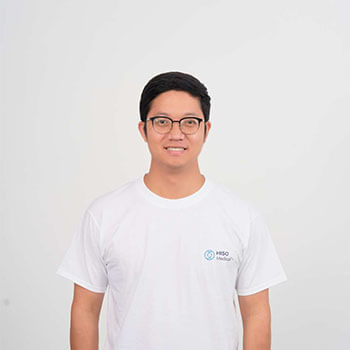
السيد لي مؤسس شركة هيسواير
Alwen Lee, an air purification expert with over 10 years of experience, is a devoted father of two and a passionate traveler, having explored more than 30 countries. With a love for public speaking and swimming, he has dedicated his life to the indoor air quality industry. His mission is to ensure that people around the world enjoy the freedom to breathe clean air and lead happy, healthy lives.

أرسل لنا رسالة

Related Products

المزيد للقراءة

A modern office room with a gray wall-mounted air purifier, large wooden desk, office chairs, indoor plants, and glass windows offering a city view.

Luftreiniger gegen Staub: HEPA-Luftreinigung für Büro, Gewerbe und Industrie

Kurz gesagt: Ein Luftreiniger entfernt Staub aus der Luft – nicht vom Schreibtisch. Er reduziert die Konzentration schwebender Partikel und damit auch die Menge an ...
Air purifier, Filter
Featured image for How to launch a private label wellness product in the US

How to launch a private label wellness product in the US

Stand out in the US wellness market! Partner with innovators for unique products and tap into a booming industry. Start your launch today!
AI Trends, Air purifier
wall mounted air purifier ha380 6

DIY vs. Commercial: Ceiling Purifier vs. Wall-Mounted Purifier

Indoor air quality has become a global concern for both individuals and organizations. Whether at home, in offices, or in public facilities, the need for ...
جهاز تنقية الهواء
air purifier ha2553

The Strategic Guide to Home Air Purification: A Room-by-Room Analysis

In an era where indoor living dominates our daily routines, the quality of the air we breathe within our homes has become a paramount concern. ...
جهاز تنقية الهواء
جهاز تنقية الهواء للتهوية hv 100

Wall-Mounted Purifier vs HVAC for Indoor Air Quality

Indoor air quality isn’t a nice-to-have—it’s daily infrastructure. Wildfire smoke, urban PM2.5, and indoor sources from cooking to cleaners now make clean air a baseline ...
جهاز تنقية الهواء
ha180 bedroom

Wall-Mounted Air Purifiers: Best Choice for Apartments

Save space and breathe cleaner air with wall-mounted air purifiers. Perfect for apartments, they reduce odors, dust, and allergens for healthier living. The rise of ...
جهاز تنقية الهواء
Contaminant Engineering•3 min read

PFAS Water Filtration Technologies Explained: Carbon, Resin & RO

Key Takeaway:

PFAS reduction depends on the specific compounds present, treatment media, contact time, water chemistry, and system design. Activated carbon, ion exchange, and Reverse Osmosis address PFAS through different mechanisms.

PFAS are a large family of persistent fluorinated compounds that can occur in drinking-water supplies. Their treatment behavior varies significantly by molecular structure, chain length, functional group, concentration, and the chemistry of the source water.

Granular Activated Carbon (GAC) removes PFAS primarily through adsorption. It is generally more effective for many longer-chain PFAS, while shorter-chain compounds tend to break through more quickly. Carbon performance depends on media properties, Empty Bed Contact Time (EBCT), competing organic matter, loading, and replacement frequency.

Ion-exchange resins use charged functional sites to capture many PFAS compounds. Properly selected anion-exchange media can provide high capacity and may perform better than conventional activated carbon for some shorter-chain PFAS, although performance still depends on water chemistry and competing ions.

Reverse Osmosis (RO) uses membrane separation rather than adsorption. Properly designed RO systems can provide broad reduction across many PFAS compounds as well as dissolved salts and other contaminants. Unlike carbon or resin, however, RO also produces a concentrate stream that must be managed.

No single technology should be selected from a PFAS label alone. System design should consider which PFAS compounds are present, their concentrations, required reduction targets, flow rate, media life, and the applicable third-party certification or validation requirements.

HisoAir Water Technical Series
Product Discovery•3 min read

How to Choose an Under-Sink Water Purifier for Modern Kitchens

Key Takeaway:

Match the treatment technology to your water quality first, then evaluate cabinet space, faucet configuration, flow rate, drain and power requirements, and filter replacement needs.

Choosing an under-sink water purifier starts with water chemistry. Carbon filtration is well suited to chlorine, taste, odor, and many organic contaminants, while Reverse Osmosis is more appropriate when dissolved salts, fluoride, nitrates, or broader dissolved contaminants need to be reduced.

For compact kitchens, tankless RO systems eliminate the conventional storage tank and can significantly reduce the space required under the sink. However, membrane capacity stated in GPD does not directly equal faucet flow. When comparing systems, check the actual dispensing flow rate, inlet-pressure requirement, recovery ratio, and whether a booster pump is required.

Installation architecture also matters. Many RO systems require a drain connection, electrical power, and either a dedicated drinking-water faucet or a compatible multi-function faucet. High-flow carbon systems can often connect directly to the existing cold-water line with a simpler installation, but pressure drop and available faucet flow should still be verified.

RO also removes much of the naturally occurring dissolved mineral content. Where taste or mineral balance is a priority, a post-RO remineralization stage can be added. Filter life should be evaluated by both rated capacity and local water quality rather than replacement time alone.

The right system is therefore not simply the smallest or highest-GPD model. It is the configuration that matches the target contaminants, available cabinet space, desired faucet setup, peak dispensing demand, and maintenance expectations.

HisoAir Water Technical Series
Water Quality•2 min read

What Does TDS Mean in Drinking Water? Measurement vs Contaminant Reality

Key Takeaway:

A TDS meter estimates the overall concentration of dissolved ionic substances from electrical conductivity. It cannot identify specific contaminants or determine whether water is chemically safe.

Total Dissolved Solids (TDS) refers to the combined concentration of dissolved substances in water. Most handheld TDS meters do not measure TDS directly. Instead, they measure electrical conductivity (EC) and convert that reading into an estimated parts-per-million (ppm) value.

This means a TDS reading can indicate how much dissolved ionic material is present, but not what that material actually is. Calcium, magnesium, sodium, nitrates, and other dissolved ions can all contribute to conductivity, yet a simple TDS meter cannot distinguish between them.

TDS meters are also not suitable for detecting trace contaminants such as PFAS, many VOCs, pesticides, pharmaceuticals, or disinfection byproducts. These substances may be present at concentrations far below the level needed to noticeably change electrical conductivity.

A low TDS reading therefore does not guarantee safe drinking water, and a higher TDS reading does not automatically indicate contamination. Water-treatment decisions should be based on laboratory testing for specific contaminants of concern rather than TDS alone.

HisoAir Water Technical Series
Technology Selection•2 min read

RO vs UF Water Filtration: Understanding Pore Sizes & Dissolved Minerals

Key Takeaway:

Ultrafiltration can reduce bacteria, turbidity, and suspended particles while retaining most naturally occurring dissolved minerals. Reverse Osmosis provides much broader reduction of dissolved salts and smaller contaminants.

Ultrafiltration (UF) typically uses hollow-fiber membranes with pore sizes in the approximate 0.01–0.1 micron range. These membranes physically retain turbidity, suspended solids, colloids, and many microorganisms while allowing dissolved minerals and salts to remain in the water.

Reverse Osmosis (RO) operates at a much finer separation level. Unlike UF, RO can substantially reduce dissolved ions such as sodium, calcium, fluoride, nitrates, and other contributors to total dissolved solids (TDS). This makes RO more suitable when dissolved-salt reduction is a primary treatment objective.

UF generally requires less system pressure and produces little or no continuous concentrate stream in many point-of-use configurations. RO typically requires greater pressure and produces a reject-water stream, but delivers broader contaminant reduction.

For water with acceptable TDS and mineral content, UF can be a simpler mineral-retaining treatment option. Where dissolved salts, fluoride, nitrates, or broader dissolved contaminants are a concern, RO is generally the more appropriate technology.

HisoAir Water Technical Series
Technology Selection•4 min read

Carbon Block vs Reverse Osmosis: Which Fits Your Need?

Key Takeaway:

Choose RO for dissolved inorganic salts and heavy metals; choose Carbon Block for chemical taste/odor, no wastewater, and high line-pressure flow.

Reverse Osmosis (RO) and Carbon Block filtration represent two fundamentally different treatment methods: membrane separation and adsorption. Understanding these differences helps determine which technology is better suited to a specific water-quality requirement.

Reverse Osmosis uses a semi-permeable membrane with pore sizes of approximately 0.0001 microns. It can significantly reduce dissolved inorganic contaminants such as TDS, fluoride, nitrates, and certain heavy metals. Because water must be forced through the membrane, RO systems require sufficient pressure or a booster pump and generate a concentrated wastewater stream.

Carbon Block filtration relies primarily on adsorption through compressed activated carbon, commonly with nominal pore sizes around 0.5–5 microns. It is highly effective for chlorine, chloramines, VOCs, taste, and odor, while allowing substantially higher direct-flow rates without producing wastewater.

From an operating perspective, Carbon Block systems are generally simpler, require less energy, and avoid the water loss associated with RO. RO involves higher system complexity and operating cost, but provides substantially broader reduction of dissolved contaminants that Carbon Block alone cannot address.

HisoAir Water Technical Series

طلب عرض أسعار