
يفتح في علامة تبويب جديدة
حلول مبتكرة لجودة الهواء
شعار هيسو-أير-لوجو
استفسر الآن

How Humidifiers and Air Purifiers Work Together to Improve Indoor Air Quality?

Related Products

Have you ever wondered if using a humidifier and an air purifier simultaneously improves or worsens your indoor air quality?

Initially, I believed using both would solve my problems with dry, dusty air. Surprisingly, I discovered that the type of humidifier matters greatly. Understanding how these two devices interact can significantly impact your home's comfort and health.

Why Humidifiers Affect Air Purifiers

Humidifiers introduce moisture into your home, helping to prevent dry skin, throat irritation, and respiratory issues. However, some types of humidifiers can inadvertently degrade indoor air quality by emitting fine particles, especially when using tap water. These particles can overwhelm an air purifier, causing it to indicate poor air quality despite operating normally.

My first experience was alarming: my ultrasonic humidifier triggered the red alert on my air purifier’s sensor. It wasn't malfunctioning—my humidifier was releasing tiny mineral particles due to using tap water.
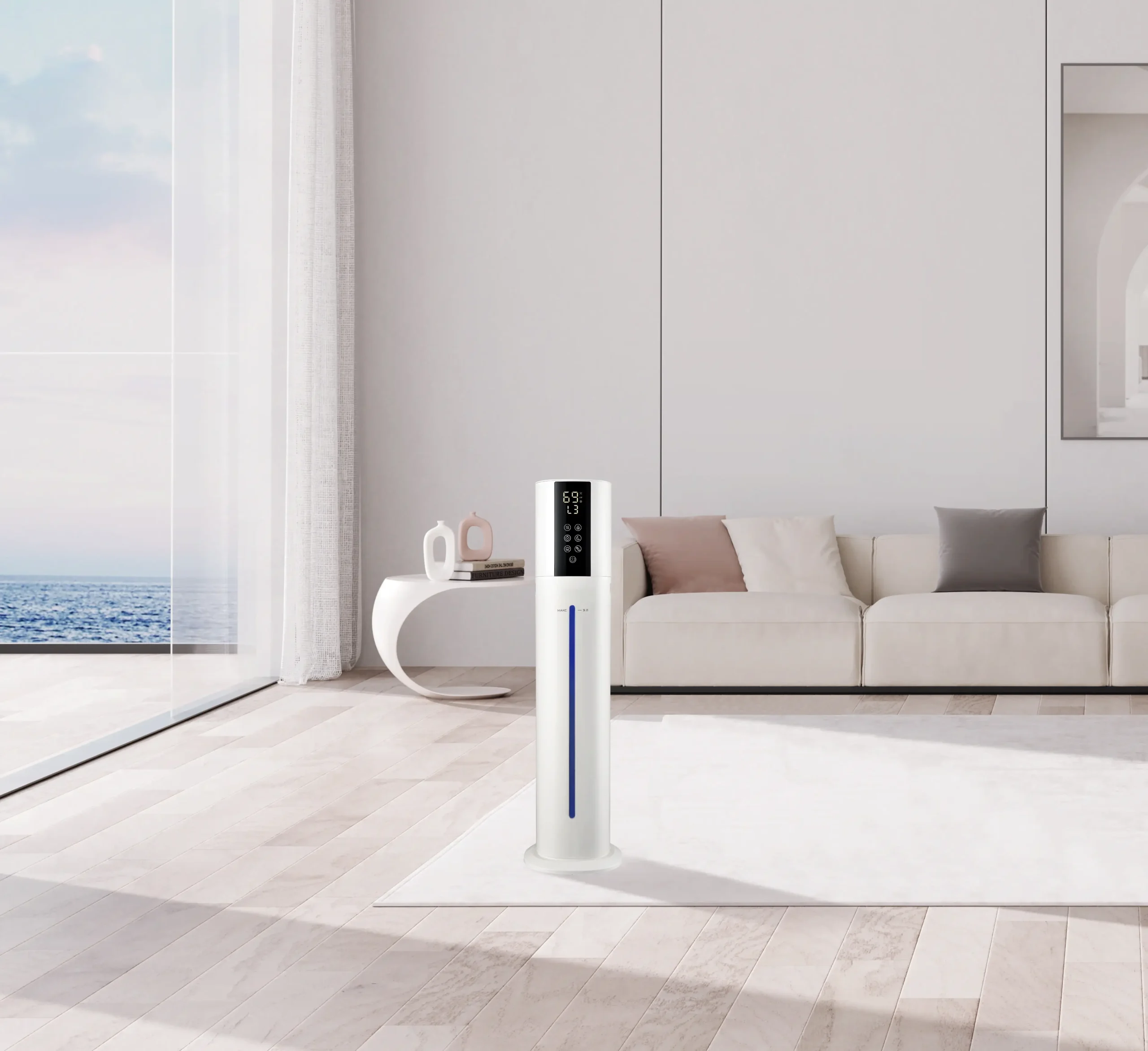
hm2310
HisoAir - Cool & Warm Mist Humidifier with Air Diffuser HM-D2310

Choosing the Right Humidifier Type

Understanding the differences between humidifier types is essential for maintaining healthy indoor air quality, especially when pairing one with an air purifier.

1. Ultrasonic Humidifiers

Pros:

  • Very quiet operation
  • Energy-efficient, low power consumption
  • Compact size, suitable for small spaces
  • Quickly raises humidity levels
  • Generally more affordable initially

Cons:

  • Can emit mineral dust particles when using tap water, impacting air quality
  • May overload air purifiers by introducing additional airborne particles
  • Higher risk of bacterial and mold growth if not regularly cleaned
  • Requires distilled or purified water for best results, increasing operational costs
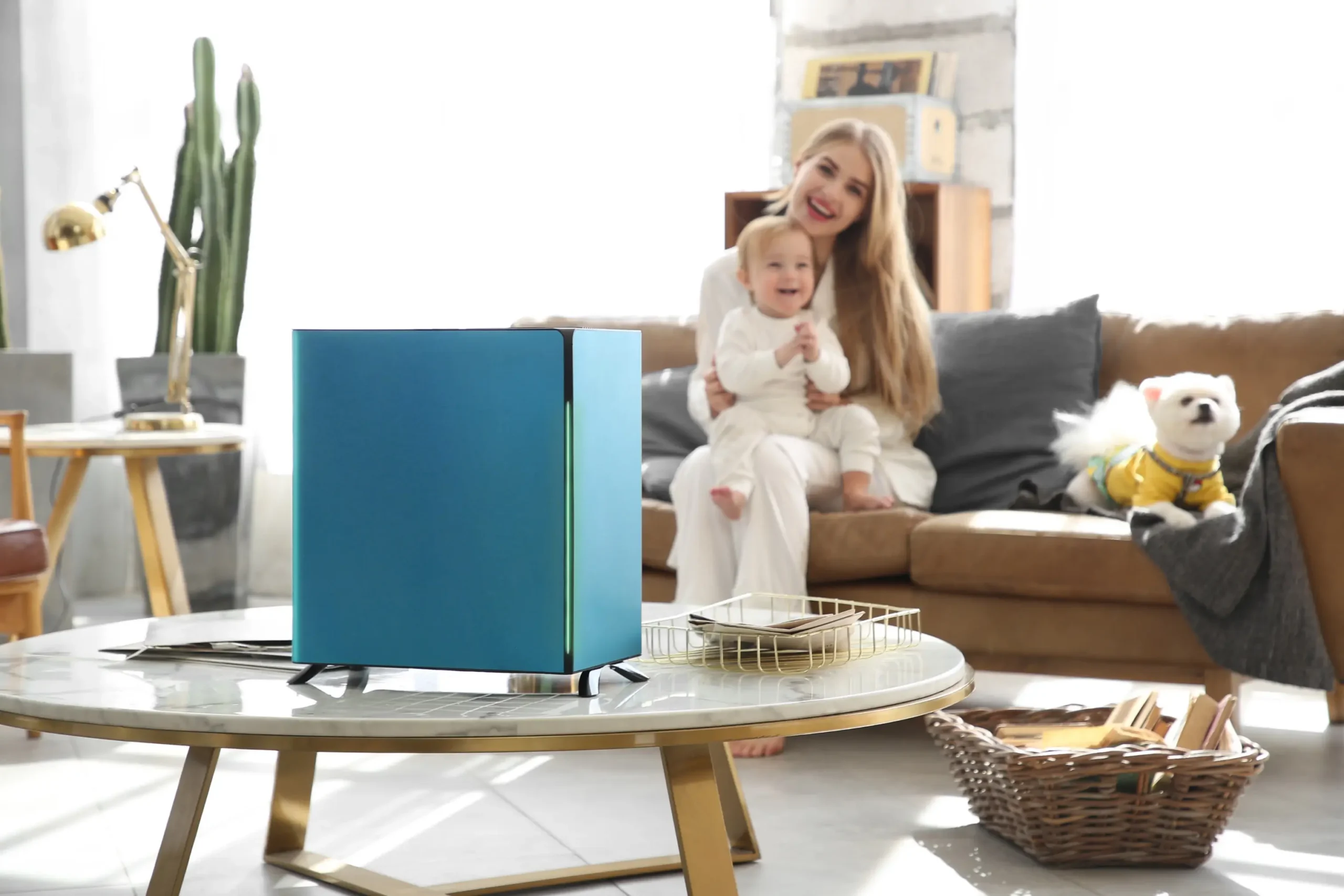
ha m400
HisoAir - Fog-free Humidifier and Air Purifier Combo HA-M400

2. Evaporative Humidifiers

Pros:

  • Does not release harmful particles, ideal for pairing with air purifiers
  • Prevents mineral dust and maintains cleaner indoor air
  • Provides more natural humidity regulation, reducing risk of over-humidification
  • Safer and healthier for people with asthma or allergies
  • Easier general maintenance, typically involving simple filter replacement or cleaning

Cons:

  • Operates louder due to built-in fans
  • Humidifies air more gradually, slower humidity adjustments
  • Usually bulkier, occupying more space
  • Requires periodic filter replacement, incurring ongoing maintenance costs

After my initial mistake, switching to an evaporative humidifier dramatically improved the situation. These humidifiers introduce moisture through evaporation rather than mechanical dispersion, significantly reducing unwanted particles in the air.
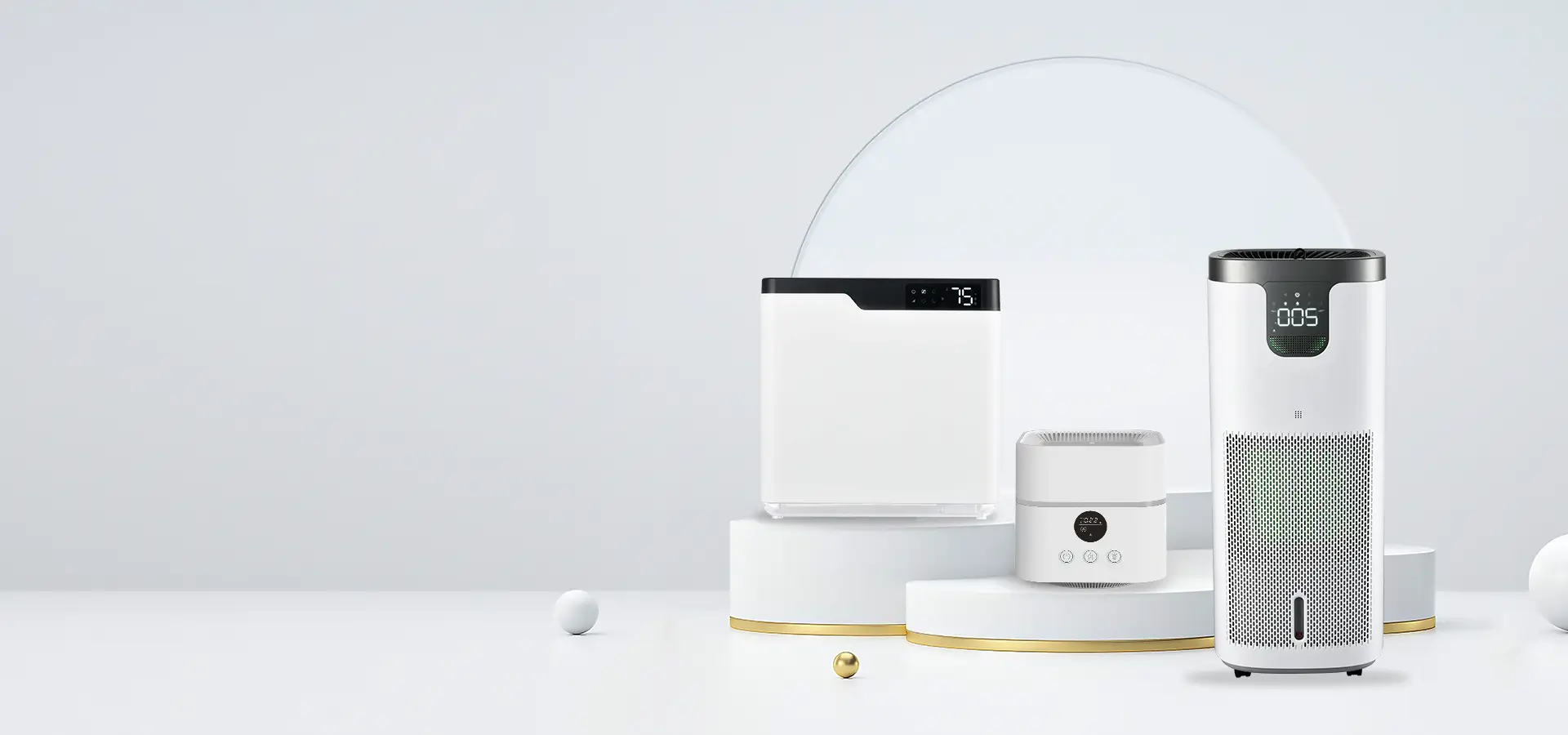
3in1
HisoAir 3-in-1 Air purifier & Humidifier & Diffuser

هل يمكن أن تتسبب أجهزة ترطيب الهواء في نمو العفن في أجهزة تنقية الهواء؟

Another potential issue arises from the moisture humidifiers add to the air—mold growth. Excess humidity creates ideal conditions for mold, especially within air purifier filters. Mold exposure can cause allergic reactions, respiratory problems, and worsen asthma.

How to prevent mold:

  • Choose evaporative humidifiers, as they naturally maintain balanced humidity levels.
  • Regularly maintain and clean your humidifier and air purifier filters.
  • Ensure proper ventilation and monitor humidity levels, aiming for 30%-50%.

الآثار الصحية المترتبة على رداءة جودة الهواء الداخلي

Indoor air quality directly impacts your health. Poor air can lead to serious issues like asthma, allergies, and even long-term illnesses such as heart disease or lung cancer. Recognizing common pollutants helps you manage these risks effectively.

Common indoor air pollutants include:

  • Mold and moisture
  • Dust mites from bedding or furniture
  • وبر الحيوانات الأليفة
  • Volatile Organic Compounds (VOCs) from household products and paints

Long-term exposure risks:

  • Respiratory conditions (e.g., asthma, COPD)
  • Cardiovascular diseases
  • Increased risk of cancer (due to carcinogenic VOCs like formaldehyde)

Practical Solutions for Cleaner Air:

  • Improve ventilation by regularly opening windows or installing exhaust fans.
  • Regularly use an air purifier to remove pollutants.
  • Choose low-VOC cleaning products and materials.
  • Regularly clean and maintain your humidifier and air purifier.
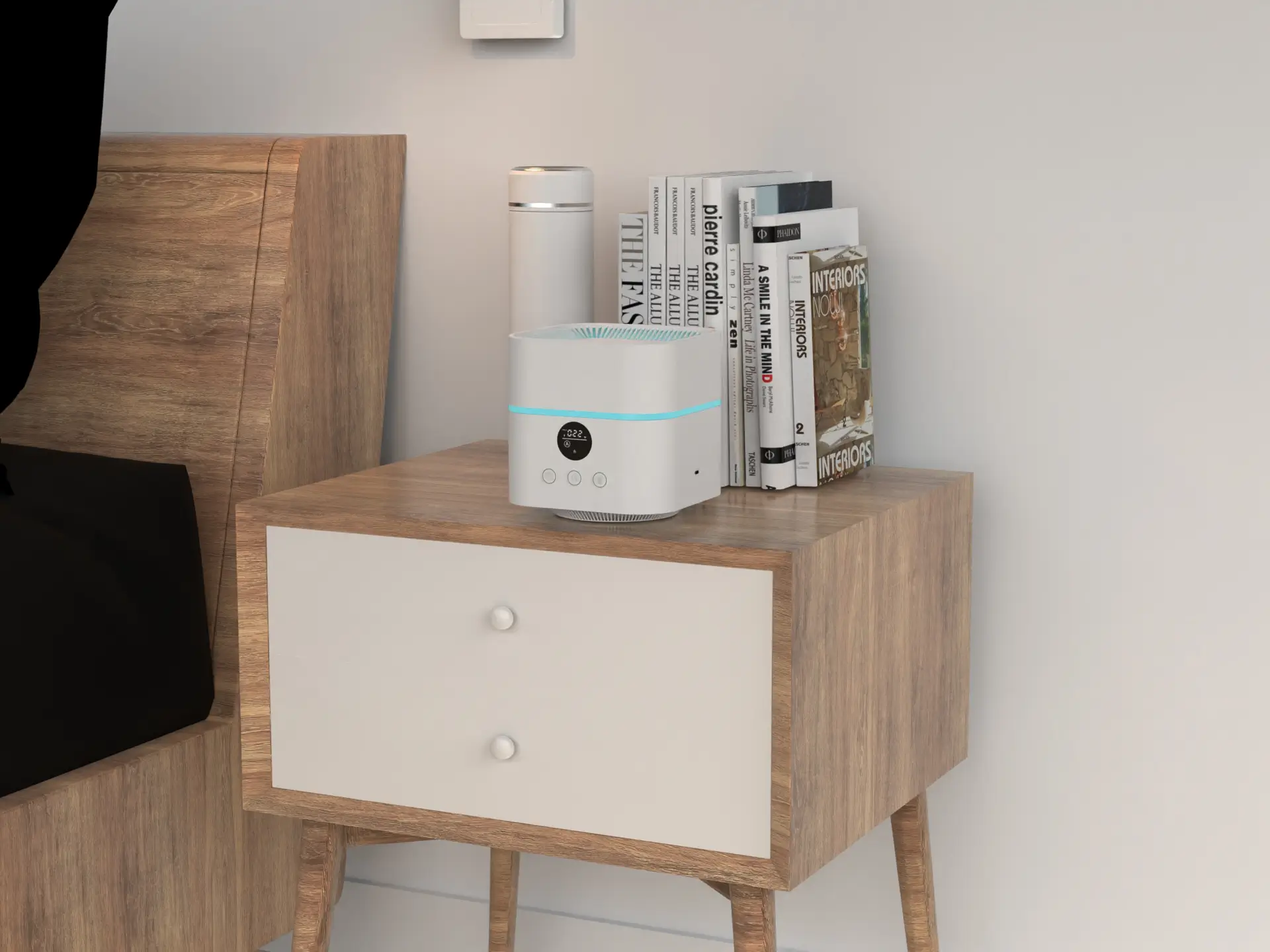
3 in 1 air purifier & humidifier & diffuser ha m18d
HisoAir - 3-in-1 Air Purifier & Humidifier & Diffuser HA-M18D

Are Combined Air Purifier and Humidifier Units Worth It?

As technology advances, combined air purifier-humidifier units have become popular. These devices conveniently manage air quality and humidity simultaneously. But are they suitable for everyone?

Advantages of Combined Units:

  • Space-saving design suitable for smaller homes.
  • Integrated functionality for easier maintenance.
  • Smart sensors that automatically adjust based on air quality and humidity levels (advanced models like HisoAir).

Potential Challenges:

  • Higher initial cost compared to separate devices.
  • Complex maintenance, as cleaning combined units can be more involved.
  • Potentially reduced performance compared to specialized, standalone devices.

Consider your home environment, maintenance commitment, and budget when making a decision. If convenience and space-saving are priorities, a combined unit could be ideal.

Emerging Trends and Innovations

Innovative technologies like المستشعرات الذكية, automated settingsو AI-driven adjustments are rapidly transforming how we manage home air quality. Companies like هيسو إير now offer integrated solutions that intelligently balance air purification and humidity control, minimizing the disadvantages of traditional humidifiers.

Quick Maintenance Tips for Optimal Air Quality

  • Regularly clean and dry humidifiers and purifier filters.
  • Use distilled or filtered water in ultrasonic humidifiers to reduce particle emission.
  • Routinely check humidity levels and adjust device settings accordingly.

الخاتمة

Humidifiers and air purifiers can complement each other effectively—but only when you understand how they interact. Evaporative humidifiers stand out as a healthier choice, avoiding particle emissions that negatively impact air purifiers. Combined air purifier-humidifier units offer convenience but require thoughtful consideration regarding maintenance and cost. By making informed choices, you ensure your home stays comfortable, healthy, and free of unwanted pollutants or mold growth.

شارك:
السيد لي مؤسس شركة هيسواير
Alwen Lee, an air purification expert with over 10 years of experience, is a devoted father of two and a passionate traveler, having explored more than 30 countries. With a love for public speaking and swimming, he has dedicated his life to the indoor air quality industry. His mission is to ensure that people around the world enjoy the freedom to breathe clean air and lead happy, healthy lives.

أرسل لنا رسالة

المزيد للقراءة

A modern office room with a gray wall-mounted air purifier, large wooden desk, office chairs, indoor plants, and glass windows offering a city view.

Luftreiniger gegen Staub: HEPA-Luftreinigung für Büro, Gewerbe und Industrie

Kurz gesagt: Ein Luftreiniger entfernt Staub aus der Luft – nicht vom Schreibtisch. Er reduziert die Konzentration schwebender Partikel und damit auch die Menge an ...
Air purifier, Filter
Featured image for What are innovative home wellness products for D2C brands?

What are innovative home wellness products for D2C brands?

Discover AIoT-driven home wellness products. Stand out & boost profit with unique, smart solutions for D2C brands.
Humidifier, News
Featured image for Why Stainless Steel Humidifier Tanks Are Becoming the Gold Standard in Premium Wellness Hardware?

Why Stainless Steel Humidifier Tanks Are Becoming the Gold Standard in Premium Wellness Hardware?

Choose stainless steel for your humidifier. Enjoy luxury, hygiene, and safety over plastic. Discover why it's the premium wellness choice today.
AI Trends, Humidifier, News
Featured image for How to launch a private label wellness product in the US

How to launch a private label wellness product in the US

Stand out in the US wellness market! Partner with innovators for unique products and tap into a booming industry. Start your launch today!
AI Trends, Air purifier
wall mounted air purifier ha380 6

DIY vs. Commercial: Ceiling Purifier vs. Wall-Mounted Purifier

Indoor air quality has become a global concern for both individuals and organizations. Whether at home, in offices, or in public facilities, the need for ...
جهاز تنقية الهواء
dreo humidifier 6

Why Foshan, China Has Become the Global Hub for Humidifier Manufacturing

Discover why top brands choose Foshan for cost-effective, innovative humidifiers. Boost quality and speed up your product launch today!
Humidifier, News
Contaminant Engineering•3 min read

PFAS Water Filtration Technologies Explained: Carbon, Resin & RO

Key Takeaway:

PFAS reduction depends on the specific compounds present, treatment media, contact time, water chemistry, and system design. Activated carbon, ion exchange, and Reverse Osmosis address PFAS through different mechanisms.

PFAS are a large family of persistent fluorinated compounds that can occur in drinking-water supplies. Their treatment behavior varies significantly by molecular structure, chain length, functional group, concentration, and the chemistry of the source water.

Granular Activated Carbon (GAC) removes PFAS primarily through adsorption. It is generally more effective for many longer-chain PFAS, while shorter-chain compounds tend to break through more quickly. Carbon performance depends on media properties, Empty Bed Contact Time (EBCT), competing organic matter, loading, and replacement frequency.

Ion-exchange resins use charged functional sites to capture many PFAS compounds. Properly selected anion-exchange media can provide high capacity and may perform better than conventional activated carbon for some shorter-chain PFAS, although performance still depends on water chemistry and competing ions.

Reverse Osmosis (RO) uses membrane separation rather than adsorption. Properly designed RO systems can provide broad reduction across many PFAS compounds as well as dissolved salts and other contaminants. Unlike carbon or resin, however, RO also produces a concentrate stream that must be managed.

No single technology should be selected from a PFAS label alone. System design should consider which PFAS compounds are present, their concentrations, required reduction targets, flow rate, media life, and the applicable third-party certification or validation requirements.

HisoAir Water Technical Series
Product Discovery•3 min read

How to Choose an Under-Sink Water Purifier for Modern Kitchens

Key Takeaway:

Match the treatment technology to your water quality first, then evaluate cabinet space, faucet configuration, flow rate, drain and power requirements, and filter replacement needs.

Choosing an under-sink water purifier starts with water chemistry. Carbon filtration is well suited to chlorine, taste, odor, and many organic contaminants, while Reverse Osmosis is more appropriate when dissolved salts, fluoride, nitrates, or broader dissolved contaminants need to be reduced.

For compact kitchens, tankless RO systems eliminate the conventional storage tank and can significantly reduce the space required under the sink. However, membrane capacity stated in GPD does not directly equal faucet flow. When comparing systems, check the actual dispensing flow rate, inlet-pressure requirement, recovery ratio, and whether a booster pump is required.

Installation architecture also matters. Many RO systems require a drain connection, electrical power, and either a dedicated drinking-water faucet or a compatible multi-function faucet. High-flow carbon systems can often connect directly to the existing cold-water line with a simpler installation, but pressure drop and available faucet flow should still be verified.

RO also removes much of the naturally occurring dissolved mineral content. Where taste or mineral balance is a priority, a post-RO remineralization stage can be added. Filter life should be evaluated by both rated capacity and local water quality rather than replacement time alone.

The right system is therefore not simply the smallest or highest-GPD model. It is the configuration that matches the target contaminants, available cabinet space, desired faucet setup, peak dispensing demand, and maintenance expectations.

HisoAir Water Technical Series
Water Quality•2 min read

What Does TDS Mean in Drinking Water? Measurement vs Contaminant Reality

Key Takeaway:

A TDS meter estimates the overall concentration of dissolved ionic substances from electrical conductivity. It cannot identify specific contaminants or determine whether water is chemically safe.

Total Dissolved Solids (TDS) refers to the combined concentration of dissolved substances in water. Most handheld TDS meters do not measure TDS directly. Instead, they measure electrical conductivity (EC) and convert that reading into an estimated parts-per-million (ppm) value.

This means a TDS reading can indicate how much dissolved ionic material is present, but not what that material actually is. Calcium, magnesium, sodium, nitrates, and other dissolved ions can all contribute to conductivity, yet a simple TDS meter cannot distinguish between them.

TDS meters are also not suitable for detecting trace contaminants such as PFAS, many VOCs, pesticides, pharmaceuticals, or disinfection byproducts. These substances may be present at concentrations far below the level needed to noticeably change electrical conductivity.

A low TDS reading therefore does not guarantee safe drinking water, and a higher TDS reading does not automatically indicate contamination. Water-treatment decisions should be based on laboratory testing for specific contaminants of concern rather than TDS alone.

HisoAir Water Technical Series
Technology Selection•2 min read

RO vs UF Water Filtration: Understanding Pore Sizes & Dissolved Minerals

Key Takeaway:

Ultrafiltration can reduce bacteria, turbidity, and suspended particles while retaining most naturally occurring dissolved minerals. Reverse Osmosis provides much broader reduction of dissolved salts and smaller contaminants.

Ultrafiltration (UF) typically uses hollow-fiber membranes with pore sizes in the approximate 0.01–0.1 micron range. These membranes physically retain turbidity, suspended solids, colloids, and many microorganisms while allowing dissolved minerals and salts to remain in the water.

Reverse Osmosis (RO) operates at a much finer separation level. Unlike UF, RO can substantially reduce dissolved ions such as sodium, calcium, fluoride, nitrates, and other contributors to total dissolved solids (TDS). This makes RO more suitable when dissolved-salt reduction is a primary treatment objective.

UF generally requires less system pressure and produces little or no continuous concentrate stream in many point-of-use configurations. RO typically requires greater pressure and produces a reject-water stream, but delivers broader contaminant reduction.

For water with acceptable TDS and mineral content, UF can be a simpler mineral-retaining treatment option. Where dissolved salts, fluoride, nitrates, or broader dissolved contaminants are a concern, RO is generally the more appropriate technology.

HisoAir Water Technical Series
Technology Selection•4 min read

Carbon Block vs Reverse Osmosis: Which Fits Your Need?

Key Takeaway:

Choose RO for dissolved inorganic salts and heavy metals; choose Carbon Block for chemical taste/odor, no wastewater, and high line-pressure flow.

Reverse Osmosis (RO) and Carbon Block filtration represent two fundamentally different treatment methods: membrane separation and adsorption. Understanding these differences helps determine which technology is better suited to a specific water-quality requirement.

Reverse Osmosis uses a semi-permeable membrane with pore sizes of approximately 0.0001 microns. It can significantly reduce dissolved inorganic contaminants such as TDS, fluoride, nitrates, and certain heavy metals. Because water must be forced through the membrane, RO systems require sufficient pressure or a booster pump and generate a concentrated wastewater stream.

Carbon Block filtration relies primarily on adsorption through compressed activated carbon, commonly with nominal pore sizes around 0.5–5 microns. It is highly effective for chlorine, chloramines, VOCs, taste, and odor, while allowing substantially higher direct-flow rates without producing wastewater.

From an operating perspective, Carbon Block systems are generally simpler, require less energy, and avoid the water loss associated with RO. RO involves higher system complexity and operating cost, but provides substantially broader reduction of dissolved contaminants that Carbon Block alone cannot address.

HisoAir Water Technical Series

طلب عرض أسعار