

Facility staff struggle with hard filter changes. High maintenance wastes time and causes downtime. Smart product design solves this problem fast.
Designing low-maintenance water filtration1 for senior living means making quick-change housings and strong molded parts. This lowers the service burden for the facility. It makes staff training easy. It ensures reliable operation without needing special plumbing skills.
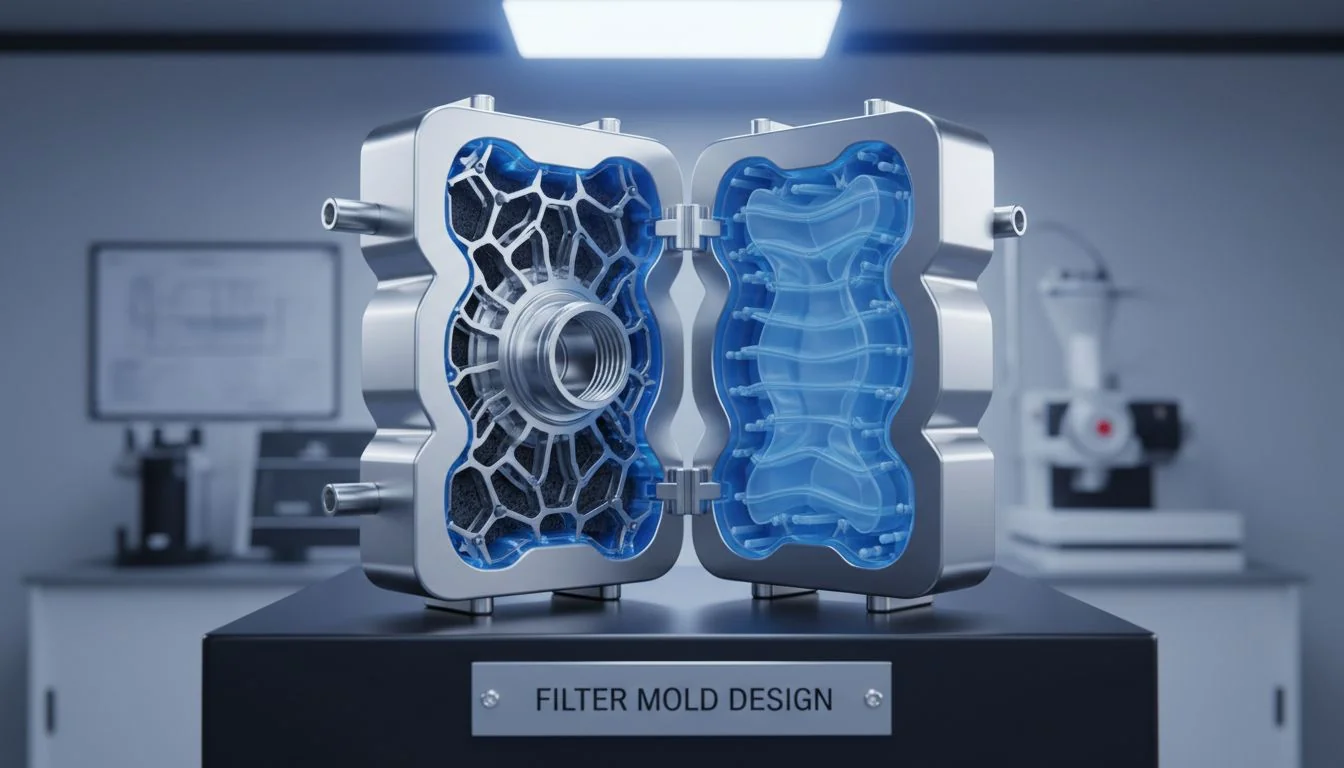
Let us look at how we can design better filtration products. I will share what I learned from my years in mold manufacturing. This will help you build systems that facility managers will love.
Complex filter designs increase the training time for facility staff.صحيح
Hard-to-use designs require more steps to learn, which takes more time for new workers.
Senior living facilities want water filters that require daily maintenance.خطأ
Facilities want low-maintenance systems so their staff can focus on other important daily tasks.
Why Does Maintenance Burden Matter in Senior Living Operations?
Staff turnover makes training hard. Complex filter systems cause errors. We must design simple parts to cut their daily workload.
maintenance burden2 matters because senior living staff need to focus on daily operations. They should not worry about complex plumbing. We design simple filter housings. This reduces downtime. It makes record-keeping easy. It lowers the overall service burden for the facility.

The Impact of Design on Daily Workflow
I remember visiting a facility a few years ago. The maintenance team spent hours changing water filters. They had to use heavy wrenches. They spilled water everywhere. This showed me a big problem in product design. We must think about the end user. The end user is often a busy facility worker. They do not have time for hard tasks. We can change this with good mold design. We can make parts that snap together. We can add clear marks on the plastic. This helps the worker know exactly what to do. It stops mistakes. It keeps the water flowing without long breaks. When we design for easy use, we help the whole facility run better. The staff can do their jobs fast. They can keep clear records of when they changed the filter.
| Design Choice | Impact on Staff | Result for Facility |
|---|---|---|
| Snap-fit housing | No tools needed | Faster filter changes |
| Clear plastic parts | Easy to see dirt | Better maintenance records |
| Molded arrows | Shows flow direction | Fewer installation errors |
Clear plastic parts help staff see when a filter needs changing.صحيح
Transparent materials allow visual inspection without opening the system.
Using heavy wrenches makes filter changes faster for staff.خطأ
Tools add steps and slow down the maintenance process.
What Design Features Reduce Routine Maintenance?
Tiny screws get lost easily. Bad seals pinch and leak. We can fix these headaches by molding smarter connection points.
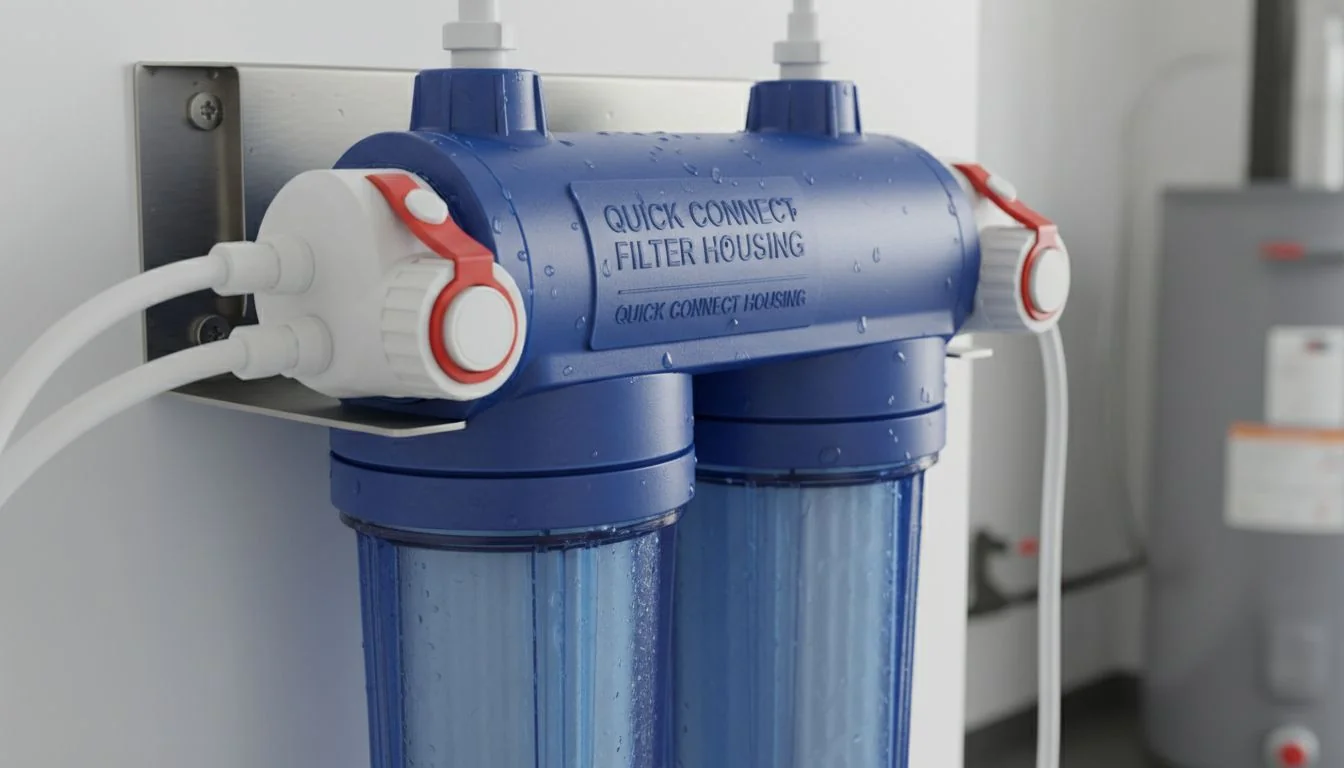
Design features that reduce maintenance include quick-connect joints and built-in seal grooves. We also use clear plastic housings for easy checks. These molded parts let facility staff swap filters in seconds. They do not need tools. This stops leaks and saves much time.
Smart Mold Features for Easy Use
We need to focus on the details of the plastic parts. I always tell my clients to avoid metal screws in water filters. Metal rusts. Screws get lost. Instead, we should design bayonet mounts. A bayonet mount lets the user twist and lock the filter in place. This is very fast. But it requires careful mold design. You must calculate the mold shrinkage perfectly. If the plastic shrinks too much, the twist lock will be too tight. If it shrinks too little, the lock will leak. You also need to design good grooves for the rubber rings. The groove must hold the ring tight. This stops the ring from falling out when the worker changes the filter. These small design choices make a big difference. They remove the routine maintenance stress for the facility staff.
| الميزة | Mold Design Focus | المزايا |
|---|---|---|
| Bayonet mount | Exact shrinkage control | Twist-and-lock speed |
| Built-in groove | Smooth draft angles | Keeps seals in place |
| Thick walls | Even cooling in mold | Stops parts from breaking |
Bayonet mounts allow users to twist and lock parts without tools.صحيح
This mechanical design uses interlocking tabs instead of screws.
Plastic shrinkage does not affect how parts fit together.خطأ
Shrinkage changes the final size of the part, which can ruin tight fits.
How to Plan Filter Life, Change Frequency, and Consumables?
Frequent filter changes annoy users. Unpredictable lifespans cause stock issues. We must design larger capacity housings without adding extra bulk.
Planning filter life means designing housings that hold more filter media. We must make them fit into standard utility closets. We standardize the sizes of the plastic parts. We add simple mechanical dials. This helps facilities plan their stock and reduce how often they change filters.
Designing for Long-Term Consumables
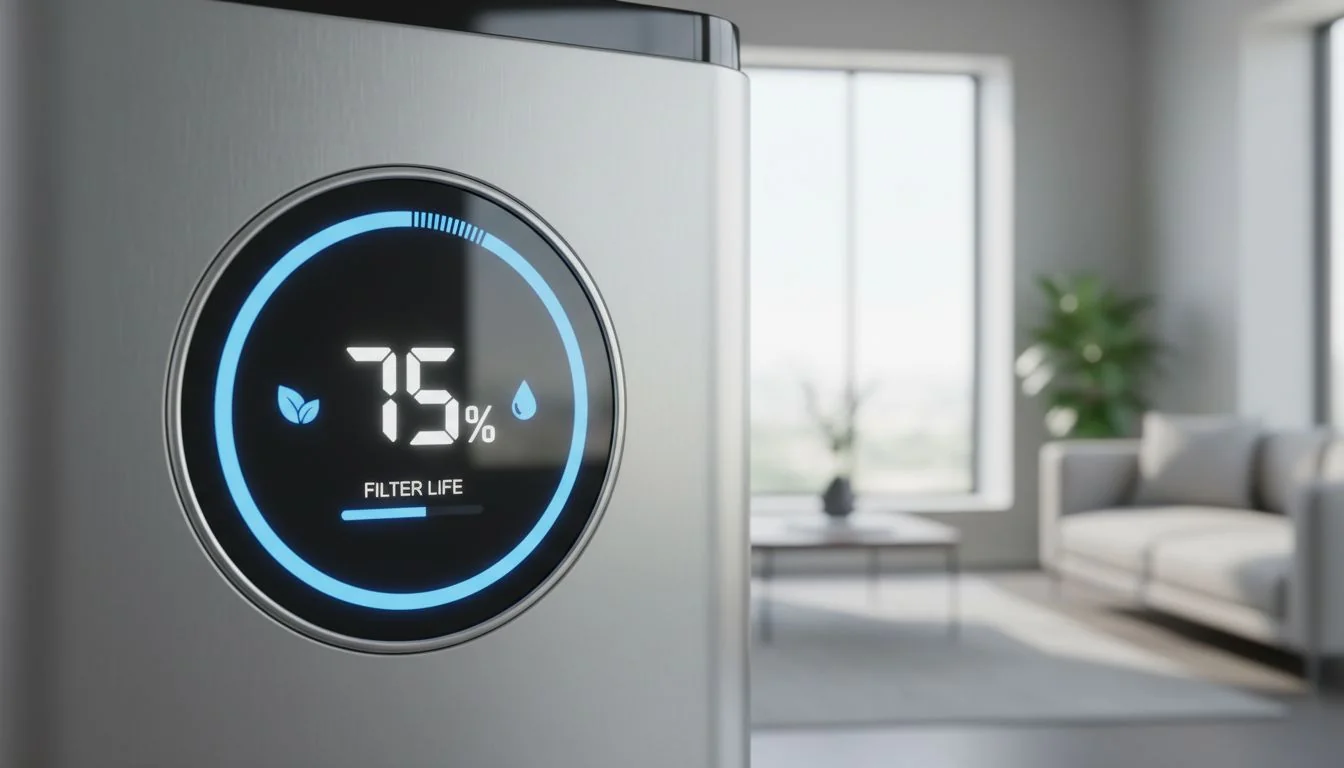
Facility managers hate buying many different filter sizes. It makes their stock room messy. As designers, we can solve this. We should design a standard base unit. Then, we can design different lengths of filter housings that fit the same base. This is a modular design3. It saves money on mold making. You only need one mold for the complex base. You can use simple molds for the tubes. I used this trick in my trading company many times. It helps the factory and the end user. We can also mold a simple date dial into the plastic cap. The worker turns the dial to the current month when they put in a new filter. This is a very cheap feature to add to the mold. But it gives the facility a clear record. It helps them know exactly when to buy new consumables.
| Design Strategy | Manufacturing Benefit | Facility Benefit |
|---|---|---|
| Standard base unit | Lower mold costs | Less stock to manage |
| Modular tube lengths | Easy to make | Fits different water needs |
| Molded date dial | No extra parts needed | Clear change records |
Modular designs use one standard base for many different parts.صحيح
This allows parts to be swapped easily and reduces manufacturing costs.
Molding a date dial into a cap requires expensive electronic parts.خطأ
A molded dial is purely mechanical and uses only plastic.
How Do Service Contracts Compare to In-House Maintenance?
Outside service contracts cost a lot of money. In-house staff lack plumbing skills. Our designs must bridge this gap perfectly.
Service contracts offer easy management but cost more money. In-house maintenance saves money but needs easy-to-use equipment. We design foolproof and modular filtration units. This allows facilities to safely use their own staff. They do not need to rely on expensive outside workers.
Empowering In-House Teams Through Design
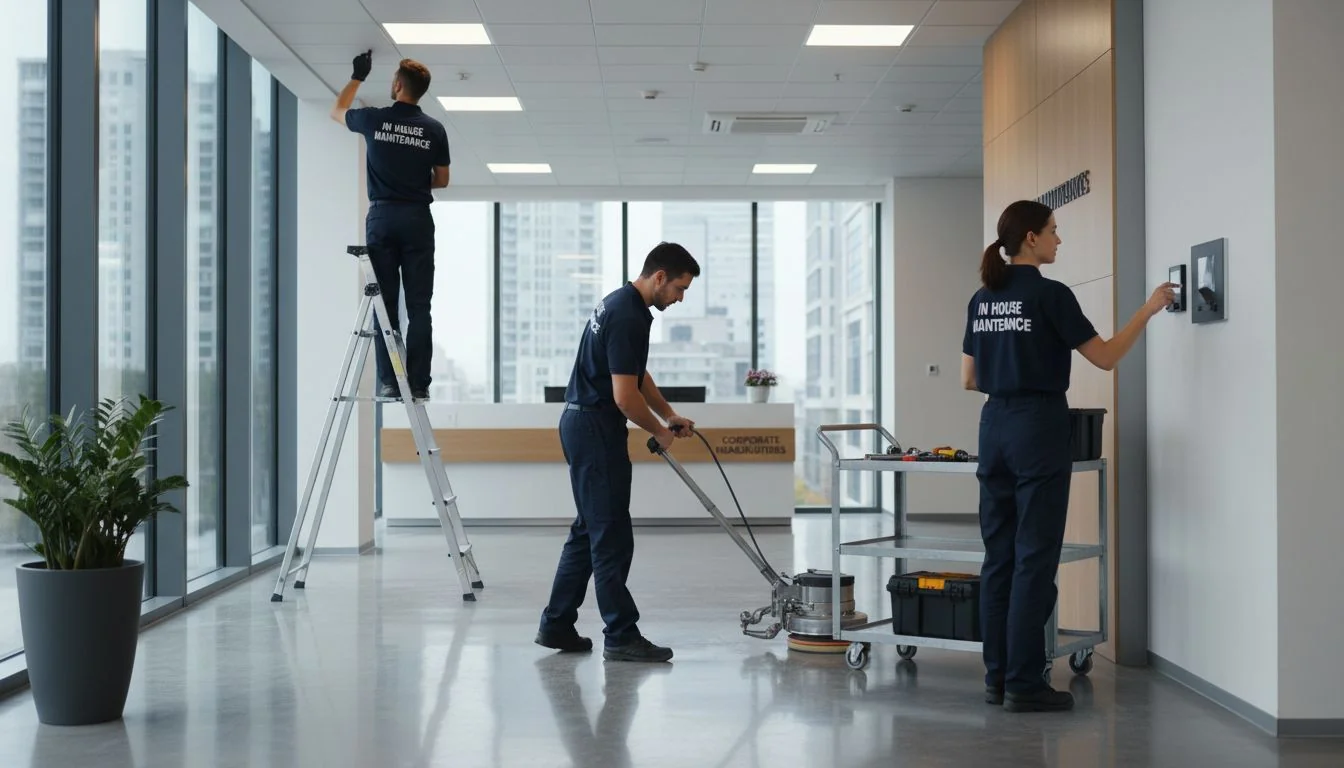
Many senior living facilities want to stop paying for outside service contracts. These contracts drain their budgets. But they are afraid their own staff will break the water systems. This is where our job as designers is very important. We must make the equipment foolproof. Foolproof means the parts only fit together one way. You cannot put the filter in backwards. We do this by adding special keys or shapes to the mold design. If the worker tries to put it in wrong, it simply will not go in. I always check my CAD models for these features. I ask myself if a tired person could make a mistake. If the answer is yes, I change the design. When we make the system safe and easy, the facility can use their in-house team. This reduces their service burden and saves them a lot of money.
| Maintenance Type | التكلفة | Design Requirement |
|---|---|---|
| Service Contract | عالية | Standard commercial parts |
| In-House Staff | منخفضة | Foolproof, keyed designs |
| Mixed Approach | متوسط | Clear visual guides |
Foolproof designs prevent parts from being installed backwards.صحيح
Physical keys or shapes block incorrect assembly.
In-house maintenance always costs more than outside service contracts.خطأ
Using existing staff usually saves money compared to hiring outside contractors.
What Are the Reliability and Continuity of Supply Considerations?
Broken parts stop the water supply. Custom parts take months to ship. We need to design for extreme reliability.
Reliability means designing strong parts that handle high water pressure. We must use common materials. Continuity of supply means we design molds that run high volumes well. This ensures replacement parts are always ready and available for the facility when they need them.
Ensuring Strong Parts and Steady Supply
A water leak in a senior living facility is a big disaster. The parts we design must never fail. We must think about the strength of the plastic. In mold design, we use flow analysis software. This shows us where the plastic might be weak. We can add ribs to the design to make it stronger. We also need to think about the supply chain. If we design a part that is very hard to mold, the factory will have problems. They will make bad parts. The facility will not get their replacement filters on time. I learned this the hard way in my early factory days. We made a mold that was too complex. It broke down often. Now, I keep my mold designs simple and robust. Simple molds run day and night without stopping. This guarantees a steady supply of parts for the end user.
| Goal | Design Action | Result |
|---|---|---|
| High Reliability | Add support ribs | Parts do not break under pressure |
| Steady Supply | Simple mold design | Factory makes parts fast |
| Easy Sourcing | Use common plastics | No waiting for special materials |
Adding ribs to a plastic part makes it stronger.صحيح
Ribs provide structural support without adding too much weight or thickness.
Complex molds are less likely to break down during production.خطأ
Complex molds have more moving parts, which increases the chance of breakdowns.
What to Specify for Low-Maintenance Performance?
Vague rules lead to bad parts. Poor fits cause leaks. We must define exact requirements for our molders to follow.
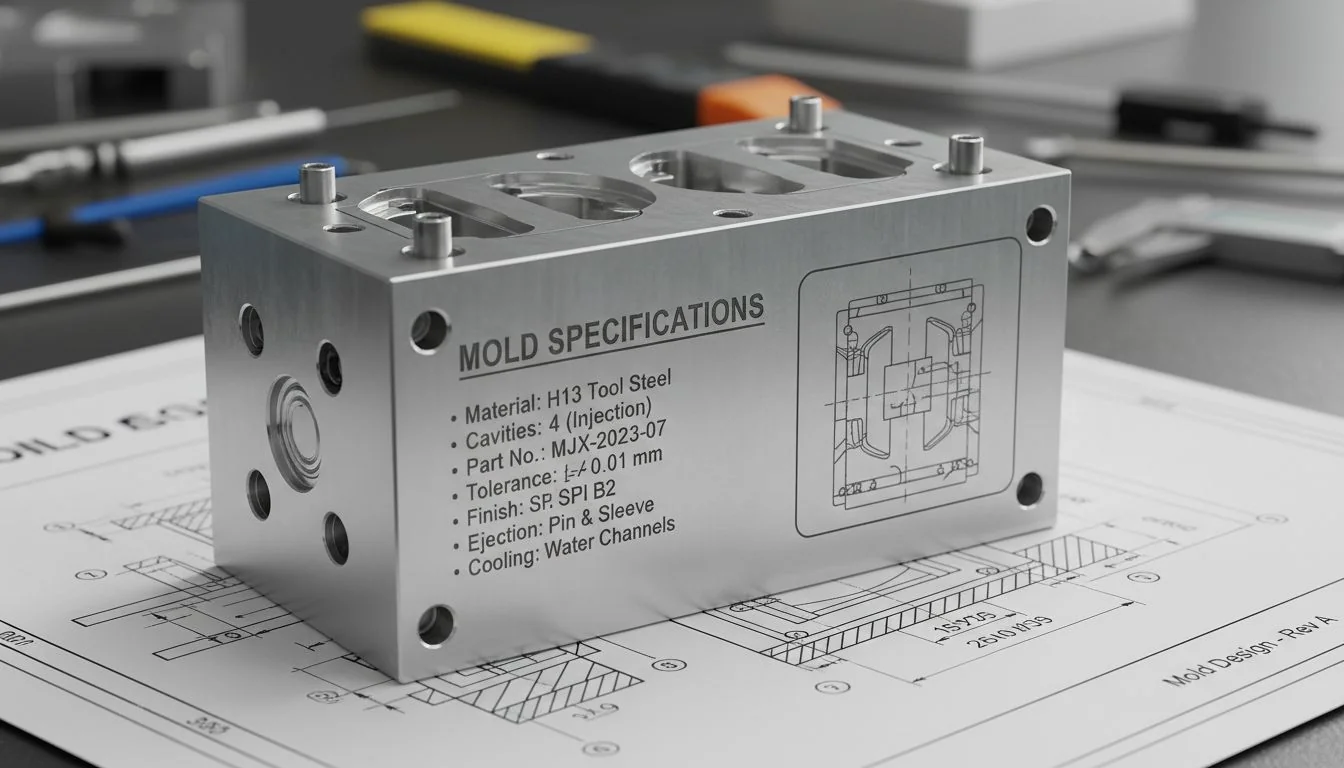
To specify low-maintenance performance, designers must write exact draft angles and material shrinkage rates. They must show parting line locations. Clear rules ensure the final molded parts fit together perfectly. This creates a reliable filtration system that needs very little upkeep.
Writing Clear Rules for the Factory
You can have a great CAD design. But if you do not give the factory clear rules, the parts will fail. I see this often with new designers. They forget to specify the parting line. The parting line is where the two halves of the mold meet. If this line is on a sealing surface, the water will leak. You must tell the factory exactly where to put this line. You must also specify the surface finish. A smooth finish is needed for O-rings to seal well. A rough finish will cause slow leaks. These leaks increase the maintenance burden for the facility. They have to keep cleaning up water. By writing strict rules on your drawings, you control the final quality. You make sure the parts work exactly as you planned. This is how we master molding right.
| Specification | Why It Matters | Impact on Maintenance |
|---|---|---|
| Parting line location | Prevents uneven surfaces | Stops leaks at the seal |
| Surface finish | Helps rubber rings sit flat | Ensures a tight water seal |
| Draft angles | Helps parts leave the mold | Keeps part dimensions exact |
A parting line on a sealing surface can cause water leaks.صحيح
The parting line creates a tiny bump that prevents a perfect seal.
Surface finish does not matter for O-ring seals.خطأ
A rough surface will not let the O-ring sit flat, causing leaks.
الخاتمة
Designing low-maintenance water filtration systems requires smart mold design. By focusing on easy use and reliable parts, we help senior living facilities run smoothly and reduce their daily workload.



 English
  Français
  Español
  Italiano
  Deutsch
  Português
  Русский
  العربية
  日本語
日本語  한국어
한국어  Tiếng Việt
