
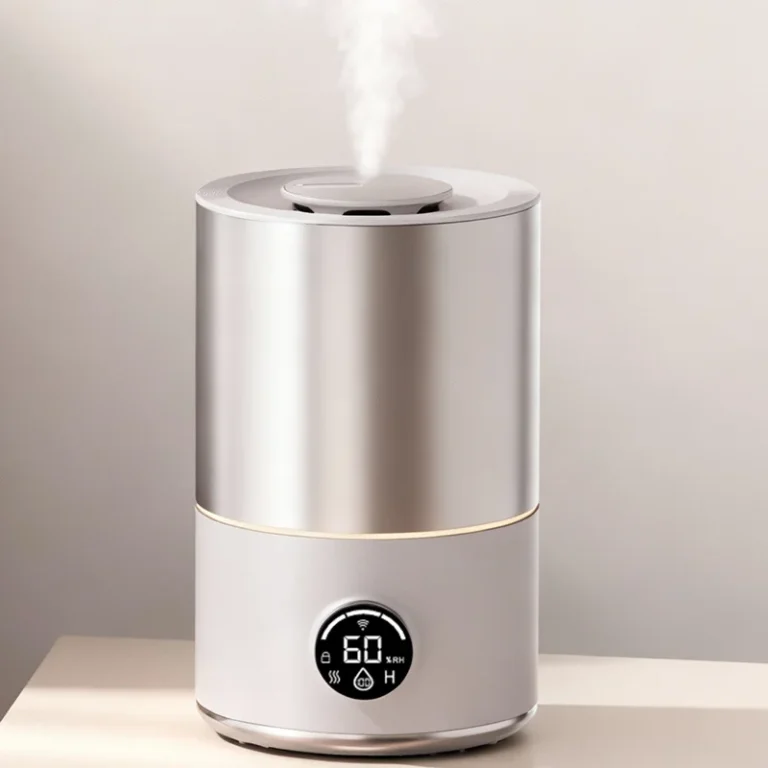
Struggling to find reliable humidifier suppliers? The search can be frustrating and time-consuming. I've done the research to connect you with Mexico's best manufacturers.
The top 5 humidifier manufacturers in Mexico include industry leaders like هيسو إير1 for innovative solutions, Resideo for smart home tech, Fisher & Paykel for medical-grade devices, Fisair for industrial needs, and Mabe for home appliances. These companies represent the best in quality and reliability.

I've spent years in the air quality industry. I know how hard it is to find a manufacturing partner you can trust. You need someone who delivers on time, meets quality standards, and understands your business goals. Mexico has become a powerhouse in manufacturing, but navigating the landscape can be tricky. That's why I put this guide together. I want to share my experience to help you make a smart, informed decision. Let's explore the best that Mexico has to offer.
Mexico is the world's largest exporter of refrigerators.صحيح
Mexico is a global leader in appliance manufacturing and is indeed the largest exporter of two-door refrigerators with a freezer.
All manufacturing in Mexico is located in border towns.خطأ
While border cities are major manufacturing hubs (maquiladoras), significant industrial centers also exist in central Mexico, such as in the states of Querétaro, Guanajuato, and Jalisco.
What's Driving Mexico’s Humidifier Manufacturing Industry?
Wondering why Mexico is a manufacturing hotspot? It's more than just location. I'll show you the key factors making it a strategic choice for your business.
Mexico's humidifier industry is growing because of its skilled workforce, strategic location near the US, and strong trade agreements like the USMCA. This combination makes it an efficient and cost-effective hub for producing high-quality air treatment products.

When I first explored manufacturing outside of Asia, Mexico immediately stood out. The benefits are clear and practical. The country isn't just close to the massive US market; it's deeply connected through business and trade. This makes everything from shipping to communication much simpler. I found that the workforce is not only affordable but also highly skilled in electronics and appliance assembly. This expertise is crucial for creating the kind of innovative air quality solutions we stand for at HisoAir. The government also supports foreign investment, which creates a stable and predictable business environment.
Key Growth Factors
The industry's growth isn't accidental. It's built on several solid pillars.
| العامل | الوصف | Impact on Your Business |
|---|---|---|
| USMCA Agreement2 | Replaced NAFTA, offering tariff-free trade. | Lowers costs and simplifies exporting to the US and Canada. |
| Geographic Proximity | Shared border with the United States. | Faster shipping, lower logistics costs, and easier site visits. |
| Skilled Labor3 | Strong focus on engineering and technical training. | High-quality production and potential for product innovation. |
| Domestic Market | Growing middle class with demand for appliances. | A potential secondary market for your products. |
The USMCA trade agreement requires that 75% of a vehicle's components be made in North America to remain tariff-free.صحيح
This is a key provision of the USMCA, designed to strengthen regional manufacturing and supply chains, which also benefits appliance and electronics manufacturing.
Spanish is the only language spoken in Mexican business negotiations.خطأ
While Spanish is the official language, English is widely spoken in the business and manufacturing sectors, especially in companies that deal with international clients.
How Did I Select the Top Manufacturers?
Choosing a partner is a huge risk. A bad choice can cost you time and money. I used a strict set of criteria to ensure this list is reliable.
I selected these manufacturers based on four key criteria: product quality and innovation, manufacturing capacity and reliability, market reputation, and their ability to serve both B2B and D2C markets. This ensures a trustworthy list for any business need.
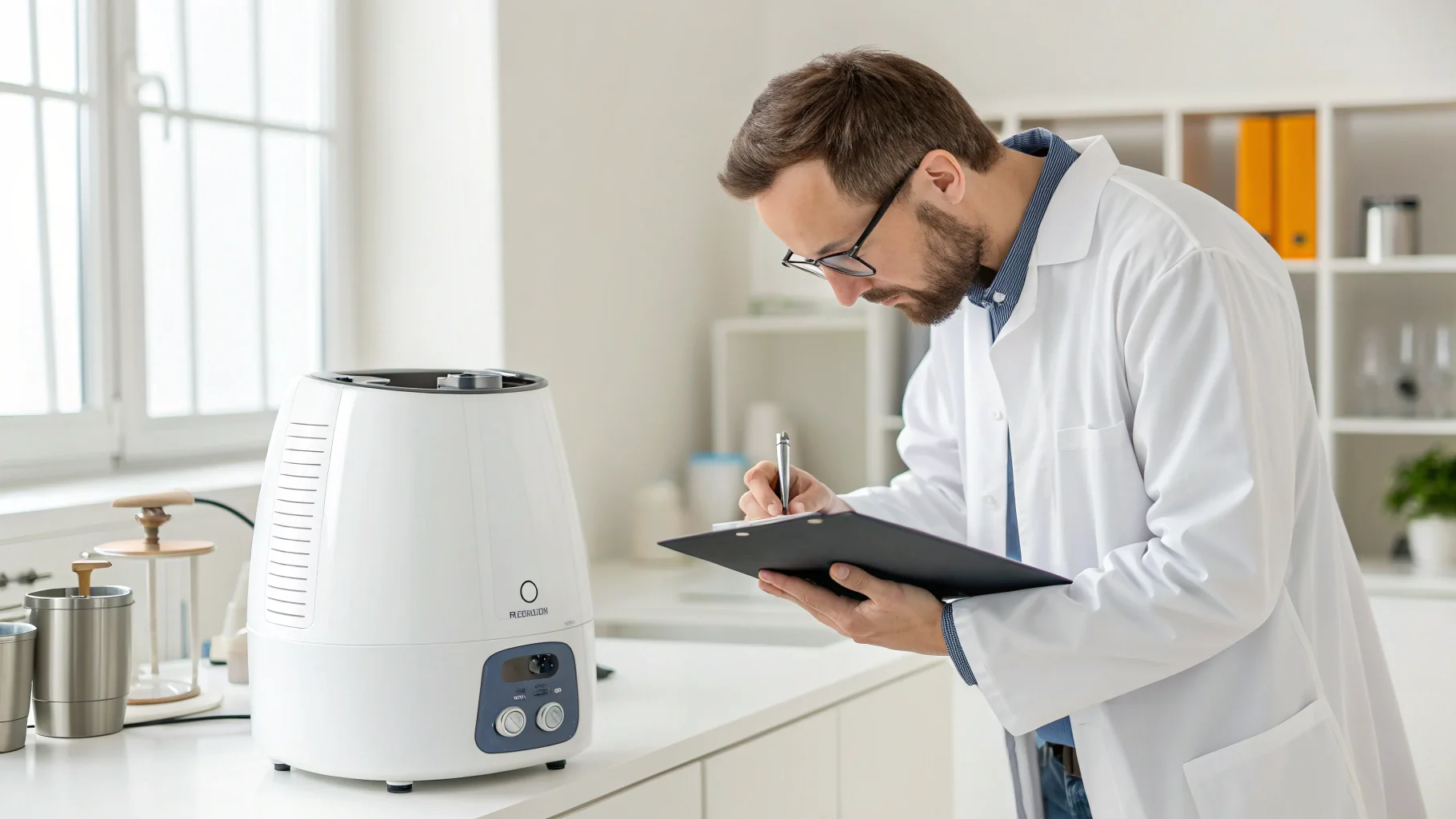
I learned a tough lesson early in my career. I once partnered with a supplier based only on a low price. The result was a disaster. We had production delays, quality issues, and unhappy customers. After that, I developed a rigorous vetting process. It's not just about the product; it's about the entire operation. Does the company invest in new technology? Can they scale up if my business grows? What do other customers say about them? I look for long-term partners, not just suppliers. This list reflects that philosophy. Each company has proven it can deliver more than just a product; they deliver peace of mind.
My Vetting Checklist
Here is the simple system I use to evaluate potential partners.
| Criterion | What I Look For | Why It Matters |
|---|---|---|
| Product Quality | Certifications (e.g., NOM, UL), materials used, R&D investment. | Ensures the final product is safe, effective, and durable. |
| Manufacturing Capacity | Factory size, production lines, lead times, scalability. | Guarantees they can meet your order volume now and in the future. |
| Market Reputation | Years in business, customer testimonials, brand presence. | A strong reputation indicates reliability and customer satisfaction. |
| B2B/D2C Flexibility | Experience with white-labeling, dropshipping, custom orders. | Shows they can adapt to your specific business model. |
The NOM (Norma Oficial Mexicana) is a mandatory safety and quality certification for many products sold in Mexico.صحيح
NOM standards are similar to UL in the United States or CE in Europe, and they are essential for any product intended for the Mexican market.
A manufacturer's capacity is fixed and cannot be increased.خطأ
Many successful manufacturers have scalable operations and can increase capacity by adding shifts, production lines, or even expanding their facilities to meet growing client demand.
Who Are the Top 5 Humidifier Manufacturers in Mexico?
Finding the right manufacturer feels impossible. You need a list you can trust. Here are my top 5 picks, each with unique strengths for your business.
My top 5 picks are HisoAir, Resideo4, Fisher & Paykel Healthcare, Fisair México, and Mabe. Each company excels in a specific area, from innovative residential units and smart home integration to specialized medical and industrial humidifiers.

This list is the result of extensive research and my own experience in the industry. I wanted to provide a range of options because every business has different needs. Some of you might need a partner for cutting-edge consumer electronics. Others might need a reliable supplier for large-scale industrial applications. I've included a mix of companies to cover all these bases. From our own innovative solutions at HisoAir to the established giants like Mabe5, these are the names you can count on in Mexico. Let's look at what makes each one special.
1. هيسو إير
As my own brand, we focus on innovative air and water quality solutions. We are perfect for B2B clients looking for modern designs and technology, offering flexible تصنيع المعدات الأصلية/التصنيع حسب الطلب6 الشراكات.
2. Resideo (Honeywell Home)
A global leader in home comfort and security. Their Honeywell Home humidifiers are known for reliability and smart home integration. They are a great choice for businesses targeting the connected home market.
3. Fisher & Paykel Healthcare
This company is a specialist in the medical field. They manufacture high-end humidifiers for respiratory care in hospitals and homes. They are the go-to for medical-grade B2B needs.
4. Fisair México
Fisair7 focuses on industrial and commercial humidification systems. They provide solutions for large spaces like factories, data centers, and museums. They are ideal for B2B clients with specific technical requirements.
5. Mabe
Mabe is a massive Mexican appliance manufacturer. They produce a wide range of home products, including humidifiers. Their strength is in large-scale production and distribution, making them a solid choice for retail partners.
| الشركة المصنعة | Best For | الميزة الرئيسية |
|---|---|---|
| هيسو إير | Innovative B2B/D2C Partners | OEM/ODM Flexibility |
| Resideo | Smart Home Retail | Brand Recognition |
| Fisher & Paykel | Medical B2B | Healthcare-Grade Tech |
| Fisair México | Industrial B2B | Custom Commercial Solutions |
| Mabe | Large-Scale Retail | Mass Production Capacity |
Mabe has a long-standing joint venture with General Electric (GE) for appliance manufacturing.صحيح
This partnership, dating back to 1987, has been a cornerstone of Mabe's growth and technological development, allowing them to produce appliances for both the Mabe and GE brands.
HisoAir only manufactures water purifiers.خطأ
While we are experts in water purifiers, as our name HisoAir suggests, we also specialize in a full range of innovative air quality solutions, including humidifiers, dehumidifiers, and air purifiers.
What Are the B2B and D2C Opportunities with Mexican Suppliers?
Unsure how to approach the Mexican market? You might be missing huge opportunities. I'll break down the potential for both B2B and direct-to-consumer models.
Mexican manufacturers offer great B2B opportunities like white-labeling and contract manufacturing. For D2C, their proximity allows for faster shipping and easier logistics for dropshipping or direct sales into the North American market, reducing inventory risk.

When we started HisoAir, we knew we needed to be flexible. Some partners want to put their own brand on our existing designs. This is called white-labeling, and it's a fast way to get to market. Others have a unique idea and need a team to build it. That's contract manufacturing, or OEM/ODM. Mexican factories are excellent at both. For direct-to-consumer (D2C) brands, the advantage is speed. You can get products to customers in the US or Canada in days, not weeks. This is a huge competitive edge. It means better customer service and less money tied up in inventory sitting on a container ship.
Comparing Business Models
| الطراز | الوصف | Key Advantage with Mexican Partner |
|---|---|---|
| B2B: White-Label | Selling a manufacturer's existing product under your own brand. | Speed to market with a proven, quality product. |
| B2B: OEM/ODM | Hiring a manufacturer to produce your custom-designed product. | Access to skilled engineering and production at a lower cost. |
| D2C: Dropshipping | The manufacturer ships directly to your end customer. | No inventory management and low startup costs. |
| D2C: Direct Import | Importing products to your own warehouse for fulfillment. | Faster restocking and more control over the customer experience. |
Dropshipping from Mexico to the US is impossible due to customs.خطأ
While customs procedures must be followed, shipping individual orders (dropshipping) from Mexico to the US is common and facilitated by the USMCA and numerous logistics companies specializing in cross-border e-commerce.
OEM stands for Original Equipment Manufacturer.صحيح
An OEM is a company that produces parts or equipment that may be marketed by another company. In this context, they manufacture the entire product for you based on your design.
How Can You Start a Partnership with a Mexican Manufacturer?
Ready to partner but don't know where to start? The process can seem complex. I'll give you a simple, step-by-step guide to get you started.
To start a partnership, first, do your research and create a shortlist. Then, initiate contact with a clear proposal. Next, request samples and discuss terms. Finally, visit the facility if possible before signing a clear, detailed contract.

I remember the first time I visited a potential partner in Monterrey. I was nervous. My Spanish wasn't perfect, and a lot was riding on the meeting. But I went prepared. I had a clear list of questions, I knew my business needs, and I was ready to listen. The key is to approach it as a true partnership. You are not just buying a product; you are building a relationship. Be clear about your expectations from the very first email. A professional manufacturer will appreciate your preparation. Following a structured process like the one below helps remove emotion and ensures you cover all the important bases before making a commitment.
A Step-by-Step Guide to Partnership
| Step | Action Item | Goal |
|---|---|---|
| 1. Research | Create a shortlist of 3-5 potential manufacturers. | Identify companies that align with your product and business needs. |
| 2. Initial Contact | Send a professional email introducing your brand and needs. | Open a line of communication and gauge their responsiveness. |
| 3. Request Quote/Info | Submit a detailed Request for Quotation (RFQ). | Get clear information on pricing, lead times, and capabilities. |
| 4. Sample Evaluation | Order and test product samples. | Verify the quality and functionality of the product firsthand. |
| 5. Negotiation | Discuss pricing, payment terms, and minimum order quantities (MOQ). | Reach a mutually beneficial agreement. |
| 6. Contract | Sign a legally reviewed manufacturing agreement. | Formalize the partnership and protect both parties. |
A handshake is a legally binding contract in Mexico.خطأ
While a handshake signifies a good-faith agreement, it is not legally binding. A formal, written contract (contrato) is essential for any business partnership to be enforceable.
MOQ stands for Minimum Order Quantity.صحيح
This is the smallest number of units a manufacturer is willing to produce in a single production run. It's a key term to discuss during negotiations.
What's the Final Word on Sourcing from Mexico?
Feeling overwhelmed with information? It's easy to get lost in the details. Let's boil it down to the most important strategic tips for success.
Sourcing from Mexico offers strategic advantages like speed, cost-effectiveness, and quality. Key tips are to build strong relationships, understand the culture, have clear contracts, and start with small orders. This approach ensures a smooth partnership.

If I could give only one piece of advice, it would be this: invest in the relationship. Technology and logistics are important, but business is still done between people. Take the time to understand your partners. A simple visit or a video call can make a huge difference. This builds trust, which is the foundation of any successful long-term venture. Sourcing from Mexico is a fantastic strategic decision, especially for businesses serving the North American market. By following a few simple rules and choosing the right partner from a list like this one, you set yourself up for growth and success.
Do's and Don'ts of Mexican Sourcing
| Do | Don't |
|---|---|
| Build Personal Relationships | Rely Only on Email |
| Have a Clear, Written Contract | Assume a Handshake is Enough |
| Be Patient with Timelines | Expect Everything to Happen Overnight |
| Start with a Small Test Order | Place a Huge First Order |
Mexico is in the Central Time Zone.خطأ
Mexico actually has four different time zones: Southeast, Central, Pacific, and Northwest. This is an important detail to know when scheduling meetings.
Building a good personal relationship (confianza) is important in Mexican business culture.صحيح
Mexican business culture often places a high value on personal trust and relationships. Taking time for small talk and getting to know your partners can be just as important as the business details.
الخاتمة
Sourcing humidifiers from Mexico is a smart move. This guide gives you the top players and a clear path to building successful, long-term partnerships for your business.
References
-
Explore HisoAir's cutting-edge technology and innovative designs that set them apart in the humidifier market. ↩
-
Understand how the USMCA Agreement impacts trade and manufacturing efficiency for businesses sourcing from Mexico. ↩
-
Learn about the advantages of Mexico's skilled workforce in producing high-quality products. ↩
-
Discover how Resideo's smart home solutions enhance user experience and efficiency in humidifier usage. ↩
-
Explore Mabe's extensive product line and their reputation as a leading appliance manufacturer in Mexico. ↩
-
Gain insights into how OEM and ODM partnerships can benefit your business strategy in product development. ↩
-
Find out how Fisair provides tailored humidification systems for large commercial spaces and industrial needs. ↩







 English
 Français
 Español
 Italiano
 Deutsch
 Português
 Русский
 العربية
 日本語
 한국어
 Tiếng Việt


