
For decades, the air circulator fan has been a ubiquitous household appliance. By 2025, this perception is profoundly transforming. The fan is evolving into an integrated, intelligent wellness hub, central to health-conscious living spaces.
This redefinition is driven by heightened consumer awareness of health and indoor air quality (IAQ), underscoring the importance of the air we breathe. The maturing smart home ecosystem, with AI and IoT advancements, enables seamless connectivity and intelligent automation. Finally, the rise of "omni-wellness" signifies a holistic consumer approach to well-being, encompassing physical, mental, and environmental health. Air circulators, impacting air quality and comfort, are ideally positioned to meet this demand.
The central thesis is clear: the air circulator fan is transforming from a basic appliance into a sophisticated wellness hub. This evolution represents a paradigm shift in how these devices are designed, perceived, and utilized. The market context reinforces this trend, with industry growth and shifting consumer demands indicating a strong appetite for advanced air management solutions. This blog post will delve into the five core trends shaping this exciting future, offering insights for businesses looking to innovate and capitalize on this burgeoning market.
Trend 1: The Sentient Environment: AI-Powered Autonomous Air Management
The first transformative trend is the shift from manual air circulator fan operation to AI-powered autonomous air management, creating a sentient indoor environment. This is driven by AI and IoT maturation within the smart home ecosystem.
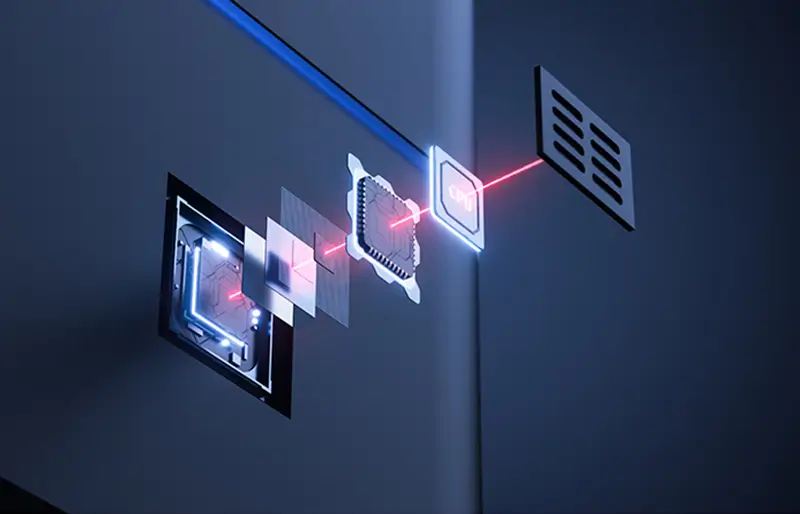
Sensor fusion integrates environmental sensors (temperature, humidity, IAQ) with occupancy sensors (PIR) for real-time environmental understanding. This allows the air circulator fan to detect changes like increased particulate matter or CO2 levels, triggering automatic responses to increase airflow or activate purification modes.
AI-driven control uses machine learning for predictive and adaptive actions, learning user patterns to proactively adjust settings and optimize airflow. AI also facilitates predictive maintenance, ensuring continuous optimal performance. This redefines convenience, moving to a "set it and forget it" autonomy.
Strategically, the air circulator fan becomes a central data-gathering node (sensor-actuator) within the smart home ecosystem. Its ability to collect granular data and respond intelligently makes it indispensable for responsive and healthy living spaces. By leveraging smart technologies, these air circulator fans are integral to the smart home experience.
Trend 2: Proactive Purification: From Advanced Filtration to Active Sterilization
The second pivotal trend reshaping the air circulator fan market is the aggressive move towards proactive air purification, evolving from basic air movement to advanced filtration and sterilization technologies. This is driven by increased consumer anxiety over indoor air quality (IAQ), exacerbated by factors such as wildfire smoke, urban pollution, and heightened awareness of airborne pathogens. Air circulator fans are stepping up to meet this demand for clean, healthy air.
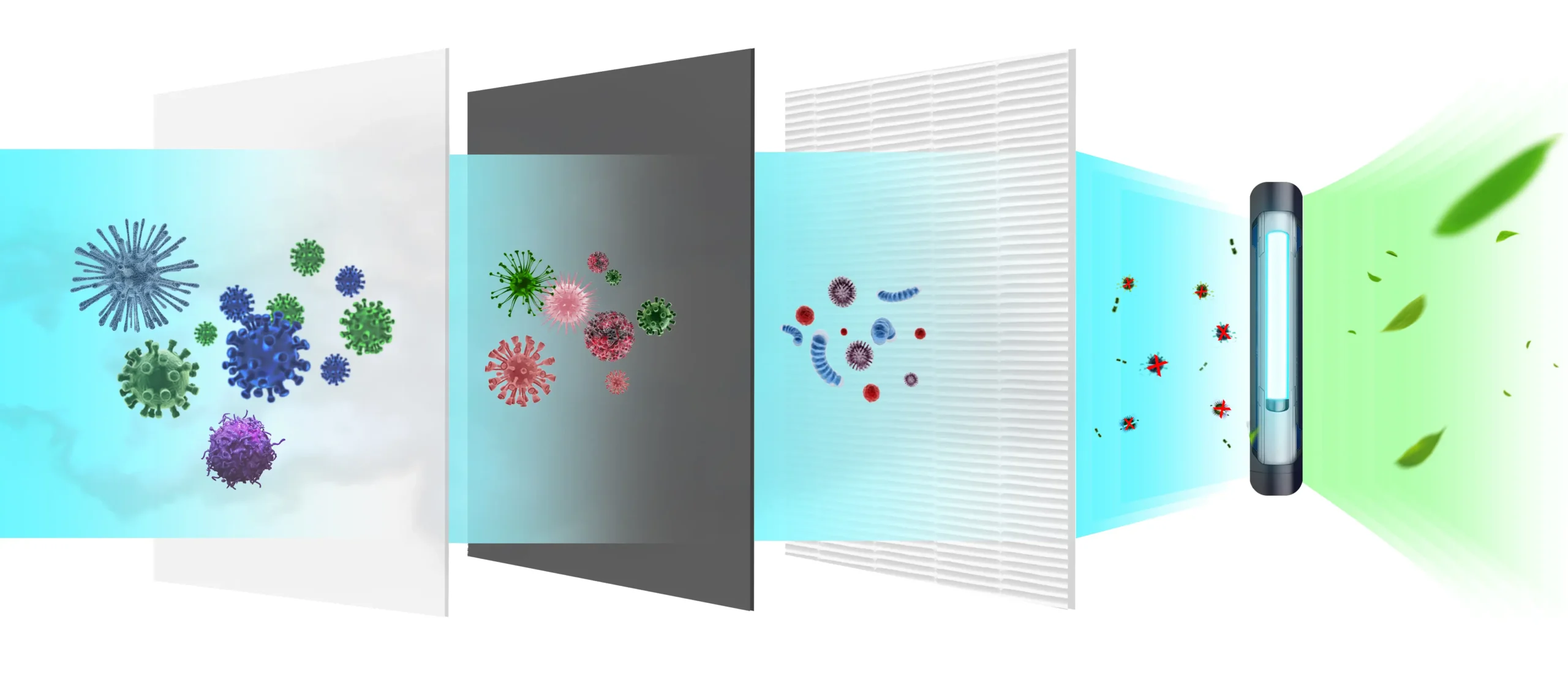
At the baseline, advanced passive filtration remains critical. ترشيح HEPA is the industry standard for capturing particulate matter. Multi-stage systems are becoming common in high-end air circulator fans, combining pre-filters, HEPA filters, and activated carbon filters for comprehensive pollutant removal, transforming the air circulator fan into a powerful air purification device.
However, the true next frontier lies in active sterilization technologies. UV-C Germicidal Irradiation is gaining traction, integrated into the fan's airflow path to damage DNA/RNA of airborne pathogens. Photo-electrochemical/Photocatalytic Oxidation (PECO/PCO) uses a UV-activated catalyst to chemically break down organic pollutants at a molecular level, providing continuous, active purification.
These advancements carry significant strategic implications. As air circulator fans integrate sophisticated purification, they are viewed as quasi-medical devices, leading to increased regulatory scrutiny and a need for verifiable science. New business models, particularly recurring revenue from proprietary filter subscriptions and UV lamp replacements, are emerging, fostering long-term customer relationships. This trend underscores the air circulator fan industry's commitment to delivering truly clean and safe indoor air.
Trend 3: The Quantified Self Ecosystem: Biometric and Wearable Integration
Air circulator fans are becoming integral to personal wellness through the convergence of smart home and wearable technology, enabling hyper-personalized wellness based on real-time physiological data.
The core is the data source: leveraging real-time biometric data from wearables like smartwatches and smart rings (heart rate, skin temperature, sleep stages). This rich data informs optimal fan settings, e.g., adjusting for sleep cycles or increased heart rate during exercise.
إن communication bridge between wearables and the air circulator fan is paramount. Smart home hubs and interoperability standards like Matter seamlessly connect these devices, allowing data to trigger intelligent, responsive fan adjustments.
This integration unlocks high-value use cases: dynamic sleep optimization (fan adjusts based on sleep stage), responsive workout cooling (fan increases airflow with rising heart rate), and proactive allergen defense (fan activates purification when allergens are detected). This shifts from room-level to person-level optimization.
However, a critical challenge is robust data privacy and security. Manufacturers must prioritize stringent protocols and transparent data handling to build trust, ensuring personalized wellness benefits without compromising privacy.

Trend 4: Sensory-Centric Design: Engineering for Acoustic and Visual Well-being
Beyond functionality, how can air circulator fans contribute positively to the overall sensory environment of a home or office? The fourth trend emphasizes sensory-centric design, focusing on engineering air circulator fan products that enhance acoustic and visual well-being. This involves a deliberate shift towards creating devices that are not only effective but also seamlessly integrate into and elevate the living space, adhering to philosophies like "invisible technology" and "biophilic design."
The pursuit of acoustic wellness has become a competitive battleground for air circulator fan manufacturers. The goal is to achieve whisper-quiet operation, minimizing noise disruption while maximizing airflow. This is primarily enabled by advancements in brushless DC motors, which are inherently quieter and more energy-efficient than traditional AC motors. Coupled with sophisticated advanced aerodynamics, such as those found in designs that optimize air vortex creation, air circulator fans can deliver powerful air circulation at significantly lower decibel levels (dBA). For businesses, offering products with superior acoustic performance, perhaps even proprietary technologies like HisoAir's Decibel Cancellation™, provides a distinct market advantage, as quiet operation is a key differentiator for discerning consumers and commercial clients, especially in bedrooms, offices, and quiet living areas.
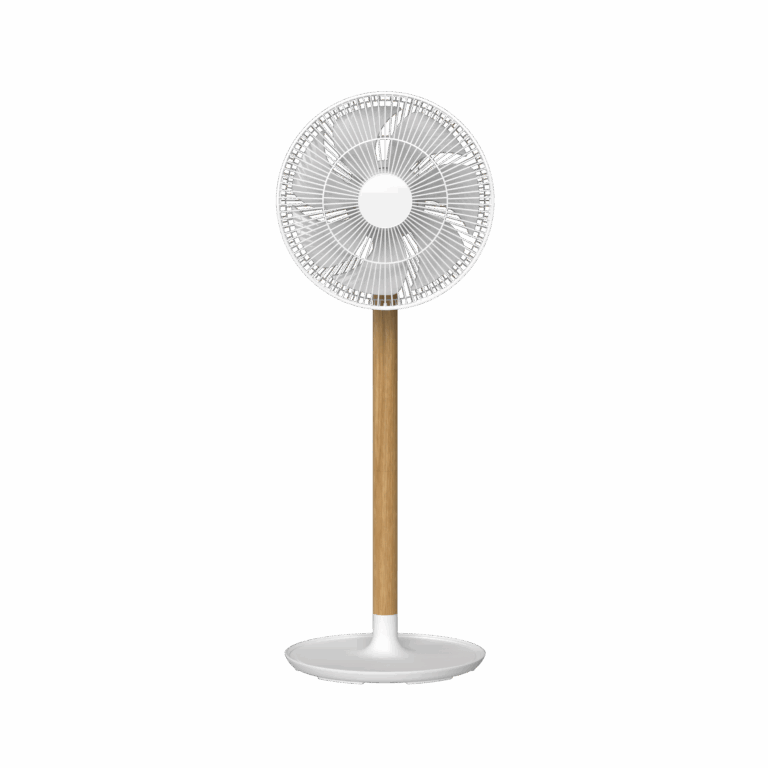
Equally important is visual and biophilic wellness. This aspect of design focuses on how the air circulator fan looks and feels within its environment. "Invisible technology" suggests designs that blend seamlessly into the background, avoiding obtrusive aesthetics. This often translates to minimalist forms and clean lines that complement modern interiors. Biophilic design, on the other hand, seeks to connect occupants with nature, even indoors. This is achieved through the integration of natural materials like wood and bamboo into the fan's design, which evoke a sense of calm and organic harmony. Furthermore, the incorporation of ambient and circadian-rhythm-aligned lighting transforms the air circulator fan into a multi-functional device that can influence mood and sleep patterns. Imagine an air circulator fan that not only circulates air but also emits a soft, warm light in the evening, gradually shifting to a cooler, brighter light in the morning, mimicking natural light cycles, thereby enhancing the overall wellness experience.
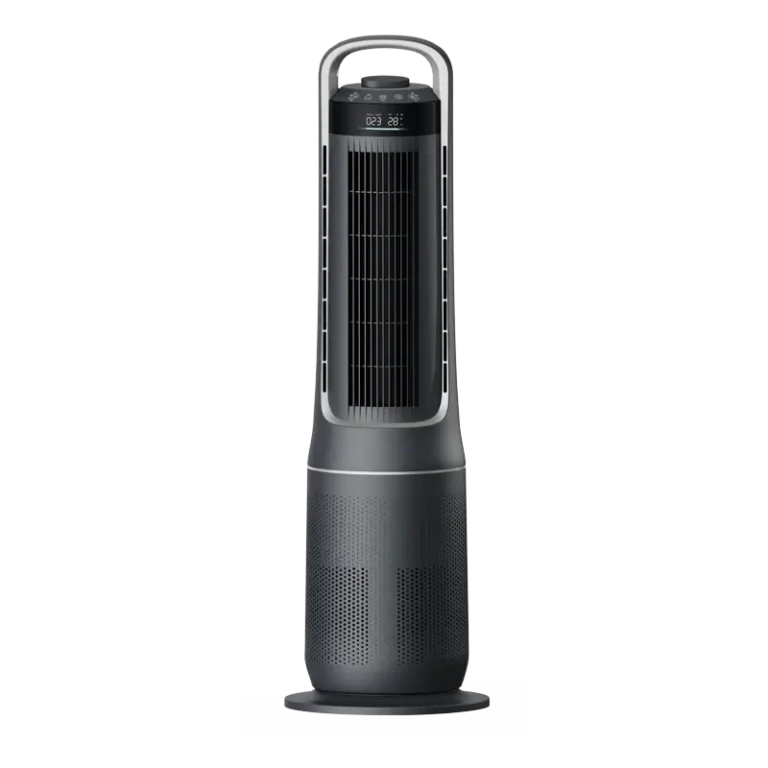
This trend also highlights the rise of the multi-function device. Modern air circulator fans are increasingly combining their core circulation function with other essential features, such as air purification, heating, and even integrated lighting, into a single, streamlined appliance. This consolidation reduces clutter, simplifies control, and offers a more holistic solution for indoor environmental management. By strategically combining these features, manufacturers can create air circulator fan products that are not just appliances, but integral components of a thoughtfully designed, wellness-focused living or working space. This clear visual effect not only improves the reading experience but also makes it easier for readers to find the information they need.
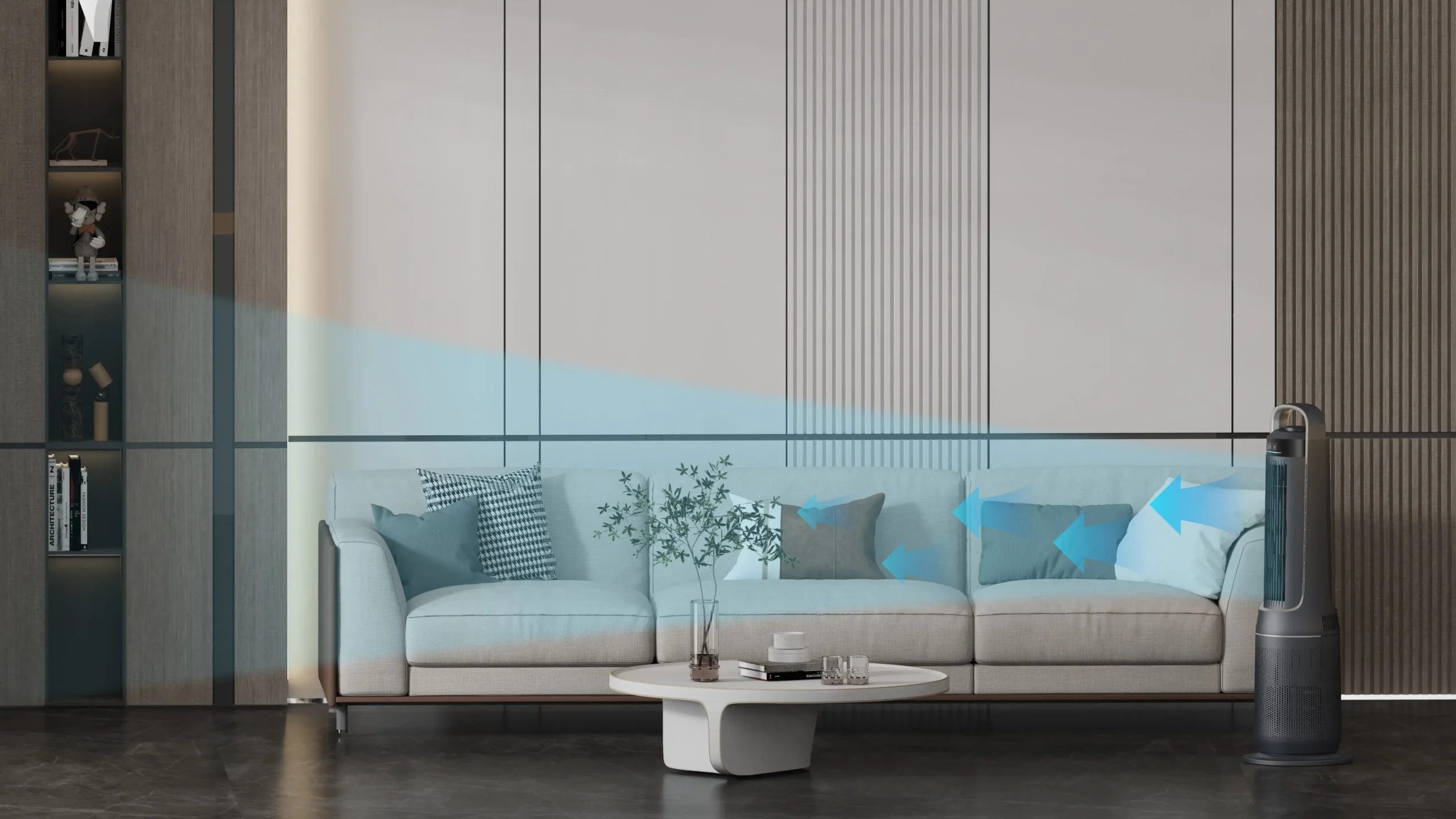
HisoAir - 3 in 1 Air purifier, Fan & Heater HA H255F
Trend 5: Sustainable Comfort: The Convergence of Eco-Consciousness and Energy Efficiency
The final, yet equally critical, trend shaping the future of air circulator fans is the profound convergence of eco-consciousness and energy efficiency. This is no longer a niche concern but a mainstream market driver, fueled by growing consumer demand for sustainability, environmental concerns, and the ever-present pressure of rising energy costs. Businesses that prioritize sustainability in their air circulator fan product development and messaging will gain a significant competitive edge.
At the heart of achieving superior energy efficiency in air circulator fans are several core technologies. Brushless DC (BLDC) motors are rapidly becoming the standard, offering significantly lower power consumption compared to traditional AC motors while delivering comparable or even superior performance. This translates directly into reduced electricity bills for end-users and a smaller carbon footprint, making BLDC-powered air circulator fans a highly attractive option. Complementing this are advanced aerodynamics, which ensure that the air moved by the fan is utilized most effectively for superior room circulation. Technologies like Vornado's Vortex Action, which creates a powerful, focused beam of air, exemplify how intelligent design can maximize air movement efficiency in air circulator fans. Furthermore, the integration of AI-driven smart controls and occupancy sensors plays a crucial role in eliminating energy waste. Air circulator fans can automatically power down or reduce speed when a room is empty, or adjust operation based on real-time environmental data, ensuring energy is only consumed when and where it's needed, thereby optimizing energy consumption.
The definition of sustainability, however, is expanding beyond just energy consumption. It now encompasses the entire product lifecycle of air circulator fans. Material health is gaining prominence, with a focus on using eco-conscious, recyclable, and non-toxic materials in manufacturing. This addresses concerns about the environmental impact of production and disposal. Equally important is product longevity, designing air circulator fans for durability and enabling predictive maintenance. A product that lasts longer and can be easily repaired or maintained reduces waste and the need for frequent replacements, aligning with circular economy principles. This holistic approach to sustainability resonates deeply with environmentally conscious consumers.
Finally, air circulator fans are increasingly integrating with broader home energy ecosystems. This includes connectivity with renewable energy sources like solar panels, allowing fans to optimize their operation during periods of peak solar generation. They can also participate in utility demand-response programs, intelligently adjusting their power consumption during grid stress to support energy conservation efforts. This level of integration positions the air circulator fan not just as an energy-efficient appliance, but as an active participant in a sustainable and resilient home energy infrastructure, creating products that are integral components of wellness-focused living spaces.
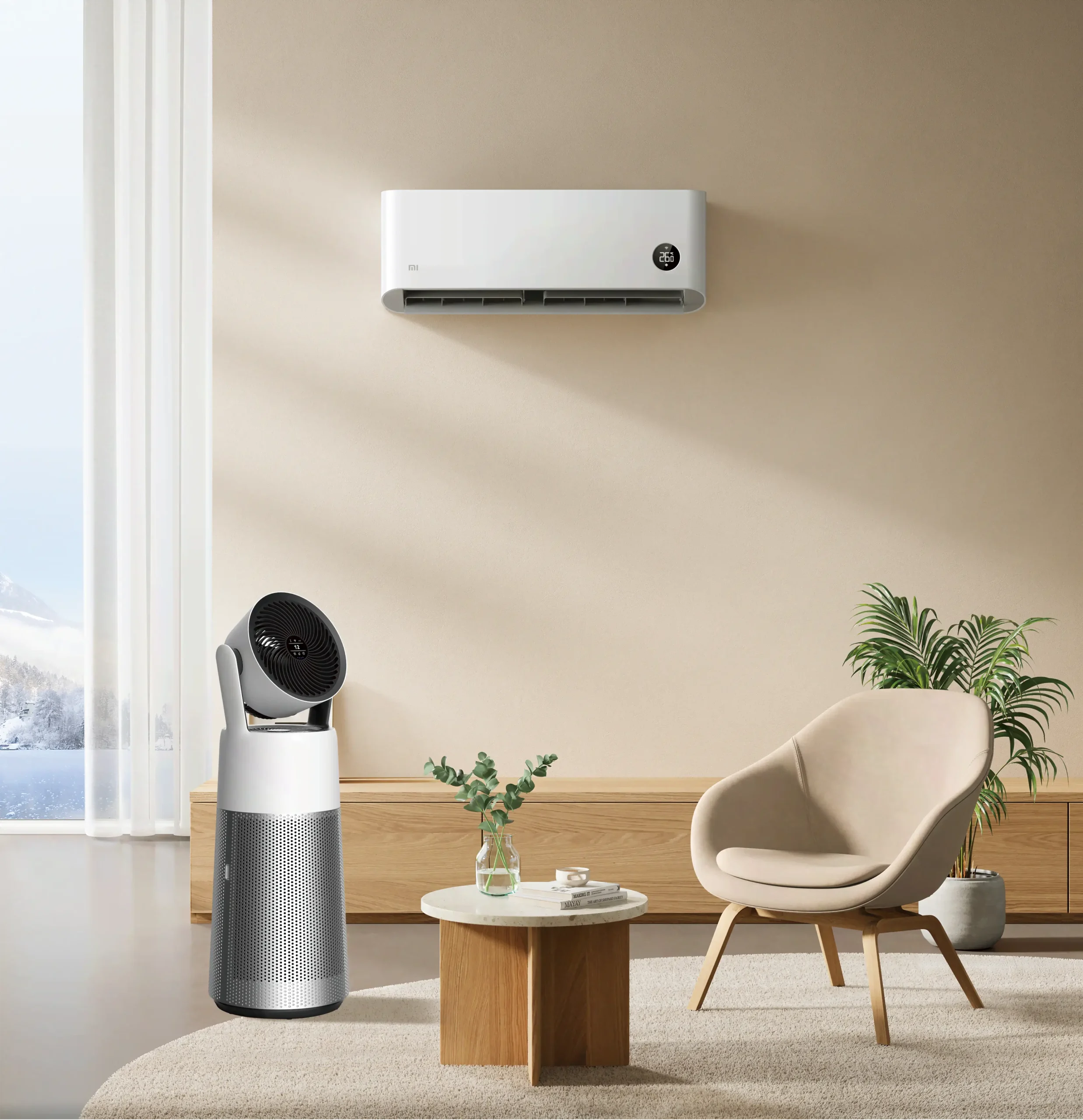
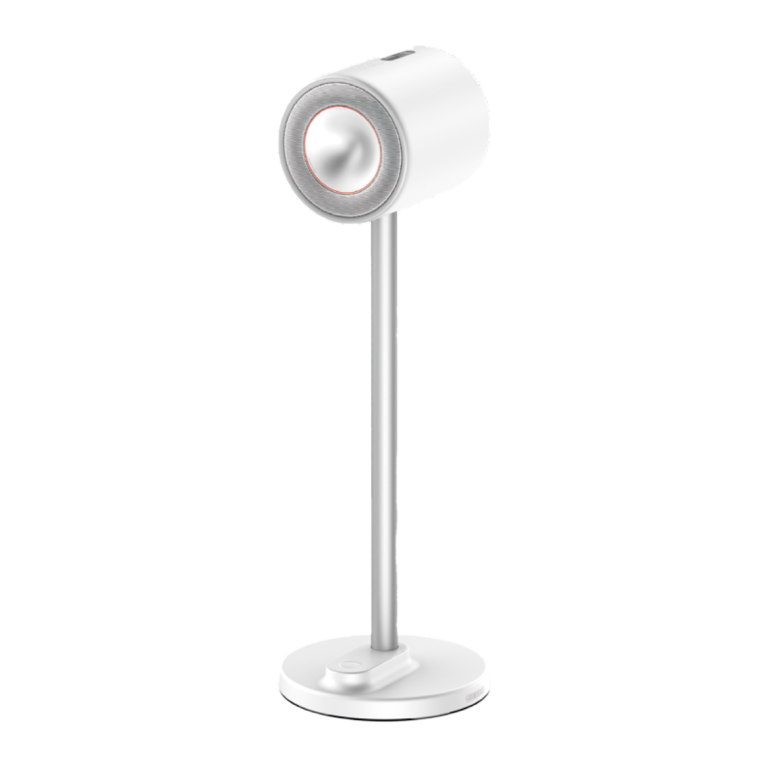
HisoAir - 3-in-1 Air purifier & Humidifier & Fan HA-M300F
Conclusion & Strategic Recommendations
The journey of the air circulator fan from a simple appliance to a sophisticated wellness hub is well underway, driven by technological innovation and evolving consumer demands. The five trends discussed—AI-powered autonomous air management, proactive purification, biometric and wearable integration, sensory-centric design, and sustainable comfort—are not isolated developments but interconnected facets of a holistic transformation. The air circulator fan is poised to become a key node in the personal wellness ecosystem, a device that not only moves air but intelligently cleanses, optimizes, and harmonizes our indoor environments.
For industry stakeholders, embracing these trends is not merely an option but a strategic imperative. Here are actionable recommendations to navigate this evolving landscape:
-
Prioritize Ecosystem Interoperability: The future of wellness tech is interconnected. Invest in developing air circulator fan products that seamlessly integrate with broader smart home ecosystems and adhere to open standards like Matter. This ensures compatibility and enhances the user experience, making your products more attractive to consumers building comprehensive smart homes.
-
Invest in Verifiable Science for All Health and Purification Claims: As air circulator fans increasingly function as health devices, regulatory scrutiny will intensify. Back all purification and wellness claims with rigorous, verifiable scientific data. Transparency and evidence-based marketing will build trust and differentiate your brand in a competitive market.
-
Engineer for Sensory Well-being (Acoustics and Visuals): Beyond performance, the sensory experience of the air circulator fan product is paramount. Focus on achieving whisper-quiet operation through advanced motor and aerodynamic design. Embrace minimalist aesthetics, natural materials, and integrated lighting solutions that contribute positively to the indoor environment. The "wellness aesthetic" is a powerful differentiator.
-
Develop Recurring Revenue Strategies: The shift towards advanced filtration and sterilization technologies in air circulator fans opens avenues for recurring revenue. Explore business models centered around proprietary filter subscriptions or maintenance plans. This not only creates a stable income stream but also fosters long-term customer relationships.
-
Embrace the "Wellness Aesthetic" in Product Design: Design air circulator fan products that are not just functional but also beautiful and contribute to a sense of calm and well-being. This includes thoughtful material selection, ergonomic controls, and an overall design language that aligns with the holistic wellness movement. Products that look good and feel good will resonate with the modern consumer.
By strategically addressing these trends, manufacturers of air circulator fans can move beyond traditional product categories, establishing themselves as leaders in the burgeoning wellness technology market and delivering true value to consumers seeking healthier, more comfortable, and more sustainable living spaces.

 English
  Français
  Español
  Italiano
  Deutsch
  Português
  Русский
  العربية
  日本語
日本語  한국어
한국어  Tiếng Việt

