

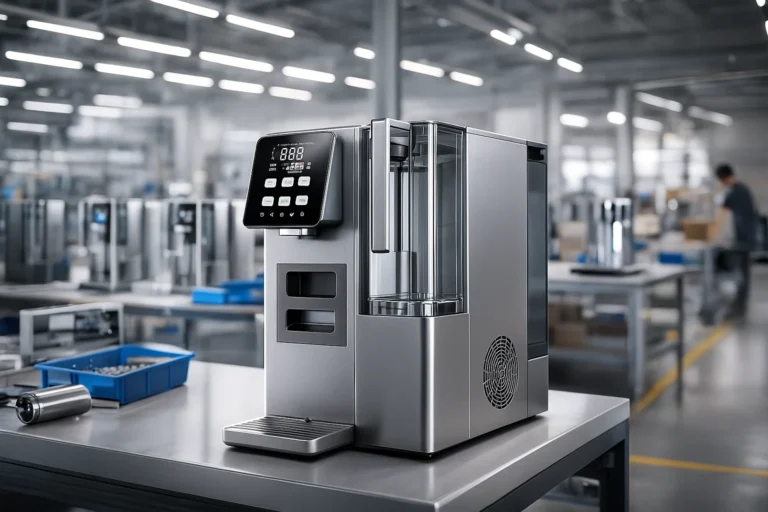
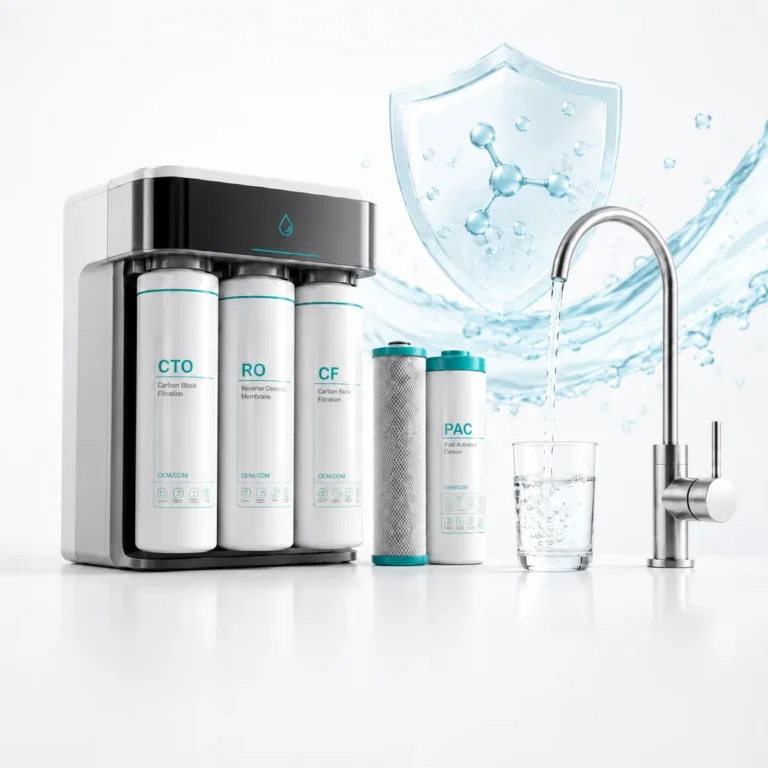

Remote communities face tough PFAS water issues. Building standard plants takes too much time and money. I will show you how modular systems1 solve these exact problems.
Modular systems matter for remote PFAS water treatment2 because they are pre-engineered and built off-site. This approach cuts installation time, reduces on-site labor, and bypasses complex logistics. These packaged solutions give remote communities reliable, low-maintenance clean water without the heavy construction burden.
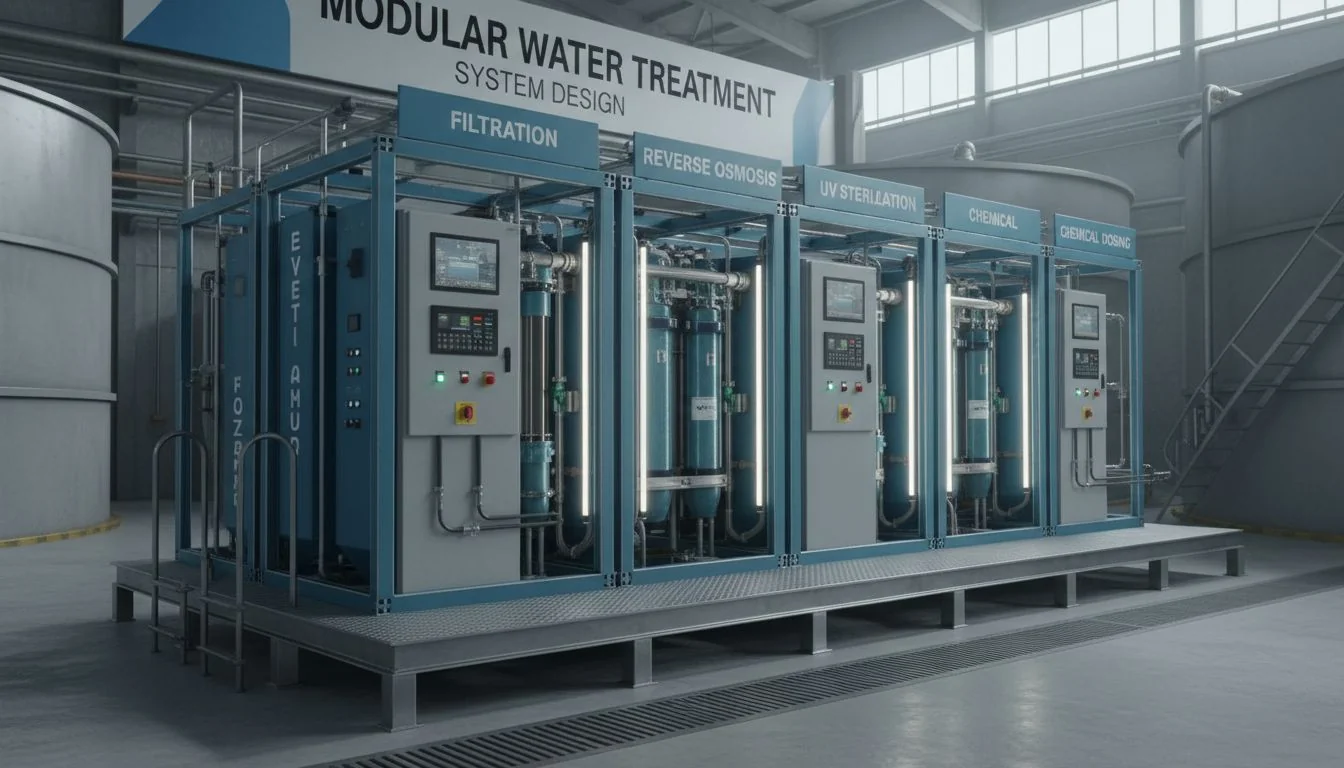
You might wonder how we apply manufacturing logic to water treatment. I learned early in my CNC and mold career that smart packaging solves complex field problems. Let us look at how modular design changes the game for remote water projects.
Standard water treatment plants are always cheaper to build in remote areas than modular systems.خطأ
Standard plants require heavy on-site construction, which is often much more expensive in remote areas due to logistics and labor costs.
Modular water treatment systems are built and tested in a factory before they ship to the site.صحيح
Modular systems undergo a Factory Acceptance Test to ensure all parts work correctly before deployment.
What Are the Unique Water Challenges in Tribal and Remote Communities?
Remote sites deal with harsh weather and bad roads. Standard construction fails here. Modular designs offer a better way to handle these tough site conditions.
Tribal and remote communities3 face distinct water challenges like extreme weather, long transport routes, and limited local construction resources. These factors make standard water plants too costly. Modular systems bypass these hurdles by moving the complex assembly work to a controlled factory setting.
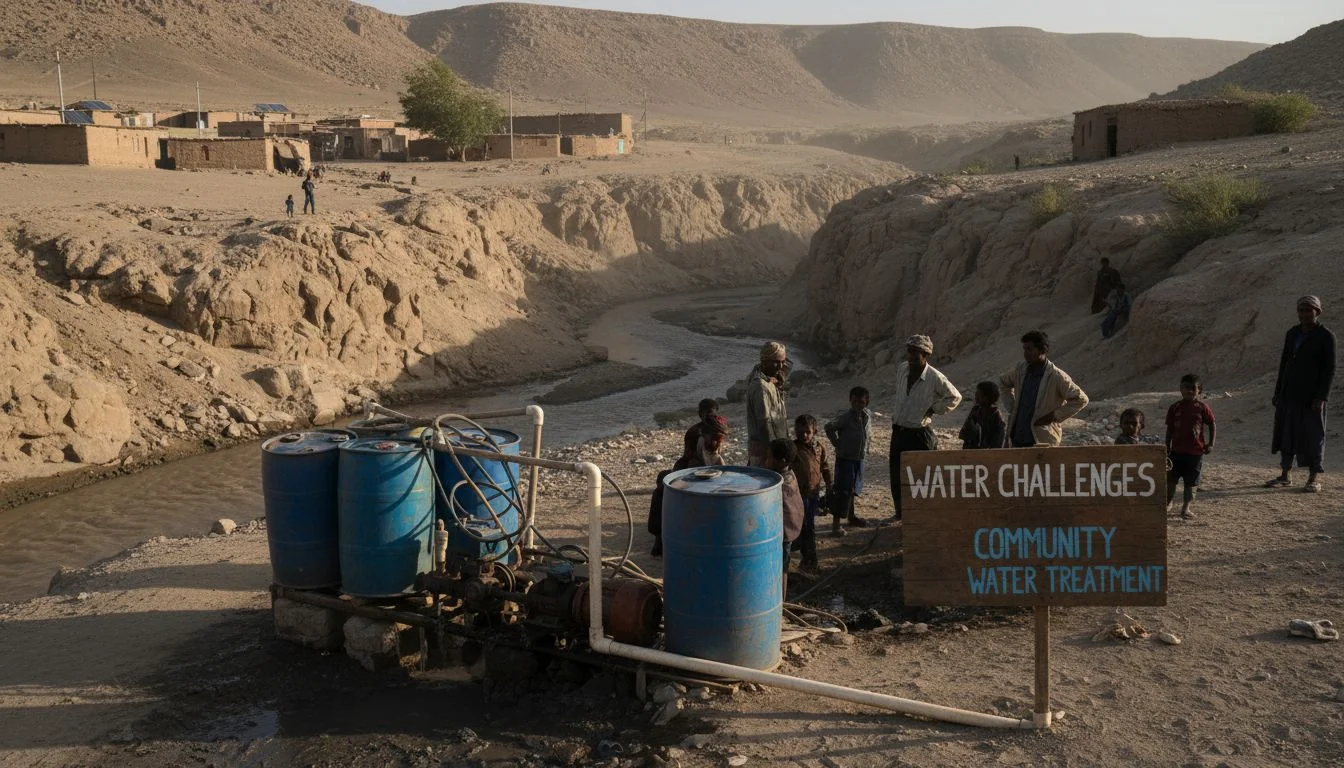
I often compare remote water projects to setting up a new injection mold machine in a tight space. You must plan for every limit. Remote communities have great skills. They simply face hard geographic and supply chain facts.
Geographic and Supply Chain Facts
Standard water plants need heavy machines, wet concrete, and large work crews. Remote sites often lack good roads to support this heavy traffic. Weather windows are also very short. You might only have three months to build before winter arrives.
The Manufacturing Solution
We solve this problem by shifting the work. We build the water system in a factory. This process is just like machining a complex mold base before shipping it to the client. We control the build quality. We test every part before it leaves our shop.
| التحدي | Standard Construction | Modular System |
|---|---|---|
| Weather | Delays project for months | Built indoors, no weather delays |
| العمالة | Needs large local crew | Needs small setup crew |
| Quality | Varies by field conditions | Factory tested and verified |
This clear method respects the local land. It delivers a working system quickly. It does not turn the community into a messy construction zone for years.
Remote communities always have the local resources to build large concrete water plants.خطأ
Remote communities often lack the specialized heavy equipment and large construction crews needed for standard concrete plants.
Building a water system in a factory protects the project from weather delays.صحيح
Indoor factory construction eliminates the risk of rain, snow, or extreme temperatures delaying the build process.
Why Do Modular and Pre-Engineered Systems Fit Remote Sites?
Custom engineering takes too long for urgent water needs. Remote sites need fast action. Pre-engineered modular systems deliver proven results without the long wait.
Modular and pre-engineered systems4 fit remote sites because they use standard, proven designs. Engineers package the pumps, filters, and controls into shipping containers or skids. This plug-and-play setup drastically reduces on-site engineering and speeds up the delivery of clean drinking water.
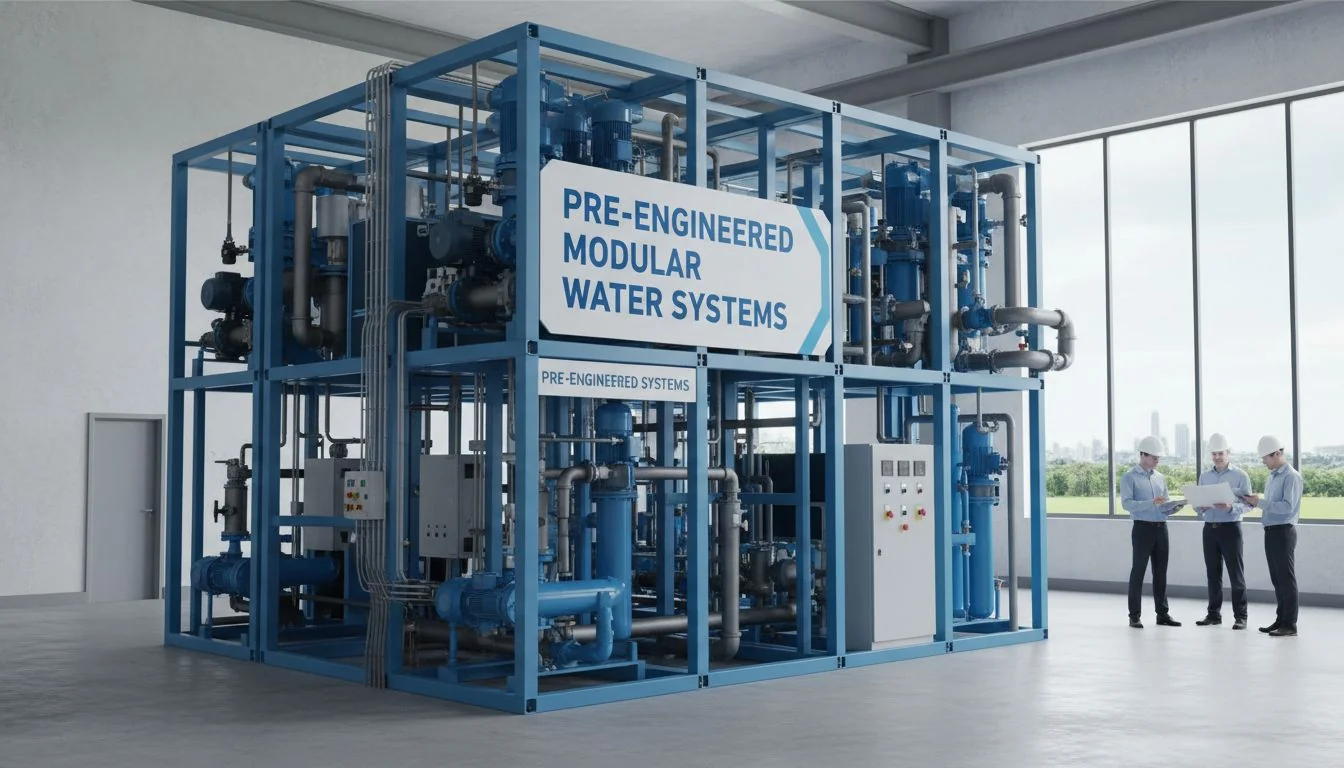
Think about how we use standard mold bases in our industry. We do not invent a new base for every new plastic part. We use a proven base. We only change the core and cavity. Water treatment works the exact same way.
The Power of Standard Parts
Pre-engineered systems use standard layouts. Engineers already designed the pipe routing, valve placement, and control panels. This choice saves months of drafting time. Jacky, you know how much time a good CAD library saves. We apply this same concept to water infrastructure.
Customizing for PFAS
The base frame is standard. The treatment media is custom. We select specific carbon or ion exchange resins based on the local water test.
| System Component | Design Approach | المزايا |
|---|---|---|
| Skid Frame | قياسي | Lowers cost and speeds up build |
| Piping Layout | Pre-engineered | Stops field welding errors |
| PFAS Media | مخصص | Targets specific local water issues |
This mix of standard frames and custom media gives remote sites a great result. They get a fast and reliable system. This system specifically targets their unique PFAS problem.
Pre-engineered water systems require engineers to design every pipe and valve from scratch.خطأ
Pre-engineered systems use standard, pre-designed layouts to save time and reduce engineering costs.
Modular systems can use custom filter media to target specific local PFAS levels.صحيح
While the frame is standard, the treatment media inside the tanks is customized based on local water testing.
How Do We Overcome Logistics, Transport, and Installation Constraints?
Moving heavy equipment over dirt roads causes massive headaches. Installation errors ruin project timelines. Modular systems pack neatly into standard containers to solve this.
We overcome logistics and transport constraints by building water systems inside standard shipping containers or on compact skids. Trucks can easily move these units over rough roads. Once on site, workers simply connect the water lines and power, avoiding complex field assembly.
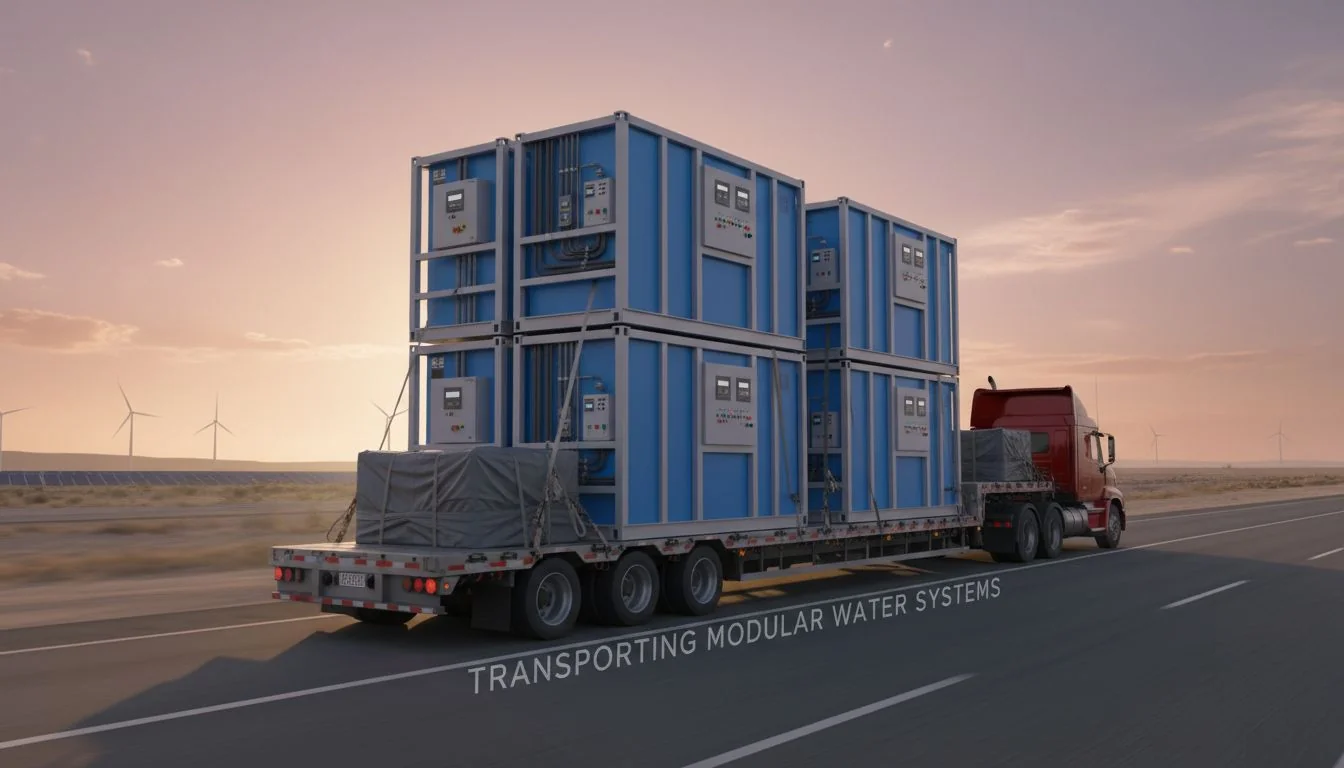
I remember shipping a massive mold to a client in a rural area. The truck got stuck on a dirt road. We lost three days of work. Logistics can easily ruin a project.
Designing for Transport
We start with the shipping method when we design modular water systems. We cannot send a massive load if the site only has a narrow dirt road. We break the system down into smaller skids. We design the metal frames to fit inside standard shipping containers.
Simplifying Installation
Field installation must be very simple. We cannot expect a remote site to have expert welders on standby.
| Installation Step | Standard Method | Modular Method |
|---|---|---|
| Piping | Field welding required | Bolt together parts |
| Wiring | Run all wires on site | Pre-wired to one plug |
| الاختبار | Fix problems in the field | Factory test done early |
We do the hard work in the factory. We reduce the field installation to basic mechanical connections. This plan respects the local site conditions. It ensures the system works on the very first day.
Modular water systems are shipped in loose parts and welded together on site.خطأ
Modular systems are pre-assembled in a factory and shipped as complete units to avoid field welding.
Designing water systems to fit inside standard shipping containers makes transport to remote areas easier.صحيح
Standard shipping containers fit on regular trucks, making it much easier to navigate narrow or rough remote roads.
Why Is Operator Capacity and Low-Maintenance Design Crucial?
Remote towns rarely have a large team of water engineers. Complex systems break down and stay broken. Low-maintenance designs keep the water flowing smoothly.
operator capacity5 is crucial because remote communities often have small utility teams managing multiple jobs. Low-maintenance designs use automated controls, remote monitoring, and simple media replacement processes. This ensures the local operators can easily run the PFAS treatment system without needing constant outside help.
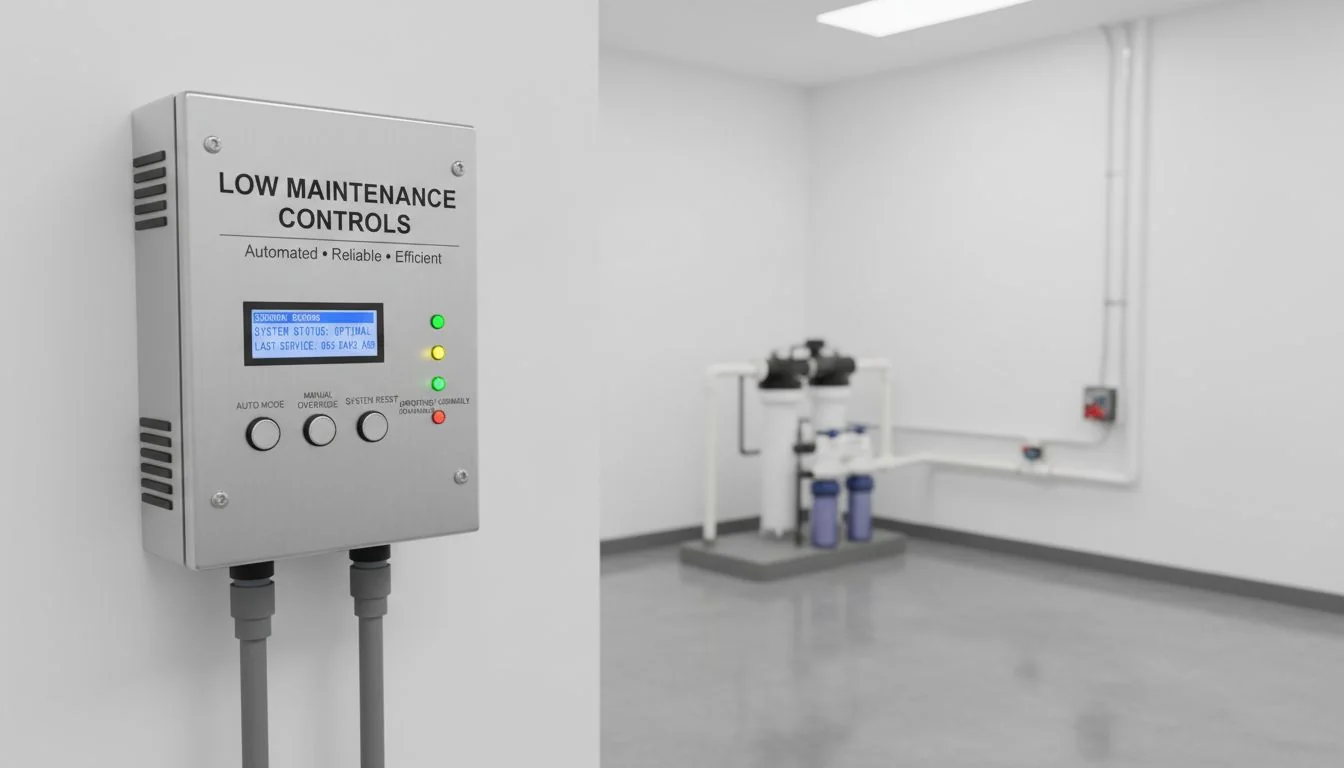
Operators will make mistakes if a machine is too hard to run. The same rule applies to water treatment. We must design the system for the user.
Designing for the Operator
Remote operators do many different jobs. They might fix roads in the morning. They might check the water plant in the afternoon. We cannot give them a system that needs constant manual valve changes. We must automate the daily tasks.
Remote Monitoring and Support
We include smart sensors and remote access in our modular systems. An engineer can log in from a city hundreds of miles away if an alarm sounds. They can help the local operator fix the issue quickly.
| الميزة | Standard System | Low-Maintenance Modular System |
|---|---|---|
| Controls | Manual valves and dials | Touch screen with automation |
| Support | Wait days for a worker | Instant remote login support |
| الصيانة | Hard media swaps | Easy access ports and clear labels |
This approach empowers the local community. It gives them a high-tech solution. This solution is actually easy to manage every single day.
Remote water operators usually have plenty of free time to manually adjust system valves all day.خطأ
Remote operators usually manage multiple town utilities and need automated systems to save time.
Remote monitoring allows engineers to help local operators fix system alarms from far away.صحيح
Smart sensors and internet connections let off-site engineers view system data and guide local operators through fixes.
What Are the Funding Pathways for Tribal Drinking Water Projects?
Finding money for new water plants is stressful. Communities struggle with complex grant applications. Packaged modular systems make the funding process much clearer and easier.
funding pathways6 for Tribal drinking water projects include federal grants, state programs, and environmental funds. Modular systems help communities secure this funding because they offer predictable costs and clear timelines. These project-ready packages give grant reviewers confidence, though funding approval is never guaranteed.
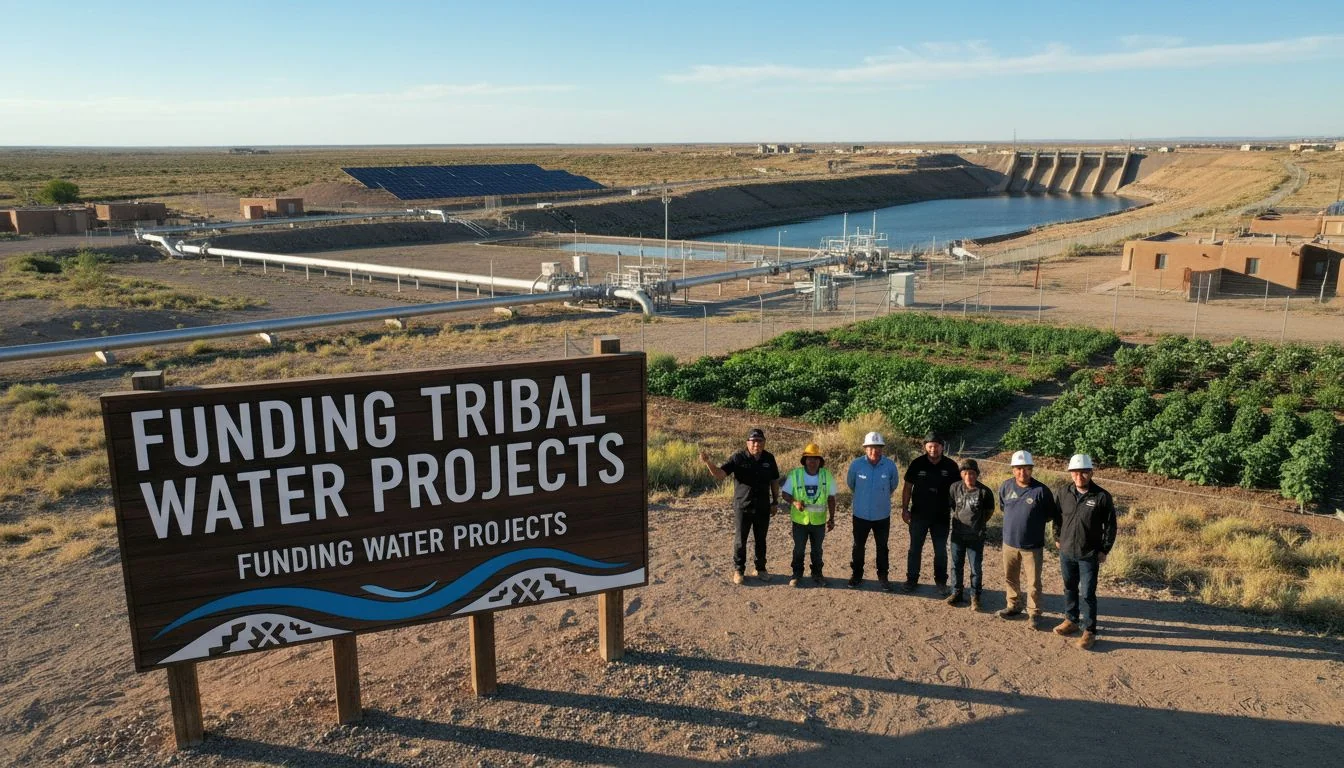
I have helped clients get bank loans for expensive CNC machines. The bank always wants to see a fixed price. Grant agencies want the exact same thing.
Predictable Project Costs
Standard construction projects often cost too much money. You dig a hole, find a rock, and the budget doubles. Modular systems have fixed factory prices. This fact makes your grant application much stronger. You can tell the agency exactly how much the system costs.
Grant-Ready Packages
We help communities by providing detailed engineering packages early. These packages include 3D CAD models, performance facts, and exact power needs.
| Funding Need | How Modular Systems Help |
|---|---|
| Fixed Budget | Factory pricing stops extra costs |
| Clear Timeline | Standard build times are very clear |
| Proven Tech | Standard designs show past success |
We cannot promise a grant will win approval. We can give the community the best tools to try. A well-packaged engineering proposal always stands out to reviewers.
Submitting a grant application with a modular system design guarantees the community will receive funding.خطأ
While modular designs improve the application by providing clear costs, funding approval is never guaranteed.
Modular systems offer fixed factory pricing that helps prevent construction cost overruns.صحيح
Because the system is built in a factory environment, the costs are highly predictable compared to field construction.
How Do You Plan a Project From Assessment to Commissioning?
Rushing a water project leads to costly mistakes. Skipping steps causes system failures. A clear, step-by-step plan ensures the modular system works perfectly upon arrival.
You plan a project by starting with a detailed water quality assessment7. Next, engineers design the modular system and build it in a factory. Finally, the team ships the unit to the site, connects it, and commissions it. This structured process guarantees a smooth deployment in remote areas.

I follow a strict checklist when I design a mold. I check the shrinkage and the cooling lines. The plastic part fails if I skip a step. Water treatment projects need the same strict rules.
The Assessment Phase
Everything starts with the water data. We must test the water for PFAS and other bad elements. We cannot design the right filter if we do not know what is in the water.
The Factory Build and Test
We build the system after we design it. We perform a Factory Acceptance Test before we ship it. We run clean water through the system in our shop. We test every single pump and alarm.
| Project Phase | الإجراء الرئيسي | Goal |
|---|---|---|
| 1. Assessment | Test water quality | Pick the right filter media |
| 2. Design | Create CAD models | Make sure system fits the site |
| 3. Build & Test | Assemble and test | Catch errors before shipping |
| 4. Commissioning | Connect on site | Deliver clean drinking water |
This step-by-step method removes all the bad guesses. It allows us to package complex water solutions for the hardest deployment environments.
You can design a PFAS water treatment system without testing the local water first.خطأ
You must test the local water to know exactly which contaminants are present so you can choose the correct filter media.
Commissioning is the final step where the system is connected on site to deliver clean water.صحيح
Commissioning involves the final on-site connections, testing, and handover to ensure the system operates correctly for the community.
الخاتمة
Modular systems solve remote PFAS water challenges through smart packaging, fixed costs, and simple installation. They empower communities with reliable, low-maintenance clean water solutions without the traditional construction headaches.
References
-
Exploring modular systems can reveal innovative solutions for efficient water treatment in remote areas. ↩
-
Understanding PFAS water treatment is crucial for ensuring safe drinking water in affected communities. ↩
-
Identifying the challenges faced by remote communities can help in developing targeted solutions. ↩
-
Pre-engineered systems offer cost-effective and timely solutions for urgent water needs. ↩
-
Operator capacity is vital for the effective management of water treatment systems in small communities. ↩
-
Understanding funding pathways can help communities secure necessary resources for water projects. ↩
-
Conducting a thorough water quality assessment is essential for designing effective treatment solutions. ↩



 English
  Français
  Español
  Italiano
  Deutsch
  Português
  Русский
  العربية
  日本語
日本語  한국어
한국어  Tiếng Việt

