
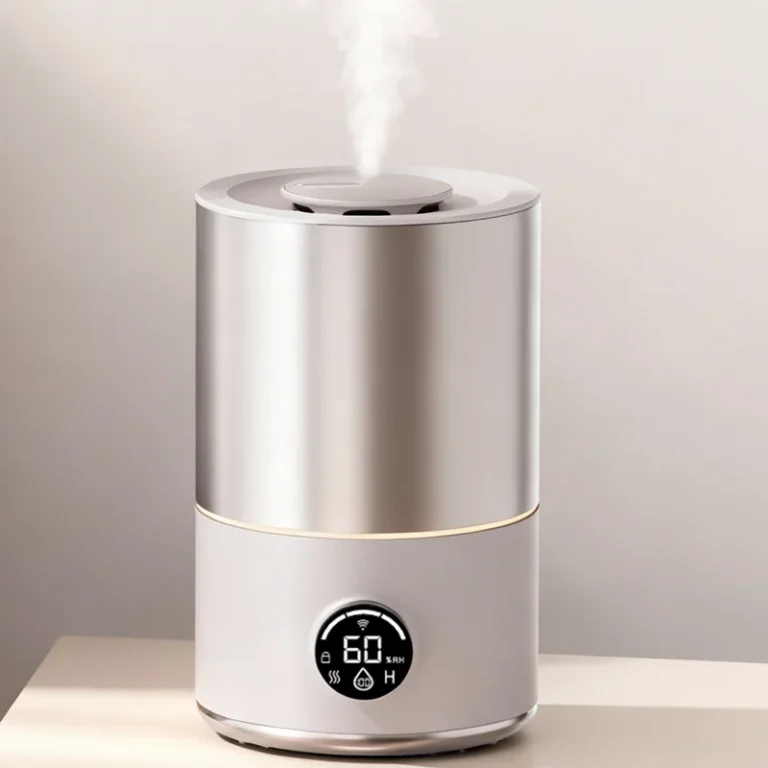
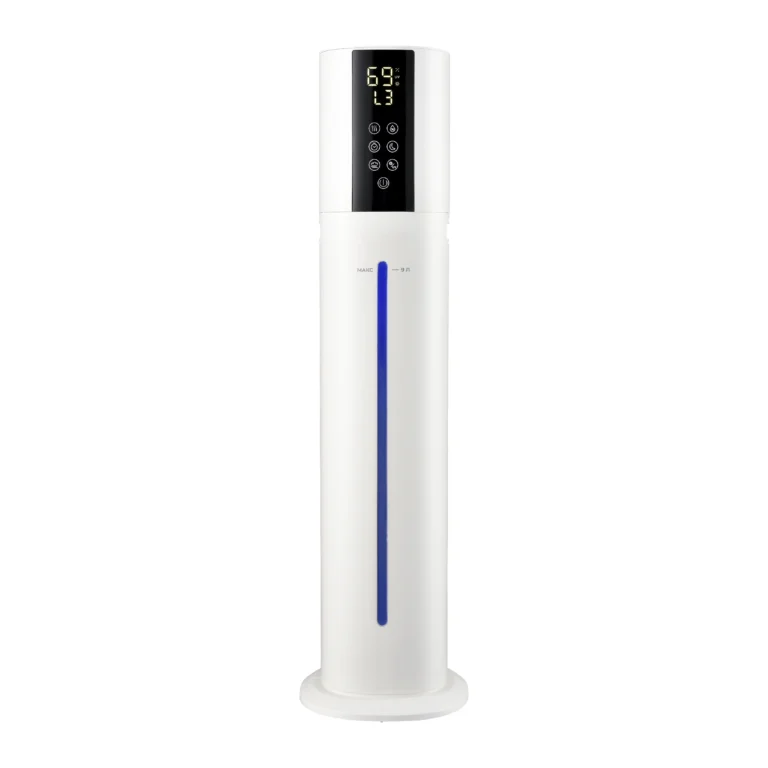
Struggling with high costs and slow production for your humidifiers? These issues can sink your brand. I've discovered a manufacturing hub that offers a better way: Zhongshan1, China.
Zhongshan is the rising hub because it combines a dense سلسلة التوريد2, specialized component clusters, and flexible manufacturing. It offers Shenzhen-level talent at a lower cost, with strong government support and superior logistics, making it ideal for humidifier sourcing.
You've probably heard of Shenzhen and Guangzhou as manufacturing powerhouses. But I've spent years on the ground here in the Pearl River Delta3, and I can tell you a shift is happening. A city once known for lighting and home appliances is now quietly dominating the humidifier space. I've seen it firsthand. Let's break down exactly why Zhongshan is the smart choice for your next humidifier project.
How Does the Pearl River Delta Give Zhongshan a Supply-Chain Advantage?
Tired of waiting weeks for components? These delays stall your production and hurt your cash flow. Zhongshan's location gives you one-hour access to every part you need.
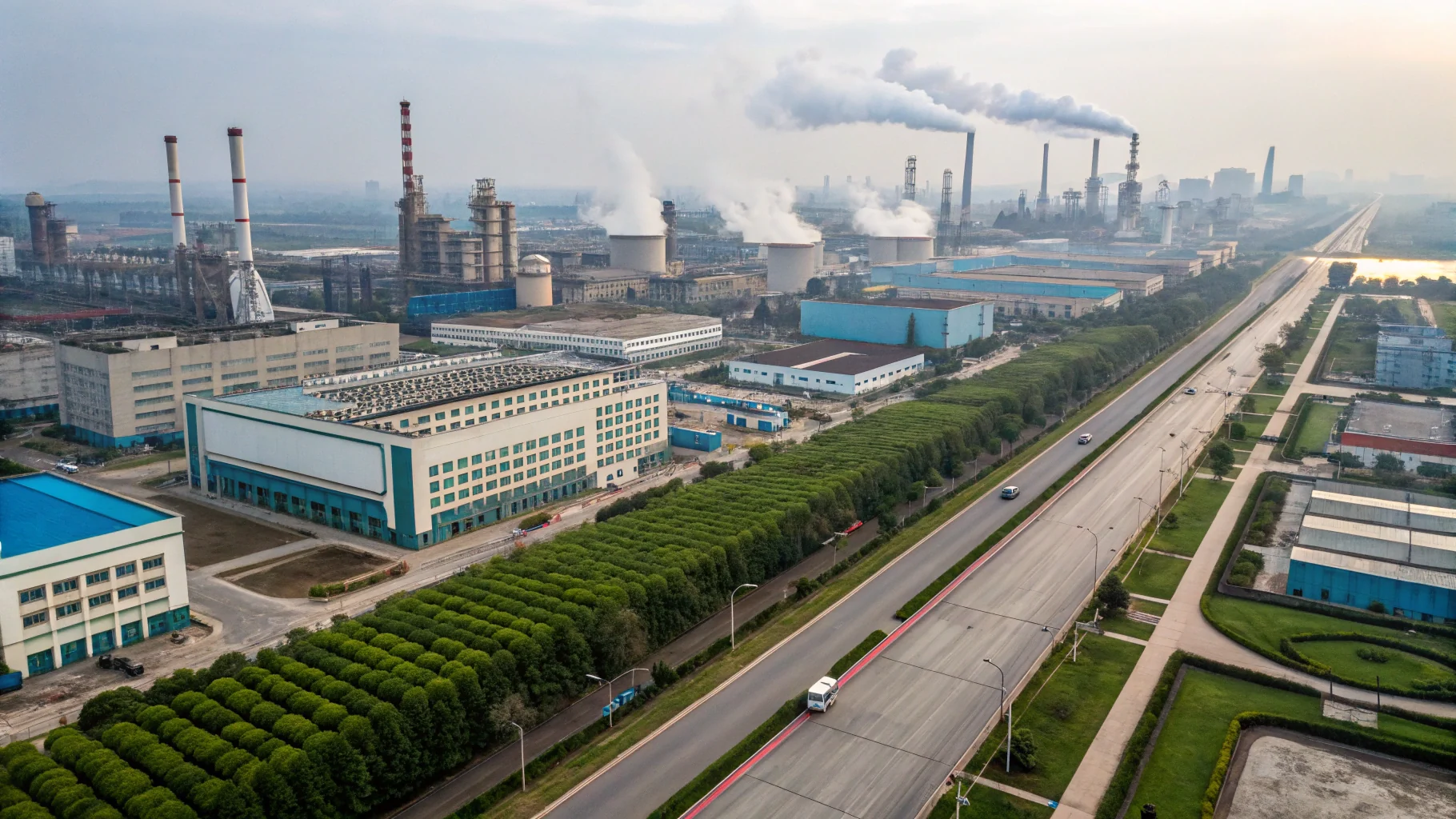
Zhongshan's advantage comes from its central location between Dongguan and Foshan. This proximity to motor, PCB, plastic molding, and packaging suppliers drastically cuts lead times and reduces the need for large inventories.
I've managed production lines all over China, and logistics4 can be a nightmare. I remember one project in an inland city where we waited two weeks for a specific motor shipment. That delay cost us a major retail deadline. In Zhongshan, that problem disappears. The city is perfectly positioned.
The One-Hour Access Rule
Think of it like this: you need a custom motor. The best vendors are in Foshan. You can have a sample in your hands the same afternoon. Need a new PCB layout? The experts in Dongguan are just a short drive away. This isn't just convenient; it's a strategic weapon. It means we can iterate on designs faster and slash our inventory costs because we don't need to stockpile parts. Everything is "just-in-time." This density is the secret sauce that allows for incredible speed and flexibility.
| المكوّن | Supplier Hub | Travel Time from Zhongshan |
|---|---|---|
| Motors | Foshan (Shunde) | ~ 1 hour |
| PCBs | دونغقوان | ~ 1 hour |
| Plastic Molding | Zhongshan / Foshan | ~ 30-60 mins |
| Packaging | Zhongshan / Dongguan | ~ 30-60 mins |
What Makes Zhongshan's Component Cluster and Factory Flexibility So Unique?
Need a small test batch for Amazon? Or a massive order for a big-box retailer? Finding a factory that can do both well is nearly impossible. Zhongshan's factory ecosystem is built for it.
Zhongshan is unique because it hosts a specialized cluster of workshops for ultrasonic nebulizer plates, a critical humidifier part. This is combined with a diverse factory base, from small workshops to huge public companies, offering unmatched ODM/OEM flexibility for any order size.
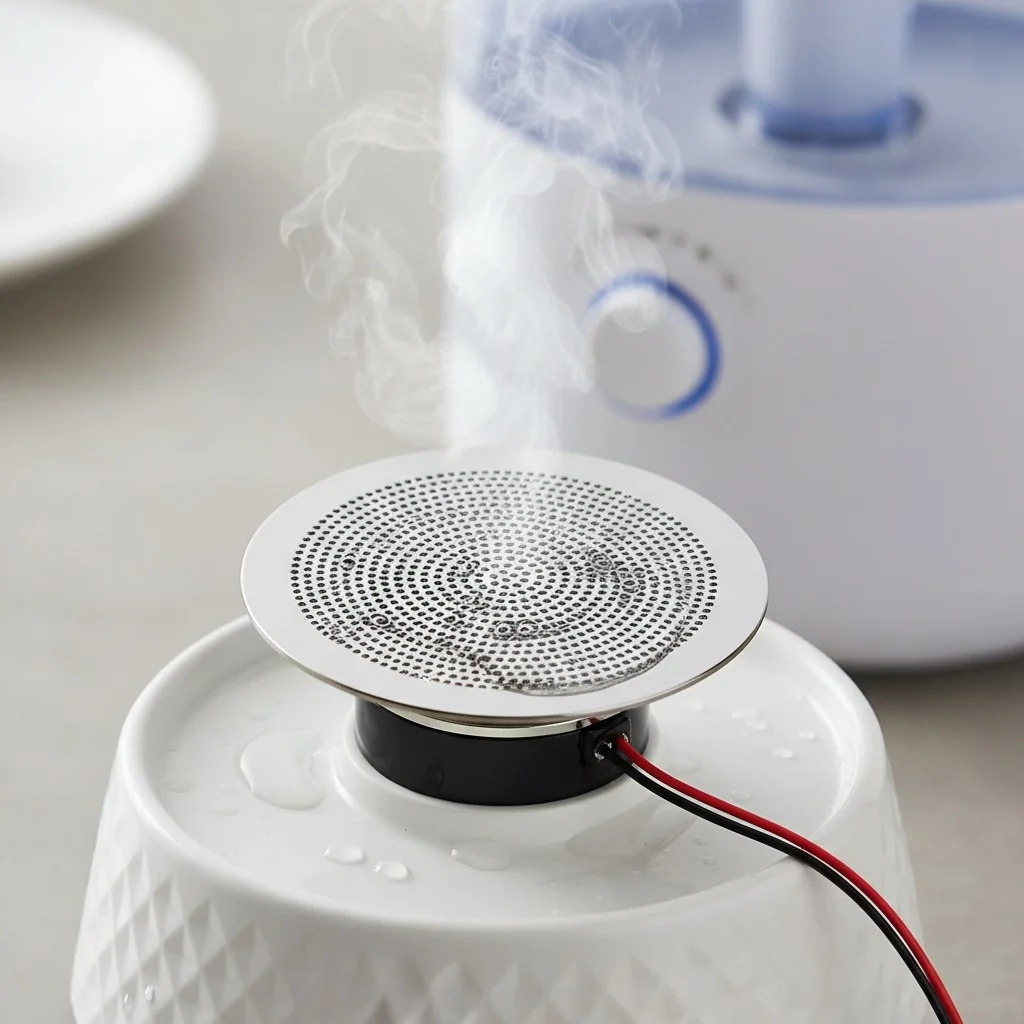
The heart of any modern ultrasonic humidifier is the nebulizer plate. It's a small ceramic wafer that vibrates at high frequency to create the mist. I've seen sourcing projects fail because a factory couldn't get these plates right. In Zhongshan, that's not a concern. The city has dozens of small, highly specialized workshops that focus only on these components.
From Test Batch to Mass Production
This specialization feeds into a larger, incredibly flexible manufacturing5 system. I had a client last year, an Amazon seller, who wanted to test a new design with just 500 units. A giant factory in Shenzhen wouldn't even answer their email. Here, I connected them with a 200-worker workshop that delivered a high-quality pilot run. Six months later, they placed an order for 100,000 units with a larger, publicly-listed appliance giant just down the road. This ability to scale is a game-changer.
| Factory Type | Typical MOQ | Best For |
|---|---|---|
| Small Workshop | 200 - 1,000 units | Amazon sellers, test batches |
| Mid-Size Factory | 1,000 - 10,000 units | Growing brands, private label |
| Large Public Co. | 10,000+ units | Major retailers, global brands |
Why Is Zhongshan's Engineering Expertise Already Primed for Export?
Worried about your product failing UL or ETL certification? These delays are costly and can kill a product launch. Zhongshan's engineers have been passing these tests for decades.
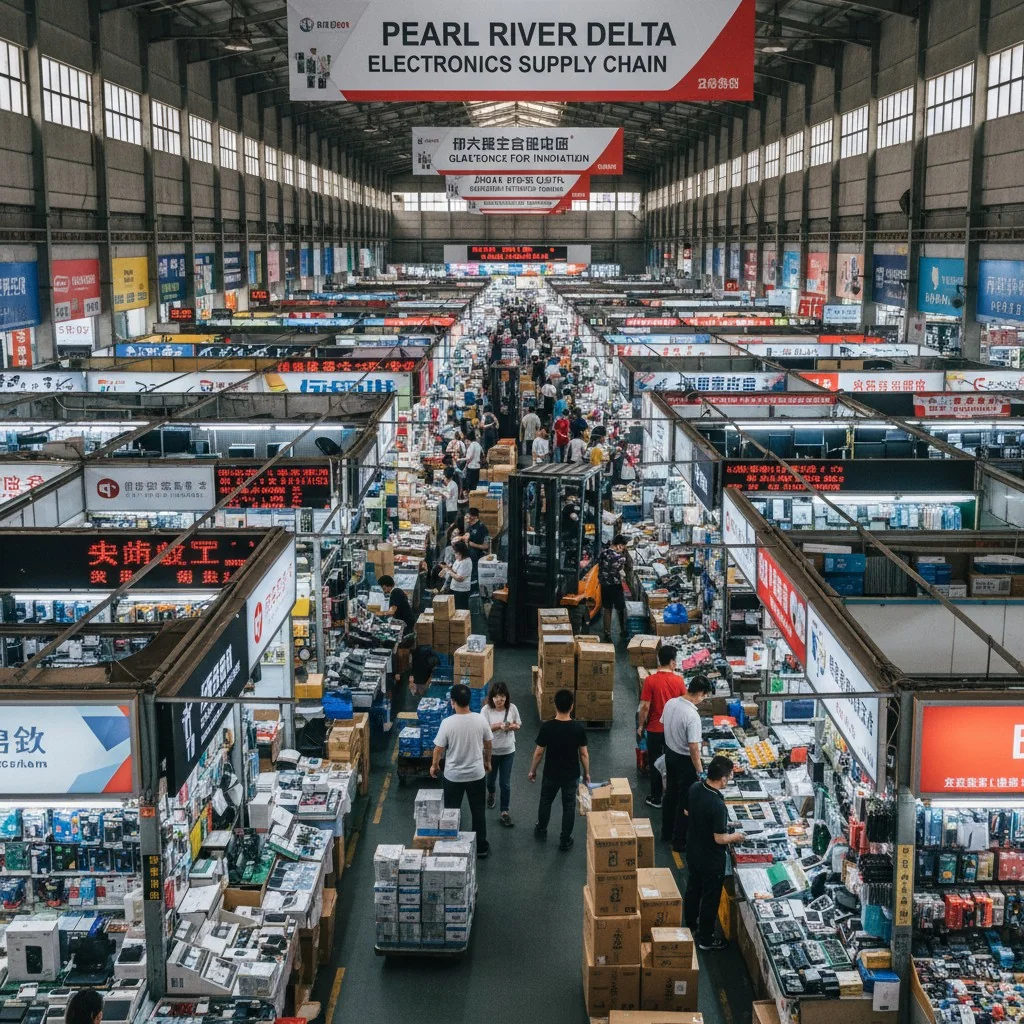
Zhongshan's engineering expertise6 is export-ready because its factories have a long history of manufacturing circulation fans for the North American market. They are already deeply familiar with UL, FCC, and ETL compliance standards, which significantly speeds up certification.
Getting a product certified for export to North America or Europe can be a minefield. I've seen brands spend months and thousands of dollars going back and forth with labs. The issue is often that the factory's engineers don't understand the standards from the start. Zhongshan is different. For years, this city has been a major hub for making circulation fans for US brands.
A History of Compliance
This history is so important. It means the engineering teams here aren't learning about UL, FCC, or ETL for the first time on your project. They live and breathe these standards. They know the requirements for power supplies, material flammability, and electronic emissions. I worked on a humidifier project recently where the factory's first prototype passed 90% of the ETL pre-tests. This saved my client at least two months of development time. This built-in knowledge is an invisible advantage that pays huge dividends. It's not just about making a product; it's about making a product that can be sold legally and safely in your target market from day one.
How Can Zhongshan Offer Lower Costs But Still Access Top Talent?
You want top engineering talent, but Shenzhen's high costs are eating your budget. This forces a compromise on quality or price. Zhongshan gives you the best of both worlds.
Zhongshan offers lower costs because its factory wages and industrial rents are 10-15% less than in Shenzhen. It still accesses top talent because the high-speed inter-city rail allows experienced engineers from Shenzhen to commute in under 45 minutes.
Everyone knows Shenzhen is the tech hub, but that comes with a hefty price tag. I've seen factory floor wages and management salaries there skyrocket. This directly impacts your unit cost. In Zhongshan, we see a significant cost advantage.
The Commuter Advantage
On average, shop-floor wages and the rent for industrial park space are about 10-15% lower here. That adds up quickly on a large order. But here's the clever part: we don't have to sacrifice talent. The high-speed rail network in the Greater Bay Area is incredible. An experienced project manager or a top-tier electronics engineer can live in Shenzhen and commute to our Zhongshan factory in less than 45 minutes. I know several senior managers who do this. They get the quality of life and lower costs of Zhongshan while the company gets their Shenzhen-level expertise. It's a win-win that allows us to build high-quality products at a more competitive price point. This is a structural advantage that is hard to replicate.
What Government Support Makes Zhongshan So Attractive for Manufacturing?
Launching a new product line is risky and expensive. R&D and safety testing costs can be overwhelming. The Zhongshan government actively helps reduce these burdens for new investors.
Zhongshan is attractive due to strong government support7, especially within the Torch Hi-Tech Development Zone. This support includes tax rebates, R&D grants, and fast-track safety testing labs that help brands launch new product lines more quickly and affordably.
A supportive local government can make or break a manufacturing investment. In Zhongshan, the support is very real and very practical, especially if you operate within the Zhongshan Torch Hi-Tech Zone. I've worked with companies setting up new lines here, and the process is streamlined.
The Torch Zone Advantage
This isn't just about empty promises. The government offers tangible benefits. For example, companies investing in new R&D for appliances can apply for grants that offset their costs. There are also tax rebates for high-tech enterprises. One of the most useful features is the presence of government-backed, fast-track safety-testing labs right inside the zone. This means instead of sending prototypes to a third-party lab and waiting weeks, we can get preliminary tests done in days. This helps us identify and fix compliance issues early, saving a huge amount of time and money. It's a clear signal that the city wants to attract and support innovative appliance brands.
How Do Logistics and Big Brands Prove Zhongshan's Manufacturing Power?
Shipping delays from inland factories can erase your profits and lead to angry customers. Getting your product to port quickly is critical. Zhongshan's logistics are built for speed to global markets.
Zhongshan's logistics are superior due to direct barge routes on the Pearl River and easy access to the Hong Kong–Zhuhai–Macao Bridge. This allows containers to reach major ports like Shekou or Kwai Tsing 24-48 hours faster than from inland factories.
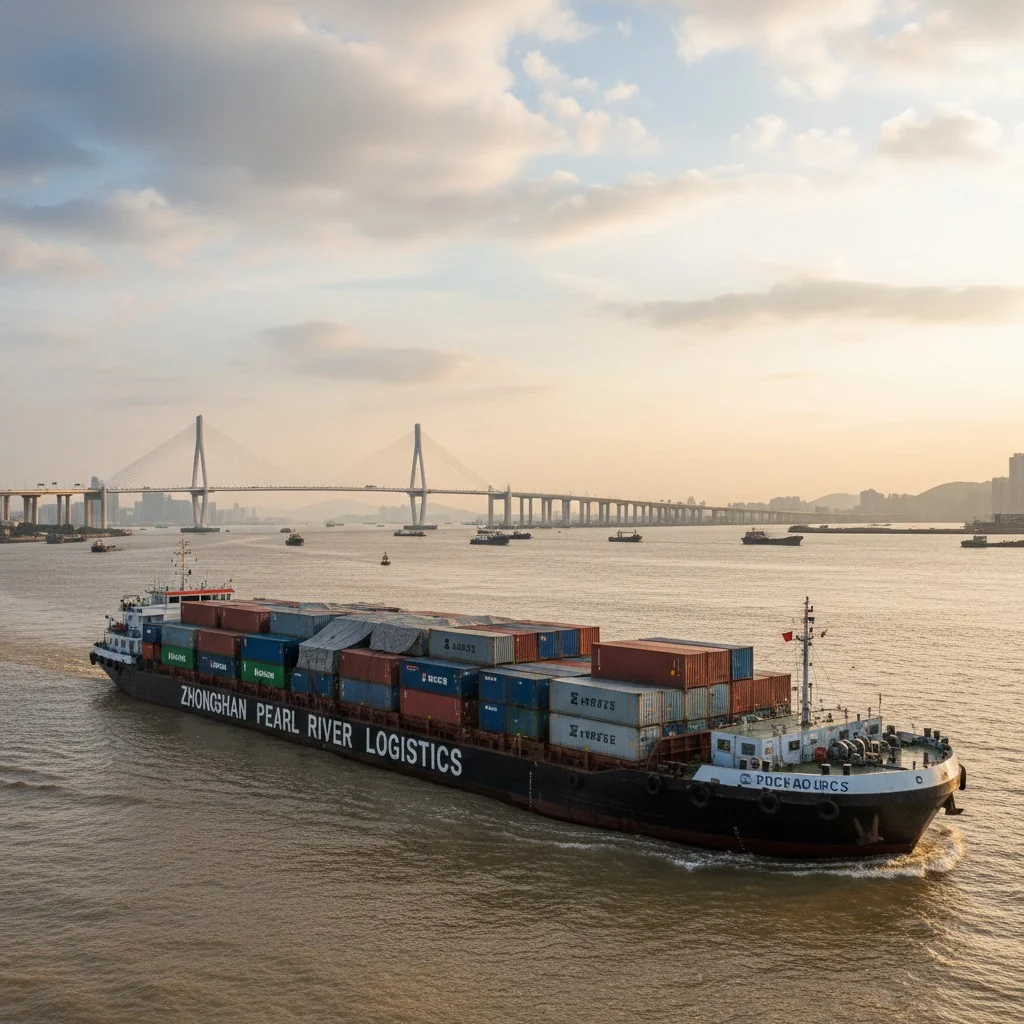
In the export business, time is money. A 48-hour shipping delay can mean missing a vessel, which can cause a two-week delay in delivery to your customer. This is where Zhongshan's location on the Pearl River becomes a massive advantage. We don't rely solely on trucks fighting traffic to get to the port.
A River of Opportunity
We can load containers onto barges right at a local Zhongshan port. These barges travel directly down the river to the massive container terminals at Shekou (in Shenzhen) or even Kwai Tsing (in Hong Kong). Plus, the Hong Kong–Zhuhai–Macao Bridge provides another fast land route. This combination means our containers clear port 24 to 48 hours faster than products coming from factories in inland provinces.
Proof in the Brands
You don't have to just take my word for it. Look at the major international brands that already trust Zhongshan for their humidifier production.
- Vornado – mid-range ultrasonic & evaporative series
- SEB Group (Rowenta / Tefal) – select EU-market private-label models
- Morphy Richards – premium retro-style tabletop units
- Emerging Amazon-native labels – several Shenzhen-based sellers place pilot runs here
الخاتمة
Zhongshan offers an unbeatable mix of supply chain density, cost efficiency, and expert manufacturing. It's the smart, strategic choice for sourcing your next generation of high-quality humidifiers.
References
-
Explore the unique advantages of Zhongshan as a manufacturing hub, including its strategic location and cost benefits. ↩
-
Understand how a dense supply chain can reduce lead times and improve production efficiency. ↩
-
Learn about the logistics advantages provided by the Pearl River Delta for efficient manufacturing and shipping. ↩
-
Learn how superior logistics in Zhongshan can enhance manufacturing efficiency and speed. ↩
-
Explore the concept of flexible manufacturing and its implementation in Zhongshan's factories. ↩
-
Find out how local engineering expertise can expedite product certification processes. ↩
-
Discover the various forms of government support that can help businesses thrive in Zhongshan. ↩

 English
  Français
  Español
  Italiano
  Deutsch
  Português
  Русский
  العربية
  日本語
日本語  한국어
한국어  Tiếng Việt

