
The world has changed, and so has the way we look at the air we breathe. We used to ignore air quality, but now, safety is our top priority.
Post-pandemic air purifiers have evolved from simple dust traps to essential biosecurity hardware. Key features now include active sterilization1, wall-mounted hospital-grade aesthetics, and real-time data visualization to alleviate user anxiety. These elements transform the device from a home appliance into a health-tech solution.
I have spent years in the manufacturing industry. I used to think luxury meant gold plating or expensive materials. Now, I see that "biosecurity2" is the new luxury. A home free from viruses is the ultimate status symbol. We need to understand this shift to design better products.
Biosecurity is now considered a luxury feature in home appliances.Wahr
Market trends show consumers are willing to pay a premium for devices that offer medical-grade sterilization and safety assurances.
Air purifiers are only for trapping dust.Falsch
Modern units use UV-C and other technologies to actively kill bacteria and viruses, moving beyond simple filtration.
Is Clean Air the New Ultimate Luxury?
We often think of luxury as something extra. But today, health is the most expensive asset we have. People are scared of invisible threats.
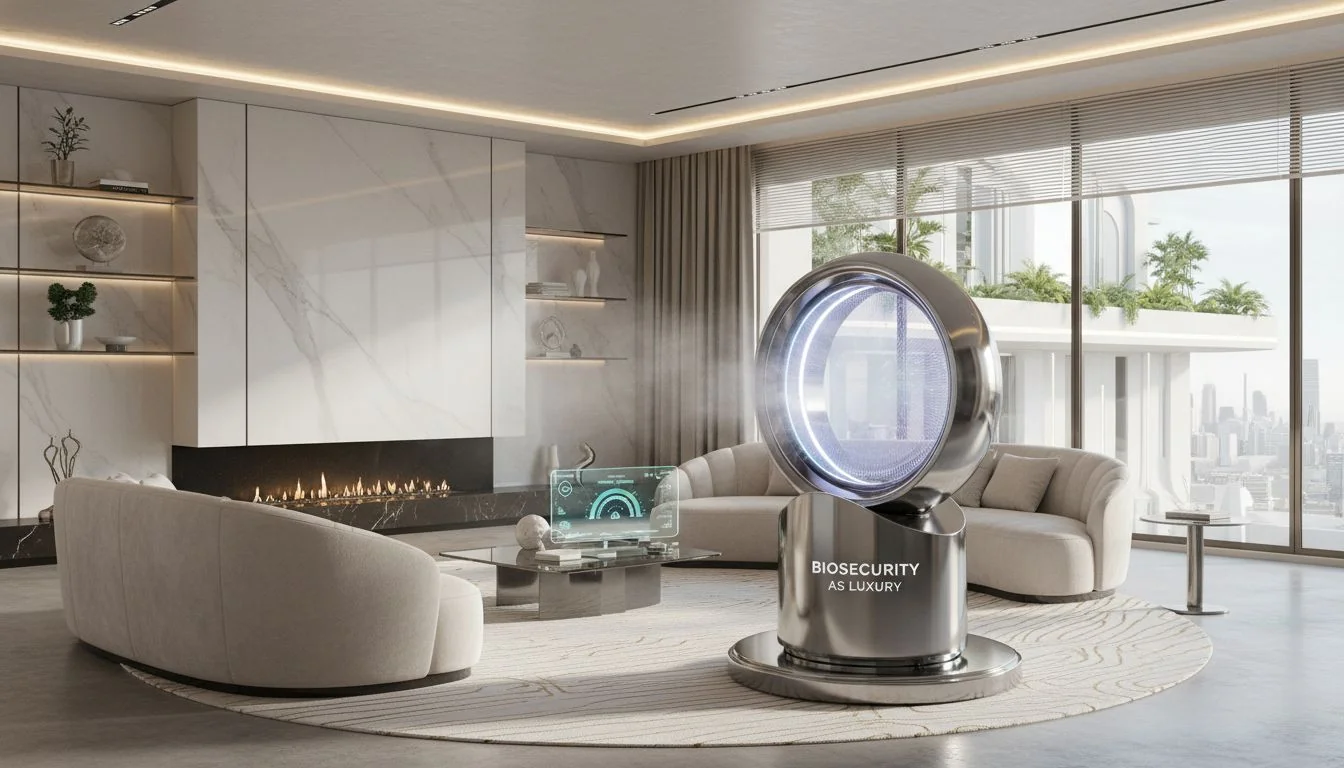
The concept of luxury has shifted from material excess to "Biosecurity." Consumers now view a virus-free environment as a status symbol, driving demand for high-end air purification systems that promise safety.
I want to talk about how we position products today. In the past, we designed molds for appliances that just moved air. Now, we are designing "health-tech3." This is a major change for us as designers and manufacturers. We are not just making a fan with a filter. We are making a device that protects life.
When we look at brands like Hisoair, we see a shift. They are not just an appliance manufacturer. They are a "Health-Tech Solutions Provider." This distinction is important. It allows for higher profit margins. It also attracts serious wellness brands. As designers, we must support this image. We need to design casings and internal structures that look robust and serious. We are engineering for the "anxiety economy4." People pay for peace of mind. If our design looks cheap, they will not feel safe. We must use our mold design skills to create products that look and feel like security hardware.
| Old Luxury Concept | New "Biosecurity" Luxury |
|---|---|
| Gold plating and rare materials | Medical-grade sterilization (UV-C) |
| Complex, ornate designs | Sleek, "Hospital-Grade" aesthetics |
| Focus on comfort | Focus on safety and health |
| "Nice-to-have" appliance | Essential "Health-Tech" hardware |
Positioning a brand as Health-Tech allows for higher margins.Wahr
Health-tech products command higher prices than standard home appliances due to the perceived value of safety and wellness.
Consumers do not care about the appearance of safety.Falsch
In the anxiety economy, the visual confirmation of safety is crucial for consumer confidence.
Why Must We Shift From Trapping to Killing Viruses?
Old filters just trapped dust and pollen. But in a post-pandemic world, trapping is not enough. We need to destroy the threat completely.
Active sterilization features, such as UV-C light, represent the shift from passive filtration to active defense. This technology kills viruses rather than just trapping them, providing a higher level of biosecurity.
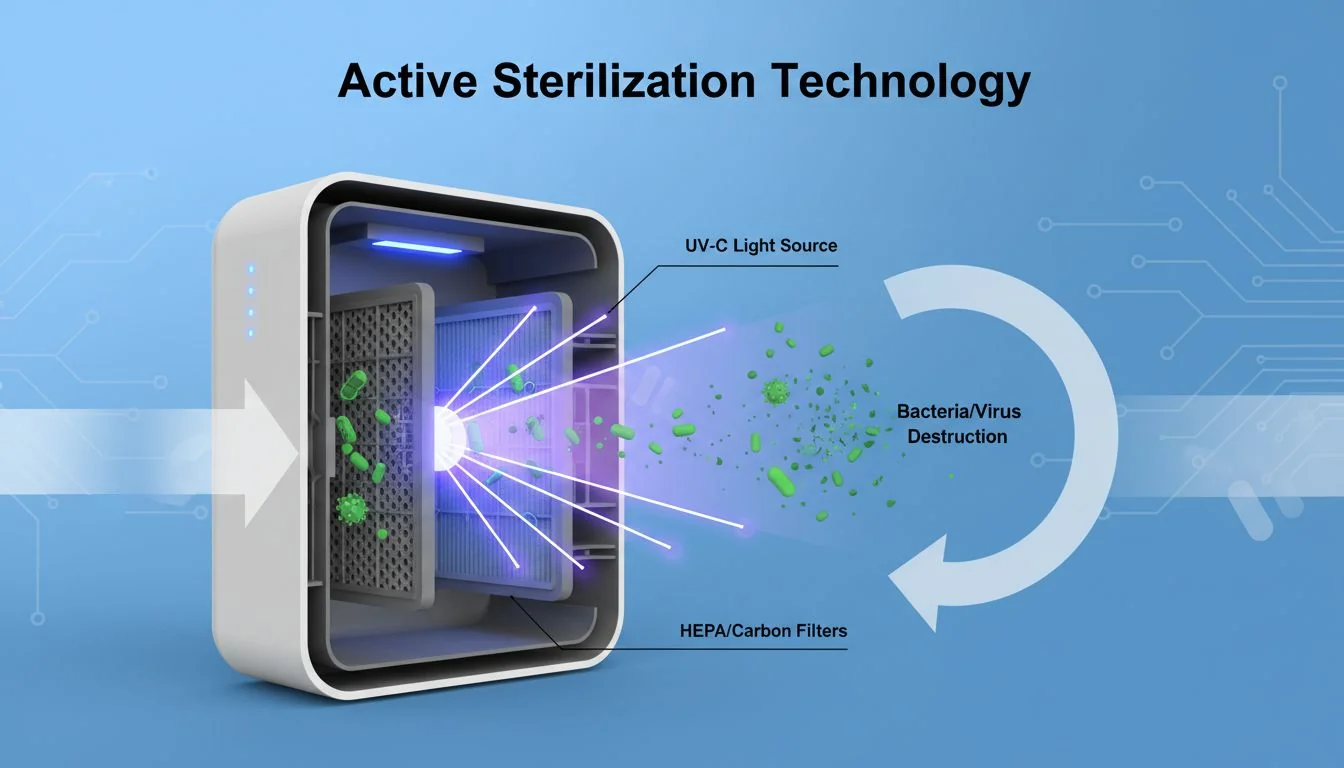
Let's look at the engineering side of this. Standard HEPA filters are great. They trap particles. But a trapped virus is still there. This worries the modern consumer. They want "Active Sterilization." This is where we see the rise of UV-C technology5.
For us in mold design, this presents a challenge. We need to incorporate UV-C lights into the housing. We must ensure the plastic materials we use are UV resistant. If we use the wrong plastic, the light will degrade the housing over time. We also need to design light traps. The UV light must stay inside the unit. It cannot leak out and harm the user. This adds complexity to the mold design. We are no longer just managing airflow. We are managing radiation. This feature turns the unit into "Biosecurity Hardware." It tells the user that we are not just cleaning the air; we are sterilizing their environment. This is a powerful selling point.
UV-C light can degrade standard plastics.Wahr
UV-C radiation breaks down polymer chains, so UV-stabilized materials must be used in design.
HEPA filters kill viruses on contact.Falsch
HEPA filters trap particles physically; they do not actively kill biological agents without additional technology like UV-C.
Does Wall-Mounting Create a Hospital-Grade Aesthetic?
Floor units can look like toys or temporary fixes. To signal real safety, we need to change the form factor.
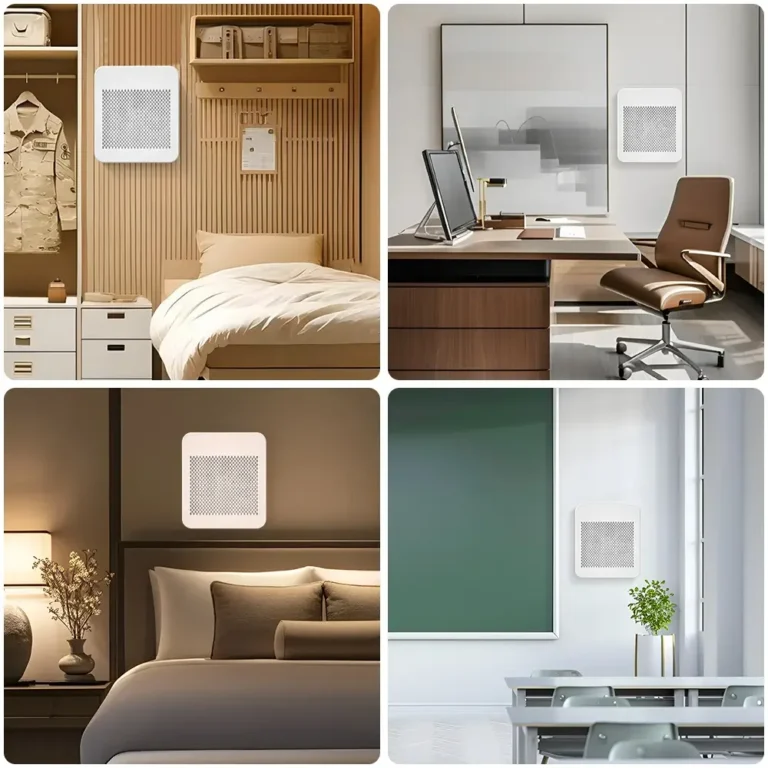
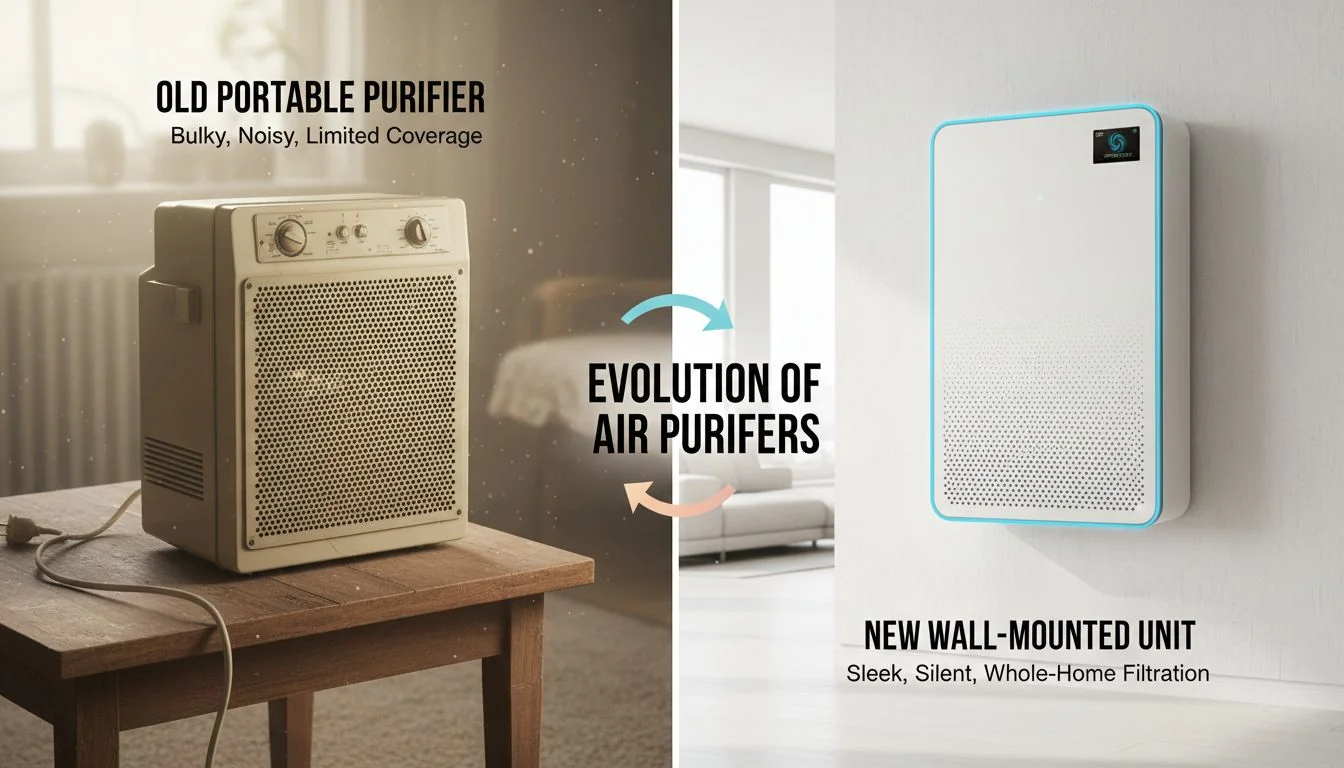
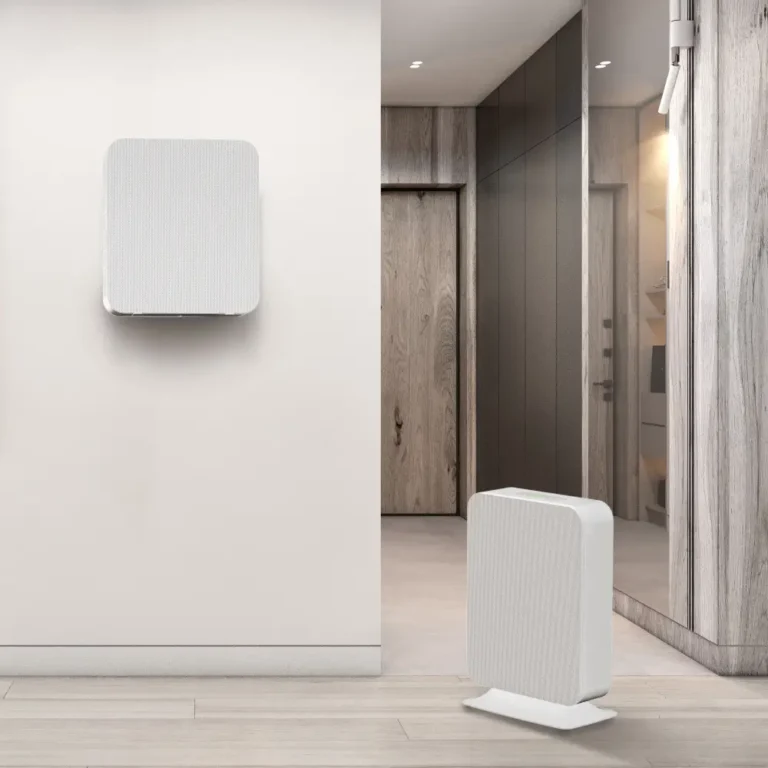
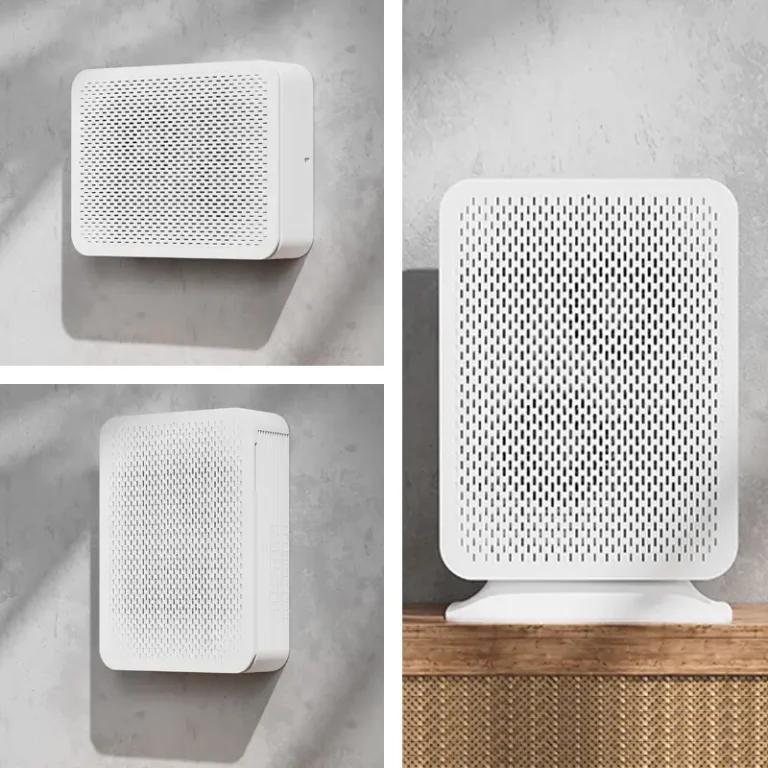
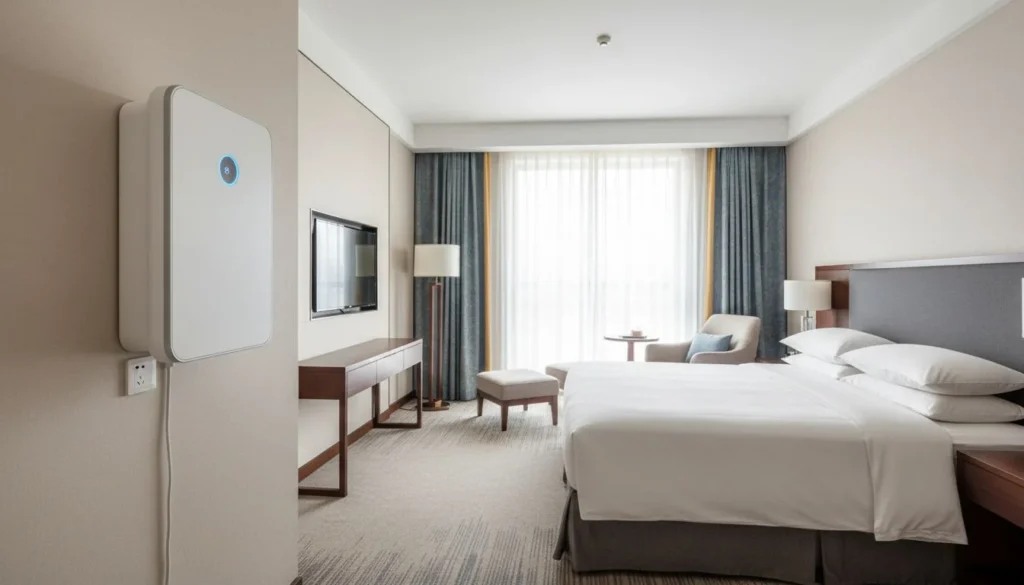
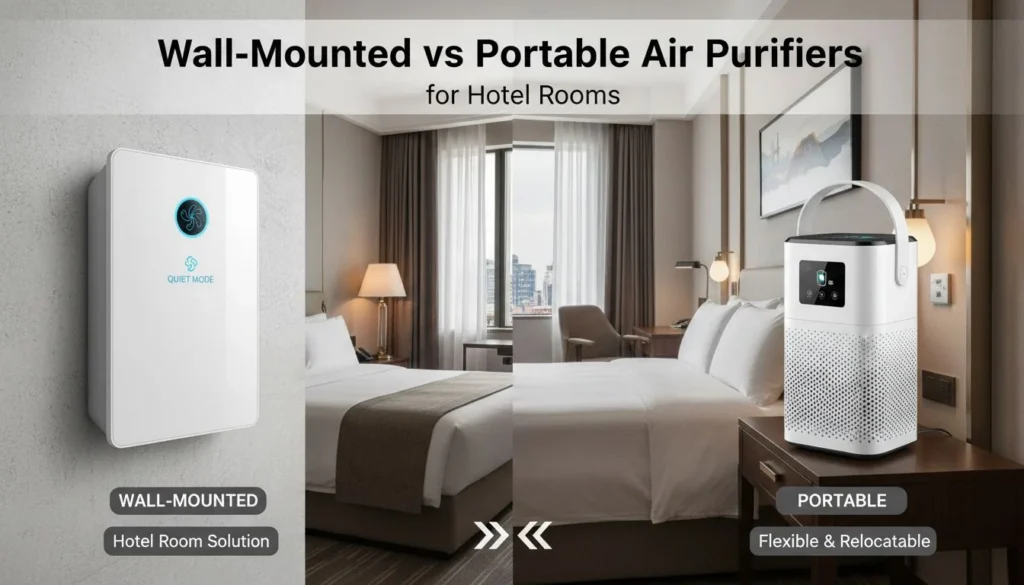
Wall-mounted air purifiers mimic the aesthetic of medical equipment found in hospitals. This design choice subconsciously signals "medical-grade cleanliness6" and separates the product from standard portable appliances.
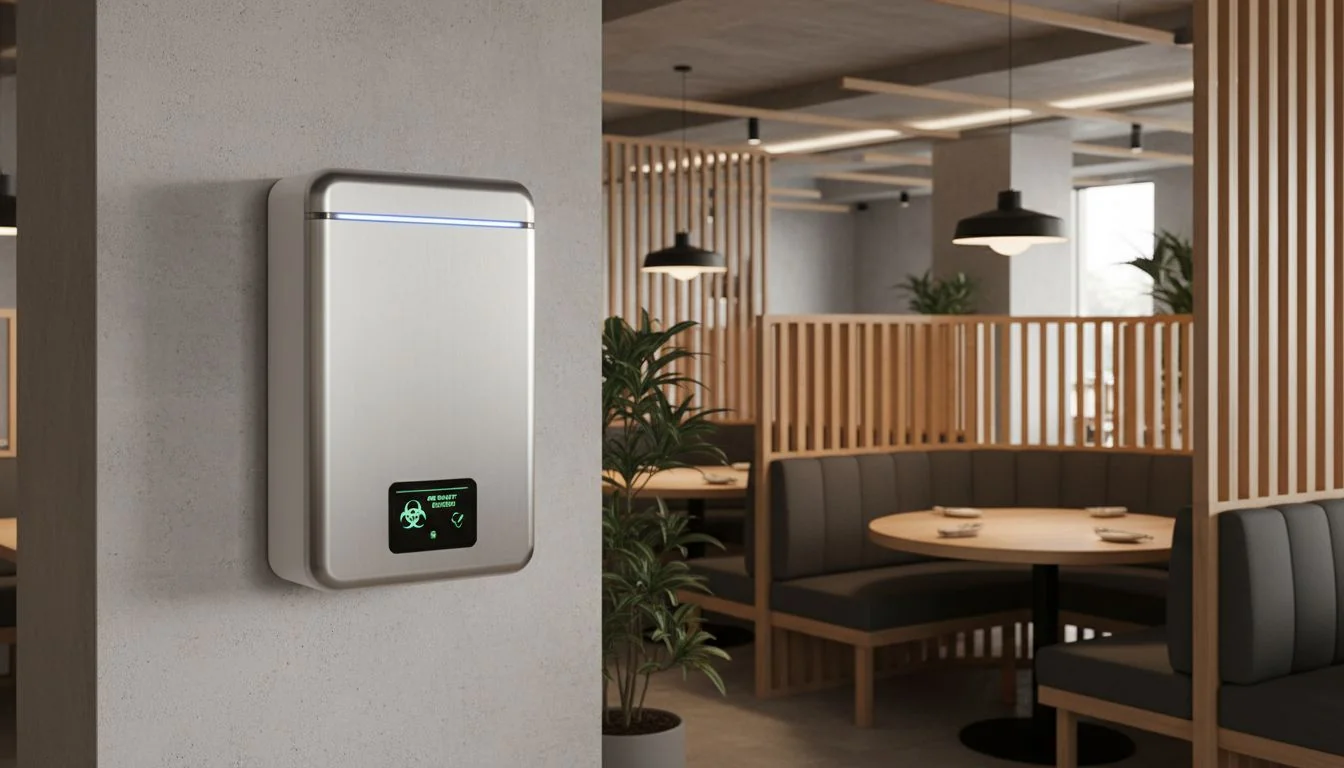
I have noticed a trend in commercial spaces. Restaurants and offices want to show they are safe. But they do not want clutter on the floor. This is where the "Zero-Footprint" advantage comes in. By mounting the unit on the wall, we save floor space. But we do something else, too. We copy the hospital aesthetic.
Hospitals mount equipment to keep floors sterile. When a consumer sees a wall-mounted unit, they think of a hospital. They think of "Medical-Grade Cleanliness." This is a psychological trick. It separates our product from the cheap, portable units on the floor. For B2B clients, this is "Hygiene Theater." A restaurant owner buys this to show customers it is safe to enter. The sleek, wall-mounted unit acts as a marketing tool. As designers, we need to focus on the mounting mechanism. It must be secure. It must look integrated into the building, not just hung like a picture. This permanence builds trust.
Benefits of Wall-Mounted Design
- Saves Floor Space: Critical for crowded commercial areas.
- Medical Association: Subconsciously links to hospital sterility.
- Permanent Fixture: Signals a long-term commitment to safety.
- Better Airflow: Often allows for better circulation from a higher vantage point.
Wall-mounted units are perceived as more professional.Wahr
The association with medical and industrial equipment gives wall-mounted units a more serious, professional image compared to portable floor units.
Hygiene Theater is unimportant for B2B clients.Falsch
For businesses, visibly demonstrating safety measures is a key marketing tool to reassure customers.
Can Digital Displays Cure Health Anxiety?
People cannot see clean air. This invisibility creates anxiety. We need to make the invisible visible.
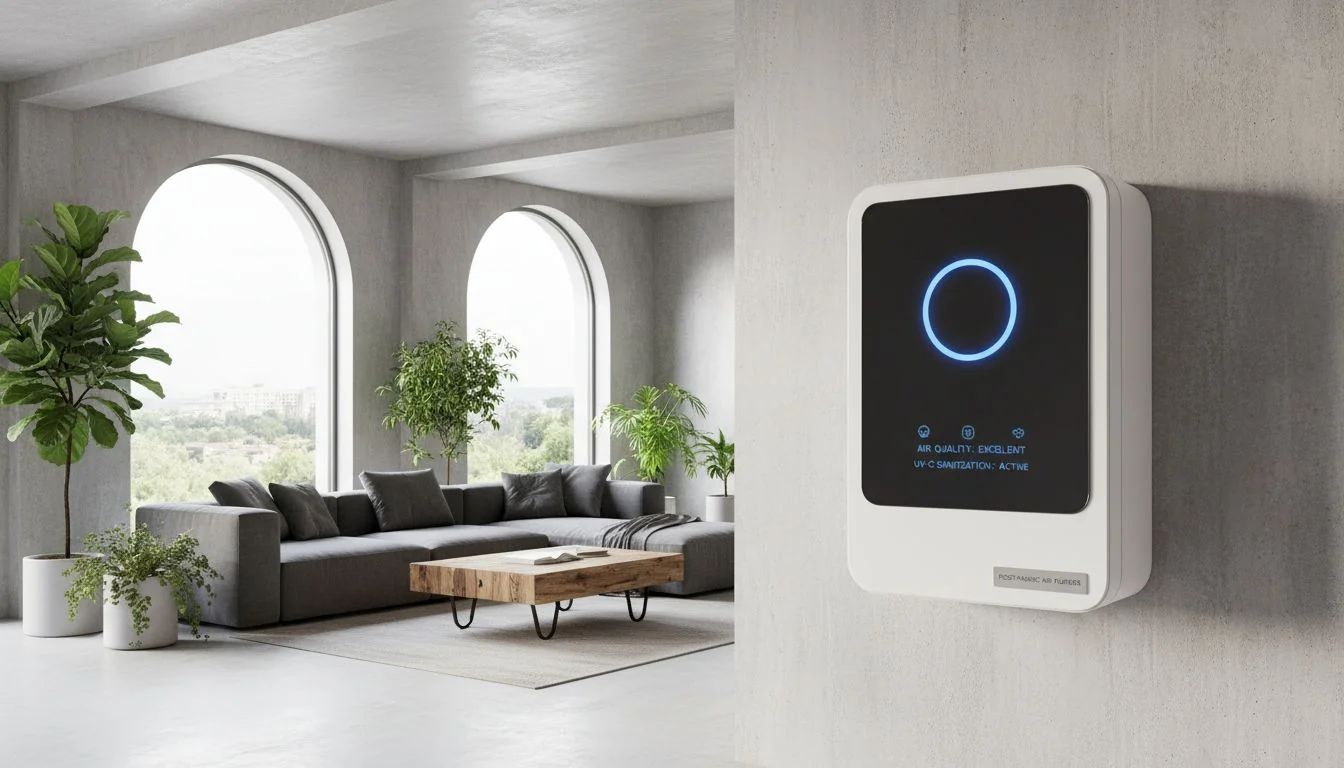
real-time data visualization7 serves as an "Anxiety Relief Feature" by providing visible proof of air quality. This feedback loop builds trust and reassures the user that the device is working.
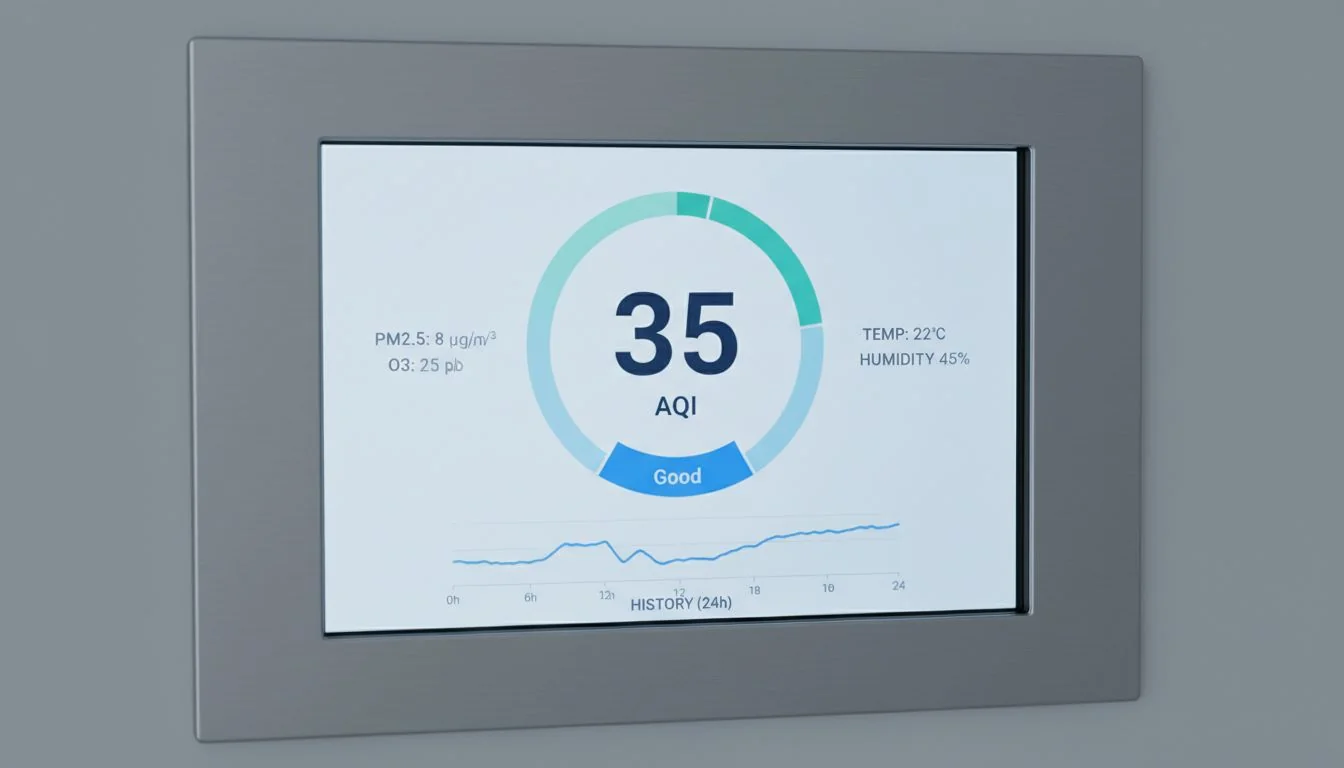
We live in an age of data. If we cannot measure it, we do not trust it. Post-pandemic consumers have "Health Anxiety." They worry about what they breathe. Our job is to cure that anxiety. We do this with "Visible Trust."
This is why the digital display is so important. It is not just a tech spec. It is an emotional feature. Imagine a glowing green light on the front of the unit. It tells the mother that her baby is safe. It tells the office worker that the air is clean. This is "Proof." As designers, we need to integrate these displays seamlessly. The mold must accommodate sensors and screens. The interface must be simple. Green means good. Red means bad. We are designing for peace of mind. If the user sees the numbers drop after they cook dinner, they feel validated. They feel the product is worth the money. We are selling confidence, not just electronics.
Data visualization creates emotional value.Wahr
Seeing real-time proof of performance reduces user anxiety and validates the investment in the product.
Users prefer complex data over simple color indicators.Falsch
Simple indicators like color codes (Green/Red) are more effective for quick reassurance than complex raw data.
Is AI the Key to Responsive Biosecurity?
Manual controls are too slow for invisible threats. The machine needs to think for itself to keep us safe.
AI-driven sensitivity8 allows air purifiers to react automatically to changes in the environment. This automated response reinforces the "Health-Tech" positioning and ensures constant protection without user intervention.
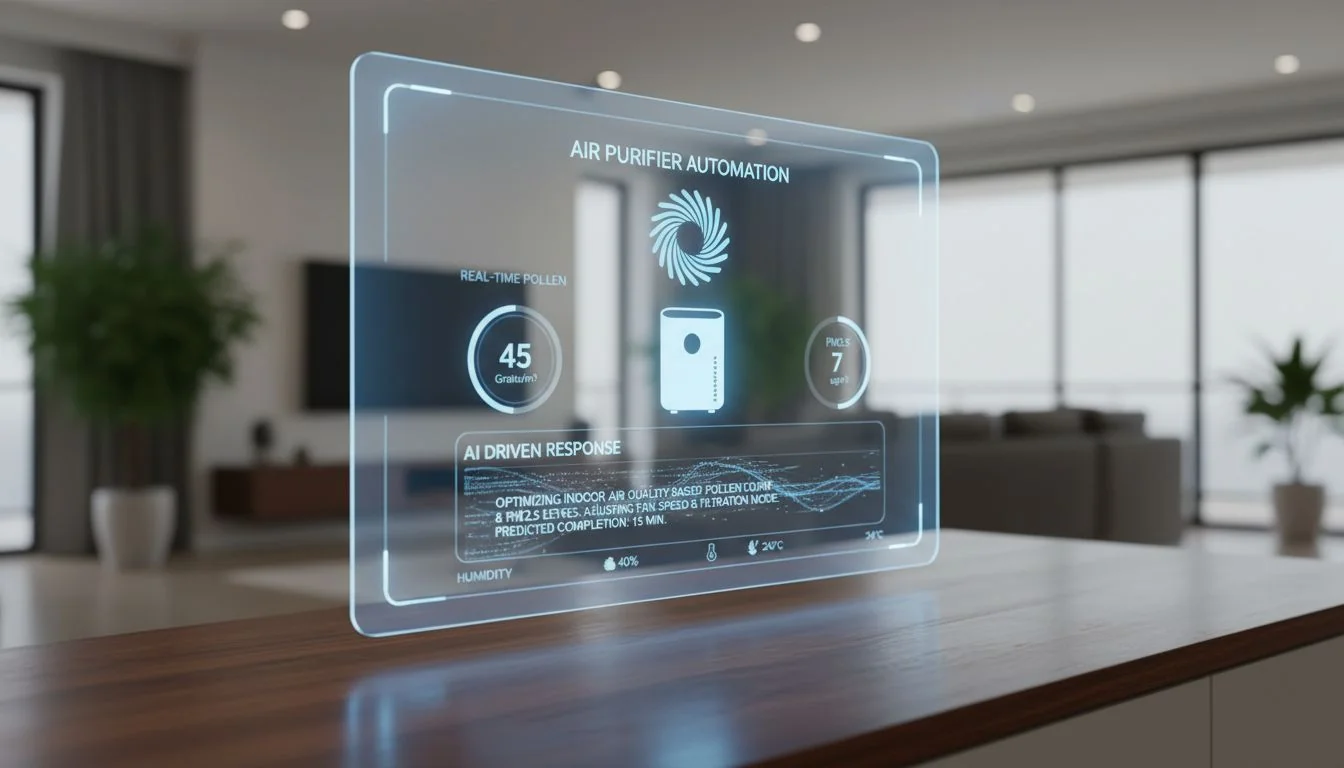
I believe the future of mold and product design is smart integration. A "Health-Tech" partner like Hisoair needs devices that react. We call this "Automated Response." The device must have AI-driven sensitivity.
If a group of people enters a conference room, the CO2 and particle levels rise. The machine should know this. It should ramp up the fan speed immediately. It should not wait for someone to press a button. This makes the device feel alive. It feels like a guardian. From a design perspective, this means we need to house advanced sensors. We need to ensure airflow reaches these sensors accurately. The internal mold design must channel air effectively to the detection units. This responsiveness justifies a higher price point. It proves that the machine is constantly working to sterilize the environment. It is proactive, not reactive. This is what separates a smart device from a dumb appliance.
Automated response systems improve energy efficiency.Wahr
By adjusting power based on real-time needs, the device uses energy only when necessary.
Manual control is the most effective way to manage air quality.Falsch
Humans cannot detect invisible pollutants instantly; AI sensors react faster and more accurately to environmental changes.
Schlussfolgerung
We are no longer just designing appliances; we are engineering for the anxiety economy. By combining active sterilization, hospital-grade aesthetics9, and visible data, we create the ultimate status symbol: safety.
References
-
Explore how active sterilization enhances air quality and safety, making it essential in modern air purifiers. ↩
-
Understand the growing importance of biosecurity in consumer products and its impact on purchasing decisions. ↩
-
Explore the evolution of appliances into health-tech solutions and their significance in today's market. ↩
-
Understand the impact of health-related anxieties on consumer choices and product design. ↩
-
Learn about the science behind UV-C technology and its effectiveness in killing airborne pathogens. ↩
-
Explore the significance of medical-grade standards in consumer products and their influence on safety perceptions. ↩
-
Discover how real-time feedback can alleviate health anxiety and build consumer trust in air quality. ↩
-
Find out how AI technology enhances the responsiveness and efficiency of air purification systems. ↩
-
Learn how design choices can enhance the perceived safety and effectiveness of air purification systems. ↩

 English
  Français
  Español
  Italiano
  Deutsch
  Português
  Русский
  العربية
  日本語
日本語  한국어
한국어  Tiếng Việt

