
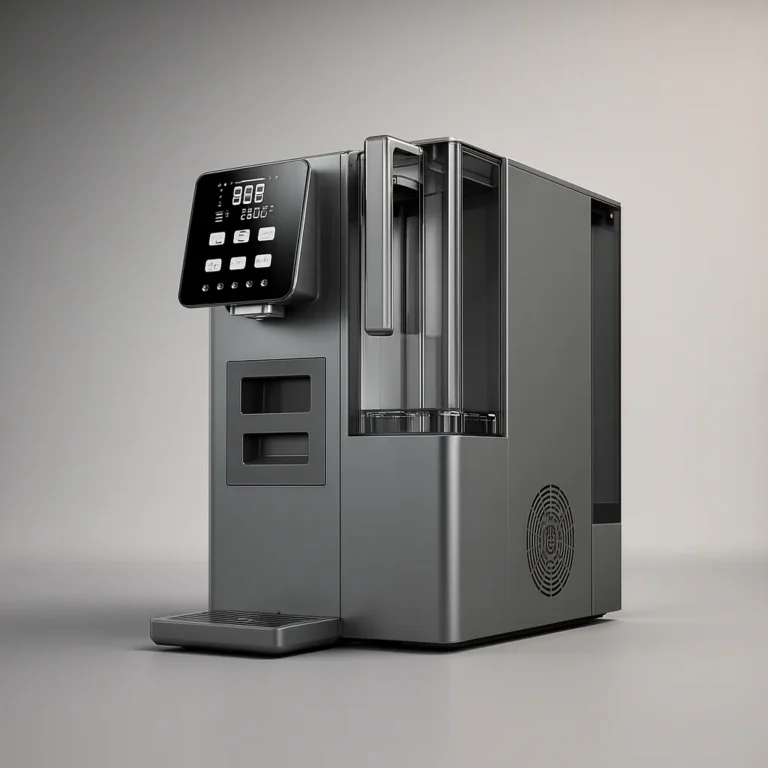
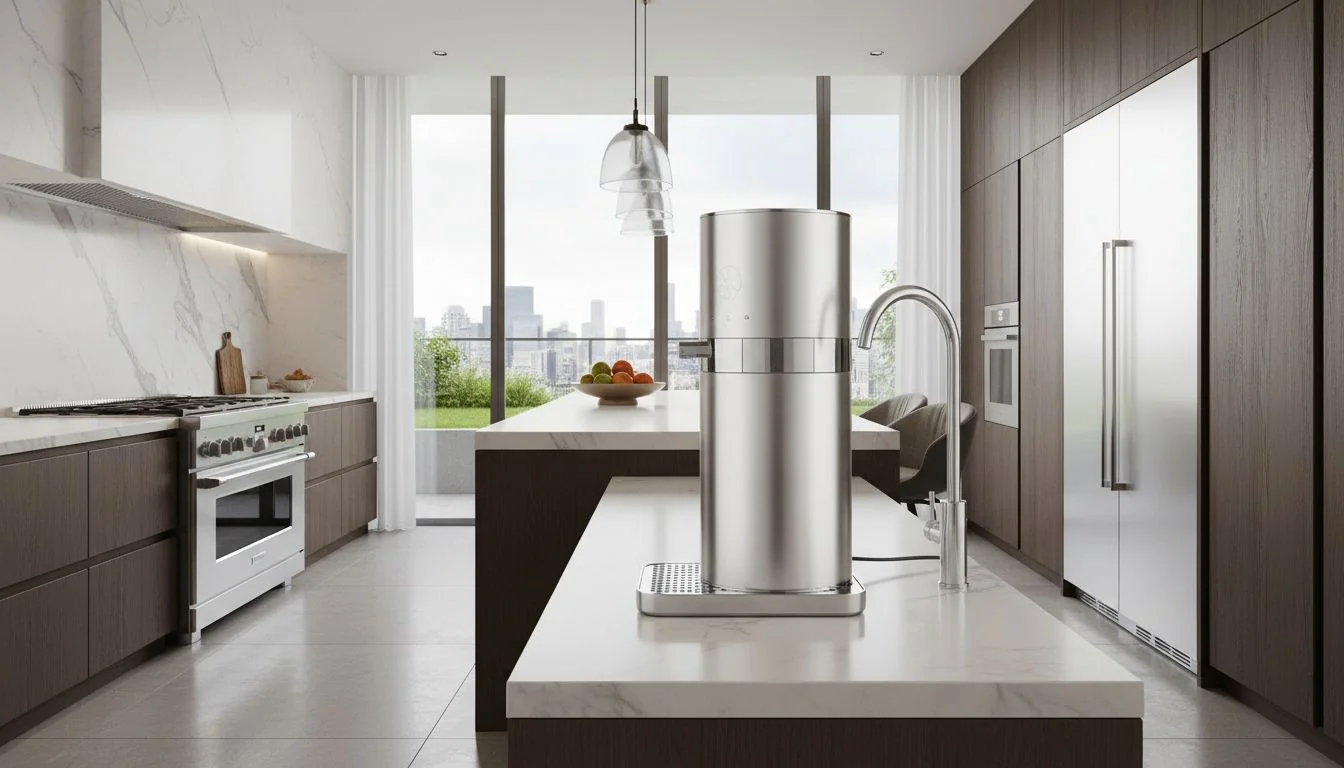
You want pure water, but drilling holes in granite feels wrong. Hidden plumbing is outdated. Countertop purifiers now offer a superior, design-forward solution for modern wellness homes.
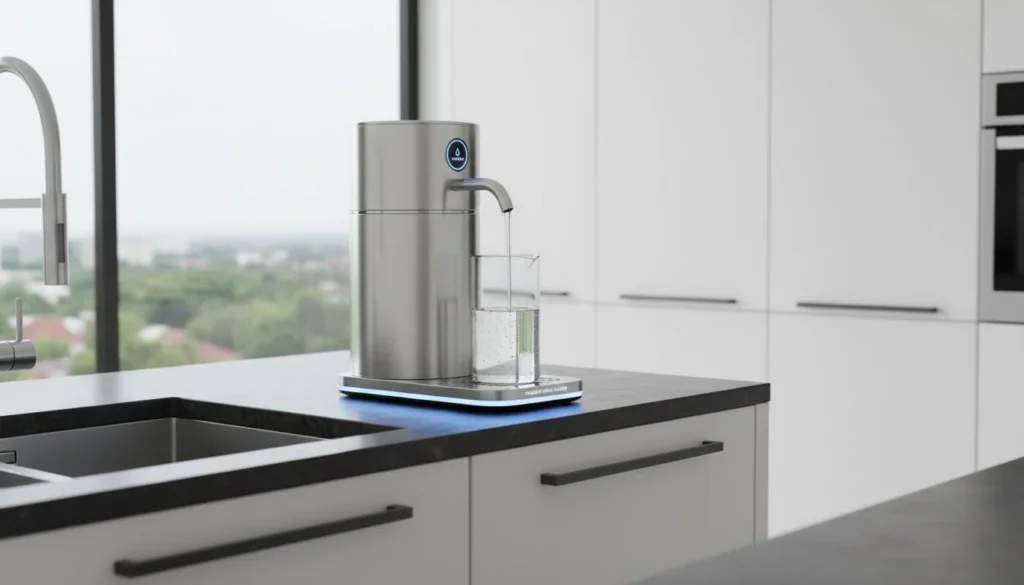
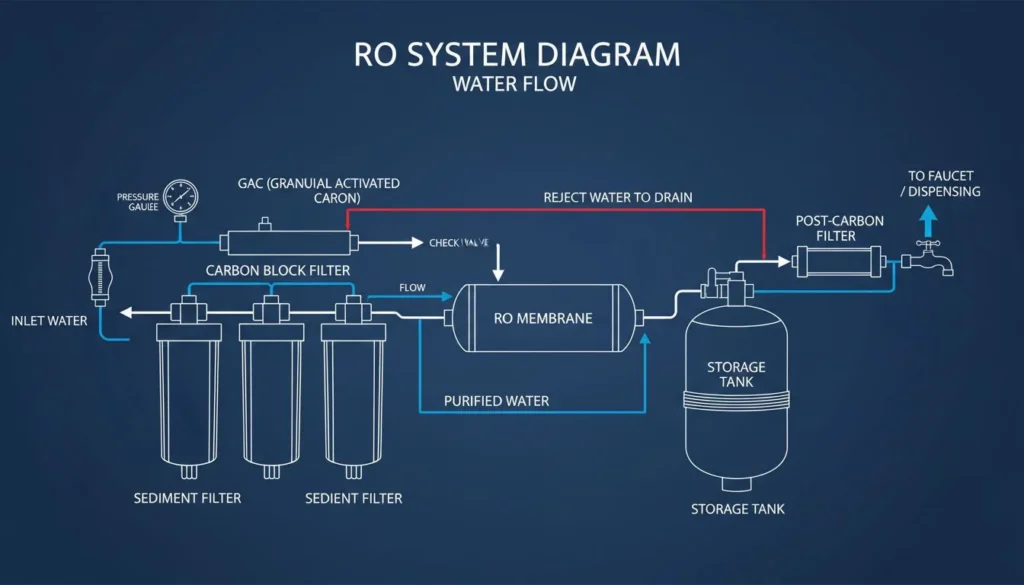
Countertop water purifiers1 are ideal for wellness homes because they provide instant temperature control and reverse osmosis filtration without installation. They function like high-end espresso machines, delivering mineralized, barista-quality water while serving as a stainless steel aesthetic centerpiece that fits luxury rentals and owned homes alike.
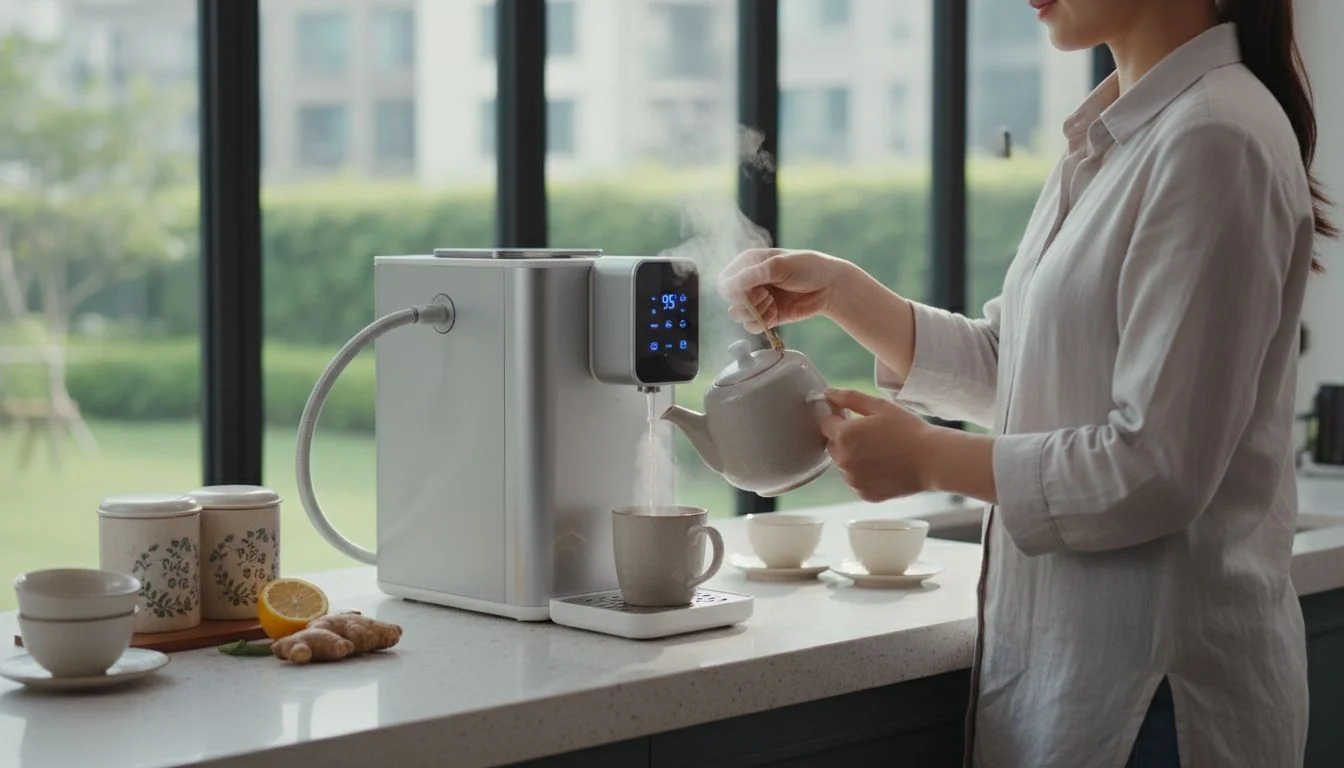
I used to think under-sink filters were the only serious option for clean water. But after seeing the engineering behind modern countertop units, my perspective changed completely. These devices are no longer just plastic jugs; they are sophisticated appliances. Let me explain why this shift is happening now and why it matters for design.
Countertop RO systems require complex plumbing installation.Falsch
Countertop Reverse Osmosis systems are designed to be plug-and-play, requiring only a power outlet and no plumbing modifications.
Stainless steel surfaces harbor fewer bacteria than plastic surfaces.Wahr
Stainless steel is non-porous and resistant to scratches where bacteria can hide, making it more hygienic for kitchen appliances.
We used to hide functional appliances behind cabinet doors. Now, we display them proudly. Why hide your water source when it can look this good and perform better?
The shift occurs because water purification is becoming a ritual, not just a utility. Visible units signal a commitment to health, similar to displaying a high-end juicer, transforming hydration into a conscious wellness practice.
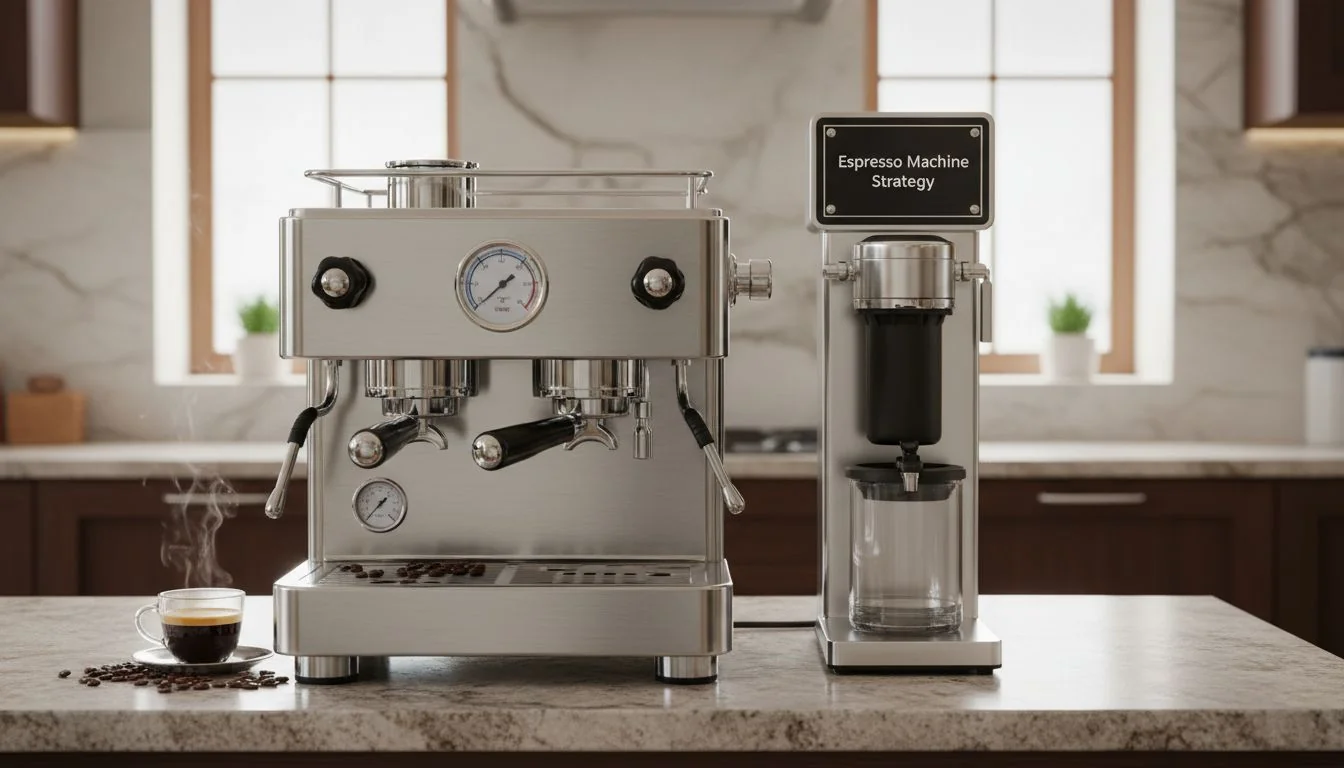
I look at this trend through the lens of the "Espresso Machine" strategy. Consumers happily pay $800 for an espresso machine. They do this because it sits on the counter and makes a better drink than the manual method. We are seeing the same logic applied to water.
The goal is to position the Countertop RO (Reverse Osmosis) unit exactly like that espresso machine. It creates "Barista-quality water2" on demand. This justifies a high price point significantly better than a "hidden" under-sink filter. When I analyze the product design, I see that the value is in the experience. You get mineralized water, hot water, or cold water instantly.
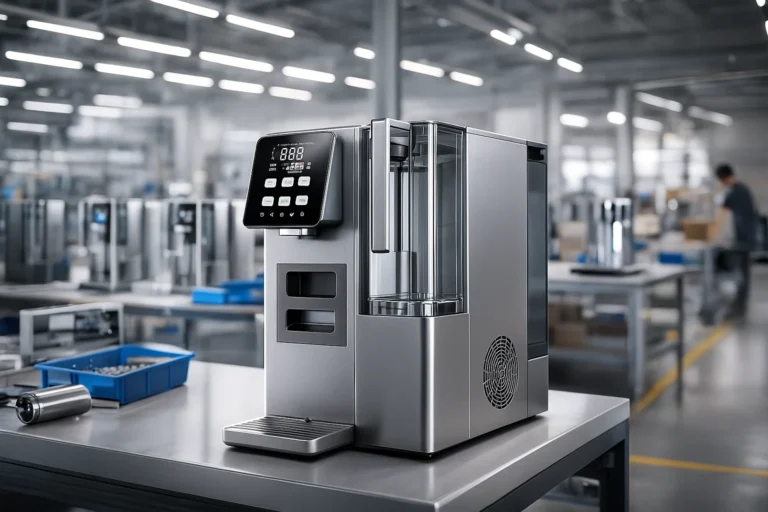
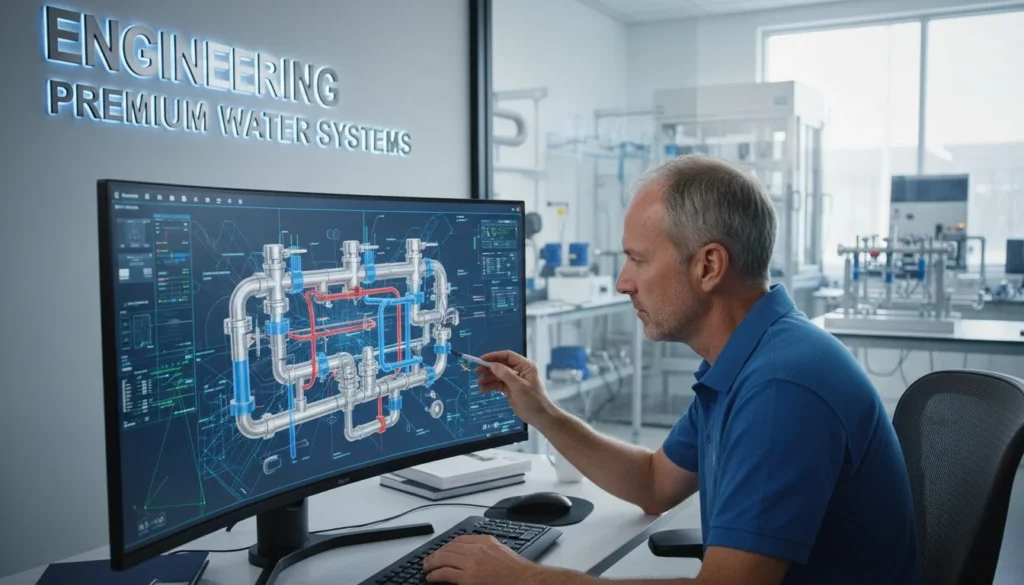
From a manufacturing perspective, this changes how we design the housing. It is no longer a utility box. It is a display piece. We have to pay attention to surface finish and parting lines. The user interacts with this device multiple times a day. The tactile experience must be premium. This shift turns a commodity into a luxury good.
| Merkmal | Under-Sink Filter | Countertop RO Unit |
|---|---|---|
| Visibility | Hidden | Displayed (Status Symbol) |
| Einrichtung | Complex (Drilling) | None (Plug & Play) |
| Perception | Utility | Wellness Ritual |
| Price Justification | Niedrig | High (Like Espresso Machine) |
Consumers are willing to pay more for visible countertop appliances than hidden ones.Wahr
Market data suggests that appliances serving as aesthetic centerpieces, like espresso machines, command higher price points due to perceived value and daily interaction.
Under-sink filters offer better temperature control than countertop units.Falsch
Modern countertop units often integrate instant heating and cooling technologies that are difficult to retrofit into standard under-sink filtration systems.
How does the no-installation feature benefit high-net-worth renters?
Luxury apartments have strict rules. You often cannot drill into the granite counter. Does this mean you must sacrifice water quality for your security deposit?
No-installation Reverse Osmosis (RO) units are the only solution for renters who want premium water without losing security deposits. They offer plug-and-play functionality, allowing users to take their investment with them when they move.
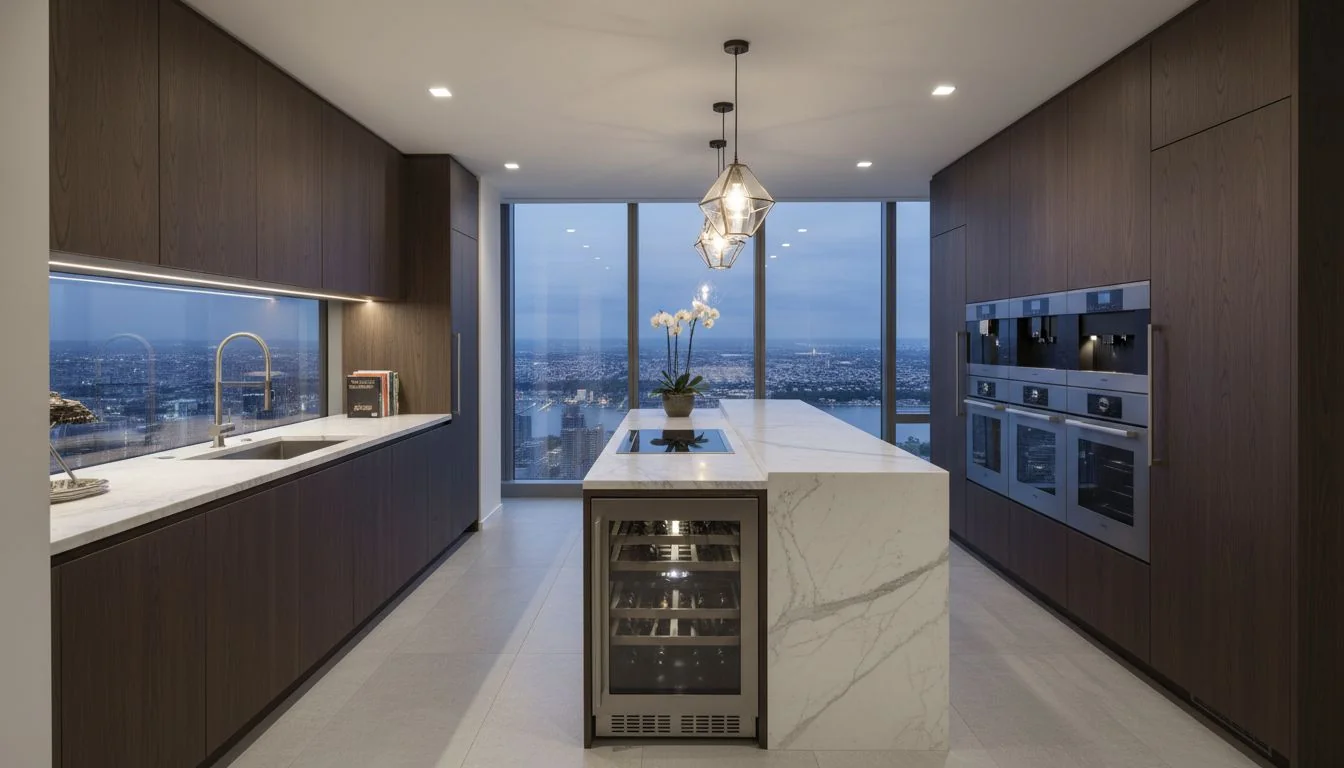
There is a massive demographic of young, wealthy professionals living in luxury apartments in cities like New York, London, and Shanghai. They cannot install under-sink RO systems. This is a "Blue Ocean" market.
I have seen many clients struggle with this. They want the best, but their lease forbids modifications. The strategy here is to market the "No-Installation" feature aggressively. It is the only way for them to get RO quality water without damaging the property.
As a mold designer, I appreciate the challenge of making a self-contained unit. We cannot rely on external water pressure. We need an internal pump. We need a tank that is easy to remove and clean. The design must be robust because this device will move with the owner. It is an asset, not a fixture.
The Mobility Factor
- Asset Protection: You own the device, not the landlord.
- Flexibility: Move it from the kitchen to the home office.
- Zero Damage: No holes, no plumbing tape, no leaks.
Renters are the primary market for under-sink filtration systems.Falsch
Renters are often restricted from modifying plumbing, making countertop units the primary viable option for this demographic.
Countertop units allow users to transport their filtration system when moving.Wahr
Because they are not hardwired into the plumbing, countertop units are portable and can be moved to new residences easily.
Can one device really replace your kettle and pitcher?
Clutter kills kitchen design. You have a kettle, a pitcher, and a dispenser. Is there a way to consolidate these into one streamlined unit?
An all-in-one countertop purifier replaces multiple appliances by offering instant hot, cold, and ambient water. This consolidation saves counter space and reduces the "friction" of waiting for kettles to boil, saving roughly 15 minutes weekly.
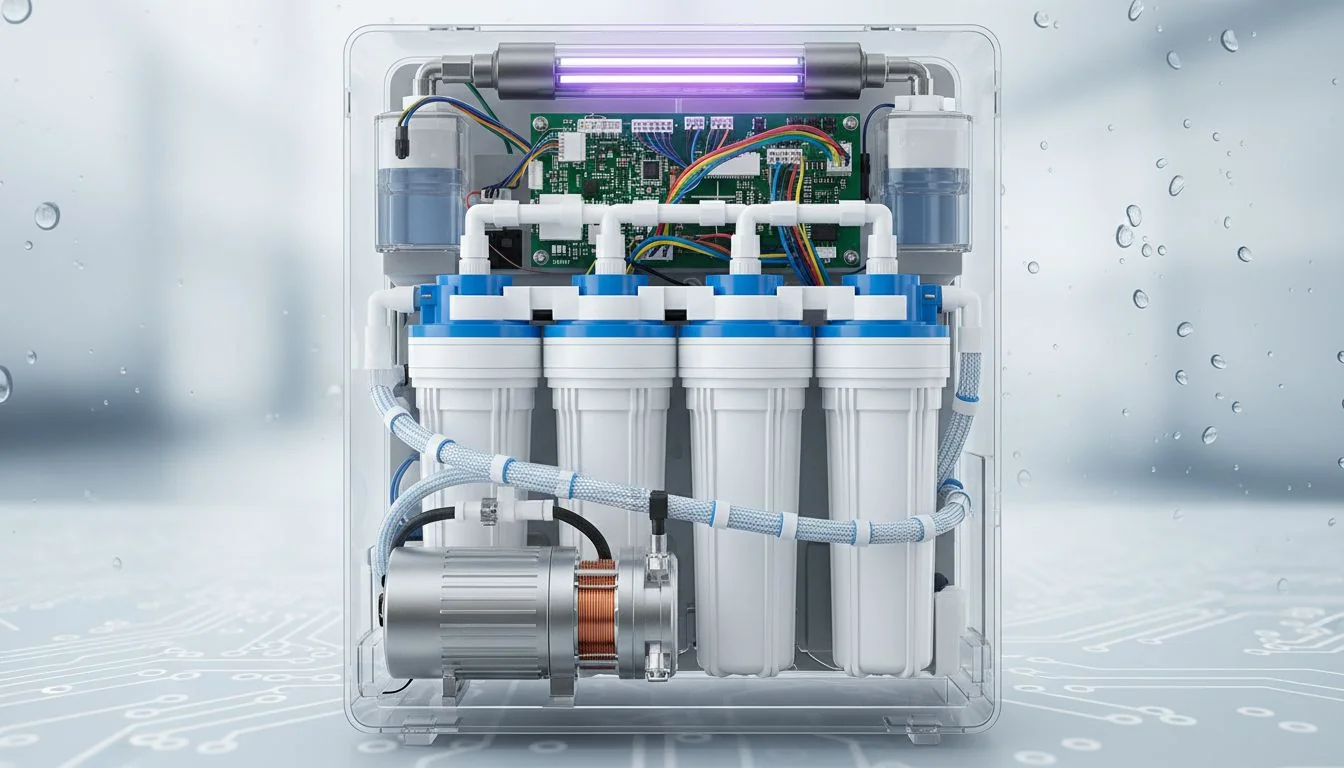
Waiting for a kettle to boil takes about 3 minutes. That is "friction." In the wellness world, friction stops habits. Instant Hot is a killer feature for the wellness crowd who drink Tea, Matcha, or Bone Broth.
By saving them time every morning, the device becomes indispensable. It gives you back 15 minutes a week. But achieving this is an engineering nightmare. This is where companies like Hisoair excel as "Compact Engineers."
Putting a compressor (for cold water), a heater (for hot water), and an RO pump into a small, quiet box is difficult. You have heat generation next to cooling elements. You have vibration from the pump.
Engineering Challenges in Integration
- Heat Dissipation: The heater generates heat that fights the compressor. We need smart airflow design in the mold.
- Noise Reduction: A vibrating box on a counter is annoying. We need dampening materials and precise fitment.
- Space Optimization: Every millimeter counts. The internal layout must be dense but serviceable.
| Appliance Replaced | Function Gained | Time Saved |
|---|---|---|
| Electric Kettle | Instant 95°C Water | 3 mins/use |
| Brita Pitcher | RO Filtration | Refill time |
| Water Bottles | Mineralized Taste | Shopping time |
Instant hot water features save significant time over traditional kettles.Wahr
Eliminating the 3-5 minute boiling time for each cup of tea or coffee accumulates to significant time savings over a week.
Integrating heating and cooling in a small box is simple manufacturing.Falsch
Thermal management and noise control in a compact chassis require advanced engineering and precise mold design.
Why must your countertop device be stainless steel?
Plastic turns yellow and scratches over time. On a luxury countertop, cheap materials stand out. Why does material choice matter so much for this specific appliance?
Stainless steel is essential for both hygiene and aesthetics. It prevents bacterial growth better than plastic and signals "countertop worthiness," matching premium appliances like KitchenAid mixers rather than looking like a temporary accessory.
Countertop real estate is the most valuable space in a home. People will not put an ugly plastic box there. Aesthetics act as a gatekeeper. If it looks premium, it stays; if it looks like plastic, it gets hidden.
Your Stainless Steel design is not just for hygiene; it is for "Countertop Worthiness." It must look as good as a KitchenAid Mixer. From a manufacturing standpoint, working with stainless steel housing is harder than injection molding plastic. You have to deal with stamping, polishing, and assembly gaps.
However, the payoff is huge. Plastic degrades. It absorbs odors. It scratches, and those scratches harbor bacteria. Stainless steel is timeless. It communicates durability. When I design a product, I ask: "Will this look good in 5 years?" With plastic, the answer is usually no. With steel, the answer is yes.
The Material Hierarchy
- Tier 1: 304 Stainless Steel. Medical grade, durable, premium look.
- Tier 2: Painted Metal. Good look, but paint can chip.
- Tier 3: ABS Plastic. Common, but feels cheap and yellows with UV exposure.
Plastic housings are more durable than stainless steel.Falsch
Plastic is prone to UV degradation, scratching, and discoloration, whereas stainless steel maintains its integrity and appearance for decades.
Countertop real estate is considered high-value space in interior design.Wahr
Designers prioritize items placed on countertops, requiring them to be aesthetically pleasing to avoid visual clutter.
How does a visible device prompt better habits?
Out of sight, out of mind. If your water filter is hidden under the sink, you forget to drink. Does visibility actually improve your health metrics?
A visible countertop unit acts as a constant environmental cue. By occupying prime real estate, it triggers the psychological urge to hydrate, making the habit of drinking water automatic rather than a chore.
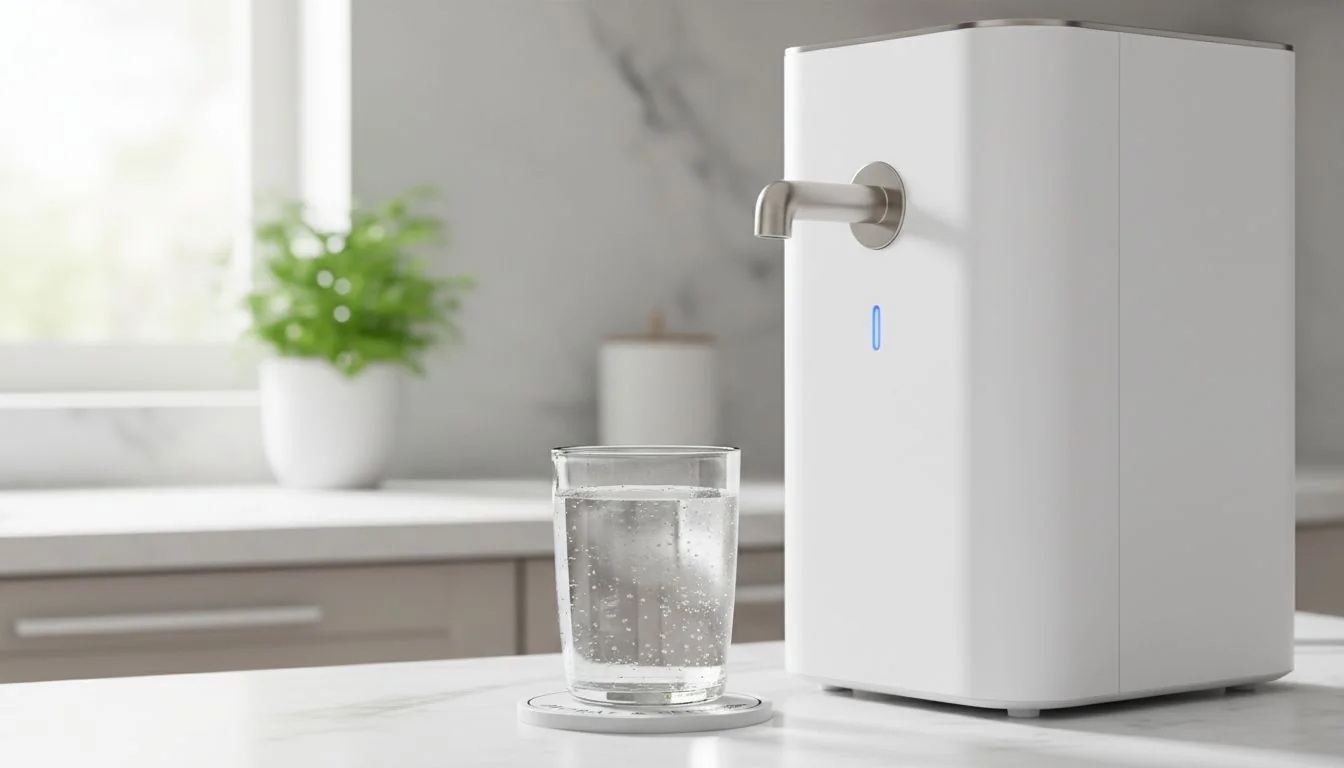
This is the "Visual Reminder" strategy. We are designing for behavior change. When the water source is beautiful and right in front of you, you drink more. It is that simple.
I have noticed this in my own life. When I have to open a fridge to get a pitcher, I might grab a soda instead. When the RO unit is on the counter, glowing softly, I grab a glass of water. It reduces the barrier to entry for a healthy habit.
From a design perspective, we use lighting to enhance this. A subtle LED indicator is not just for status; it draws the eye. It invites interaction. We are not just molding plastic and metal; we are molding user behavior. The device becomes the centerpiece of a healthy kitchen.
Designing for Habit Formation
- Proximity: It is always within reach.
- Visual Cues: Lighting and design draw attention.
- Ease of Use: One touch dispensing removes friction.
Visual cues have no impact on habit formation.Falsch
Behavioral psychology studies confirm that environmental cues, such as visibility, significantly increase the likelihood of performing a desired habit.
Reducing friction increases the likelihood of water consumption.Wahr
Making water easier to access by removing steps (like opening a fridge or waiting for a filter) leads to higher consumption rates.
Schlussfolgerung
Countertop purifiers are no longer just filters; they are essential wellness appliances. By combining engineering density with premium aesthetics, they redefine the modern kitchen and make healthy hydration effortless.


 Deutsch
  English
  Français
  Español
  Italiano
  Português
  Русский
  العربية
  日本語
日本語  한국어
한국어  Tiếng Việt

