Öffnet in einem neuen Tab
Innovative Lösungen für die Luftqualität

Post-Pandemic Air Purifiers: Premium Features Shaping the New Normal

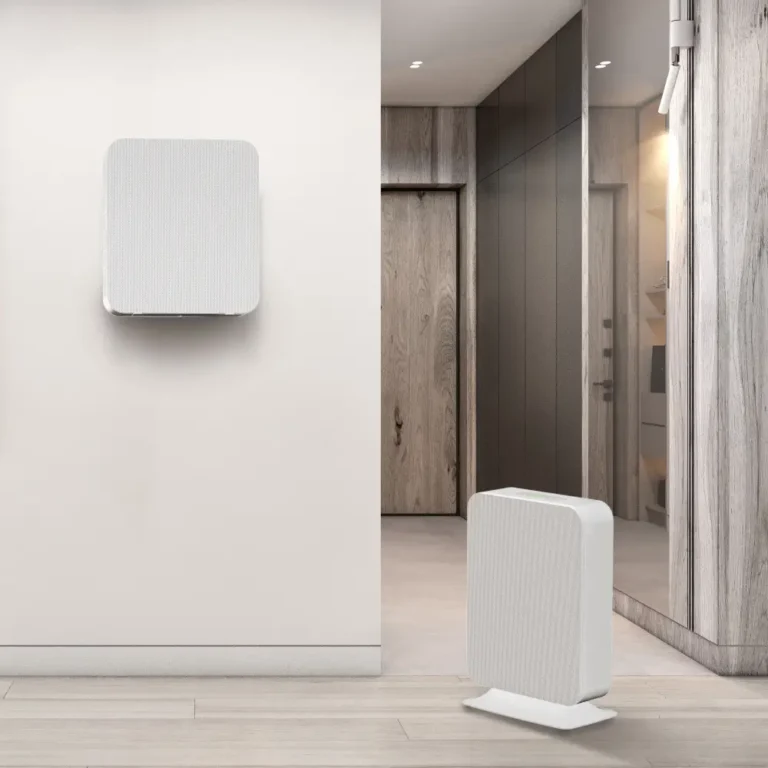
modern wall mounted air purifier in a sleek living room

The world has changed, and so has the way we look at the air we breathe. We used to ignore air quality, but now, safety is our top priority.

Post-pandemic air purifiers have evolved from simple dust traps to essential biosecurity hardware. Key features now include active sterilization1, wall-mounted hospital-grade aesthetics, and real-time data visualization to alleviate user anxiety. These elements transform the device from a home appliance into a health-tech solution.
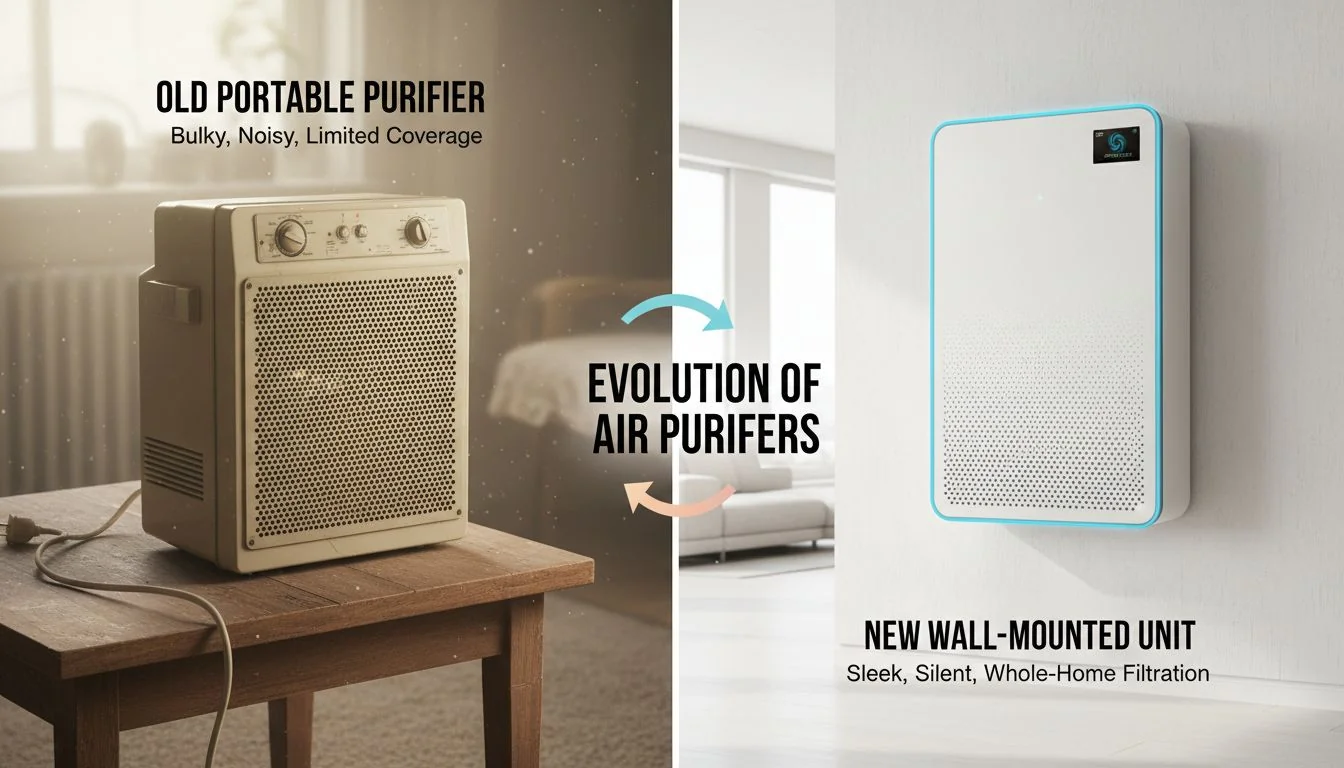
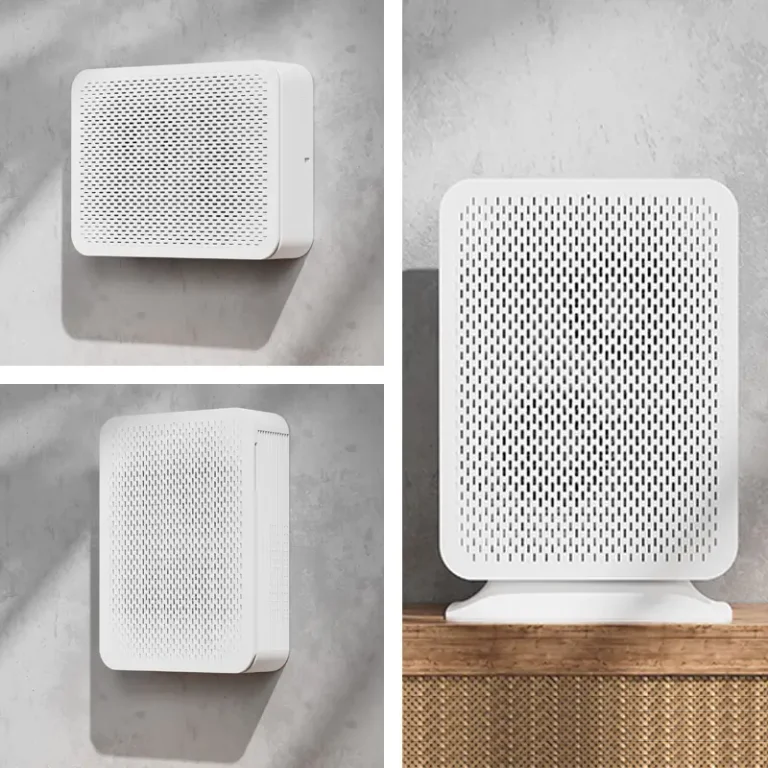
comparison of old portable purifier vs new wall mounted unit

I have spent years in the manufacturing industry. I used to think luxury meant gold plating or expensive materials. Now, I see that "biosecurity2" is the new luxury. A home free from viruses is the ultimate status symbol. We need to understand this shift to design better products.

Biosecurity is now considered a luxury feature in home appliances.Wahr

Market trends show consumers are willing to pay a premium for devices that offer medical-grade sterilization and safety assurances.

Air purifiers are only for trapping dust.Falsch

Modern units use UV-C and other technologies to actively kill bacteria and viruses, moving beyond simple filtration.

Is Clean Air the New Ultimate Luxury?

We often think of luxury as something extra. But today, health is the most expensive asset we have. People are scared of invisible threats.

The concept of luxury has shifted from material excess to "Biosecurity." Consumers now view a virus-free environment as a status symbol, driving demand for high-end air purification systems that promise safety.
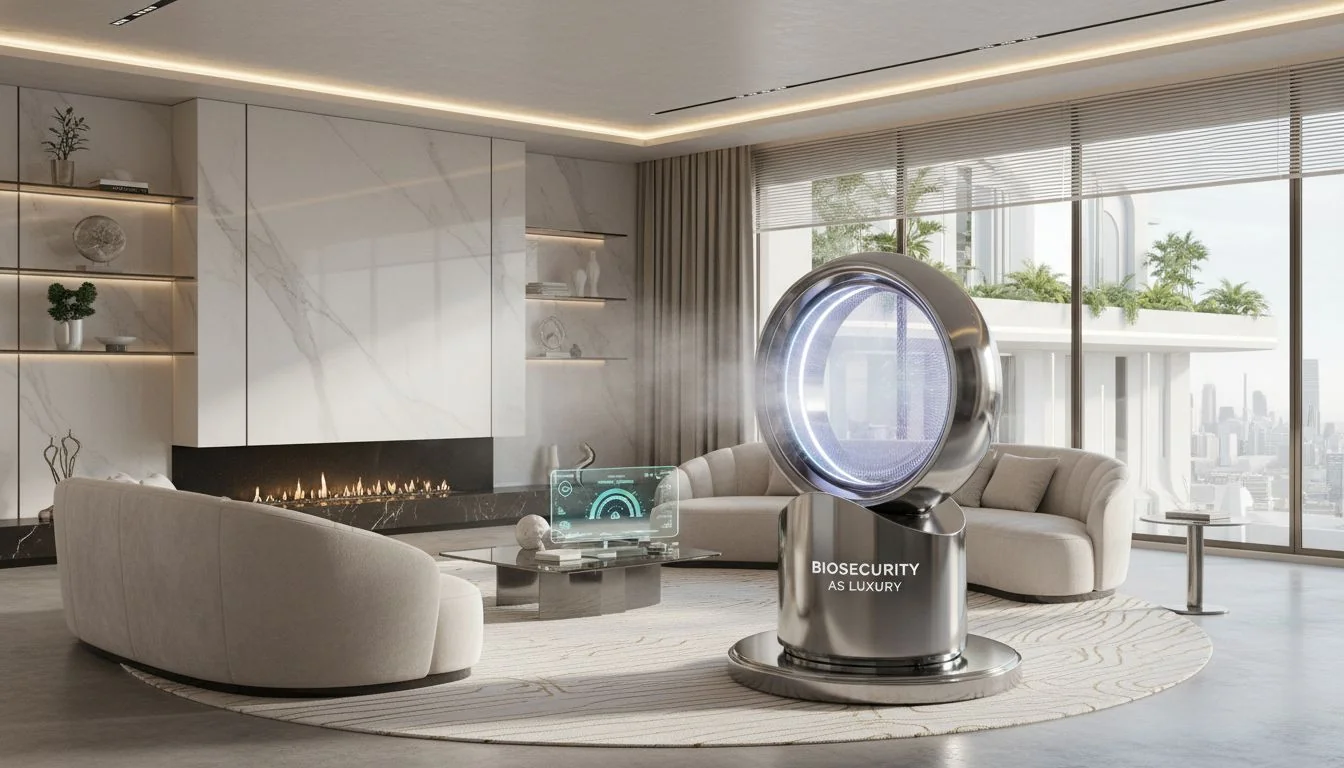
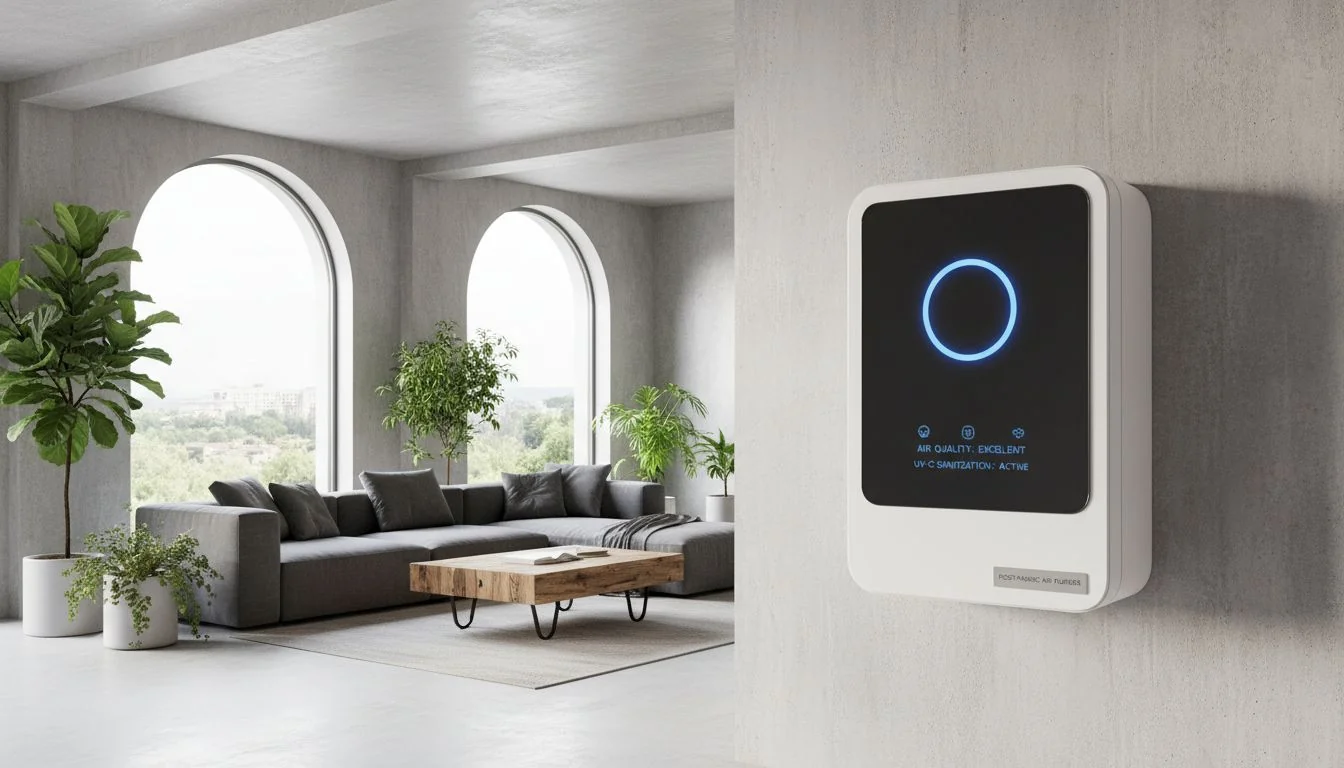
luxury living room with high tech air sterilization unit

I want to talk about how we position products today. In the past, we designed molds for appliances that just moved air. Now, we are designing "health-tech3." This is a major change for us as designers and manufacturers. We are not just making a fan with a filter. We are making a device that protects life.

When we look at brands like Hisoair, we see a shift. They are not just an appliance manufacturer. They are a "Health-Tech Solutions Provider." This distinction is important. It allows for higher profit margins. It also attracts serious wellness brands. As designers, we must support this image. We need to design casings and internal structures that look robust and serious. We are engineering for the "anxiety economy4." People pay for peace of mind. If our design looks cheap, they will not feel safe. We must use our mold design skills to create products that look and feel like security hardware.

Old Luxury Concept New "Biosecurity" Luxury
Gold plating and rare materials Medical-grade sterilization (UV-C)
Complex, ornate designs Sleek, "Hospital-Grade" aesthetics
Focus on comfort Focus on safety and health
"Nice-to-have" appliance Essential "Health-Tech" hardware

Positioning a brand as Health-Tech allows for higher margins.Wahr

Health-tech products command higher prices than standard home appliances due to the perceived value of safety and wellness.

Consumers do not care about the appearance of safety.Falsch

In the anxiety economy, the visual confirmation of safety is crucial for consumer confidence.

Why Must We Shift From Trapping to Killing Viruses?

Old filters just trapped dust and pollen. But in a post-pandemic world, trapping is not enough. We need to destroy the threat completely.

Active sterilization features, such as UV-C light, represent the shift from passive filtration to active defense. This technology kills viruses rather than just trapping them, providing a higher level of biosecurity.
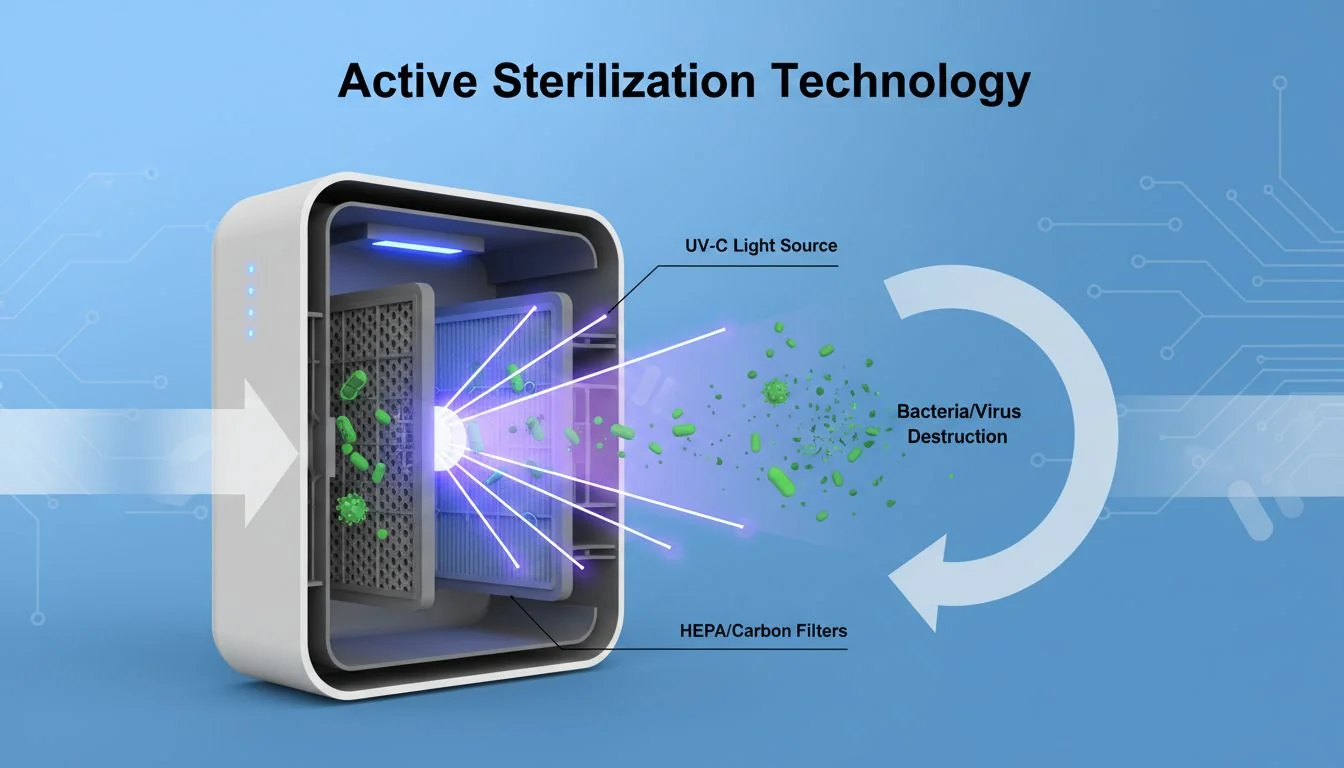
diagram of UV-C light killing bacteria inside an air purifier

Let's look at the engineering side of this. Standard HEPA filters are great. They trap particles. But a trapped virus is still there. This worries the modern consumer. They want "Active Sterilization." This is where we see the rise of UV-C technology5.

For us in mold design, this presents a challenge. We need to incorporate UV-C lights into the housing. We must ensure the plastic materials we use are UV resistant. If we use the wrong plastic, the light will degrade the housing over time. We also need to design light traps. The UV light must stay inside the unit. It cannot leak out and harm the user. This adds complexity to the mold design. We are no longer just managing airflow. We are managing radiation. This feature turns the unit into "Biosecurity Hardware." It tells the user that we are not just cleaning the air; we are sterilizing their environment. This is a powerful selling point.

UV-C light can degrade standard plastics.Wahr

UV-C radiation breaks down polymer chains, so UV-stabilized materials must be used in design.

HEPA filters kill viruses on contact.Falsch

HEPA filters trap particles physically; they do not actively kill biological agents without additional technology like UV-C.

Does Wall-Mounting Create a Hospital-Grade Aesthetic?

Floor units can look like toys or temporary fixes. To signal real safety, we need to change the form factor.

Wall-mounted air purifiers mimic the aesthetic of medical equipment found in hospitals. This design choice subconsciously signals "medical-grade cleanliness6" and separates the product from standard portable appliances.
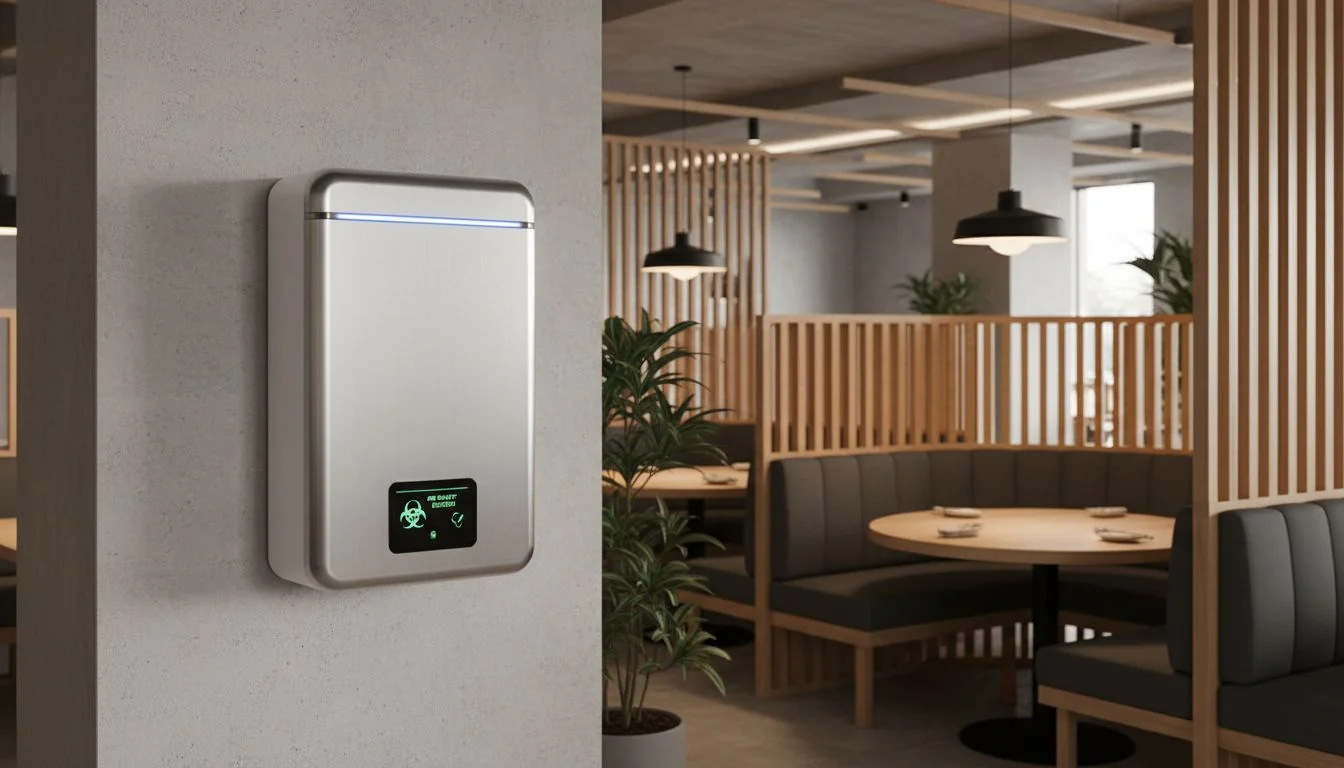
sleek wall mounted air purifier in a restaurant setting

I have noticed a trend in commercial spaces. Restaurants and offices want to show they are safe. But they do not want clutter on the floor. This is where the "Zero-Footprint" advantage comes in. By mounting the unit on the wall, we save floor space. But we do something else, too. We copy the hospital aesthetic.

Hospitals mount equipment to keep floors sterile. When a consumer sees a wall-mounted unit, they think of a hospital. They think of "Medical-Grade Cleanliness." This is a psychological trick. It separates our product from the cheap, portable units on the floor. For B2B clients, this is "Hygiene Theater." A restaurant owner buys this to show customers it is safe to enter. The sleek, wall-mounted unit acts as a marketing tool. As designers, we need to focus on the mounting mechanism. It must be secure. It must look integrated into the building, not just hung like a picture. This permanence builds trust.

Benefits of Wall-Mounted Design

  • Saves Floor Space: Critical for crowded commercial areas.
  • Medical Association: Subconsciously links to hospital sterility.
  • Permanent Fixture: Signals a long-term commitment to safety.
  • Better Airflow: Often allows for better circulation from a higher vantage point.

Wall-mounted units are perceived as more professional.Wahr

The association with medical and industrial equipment gives wall-mounted units a more serious, professional image compared to portable floor units.

Hygiene Theater is unimportant for B2B clients.Falsch

For businesses, visibly demonstrating safety measures is a key marketing tool to reassure customers.

Can Digital Displays Cure Health Anxiety?

People cannot see clean air. This invisibility creates anxiety. We need to make the invisible visible.

real-time data visualization7 serves as an "Anxiety Relief Feature" by providing visible proof of air quality. This feedback loop builds trust and reassures the user that the device is working.
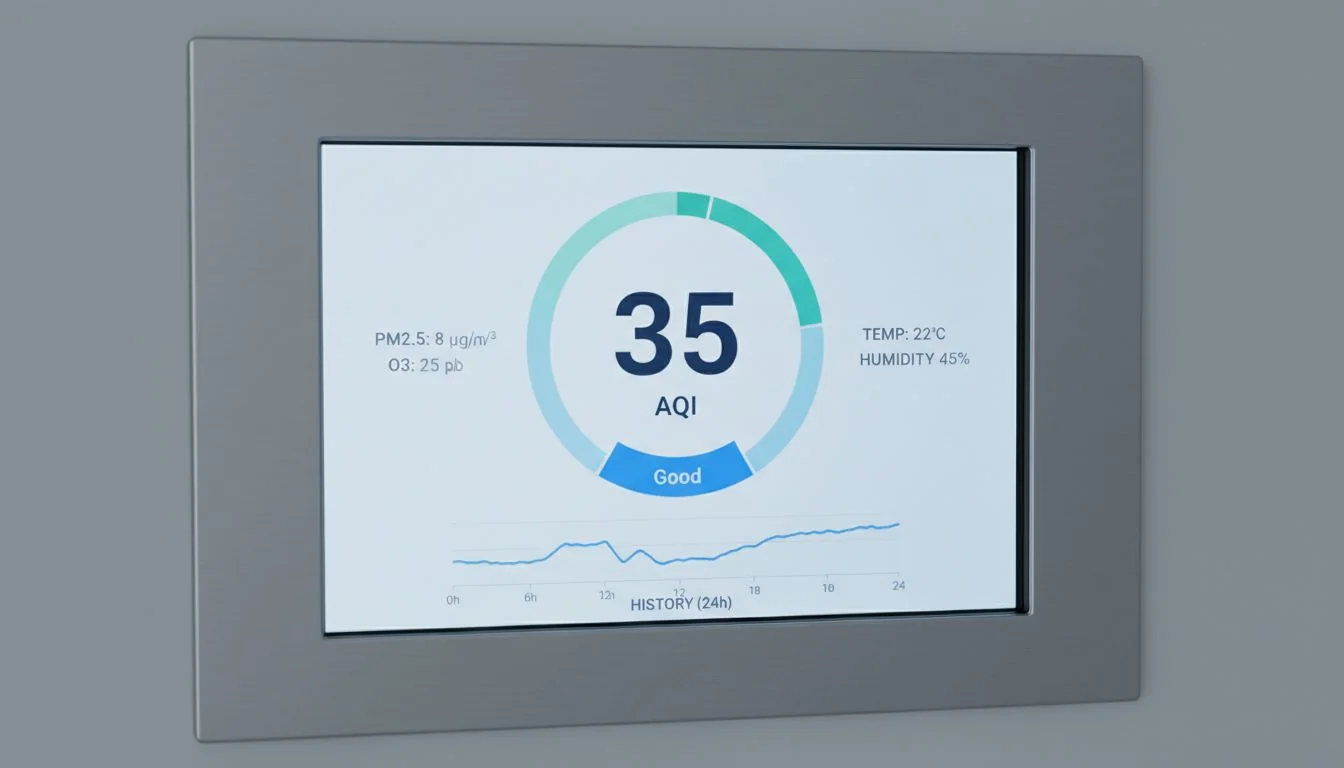
close up of digital display showing air quality index

We live in an age of data. If we cannot measure it, we do not trust it. Post-pandemic consumers have "Health Anxiety." They worry about what they breathe. Our job is to cure that anxiety. We do this with "Visible Trust."

This is why the digital display is so important. It is not just a tech spec. It is an emotional feature. Imagine a glowing green light on the front of the unit. It tells the mother that her baby is safe. It tells the office worker that the air is clean. This is "Proof." As designers, we need to integrate these displays seamlessly. The mold must accommodate sensors and screens. The interface must be simple. Green means good. Red means bad. We are designing for peace of mind. If the user sees the numbers drop after they cook dinner, they feel validated. They feel the product is worth the money. We are selling confidence, not just electronics.

Data visualization creates emotional value.Wahr

Seeing real-time proof of performance reduces user anxiety and validates the investment in the product.

Users prefer complex data over simple color indicators.Falsch

Simple indicators like color codes (Green/Red) are more effective for quick reassurance than complex raw data.

Is AI the Key to Responsive Biosecurity?

Manual controls are too slow for invisible threats. The machine needs to think for itself to keep us safe.

AI-driven sensitivity8 allows air purifiers to react automatically to changes in the environment. This automated response reinforces the "Health-Tech" positioning and ensures constant protection without user intervention.
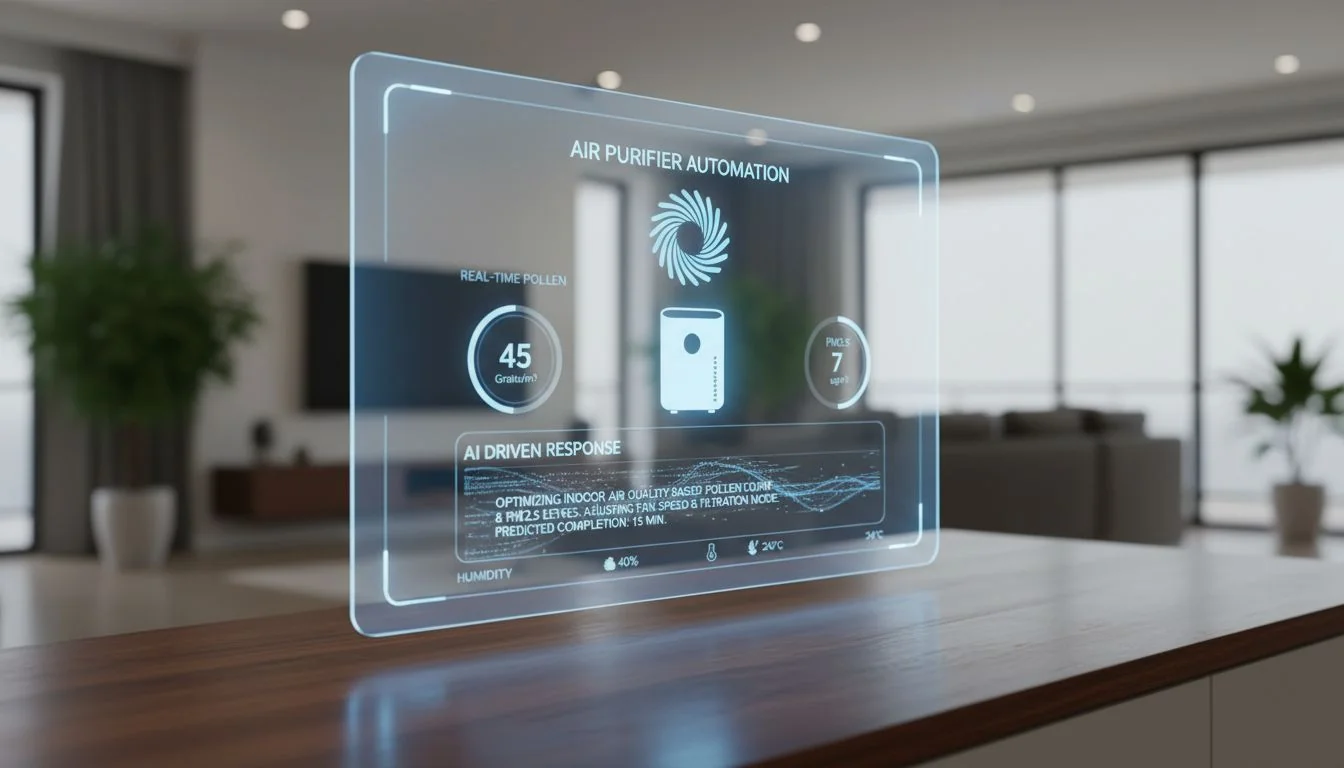
smart home interface showing air purifier automation

I believe the future of mold and product design is smart integration. A "Health-Tech" partner like Hisoair needs devices that react. We call this "Automated Response." The device must have AI-driven sensitivity.

If a group of people enters a conference room, the CO2 and particle levels rise. The machine should know this. It should ramp up the fan speed immediately. It should not wait for someone to press a button. This makes the device feel alive. It feels like a guardian. From a design perspective, this means we need to house advanced sensors. We need to ensure airflow reaches these sensors accurately. The internal mold design must channel air effectively to the detection units. This responsiveness justifies a higher price point. It proves that the machine is constantly working to sterilize the environment. It is proactive, not reactive. This is what separates a smart device from a dumb appliance.

Automated response systems improve energy efficiency.Wahr

By adjusting power based on real-time needs, the device uses energy only when necessary.

Manual control is the most effective way to manage air quality.Falsch

Humans cannot detect invisible pollutants instantly; AI sensors react faster and more accurately to environmental changes.

Schlussfolgerung

We are no longer just designing appliances; we are engineering for the anxiety economy. By combining active sterilization, hospital-grade aesthetics9, and visible data, we create the ultimate status symbol: safety.


References


  1. Explore how active sterilization enhances air quality and safety, making it essential in modern air purifiers. ↩

  2. Understand the growing importance of biosecurity in consumer products and its impact on purchasing decisions. ↩

  3. Explore the evolution of appliances into health-tech solutions and their significance in today's market. ↩

  4. Understand the impact of health-related anxieties on consumer choices and product design. ↩

  5. Learn about the science behind UV-C technology and its effectiveness in killing airborne pathogens. ↩

  6. Explore the significance of medical-grade standards in consumer products and their influence on safety perceptions. ↩

  7. Discover how real-time feedback can alleviate health anxiety and build consumer trust in air quality. ↩

  8. Find out how AI technology enhances the responsiveness and efficiency of air purification systems. ↩

  9. Learn how design choices can enhance the perceived safety and effectiveness of air purification systems. ↩

Teilen:
hisoair-gründer herr lee
Alwen Lee, an air purification expert with over 10 years of experience, is a devoted father of two and a passionate traveler, having explored more than 30 countries. With a love for public speaking and swimming, he has dedicated his life to the indoor air quality industry. His mission is to ensure that people around the world enjoy the freedom to breathe clean air and lead happy, healthy lives.

Senden Sie uns eine Nachricht

Mehr zum Lesen

Modern living room with a family enjoying a healthy indoor environment monitored by smart devices, natural lighting, and greenery.

After IFA 2026: The Healthy Home Is Moving Beyond Smart Devices

In our previous IFA 2026 column, Air Purification Is Becoming Part of the Healthy-Home Platform, we argued that the next generation of indoor-health products would ...
Nachrichten
Modern living room and kitchen with smart home air quality devices including an air purifier, humidifier, and water filtration system, connected with visualized blue connectivity lines.

IFA 2026: Air Purification Is Becoming Part of the Healthy-Home Platform

Pre-IFA Industry Perspective | September 4, 2026 This article is based on official announcements and regulatory information available ahead of IFA 2026, which takes place ...
Nachrichten
Comparison infographic showcasing the differences between carbon block filter and activated carbon fiber. Detailed diagrams illustrate the hierarchical porous structure of the carbon block with long diffusion paths and the open microporous structure of the activated carbon fiber with direct access for PFAS adsorption.

Carbon Block vs. Activated Carbon Fiber (ACF): Matching Media to Target Contaminants

Two carbon media. Same adsorption chemistry. Very different behaviour in a point-of-use cartridge. If you are specifying a water purifier platform for a PFAS-aware market, ...
Nachrichten
NSF base listing and ANF private-label certification pathway for OEM water filters

What Is an NSF Master Listing? A Guide to Base Listings, ANF Certification and OEM Water Filters

For a brand preparing to launch an OEM water purifier, one of the most common supplier claims is: “We already have an NSF master listing, ...
News, Water Purifiers
Healthy-home brand team reviewing PFAS water filter certification, test data and product engineering

Entering the Water Category Is Easy. Building a Credible PFAS Claim Is Much Harder

For air purification, appliance and healthy-home brands, entering the water category can look surprisingly easy. A company can select an existing undersink system, customize its ...
Nachrichten
Team in a business meeting discussing a water filtration system with product components and a comparison table displayed on a screen.

5 Leading OEM Water Purifier Manufacturers in China for Private Label Brands

China has thousands of companies selling water filters, reverse osmosis systems and drinking-water appliances. However, only a portion of them are suitable for private-label, OEM ...
Nachrichten
Contaminant Engineering•3 min read

PFAS Water Filtration Technologies Explained: Carbon, Resin & RO

Key Takeaway:

PFAS reduction depends on the specific compounds present, treatment media, contact time, water chemistry, and system design. Activated carbon, ion exchange, and Reverse Osmosis address PFAS through different mechanisms.

PFAS are a large family of persistent fluorinated compounds that can occur in drinking-water supplies. Their treatment behavior varies significantly by molecular structure, chain length, functional group, concentration, and the chemistry of the source water.

Granular Activated Carbon (GAC) removes PFAS primarily through adsorption. It is generally more effective for many longer-chain PFAS, while shorter-chain compounds tend to break through more quickly. Carbon performance depends on media properties, Empty Bed Contact Time (EBCT), competing organic matter, loading, and replacement frequency.

Ion-exchange resins use charged functional sites to capture many PFAS compounds. Properly selected anion-exchange media can provide high capacity and may perform better than conventional activated carbon for some shorter-chain PFAS, although performance still depends on water chemistry and competing ions.

Reverse Osmosis (RO) uses membrane separation rather than adsorption. Properly designed RO systems can provide broad reduction across many PFAS compounds as well as dissolved salts and other contaminants. Unlike carbon or resin, however, RO also produces a concentrate stream that must be managed.

No single technology should be selected from a PFAS label alone. System design should consider which PFAS compounds are present, their concentrations, required reduction targets, flow rate, media life, and the applicable third-party certification or validation requirements.

HisoAir Water Technical Series
Product Discovery•3 min read

How to Choose an Under-Sink Water Purifier for Modern Kitchens

Key Takeaway:

Match the treatment technology to your water quality first, then evaluate cabinet space, faucet configuration, flow rate, drain and power requirements, and filter replacement needs.

Choosing an under-sink water purifier starts with water chemistry. Carbon filtration is well suited to chlorine, taste, odor, and many organic contaminants, while Reverse Osmosis is more appropriate when dissolved salts, fluoride, nitrates, or broader dissolved contaminants need to be reduced.

For compact kitchens, tankless RO systems eliminate the conventional storage tank and can significantly reduce the space required under the sink. However, membrane capacity stated in GPD does not directly equal faucet flow. When comparing systems, check the actual dispensing flow rate, inlet-pressure requirement, recovery ratio, and whether a booster pump is required.

Installation architecture also matters. Many RO systems require a drain connection, electrical power, and either a dedicated drinking-water faucet or a compatible multi-function faucet. High-flow carbon systems can often connect directly to the existing cold-water line with a simpler installation, but pressure drop and available faucet flow should still be verified.

RO also removes much of the naturally occurring dissolved mineral content. Where taste or mineral balance is a priority, a post-RO remineralization stage can be added. Filter life should be evaluated by both rated capacity and local water quality rather than replacement time alone.

The right system is therefore not simply the smallest or highest-GPD model. It is the configuration that matches the target contaminants, available cabinet space, desired faucet setup, peak dispensing demand, and maintenance expectations.

HisoAir Water Technical Series
Water Quality•2 min read

What Does TDS Mean in Drinking Water? Measurement vs Contaminant Reality

Key Takeaway:

A TDS meter estimates the overall concentration of dissolved ionic substances from electrical conductivity. It cannot identify specific contaminants or determine whether water is chemically safe.

Total Dissolved Solids (TDS) refers to the combined concentration of dissolved substances in water. Most handheld TDS meters do not measure TDS directly. Instead, they measure electrical conductivity (EC) and convert that reading into an estimated parts-per-million (ppm) value.

This means a TDS reading can indicate how much dissolved ionic material is present, but not what that material actually is. Calcium, magnesium, sodium, nitrates, and other dissolved ions can all contribute to conductivity, yet a simple TDS meter cannot distinguish between them.

TDS meters are also not suitable for detecting trace contaminants such as PFAS, many VOCs, pesticides, pharmaceuticals, or disinfection byproducts. These substances may be present at concentrations far below the level needed to noticeably change electrical conductivity.

A low TDS reading therefore does not guarantee safe drinking water, and a higher TDS reading does not automatically indicate contamination. Water-treatment decisions should be based on laboratory testing for specific contaminants of concern rather than TDS alone.

HisoAir Water Technical Series
Technology Selection•2 min read

RO vs UF Water Filtration: Understanding Pore Sizes & Dissolved Minerals

Key Takeaway:

Ultrafiltration can reduce bacteria, turbidity, and suspended particles while retaining most naturally occurring dissolved minerals. Reverse Osmosis provides much broader reduction of dissolved salts and smaller contaminants.

Ultrafiltration (UF) typically uses hollow-fiber membranes with pore sizes in the approximate 0.01–0.1 micron range. These membranes physically retain turbidity, suspended solids, colloids, and many microorganisms while allowing dissolved minerals and salts to remain in the water.

Reverse Osmosis (RO) operates at a much finer separation level. Unlike UF, RO can substantially reduce dissolved ions such as sodium, calcium, fluoride, nitrates, and other contributors to total dissolved solids (TDS). This makes RO more suitable when dissolved-salt reduction is a primary treatment objective.

UF generally requires less system pressure and produces little or no continuous concentrate stream in many point-of-use configurations. RO typically requires greater pressure and produces a reject-water stream, but delivers broader contaminant reduction.

For water with acceptable TDS and mineral content, UF can be a simpler mineral-retaining treatment option. Where dissolved salts, fluoride, nitrates, or broader dissolved contaminants are a concern, RO is generally the more appropriate technology.

HisoAir Water Technical Series
Technology Selection•4 min read

Carbon Block vs Reverse Osmosis: Which Fits Your Need?

Key Takeaway:

Choose RO for dissolved inorganic salts and heavy metals; choose Carbon Block for chemical taste/odor, no wastewater, and high line-pressure flow.

Reverse Osmosis (RO) and Carbon Block filtration represent two fundamentally different treatment methods: membrane separation and adsorption. Understanding these differences helps determine which technology is better suited to a specific water-quality requirement.

Reverse Osmosis uses a semi-permeable membrane with pore sizes of approximately 0.0001 microns. It can significantly reduce dissolved inorganic contaminants such as TDS, fluoride, nitrates, and certain heavy metals. Because water must be forced through the membrane, RO systems require sufficient pressure or a booster pump and generate a concentrated wastewater stream.

Carbon Block filtration relies primarily on adsorption through compressed activated carbon, commonly with nominal pore sizes around 0.5–5 microns. It is highly effective for chlorine, chloramines, VOCs, taste, and odor, while allowing substantially higher direct-flow rates without producing wastewater.

From an operating perspective, Carbon Block systems are generally simpler, require less energy, and avoid the water loss associated with RO. RO involves higher system complexity and operating cost, but provides substantially broader reduction of dissolved contaminants that Carbon Block alone cannot address.

HisoAir Water Technical Series

EIN ANGEBOT ANFORDERN