
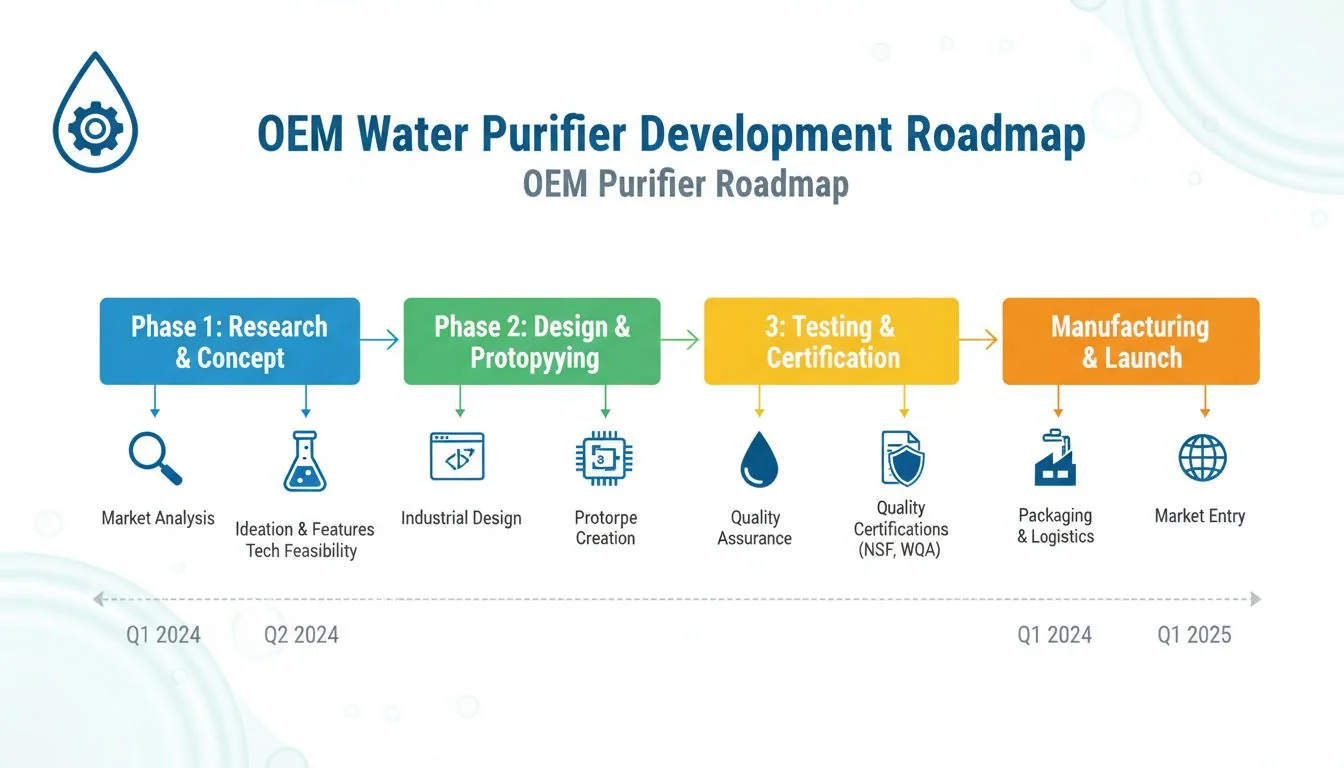
You design a great water purifier. But the factory delays your project for months. You face costly mold changes. A clear roadmap fixes this problem.
The true OEM roadmap starts with NSF certifications1 and regional water profiles, not product design. By defining commercial targets and modular filters first, you avoid costly mold re-works. This approach helps you ship your first container on time.
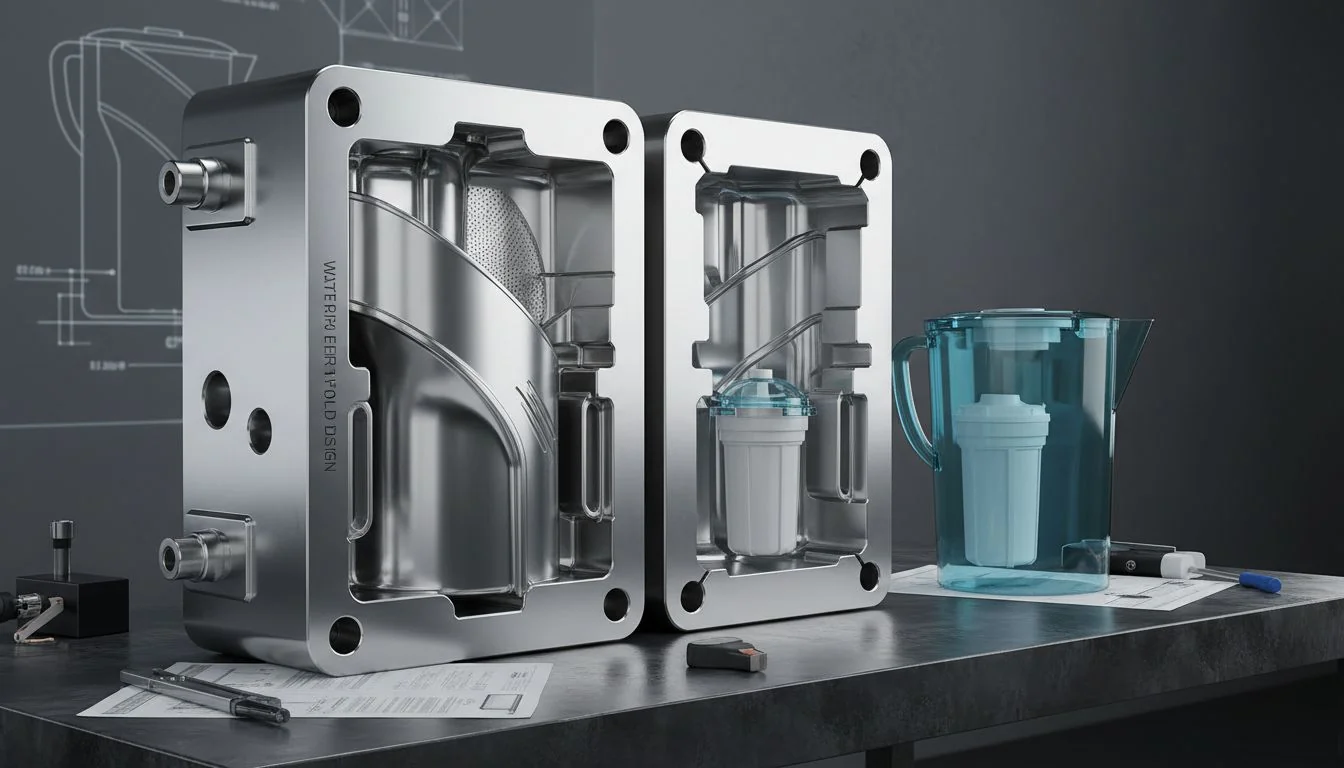
I learned this the hard way in my early mold trading days. I watched clients lose money because they designed first and checked rules later. Let me show you how to build a roadmap that actually works.
NSF certification is only required after the product design is fully finished.Falsch
NSF certification must be the gating function from day one, guiding every BOM and design decision.
The US and Canada markets require multiple separate certification tracks for residential RO units.Wahr
A serious unit needs NSF 58, 42, 53, 401, 372, and 61.
Why Must North American Roadmaps Be Reverse-Engineered From the NSF Cert Matrix?
Designing first and certifying later ruins projects. You will face rejected molds and missed deadlines. Start with the NSF matrix to save your timeline.
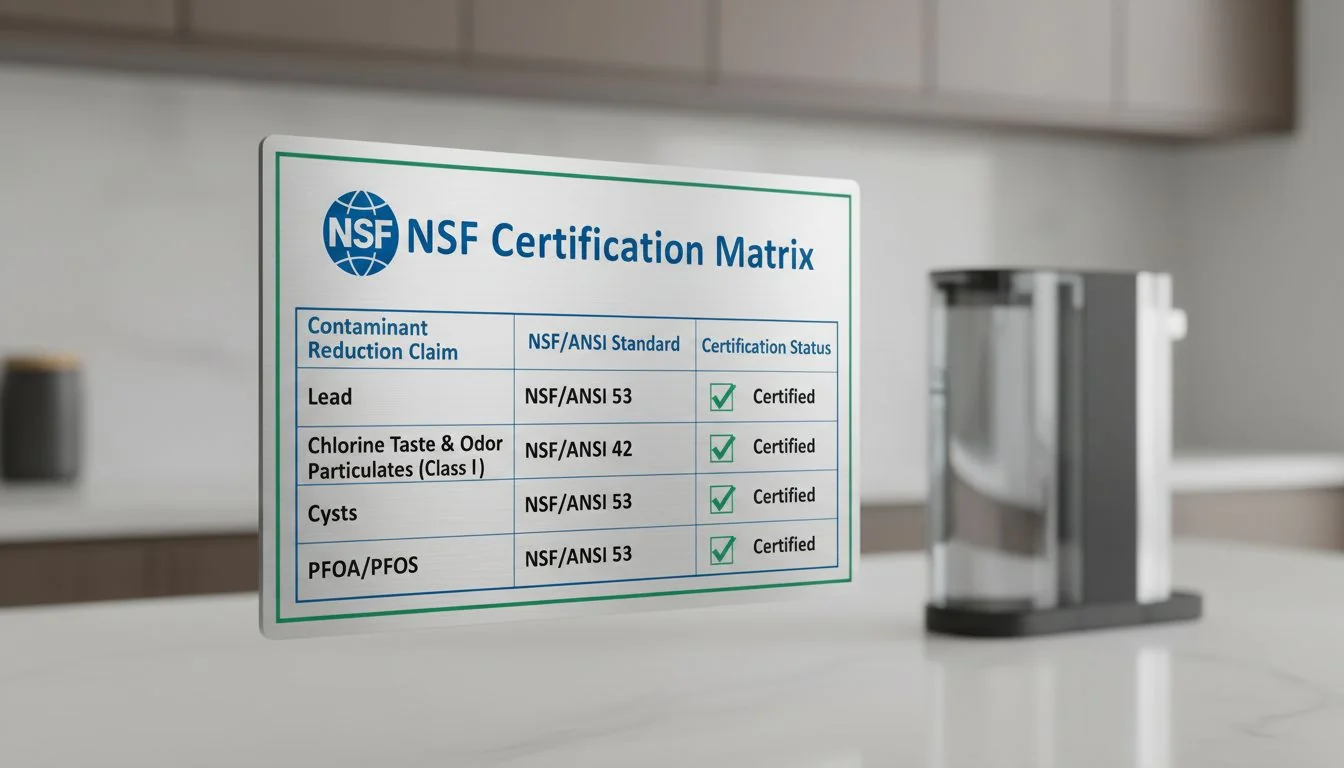
In the US and Canada, NSF certification is the gating function. It is not a final step. You must design against a 5-7 certification target matrix2 from day one. Every material choice and mold decision is a certification decision.
The Hidden Cost of Late Certification
I see many designers make a big mistake. They come from European or Asian markets. They think they can ship a product in 90 days. But US projects take 180 days or more. Why? Because they underestimate the NSF matrix. You cannot just design a plastic component and hope it passes.
The Six Core Certifications
A serious residential RO unit needs six separate tracks. You need NSF 58 for the RO system. You need NSF 42 for chlorine and taste. You need NSF 53 for health risks like lead. You need NSF 401 for emerging things like PFAS. You need NSF 372 for lead-free materials. And you need NSF 61 for wetted component safety.
State and Retailer Rules
You also face state rules. California has Prop 65. Massachusetts has strict lead laws. Big stores like Costco and Home Depot have their own rules.
Certification Target Matrix
| Zertifizierung | Focus Area | Impact on Mold Design |
|---|---|---|
| NSF 58 | RO System Performance | Requires precise flow channels |
| NSF 53 | Health (Lead, VOCs) | Dictates filter housing size |
| NSF 61 | Wetted Parts Safety | Limits plastic material choices |
| NSF 372 | Lead-Free | Changes metal insert specs |
Every decision you make about mold shrinkage or material selection must align with these rules. If you ignore them, you will re-tool your molds.
Projects in the US market can easily ship in 90 days just like in Europe.Falsch
US projects often take 180+ days due to complex NSF and state certification requirements.
NSF 61 certification focuses on the safety of wetted components.Wahr
NSF 61 ensures that materials contacting drinking water do not leach harmful contaminants.
Why Is the 2025-2026 Growth Lane Commercial Point-of-Use Instead of Residential?
Residential RO margins are shrinking fast. Competing on price hurts your business. commercial point-of-use3 offers higher margins and better growth for your designs.
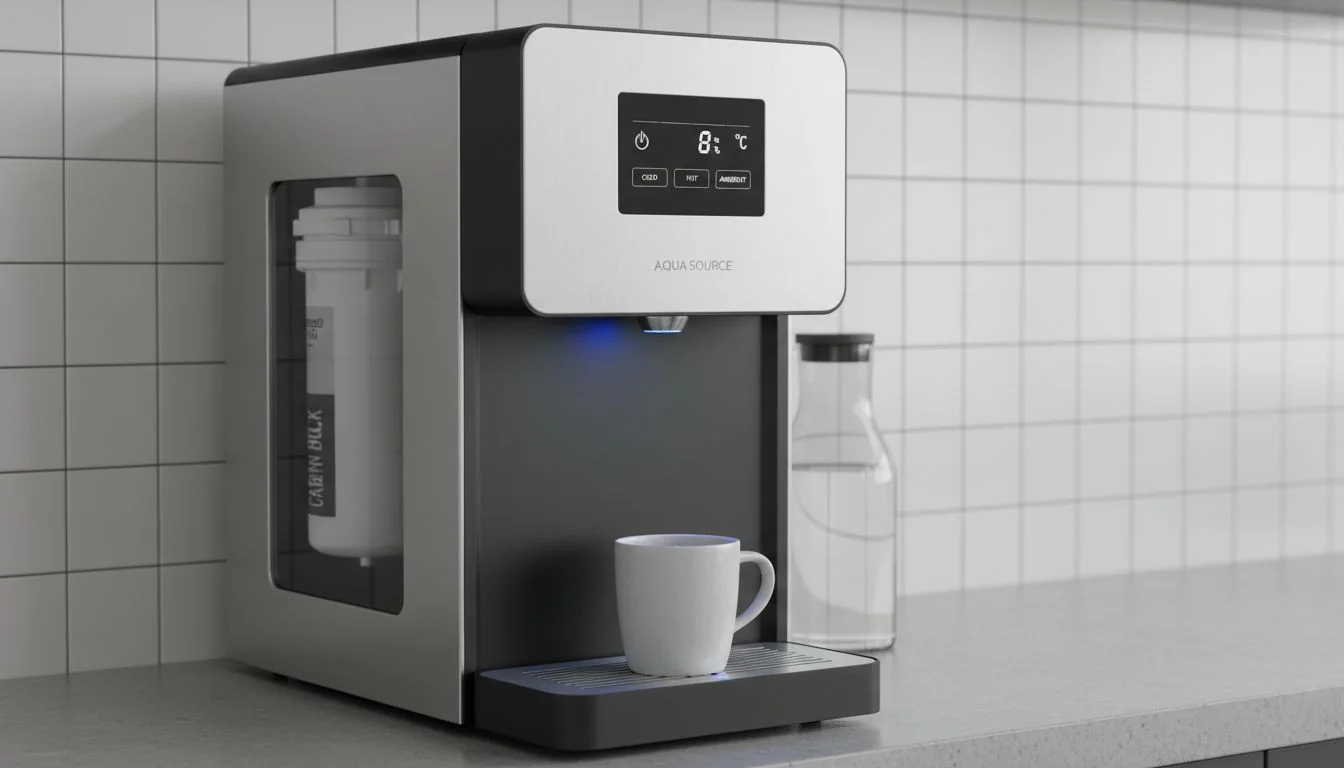
Residential RO is losing profit. The real opportunity is commercial point-of-use. Coffee chains, dental offices, and gyms need these systems. These segments support much higher prices. They require larger flow rates, commercial-grade materials, and IoT monitoring.
The Problem with Residential RO
The residential market is mature. Prices are dropping. Brands push the price under $300. This puts pressure on manufacturing costs. As a designer, you have to cut corners. I hate seeing good designs ruined by cheap budgets.
The Commercial Opportunity
The real money is in commercial point-of-use (POU). Specialty coffee chains need RO and remineralization for perfect espresso. Dental offices need lab-grade water. Gyms want alkaline water. Schools need retrofits for lead rules. These buyers pay three to eight times more than home users.
Different Design Rules
The product is very different. You need bigger pumps. You need dual-membrane setups. You need stainless steel tanks. You also need IoT monitoring for service contracts. This means you must design housings for RJ45 or cellular telemetry.
Residential vs Commercial Specs
| Merkmal | Residential RO | Commercial POU |
|---|---|---|
| Flow Rate | 0.5 GPM | 3 to 10 GPM |
| Materialien | Basic Plastics | Commercial-grade NSF 372/61 |
| Telemetry | Keine | IoT, RJ45, Cellular |
| Price Point | Under $300 | High margin (3-8x higher) |
This shift changes how you plan your molds. You will work with thicker walls and stronger materials.
Commercial POU systems run at the same flow rates as residential systems.Falsch
Commercial systems run at 3-10 GPM, while residential systems typically run at 0.5 GPM.
Commercial POU segments support 3 to 8 times the average selling price of residential units.Wahr
Businesses like coffee chains and dental offices are willing to pay a premium for specialized water solutions.
Why Is Solution Selection Upstream of Every Cost and Timeline Decision?
Picking a trending technology first leads to failure. You will find out later it cannot pass certification. Follow the right sequence to protect your mold investment.
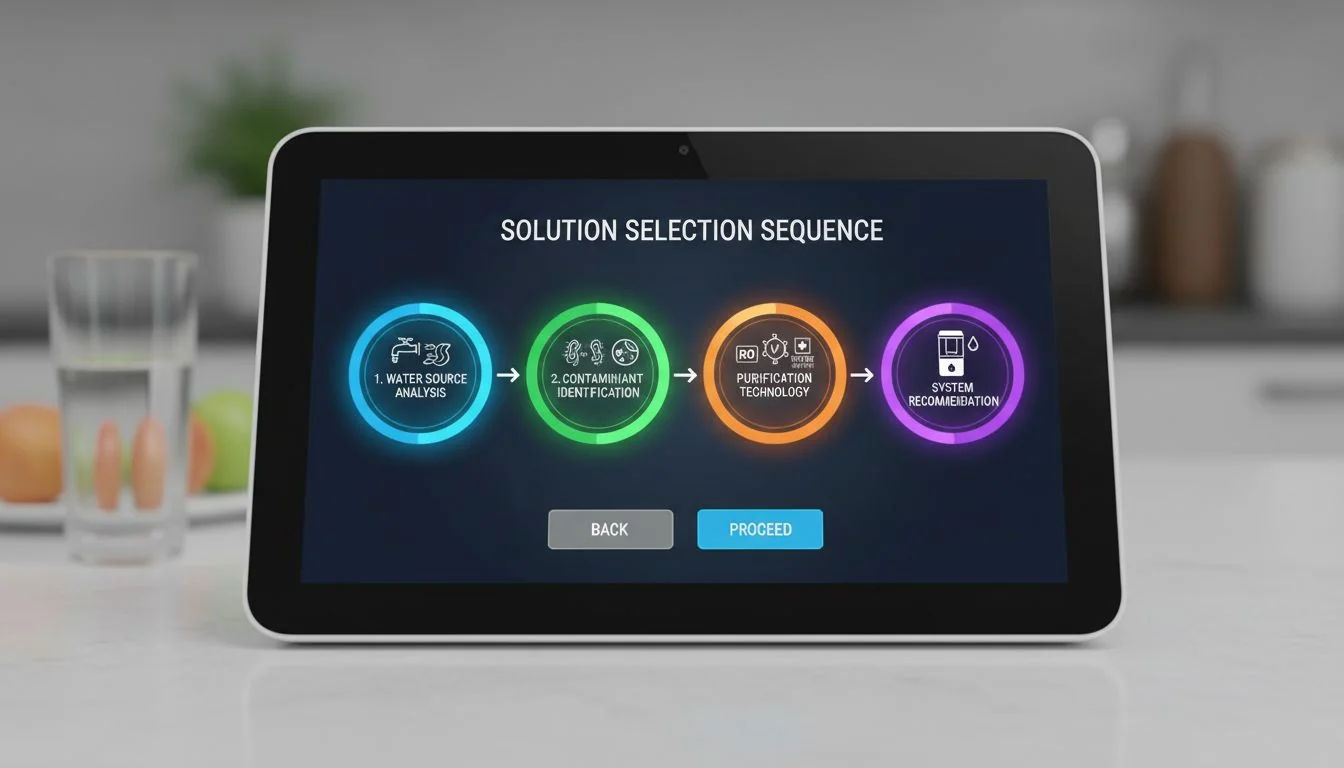
Most brand owners do it backward. The right sequence is: regional water profile, target certification claim, use case, flow target, and finally technology selection. Inverting this sequence causes costly re-tooling because the system fails certification.
The Wrong Way to Design
Many brands pick a technology because it sounds cool. They say, "RO is premium" or "hydrogen is the new thing." The marketing team writes the claims. Then the engineering team finds out the system cannot pass the tests. This is the number one cause of mold re-tooling. I have seen clients lose months of work this way.
The Right Sequence
You must follow a strict order. First, look at the regional water profile. Second, pick your target certification claim. Third, define the use case. Fourth, set your flow and recovery targets. Finally, pick the technology.
Step-by-Step Breakdown
| Step | Schwerpunkt | Beispiel |
|---|---|---|
| 1. Water Profile | Local contaminants | PFAS in the Northeast |
| 2. Cert Claim | Target standard | NSF 53 for lead reduction |
| 3. Use Case | Application type | Commercial vs Residential |
| 4. Flow Target | Recovery ratio | 1:1 (premium) vs 1:3 (bargain) |
| 5. Technology | Filtration method | RO, UF, or carbon block |
When you follow this sequence, your CAD work becomes much easier. You know exactly what materials to use. You can calculate mold shrinkage accurately because the material choice is locked in early.
Marketing claims should be written before the engineering team verifies the technology.Falsch
Writing claims first often leads to engineering failures and costly mold re-tooling when the system cannot pass certification.
A 1:1 recovery ratio is considered a premium target for water purifiers.Wahr
Higher recovery ratios like 1:1 waste less water and are positioned as premium features.
Why Do US OEM Projects Need Region-Specific Filter Architectures?
Selling one universal filter means poor performance. Customers will complain about bad water. You need region-specific architectures to win the market.
"American tap water" is a fiction. The US has wildly different water profiles by region. The best OEM answer is a modular cartridge platform. This lets brands ship region-specific configurations from a shared base system.

The Myth of Universal Water
There is no such thing as standard American tap water. A single universal RO unit is a bad compromise. If you sell one SKU everywhere, you leave performance and money on the table.
Regional Water Profiles
Different areas have different problems. The Northeast has PFAS and lead. The Southwest has high arsenic and hard water. The Southeast deals with tannins and biological loads. The Midwest fights nitrates and agricultural runoff.
Engineered Modularity
You do not need custom molds for every client. That is too expensive. The smart answer is engineered modularity4. You design a shared base system. Then you swap the media chemistry inside the cartridges. We map your water reports to the media stack. Then we configure the cartridge.
Regional Filter Configurations
| Region | Main Contaminants | Filter Strategy |
|---|---|---|
| Northeast | PFAS, Lead | PFAS-tuned carbon block |
| Southwest | Arsenic, High TDS | Arsenic-selective media |
| Southeast | Tannins, Biology | Biological pre-filter |
| Midwest | Nitrates, Hardness | Hardness-priority pre-filter |
This approach is great for mold designers. You design one excellent cartridge housing. You optimize it for large-scale production. The factory just changes the filling inside.
A single universal RO unit provides the best performance for all US regions.Falsch
Water profiles vary wildly by region, making a universal unit a poor compromise.
Engineered modularity allows brands to use a shared base system with different media chemistries.Wahr
This approach is economical and allows for region-specific water treatment without bespoke tooling.
Plastic parts and PFAS chemicals scare consumers. Ignoring these trends will lock you out of the premium market. You must adapt your designs now.
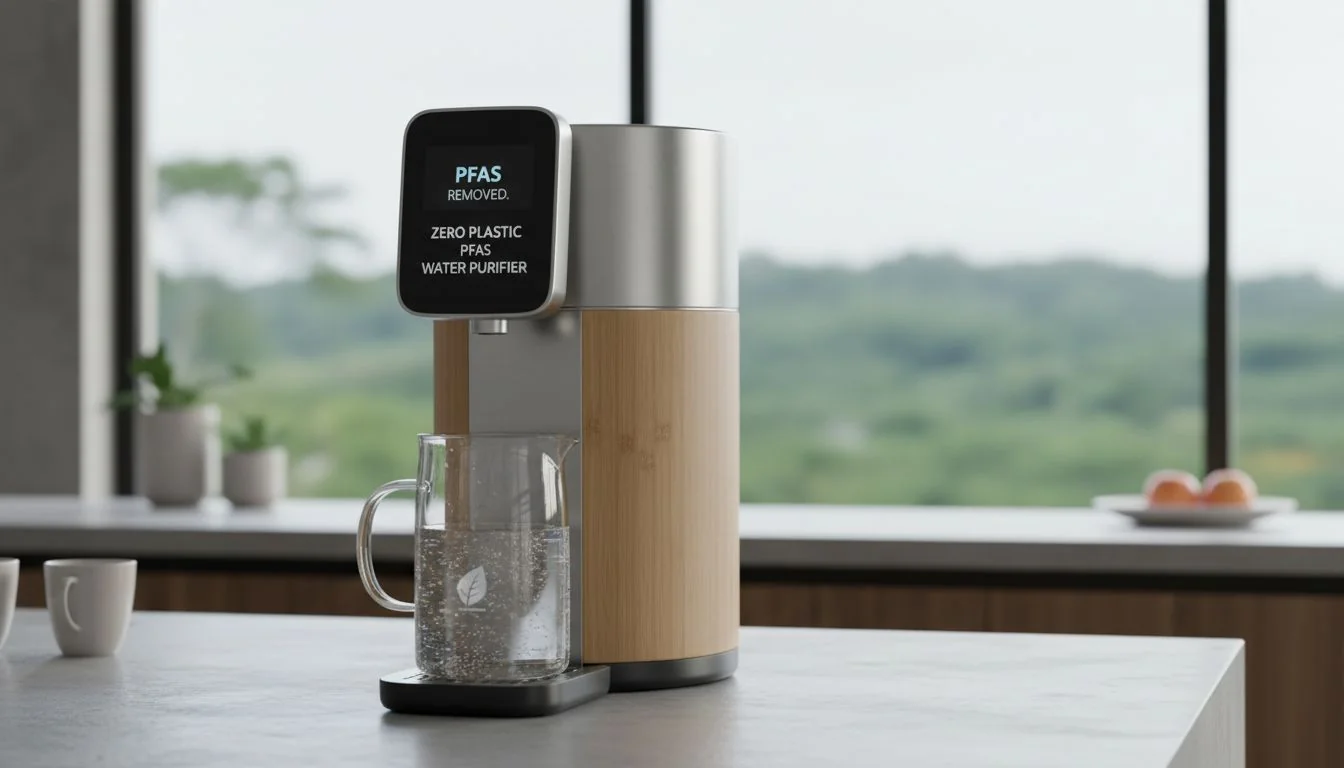
Two trends dominate the premium market. First is the zero-plastic wetted path. Second is certified PFAS reduction5. Brands need stainless steel housings and NSF 53 plus 401 dual certification. Without both, you cannot compete in the high-end market.
The Push for Zero-Plastic
Consumers hate microplastics. Retailers like Whole Foods push hard against plastic. Plastic touching your water is the new BPA. Premium brands are moving to 304 or 316 stainless steel housings. They use glass storage tanks. Full zero-plastic is impossible because you still need O-rings and quick-connects. But a minimized plastic path is a strong selling point.
The PFAS Challenge
The EPA set strict rules for PFAS in April 2024. The limit is 4 parts per trillion for PFOA and PFOS. Some states are even stricter. Consumers watch the news. They know about PFAS hotspots.
The 2026 Premium Standard
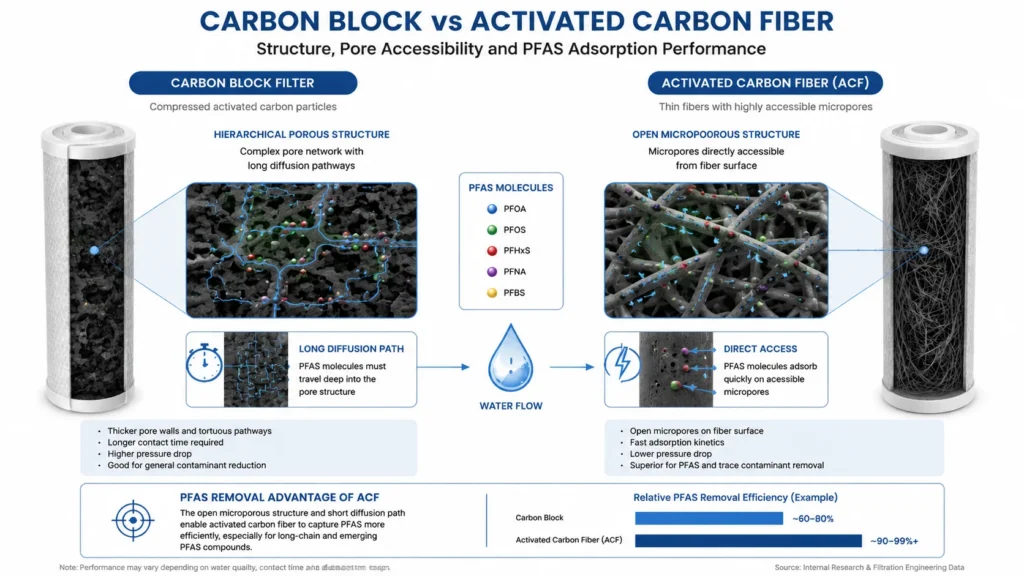
To win in 2026, you need both. You need a stainless wetted path. You also need enforceable PFAS reduction with NSF 53 and 401 certification. You must use modified carbon block chemistry.
Premium Purifier Requirements
| Trend | Engineering Requirement | Market Impact |
|---|---|---|
| Zero-Plastic Path | Stainless housings, glass tanks | Meets retailer pressure |
| PFAS Reduction | Modified carbon block | Complies with EPA 2024 rules |
| Dual Certification | NSF 53 + NSF 401 | Proves premium claims |
As a designer, you must explore new materials. You might need to design housings for bioplastics or cellulose. We are already engineering for this convergence.
It is currently possible to build a water purifier with absolutely zero plastic components.Falsch
Full zero-plastic is engineering-impossible at scale because items like O-rings and quick-connects still require polymers.
The EPA set enforceable limits for PFOA and PFOS at 4 parts per trillion in April 2024.Wahr
This strict regulation is driving the demand for certified PFAS reduction in premium purifiers.
Schlussfolgerung
A successful OEM roadmap starts with certifications and regional water data. By focusing on commercial needs and modular designs, you will build better products and avoid costly mold mistakes.
References
-
Understanding NSF certifications is crucial for ensuring compliance and quality in water purifier design. ↩
-
A certification target matrix is vital for aligning product design with regulatory requirements, ensuring market readiness. ↩
-
Exploring commercial point-of-use systems reveals lucrative opportunities in the water purification market. ↩
-
Engineered modularity allows for cost-effective, region-specific solutions in water purification, optimizing production. ↩
-
Understanding PFAS reduction methods is essential for compliance with emerging regulations and consumer expectations. ↩

 English
  Français
  Español
  Italiano
  Deutsch
  Português
  Русский
  العربية
  日本語
日本語  한국어
한국어  Tiếng Việt

