As wellness transitions from a niche perk to a core business imperative, climate control technologies—especially advanced evaporative coolers—are taking center stage. In 2025, the focus is squarely on how these systems contribute to healthier, more productive, and sustainable indoor environments. This shift is not just about comfort; it's about measurable well-being, operational efficiency, and meeting evolving regulatory and corporate social responsibility demands.
This article explores the five pivotal wellness tech trends poised to reshape product roadmaps, service contracts, and procurement criteria for cooler OEMs and facility managers in 2025. Understanding these trends is crucial for benchmarking your innovation pipeline and sharpening your value proposition to corporate real estate, industrial, and institutional clients. We'll delve into how cutting-edge technology is transforming traditional cooling solutions into intelligent wellness hubs, offering unprecedented control, efficiency, and data-driven insights.
Q: How are Real-Time IAQ Networks and Smart Ventilation Redefining Cooler Integration?
The era of infrequent, manual air quality checks is rapidly becoming obsolete. In 2025, the industry standard is shifting towards real-time Indoor Air Quality (IAQ) networks that continuously monitor environmental parameters. These sophisticated systems deploy dense sensor networks capable of streaming data on CO₂, PM2.5, Volatile Organic Compounds (VOCs), temperature, and humidity directly to cloud-based dashboards. This constant influx of data enables cooling systems to automatically adjust their operations—nudging dampers, fan speeds, and even water-pad saturation levels—in near real-time, ensuring optimal air quality and comfort. Health-conscious employers are increasingly valuing the transparency and accountability these systems offer, while regulators appreciate the verifiable compliance trail.
Why does this matter for cooler manufacturers and facility managers? Evaporative cooling systems inherently excel at providing high fresh-air throughput, a critical component of superior IAQ. By integrating your control boards with third-party IAQ APIs, you can quantitatively demonstrate and prove the superior performance of your systems. Furthermore, the emergence of "sensor-plus-service" bundles, which combine hardware, calibration, and analytics, presents a significant opportunity to add 10-15% margin and establish recurring annuity revenue streams. Looking ahead, expect Request for Proposal (RFP) language to routinely mandate IAQ data export capabilities via standard protocols like BACnet, REST, or Modbus, making seamless integration a non-negotiable feature for new installations.
Q: How is AI-Powered Predictive Maintenance Transforming Cooler Operations?
In 2025, the proactive management of cooling infrastructure is no longer a luxury but a standard expectation, driven by the widespread adoption of AI-powered predictive maintenance. Machine learning models are now adept at analyzing subtle operational signatures—such as vibration patterns, amperage fluctuations, and motor temperature trends—to accurately predict potential bearing or pump failures weeks, or even months, in advance. This foresight translates directly into tangible benefits: a significant reduction in costly emergency call-outs, extended lifespan for critical components like water pads, and verifiable persistence of energy savings. The ability to anticipate and address issues before they escalate into critical failures is a game-changer for operational efficiency and cost management.
What are the essential action items for cooler OEMs and facility managers? To capitalize on this trend, OEMs should prioritize adding edge-ready IoT gateways or open MQTT endpoints to their cooling units. This ensures that third-party analytics platforms can seamlessly ingest raw telemetry data, enabling comprehensive predictive analysis. For facility managers, training service technicians to effectively sell "downtime insurance" contracts—which emphasize the preventative benefits and cost savings of predictive maintenance—is crucial. Early adopters of these contracts have reported a remarkable 20–30% reduction in reactive labor costs, underscoring the significant return on investment that AI-driven predictive maintenance offers. This shift from reactive repairs to proactive prevention is fundamentally reshaping how cooling systems are managed and maintained.
Q: How are Decarbonization and Low-Carbon Cooling Becoming Core Purchasing Criteria?
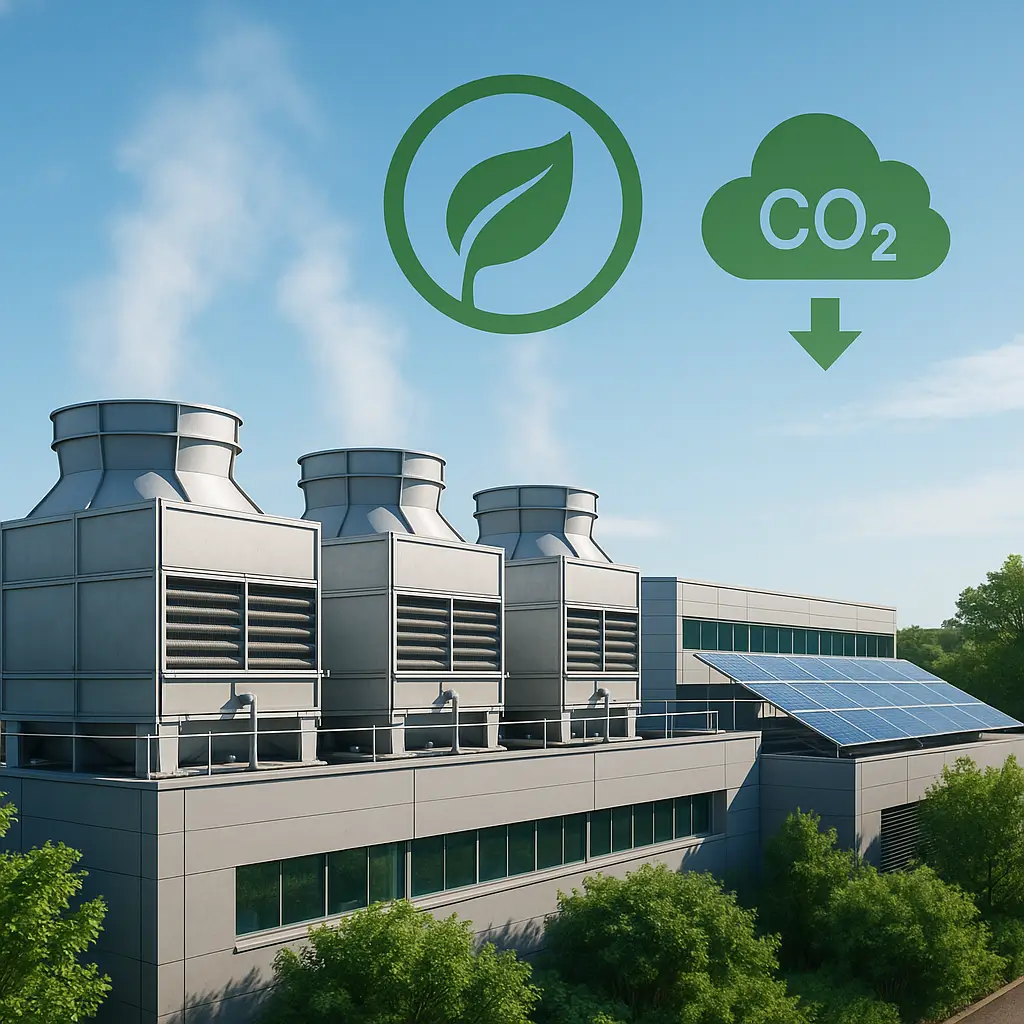
At industry events like February’s AHR Expo, the resounding message was clear: “decarbonization is no longer optional.” This mantra reflects a profound shift in corporate priorities, where sustainability initiatives are moving beyond mere public relations and becoming fundamental purchasing criteria. Corporations globally are actively pursuing science-based targets to reduce their carbon footprint, leading to a significant pivot away from energy-intensive, compressor-driven DX units towards more environmentally friendly, water-based evaporative cooling systems. These systems are highly attractive due to their ability to slash kilowatt-hour consumption by up to 75%, offering a compelling solution for organizations committed to achieving ambitious decarbonization goals. Market analysts are projecting robust growth for the global evaporative-cooling sector, with estimates ranging from US $7–12 billion and a healthy 6–7% Compound Annual Growth Rate (CAGR) through 2033. This growth underscores the increasing demand for sustainable cooling solutions that align with broader environmental, social, and governance (ESG) objectives.
What immediate actions should OEMs take to align with this trend? It is imperative for OEMs to publish third-party verified life-cycle carbon analyses (LCA) for their products. These analyses provide quantifiable data on the environmental impact of their cooling systems, which can then be directly linked to customers’ ESG dashboards, offering transparency and accountability. Furthermore, offering hybrid kits that allow facilities to seamlessly integrate and cascade evaporative and traditional cooling systems is a strategic move. This approach addresses the common “either-or” objection, providing flexibility for extreme-humidity days and enabling facilities to optimize their cooling strategies for both efficiency and sustainability. By proactively demonstrating their commitment to low-carbon solutions, OEMs can gain a significant competitive advantage in a market increasingly driven by environmental consciousness.
Q: How is Personalized Micro-Climate Control Enhancing Workplace Wellness?
Wellness, in 2025, is increasingly understood and defined at the individual level. This paradigm shift is bringing personalized micro-climate control directly into the workplace, transforming how employees experience their immediate environment. Advanced AI-driven zoning platforms, coupled with highly sensitive millimeter-wave occupancy sensors (such as those seen in solutions like Logitech Spot), are now capable of fine-tuning airflow and temperature settings for each individual desk or production cell. This granular level of control significantly boosts occupant comfort scores, directly contributing to employee satisfaction and productivity, while simultaneously trimming wasted air changes in unoccupied areas. The ability to cater to individual thermal preferences marks a significant evolution from traditional, one-size-fits-all HVAC systems.
What opportunities does this present for cooler manufacturers? Integrating variable-speed EC (Electronically Commutated) fans and precision directional louver kits into your cooler designs is paramount. This allows Building Management Systems (BMS) software to deliver “breeze-on-demand” functionality, responding dynamically to individual needs. Furthermore, exposing set-point APIs (Application Programming Interfaces) for your cooling units creates powerful integration possibilities. This enables wellness applications—ranging from hot-desk booking systems to wearable health trackers—to automatically trigger your cooler’s operation when a user checks into a specific zone or when their biometric data indicates a need for cooling. By embracing hyper-personalization, cooler OEMs can tap into the rapidly expanding market for human-centric climate solutions, offering a compelling value proposition that directly impacts individual well-being and operational efficiency.
Q: How are Digital Twins and Wellness Analytics Closing the Loop on Cooler Performance?
The frontier of facility management in 2025 is defined by the emergence of digital twins—virtual replicas of HVAC assets that can simulate real-time performance, occupant comfort, and even carbon impact. Facility managers are increasingly expecting cooling equipment to seamlessly surface high-resolution operating data that feeds these digital twins, ideally without the need for costly retro-commissioning. This capability allows for continuous optimization, predictive scenario planning, and a deeper understanding of how environmental conditions impact occupant well-being. Concurrently, insights from McKinsey’s 2025 wellness survey highlight a growing trend: younger generations, particularly Gen Z and Millennials, are actively rewarding brands that can demonstrate measurable, data-backed health benefits. This convergence of advanced analytics and consumer demand for verifiable wellness outcomes is creating a powerful feedback loop.
What practical steps should cooler manufacturers take to prepare for this trend? Embedding OPC UA (Open Platform Communications Unified Architecture) or Brick-schema-ready metadata tags at the firmware level of your cooling units is a crucial first step. This ensures that your equipment’s operational data is structured and easily discoverable by digital twin platforms. Furthermore, actively partnering with middleware providers can significantly streamline the process for customers to spin up a digital twin of your cooler in hours, rather than months. This ease of integration is a key differentiator. By making your 2025 models inherently digital-twin-compatible out of the box, you are future-proofing your product specifications and positioning your offerings at the forefront of intelligent building management. This strategic move not only enhances the value proposition of your coolers but also aligns with the growing demand for transparent, data-driven wellness solutions.
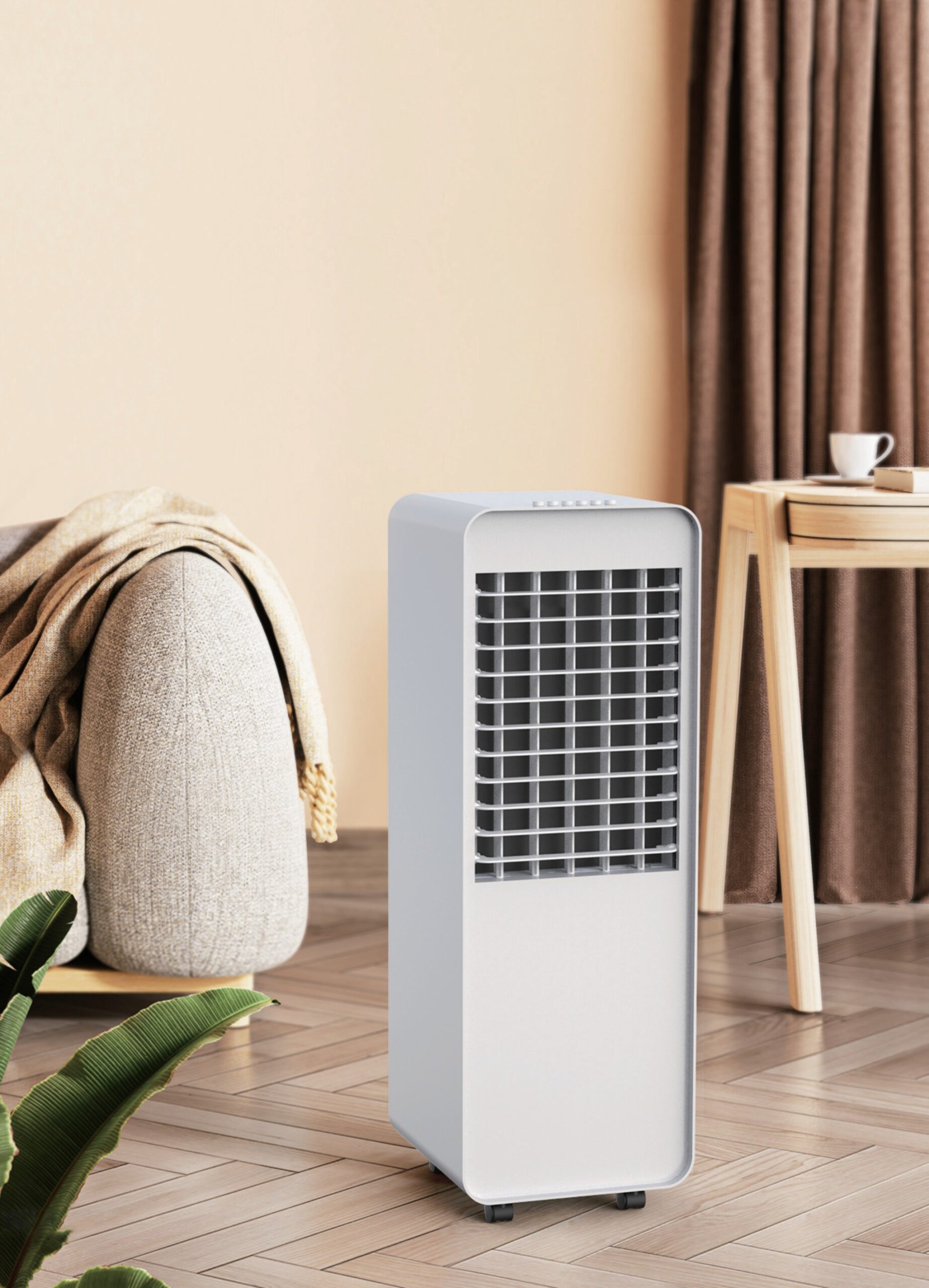
Key Takeaways for 2025 Budget Cycles
- Data = Differentiation: Open protocols and sensor fusion are making evaporative coolers highly visible and integral components within comprehensive wellness dashboards. The ability to provide granular, real-time data on environmental conditions and system performance is no longer a niche feature but a core differentiator in the competitive B2B landscape.
- Service over Steel: Predictive-maintenance subscriptions are emerging as a significant revenue stream, with early adopters reporting that these service contracts can out-earn hardware margins by year three. This shift emphasizes the long-term value and recurring revenue potential of intelligent service offerings over one-time equipment sales.
- Carbon Is Currency: Quantifiable emissions reductions are increasingly becoming the decisive factor in procurement battles, particularly in regions implementing carbon taxes or stringent environmental regulations. Demonstrating a clear, measurable positive impact on carbon footprint is now a powerful currency in the B2B market.
- Human-Centric Climate: The demand for personalized wellness experiences extends to climate control. Offering micro-zone kits and open APIs allows businesses to tap into the booming personalized-wellness spend, providing tailored comfort solutions that enhance individual well-being and productivity.
- Twin-Ready Today: Ensuring your 2025 cooler models are digital-twin-compatible out of the box is essential for future-proofing product specifications. This readiness for virtual replication and simulation enables advanced facility management and positions your offerings as forward-thinking solutions.
Conclusion: From Climate Control to Wellness Catalyst
The landscape of commercial and industrial cooling is undergoing a profound transformation. What was once primarily a function of temperature regulation has evolved into a sophisticated interplay of technology, wellness, and sustainability. In 2025, coolers, particularly advanced evaporative systems, are no longer just about maintaining a set temperature; they are becoming integral wellness catalysts within the built environment.
For original equipment manufacturers (OEMs) and facility managers, this evolution presents both challenges and immense opportunities. The imperative is clear: embrace smart integration, leverage data for predictive insights, prioritize decarbonization, enable personalized comfort, and ensure digital twin compatibility. By doing so, businesses can move beyond simply providing climate control to actively enhancing occupant well-being, optimizing operational efficiency, and contributing to a more sustainable future.
As the demand for healthier, more productive, and environmentally responsible spaces continues to grow, the role of intelligent cooling solutions will only become more critical. The future of wellness tech in 2025 is not just about innovation; it's about creating environments where people can thrive, supported by technology that is as intelligent as it is efficient. The time to adapt and lead this transformation is now.


 English
 Français
 Español
 Italiano
 Deutsch
 Português
 Русский
 العربية
 日本語
 한국어
 Tiếng Việt

