
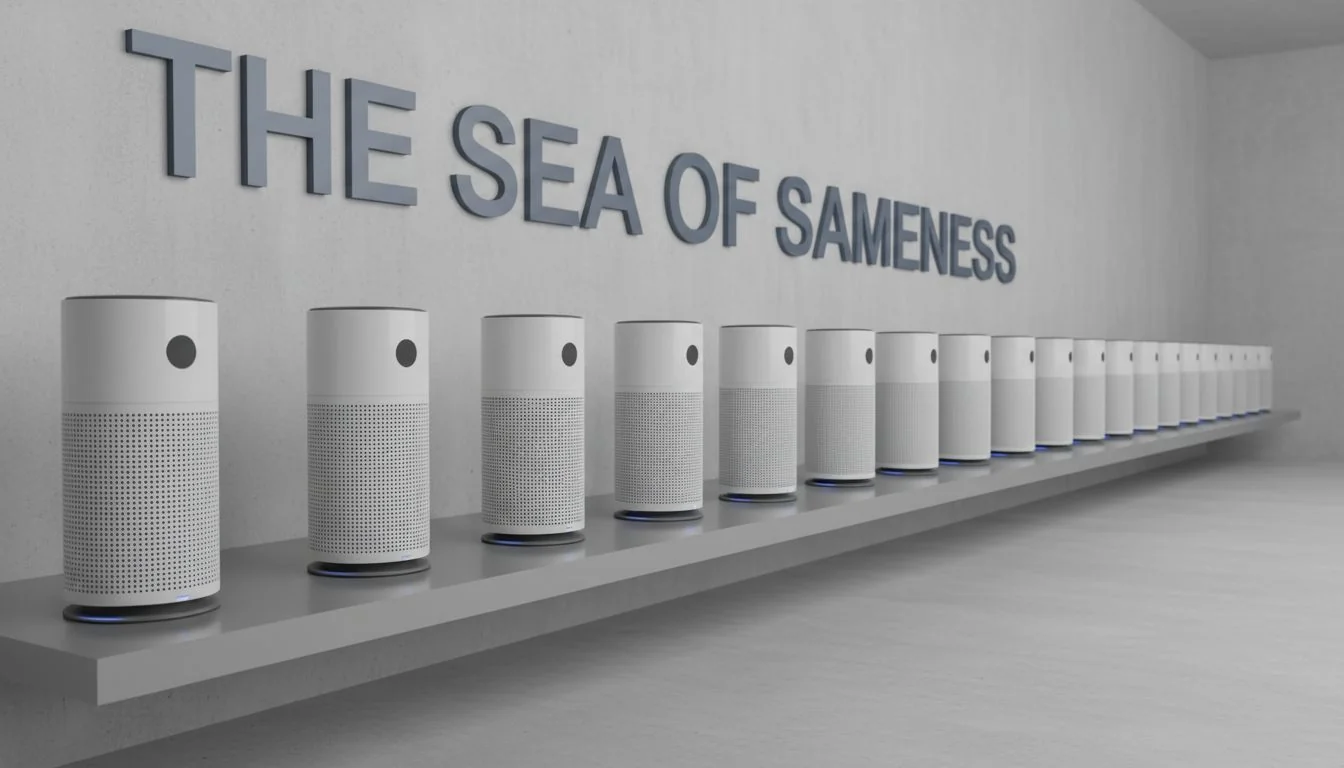
You walk into an electronics store or browse Amazon. You see rows of white plastic boxes. They all look identical. This is the "Sea of Sameness1," and it is killing your profit margins.
Innovative design is the key to standing out because it transforms a utility appliance into a lifestyle object. By focusing on Visual Differentiation2, you lower customer acquisition costs, break direct price comparisons, and create "ad-ready" products that fit modern interior trends like Japandi or Industrial styles.
Many founders think that better specs alone will sell a product. They focus on HEPA filter grades or fan speeds. However, the customer assumes these are standard. If your product looks like a commodity, it will be priced like a commodity. This leads to a race to the bottom. But there is a way to escape this trap.
Generic white box designs increase marketing costs because they fail to capture user attention on social media platforms.Wahr
Visual sameness leads to 'banner blindness,' causing higher CPM and lower click-through rates in digital advertising.
Consumers primarily buy air purifiers based solely on CADR (Clean Air Delivery Rate) ratings.Falsch
While performance matters, modern consumers, especially in D2C channels, prioritize aesthetics and how the product fits into their home decor.
What Is the "Sea of Sameness" Problem?
Most brands buy off-the-shelf designs from ODM factories. They slap a logo on a generic unit. This creates a market flooded with identical products that consumers cannot tell apart.
The "Sea of Sameness" occurs when brands rely on standard factory molds. This forces consumers to compete solely on price, eroding profit margins. To survive, brands must move beyond the "white box" mentality and invest in unique aesthetic structures that signal value immediately.
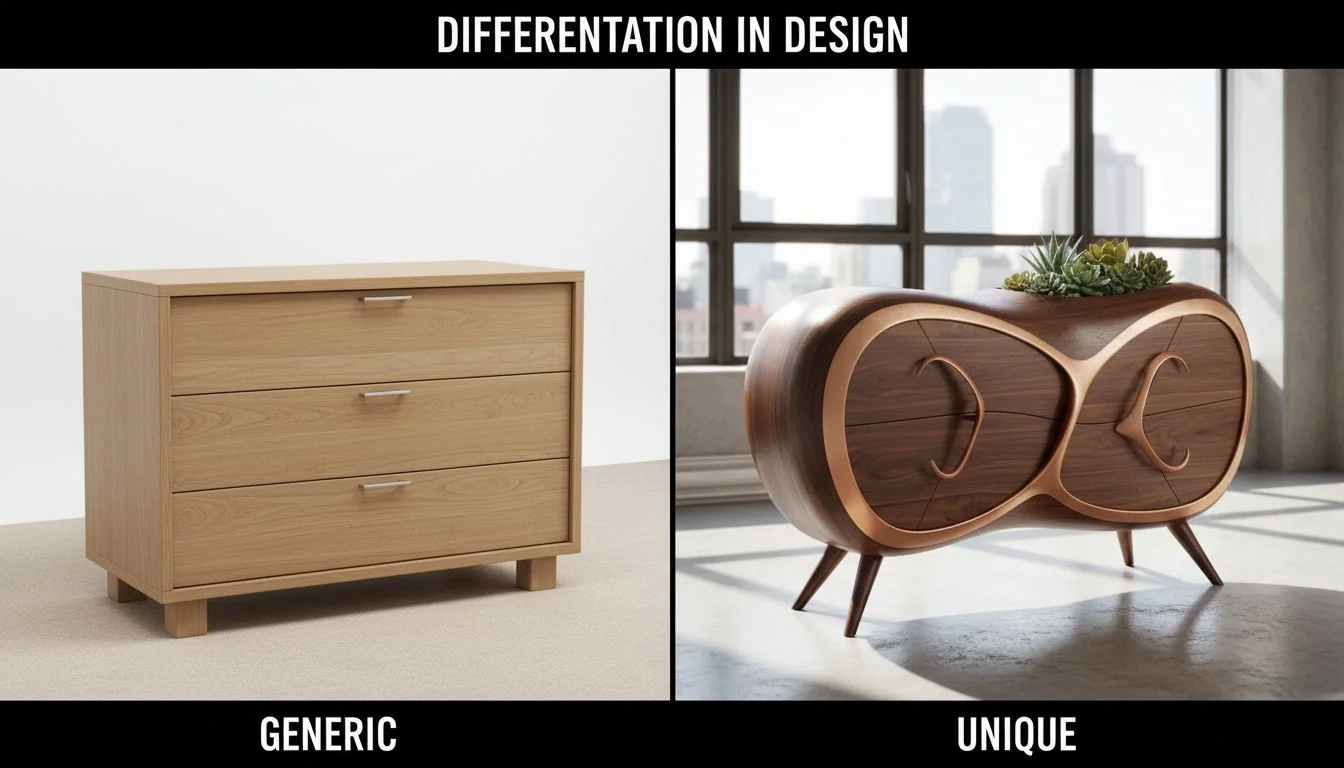
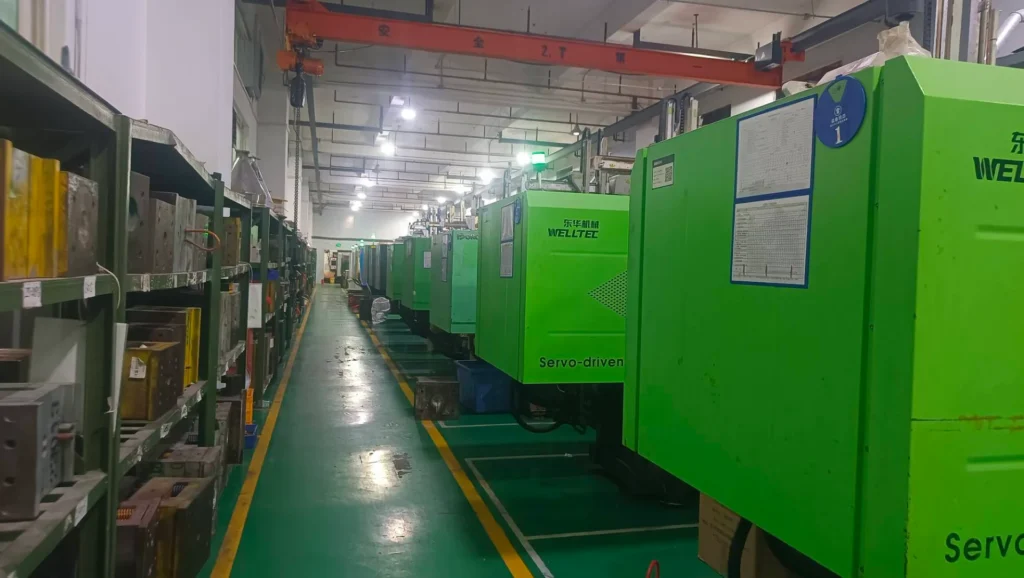
I have spent years in the mold industry, and I see this pattern constantly. A brand wants to launch quickly, so they pick a public mold. The problem is that ten other brands picked the same mold. When a customer searches for "air purifier," they see five units that look exactly the same. The only difference is the price.
This is a dangerous position for a business. You have zero leverage. To fix this, you must understand the difference between a "Factory" and a "Design House." Most ODM factories are staffed by engineers, not designers. They care about injection cycles and tooling costs, not aesthetics.
You need a partner who understands finish, material aesthetics, and trends. Companies like Hisoair position themselves as "Design-Forward Manufacturers3." They help brands look like Apple, not like a generic factory outlet. By investing in a custom mold or a highly modified design, you create a visual identity that competitors cannot easily copy.
| Merkmal | Generic ODM Product | Design-Forward Product |
|---|---|---|
| Visual Appeal | Utilitarian, Medical, Boring | Artistic, Decor-friendly, Unique |
| Price Strategy | Race to the bottom | Premium Pricing4 power |
| Customer Perception | "Just another appliance" | "A piece of technology decor" |
| Marketing Angle | Specs and Price | Lifestyle and Aesthetics |
Using public molds allows brands to charge a premium price due to lower production costs.Falsch
Public molds lead to identical products, forcing brands to compete on price rather than value, often lowering margins.
Design-forward manufacturers focus on finish and material aesthetics rather than just engineering function.Wahr
Partners like Hisoair bridge the gap between engineering and design to create products that stand out visually.
How Do We Shift from "Appliance" to "Lifestyle Object"?
People do not want ugly machines in their living rooms. They want decor. Your product must look good enough to be on Instagram, or it will be hidden away.
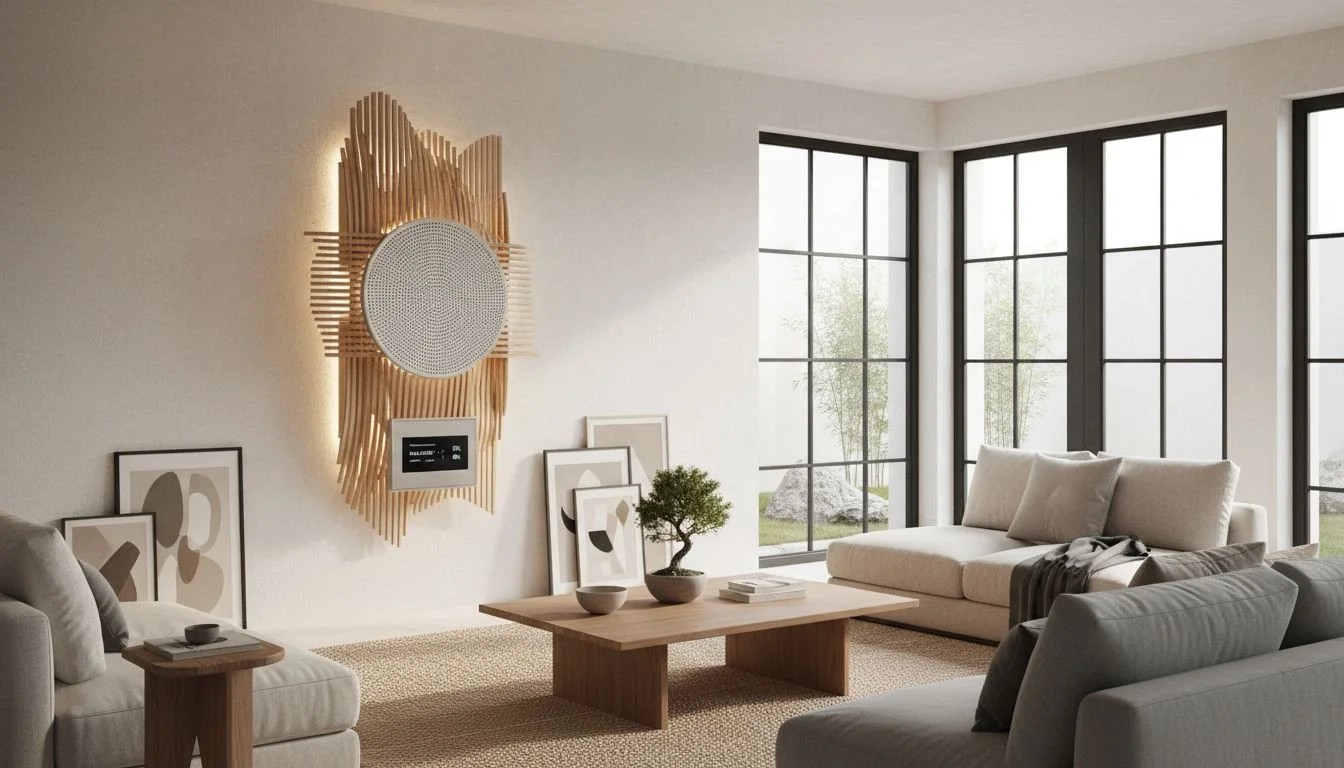
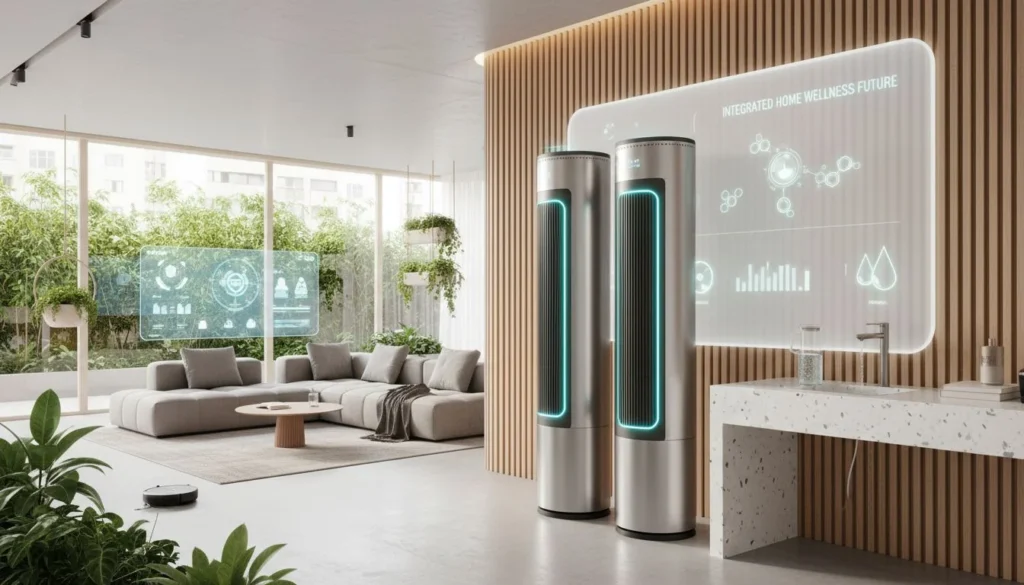
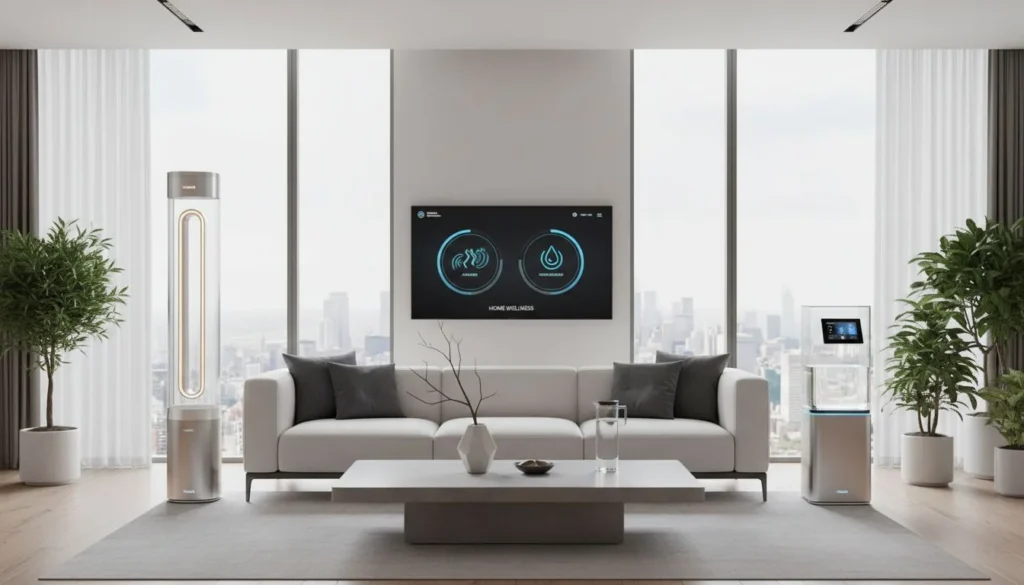
Shifting to a "Lifestyle Object" means designing air purifiers that complement interior design trends like Minimalism or Japandi. When a product looks like "Tech Decor5" rather than a medical device, influencers are more likely to feature it, providing free organic marketing and social proof.
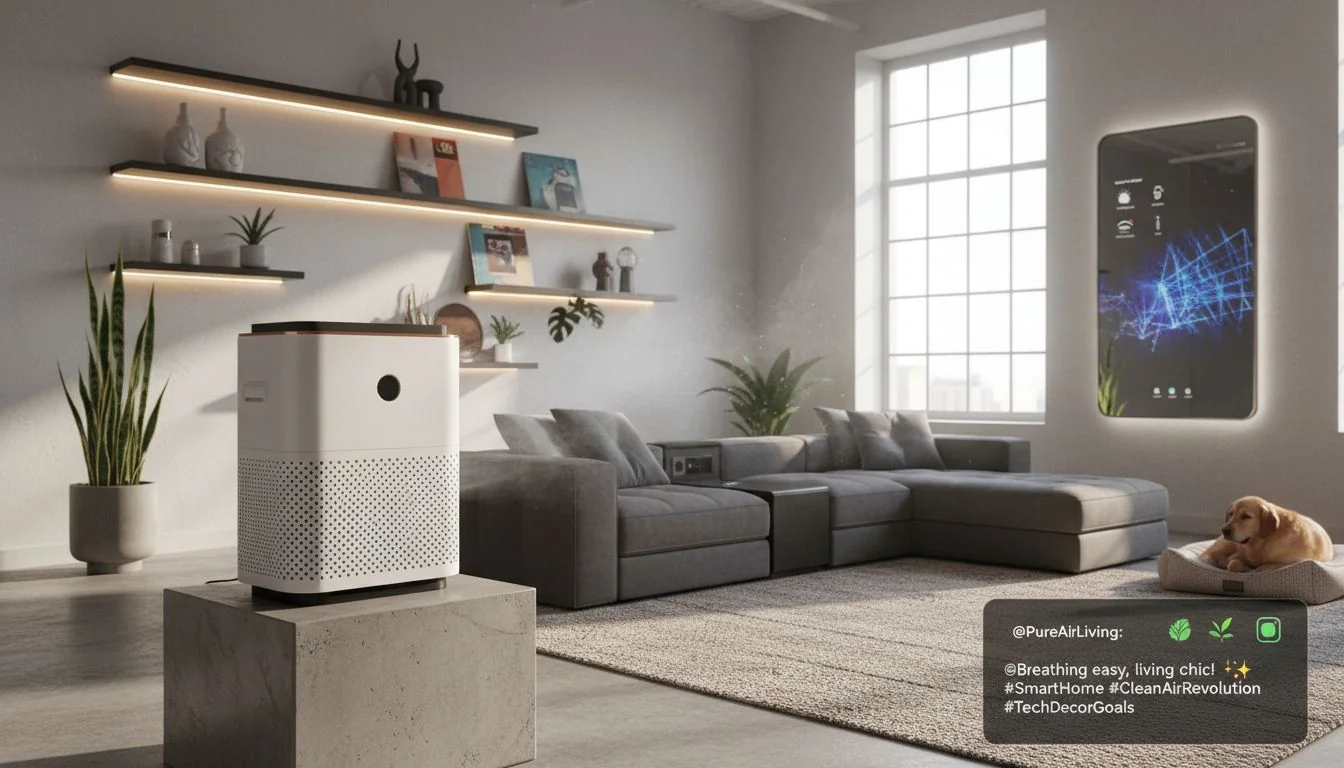
In the past, an air purifier was a medical necessity. You bought it because you had allergies, and you tried to hide it behind the sofa. Today, the consumer mindset has changed. We live in a visual world driven by social media.
Interior design trends like Japandi (a mix of Japanese and Scandinavian styles), Minimalism, and Industrial design drive purchases. If your product is a clunky white plastic tower, it clashes with these trends. An influencer will not want that in their background.
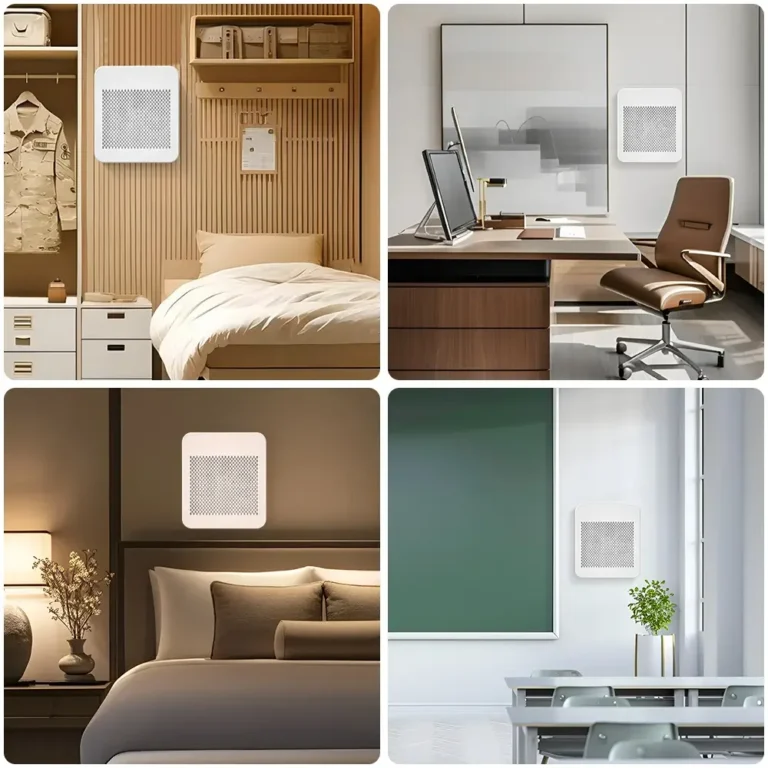
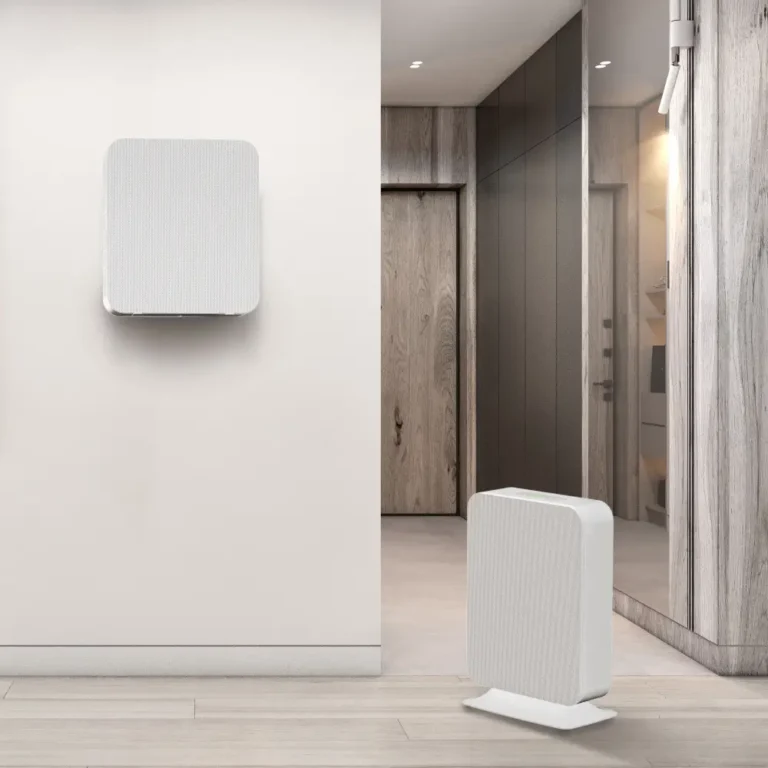
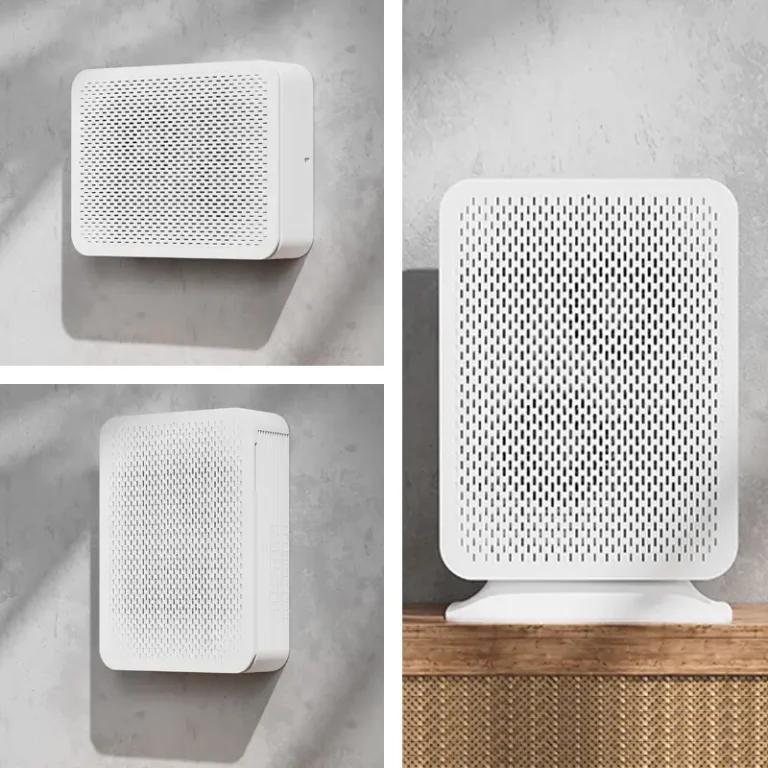
However, if you position your product as "Tech Decor," everything changes. Imagine a wall-mounted unit that looks like a high-end speaker or a piece of modern art. Suddenly, the influencer wants to show it off. It becomes a conversation piece. This generates free marketing for your brand. You are no longer selling clean air; you are selling a beautiful home environment.
Key Design Trends to Watch:
- Japandi: Natural woods, soft curves, warm whites.
- Industrial: Matte blacks, metal finishes, exposed structural elements.
- Pastel/Nursery: Soft colors that fit into a child's room without looking like a toy.
Influencers are more likely to feature products that clash with their background to create contrast.Falsch
Influencers curate their aesthetic carefully; they prefer products that blend seamlessly or enhance their existing interior design.
Positioning a product as 'Tech Decor' increases its perceived value beyond its functional utility.Wahr
Consumers are willing to pay more for items that serve a dual purpose of function and aesthetic enhancement.
Can Visual Differentiation Lower Your Marketing Costs?
Facebook and TikTok ads are expensive. If your product looks boring, people scroll past. You pay for impressions but get no clicks. You need to stop the scroll.
Visual differentiation directly lowers Customer Acquisition Cost (CAC). Unique, "weird," or artistic designs spark curiosity and stop the scroll on social media. A wall-mounted art purifier generates higher click-through rates than a standard floor unit, making your ad spend much more efficient.
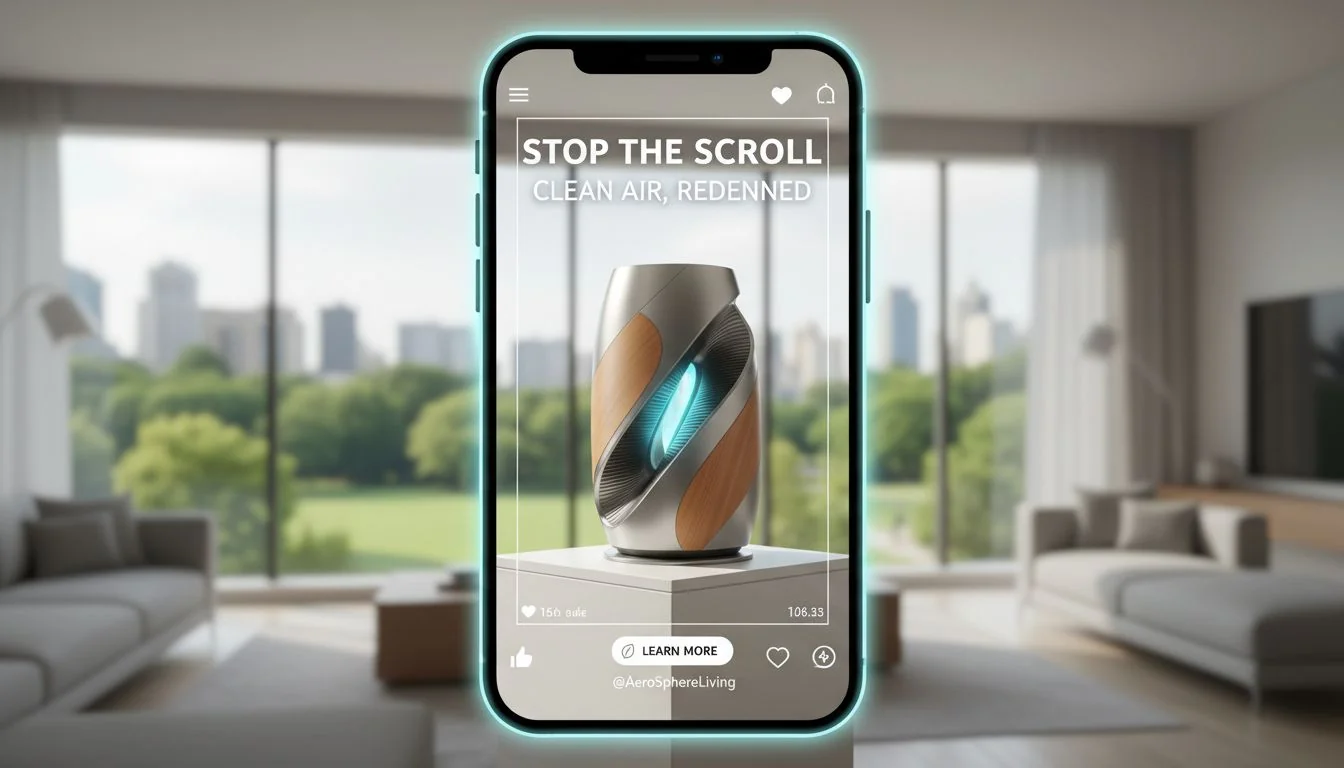
As a business owner, I know that CAC (Customer Acquisition Cost) is a metric that keeps you up at night. In the world of Direct-to-Consumer (D2C) sales, your product image is your hook.
If you run an ad for a standard white air purifier, the user's brain filters it out. They have seen it a thousand times. It registers as "noise." But what happens if you show them something "weird" or unique?
Imagine a wall-mounted unit that looks like a floating geometric shape. The user pauses. They think, "What is that?" That split-second of curiosity is the "Stop the Scroll" moment.
- Curiosity leads to Clicks.
- Clicks lead to Site Visits.
- Unique Value leads to Conversions.
Your "Ad-Ready" products, like wall-mounted art purifiers, do the heavy lifting for your marketing team. You do not need to scream about specs. The image does the selling. This lowers your cost per click and improves your return on ad spend.
Generic product designs perform better in ads because they are familiar to customers.Falsch
Familiar generic designs are often ignored due to 'banner blindness,' whereas unique designs spark curiosity and engagement.
Visual differentiation is a key lever for lowering Customer Acquisition Costs in D2C marketing.Wahr
Higher click-through rates from unique visuals lead to more efficient ad spend and lower acquisition costs.
How Does Design Solve "Space Friction"?
Floor space is valuable. People hate tripping over cords and bulky units. Traditional designs ignore the reality of modern, smaller apartments and urban living spaces.
"Space Friction6" refers to the inconvenience of bulky floor units in small living spaces. Innovative design solves this by moving the unit to the wall or disguising it as furniture. This functional innovation removes a major barrier to purchase for urban consumers living in tighter quarters.
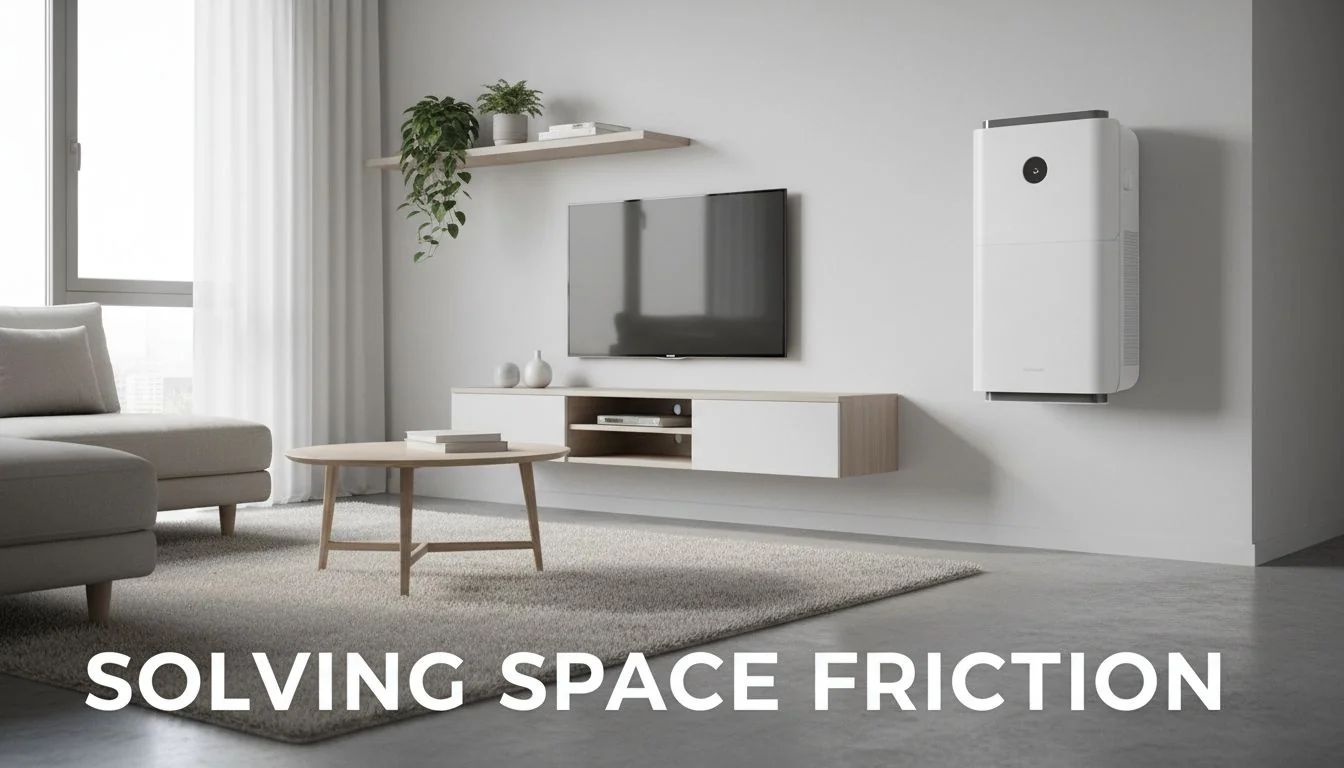
When we design molds, we often think about the object in isolation. But the user lives in a real, cluttered world. I call this "Space Friction." A standard floor unit takes up a square foot of prime real estate. It gets in the way of the vacuum cleaner. The dog knocks it over.
Innovative design addresses this friction. This is why wall-mounted units are gaining traction. By moving the air purifier to the wall, you free up the floor. It feels like an upgrade to the home infrastructure rather than an appliance that is in the way.
From a molding perspective, this requires different engineering. We need to consider mounting brackets, weight distribution, and cable management. But the payoff is huge. You are solving a pain point that the customer feels every day.
| Friction Point | Traditional Solution | Innovative Design Solution |
|---|---|---|
| Floor Space | Takes up room | Wall-mounted / Zero footprint |
| Cables | Tripping hazard | Hidden channels / Integrated wiring |
| Visual Clutter | Adds to mess | Adds to decor |
Wall-mounted designs increase 'Space Friction' by making installation difficult.Falsch
While installation is a step, the long-term benefit of freeing up floor space significantly reduces daily friction for the user.
Solving functional problems like space constraints can be a major selling point for urban demographics.Wahr
City dwellers prioritize space-saving solutions, making wall-mounted units highly attractive.
If your product looks like everyone else's, customers compare prices. They buy the cheapest one. You lose the price war before it starts. You need to break this habit.
Unique design breaks the "apples-to-apples" price comparison habit. When a consumer sees a distinct wall-mounted unit that resembles a speaker or art piece, they cannot directly compare it to cheap floor units. This differentiation allows you to protect your margins and charge a premium.
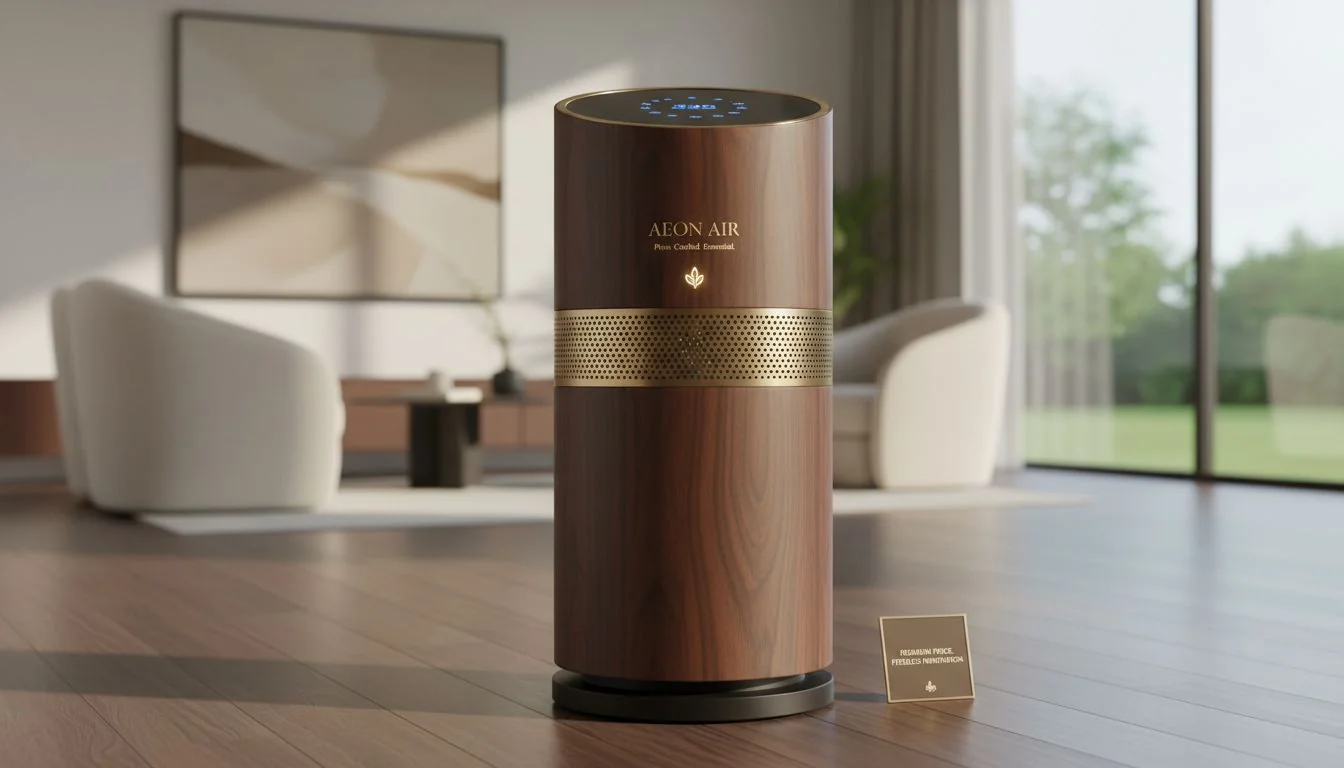
The most dangerous thing for a brand is to be comparable. When a consumer sees five identical floor units, they open five tabs and buy the one that is $10 cheaper.
Design innovation breaks this loop. When you present a wall-mounted unit that looks like a piece of art, the customer cannot compare it to a $50 floor unit. It is an "apples-to-oranges" comparison. You are in a category of one.
Furthermore, you can use design to target specific personas using a single platform. This is where smart manufacturing comes in.
- The Gamer: Use a matte black panel with RGB lighting.
- The Nursery: Use a soft pastel pink or blue panel.
- The Modern Home: Use a wood grain finish.
Companies like Hisoair use swappable panels to achieve this. You have one internal machine (one SKU for the core tech), but you sell it to five different niches just by changing the external plastic design. This protects your margins and expands your market.
Unique design allows brands to avoid direct price competition with generic competitors.Wahr
Differentiation creates a unique value proposition that makes direct price comparison difficult for consumers.
Targeting multiple niches requires developing completely different internal mechanics for each product.Falsch
Using a single platform with swappable external panels allows brands to target multiple niches without re-engineering the core product.
Schlussfolgerung
Design is your only defensible moat. By moving from generic appliances to lifestyle objects, you lower marketing costs, solve user friction, and protect your premium pricing. Don't just build a box; build a brand.
References
-
Understanding the Sea of Sameness can help brands differentiate their products and improve market positioning. ↩
-
Visual differentiation can significantly enhance engagement; explore its role in effective marketing. ↩
-
Learn how Design-Forward Manufacturers can elevate product aesthetics and market appeal. ↩
-
Unique design can create perceived value; learn how to leverage this for better pricing strategies. ↩
-
Tech Decor is reshaping consumer preferences; discover how aesthetics drive purchasing decisions. ↩
-
Understanding Space Friction can lead to innovative solutions that enhance user experience in small spaces. ↩

 Deutsch
  English
  Français
  Español
  Italiano
  Português
  Русский
  العربية
  日本語
日本語  한국어
한국어  Tiếng Việt

