
You spend hours at the gym and invest heavily in supplements, yet you still feel sluggish. The culprit might be the very thing you drink to stay healthy. It is time to rethink your water.
water quality1 is shifting from basic hydration to a functional wellness tool. Modern consumers demand water free from microplastics and inflammation-causing chlorine, enriched with minerals like magnesium. This trend transforms water purifiers from simple appliances into essential health hardware, integrating seamlessly with beauty and fitness regimens.
Many designers and manufacturers think a water filter is just a plastic box with carbon inside. This mindset misses a huge market opportunity. Let me explain why the industry is changing so fast.
Water is only useful for basic hydration.Falsch
Water acts as a carrier for nutrients and can be a source of essential minerals like magnesium and silica.
Chlorine in tap water can contribute to inflammation.Wahr
Chlorine is an oxidative agent that can disrupt the gut microbiome and skin barrier, leading to inflammatory responses.
1. Introduction: Is The "Wellness" Shift Moving from Gym to Home?
You know that the wellness industry used to live in the gym. Now, it is moving into the home kitchen. Consumers want their homes to be health sanctuaries.
The wellness industry is expanding beyond the gym into the home environment. Consumers now view their living space as a primary health center. Consequently, appliances must match the aesthetic and functional standards of premium fitness equipment, demanding higher-quality materials and smarter design.
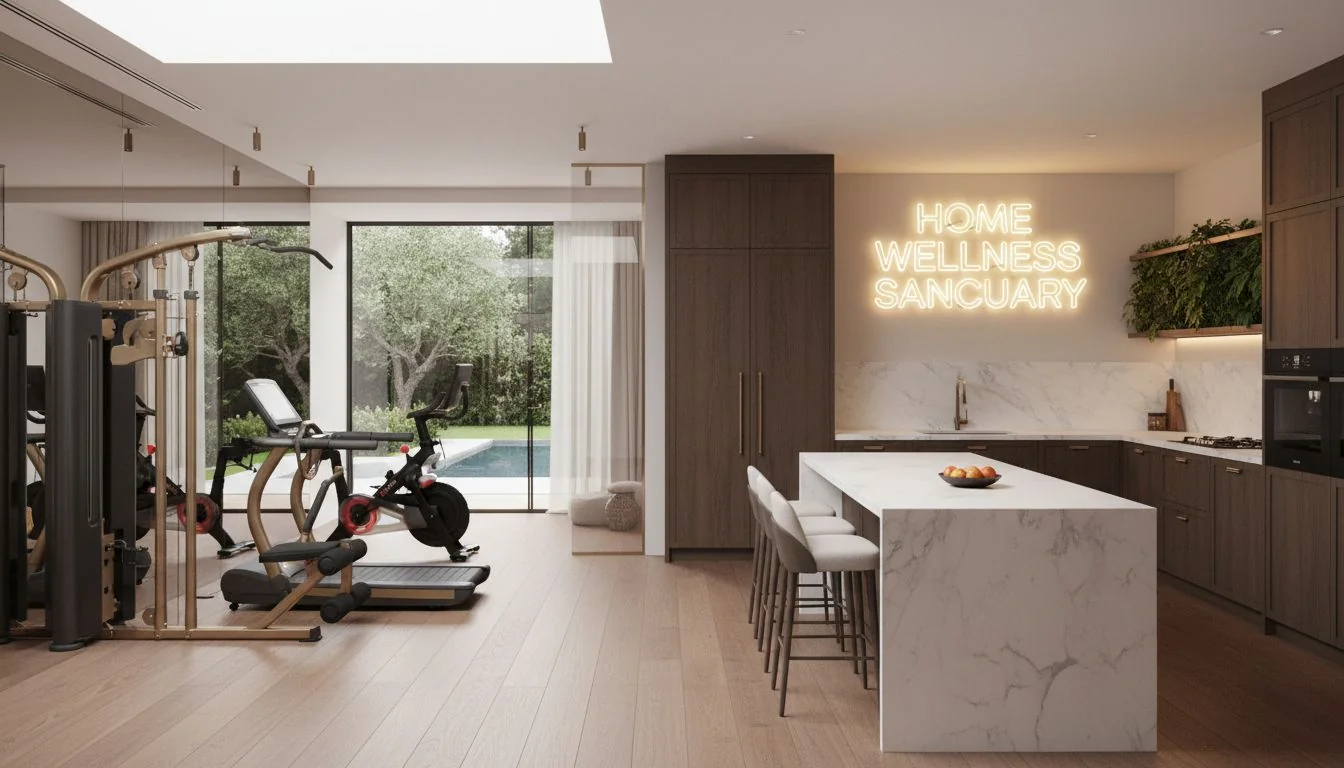
I have seen many trends come and go in the manufacturing world. This shift is different. We are seeing a "Cross-Over" market emerge. In the past, we only sold water purifiers to appliance brands. Now, the target is different. We see opportunities to pitch these devices to Beauty Brands, Supplement Brands, and Fitness Brands.
Think about it from a design perspective. A company selling collagen powder or high-end face creams wants to increase their "Share of Wallet." A branded water purifier is the perfect hardware extension for them. If a customer buys a $100 face cream, they need pure water to wash it off. If they buy a protein powder, they need pure water to mix it.
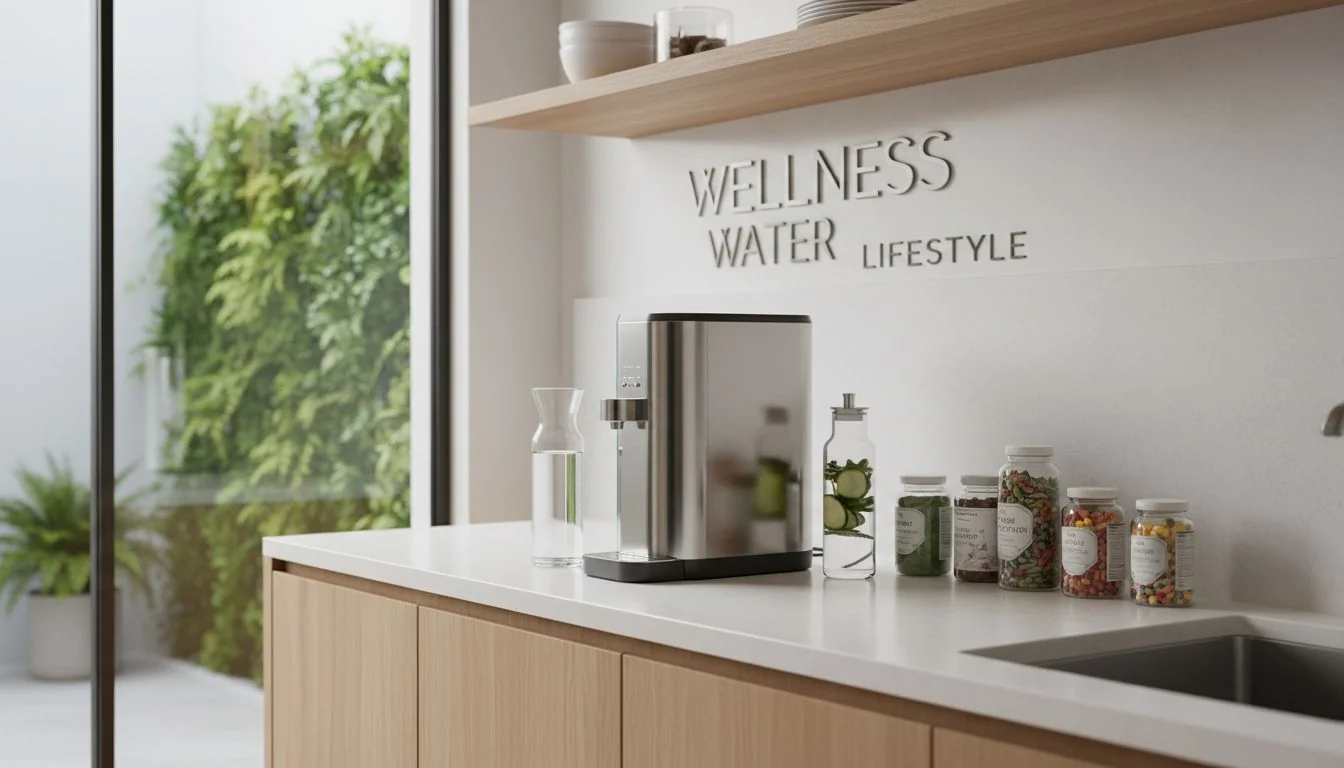
As designers, we must stop looking at these machines as plumbing tools. We need to design them as lifestyle accessories. They need to look good sitting next to a jar of premium matcha. This means the outer shell, the user interface, and the finish must be top-tier. We are not just making a filter; we are making a wellness partner.
Water purifiers are only sold by appliance companies.Falsch
Beauty and fitness brands are increasingly entering the hardware market to complement their consumable products.
Cross-over marketing increases customer lifetime value.Wahr
By offering hardware that supports consumable usage, brands capture a larger share of the customer's spending.
2. Beyond Hydration: Can Water Act as a "Nutrient Delivery System"?
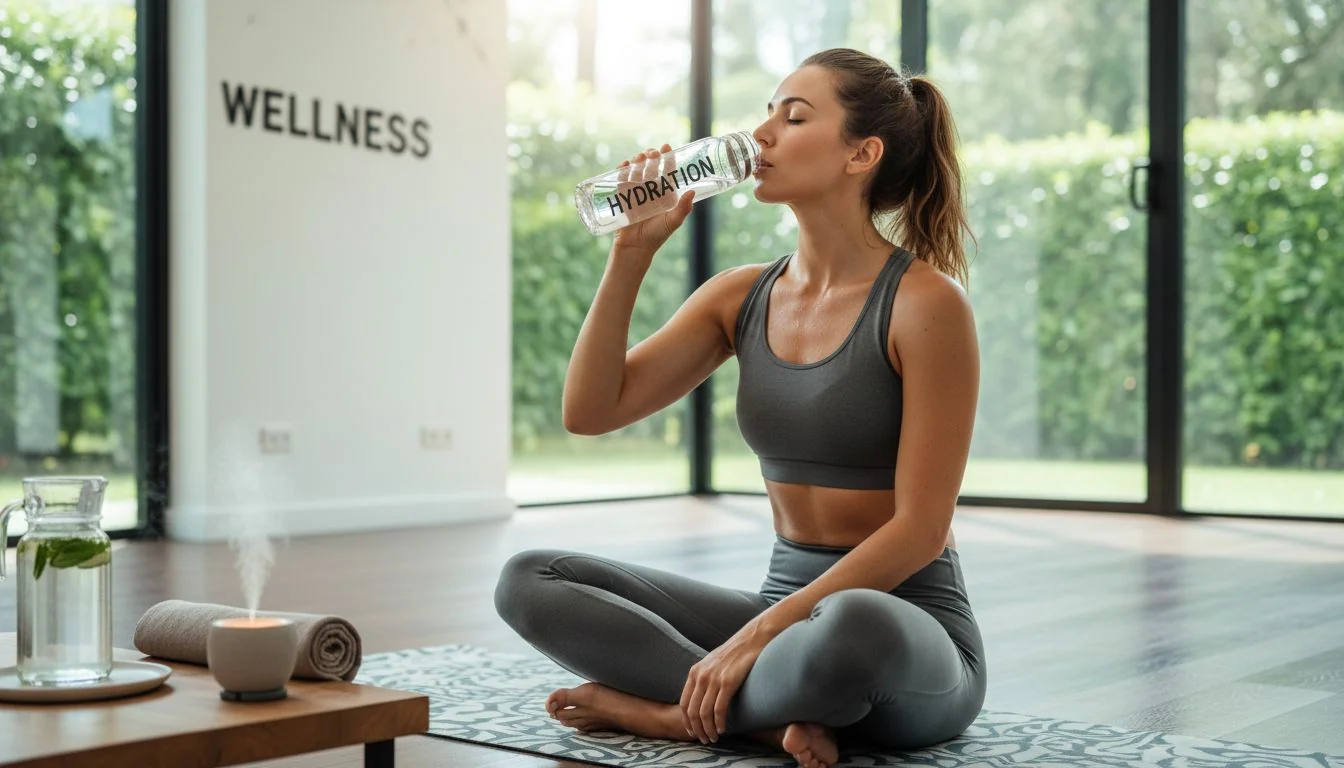
Drinking empty water feels like a wasted opportunity to many health enthusiasts. They want more from every sip. They want their water to work for them.
Advanced filtration systems now function as nutrient delivery systems. By removing toxins and adding minerals like Magnesium and Silica, water becomes a daily supplement. This functional approach justifies a premium price point compared to standard filters that only remove basic contaminants.
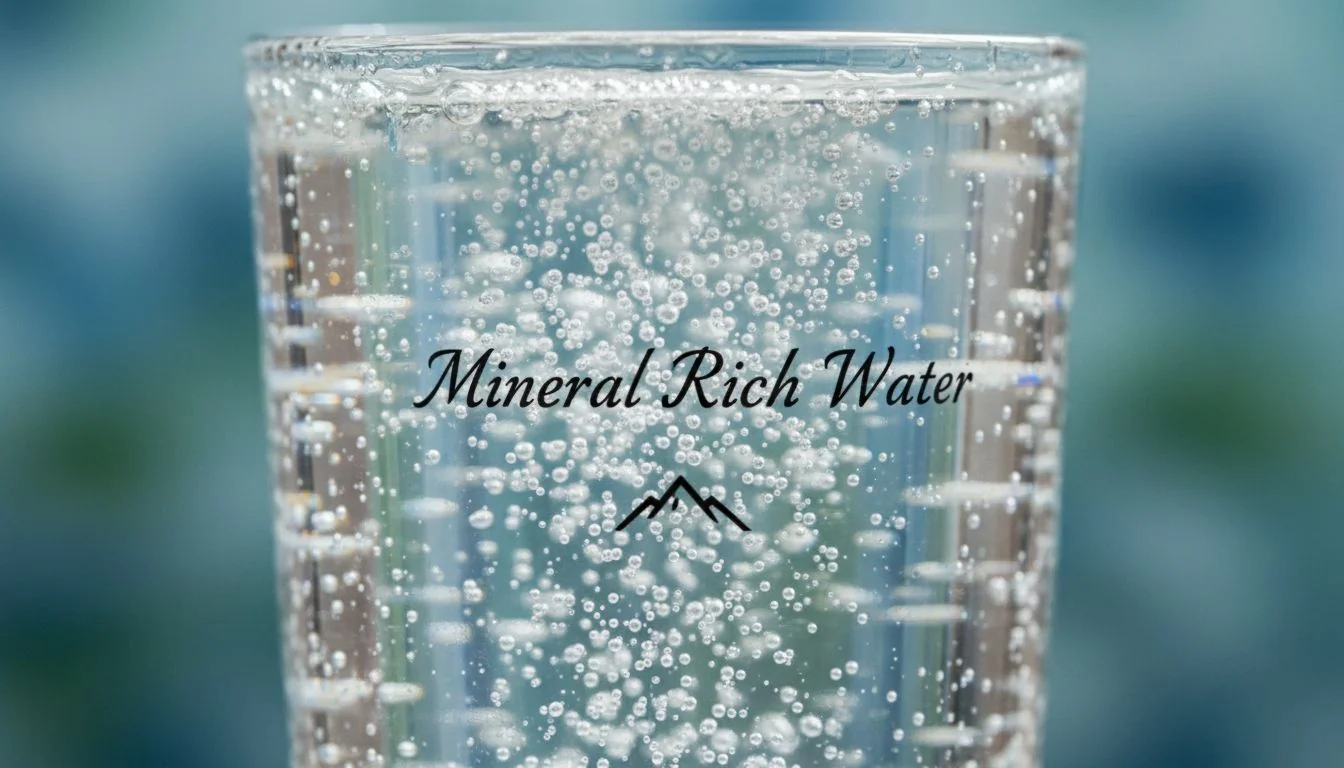
We need to use a powerful phrase here: "Water is a Supplement." This is a massive shift in thinking. Standard reverse osmosis2 (RO) systems strip everything out of the water. They take out the bad stuff, but they also take out the good stuff. The water becomes "dead."
In my experience with mold design and manufacturing, I know that adding features adds cost. However, in this case, the cost is justified. We are looking at technology like Hisoair’s remineralization tech. This adds Magnesium and Silica back into the water.
When you design a product that does this, you are no longer competing with a $30 pitcher from the supermarket. You are competing with the supplement aisle. If the water provides daily Magnesium, it supports muscle recovery and sleep. If it provides Silica, it supports hair and nail growth.
This changes how we engineer the flow of the water. We are not just filtering; we are dosing. The internal design of the mold must accommodate these remineralization stages. We are building a machine that creates a health product on demand. This allows brands to charge a much higher price because the consumer sees it as a health investment, not a kitchen utility.
Reverse Osmosis removes all minerals from water.Wahr
Standard RO membranes filter out dissolved solids, including beneficial minerals like calcium and magnesium.
Magnesium in water is not absorbed by the body.Falsch
Minerals dissolved in water are highly bioavailable and easily absorbed by the digestive system.
3. The "Beauty Connection": Is Pure Water the Ultimate Skincare?
You buy expensive creams, but you wash your face with dirty tap water. This ruins your skin barrier. It makes no sense to treat your skin this way.
Pure water is the foundation of effective skincare. chlorine3 and heavy metals in tap water can strip natural oils and cause irritation. A high-quality purifier acts as a beauty device, ensuring that the water used for washing supports, rather than damages, skin health.
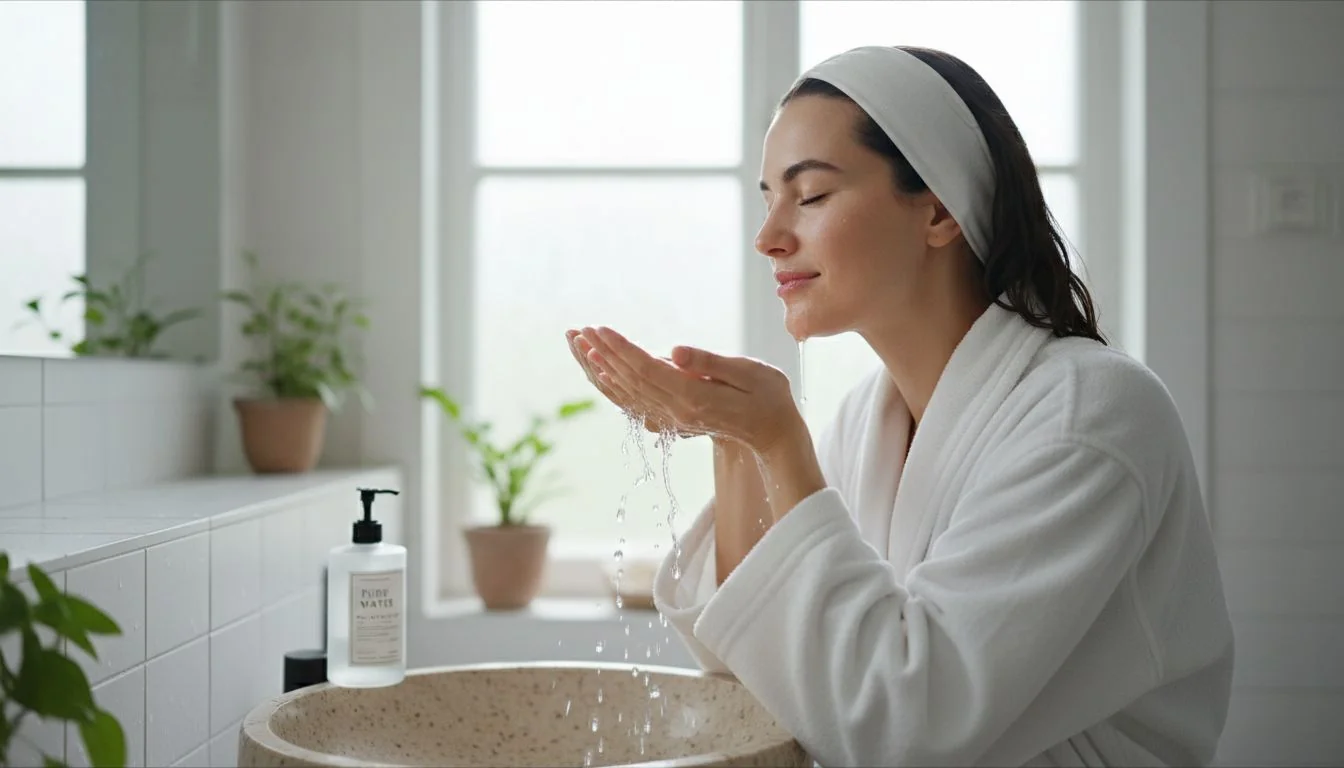
"Inflammation" is the buzzword of the decade. Everyone is trying to reduce it. As a manufacturer, I look at the root causes. In tap water, the main enemies are microplastics4 and Chlorine. These are known irritants.
When we design water systems for the wellness market, we need to weaponize this concept of inflammation. We are not just selling a filter. We are positioning the Stainless Steel RO System as an "anti-inflammatory device5." This is powerful, science-backed marketing.
For a designer like Jacky, this means the output of the machine matters. The flow rate must be gentle enough for facial cleansing but fast enough for filling a bowl. The materials touching the water must be inert.
If a beauty brand sells this machine, they are telling their customers: "Don't let tap water undo the work of our expensive serum." It connects the hardware directly to the beauty routine. We are solving a biological problem with mechanical engineering. This is the kind of value-added design that wins in the modern market.
Chlorine helps maintain the skin's natural oils.Falsch
Chlorine is a drying agent that strips natural oils, leading to dry, itchy, and irritated skin.
Microplastics can trigger immune responses.Wahr
Studies suggest that microplastics can cause oxidative stress and inflammation in human tissues.
4. The "Plastic Paradox": Why Do Generic Filters Fail the Wellness Lifestyle?
You avoid BPA bottles but use a plastic pitcher to filter your water. This contradiction hurts your health goals. You need a safer material.
Generic plastic filters often leach microplastics back into purified water, defeating the purpose of filtration. For the wellness-conscious consumer, this is the "Plastic Paradox." True health-focused design requires inert materials that maintain purity without adding new contaminants.
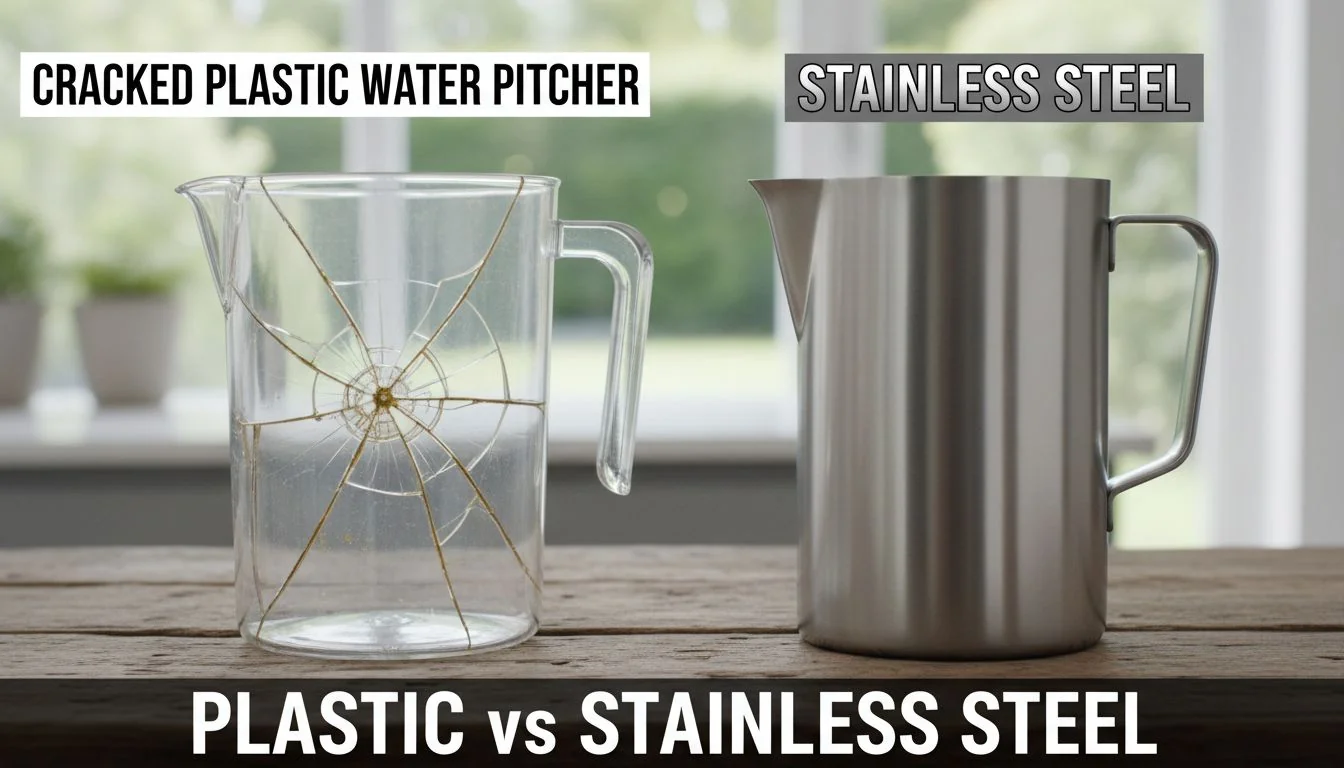
I have worked with plastics for years. I know their strengths, but I also know their weaknesses. In the wellness market, plastic is becoming the enemy. This is the "Plastic Paradox." People filter water to remove plastic, but they use a plastic machine to do it.
Generic filters are cheap. They are made of low-grade polymers. Over time, they degrade. They scratch. Bacteria hide in those scratches. For a user focused on purity, this is a failure.
This is where we, as "Wellness Engineers," step in. We need to move away from cheap injection molding for the water contact parts. We need to look at high-grade materials.
If you are designing a premium system, you cannot use the same materials as a budget brand. The internal tubing, the storage tank, and the dispensing nozzle must be free from leaching chemicals. We need to design for "Zero Secondary Pollution." This means the machine does not make the water dirty again after cleaning it. This is a strict design constraint, but it is the only way to win the trust of the wellness consumer.
All plastics are safe for long-term water storage.Falsch
Many plastics can degrade over time or leach chemicals like BPA and phthalates, especially when exposed to heat or UV light.
Stainless steel is inert and does not leach chemicals.Wahr
Food-grade stainless steel is non-reactive and does not release substances into water, making it ideal for purity.
5. The Hardware Upgrade: Why Does "Wellness Water" Require Stainless Steel?
Plastic feels cheap and scratches easily. It breeds bacteria over time. Your kitchen and your body deserve better materials.
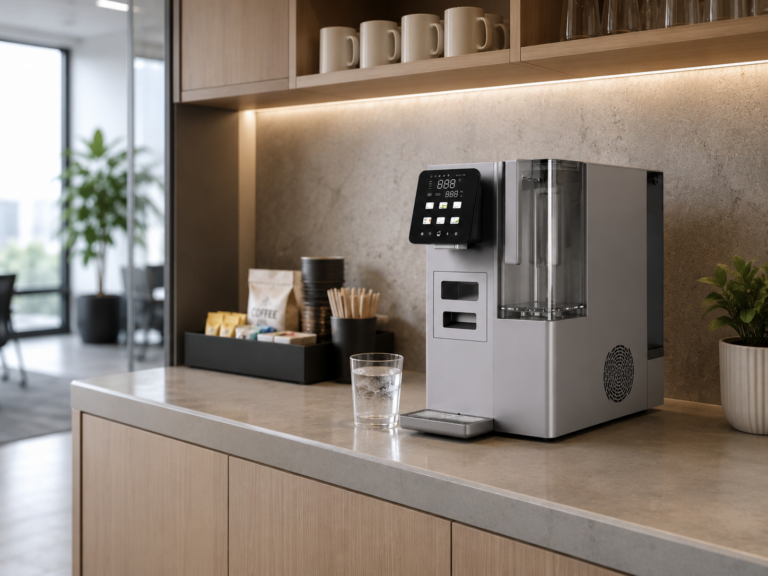
stainless steel6 is the gold standard for wellness water hardware. It is durable, bacteria-resistant, and prevents microplastic leaching. Furthermore, an instant-hot stainless steel dispenser elevates the user experience, turning a daily chore into a premium ritual.
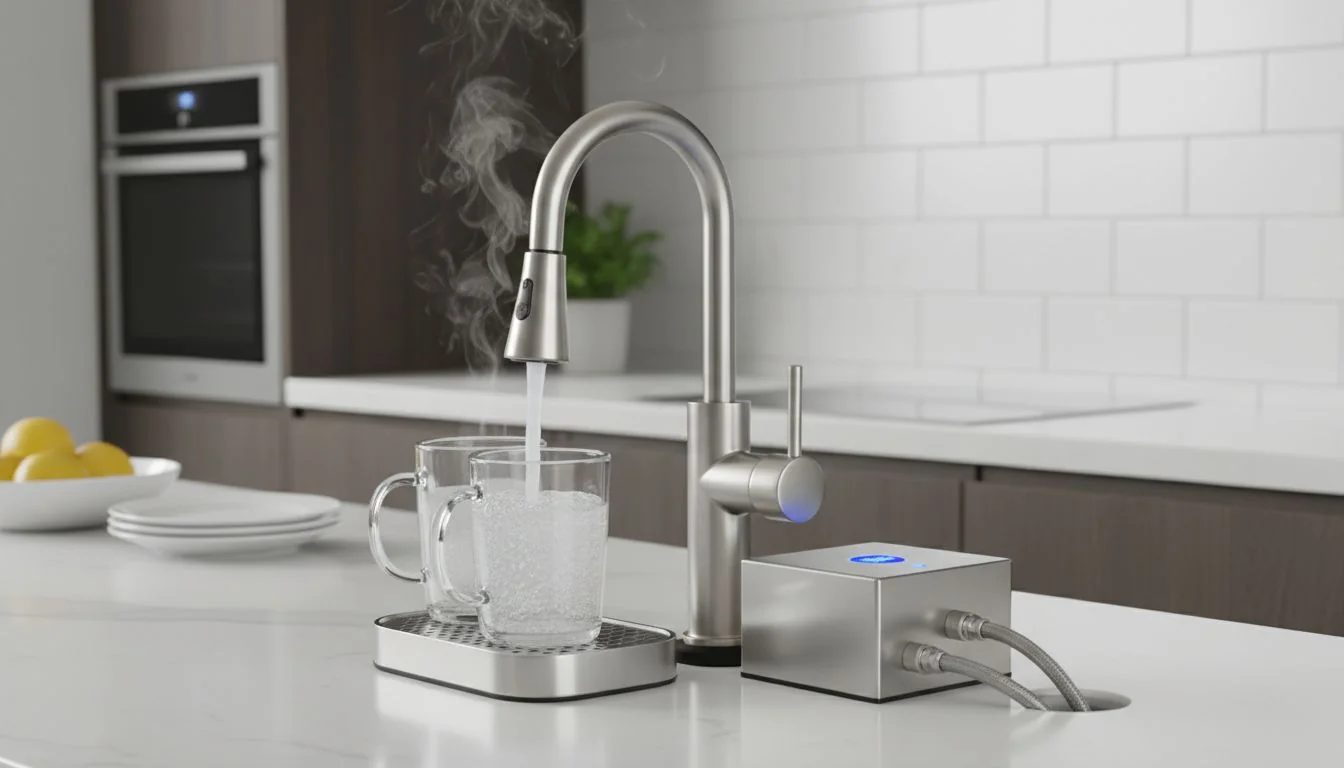
We need to talk about the "Ritual" of use. Wellness consumers love rituals. They love making matcha. They love their morning yoga. A plastic pitcher feels like a chore. It is heavy, slow, and ugly.
An Instant-Hot Stainless Steel Dispenser feels like a premium ritual7. It is instant. It is clean. It is beautiful. We are selling the experience of the water, not just the water itself.
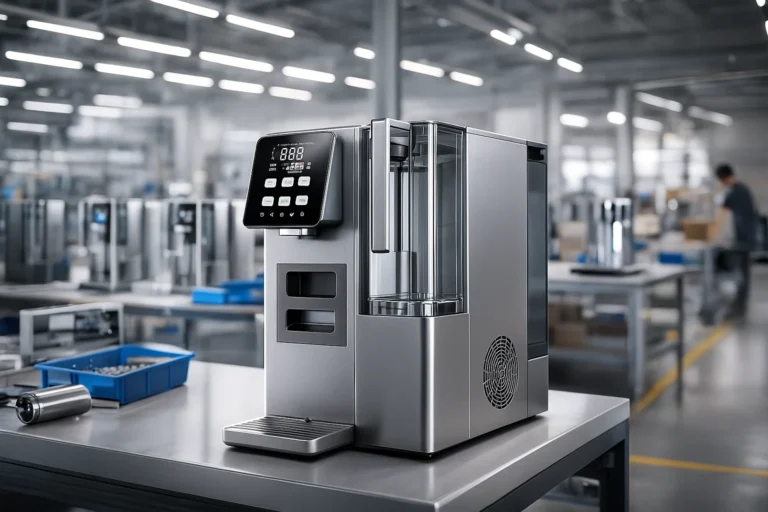
From a manufacturing standpoint, Hisoair positions itself as the factory that understands biology, not just plumbing. We design for health outcomes8. This means using Stainless Steel for the tanks and pathways.
Stainless steel prevents bacteria growth. It does not degrade. It supports the "Anti-Inflammatory" claim. When I advise clients on mold and product design, I tell them to look at the touchpoints. The user touches the handle. They see the faucet. These must feel solid and expensive.
We are the "Wellness Engineer." We design for purity, mineral balance, and bacteria-free storage. This makes us the only logical partner for a serious wellness brand. We are not just bending metal; we are engineering a health outcome.
Stainless steel tanks are more prone to bacteria than plastic.Falsch
Stainless steel has a non-porous surface that resists biofilm formation and bacteria growth better than plastic.
Instant-hot features encourage hydration habits.Wahr
Convenience reduces friction, making it easier for users to prepare healthy drinks like tea or warm lemon water.
Schlussfolgerung
Water is now a supplement and a beauty tool. To win this market, we must design with medical-grade materials and focus on health outcomes. We must elevate water from "safe" to "sacred."
References
-
Understanding water quality is crucial for health; explore resources that explain its impact on wellness. ↩
-
Reverse osmosis is popular; explore its benefits and drawbacks for better water quality. ↩
-
Chlorine can harm health; discover studies on its effects and alternatives for cleaner water. ↩
-
Microplastics are a growing concern; learn about their health implications and how to avoid them. ↩
-
Learn how advanced water purification can reduce inflammation and improve skin health. ↩
-
Stainless steel offers durability and safety; find out why it's the best choice for water systems. ↩
-
Creating rituals around hydration can enhance wellness; learn how to elevate your daily routine. ↩
-
Discover how design influences health outcomes in water purification and overall wellness. ↩



 English
  Français
  Español
  Italiano
  Deutsch
  Português
  Русский
  العربية
  日本語
日本語  한국어
한국어  Tiếng Việt

