
In the world of global manufacturing, certain regions emerge as specialized centers of excellence for specific products. When it comes to humidifiers, Xiamen, China stands out as an unrivaled manufacturing powerhouse. This coastal city in Fujian Province has evolved into the premier destination for brands seeking quality, efficiency, and innovation in humidifier production.
What makes Xiamen special isn't simply low-cost labor or manufacturing capacity these advantages can be found throughout Asia. Rather, it's the unique convergence of specialized expertise, integrated supply chains, logistical advantages, and innovation culture that has created an ecosystem perfectly suited for humidifier manufacturing excellence. Major brands like Levoit, Pure Enrichment, and Dreo recognize the multifaceted benefits this manufacturing hub provides.
How Has Xiamen Created a "One-Stop" Supply Chain for Humidifier Manufacturing?
The foundation of Xiamen's dominance lies in its remarkably integrated supply chain ecosystem. Within a 60-kilometer radius around Xiamen, manufacturers can access virtually every component needed for humidifier production, from plastic injection molding and PCB assembly to ultrasonic atomizers and specialized motors.
This clustering effect extends to every critical humidifier component, with specialized suppliers who understand the unique requirements of humidifier manufacturing. The impact is most dramatic in tooling lead times, which collapse from months to weeks. When a brand needs to modify a water tank design or update a control system, Xiamen's integrated ecosystem allows changes to be implemented in days rather than weeks or months.
| Manufacturing Aspect | Xiamen | Other Manufacturing Hubs | Impact on Brands |
|---|---|---|---|
| Tooling lead time | 2-3 weeks | 2-3 months | Faster market response |
| Component sourcing | Same-day to 3 days | 1-3 weeks | Reduced inventory costs |
| Design iteration cycles | 5-7 days | 3-4 weeks | More refined products |
What Makes Xiamen's Talent Pool Uniquely Suited for Humidifier Production?
Twenty years of small-appliance exports from Xiamen have created an unparalleled concentration of engineers, quality managers, and Amazon-savvy product teams who understand the nuances of humidifier design, production, and marketing.
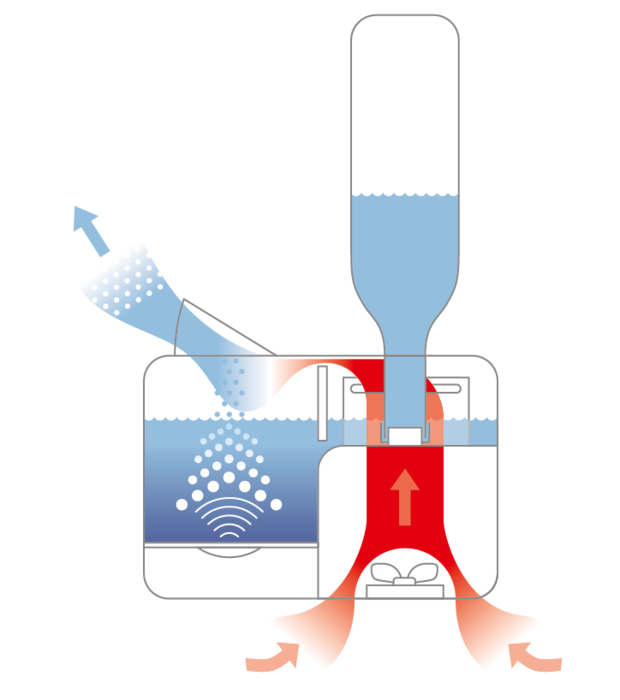
Xiamen's engineering talent has developed specialized knowledge in areas critical to humidifier performance: water containment systems that minimize leakage risks, ultrasonic nebulization technology that balances output with energy efficiency, and materials selection that ensures durability in constant water exposure.
Quality control in humidifier manufacturing presents unique challenges, combining water management, mechanical systems, and electronics. Xiamen's quality managers have developed specialized protocols that address these specific concerns, anticipating issues like condensation affecting electronics or mineral buildup affecting performance.
Perhaps most valuable in today's market is Xiamen's concentration of product teams who understand the specific requirements for success in e-commerce channels, particularly Amazon. These teams have learned through experience what features, packaging, and documentation drive positive reviews and minimize returns.
How Does Port Proximity Create Competitive Advantage for Xiamen Manufacturers?
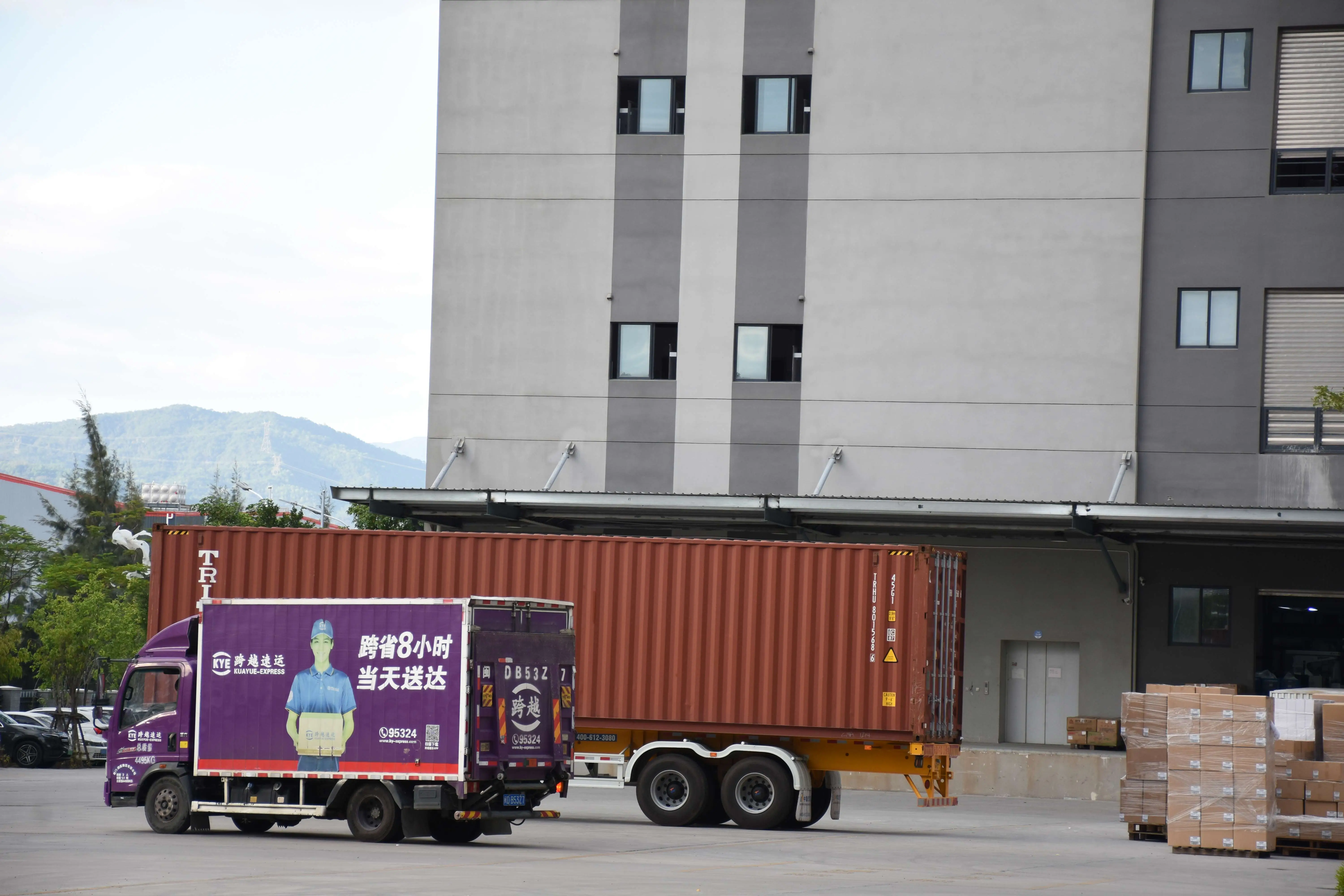
Xiamen Port's direct sailings to major destinations like Los Angeles/Long Beach and Rotterdam allow humidifier shipments to reach U.S. East Coast markets 5–8 days faster than products from inland Chinese cities.
This time advantage allows brands to:
- Respond more quickly to unexpected demand spikes
- Maintain lower safety stock levels
- Make later production decisions with more accurate demand data
- Reduce working capital tied up in inventory transit
Beyond time savings, Xiamen's port proximity creates measurable cost advantages. A comparative analysis shows that Xiamen-based production can reduce logistics expenses by 8-12% compared to inland manufacturing locations, even when factory costs are equivalent.
The humidifier market is highly seasonal, with demand spiking during winter months in North America and Europe. During the August-October pre-season shipping rush, Xiamen's port maintains consistent vessel availability and container access, even as other ports experience congestion.
Why Are Xiamen's Flexible Manufacturing Options Critical for Global Brands?
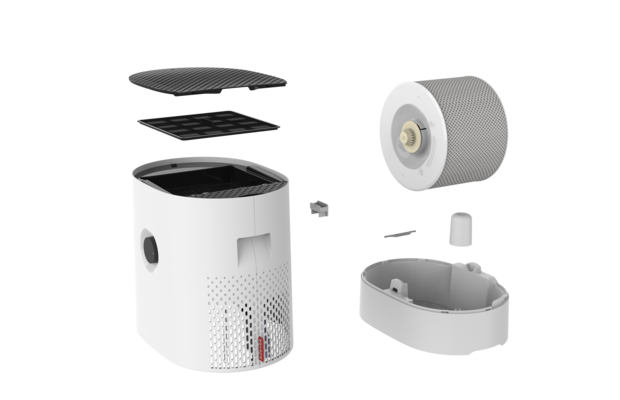
Factories in Xiamen that have experience supplying major brands like Levoit, Pure Enrichment, and Dreo have developed the capability to seamlessly switch between fully built units and knock-down kits, supporting various "Made in USA" or Mexico near-shoring strategies.
One of Xiamen's most valuable offerings is flexibility in minimum order quantities (MOQs). While many manufacturing centers require large production runs to achieve efficiency, Xiamen's specialized humidifier factories have developed processes that accommodate varying order sizes without significant cost penalties.
Perhaps most significant is Xiamen manufacturers' ability to provide both fully assembled products and various knock-down kit options:
- Semi-Knock-Down (SKD) kits where major subassemblies are completed in China
- Complete-Knock-Down (CKD) kits where all components are manufactured in China but shipped unassembled
These options allow brands to pursue various manufacturing strategies, from qualifying for "Made in USA" labeling to reducing import duties by shipping components rather than finished goods.
How Do Government Incentives in Xiamen FTZ Benefit the Humidifier Supply Chain?
The Xiamen Free Trade Zone provides import duty rebates on electronic components and expedited VAT refunds that free up 6–8% in cash flow for OEMs, creating financial advantages that are often shared with brand partners.
Electronic components represent a significant portion of humidifier manufacturing costs, particularly for advanced models with digital controls, sensors, and connectivity features. Xiamen's FTZ policies provide import duty rebates on these components when they're used in products for export.
Perhaps even more significant are the cash flow advantages created by Xiamen's expedited VAT refund system. While manufacturers throughout China can eventually recover VAT paid on exported products, the process is typically slow. In Xiamen's FTZ, this process is streamlined, returning 6-8% of production value to manufacturers' cash flow much more quickly.
What makes these incentives particularly valuable is how they're often shared throughout the supply chain. The competitive nature of humidifier manufacturing means that cost advantages gained through government incentives frequently translate to benefits for brand partners through more competitive pricing and improved payment terms.
What Makes Xiamen a Leader in Quality Certification for Global Markets?
Quality certifications including UL, FCC, ETL, CE and even Matter-ready Wi-Fi modules are routinely validated in Xiamen, with local labs offering 48-hour pre-certification tests that dramatically shorten the path to market for new humidifier models.
What distinguishes Xiamen's certification capabilities is the depth of specialized knowledge concentrated in the region. Local testing laboratories and certification consultants have processed thousands of humidifier certifications, developing detailed understanding of safety requirements specific to water-containing electrical appliances.
Perhaps the most valuable certification advantage in Xiamen is the availability of 48-hour pre-certification testing services. These preliminary tests identify potential compliance issues early in the development process when they're much less expensive to address.
Xiamen's certification ecosystem covers all major global markets, allowing brands to pursue multi-region launches without navigating separate certification processes in each location. This comprehensive coverage allows brands to efficiently pursue global distribution strategies without the complexity of managing multiple certification partners.
How Has Xiamen Built Resilience into the Humidifier Supply Chain?
After experiencing tariff shocks and supply disruptions, Xiamen's humidifier suppliers built strategic backup production lines in nearby Zhangzhou and Quanzhou, creating a resilient regional network that keeps BOM cost increases below 3% even when duties and supply conditions fluctuate.
At the foundation of Xiamen's supply chain resilience is a systematic approach to component dual-sourcing. Rather than relying on single suppliers for critical components, manufacturers maintain relationships with multiple qualified vendors for each part category.
Beyond component sourcing, Xiamen manufacturers have developed a regional production network that includes facilities in nearby cities. This distributed approach provides geographic diversification that reduces exposure to localized disruptions while maintaining integrated operations.
When trade tensions resulted in new tariffs on Chinese exports to certain markets, Xiamen's manufacturing ecosystem demonstrated remarkable adaptability. Through strategic component sourcing, assembly location adjustments, and product redesigns, manufacturers have consistently kept BOM cost increases below 3% even when facing tariff increases of 15-25%.
Why Does Xiamen Lead in Humidifier Innovation While Maintaining Cost Discipline?
Xiamen's manufacturing ecosystem leads the roll-out of evaporative, UV-sterilizing, and AI-connected humidifiers while maintaining sub-$25 ex-factory targets for entry models, creating a unique environment where innovation and affordability coexist.
What distinguishes Xiamen's innovation culture is its practical, market-focused approach. Rather than pursuing technology for its own sake, the ecosystem focuses on innovations that solve real consumer problems while remaining commercially viable, from evaporative technologies that reduce mineral dust issues to smart controls that improve energy efficiency.
Innovation and affordability coexist in Xiamen through disciplined design practices that consider manufacturing implications from the earliest concept stages. Engineers and designers work closely with production teams to ensure that innovative features can be implemented without excessive cost increases.
Xiamen's manufacturing ecosystem supports a sophisticated tiered market approach, with clear segmentation between entry-level models maintaining sub-$25 ex-factory price points, mid-range products incorporating select premium features, and premium offerings with full technology integration.
How Does Xiamen's Expertise in Seasonality Management Benefit Global Retailers?
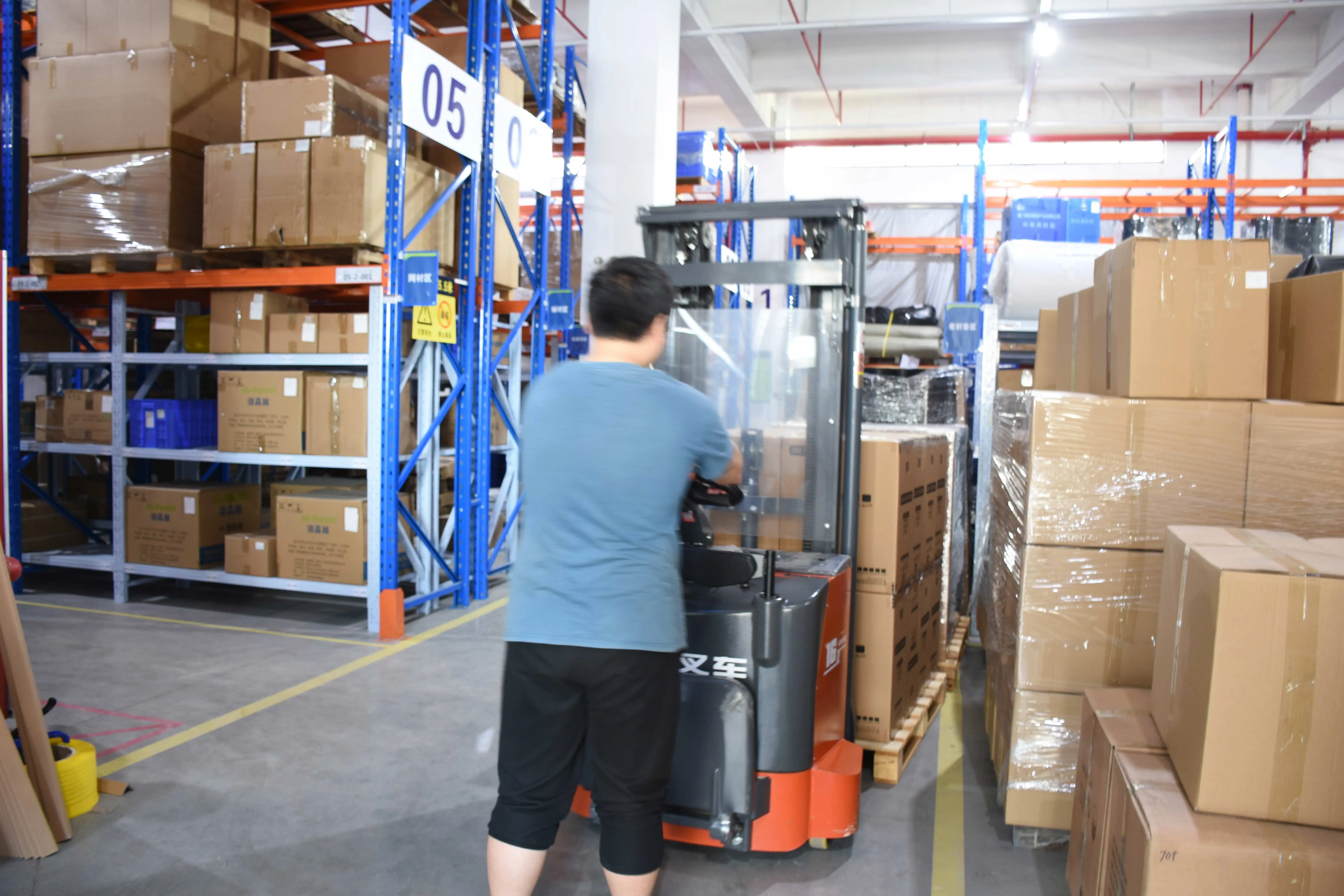
Plants in Xiamen routinely add night shifts from August–October to meet U.S. winter peaks, achieving 98% on-time fill rates that are difficult to match in newer ASEAN manufacturing sites, giving retailers confidence in inventory availability during critical selling seasons.
What sets Xiamen apart in seasonality management is the ecosystem's ability to scale production dramatically during peak periods without compromising quality or reliability. Manufacturers have developed sophisticated approaches to temporary capacity expansion, including trained workforce reserves and flexible equipment deployment.
The ultimate measure of seasonality management is on-time fill rate—the percentage of orders delivered complete and on schedule. Xiamen's humidifier manufacturers consistently achieve 98% on-time fill rates during peak season, significantly outperforming newer manufacturing locations in Southeast Asia and other regions.
Behind Xiamen's seasonality management success lies sophisticated production planning and forecasting capabilities. Manufacturers work closely with brands to develop detailed demand projections, typically beginning 9-12 months before peak selling season.
What Makes Xiamen's Ecosystem of Service Providers Unique in the Industry?
The ecosystem of service providers co-located in Xiamen—from industrial-design studios to freight forwarders versed in Section 301—creates an environment where brands can pilot, certify, and ship a new humidifier SKU in less than six months.
Xiamen hosts numerous industrial design studios and engineering firms with deep expertise in humidifier development. These specialized service providers offer capabilities including industrial design optimized for both aesthetics and manufacturability and engineering services focused on humidifier-specific challenges.
Navigating the complex world of international trade regulations requires specialized knowledge, particularly given recent changes in tariffs and trade policies. Xiamen has developed a concentration of experts in these areas, including customs brokers with deep understanding of humidifier classification and trade consultants specializing in Section 301 tariff strategies.
The combined effect of Xiamen's integrated service ecosystem is a dramatic compression of the typical product development timeline. While developing and launching a new humidifier SKU might take 9-12 months in other manufacturing environments, Xiamen routinely accomplishes this in less than six months.
Schlussfolgerung
Xiamen's position as the global hub for humidifier manufacturing rests on a multifaceted foundation that extends far beyond simple cost advantages. The region has developed a specialized ecosystem that addresses every aspect of the humidifier business, from supply chain integration and talent development to logistics optimization and regulatory compliance.
What makes Xiamen truly remarkable is how these various advantages reinforce each other, creating a virtuous cycle of continuous improvement and innovation. The concentration of specialized knowledge attracts more talent and investment, further strengthening the ecosystem and extending its competitive advantages.
For global brands seeking manufacturing partners for humidifiers and related air quality products, Xiamen offers an unmatched combination of capabilities, cost efficiency, and reliability. As the global market for humidifiers continues to grow, driven by increasing awareness of indoor air quality and health concerns, Xiamen's manufacturing ecosystem is well-positioned to maintain its leadership position.







 English
  Français
  Español
  Italiano
  Deutsch
  Português
  Русский
  العربية
  日本語
日本語  한국어
한국어  Tiếng Việt

