

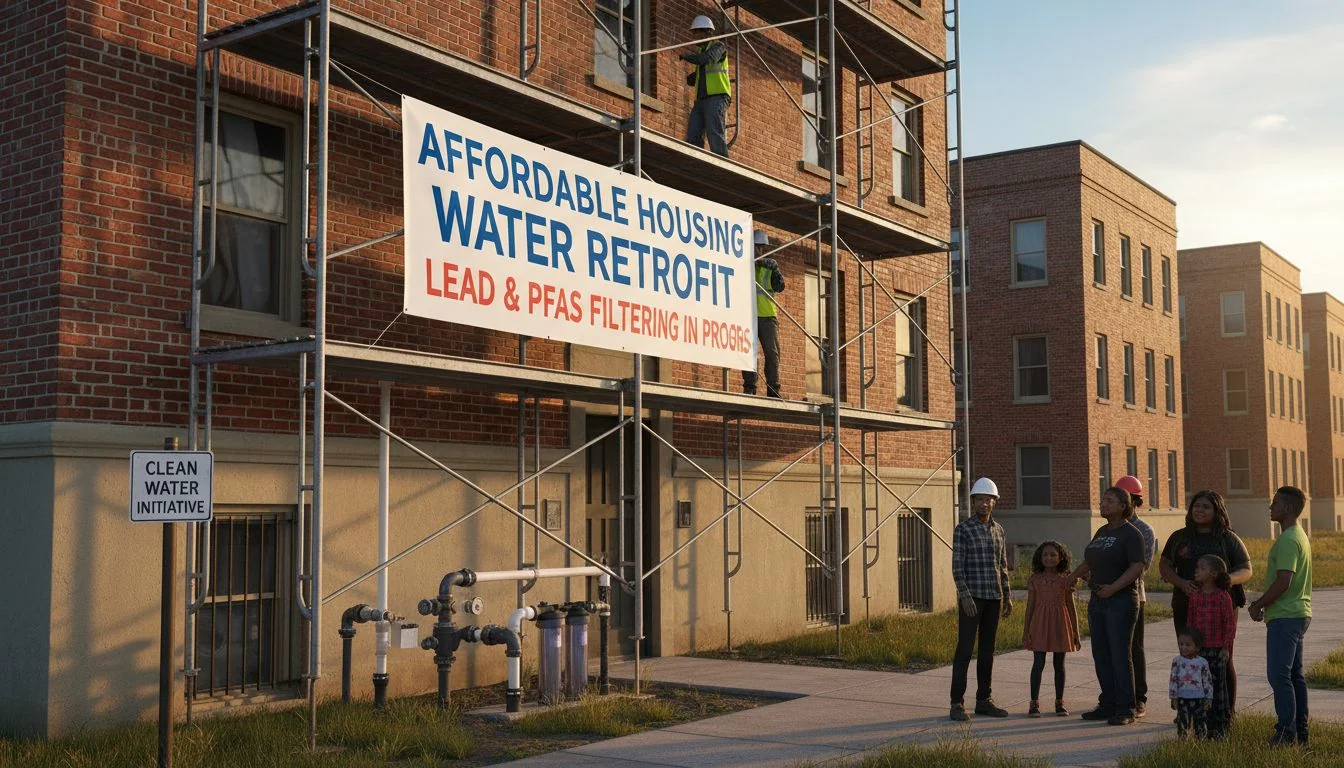
Property managers face aging pipes and new water rules. Ignoring lead and PFAS risks1 leads to compliance failures. I will show you how to manage these retrofits smoothly.
Property managers can address lead and PFAS risks by testing water quality, planning phased retrofits2, and securing funding. You should start with common-area filtration pilots to control budgets and limit resident disruption before expanding to in-unit systems across multiple buildings.

You might think water retrofits are too costly and disruptive for affordable housing. I used to think the same way when I managed large factory upgrades. But if you understand the asset management side, you can turn a huge headache into a simple, repeatable process. Let us look at how you can do this step by step.
Lead and PFAS are water-quality concerns that require testing and documentation.Verdadero
Property managers must treat these as measurable water-quality metrics for compliance, rather than making direct health claims.
Replacing all pipes at once is the only way to fix water issues.Falso
Phased retrofits and point-of-use filtration are effective, budget-friendly ways to manage water quality without full pipe replacement.
Why Are Water Retrofits Rising on Property Managers' Agendas?
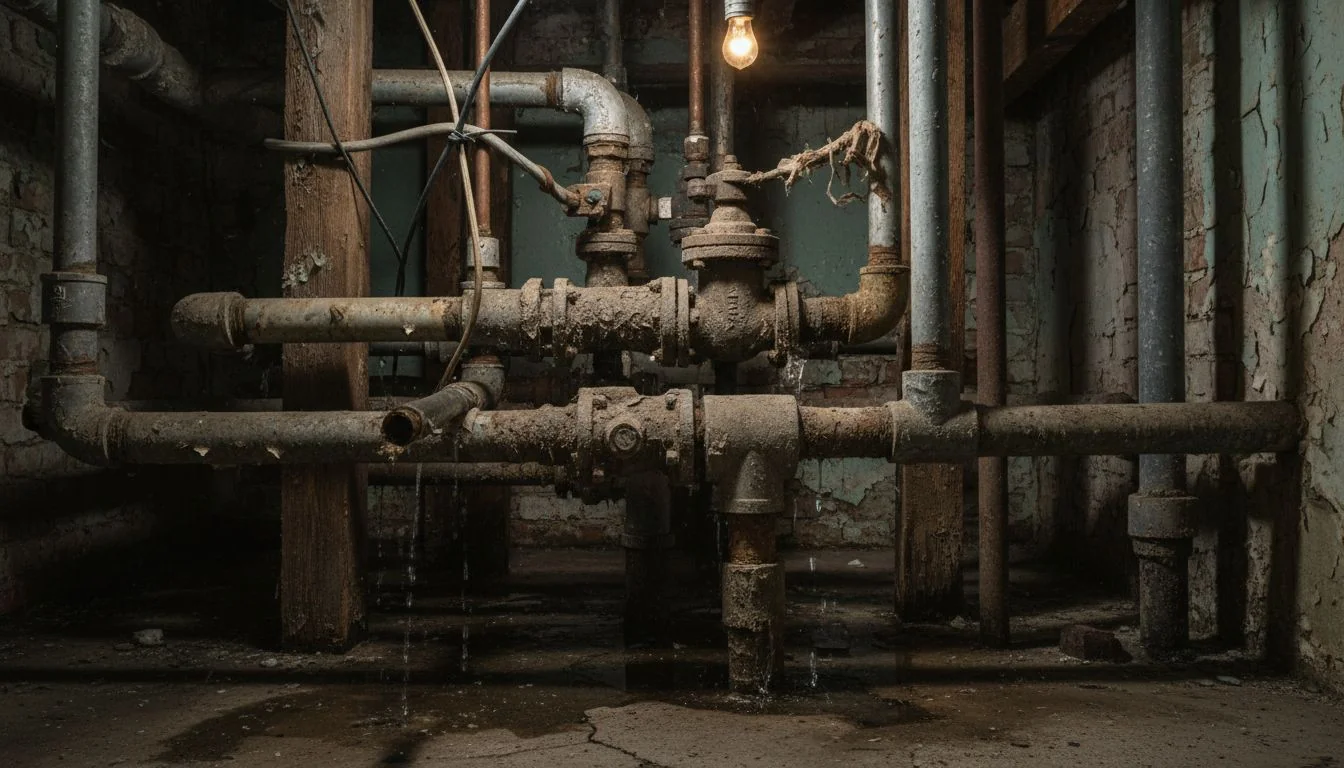
Tenants worry about their water. Managers struggle with old plumbing. You need a plan to handle these water-quality concerns before they become major asset management problems.
Water retrofits are rising on agendas because aging infrastructure and stricter compliance rules force property managers to act. You must test and document lead and PFAS levels to protect your building assets and maintain clear, repeatable maintenance standards.
The Shift in Asset Management
I talk to many product designers like Jacky who create filtration parts. They always ask me what the end buyer wants. Property managers care about budget control3 and repeatability. They do not want to deal with constant leaks. They do not want tenant complaints. Water retrofits are now a core part of asset management. You must treat lead and PFAS as water-quality concerns to test and manage. You do not need to make health claims. You just need to document the water quality. This makes your job much easier.
Balancing Disruption and Upgrades
When I ran my CNC trading company, any machine downtime cost money. For property managers, building downtime means resident disruption. You must plan retrofits that do not force people out of their homes. You need a system that works quietly in the background.
| Concern | Enfoque tradicional | Modern Retrofit Approach |
|---|---|---|
| Presupuesto | High upfront cost | Phased spending |
| Disruption | High (breaking walls) | Low (point-of-use filters) |
| Conformidad | Reactive fixes | Proactive testing and documentation |
You can see why managers prefer modern methods. You keep the budget under control. You keep the tenants happy. You meet all compliance rules.
Property managers prioritize budget control and repeatability across buildings.Verdadero
Managers need scalable solutions that fit within strict operational budgets and can be duplicated easily.
You must make health claims when discussing lead and PFAS with tenants.Falso
You should frame lead and PFAS as water-quality concerns to test and manage, avoiding medical or health claims.
What is the Regulatory and Funding Landscape for Affordable Housing?
New water rules confuse many building owners. Missing a compliance deadline brings heavy fines. You must understand the current laws and find the right funding to pay for upgrades.
The regulatory landscape requires strict testing for lead and PFAS in drinking water. Affordable housing managers can access federal and state grants to fund these mandatory upgrades. You should use these funding mechanisms4 to cover your costs and ensure full compliance.
Navigating New Water Rules
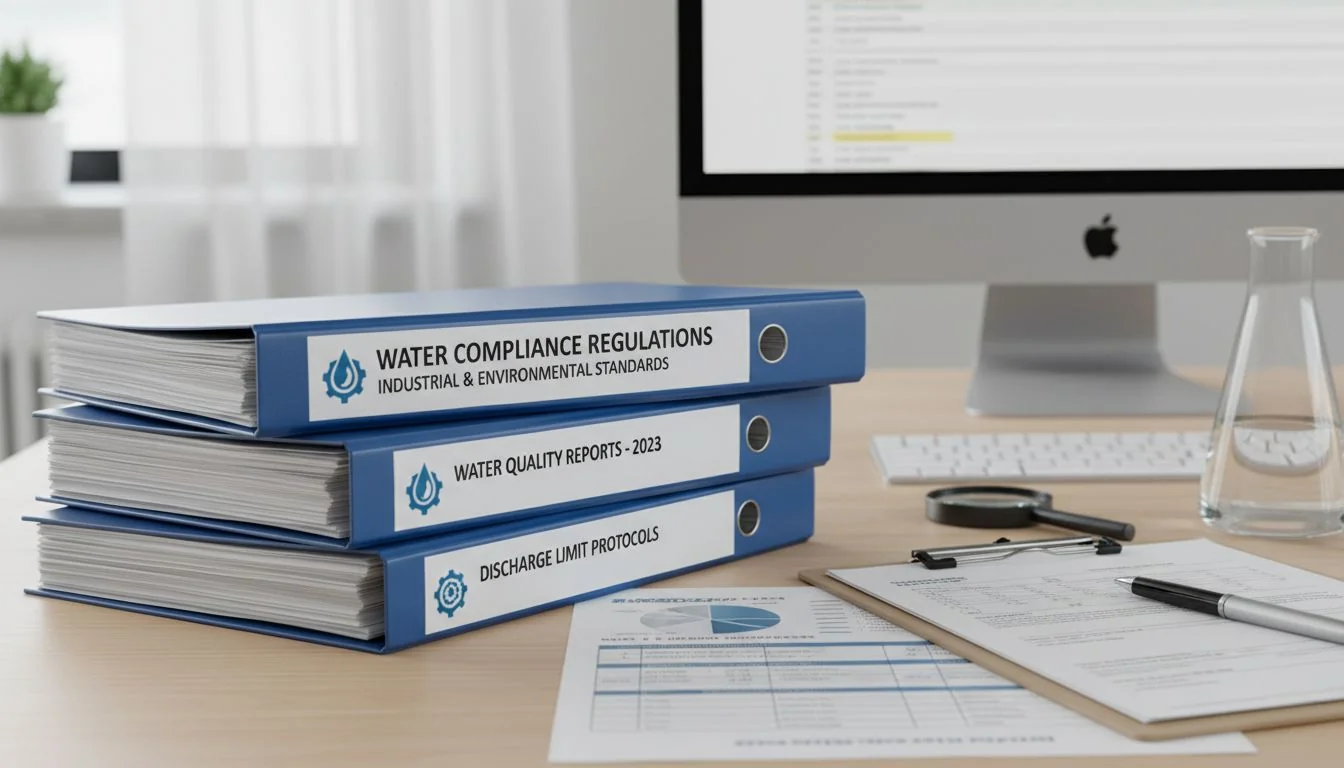
Rules change fast. I remember when mold manufacturing standards changed in Canada. We had to adapt quickly. Property managers face the same issue with water rules today. Governments now require strict testing for lead and PFAS. You must document your water quality regularly. If you fail, you face heavy penalties. This is a basic compliance support issue. You must stay ahead of the laws.
Finding the Money
Affordable housing operates on tight margins. You cannot just raise the rent to pay for new pipes. You must look for outside money. Many government programs offer grants for water retrofits. You just need to know where to look.
| Funding Source | Best Used For | Application Difficulty |
|---|---|---|
| Federal Grants | Large, multi-building overhauls | Alta |
| State Programs | Specific lead pipe removal | Medio |
| Local Utility Rebates | Filter installations | Bajo |
You should start with local rebates. They are easy to get. Then you can apply for larger state grants. This phased funding approach keeps your budget safe. It also makes your asset management plan much stronger. You protect your cash flow this way.
Affordable housing managers can use government grants to pay for water retrofits.Verdadero
Many federal and state programs provide funds specifically for removing lead and improving water quality in affordable housing.
Local utility rebates are the hardest funding sources to secure.Falso
Local rebates are typically the easiest and fastest funding sources to secure compared to federal grants.
Common-Area vs In-Unit Filtration: How Do You Choose a Strategy?
Choosing the wrong filter location wastes money. Installing filters in every unit causes huge disruptions. You need a strategy that balances cost, maintenance, and tenant access.
You should choose a common-area filtration5 pilot as a lower-risk starting point. This strategy reduces upfront costs and limits resident disruption. Once you prove the system works, you can slowly roll out in-unit filtration across multiple buildings as your budget allows.
The Case for Common-Area Pilots
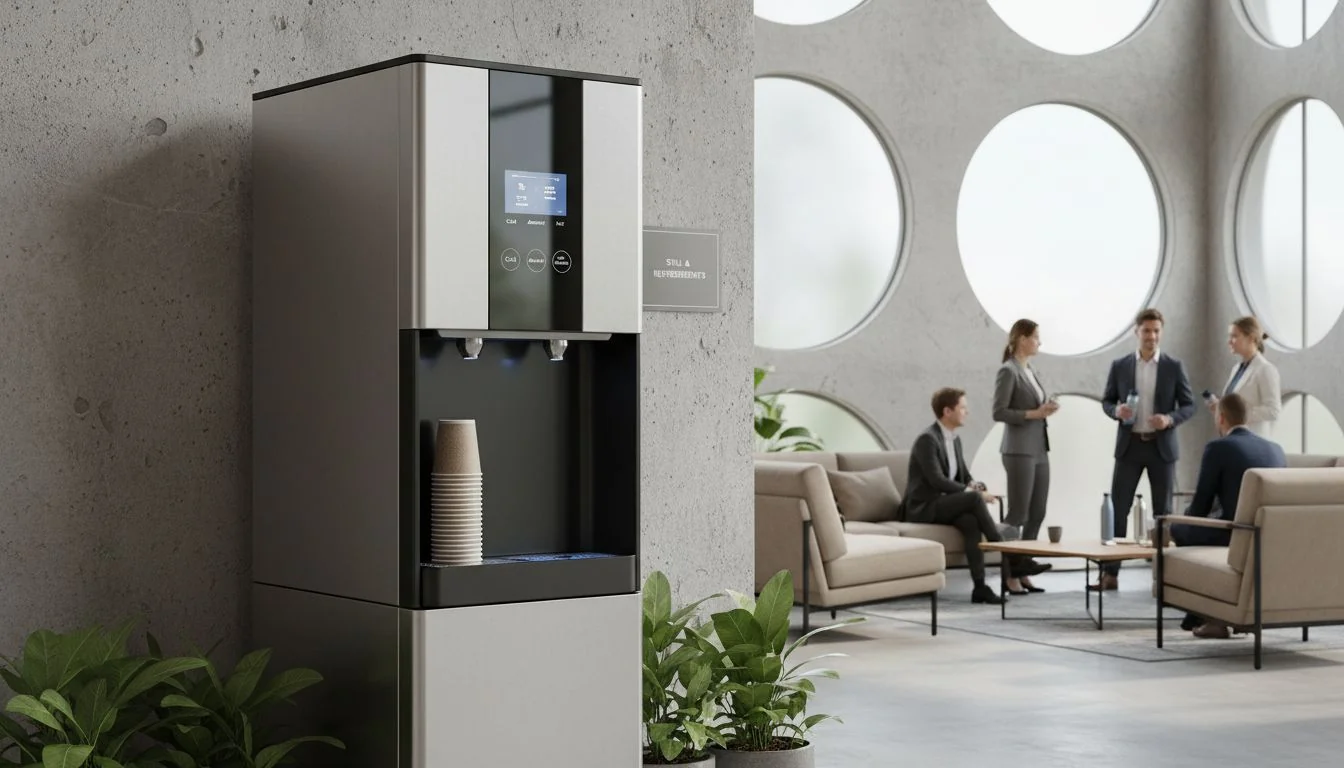
When I test a new mold design, I do a small pilot run first. Property managers should do the exact same thing. A common-area pilot is a lower-risk starting point. You install a high-quality filtration system in the lobby. You can also put it in the community room. This gives all residents access to clean water immediately. It costs much less money. It causes zero disruption to the apartments. You can test the system easily.
Planning for In-Unit Systems
In-unit filters are great, but they bring maintenance headaches. You have to enter every apartment to change the filters. This takes time. This costs money.
| Estrategia | Upfront Cost | Maintenance Effort | Resident Disruption |
|---|---|---|---|
| Common-Area Pilot | Bajo | Low (one central unit) | Ninguno |
| In-Unit Filtration | Alta | High (many units) | Alta |
You must think about repeatability. If you manage ten buildings, changing one thousand filters every six months is a nightmare. Start with the common area. Test the water. Document the results. Then decide if you really need in-unit systems. This saves you from making a huge mistake.
A common-area pilot is a lower-risk starting point for multifamily upgrades.Verdadero
It requires less capital, causes no resident disruption, and provides immediate access to filtered water.
In-unit filtration requires very little maintenance effort.Falso
In-unit systems require maintenance staff to enter every apartment regularly to replace filters, which is highly labor-intensive.
Budgeting: How Do You Manage CAPEX, OPEX, and Funding Mechanisms?
Unplanned costs destroy property budgets. High maintenance fees drain your yearly funds. You must separate your initial costs from your ongoing expenses to keep your buildings profitable.
You manage budgets by splitting costs into CAPEX for initial equipment and OPEX for ongoing filter replacements. You must secure available funding mechanisms like grants to cover CAPEX. This allows you to control your OPEX and maintain a predictable, phased retrofit plan.

Understanding CAPEX and OPEX
In my CNC business, buying a machine was CAPEX. Buying the cutting tools was OPEX. Water retrofits work the exact same way. The filtration housings and plumbing work are your Capital Expenditures. The replacement filters and labor are your Operating Expenditures. You must calculate both numbers before you start any work. You cannot ignore the long-term costs.
Building a Phased Budget
Property managers care about budget control. You cannot spend all your money in one year. You need a phased retrofit plan. You must spread the costs over several years.
| Tipo de gasto | Examples | Funding Strategy |
|---|---|---|
| CAPEX | Filter housings, new pipes, labor | Government grants, capital reserves |
| OPEX | Replacement cartridges, water testing | Annual operating budget |
You should use grants to pay for your CAPEX. This leaves your normal budget free to handle the OPEX. If you design products for this industry, like Jacky does, you must make the OPEX cheap. Property managers will not buy a system if the replacement filters cost too much money. You must design for low maintenance.
Replacement filters and routine water testing are considered OPEX.Verdadero
These are ongoing, operational expenses required to maintain the water filtration system year after year.
You should pay for all CAPEX using your annual operating budget.Falso
CAPEX should be funded through capital reserves or external funding mechanisms like grants to protect the operating budget.
What Are the Procurement and Contractor Selection Steps?
Bad contractors cause delays and leaks. Poorly chosen equipment fails early. You need a strict selection process to find reliable partners for your water retrofit projects.
You select contractors by checking their experience with multifamily water systems and compliance documentation6. You must procure equipment that offers easy maintenance and repeatability across multiple buildings. Always demand a clear project timeline to ensure budget control and minimize disruption.
Setting Procurement Standards
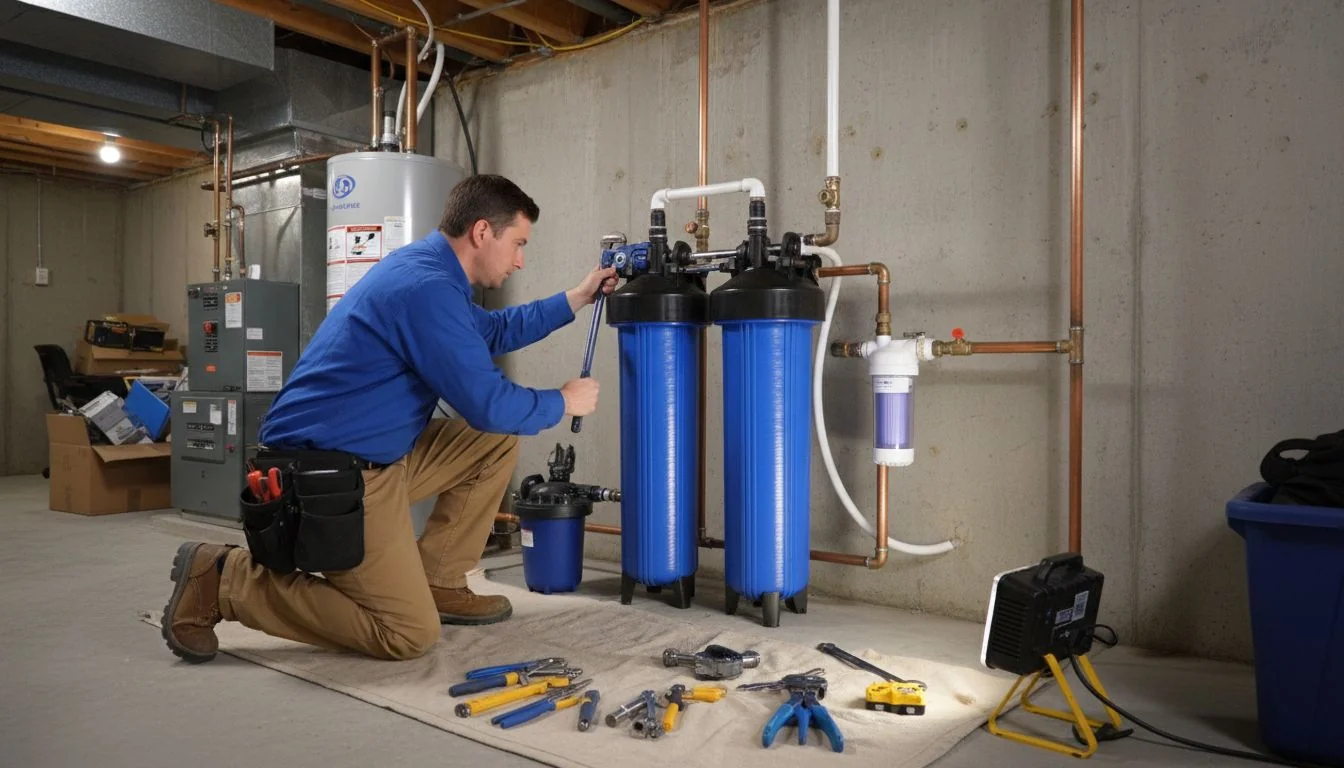
When I buy mold steel, I only use trusted suppliers. Property managers must do the same for water systems. You need equipment that is easy to fix. You want repeatability across all your properties. If you use five different filter brands in five buildings, your maintenance team will fail. You must procure one standard system for your whole portfolio. This makes training your staff very easy.
Choosing the Right Contractor
You cannot hire just any plumber. You need a contractor who understands affordable housing. They must know how to work around tenants. They must respect the residents.
| Contractor Requirement | Why It Matters |
|---|---|
| Multifamily Experience | They know how to minimize resident disruption. |
| Compliance Knowledge | They can help document lead and PFAS levels. |
| Phased Planning | They can work within your yearly budget limits. |
I always ask contractors for a pilot installation first. Let them do the common-area pilot. If they do a good job, you can give them the contract for the rest of the building. This protects your budget. This protects your assets. You never want to give a big job to an untested contractor.
Using the same filtration system across all buildings improves maintenance efficiency.Verdadero
Standardizing equipment ensures repeatability, making it easier for staff to stock parts and perform repairs.
Any general plumber is perfectly suited for large-scale affordable housing retrofits.Falso
Large retrofits require contractors with specific multifamily experience to handle tenant disruption and compliance documentation.
How Do You Handle Resident Communication and Documentation Practices?
Scared tenants cause panic. Missing records lead to legal trouble. You must communicate clearly and keep perfect records to manage water-quality concerns effectively.
You handle resident communication by explaining lead and PFAS as water-quality concerns, not health crises. You must provide clear notices before any work begins. You also need strict documentation practices to record all water test results and filter changes for compliance support.

Communicating with Residents
Communication is just like product design. It must be clear. It must be simple. You should not scare your residents. You must describe lead and PFAS as water-quality concerns to test and manage. Do not make health claims. Tell them you are upgrading the building to provide better water. Give them plenty of notice before you enter their units. Treat them with respect.
Maintaining Compliance Records
I learned in manufacturing that if you do not document it, it did not happen. Property managers face the exact same rule. You must keep perfect records of everything you do.
| Document Type | Propósito | Frecuencia |
|---|---|---|
| Water Test Results | Proves compliance with lead and PFAS rules | Annually or as required |
| Filter Change Logs | Shows the system is maintained | Cada 6 meses |
| Resident Notices | Proves you informed tenants of work | Before any disruption |
Good documentation is the core of compliance support. It protects your budget from government fines. It also proves to your investors that you are managing the asset well. Keep your records organized. Keep your tenants informed. This is the only way to run a successful property.
Proper documentation of filter changes protects property managers from compliance fines.Verdadero
Keeping detailed logs proves to regulators that the water quality systems are being actively maintained.
You should use medical terms to explain PFAS risks to your tenants.Falso
You should frame PFAS as a water-quality metric to manage, avoiding medical or health claims that cause panic.
Conclusión
Water retrofits protect your assets and your residents. By using phased plans, common-area pilots, and clear documentation, you can control budgets and easily manage lead and PFAS compliance.
References
-
Understanding lead and PFAS risks is crucial for property managers to ensure compliance and protect residents. ↩
-
Phased retrofits can minimize disruption and manage costs effectively while addressing water quality issues. ↩
-
Effective budget management is key to successfully implementing water retrofits without financial strain. ↩
-
Exploring funding options can help property managers finance necessary upgrades without straining budgets. ↩
-
Common-area filtration systems can provide immediate access to clean water while reducing costs and disruptions. ↩
-
Proper documentation is essential for compliance and can protect property managers from fines and legal issues. ↩



 English
  Français
  Español
  Italiano
  Deutsch
  Português
  Русский
  العربية
  日本語
日本語  한국어
한국어  Tiếng Việt

